Pick the potato by the job, not the bag colour
Waxy potatoes stay intact in salads and stews, while floury potatoes turn fluffy in mash and crisp at the edges. The right choice follows the recipe.

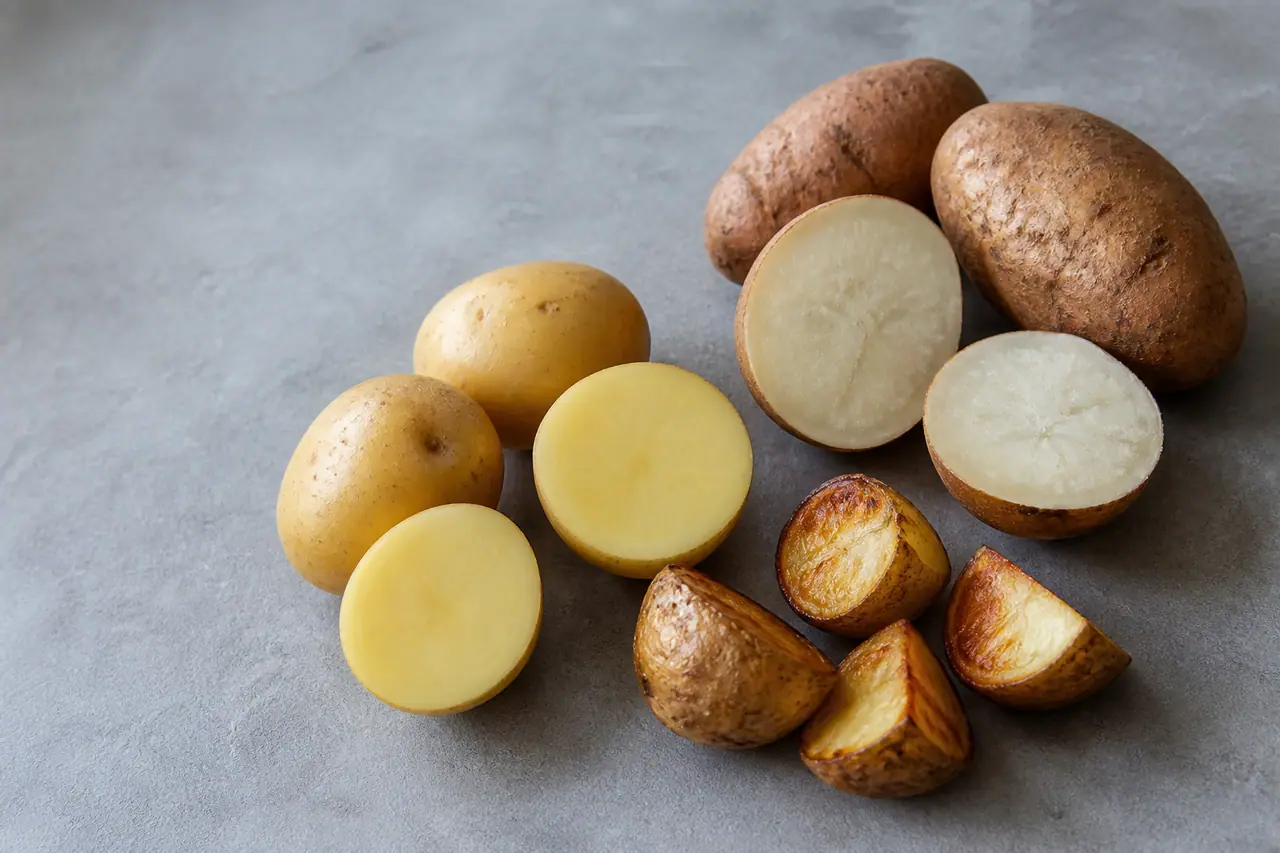
The potato aisle offers a choice that matters more than colour: do you want the pieces to hold together, or do you want them to break down? Waxy potatoes keep a neat edge in a salad and stew. Floury potatoes open up, turn fluffy in mash and make a rough surface that browns well in the oven. I use both, but I stop expecting one bag to do every job.
My short verdict is waxy for boiling, salads and layered dishes where shape matters; floury for mash, baked potatoes and roast potatoes where a dry fluffy centre matters; all-rounders when the label is vague and the dinner can tolerate a little compromise. Variety names differ by market, so the cooking clue is the texture, not the colour of the skin.
One honest comparison is enough to change how I shop for the next meal.
What waxy and floury mean in the pan
Waxy potatoes have a denser, smoother texture and tend to keep their shape as they cook. Floury potatoes have a more open texture and break apart more readily. Neither description means one is better. It tells me what the potato will do when water, oil and heat start changing its structure.
I test an unfamiliar potato by boiling one small piece until tender, draining it and pressing it with a fork. If it stays glossy and compact, I save it for salad or a stew. If it flakes and looks dry, I use it for mash or a roast. One test potato can protect a whole pan from the wrong texture.
I keep the finished pieces visible while I work so the timing stays honest.
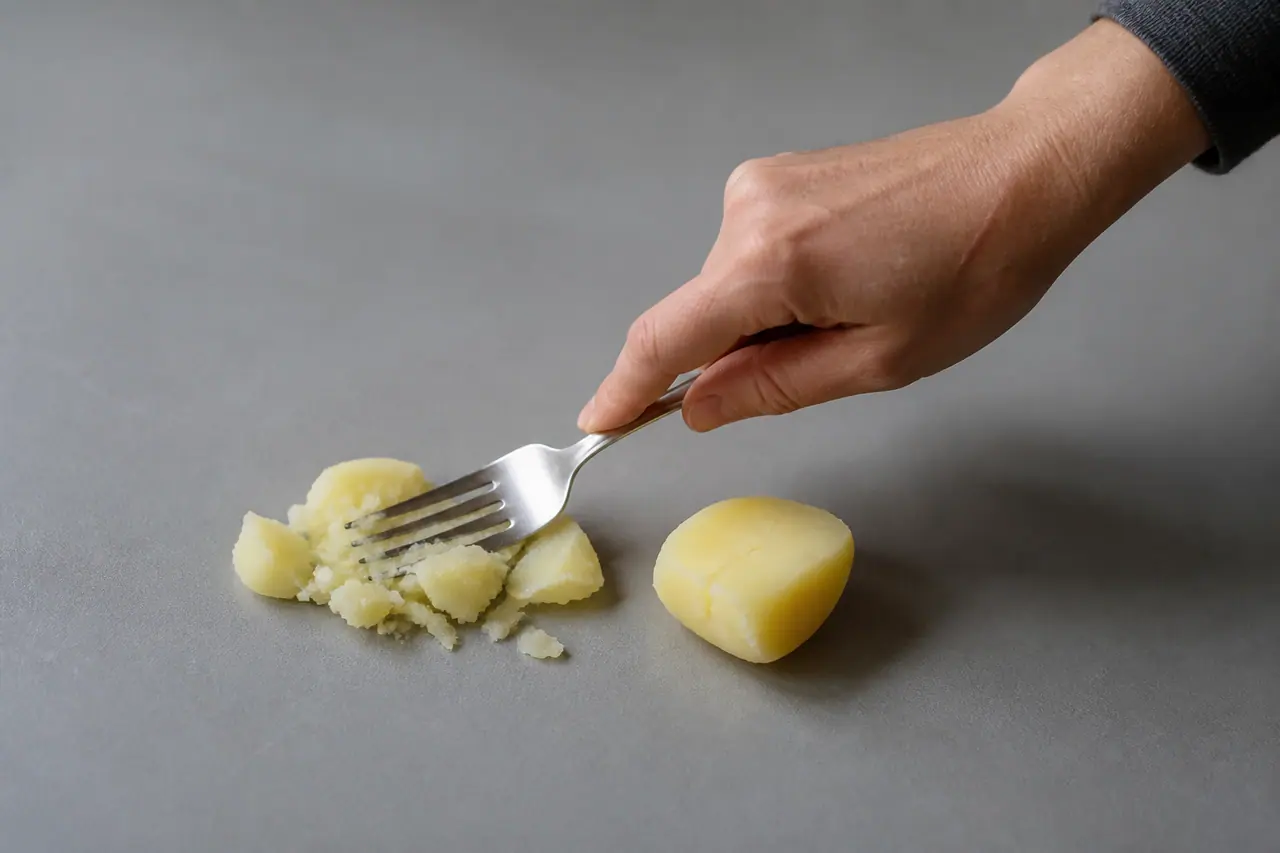
My three-job comparison
I cut equal pieces from a waxy and a floury potato, simmered them in the same salted water and drained them at the same tenderness. The waxy pieces lifted cleanly and held their corners. The floury pieces had roughened edges and broke when I stirred them. That rough surface is useful in a roast, but awkward in a salad.
I then cooled a few pieces and dressed them with oil, mustard and vinegar. The waxy potato stayed distinct. The floury potato absorbed more dressing but needed a gentler hand. In mash, the result reversed: the floury potato became light with a fork, while the waxy piece stayed springy and required more work.
That is where a small kitchen habit earns its place at dinner.
| Job | Waxy potato | Floury potato |
|---|---|---|
| Potato salad | Holds pieces | Can break under dressing |
| Mash | Dense and springy | Fluffy and easy to crush |
| Roasting | Firm centre | Rough edges and crisp surface |
| Stew | Stays visible | Thickens and may collapse |
| Baked potato | Moist, compact centre | Dry, fluffy centre |
Source: Maren Ashby cooking comparison, 2026
For mash, stop stirring sooner
Floury potatoes do the heavy lifting in mash, but they can turn gluey if I work them after the cells have broken down. I drain them well, let steam escape for a minute and press them while hot. Butter or oil goes in before I adjust with warm milk. A ricer or masher keeps the texture lighter than a food processor.
Waxy potatoes can still make a good mash if that is what I have. I leave it rustic and add enough fat to make the dense pieces feel rounded. I do not chase restaurant fluff from a potato that wants to hold its shape.
The pan gives me the answer before the recipe has finished explaining itself.
For roasting, roughness is the advantage
I parboil floury potatoes until the edges soften, drain them and shake the pot. The broken surface catches oil and turns crisp. Waxy potatoes need less handling because their edges stay tidy, but they do not create the same rough crust. They are good when I want a firm roast potato beside a sauce or salad.
The oven temperature matters, but potato type decides how much crust is available. If a waxy potato refuses to roughen, I do not keep boiling it until it collapses. I use a flatter cut, more space on the tray and a hot pan.
I save this check for the moment the food can still change course.
Where all-purpose potatoes fit
All-purpose potatoes sit between the two textures. They are useful for tray bakes, soups and weeknight dinners where I want some pieces intact and some sauce thickening. They are not a compromise to apologise for. They are the bag I buy when the week includes several kinds of cooking.
I cut all-purpose potatoes evenly and avoid aggressive stirring. Their texture can move toward floury as they get old or are cooked too long. The same bag can make a good roast on Monday and a broken stew on Friday if I change the heat and timing.
A little room on the board makes the decision clearer before cooking starts.
The answer in one line
Waxy potatoes belong in recipes that need clean pieces. Floury potatoes belong in recipes that reward breakdown and rough edges. Pick the texture before the recipe starts, then cook it in a way that uses that behaviour.
I make that decision before the pan is hot, while the ingredient can still change.
Questions
Are waxy potatoes good for roasting?
Which potatoes are best for mash?
Which potatoes stay firm in a salad?
What does all-purpose potato mean?
More guides
All guides →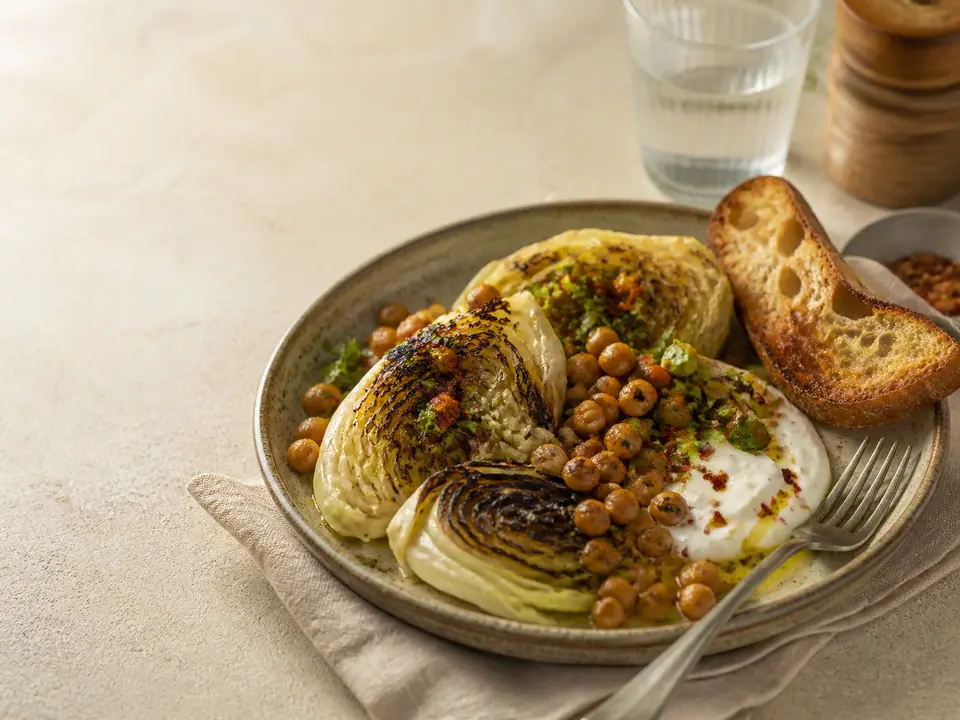
5 cabbage dinners that are not boiled cabbage
A cabbage head can become a roast wedge, a noodle-like skillet, a bean dinner, a chicken tray and a crisp topping without a pot of boiling water.
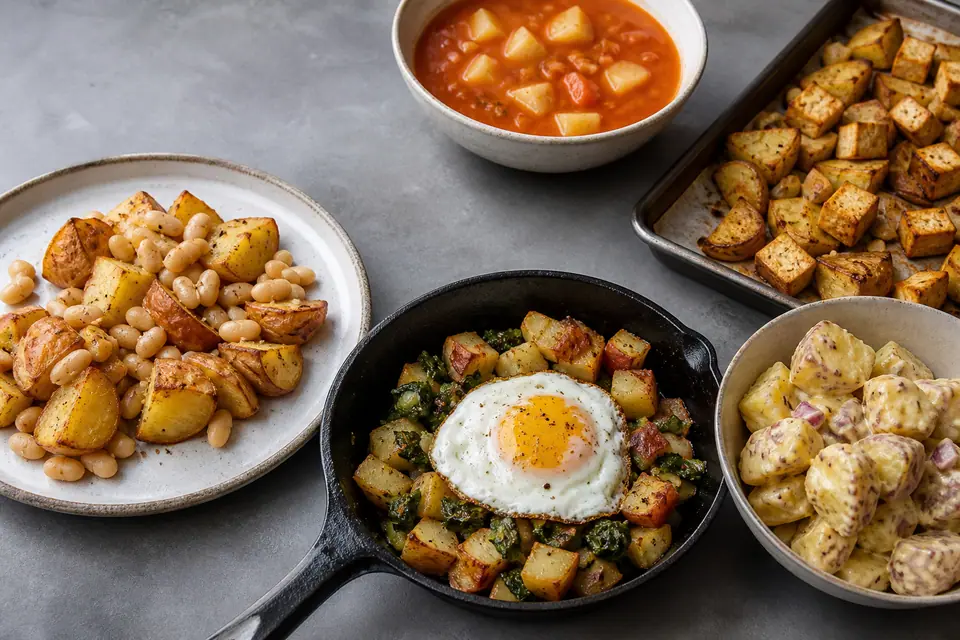
5 dinners that start with potatoes
Potatoes can start a dinner in five directions: roasted with beans, folded into eggs, simmered into soup, crisped for a bowl or dressed as a warm salad.

5 dinners for a bag of carrots
Roast carrots with beans, blend them into lentil soup, fry them with rice, fold them through pasta or build a spiced traybake around them.