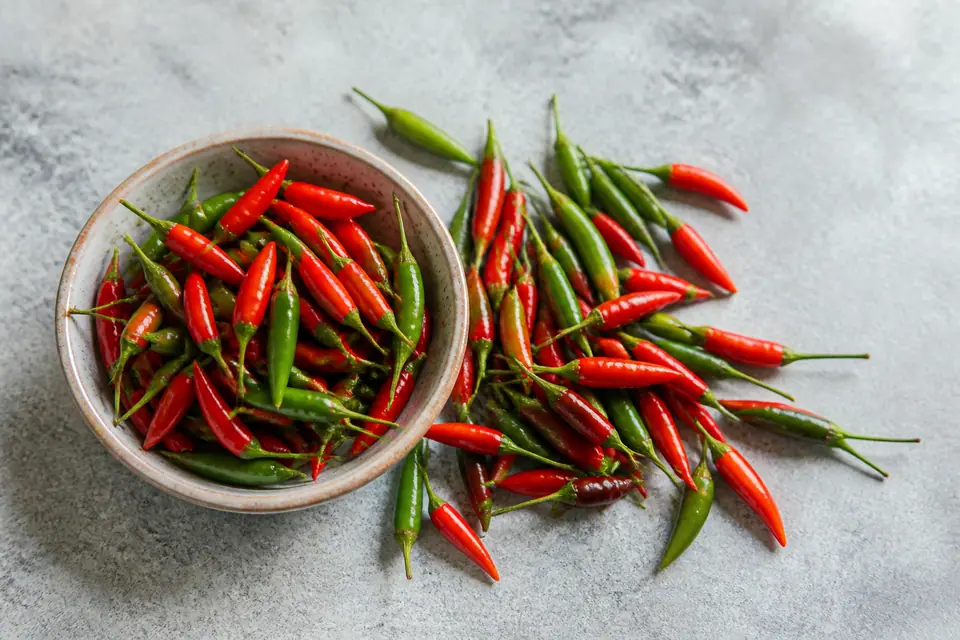
Bird's eye chillies
Bird's eye chillies are small, thin and hot, with a clean sharp burn. Use them sparingly in sauces, stir-fries and pickles, and keep a mild ingredient nearby to make adjustment possible.
One page per ingredient: what is in it with the source cited, how to pick a good one, how to store it, what to use when you have none — and every recipe here that uses it.
Bird's eye chillies are small, thin and hot, with a clean sharp burn. Use them sparingly in sauces, stir-fries and pickles, and keep a mild ingredient nearby to make adjustment possible.
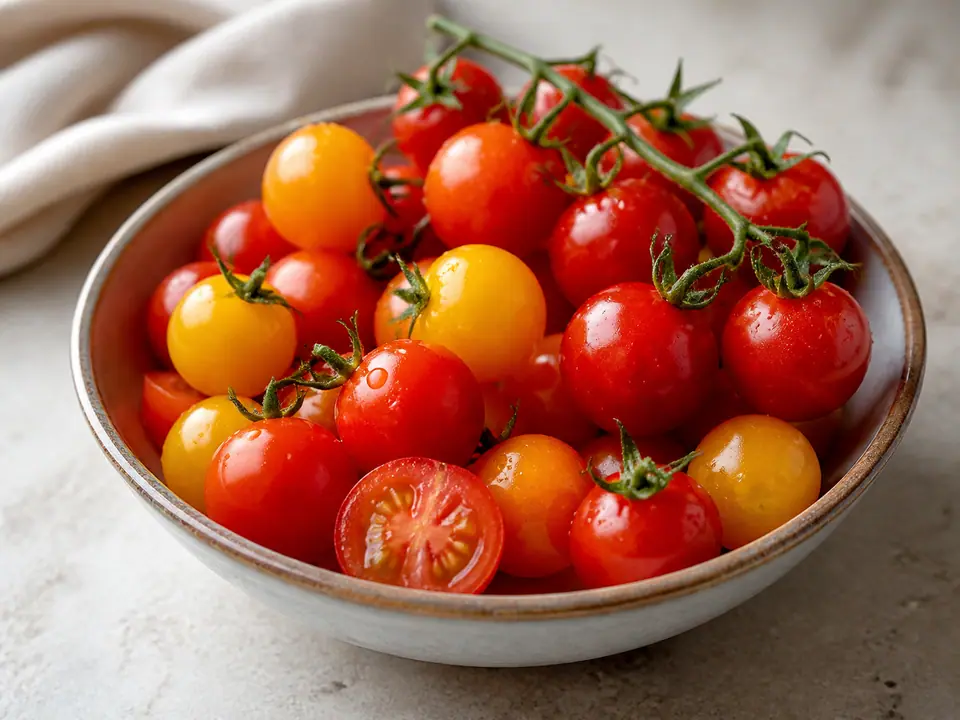
Cherry tomatoes have more skin and less loose pulp than large tomatoes, which is why they travel well and roast without collapsing immediately.
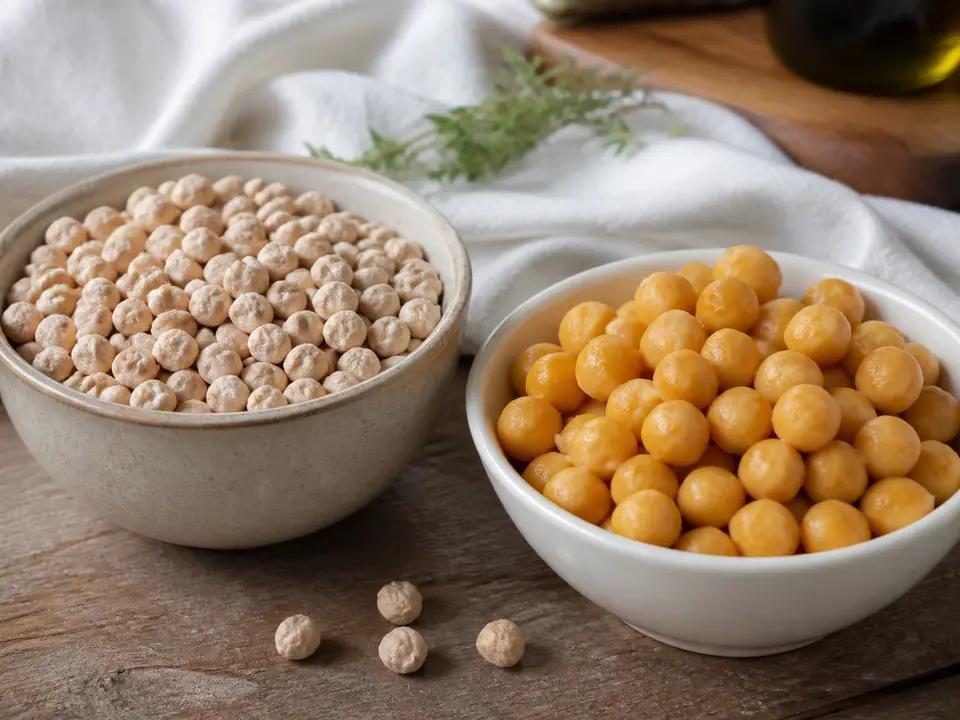
The most useful thing in the cupboard: 8.9 g of protein and 7.6 g of fibre per 100 g cooked, and it keeps for years.
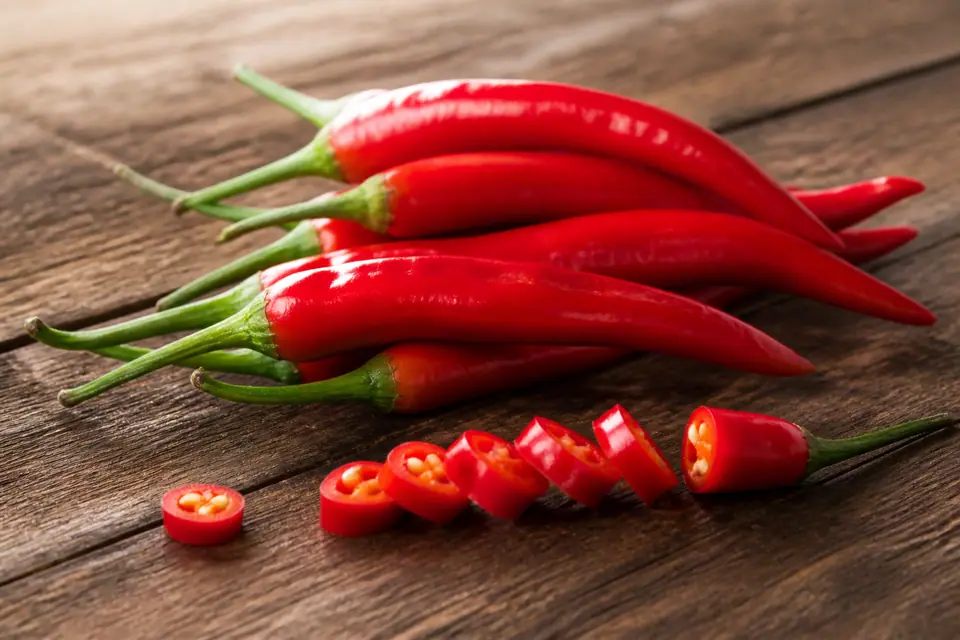
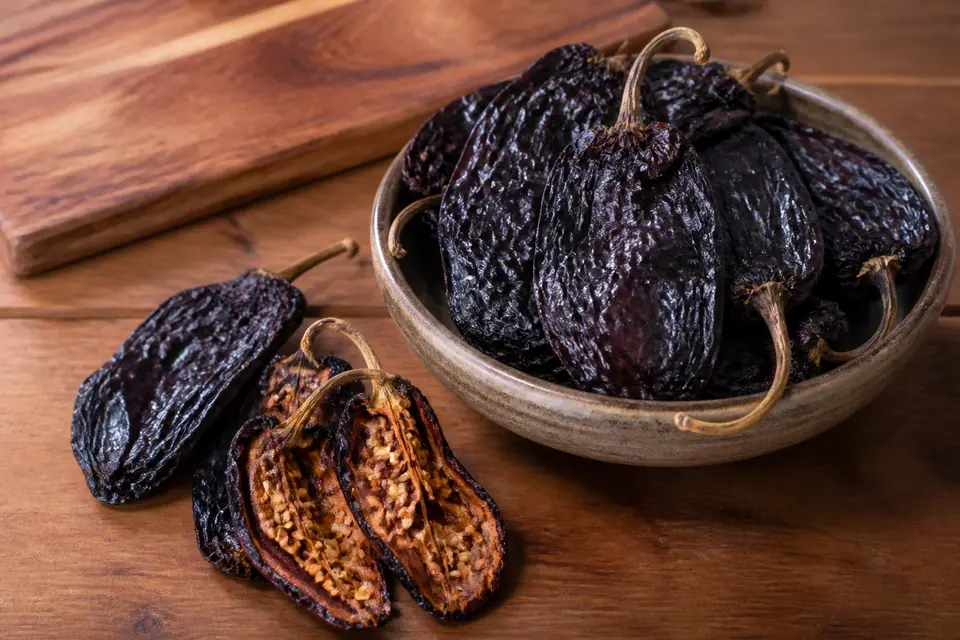
Dried ancho chillies are ripe poblano peppers with a broad, wrinkled shape and a mild, fruity heat. Toast them briefly, soak them until flexible and use the soaking liquid only when it tastes clean.
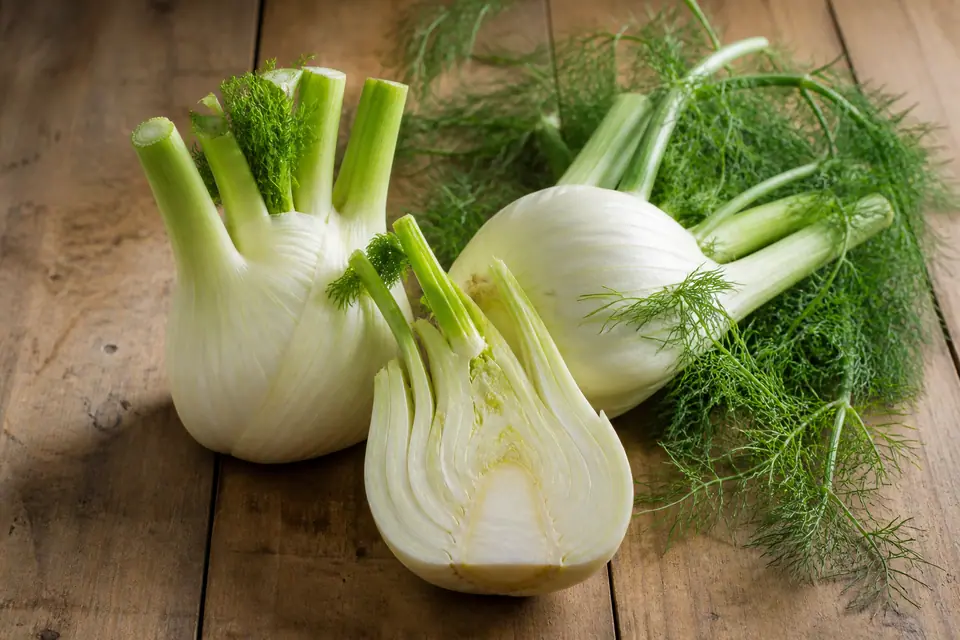
Fennel bulbs have crisp layers, feathery fronds and a gentle anise note that mellows with heat. Choose heavy, pale bulbs and use the fronds as a fresh finishing herb.
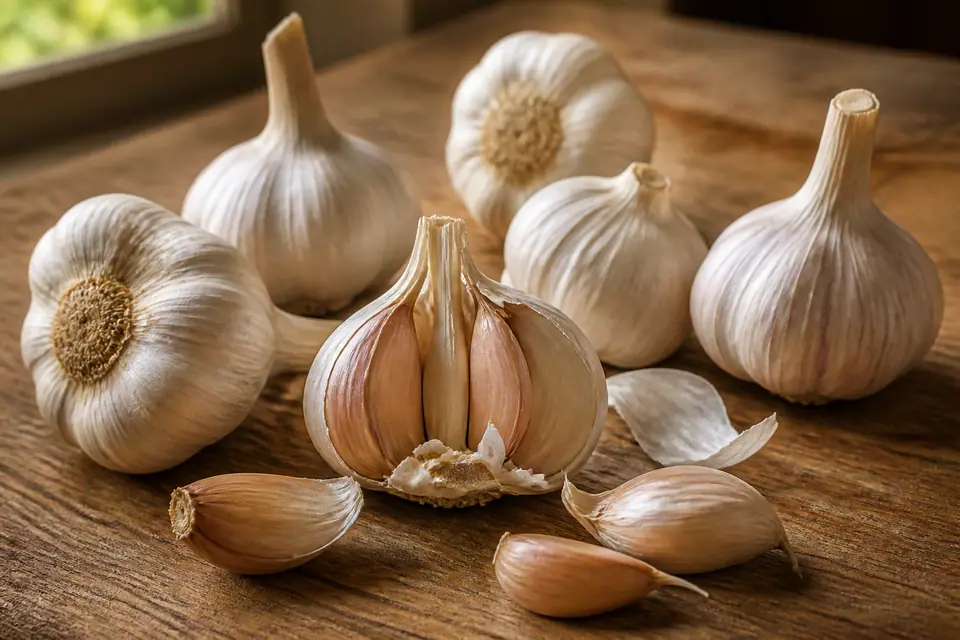
Garlic is one of the smallest ingredients with the biggest effect on a dish. Choose firm, dry heads, store them with air around them and control the heat so the cloves turn golden rather than bitter.
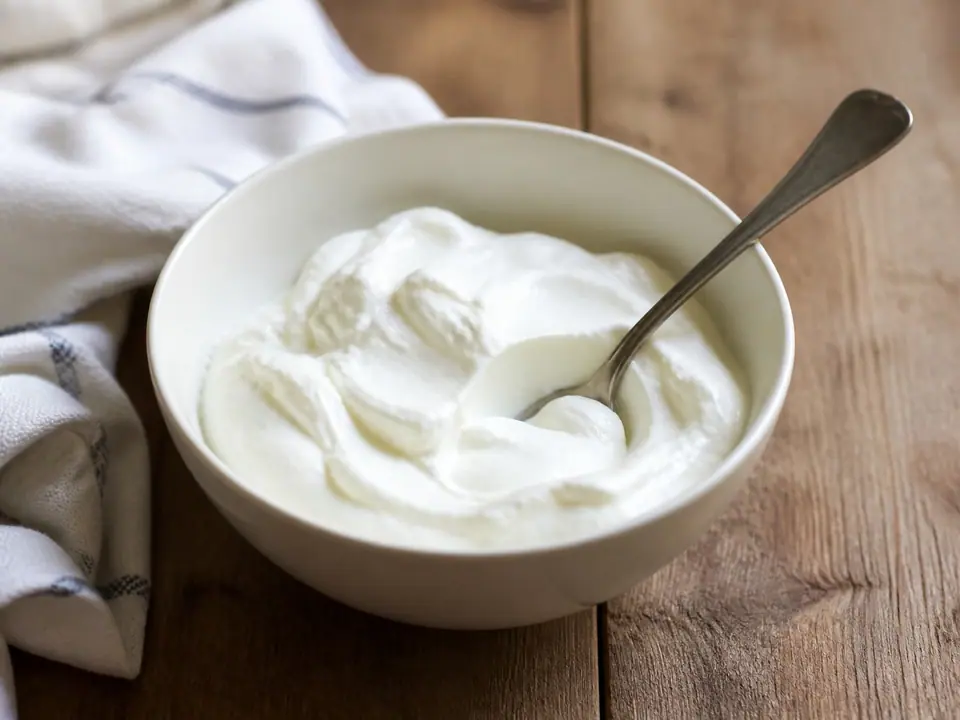
Straining roughly doubles the protein per spoonful and removes most of the lactose. That is the entire difference.
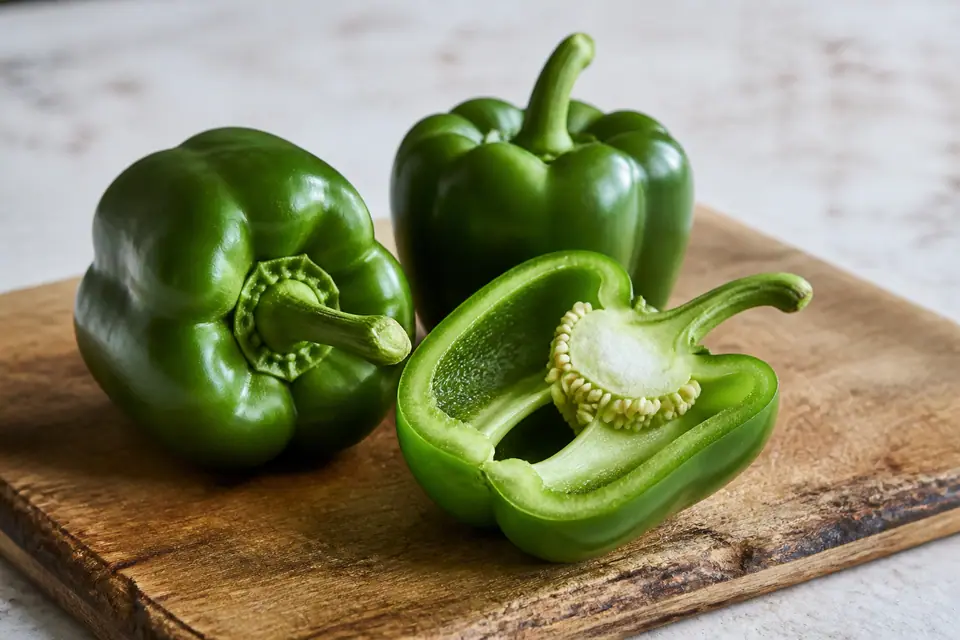
Green bell peppers are the firm, grassy stage of the sweet pepper. They stay crisp longer than ripe colours, take smoke well and bring the savoury edge that a sweet red pepper cannot replace.
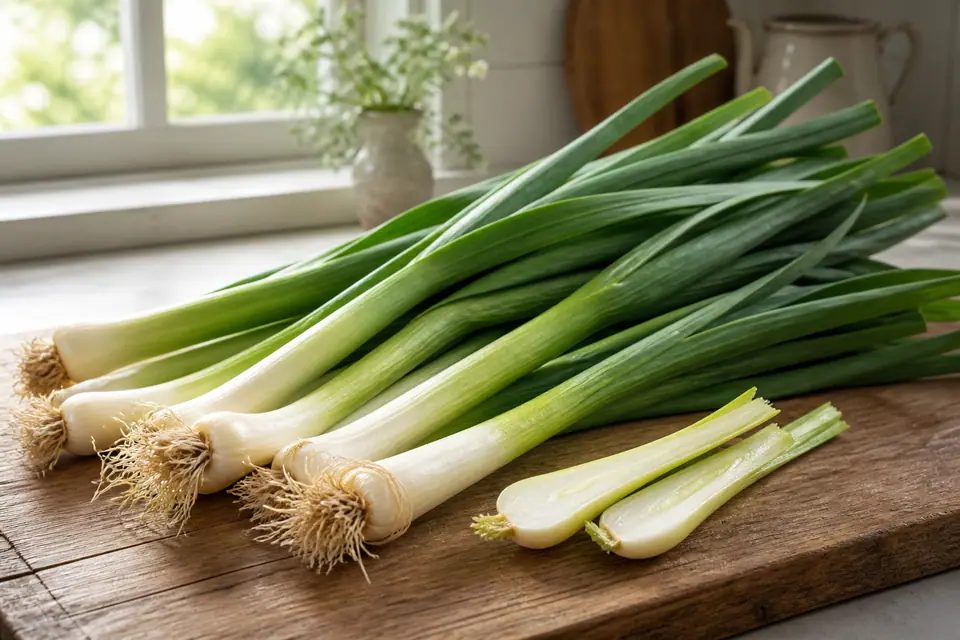
Green garlic looks like a young leek or spring onion and tastes like a mild garlic clove with grassy leaves. Use the white base and green tops in sauces, eggs, soups and dressings.
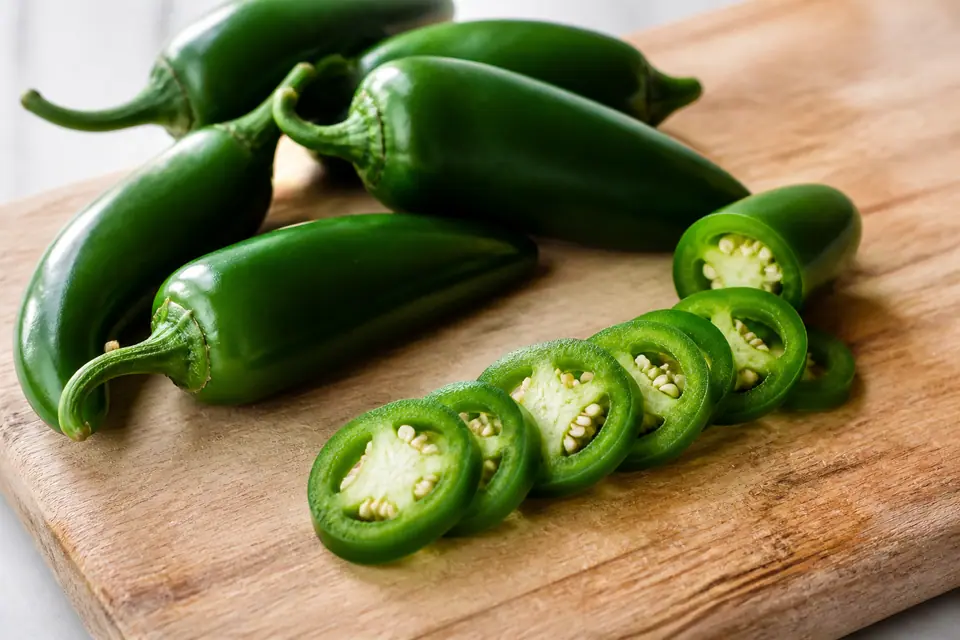
Jalapeños are thick-fleshed green chillies with a clean, medium heat. Use them raw for crunch, cooked for a softer green flavour, or ripened red when you want a fruitier edge.
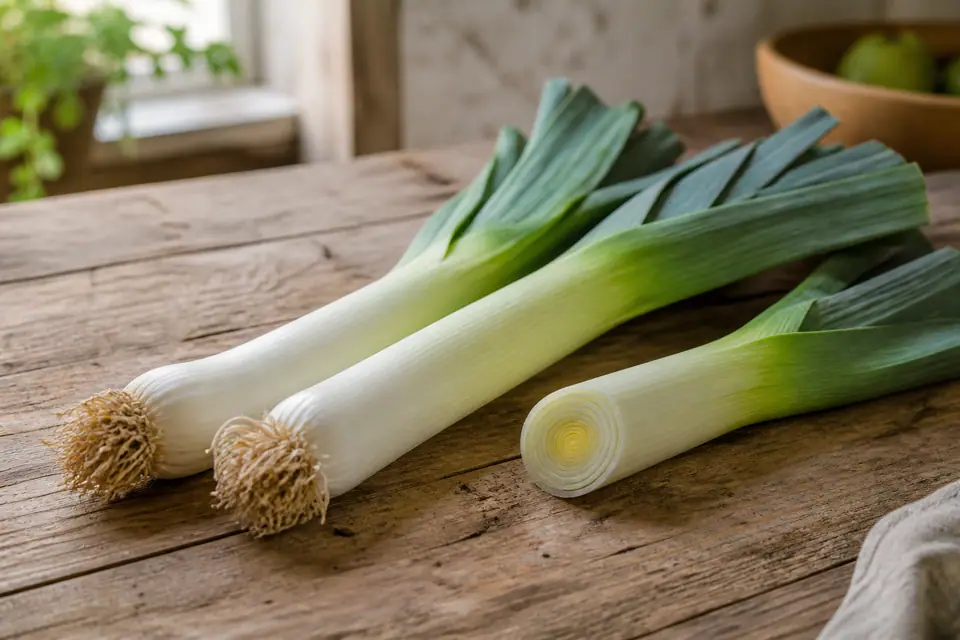
Leeks have a mild onion flavour and a tender texture after slow cooking. Choose firm white stems with fresh green leaves, then rinse every cut layer to remove field grit.
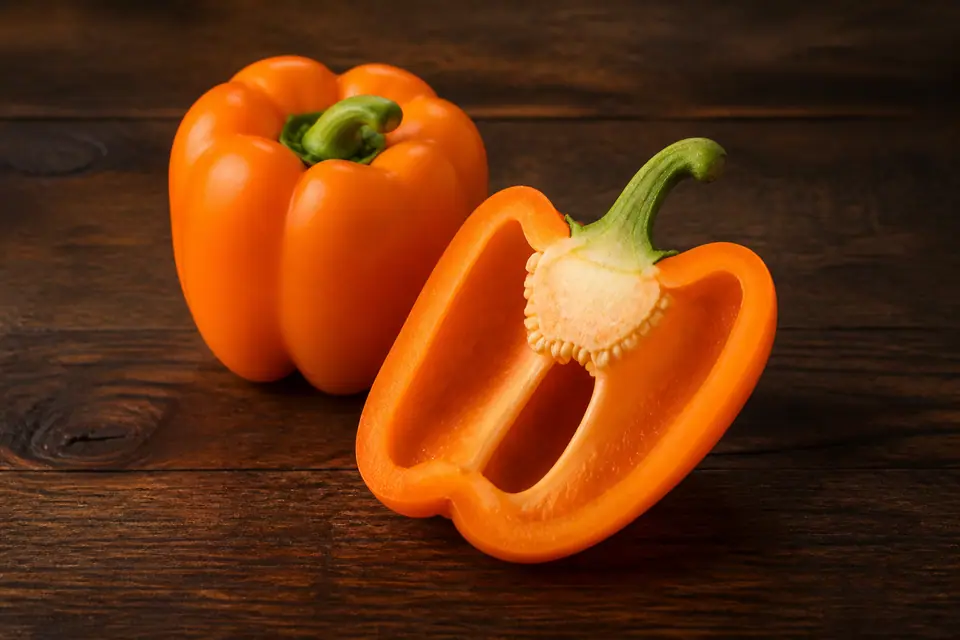
Orange bell peppers are ripe, mild and juicy, with a thick wall that holds up on a hot tray. Buy for weight and firmness, then use the brightest fruit raw before it loses its crunch.
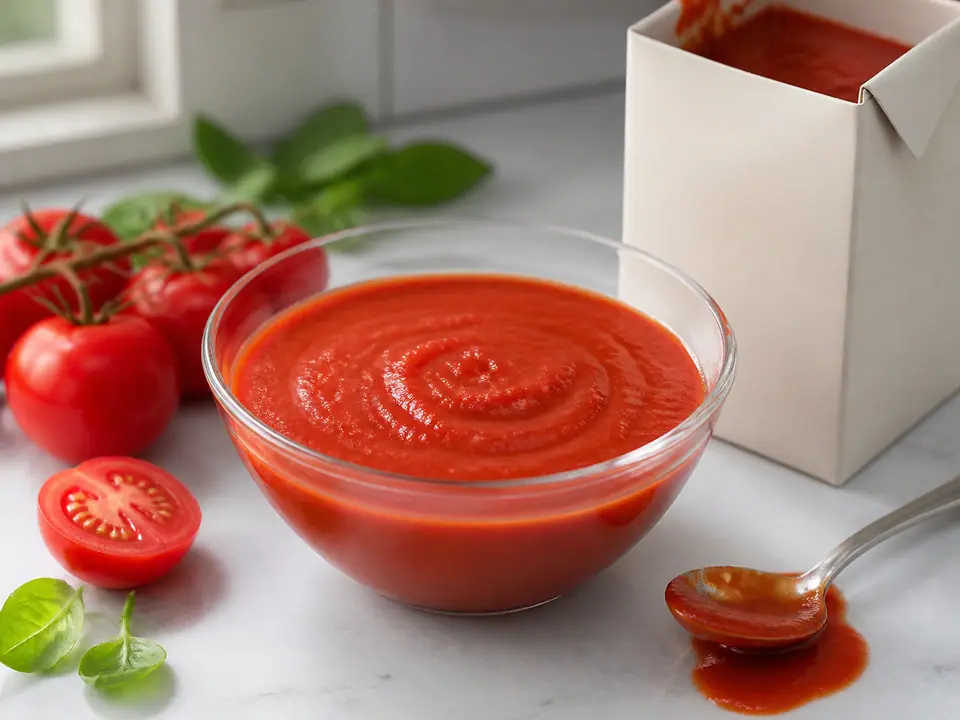
Passata is the smooth tomato shortcut. It gives a sauce a clean texture, but it still needs time in the pan to lose its raw, watery edge.
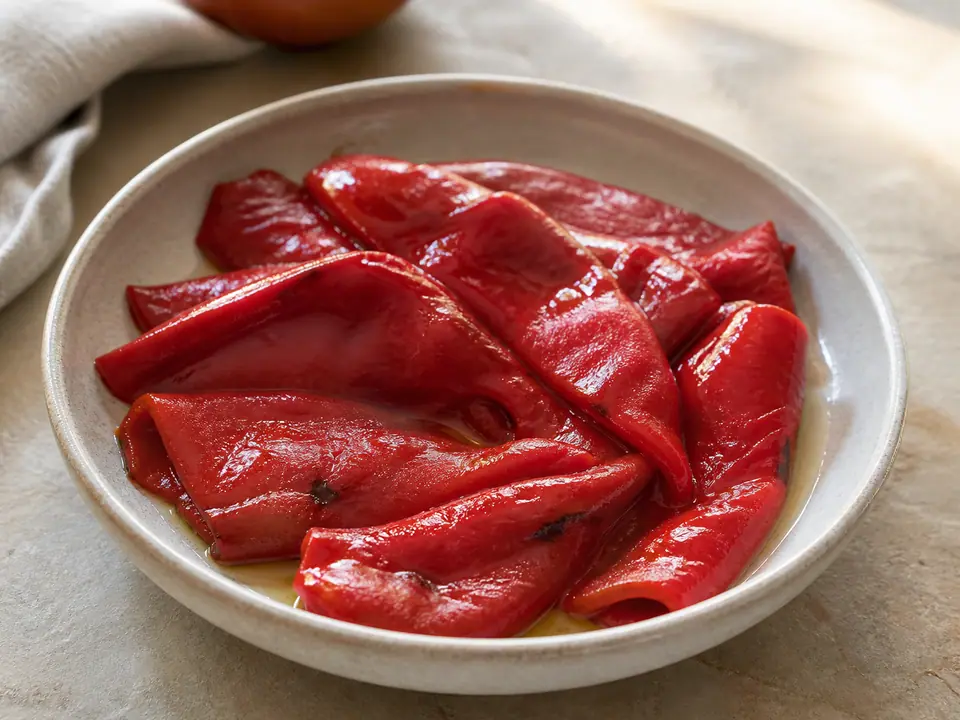
Piquillo peppers are small, sweet and already roasted. Their jar oil and soft flesh make them a fast way to add warmth to beans, fish and toast.
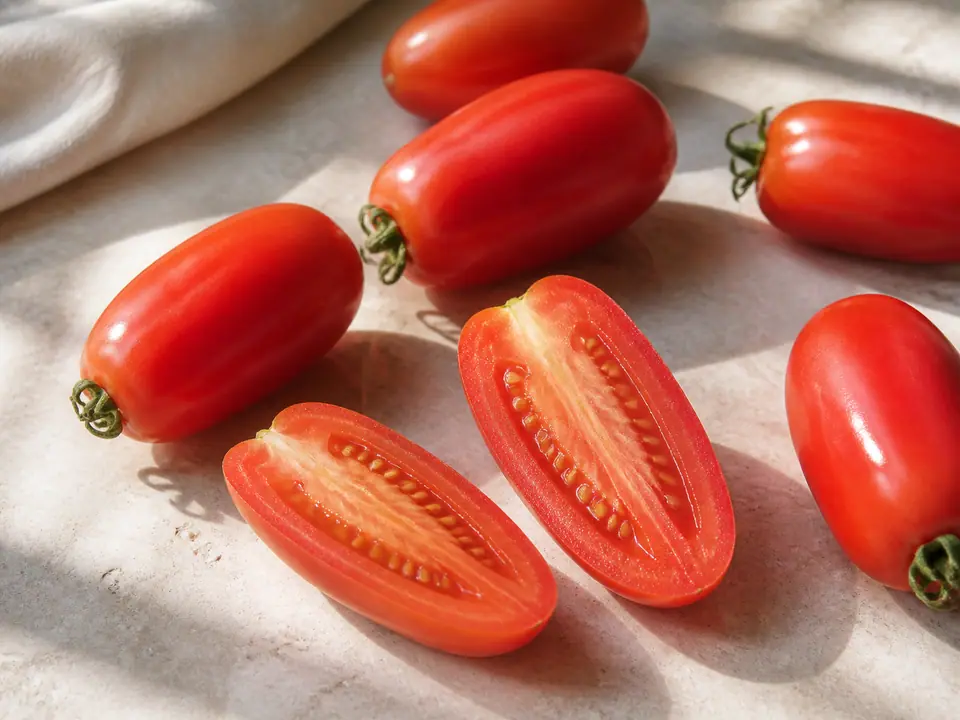
Plum tomatoes are the practical fresh tomato for cooking: firm flesh, modest seed chambers and enough structure to survive a hot pan.
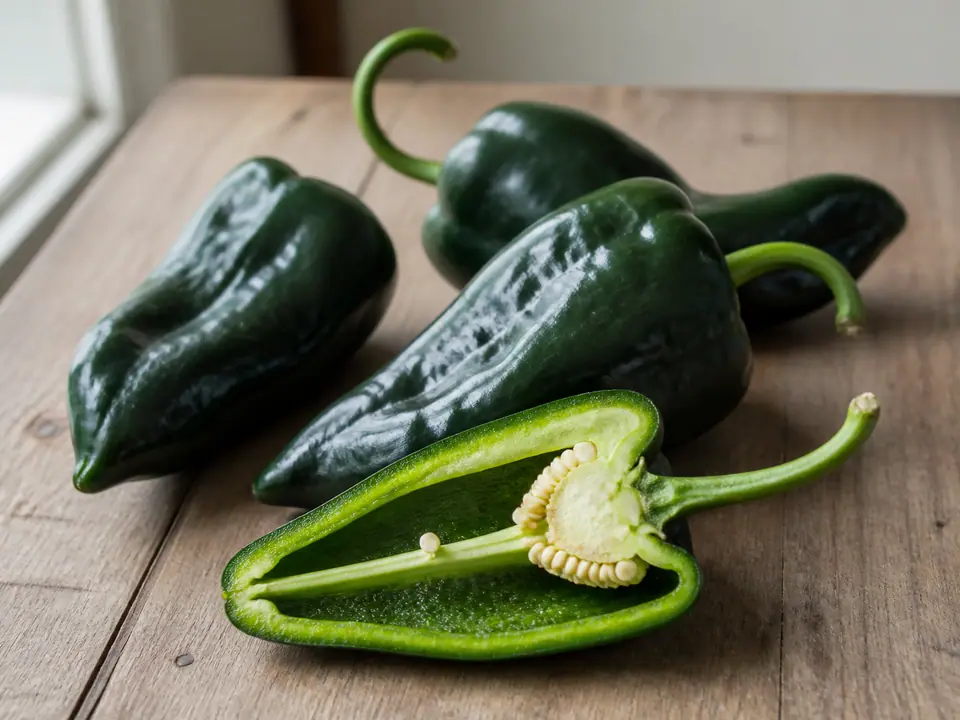
Poblanos are broad green chiles with a mild, earthy heat that gets sweeter when blistered. Treat the skin like a pepper skin, not a garnish.
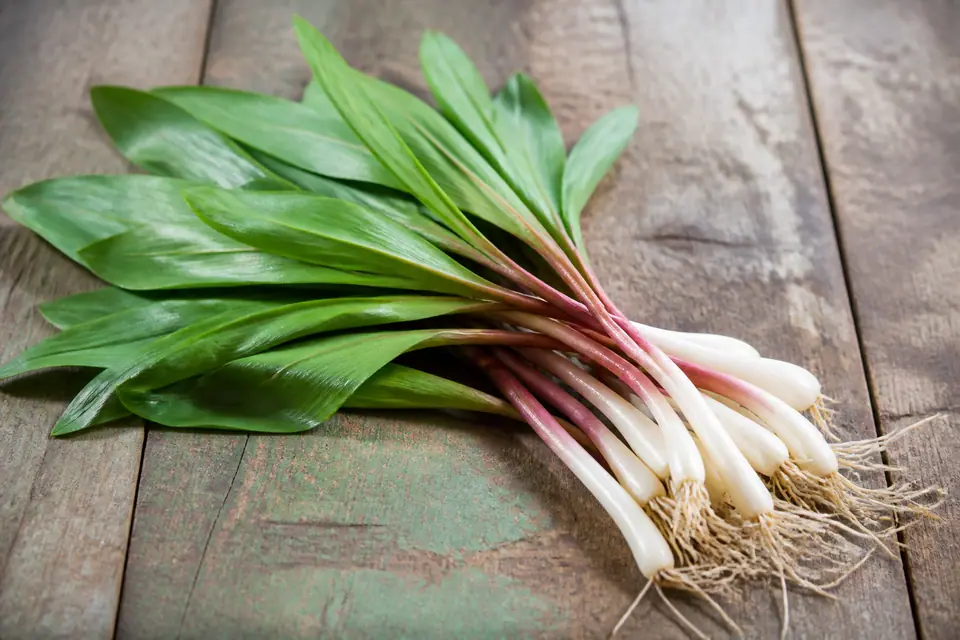
Ramps are seasonal wild alliums with a tender white bulb, purple-tinged stem and broad green leaves. Use them quickly, wash them carefully and let their short season guide the menu.
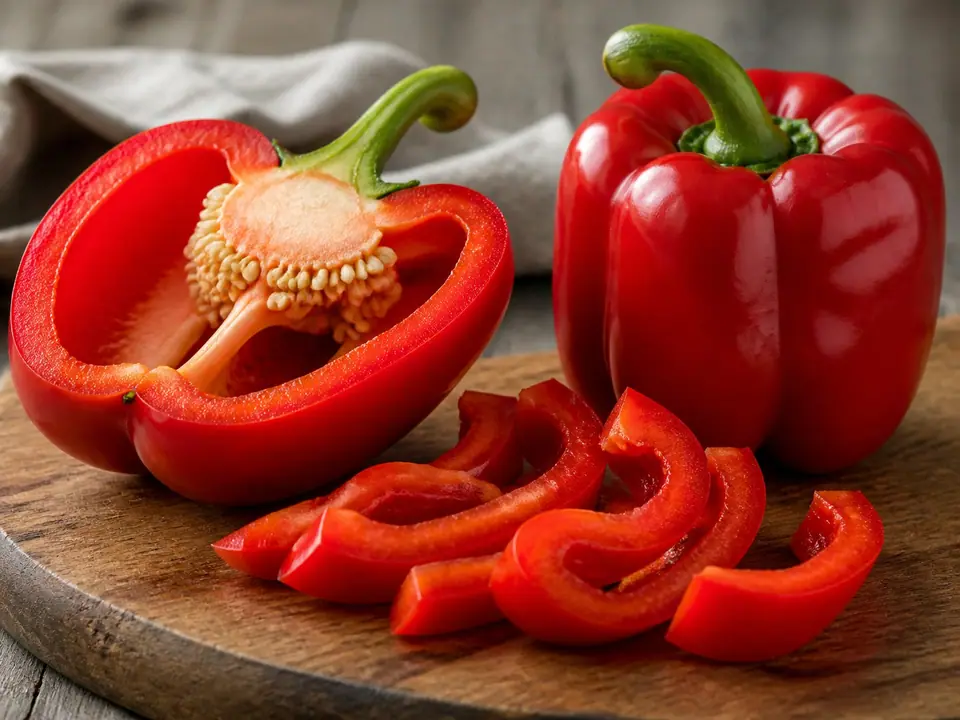
127.7 mg of vitamin C per 100 g, more than twice what an orange carries. It is also nothing more exotic than a green pepper that nobody picked.
Fresh red chillies are ripe, bright and variable in heat. Choose firm glossy pods, taste before measuring, and add them late when you want colour and a fresh chilli aroma.
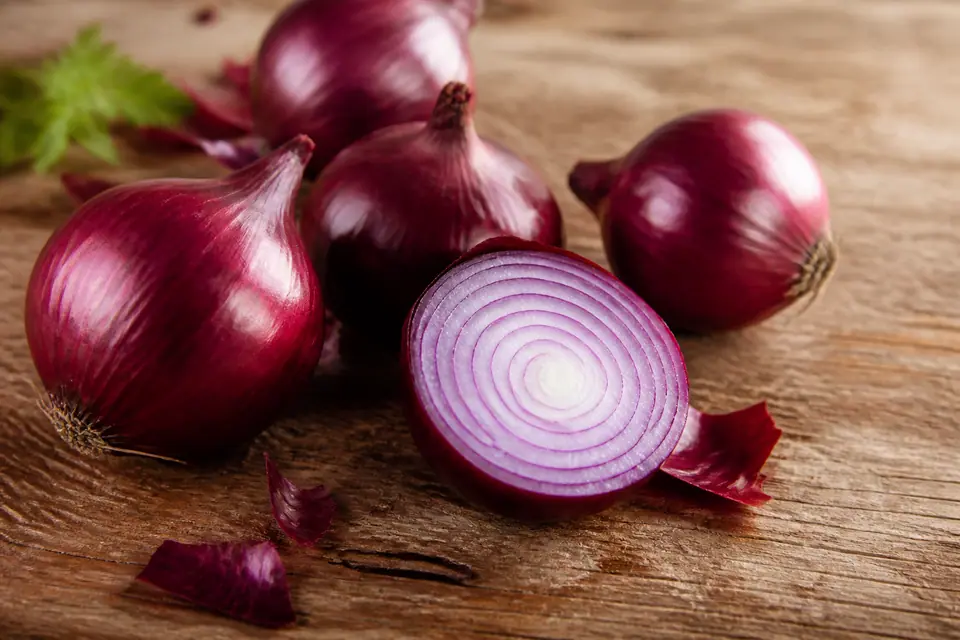
Red onions are crisp, sharp and colourful, with enough sweetness for roasting and pickling. Choose firm bulbs with glossy purple skins and store them dry before cutting.
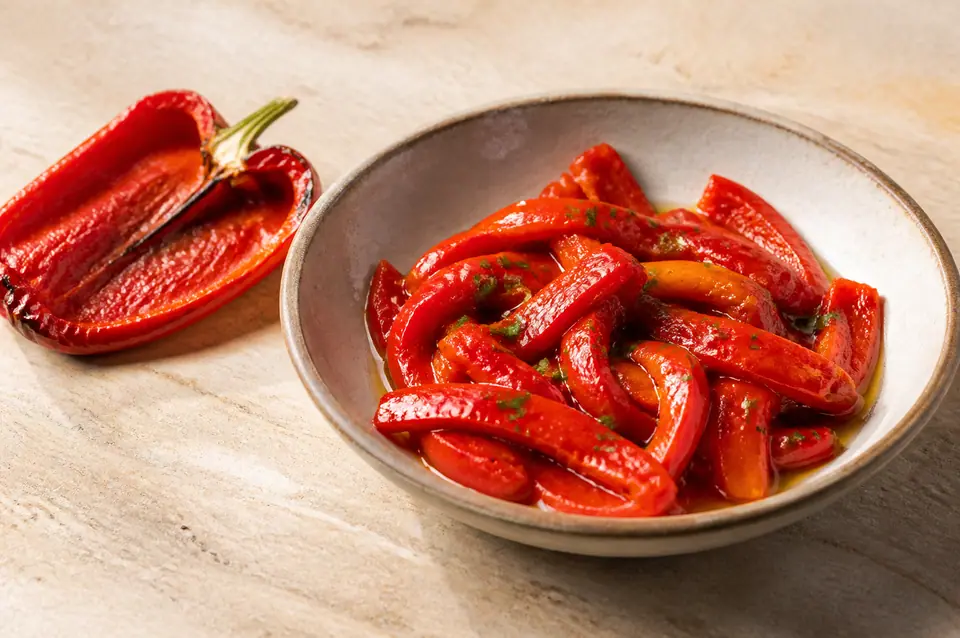
Roasted red peppers are soft, sweet and smoky, whether you made them at home or opened a jar. Drain them well, keep their oil under control and add them late when a dish needs shape.
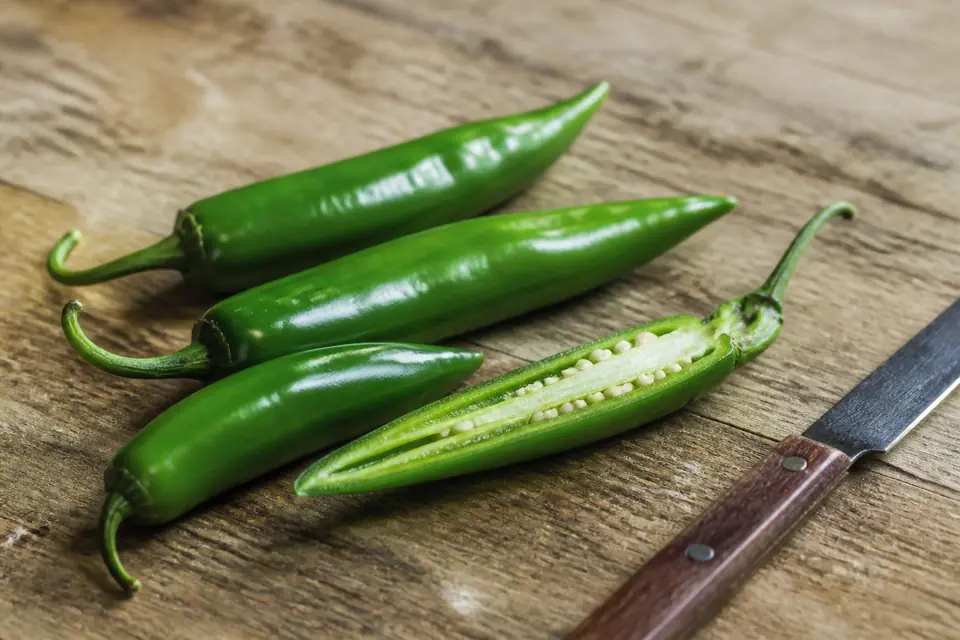
Serrano peppers are slim green chillies with crisp flesh and a direct heat. They stay lively in salsa, lose their raw edge in a pan, and need less cooking time than a thick jalapeño.
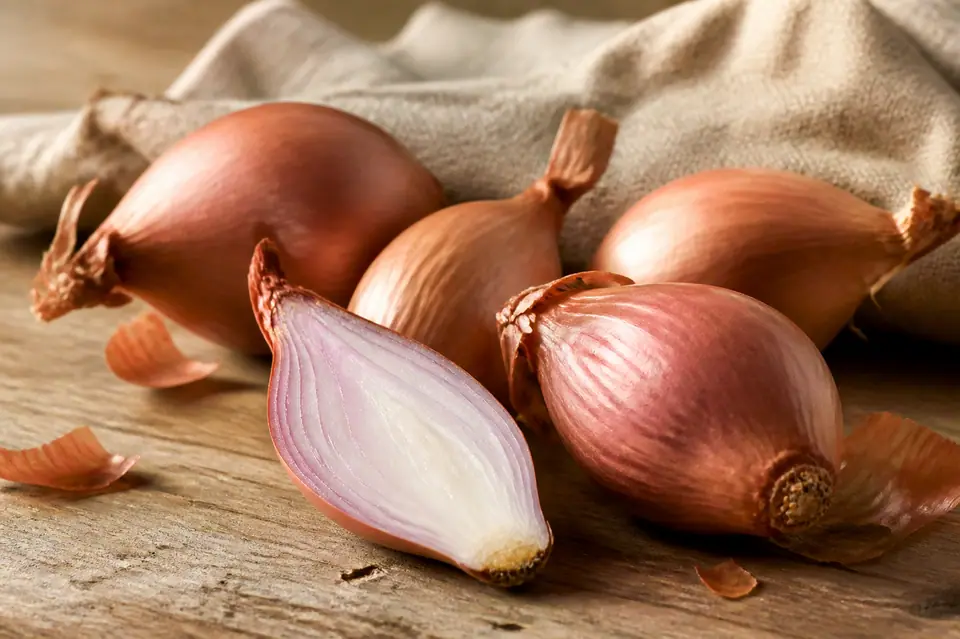
Shallots are small bulbs with a delicate onion flavour and a gentle garlic edge. Choose firm, dry clusters and use them for dressings, sauces, roasting and crisp fried toppings.
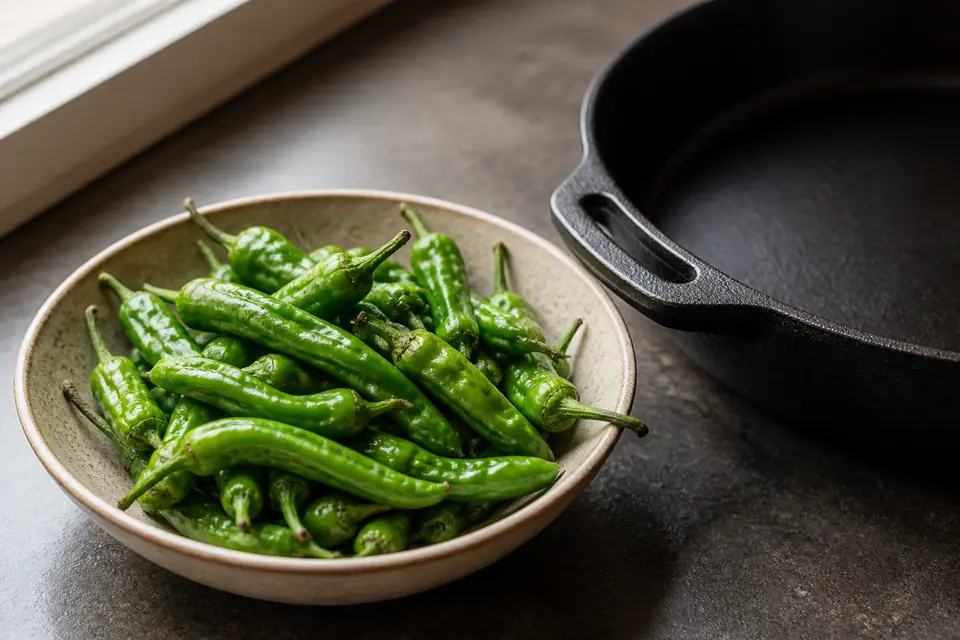
Shishito peppers are thin-walled, mild green peppers made for blistering in a hot pan. Most are gentle; an occasional pod has a sharper bite, which is part of the fun.
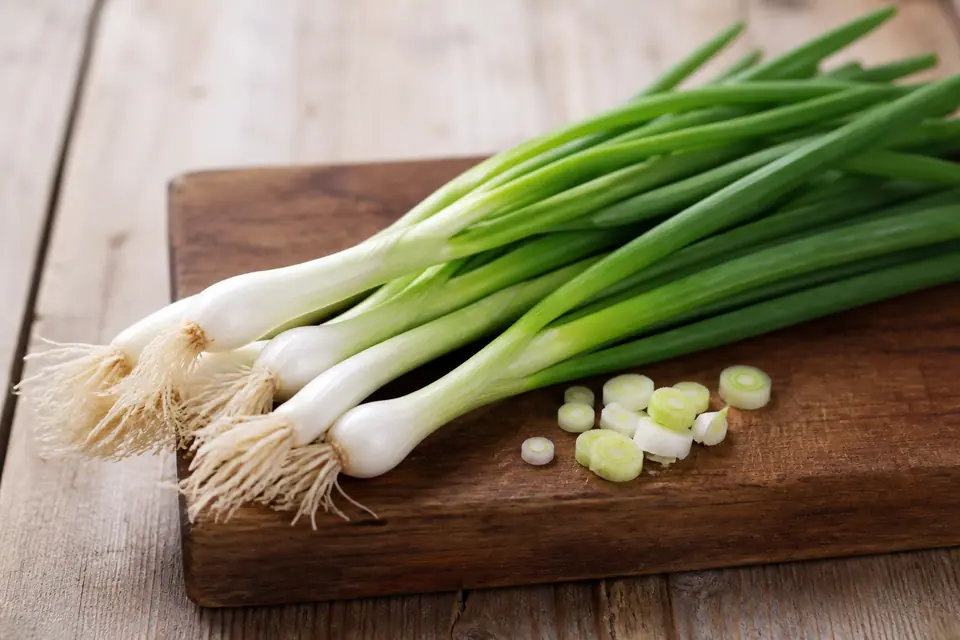
Spring onions have a mild white bulb and a crisp green top. Use both parts raw or cooked, keeping the green slices for the final minutes when you want their fresh aroma.
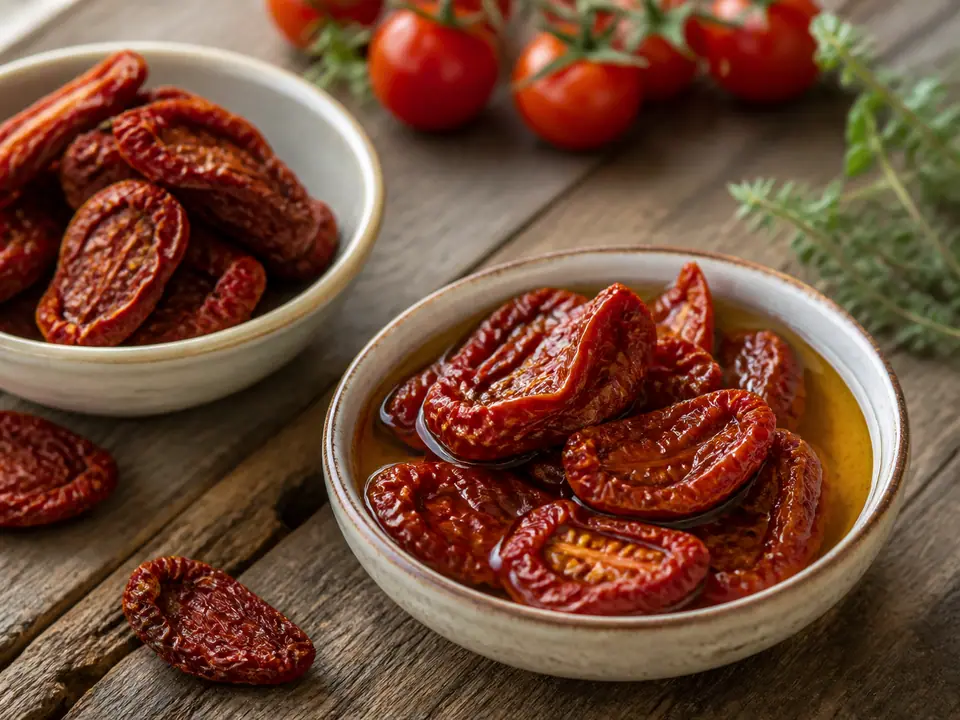
Sun-dried tomatoes are tomato flavour with the water taken out. A little goes a long way, especially when the packing oil is already seasoned.
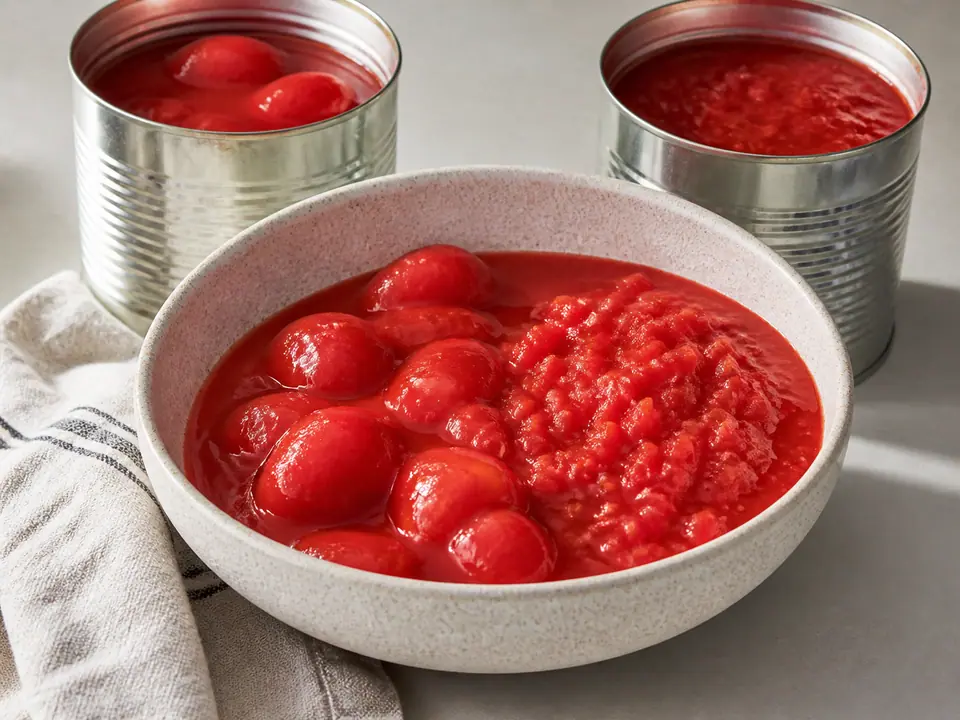
A tin is not a failed fresh tomato. It is a dependable cooked ingredient, with ripe fruit, juice and enough acidity for soups, sauces and stews.
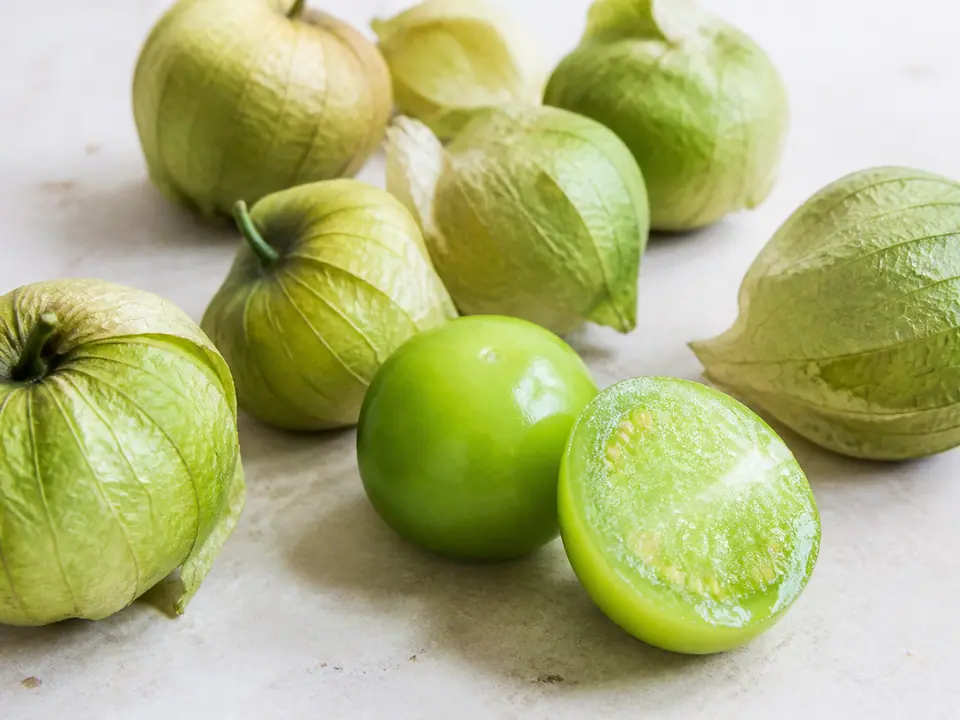
Tomatillos are tart, firm and slightly sticky under their husks. Rinse off the residue, then roast or simmer them when a green sauce needs bite.
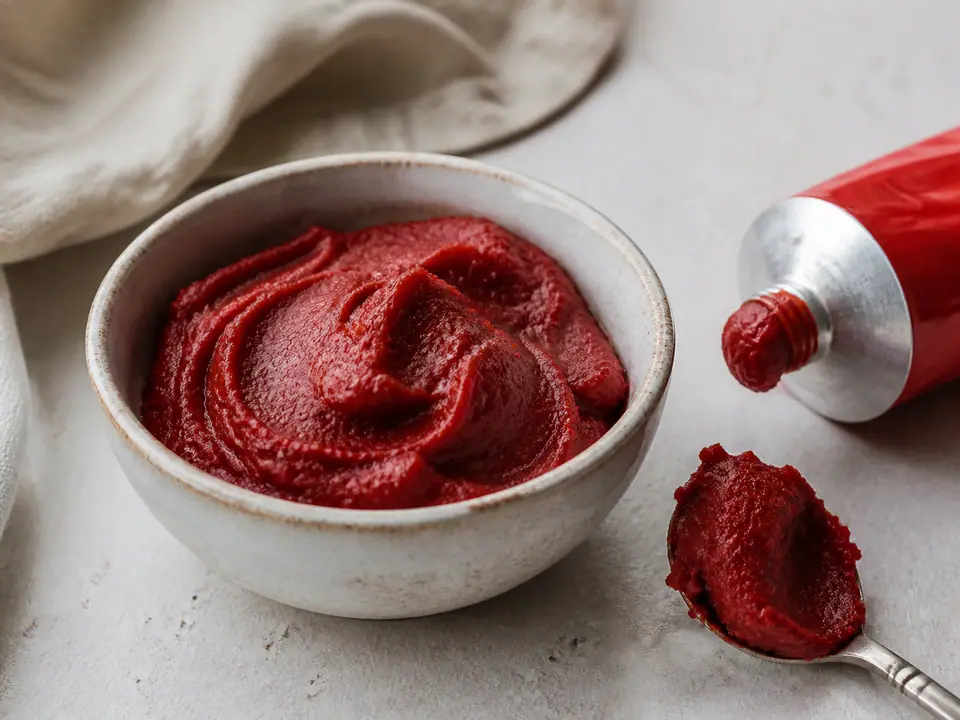
Tomato paste is a small ingredient with a loud job. Fry it in oil until it darkens, then add liquid and let it carry the base of the dish.
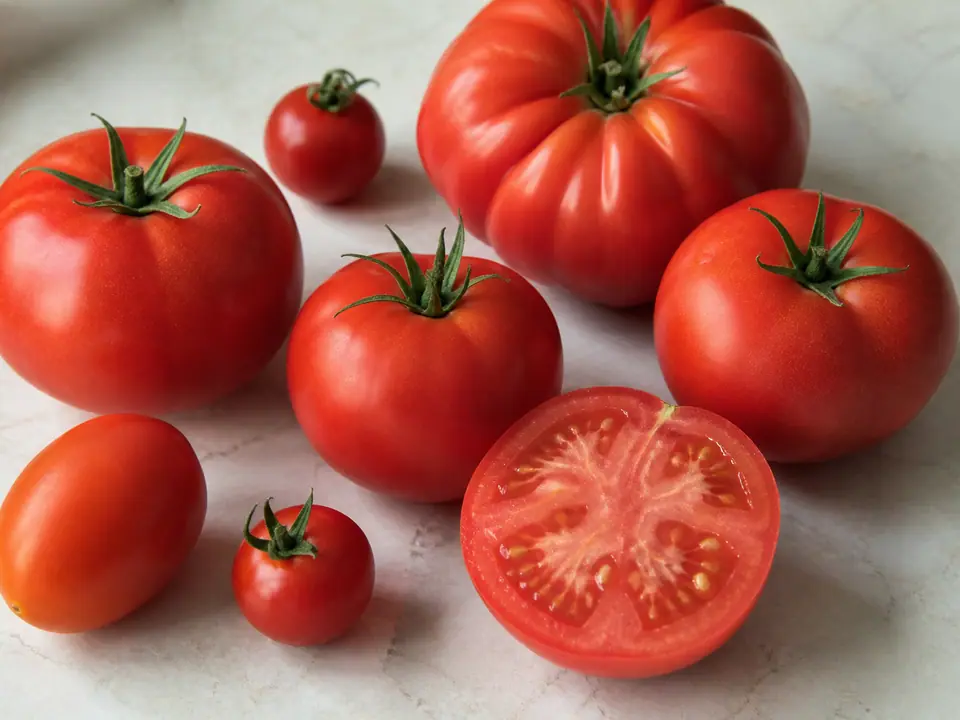
A good tomato should smell like a tomato before you cut it. Pick for scent and weight, then keep it out of the fridge until it is ripe.
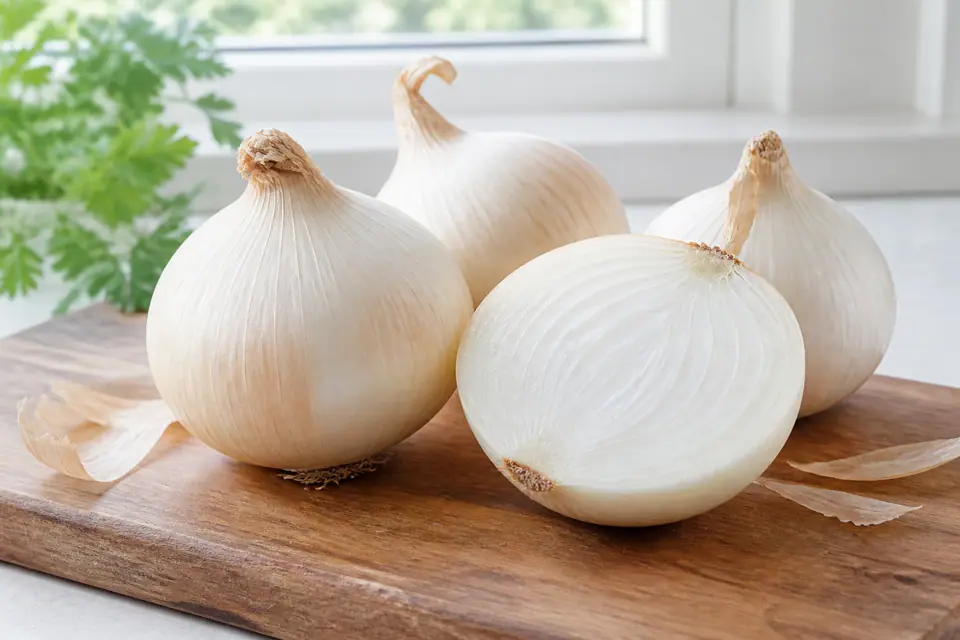
White onions have a clean, direct bite and a thinner skin than yellow onions. They are excellent raw, useful in fast cooking and less suited to long storage once their outer layers lose firmness.
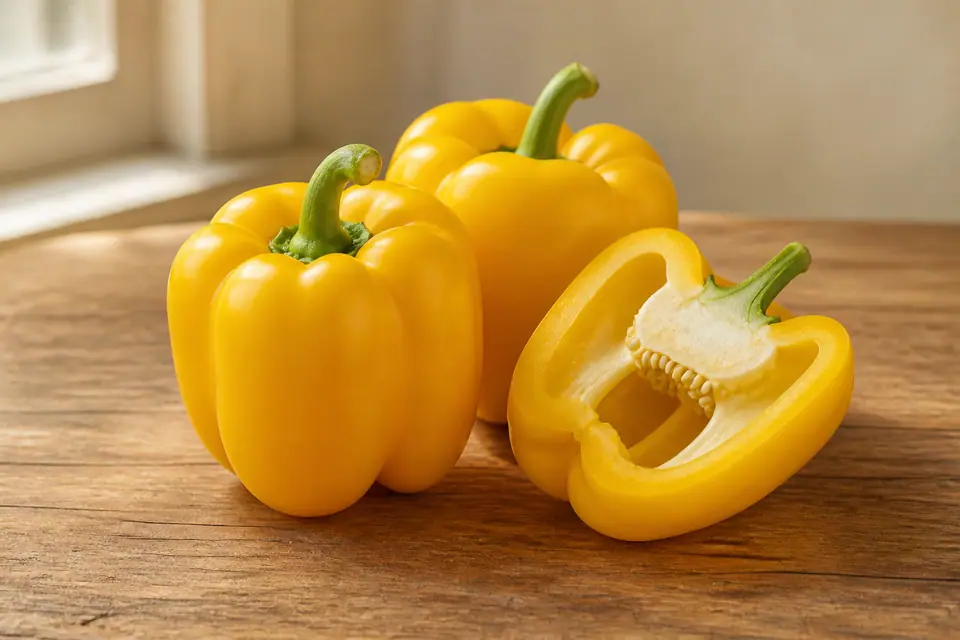
Yellow bell peppers are ripe, crisp and mild, with enough sweetness for salads and enough structure for a hot tray. Pick heavy fruit with taut skin and keep it cold until you are ready to cook.
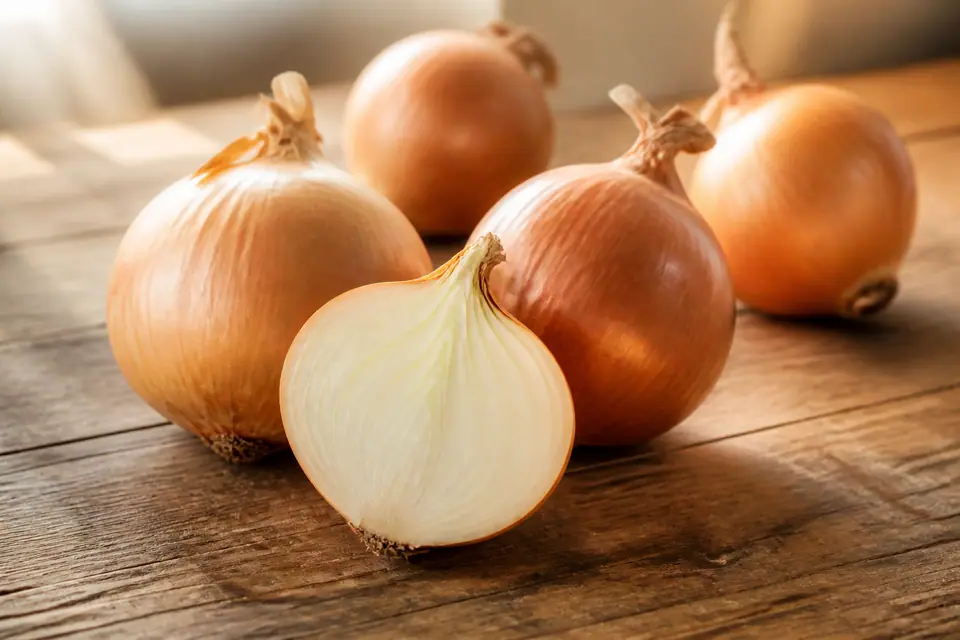
Yellow onions bring savoury depth, sweetness after slow cooking and enough firmness for roasting. Choose heavy, dry bulbs with papery skins and keep them cool, dark and well ventilated.
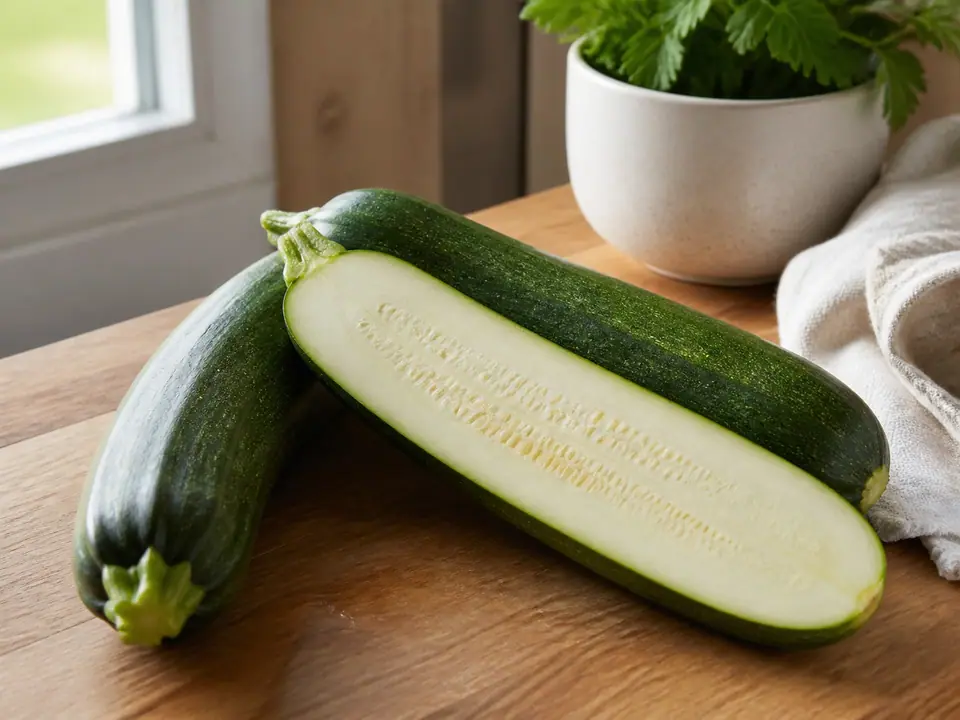
Ninety-five percent water, which is the whole problem and the whole opportunity. Salt it and it browns; skip that and it steams.