Five hot pans that make a cabbage head feel useful
A cabbage head can become a roast wedge, a noodle-like skillet, a bean dinner, a chicken tray and a crisp topping without a pot of boiling water.

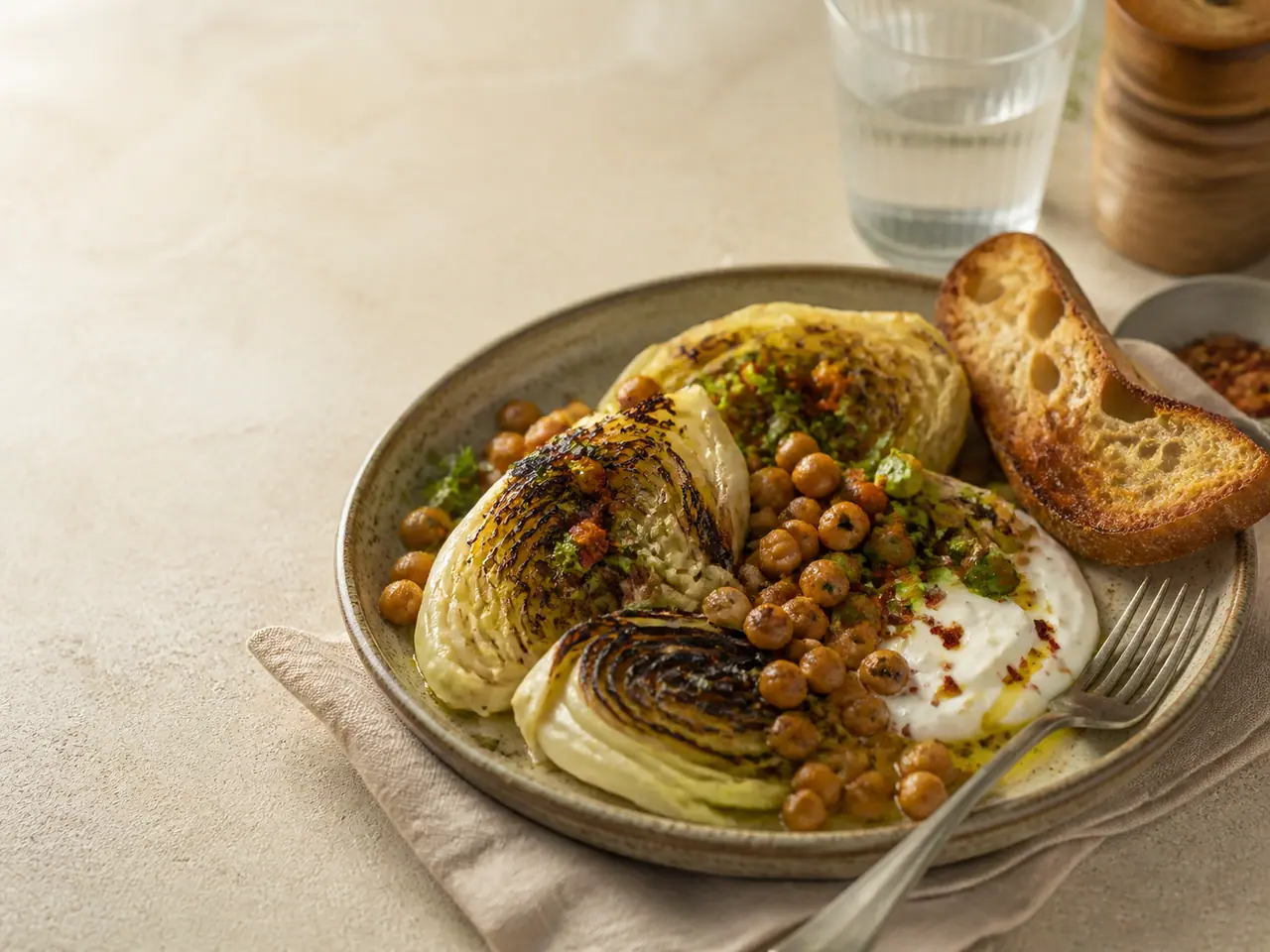
A cabbage head is cheap until it sits in the fridge waiting for a recipe that feels worth the chopping. Boiling is useful, but it is not the only route and it is rarely the one I reach for on a weeknight. I want the cut face to brown, the ribs to keep a little bite and the outer leaves to carry enough flavour that the cabbage can be the centre of dinner.
These five dinners use the same modest starting point: half a green cabbage, a hot pan or tray and one ingredient that makes it filling. The first is the fastest. The last is the one I cook when the outer leaves are past their crisp best. Cut the cabbage to suit the job and keep the core until you know which meal is coming.
My cabbage dinners start with the vegetable rather than an elaborate recipe. I cut a wedge, taste the raw centre and decide whether it wants dry heat, a sauce or a quick pan. That small inspection stops me forcing every head into the same shape. Fresh thick leaves can carry a roast. A tired outer leaf is happier crisped over rice. The useful meal is the one that respects the cabbage on the board and the time left before everyone is hungry.
1. Roast cabbage wedges with chickpeas
Cut half a cabbage through the core into four wedges, dry the cut faces and brush them with olive oil. Roast at 220°C fan for about thirty minutes, turning once. Add a tin of drained chickpeas to the tray for the last twelve minutes so they crisp at the edges without drying out. Finish with lemon, yogurt and chilli.
The cabbage needs space. If the wedges touch, the pan fills with steam and the chickpeas stay soft. I use a tray big enough that I can see metal between each piece. The rib should give when pressed, while the outer leaves have a few dark folds. This is dinner with bread, or a side if I have cooked grains in the fridge.
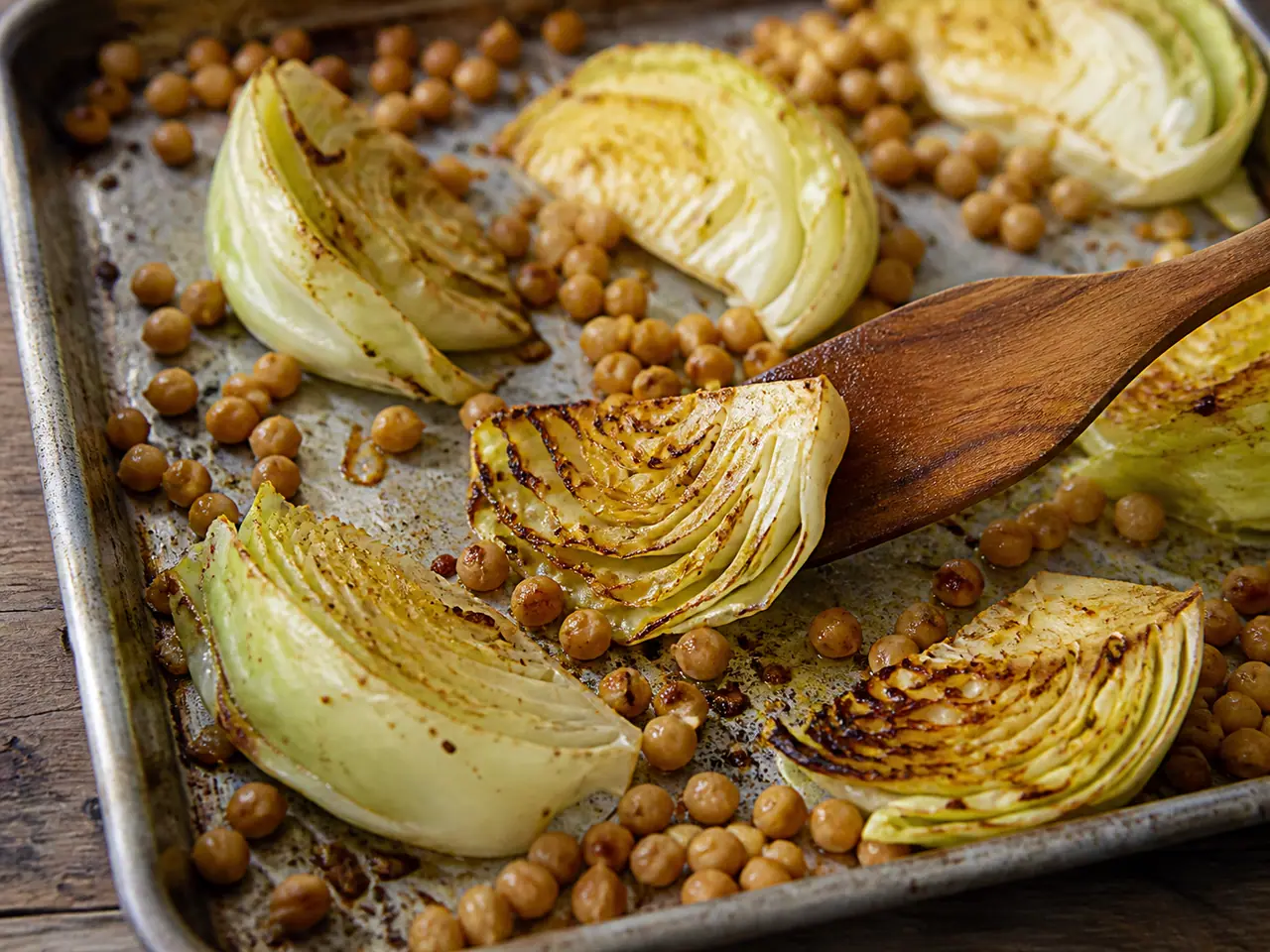
The cabbage does not need a complicated sauce to feel like dinner. It needs one clear contrast. I use something creamy against a charred edge, something crisp against a soft rib or something spicy against the mild leaves. Beans, eggs and chicken are there to make the meal last, not to drown the vegetable. When the first bite still tastes of cabbage and the second has a different texture, the plate feels complete. I take the photograph as a reminder of the texture I am after, not as a decoration. The surface should show what the written method asks for: a dry cut, a browned fold, a firm curd or a leaf that has kept its shape. If the frame looks wet and crowded, I know the pan would have the same problem. If it looks pale but compact, I know the food may be ready for a different job. That is why I keep the vegetable visible while I cook. The cabbage should make sense before any garnish arrives.
2. Cabbage, eggs and toast
Slice two packed cups of cabbage into ribbons and cook them in a wide skillet with oil and a pinch of salt. Leave the ribbons alone for two minutes before stirring so the bottom pieces colour. Add a splash of water, cover for three minutes, then uncover and cook until the water is gone. Make two wells, crack in eggs and cover again until the whites set.
This is where pointed cabbage is especially good because its thin leaves soften quickly. Green cabbage works too, but slice it thinner and give the ribs an extra minute. I put the cabbage over toast with mustard or yogurt. The egg yolk becomes the sauce, so I do not add a separate dressing.
The cabbage changes character as the week moves on, and that is useful rather than inconvenient. A fresh centre can take a hard roast and keep its shape. A softer outer leaf wants a pan with sauce or a hot tray where crispness is the goal. I do not make the same dinner five times. I make five decisions from the texture in front of me, which is why the head does not feel repetitive.
3. Gochujang chicken and cabbage
Brown chicken thighs in a wide pan, remove them, then add thick cabbage pieces to the same fat. Let the cut faces take colour before stirring in garlic, ginger and a spoon of gochujang. Return the chicken with a splash of water and cover until cooked through. The cabbage catches the spicy juices and stays substantial beside the chicken.
I prefer green cabbage here because the thicker rib holds up while the chicken finishes. The failure mode is adding the cabbage before the chicken has browned. Everything then steams together, and the sauce tastes busy but the cabbage is pale. Give the vegetable its own contact with the pan before the liquid arrives.
4. Cabbage and white beans with tomato paste
Cook sliced cabbage with onion in olive oil until the edges start to brown. Stir in a spoonful of tomato paste and cook it for a minute, then add drained white beans and enough stock to loosen the pan. Simmer uncovered until the cabbage is tender and the beans are coated. A squeeze of lemon at the end stops the dish feeling heavy.
Use the core in this one. Chop it finely so it softens at the same speed as the onion. The outer leaves can be cut into larger pieces because they collapse around the beans. I serve the skillet with warm flatbread, and any leftovers go into a lunch bowl with a fried egg.
5. Crispy cabbage leaves over rice
When a cabbage has been in the fridge for a few days, peel the outer leaves and slice away any dry edge. Tear the leaves into rough pieces, toss with a little oil and roast at 210°C fan until the tips are crisp. Serve them over rice with yogurt, leftover chicken or spiced chickpeas. The inner part can be sliced for a fresh salad tomorrow.
The leaves shrink, so start with more than you think you need. I keep the salt light until after roasting because small leaves can taste concentrated. This is the meal that rescues a half-used head without pretending the outer leaves are still delicate. Crisp is the target, not pale tenderness.
How to make one head last across dinners
Buy a head that feels dense and store it dry. Cut the first wedge for roasting and return the rest with the core intact. The next day, slice a smaller portion for the egg skillet. By day four, the outer leaves may need trimming, but the centre can still go into the bean pan. Cabbage is forgiving when the cuts are planned instead of random.
I label the remaining portion in my mind by texture. Thick ribs are for heat and time. Thin leaves are for quick browning. A soft edge goes into a cooked dish, not a slaw. That small decision keeps the meals different even though the starting vegetable is the same.
| Time | Best route | What makes it work |
|---|---|---|
| 20 minutes | Eggs and toast | Thin ribbons soften fast |
| 30 minutes | Roast wedges | Hot tray gives browned edges |
| 35 minutes | Gochujang chicken | Cabbage cooks in the pan juices |
| 40 minutes | White beans | Tomato paste builds a sauce |
| 25 minutes | Crisp leaves over rice | High heat turns outer leaves crunchy |
Source: Maren Ashby kitchen test, 2026-08-28
A cabbage dinner should still taste like dinner
The vegetable needs salt, fat and something with enough presence to share the plate. Beans make it filling, eggs make it quick, chicken makes it savoury and rice gives crisp leaves somewhere to land. I avoid adding five competing toppings. One finish is enough when the cabbage has been cooked with intention.
For a simple weeknight, I would start with the roast wedges and chickpeas. They need the least attention and show the biggest change from boiled cabbage. For a head that is starting to soften, choose the bean skillet or crisp leaves. The right method is the one that matches the cabbage you actually have, not the pristine head pictured on a shopping list.
My pick
Roast cabbage wedges when you want a vegetable-led dinner. Use eggs when the clock is tight. Use chicken when you want the cabbage to carry a sauce. Use beans when the pantry needs to do the work, and crisp the outer leaves when the head needs rescuing. None of these meals needs a large shopping trip, which is exactly why cabbage earns another place in my fridge.
Questions
What is the best way to make cabbage into dinner?
Can I roast cabbage without boiling it first?
What protein goes with cabbage?
How do I stop cabbage dinner tasting watery?
More guides
All guides →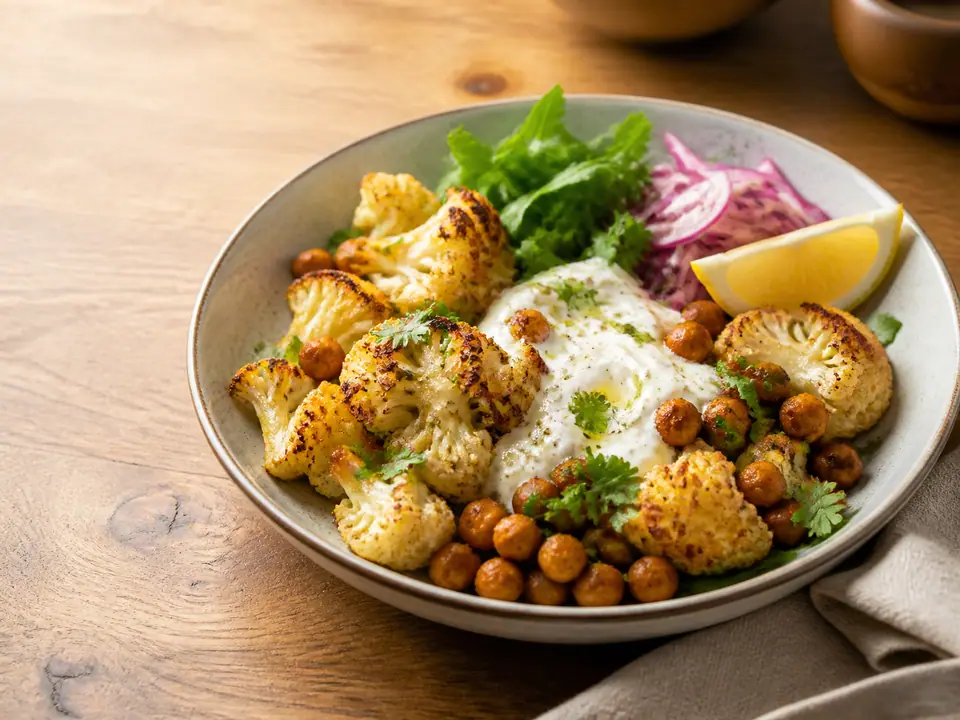
5 ways to turn cauliflower into dinner
Cauliflower becomes dinner when you give it a browned surface, a filling partner and a finish with contrast. Here are five routes from one head.
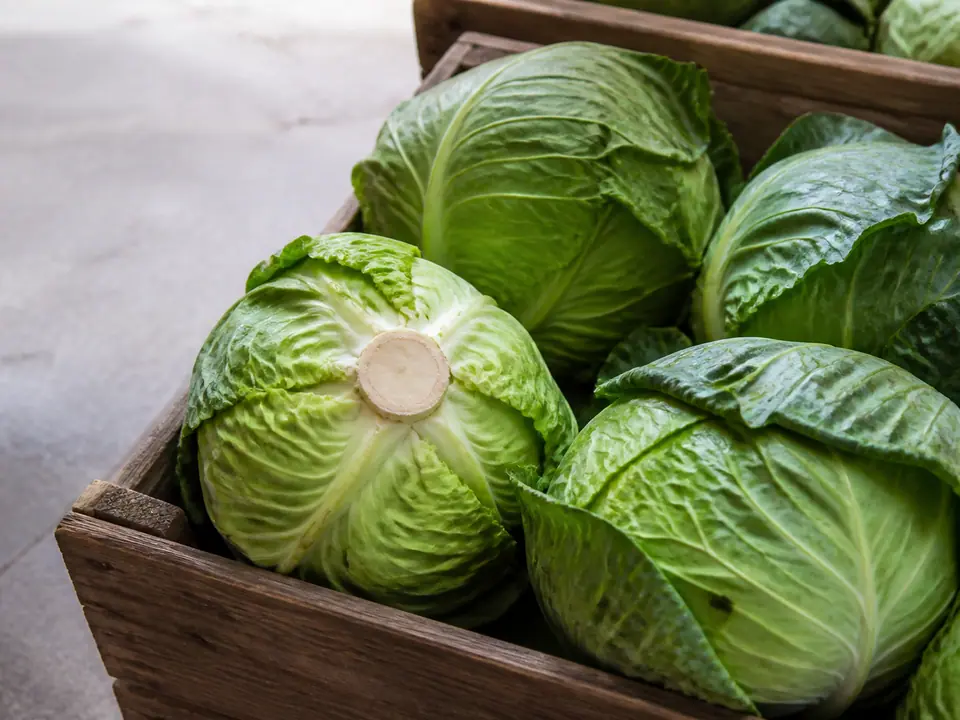
How to choose a cabbage that will stay crisp
A crisp cabbage feels dense, has tightly packed leaves and a dry cut base. The shop test takes less time than rescuing a wilted half later.
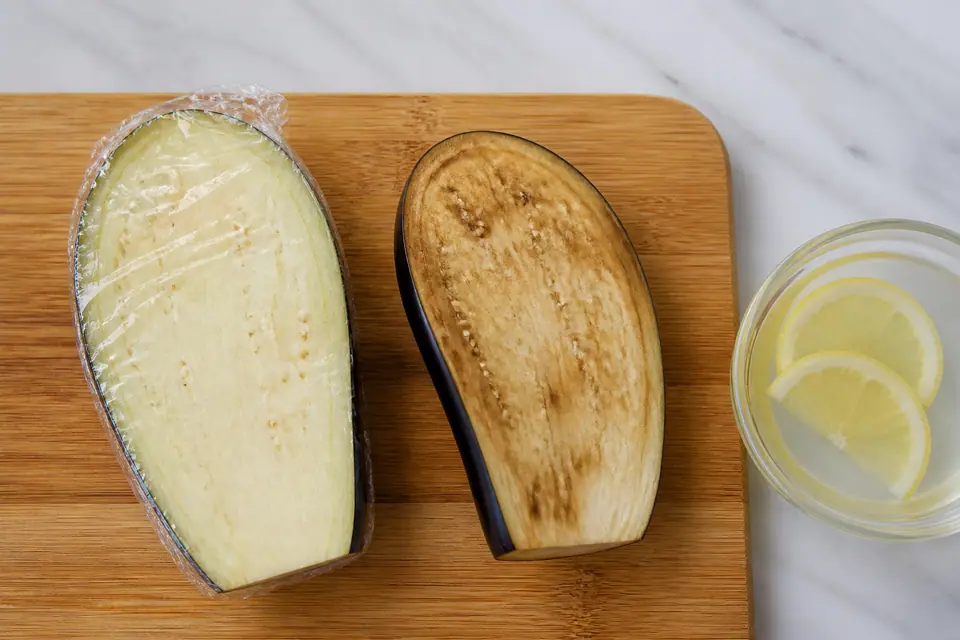
How to keep cut aubergine from browning
Aubergine browns quickly after cutting because its exposed enzymes meet oxygen. The best fix is cooking soon; lemon water buys you a little time.