Dinner ideas
5 cabbage dinners that are not boiled cabbage
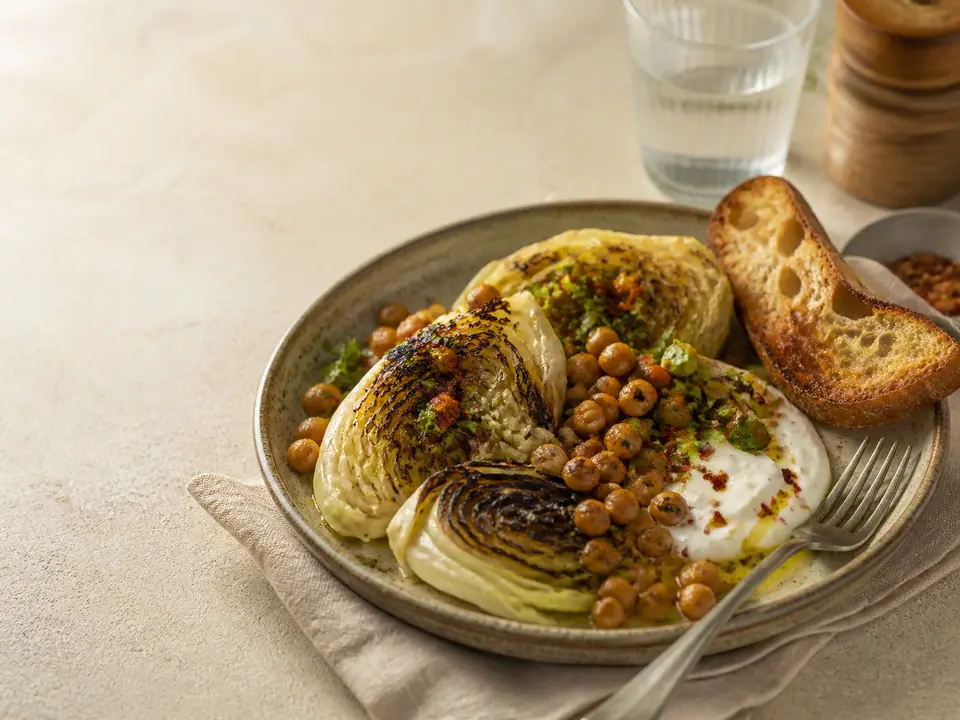
A cabbage head can become a roast wedge, a noodle-like skillet, a bean dinner, a chicken tray and a crisp topping without a pot of boiling water.
41 pages tagged seasonal.
A cabbage head can become a roast wedge, a noodle-like skillet, a bean dinner, a chicken tray and a crisp topping without a pot of boiling water.
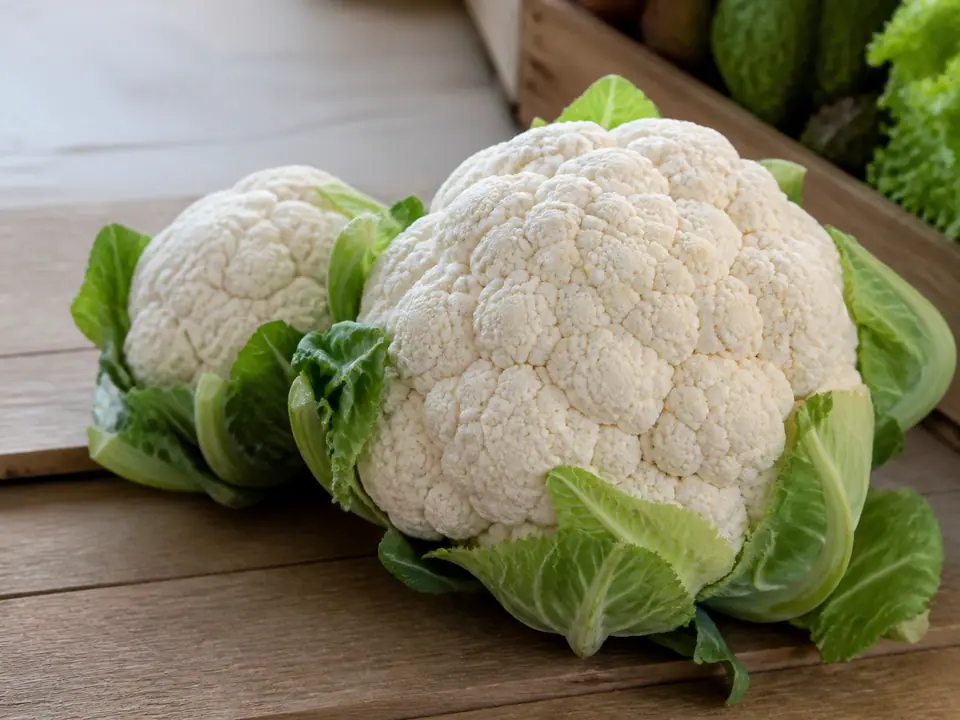
A good cauliflower feels heavy for its size, has a tight white curd and fresh leaves around a dry base. The leaves are the quickest freshness clue.
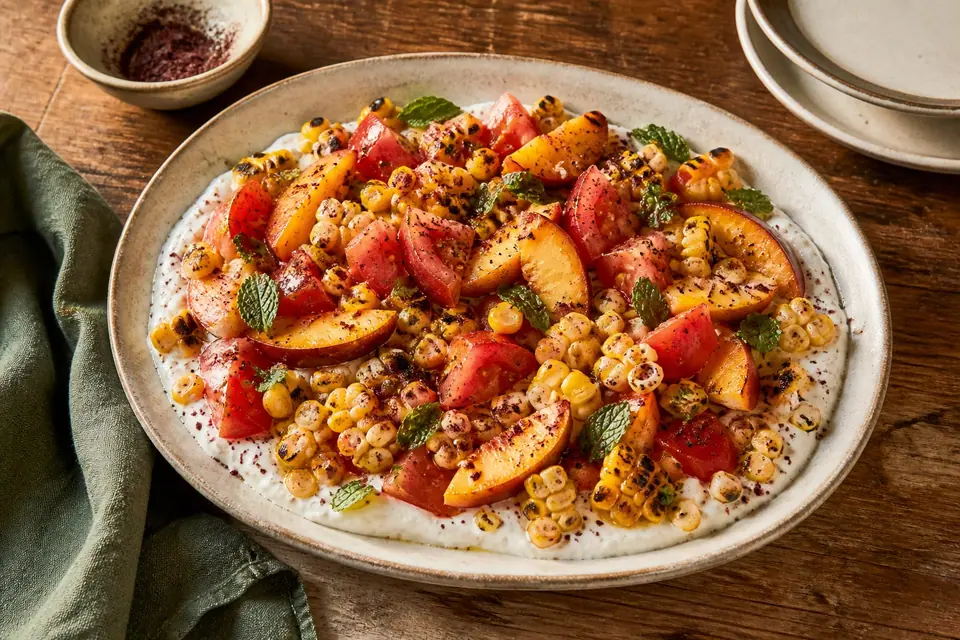
Lemony Greek yogurt turns the juices from corn, tomatoes and peaches into a cool sauce. Spoon the salad over it so the yogurt stays distinct.
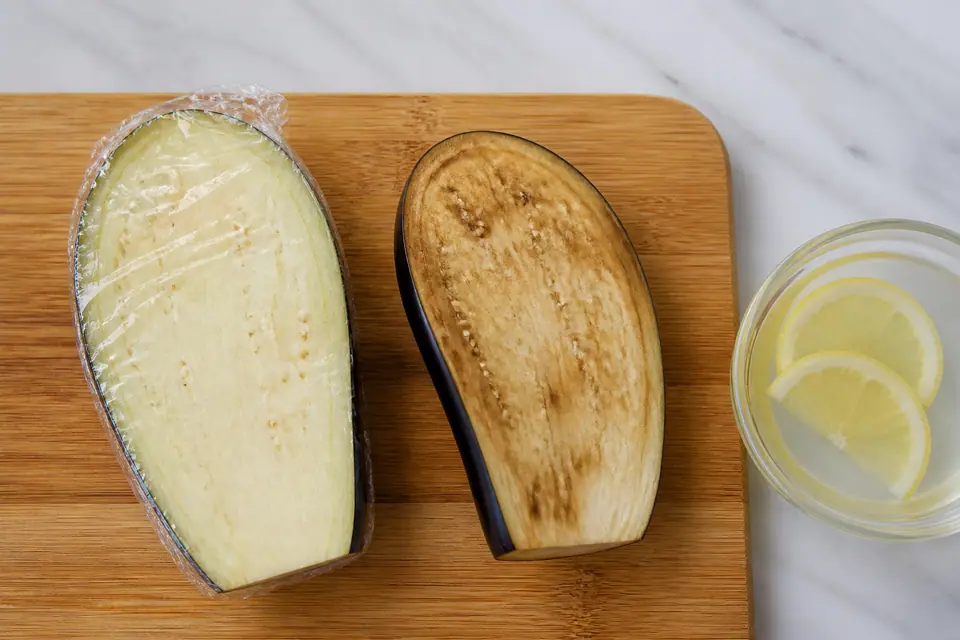
Aubergine browns quickly after cutting because its exposed enzymes meet oxygen. The best fix is cooking soon; lemon water buys you a little time.
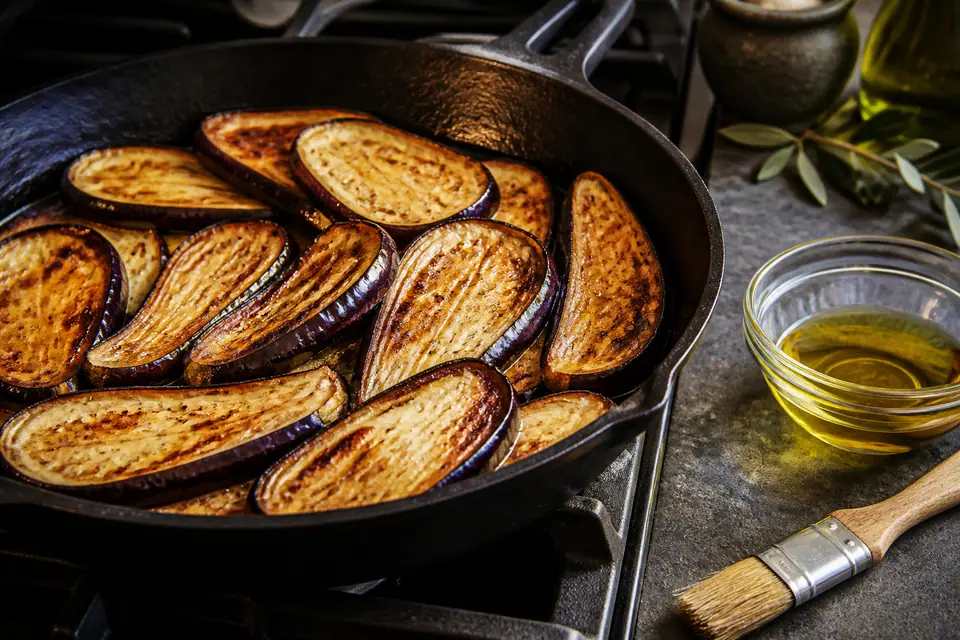
Aubergine absorbs oil because its open cell structure takes it up while the flesh is cool. Heat, salt timing and measured brushing keep the result silky instead of greasy.
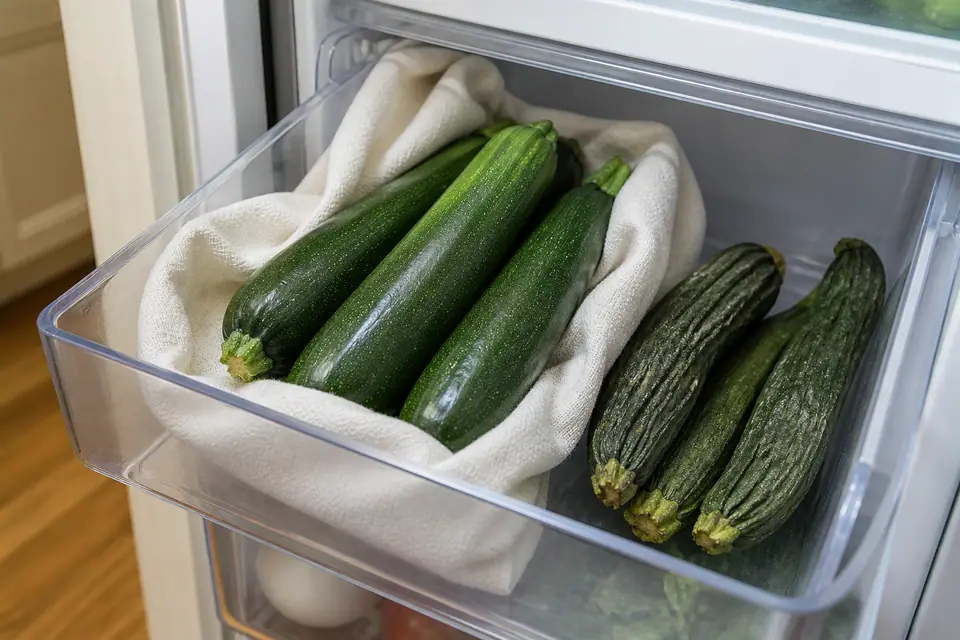
Courgettes go limp when moisture and cold air damage the skin. Store them whole, dry and loosely wrapped, then cut only what you need.
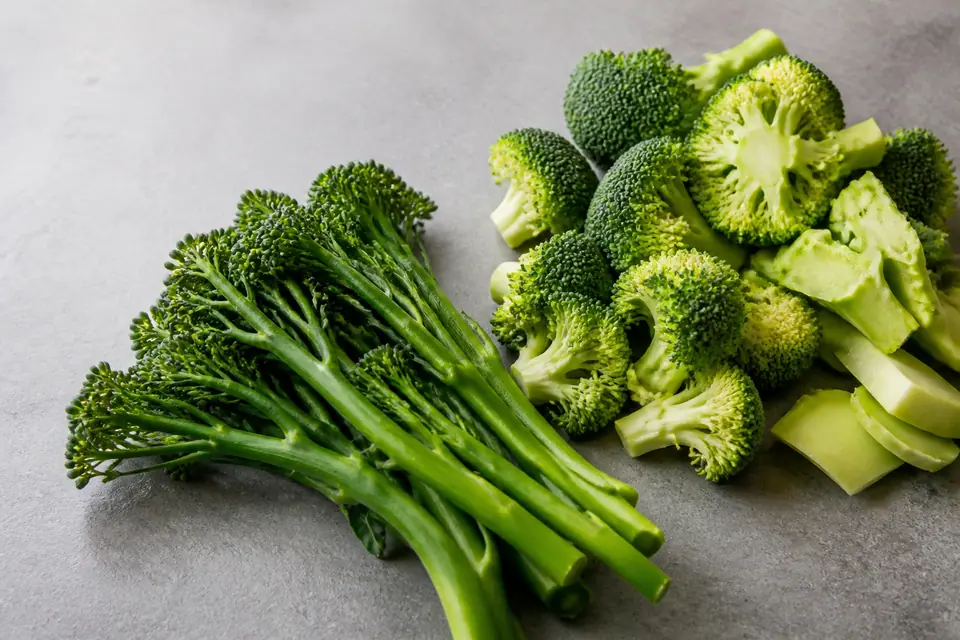
Tenderstem broccoli is not automatically better value. The useful comparison is edible weight, trimming and the kind of dinner you want to put on the table.
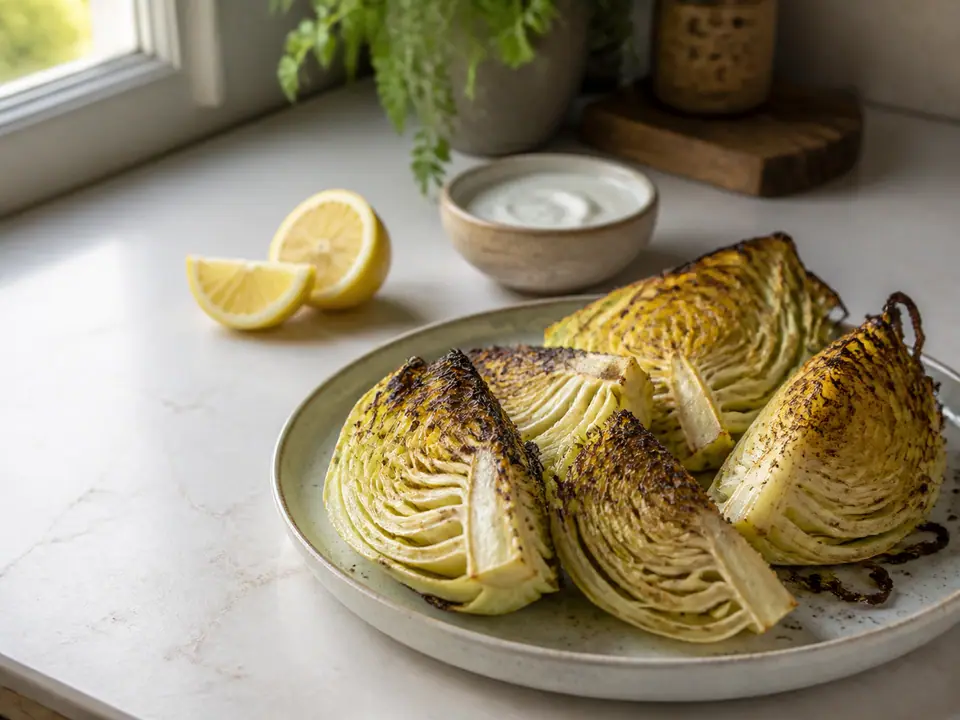
Charred cabbage is not burnt cabbage. A dry cut face and enough heat turn the edges savoury and sweet while the thick rib stays juicy.
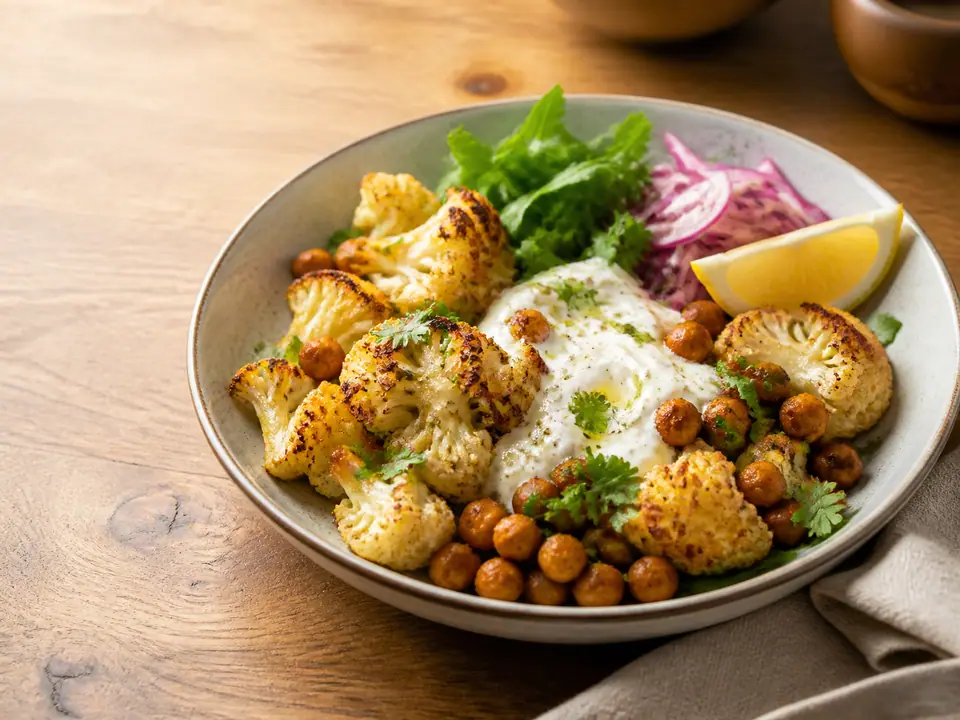
Cauliflower becomes dinner when you give it a browned surface, a filling partner and a finish with contrast. Here are five routes from one head.
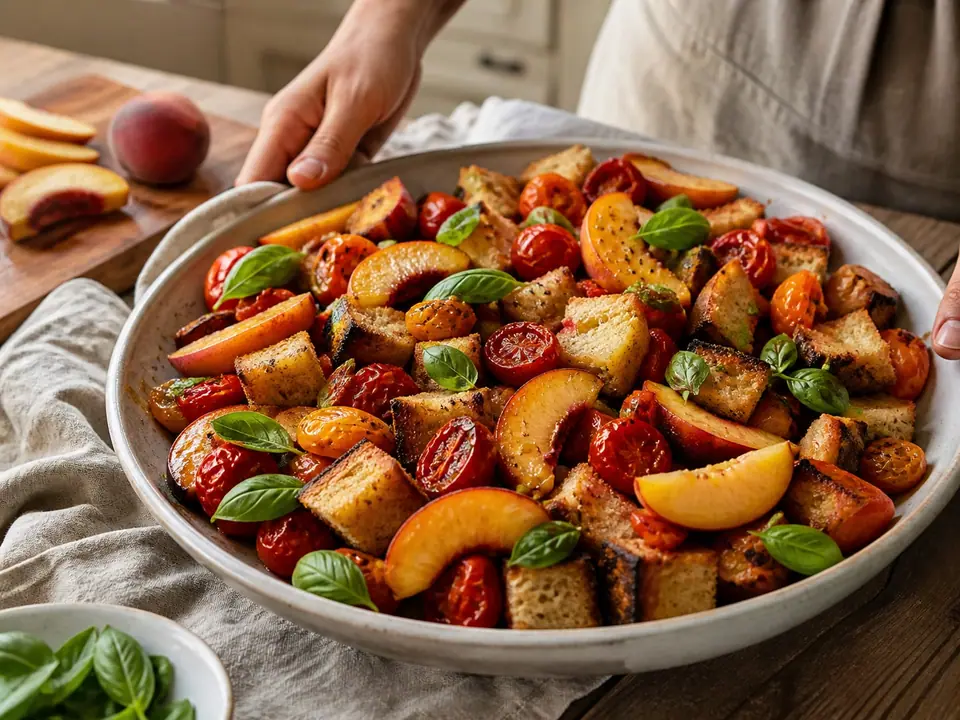
A practical freezer base of roasted tomatoes and crisp bread, finished later with fresh peaches, herbs and lemon.
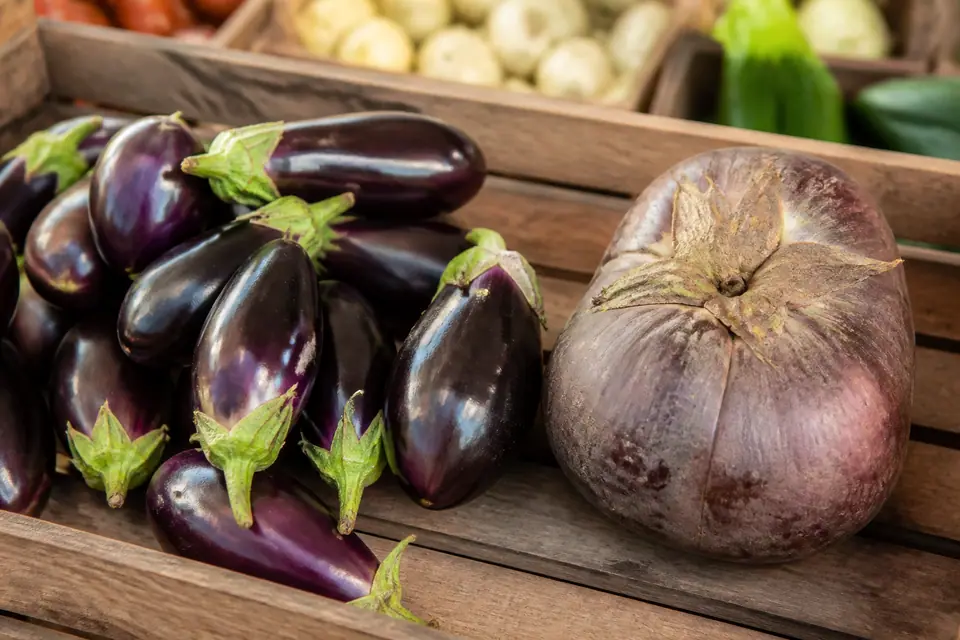
A young aubergine feels dense, has taut skin and a green cap that has not dried out. These checks matter more than choosing the darkest colour.
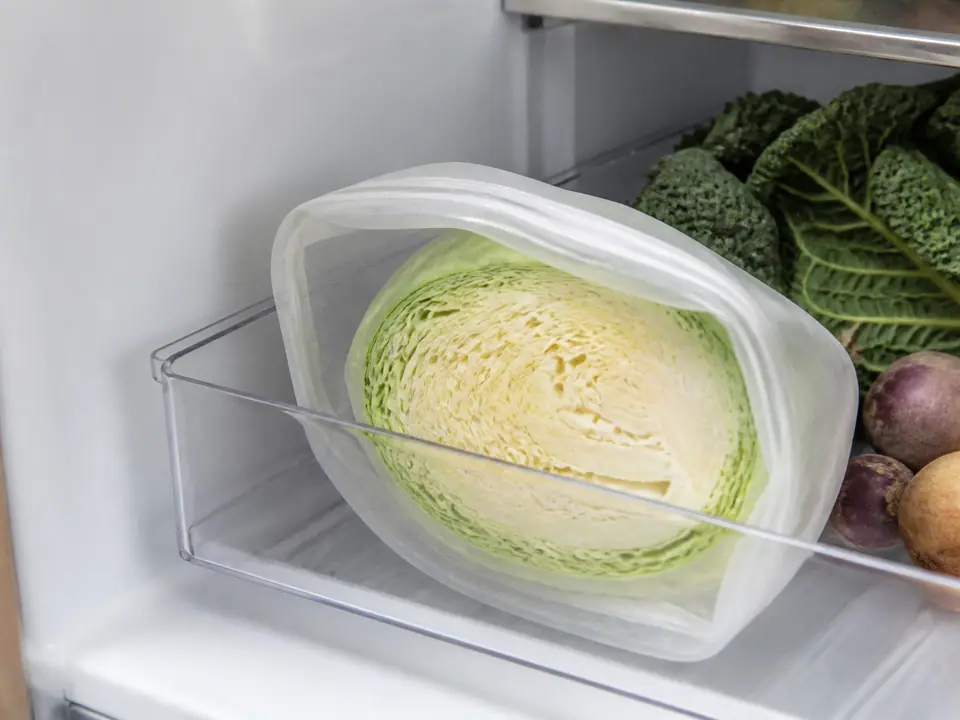
A cut cabbage can stay useful for a week when the exposed face is dry, covered and kept cold. Slice from the outside and leave the core intact.
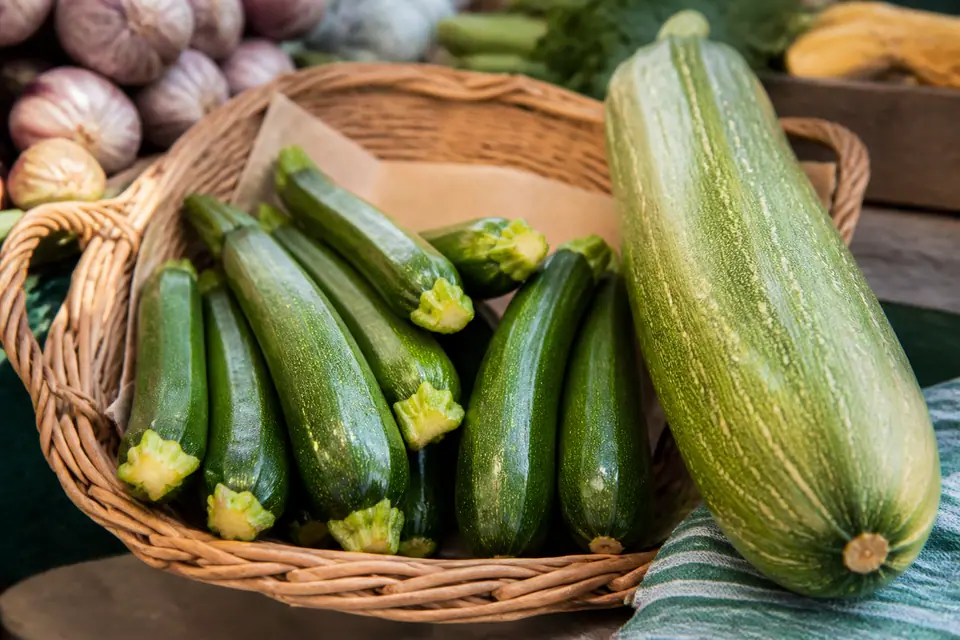
Small courgettes usually have finer seeds and firmer flesh, but size alone is not a guarantee. Weight, stem freshness and skin tension are better checks.
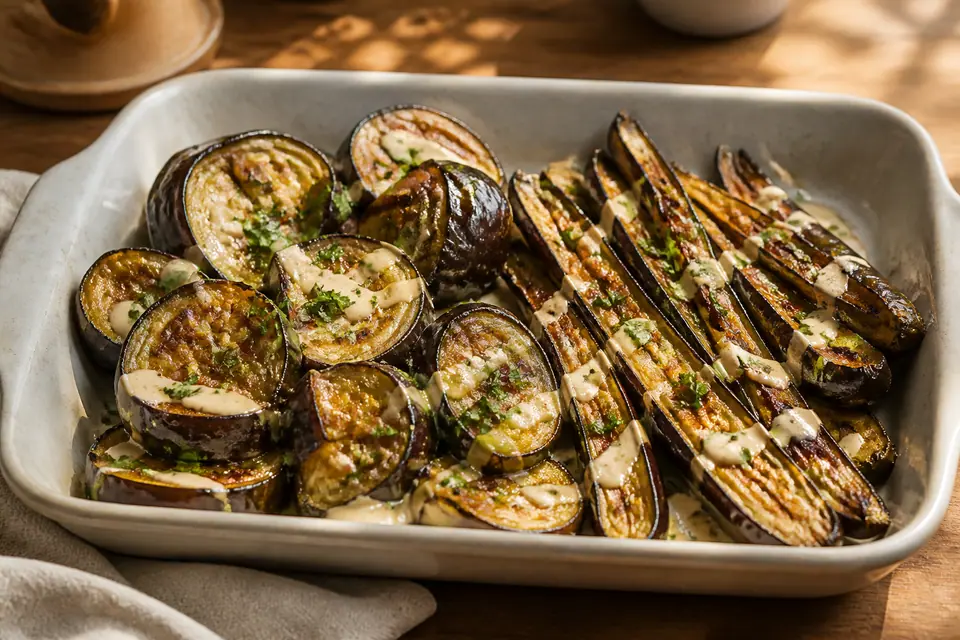
Long aubergines roast with more browned surface and fewer large seeds, while globe aubergines give thick soft flesh for halves and stuffing.
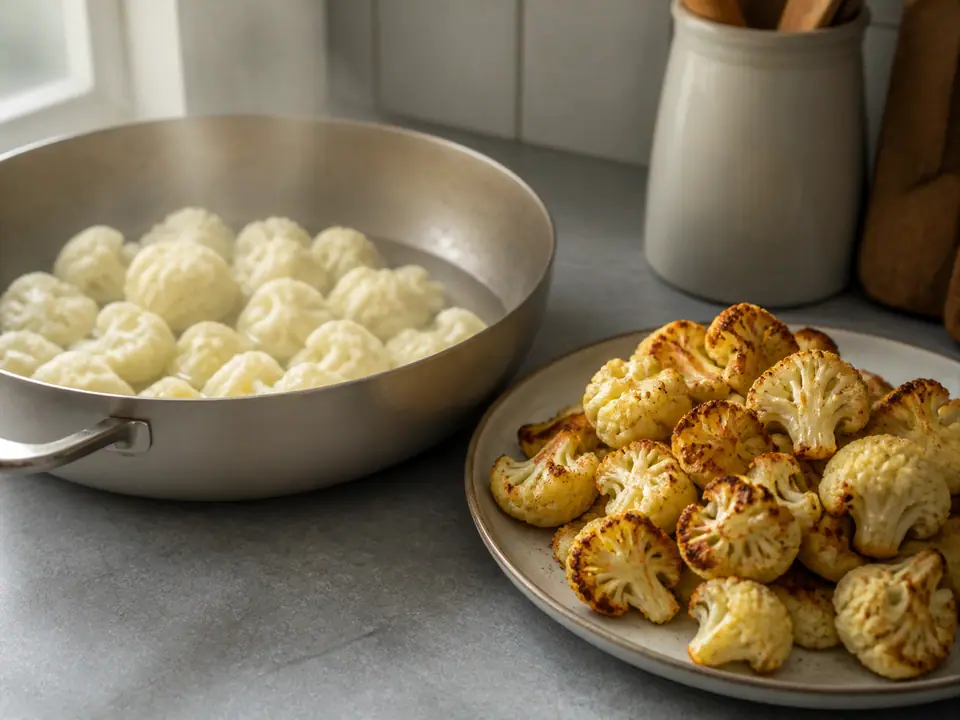
Cauliflower contains sulfur compounds that become more noticeable with prolonged wet cooking. Shorter, hotter cooking keeps the smell quieter and the texture firmer.
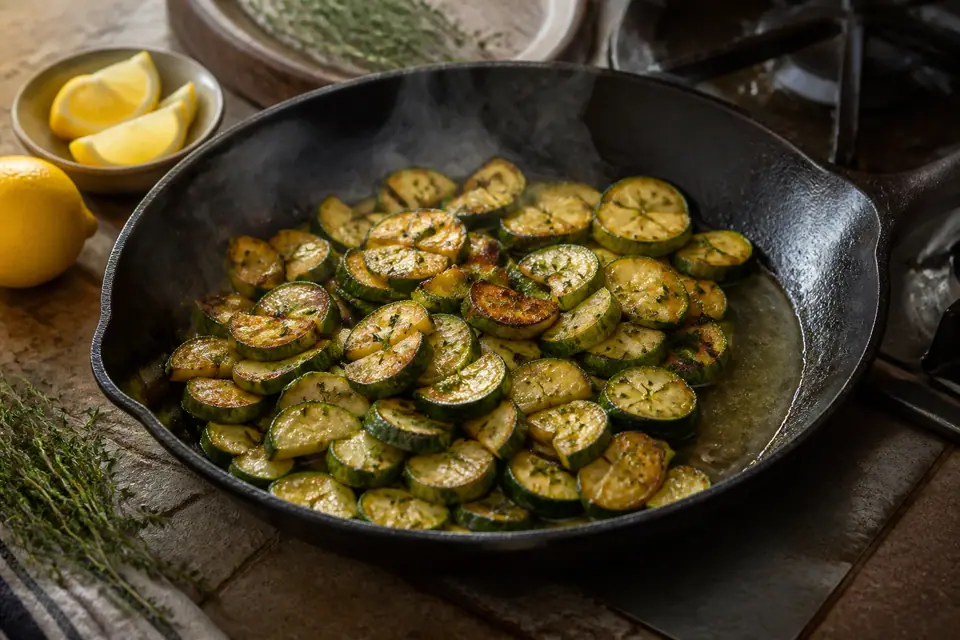
A watery courgette pan is usually a heat and spacing problem, not a bad vegetable. Dry the cut surface, use a wide pan and wait before turning.
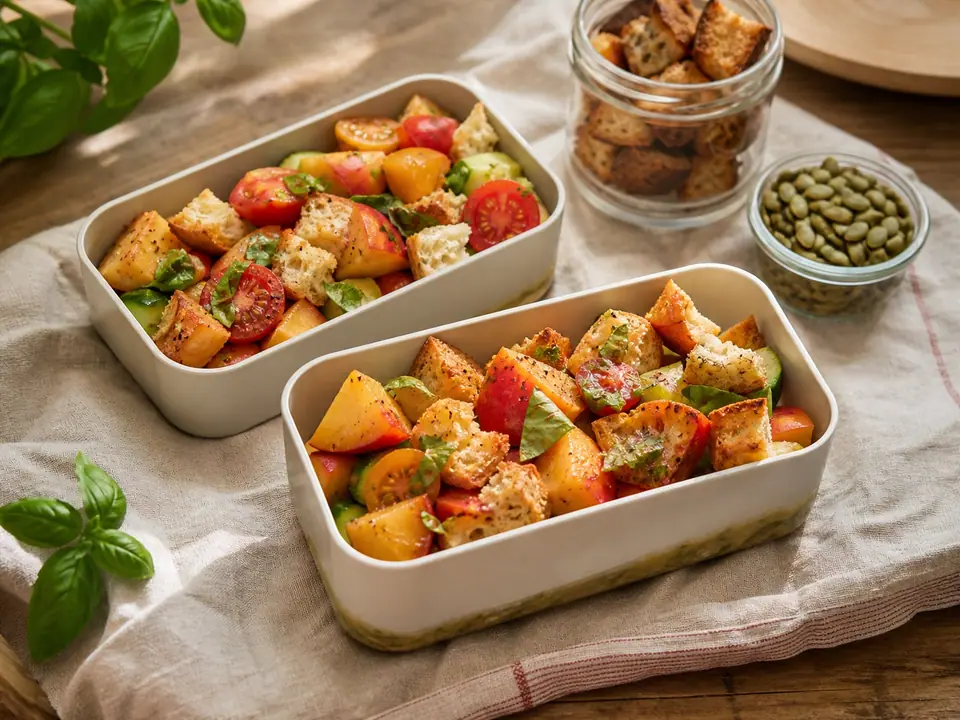
Pack the tomatoes and peaches with a lemon dressing underneath, then keep bread, herbs and seeds separate until lunch.
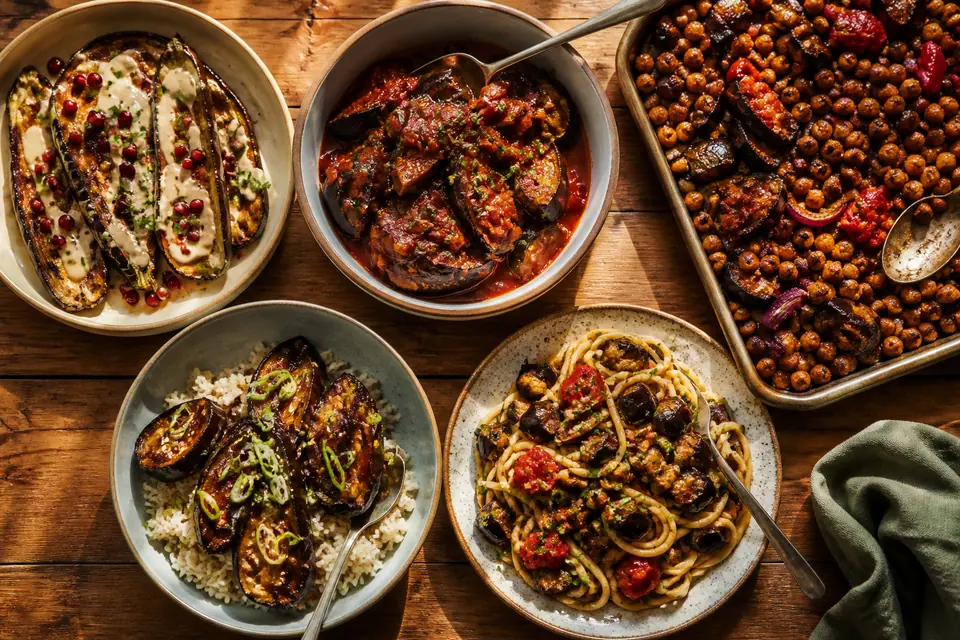
Aubergine can carry dinner when it gets enough heat, a sharp finish and something with substance beside it. These five meals give it the main role.
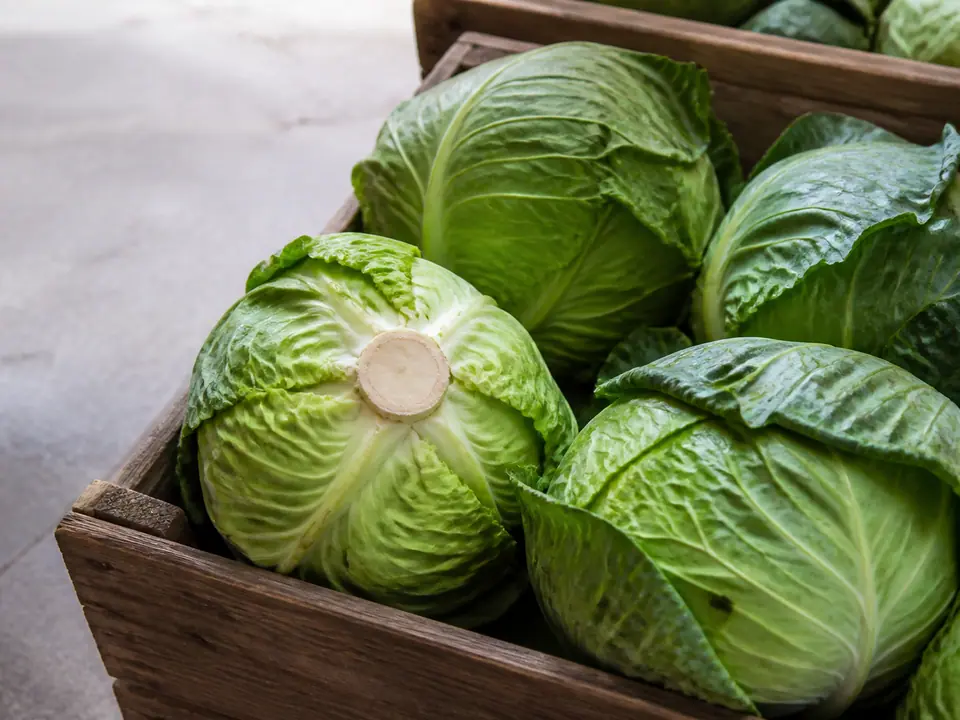
A crisp cabbage feels dense, has tightly packed leaves and a dry cut base. The shop test takes less time than rescuing a wilted half later.
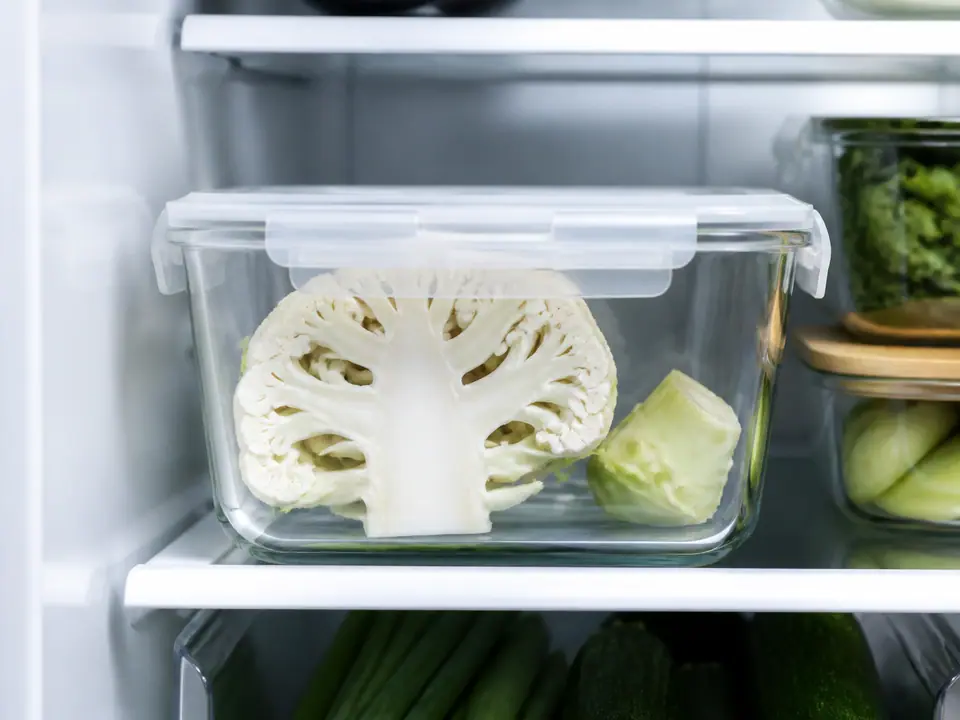
Cauliflower turns grey when exposed tissue dries or oxidises. Keep the head cold and dry, cover cut surfaces and cook before the spots spread.
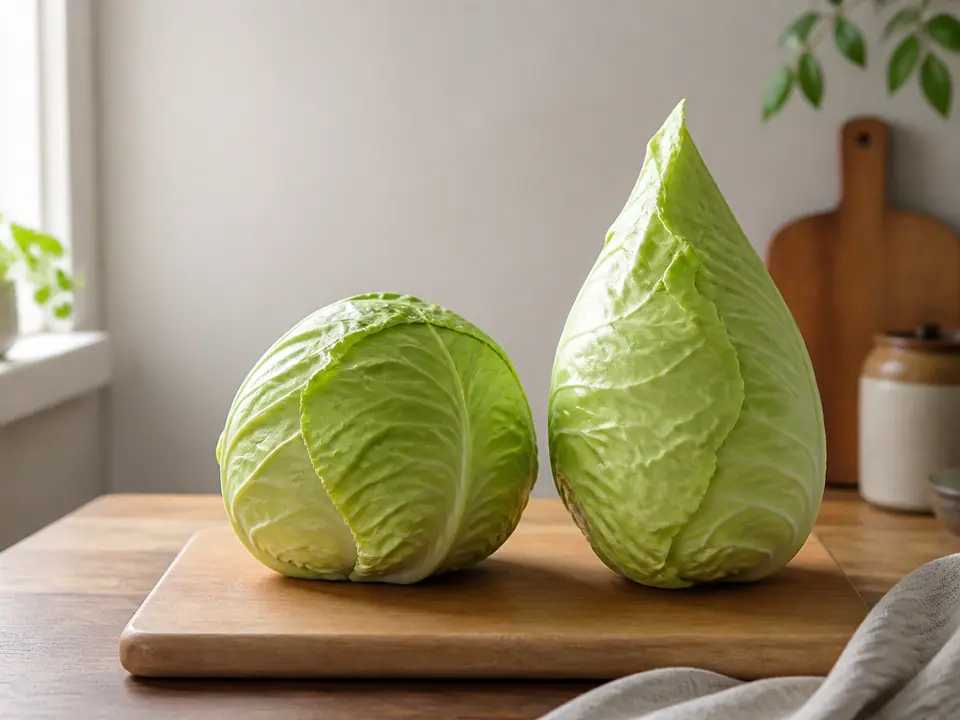
Green cabbage is the sturdier all-rounder. Pointed cabbage is sweeter, quicker to soften and better when dinner needs tender leaves without a long braise.

Cauliflower gives a more even roast and creamy centre. Broccoli browns faster and has better crisp tips, so the winner depends on the texture you want.
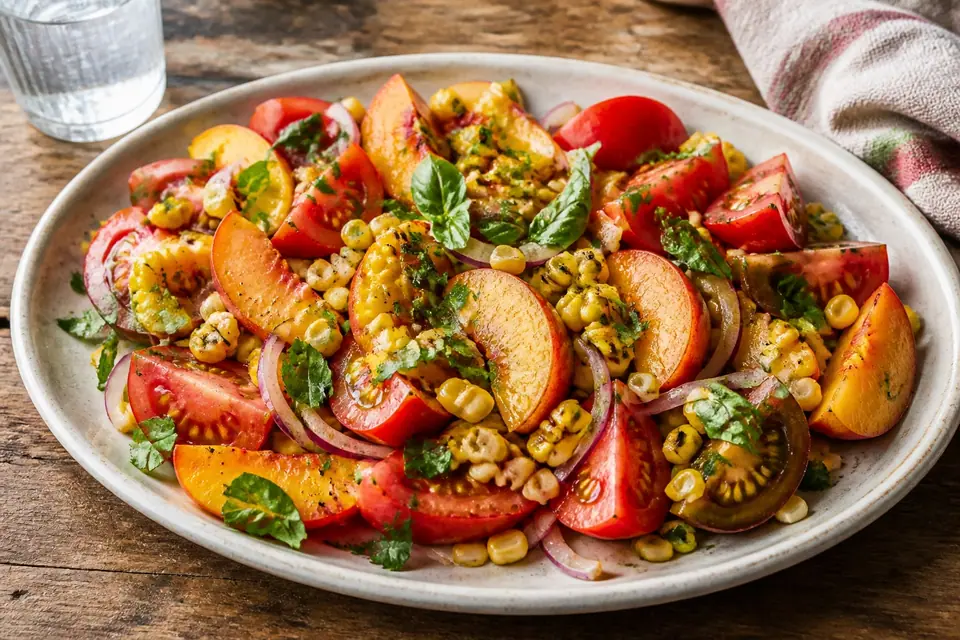
Corn, tomatoes and peaches brought together by lemon, olive oil and a handful of herbs. The corn gets charred; everything else stays fresh.
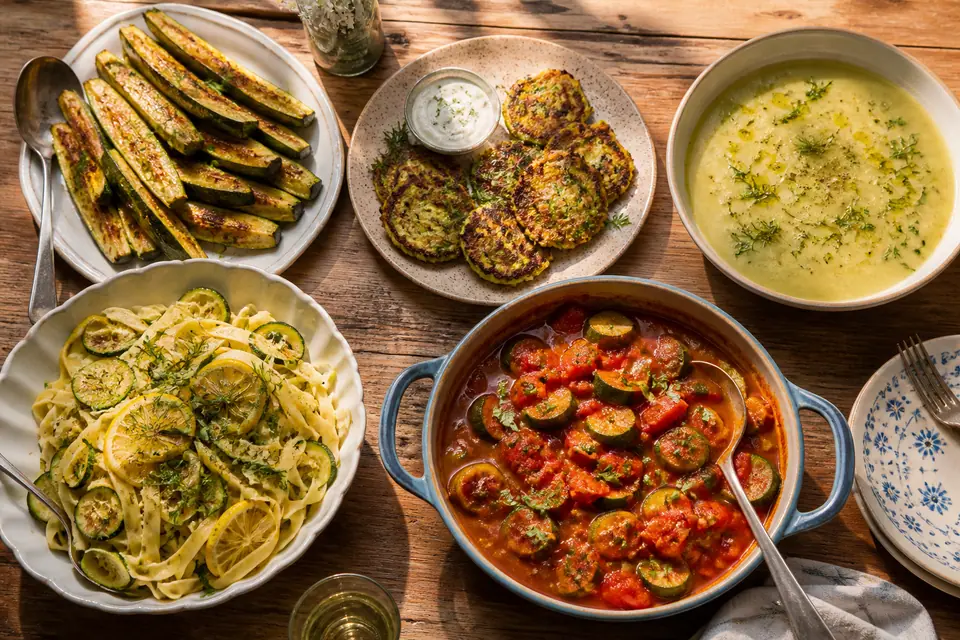
A pile of courgettes needs different textures, not five versions of the same saute. These dinners use roasting, grating, blending, ribbons and stewing.
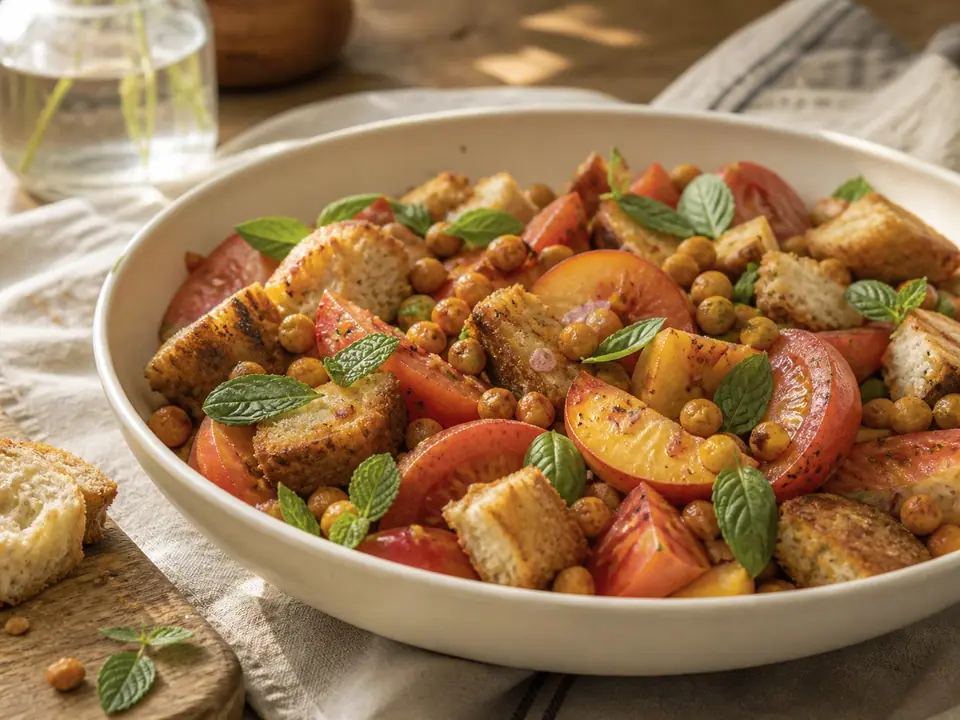
Roasted chickpeas bring salt and crunch to a juicy peach-and-tomato panzanella that is substantial enough for dinner.
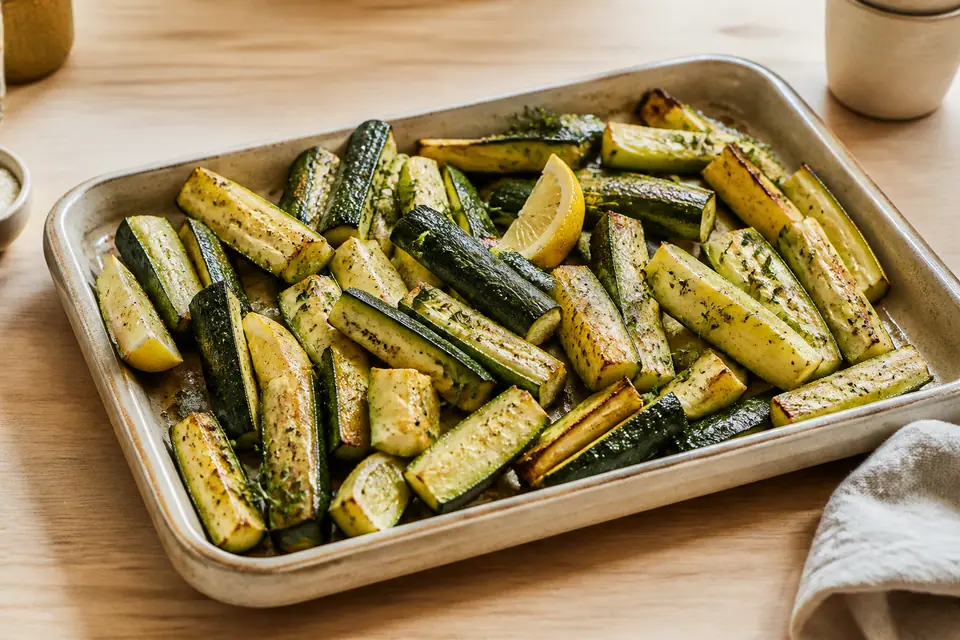
Courgette is the British name for zucchini. The useful difference is not the label but the variety, size and moisture inside the skin.
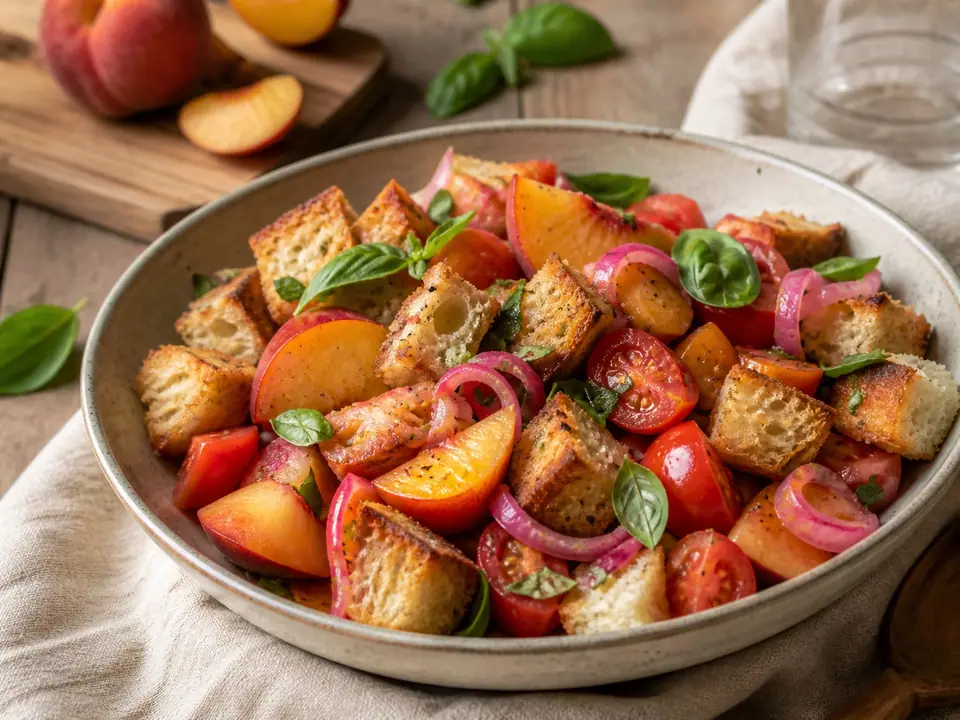
Quick-pickled red onions cut through ripe fruit and tomato juice in a panzanella with crisp bread and basil.
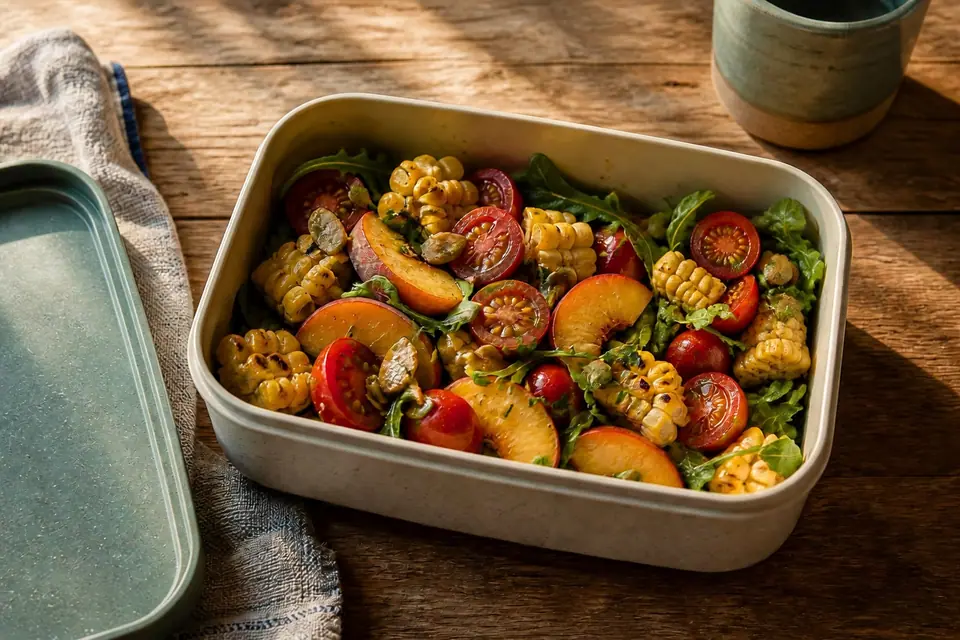
The salad travels well because the dressing, herbs and toasted seeds stay in their own corners until lunch. No soggy leaves, no leaking fruit.
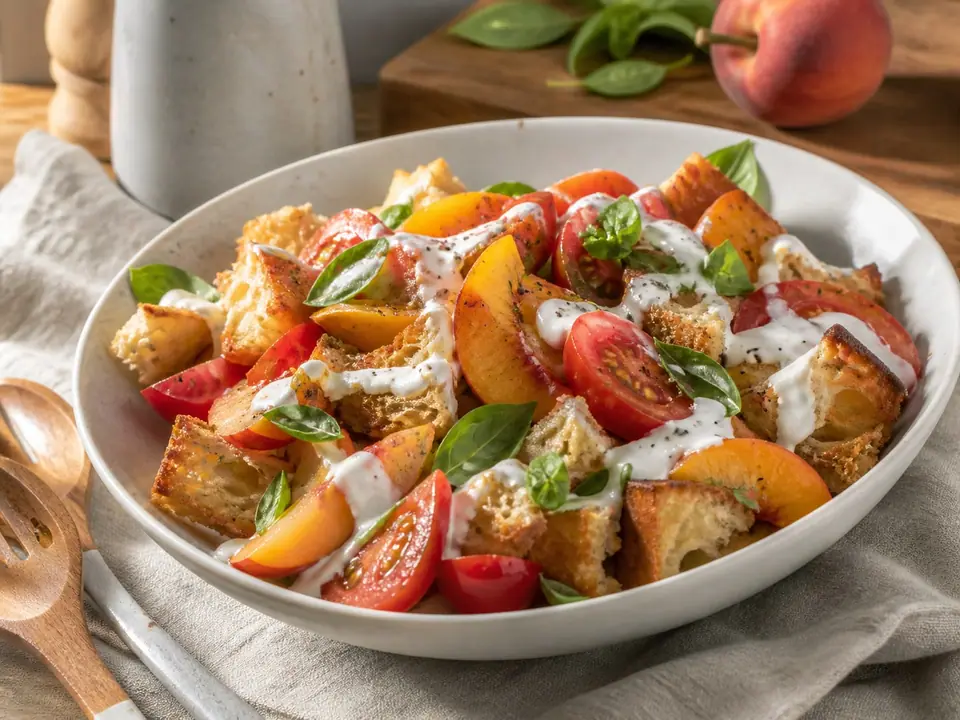
Thick yogurt turns the tomato juices into a cool, creamy dressing for crisp bread, ripe peaches and fresh herbs.
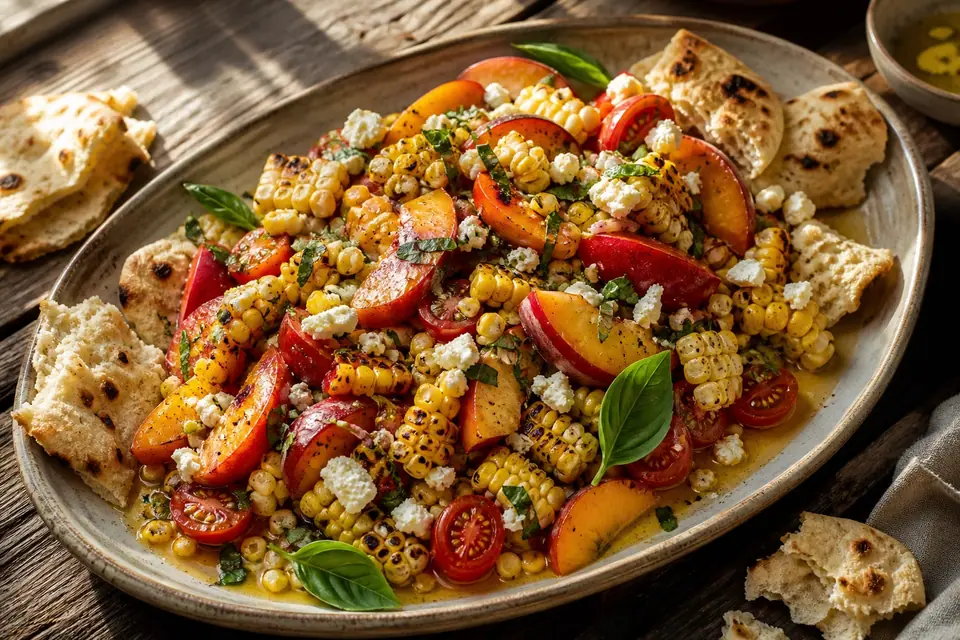
Warm flatbread turns the lemony tomato and peach juices into part of the meal. Char the corn, tear the bread and let everyone build a bite.
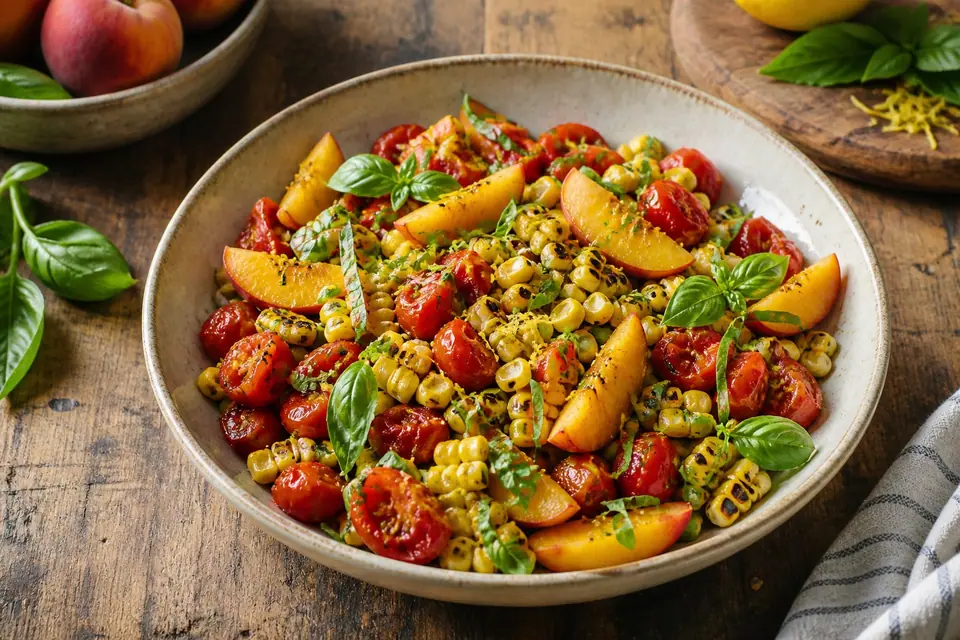
Tomatoes and corn can be frozen after roasting; peaches and herbs cannot. Freeze the cooked base, then finish it with fresh fruit when you need dinner.
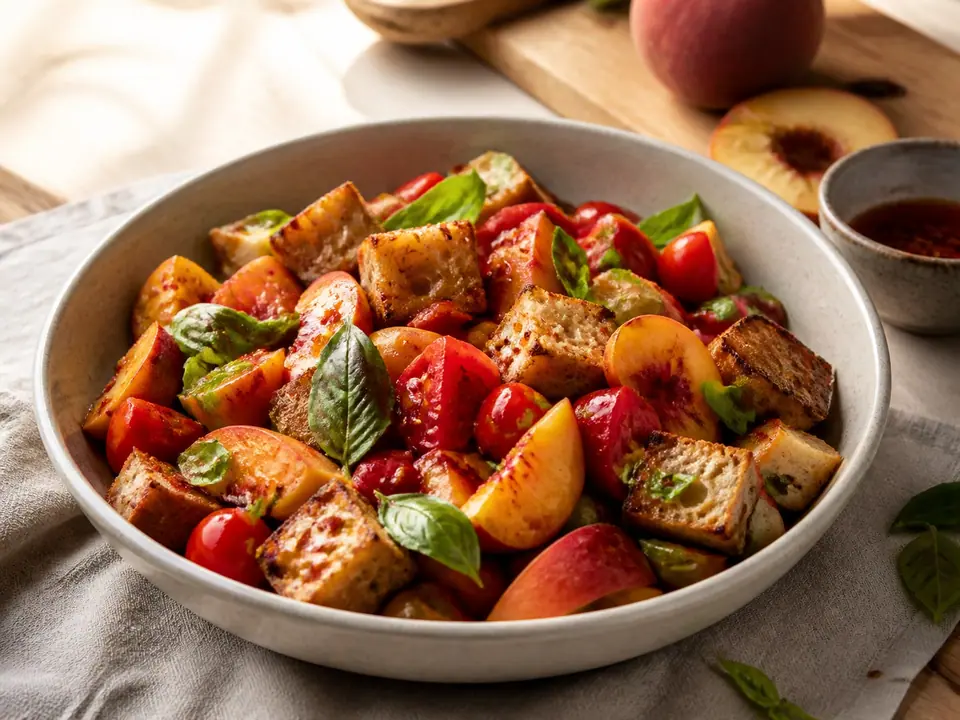
Chilli oil gives the sweet fruit a savoury edge, while toasted bread catches every drop of tomato and lemon juice.
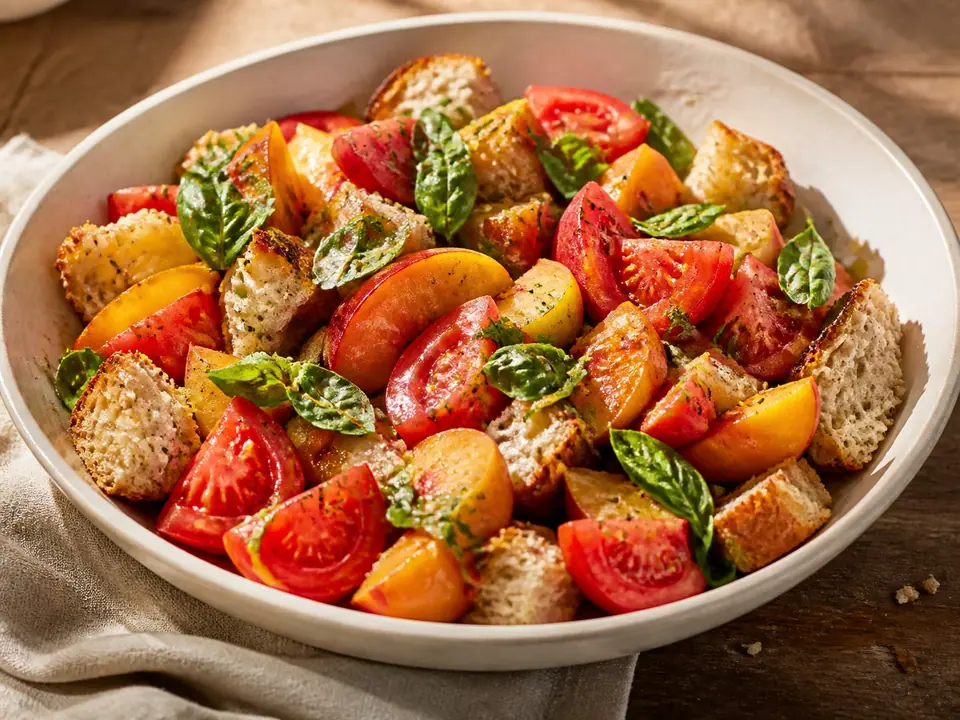
Juicy peaches and tomatoes soak into crisp bread while lemon, basil and red onion keep the bowl sharp.
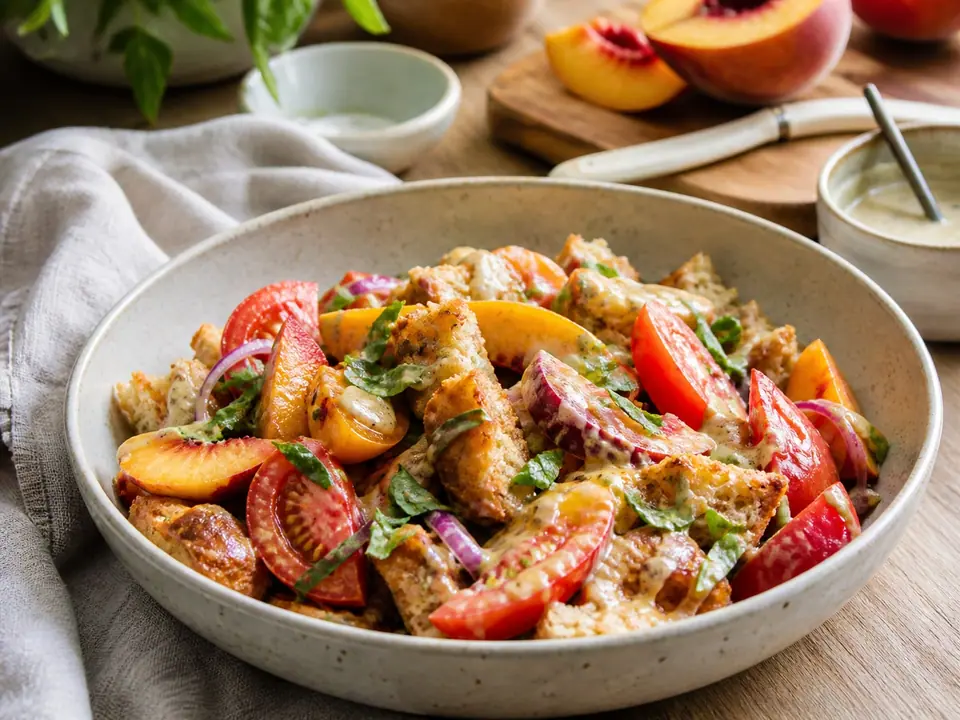
Lemony tahini gives the juicy fruit a creamy savoury backdrop and turns this bread salad into a more filling side.
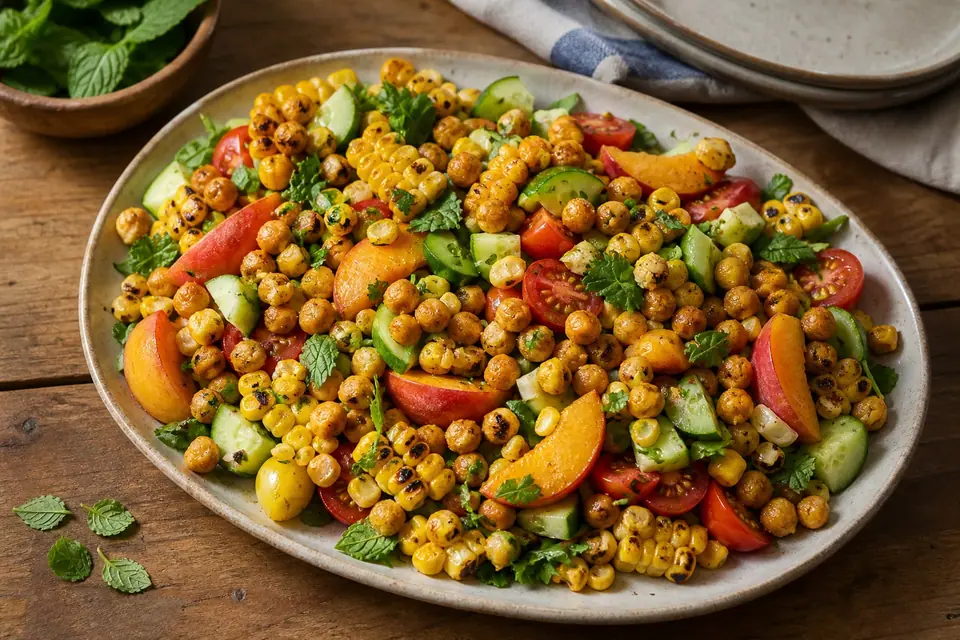
Sweet late-summer produce with chickpeas roasted until their edges crackle. The salad stays fresh while the chickpeas bring the substance.
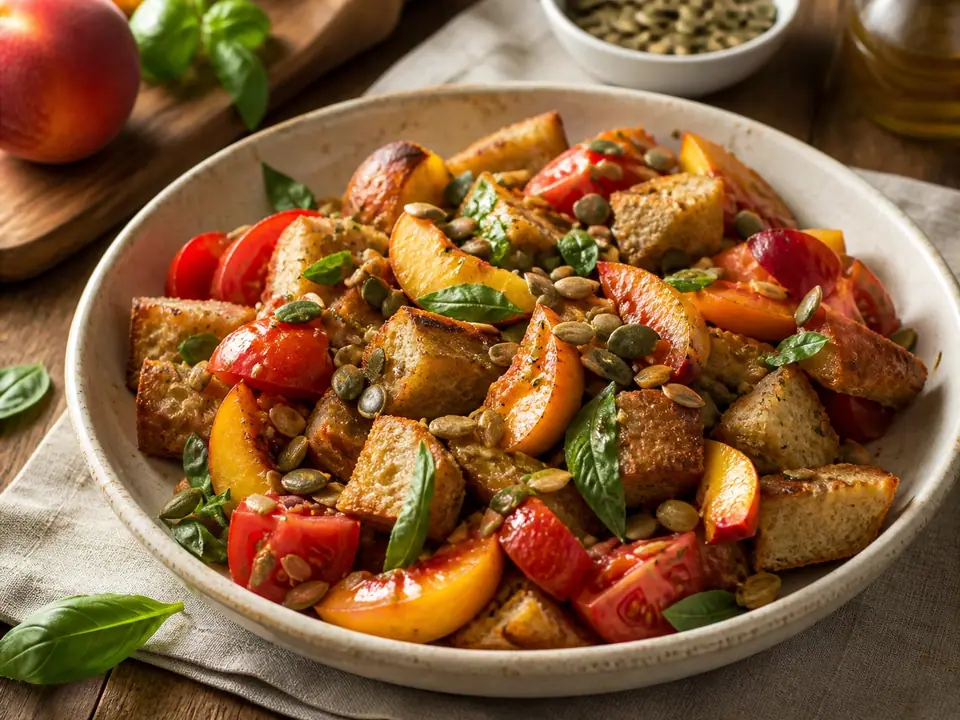
A handful of toasted seeds gives juicy peaches and tomatoes the contrast they need, alongside crisp country bread.
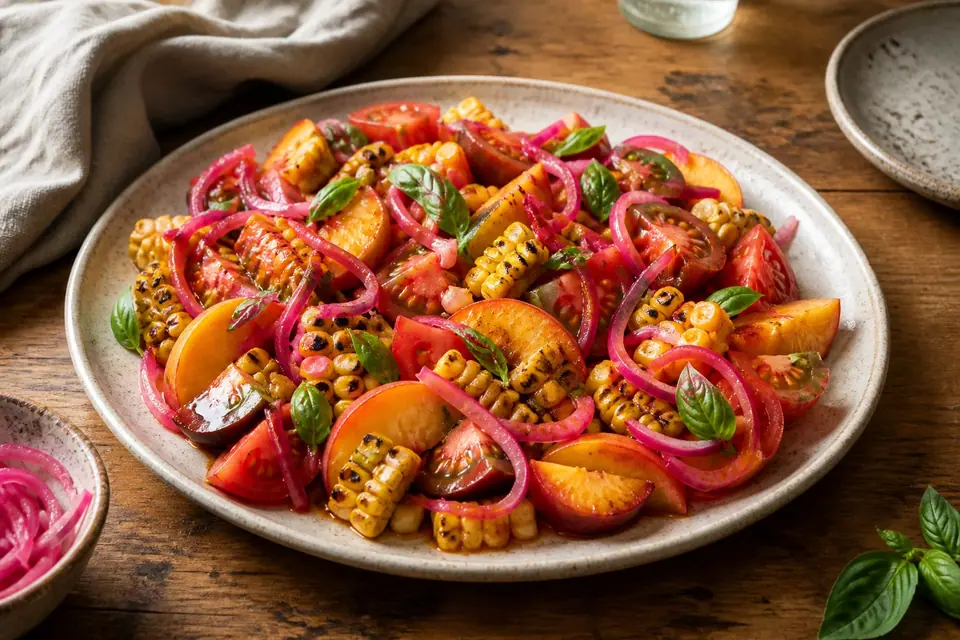
A quick pickle turns a red onion into the sharp, crunchy thing that ripe corn, tomatoes and peaches need. The onions do double duty as dressing.
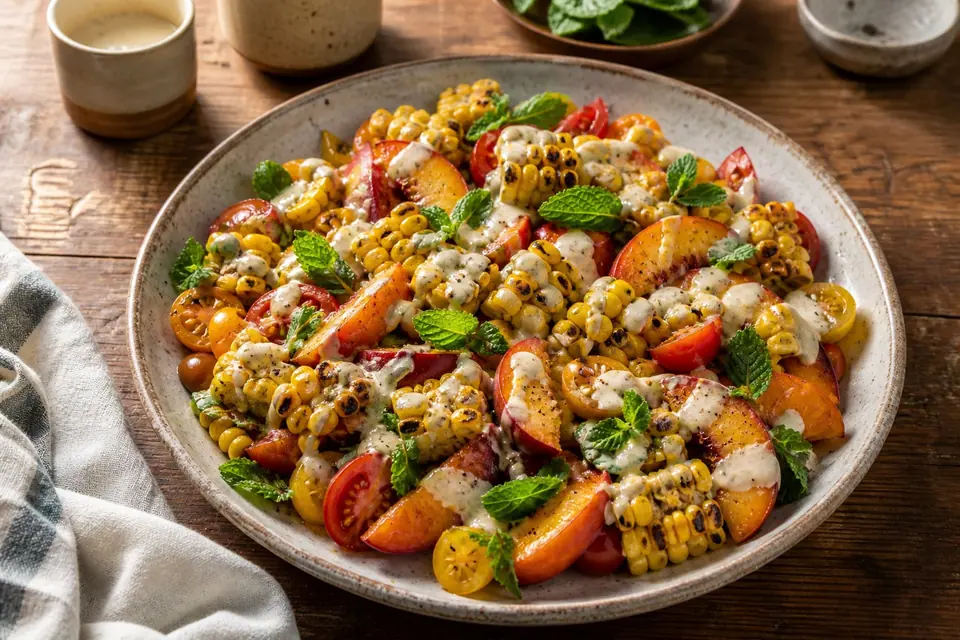
The smoky sweetness of corn and peach against a lemon tahini dressing. Creamy without dairy and substantial enough beside flatbread.
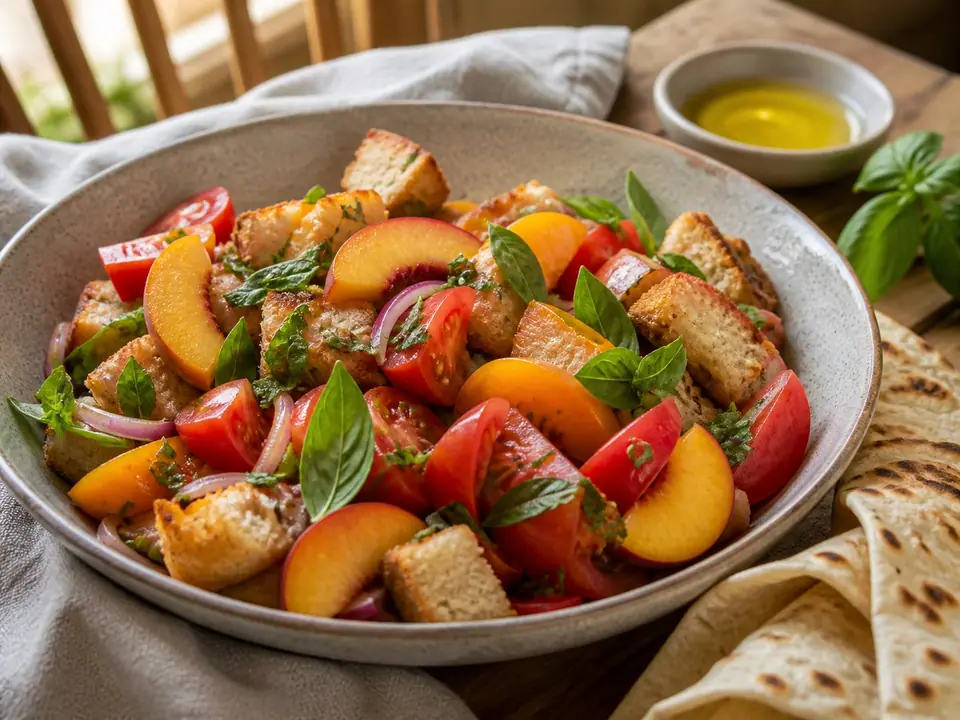
A juicy peach and tomato panzanella with toasted bread, plus warm flatbread for scooping up every last drop.
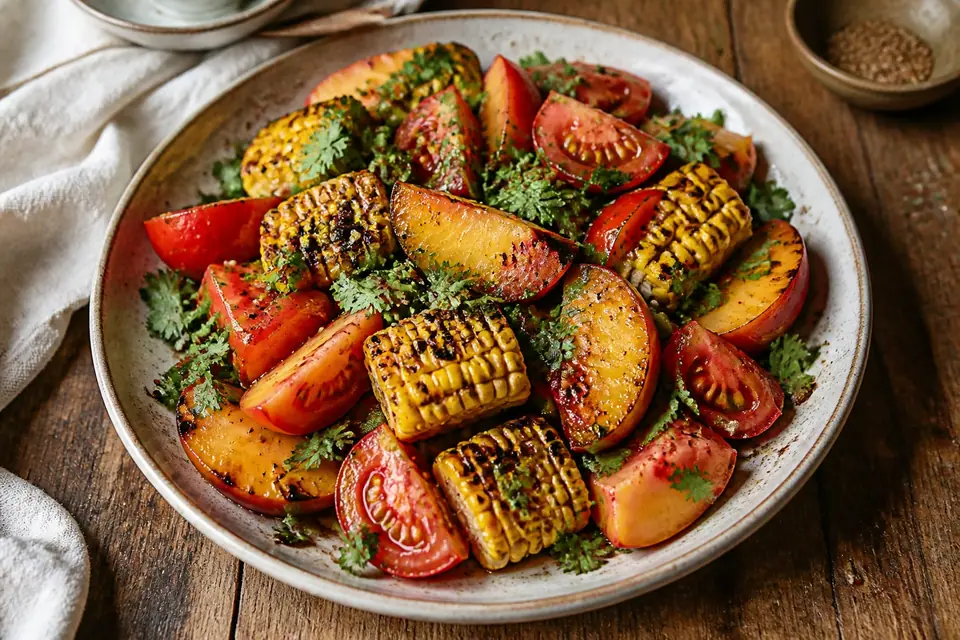
Chilli oil gives ripe peaches and tomatoes a sharp edge, while charred corn adds the savoury part. Keep the oil warm, not smoking.
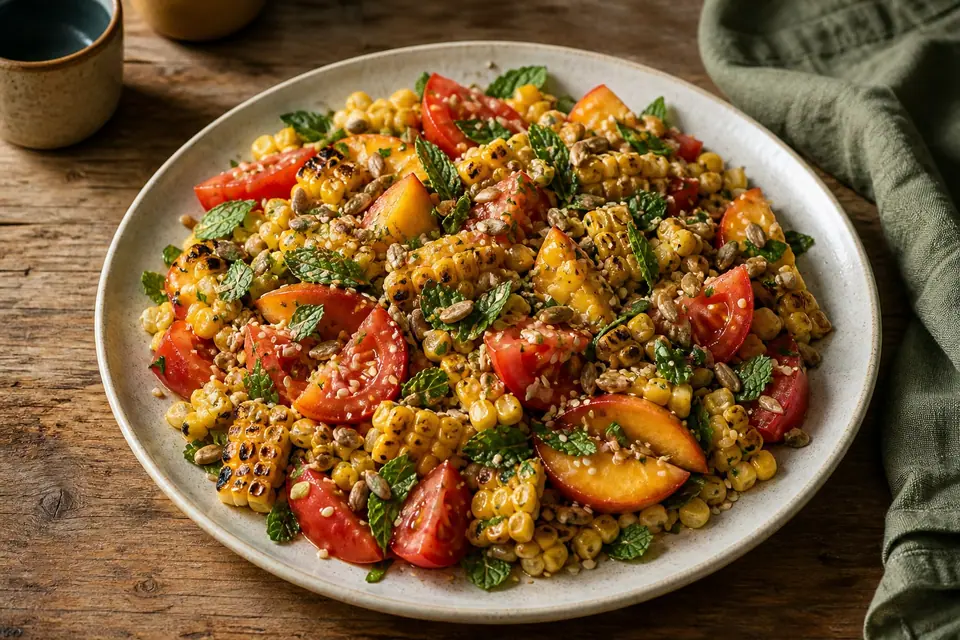
A simple corn, tomato and peach salad with two kinds of toasted seeds for crunch. The seeds are seasoned while warm so they taste of more than oil.