Same vegetable, different jobs in the pan
Courgette is the British name for zucchini. The useful difference is not the label but the variety, size and moisture inside the skin.

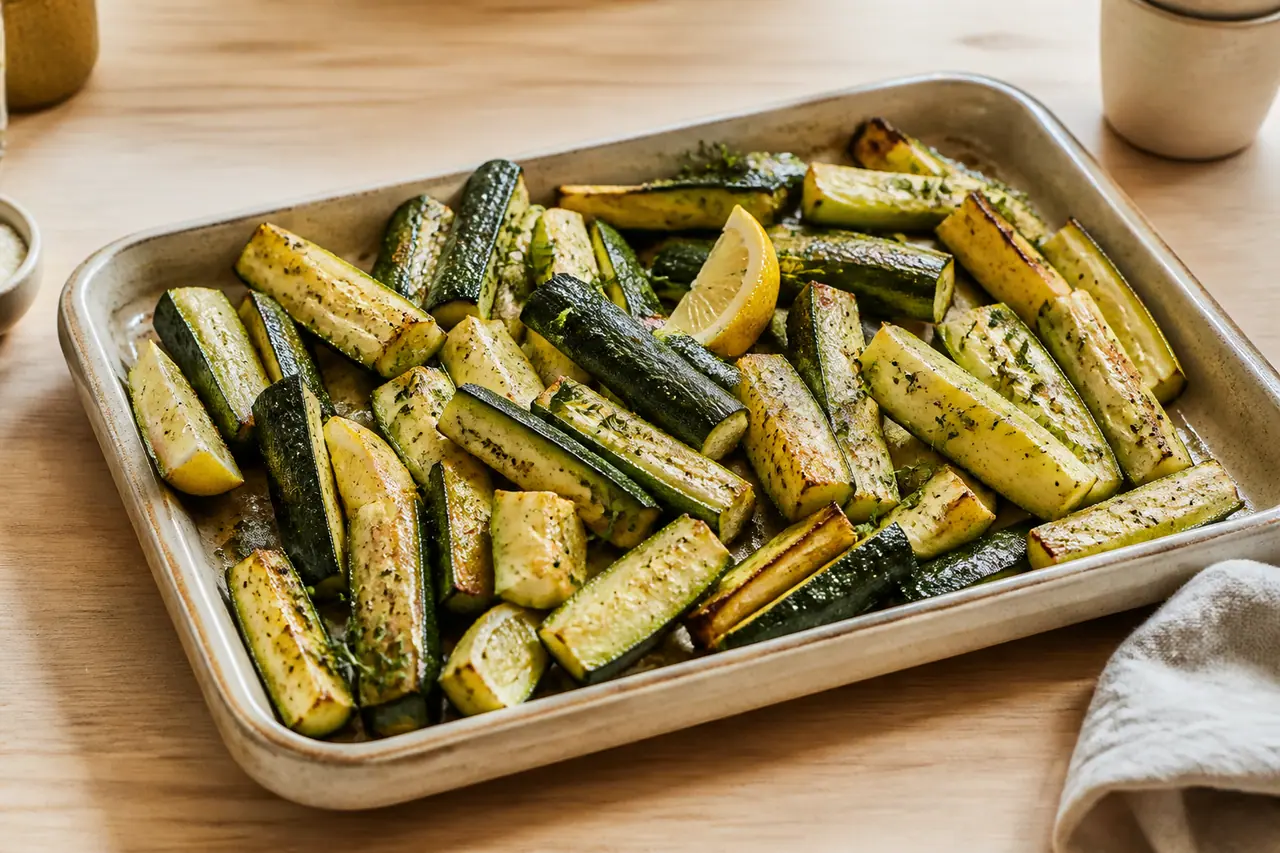
Courgette and zucchini are the same kind of summer squash; the word changes with the country, not the vegetable. What changes in the kitchen is the fruit in front of you: a small firm one from a market stall cooks differently from a swollen, seed-heavy one sold under either name. I tested thick batons from both labels in the same hot tray, and the smaller pieces browned in 18 minutes while the large watery pieces needed another 9 minutes before their centres stopped tasting raw.
My verdict is simple. Ignore the name on the shelf. Buy the smallest firm squash you can find for quick sauteing and salads, choose larger ones for fritters and soup, and cut them according to their water content. A courgette is not a different ingredient from zucchini, but a pale ribbed variety and a dark smooth variety can still earn different treatment.
The name is not the cooking difference
In British shops, courgette is the usual word.
In American shops, zucchini is more common. Both refer to the immature fruit of Cucurbita pepo, harvested before the seeds harden. The name tells you where the recipe was written, not whether the squash will crisp, collapse or release half a cup of water.
Variety matters more than spelling. Dark green zucchini often has a thin skin and a compact centre.
Pale green courgettes can be just as firm, while striped or round varieties may carry more seed and need thicker cuts. I look at the stem and weight before I decide how to cook them. A dry stem and a heavy feel for its size usually mean a better starting point than a flawless colour.
My fair pan test
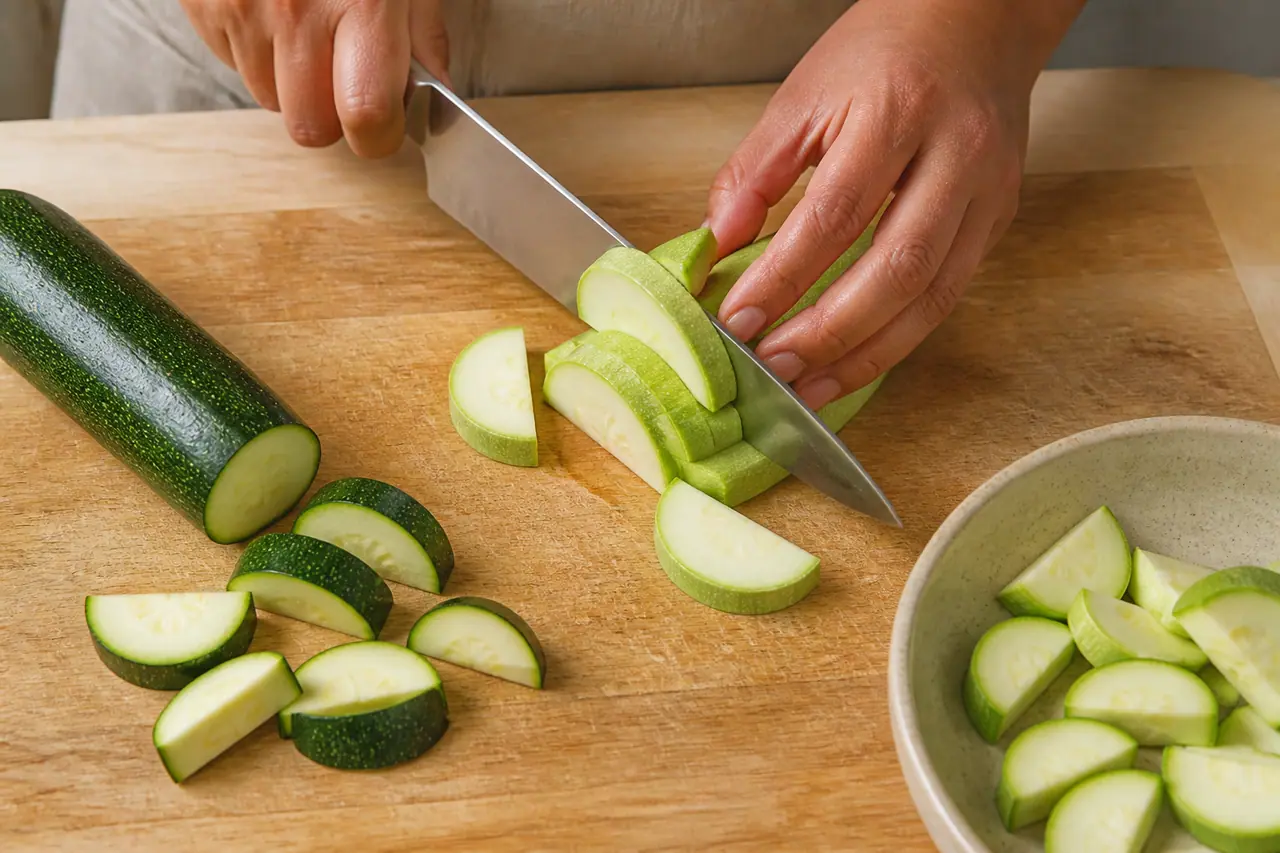
I cut two 250 g squash into 2 cm half-moons, dried the surfaces, and cooked each batch in one tablespoon of oil in the same wide skillet.
The pan was hot before the vegetables went in, and I left them alone for three minutes before turning. The dark zucchini browned first, with a firmer centre. The pale courgette softened a little sooner and gave off more liquid, though the difference was small enough to disappear in a stew.
When I repeated the test with 1 cm slices, neither batch browned properly.
The pieces covered the pan and steamed in their own juice. That result is more useful than the colour comparison. Thickness, surface dryness and room in the pan control the finish. The variety nudges the result; the method decides it.
| Question | Smaller firm squash | Large mature squash |
|---|---|---|
| Water released | Low to moderate | Moderate to high |
| Best cut | Half-moons or batons | Thick wedges or grated |
| Quick saute | Good browning in 6–8 minutes | Needs space and longer cooking |
| Raw centre | Compact and tender | Seedier and softer |
| Best rescue | Use as sliced vegetable | Salt, grate or blend |
Source: Maren Ashby kitchen test, 2026
Where each one earns its place
For a quick skillet dinner, I use small squash cut into half-moons and add them after the onion has taken on colour.
They need enough heat to brown, but not a long simmer. For a tray roast, thick batons are easier to turn and keep a defined edge. The recipe for [zucchini fritters](/recipes/zucchini-fritters) does the opposite: it welcomes a larger, wetter squash because grating and squeezing turns a weakness into a useful texture.
Raw ribbons need the youngest squash.
Run a peeler down the length, stop when you reach the seedy core, and dress them close to serving. If the ribbons sit in lemon juice for an hour, they lose their snap. A large squash can still work in a salad, but I remove the soft centre and use the firm outer flesh only. The [zucchini ribbon salad](/recipes/zucchini-ribbon-salad) is better with two small fruits than one enormous one.
One detail I notice when the varieties are side by side is how quickly the cut faces lose their clean shape. The darker zucchini keeps a tidy rim for longer, while a pale courgette can soften at the corners almost as soon as it meets the oil. That is useful information when I am cooking both on one tray. I put the pale pieces toward the centre and the darker pieces near the hotter edge, then turn the tray once. It is not a fixed rule, but it gives the two textures a fair chance to finish together.
Skin, seeds and the point where I stop trimming
The skin is edible and usually where the vegetable keeps its best bite.
I wash and dry the squash, trim the ends, and leave the skin on for every savoury preparation. Peeling makes sense only when the skin is scarred or when I want a pale puree. Removing it from a good small courgette throws away structure for no gain.
Seeds are a size issue, not a safety issue.
Small courgettes have barely noticeable seeds. With a large one, the central seed channel can be soft and wet. Split it lengthwise and scrape only the loose centre with a spoon. Do not hollow out the whole fruit by habit; the flesh around the seeds still cooks well and keeps the slices from falling apart.
The answer in one line
Courgettes and zucchini are not separate vegetables, so a recipe will not fail because you used the other name.
Size, seed development and water content are the real variables. Small firm squash suit fast cooking and raw dishes; large squash belong in fritters, soup or a dish where extra moisture has somewhere to go.
A note on names in recipes
If a recipe says zucchini and your shop says courgette, follow the weight and cut rather than searching for a second vegetable.
The same rule works in reverse. Recipes written in different countries often assume different sizes, so a cup of sliced zucchini is not a precise promise about water content. Look at the pan and adjust by sight.
That is why I write the ingredient as courgette or zucchini according to the reader, then describe the useful physical clue. Cooking improves when the name gets out of the way and the vegetable gets measured.
Questions
Are courgettes and zucchini the same vegetable?
Can I substitute zucchini for courgette in any recipe?
Which is better for roasting?
Should I peel courgettes?
Recipes for this guide
All recipes →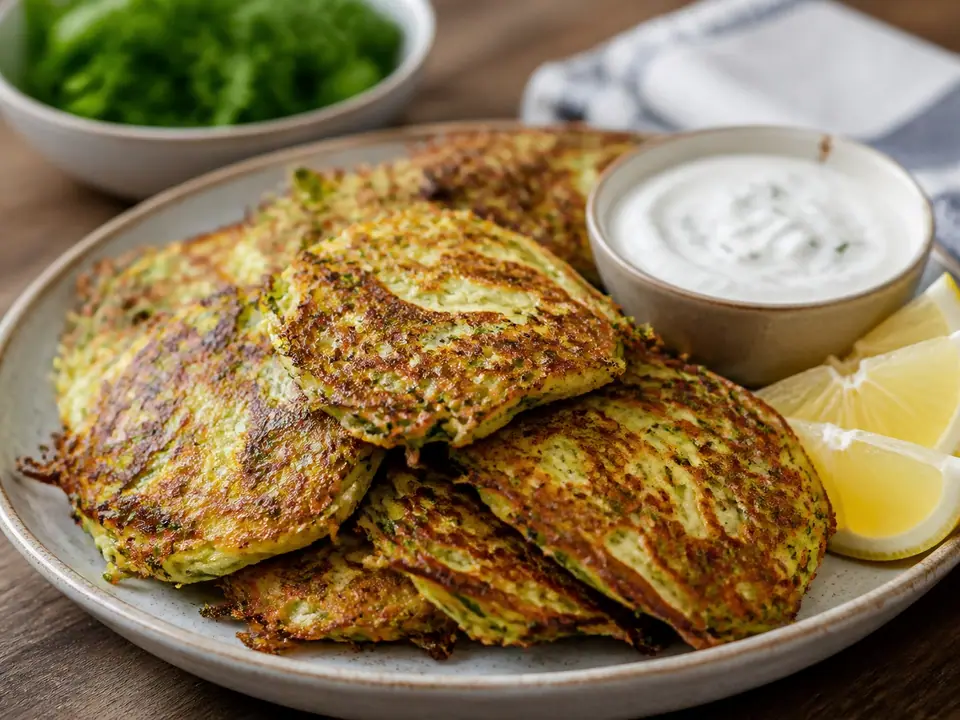
Zucchini fritters that actually hold together
Grated zucchini holds an astonishing amount of water. Get it out and you have crisp fritters; leave it in and you have green pancakes.
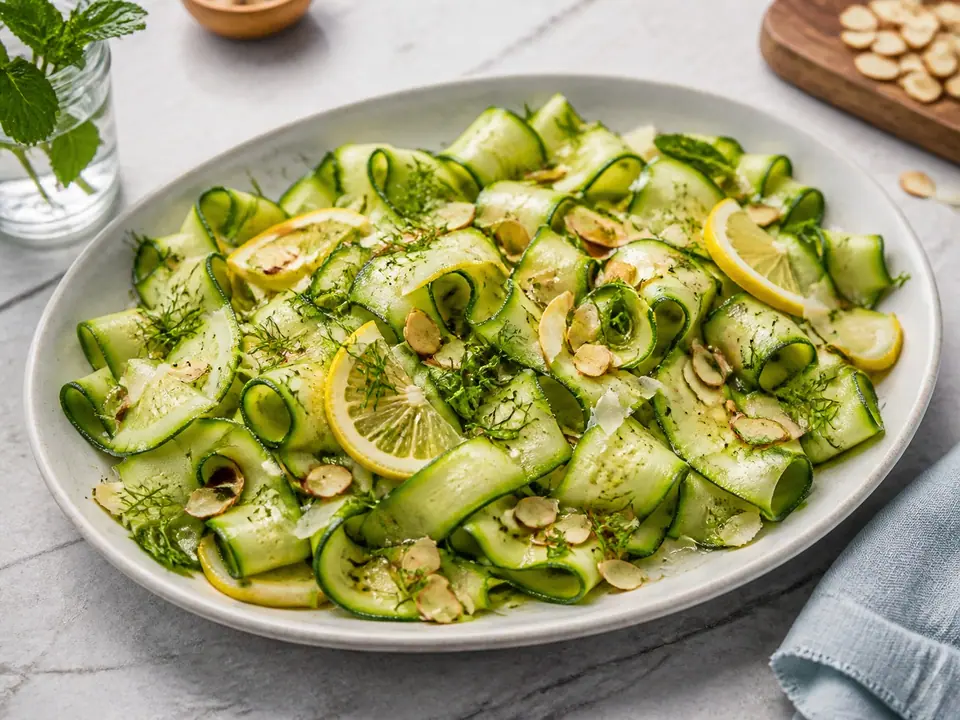
Zucchini ribbon salad with lemon
Raw zucchini is better than its reputation, but only if you shave it thin and give the salt ten minutes to work.
More guides
All guides →
Cauliflower vs broccoli: which roasts better?
Cauliflower gives a more even roast and creamy centre. Broccoli browns faster and has better crisp tips, so the winner depends on the texture you want.
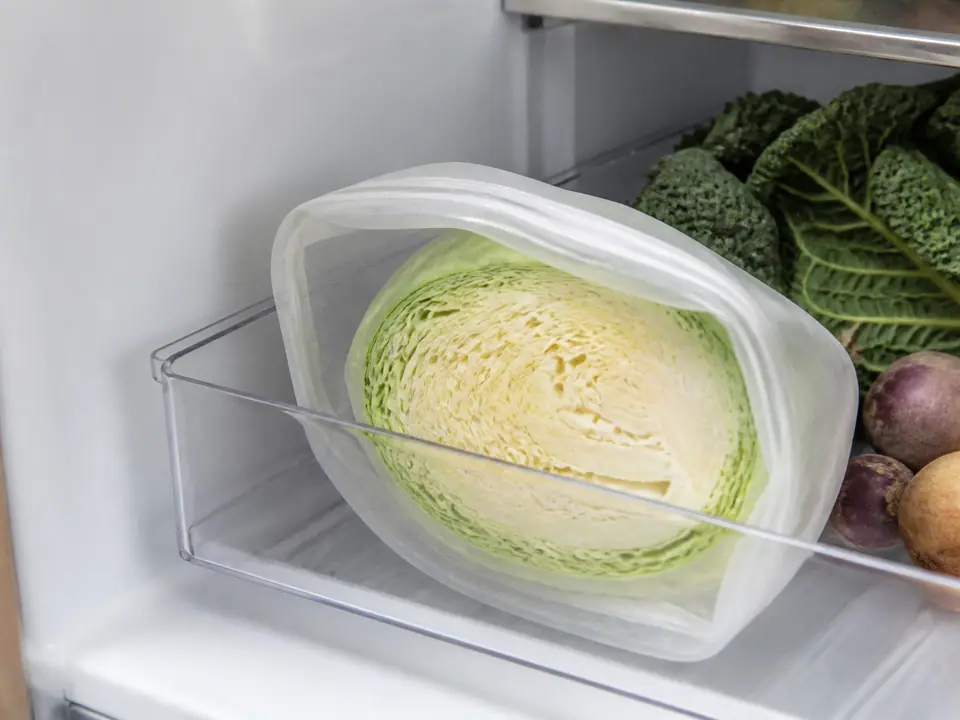
How to keep a cut cabbage fresh for a week
A cut cabbage can stay useful for a week when the exposed face is dry, covered and kept cold. Slice from the outside and leave the core intact.

How to choose carrots that are crisp, not rubbery
Firm carrots with a fresh stem end and smooth, unbroken skin are more likely to stay crisp. Rubberiness means water has already left the root.