Cauliflower wins the slow roast; broccoli wins the crisp tips
Cauliflower gives a more even roast and creamy centre. Broccoli browns faster and has better crisp tips, so the winner depends on the texture you want.

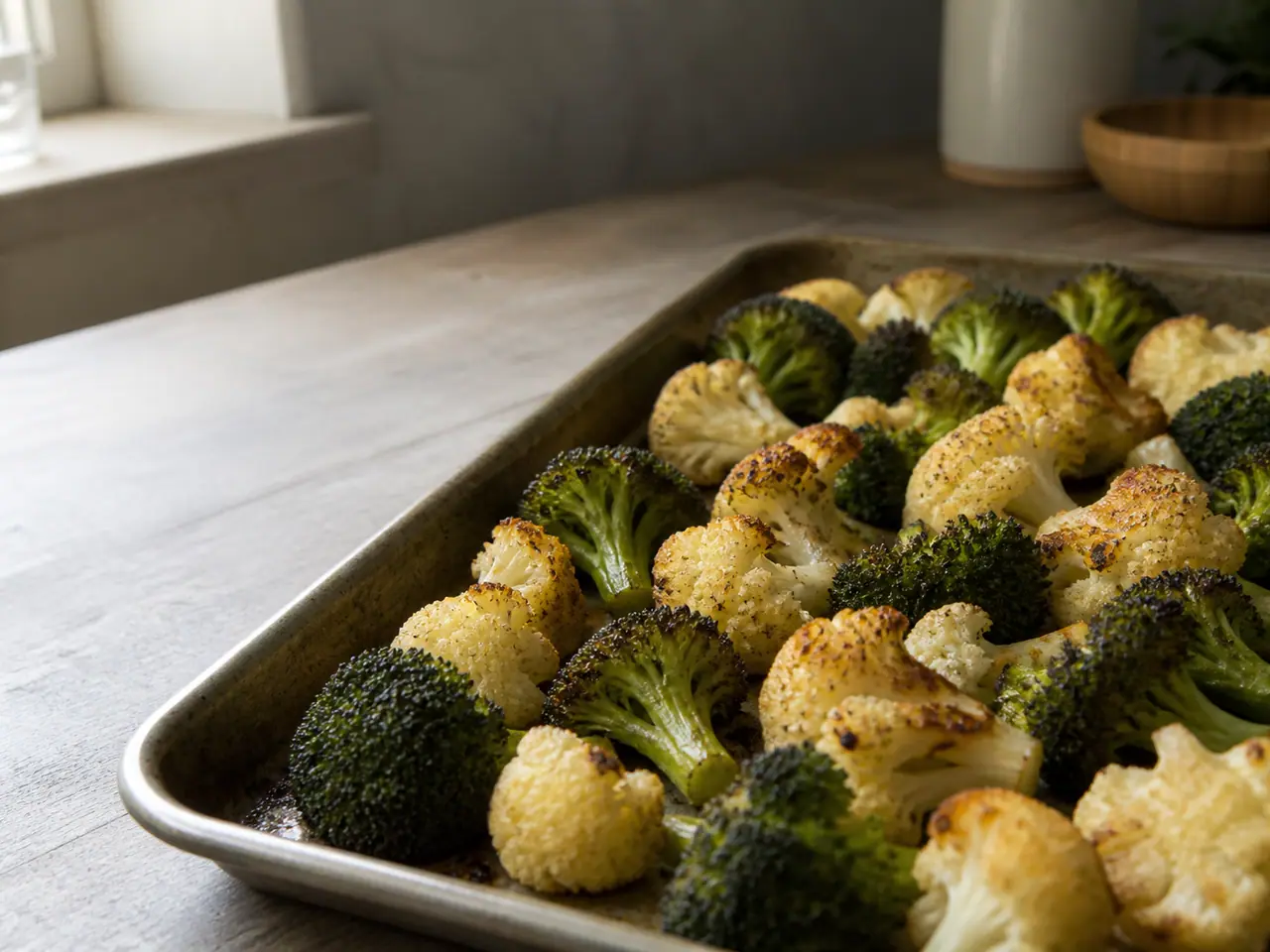
Broccoli looks like the obvious roasting winner because its tips blacken quickly. Then cauliflower comes out of the oven with a caramelised underside and a soft centre that can carry a whole bowl of sauce. I roasted equal weights of both on the same tray and got two different kinds of success: broccoli was ready at 19 minutes, cauliflower at 28. The faster vegetable had more crisp edges. The slower one had the better range of texture.
My choice is cauliflower for a tray that needs to feel substantial, broccoli for a quick side with lots of browned tips. Cut them into similar-sized pieces but do not force them through the same cooking time. Broccoli needs protection from overcooking; cauliflower needs enough heat to lose its water.
I used to put both vegetables on the tray together and call the result a comparison. It was not fair. The broccoli tips were already dark while the cauliflower centre stayed firm, so the tray had two clocks running at once. Once I started staging the pieces, the difference became useful. Broccoli is built for the edge of the roast. Cauliflower is built for the middle. Neither needs to lose its best texture to prove that the other has one.
They share a family, not a finish
Cauliflower florets are compact and dense. A thick stem sits under a tight curd, so heat takes time to reach the centre. Broccoli has open branching florets and a more exposed surface. Its tips can brown while the stalk is still crisp. That geometry controls the roast more than the colour of the vegetable.
I cut cauliflower into pieces about 4 cm wide and broccoli into larger florets with a short stalk attached. If I make the broccoli too small, the tips burn before the stem softens. If I leave cauliflower in huge chunks, the outside dries before the core gives. The knife is part of the oven setting.
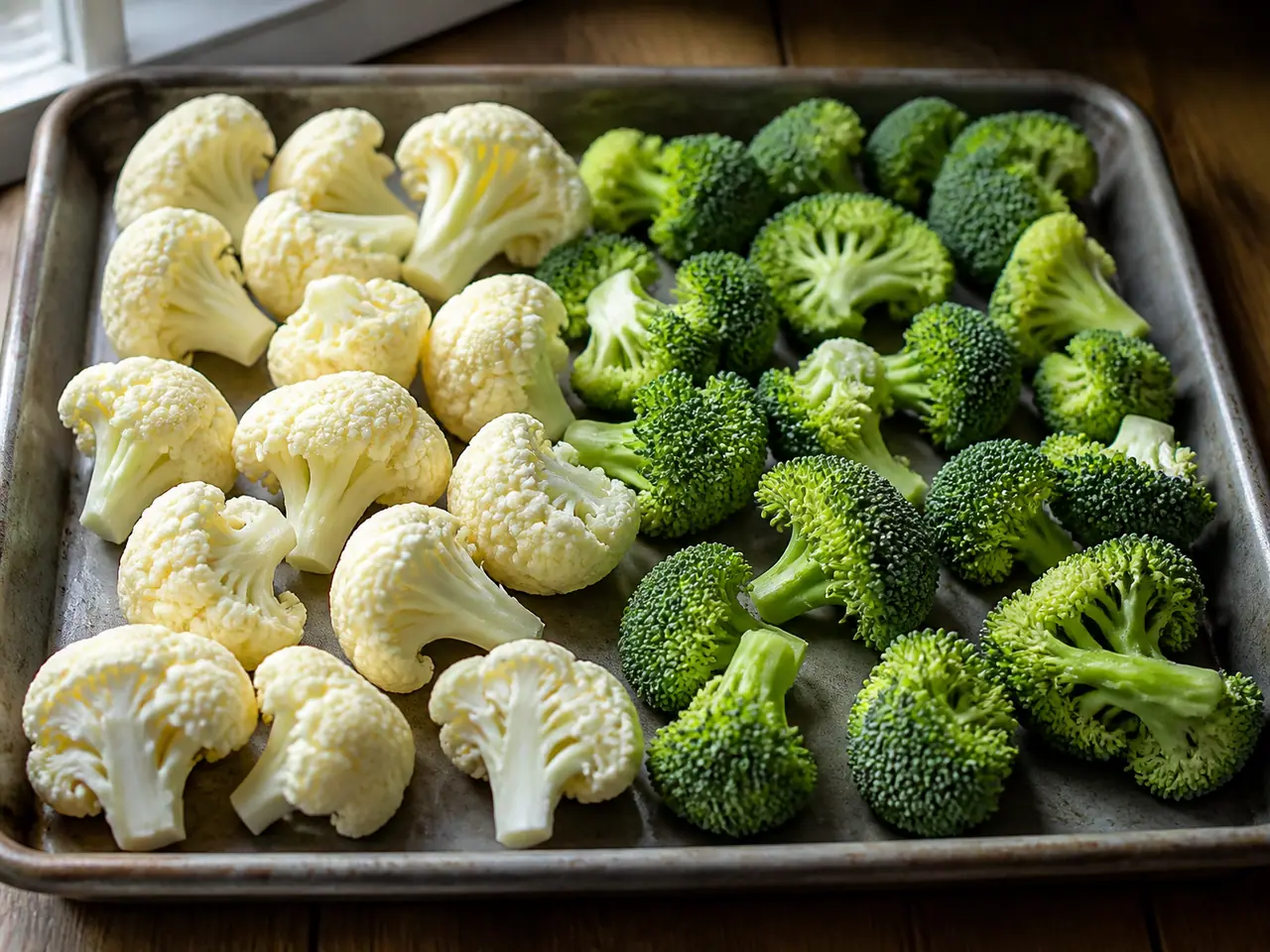
The tray tells me more than the clock. Broccoli should have dark tips that still look green, with a stem that yields but does not collapse. Cauliflower should have a brown underside and a centre that takes the knife without resistance. If I wait for both to look identical, broccoli loses its tips or cauliflower stays hard. I serve them together only after accepting that they have different jobs on the same tray. I take the photograph as a reminder of the texture I am after, not as a decoration. The surface should show what the written method asks for: a dry cut, a browned fold, a firm curd or a leaf that has kept its shape. If the frame looks wet and crowded, I know the pan would have the same problem. If it looks pale but compact, I know the food may be ready for a different job. That is why I keep the vegetable visible while I cook. The cauliflower should make sense before any garnish arrives.
My same-tray roast test
Equal vegetables, different finish
350 g cauliflower and 350 g broccoli, dried and tossed with the same two teaspoons of oil at 220°C fan.
Cauliflower
28
minutes to tender
Broccoli
19
minutes to tender
✓ Faster to tender
Broccoli was faster and gave more crisp tips. Cauliflower needed longer but delivered a softer middle and more browned surface on the underside.
Source: Maren Ashby kitchen test, 2026-08-28
I tasted the stems, not only the florets. The broccoli stem was sweet and firm at nineteen minutes, but the smallest tips were close to bitter. Cauliflower had no crisp leaf-like tips to speak of, yet its base was deeply browned and its centre was creamy. The verdict changes if dinner needs crunch rather than a fork-soft bite.
Both vegetables suffered when the tray was crowded. Their water collected under the florets, and the pan steamed. I use two trays when I have more than a single layer. It feels like extra washing up until you taste the difference.
When cauliflower is the better roast
Choose cauliflower when you want the roasted vegetable to stand in for the main starch. Its dense florets can take tahini, yogurt, curry spices or tomato sauce without collapsing. I roast the pieces cut-side down when I want a single broad browned face, then turn them only once.
Cauliflower is also more forgiving at the thickest point. It can stay in the oven while I finish a sauce, as long as the surface is not already too dark. The centre goes soft before the outer curd dries, which is why it works well with a creamy dressing or mashed beans.
The most useful mixed tray is not a compromise tray. I give the cauliflower the time it needs and let the broccoli leave while its tips are still lively. If one vegetable rests for five minutes, that is fine. A rested broccoli crown is better than a burned one, and a cauliflower centre that finishes on the plate is better than a hard one covered in sauce. Timing is part of the comparison.
When broccoli has the advantage
Broccoli wins when I want a side dish in twenty minutes. The crown catches oil and heat, and the stalk can be sliced thinly so it cooks beside the florets. I keep the pieces larger than cauliflower and put the cut sides against the tray. The tips should be dark green and crisp, not grey and collapsed.
I add lemon or vinegar after roasting because acid on the tray makes the small tips soften. If the broccoli is going into pasta, I pull it when the stalk still has a little resistance. It will finish in the hot sauce and keep a better bite than broccoli cooked until the crown falls apart.
The stem should not be discarded
I peel the woody outer layer from a broccoli stem and slice the inside into coins. For cauliflower, I trim the leaves and cut the stalk into smaller pieces. The stem takes longer than the floret, so it belongs on the tray first or under the sauce where it can simmer.
A roast tray with only florets has two problems: the pieces finish at different times and half the vegetable is wasted. Keeping the stems makes the comparison fairer and gives you more browned surfaces. The stem also tells you when the roast is ready; a knife should meet resistance, not a hard wall.
| You want | Better choice | Cut and cook |
|---|---|---|
| Crisp tips | Broccoli | Large florets, 18 to 22 minutes |
| Soft centre | Cauliflower | 4 cm pieces, about 25 to 30 minutes |
| One-tray mixed roast | Both, staged | Cauliflower first, broccoli later |
| Sauce carrier | Cauliflower | Large pieces with one browned face |
| Fast pasta side | Broccoli | Thin stem slices and big crowns |
Source: Maren Ashby kitchen test, 2026-08-28
How I roast them together
If I want both on one tray, I put cauliflower in first at 220°C fan for ten minutes. Then I add the dried broccoli, oiling only if the tray looks dry, and roast for another twelve to fifteen minutes. That gives the cauliflower a head start while the broccoli keeps its crisp tips. I turn the cauliflower once and leave the broccoli alone unless a tip is catching too fast.
The failure mode is adding both at the same time and judging the tray by the broccoli. The crowns look done, so the oven comes off while the cauliflower is still firm. Staging solves the timing without a separate pan.
The finish decides the winner
Cauliflower likes a thick finish: tahini, yogurt, spiced chickpeas or a warm tomato sauce. Broccoli likes something bright and thin: lemon, chilli oil or grated cheese. I do not pour a heavy sauce over crisp broccoli because it erases the texture that made it the better choice.
Roasted vegetables do not need to be identical to share a tray. They need a cut and timing that respect their shapes. Once I stopped asking which one was universally better, the answer got easier: cauliflower for the middle, broccoli for the edge.
Questions
Is cauliflower or broccoli better for roasting?
Can cauliflower and broccoli roast together?
Why does roasted broccoli turn bitter?
Should I peel broccoli stems?
More guides
All guides →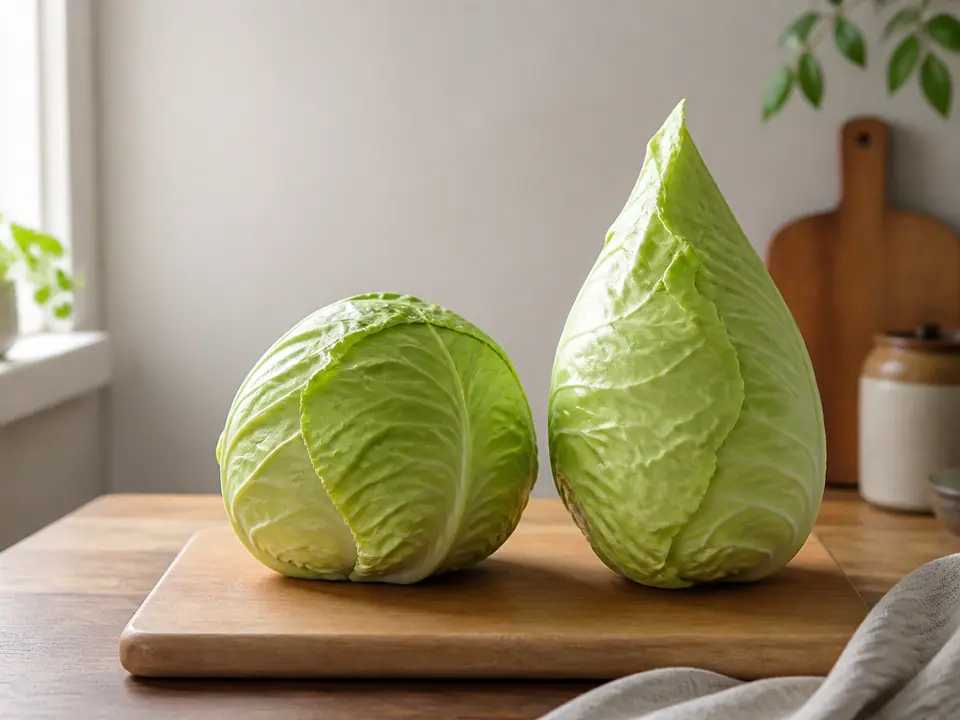
Green cabbage vs pointed cabbage: which one should you buy?
Green cabbage is the sturdier all-rounder. Pointed cabbage is sweeter, quicker to soften and better when dinner needs tender leaves without a long braise.
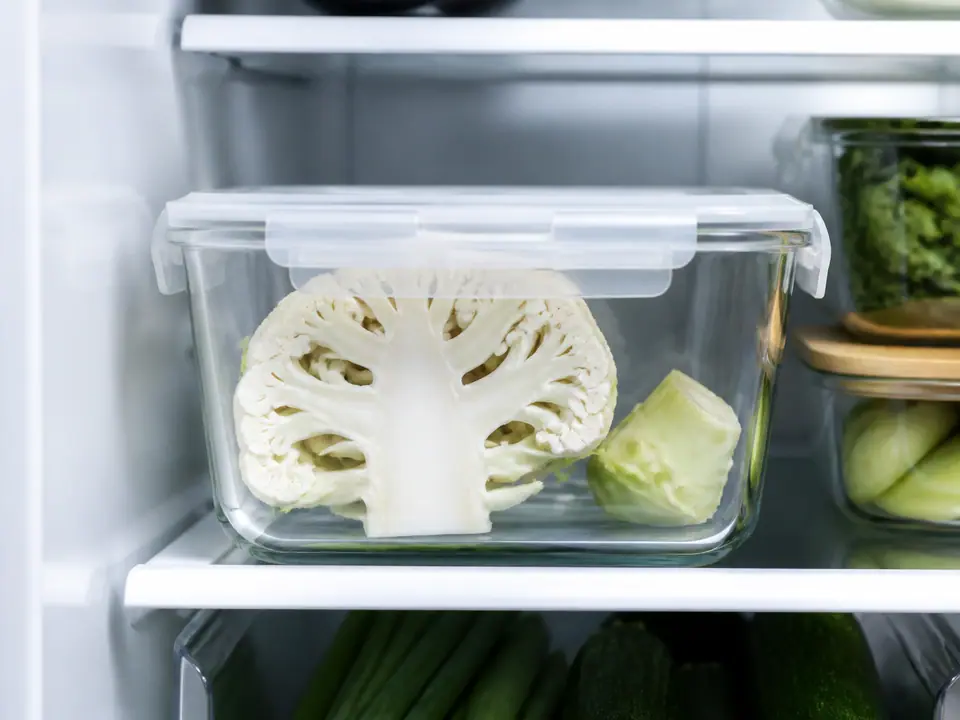
How to keep cauliflower from going grey
Cauliflower turns grey when exposed tissue dries or oxidises. Keep the head cold and dry, cover cut surfaces and cook before the spots spread.

How to choose carrots that are crisp, not rubbery
Firm carrots with a fresh stem end and smooth, unbroken skin are more likely to stay crisp. Rubberiness means water has already left the root.