Dry cuts and cold storage keep the white curd brighter
Cauliflower turns grey when exposed tissue dries or oxidises. Keep the head cold and dry, cover cut surfaces and cook before the spots spread.

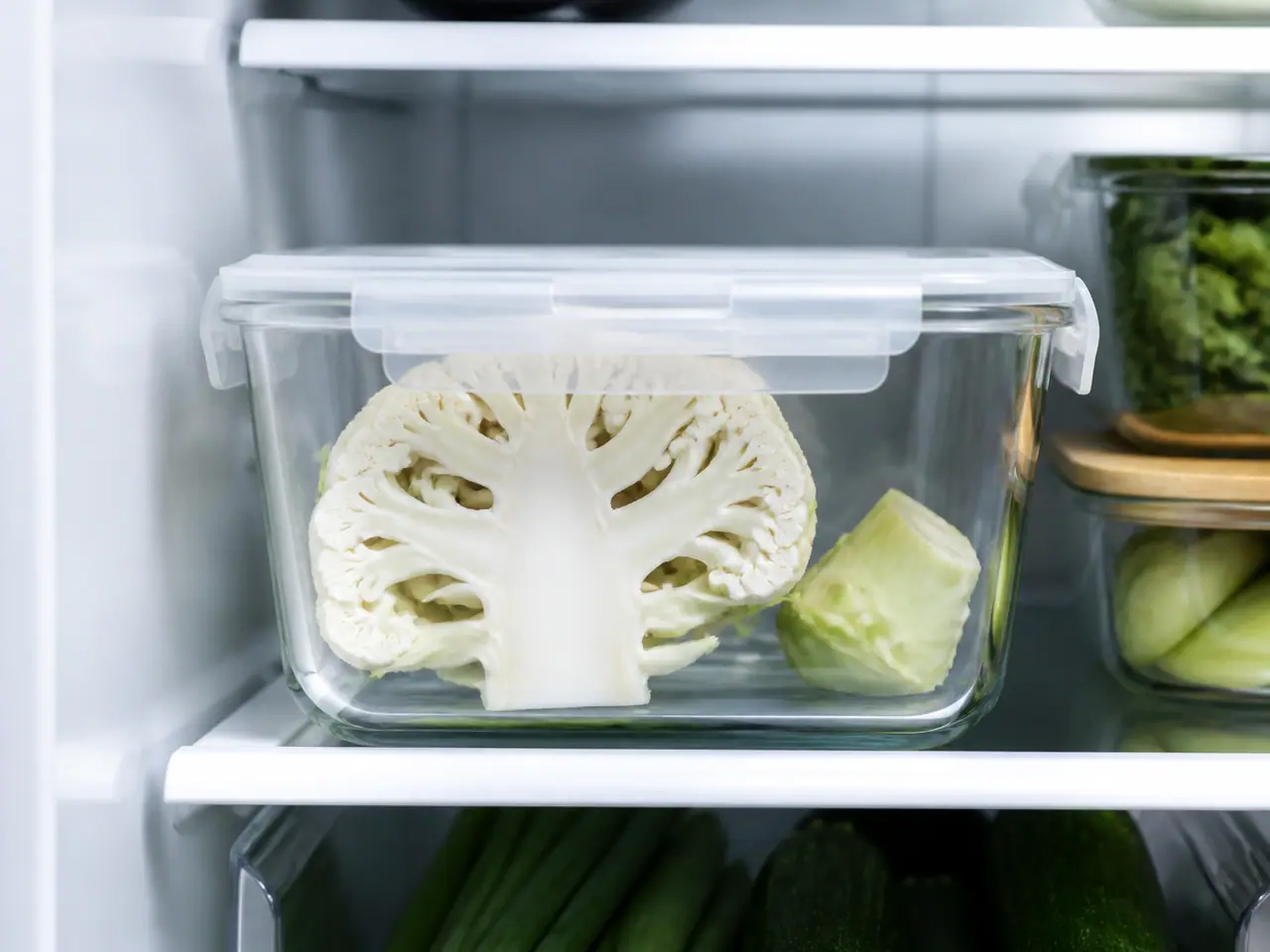
A cauliflower can go from bright white to a little grey in the time between chopping and dinner. The first time I saw it, I threw away half a head that was still firm and smelled fresh. The next time, I compared a cut head left uncovered with one dried and wrapped in the produce drawer. The exposed piece dulled first, especially at the cut stem. The covered piece stayed pale enough for roasting five days later.
Grey is usually a surface change from air, moisture loss or bruising. It is not the same as slimy decay or mould. Keep the cauliflower dry, cold and protected after cutting. Trim a dry discoloured edge, but discard anything soft, wet, mouldy or sour-smelling.
Colour change is easiest to manage before it starts. I cut only the amount I can cook, dry the stem and cover the remaining half before it goes into the drawer. If a grey edge appears, I do not panic and I do not ignore it. I cut into the tissue. Firm and mild means trim it and use it soon. Wet and unpleasant means stop trying to save the whole head. The knife tells me more than the colour alone.
What grey colour usually means
Cutting cauliflower breaks cells and exposes the pale tissue to air. The cut surface can oxidise and dry, especially where the knife crushed rather than sliced the stem. Water makes the problem look different: droplets trapped between florets soften the surface and can lead to darker patches. I treat dry grey as a trim-and-cook issue, and wet grey as a closer inspection.
The curd itself should still feel firm. I press the affected piece gently and smell it. If it is dry, mild and compact, I cut away a thin layer. If it is slippery, soft or sour, I do not try to roast it back to health.
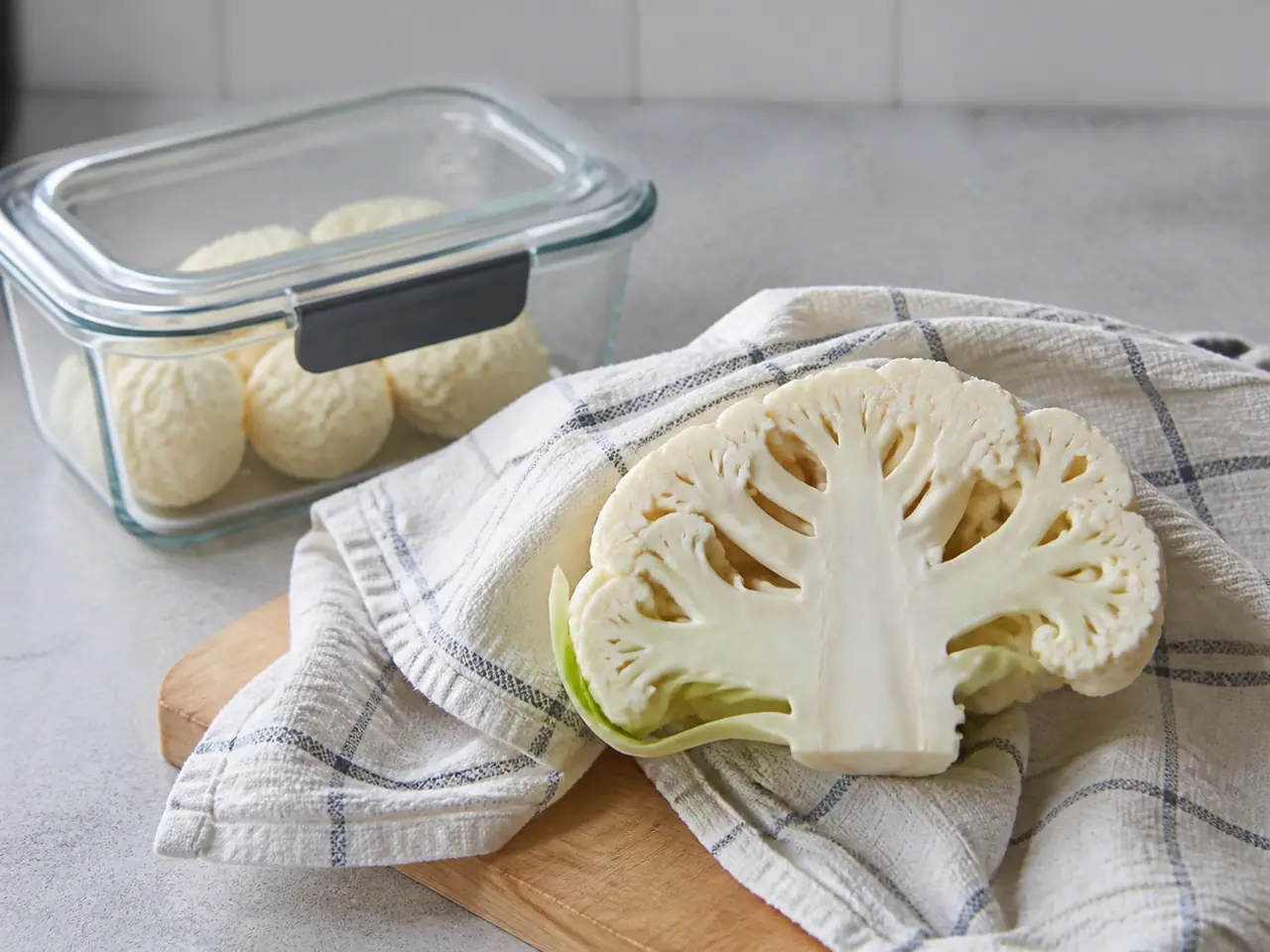
Once the cauliflower is cut, I stop treating colour as the only test. A pale head can be wet and spoiled, while a slightly grey head can be firm and perfectly useful after a trim. I smell the cut face, press the stem and look for slime. Those checks take seconds and give me a safer decision than trying to brighten the vegetable with lemon or hiding the edge under sauce. I take the photograph as a reminder of the texture I am after, not as a decoration. The surface should show what the written method asks for: a dry cut, a browned fold, a firm curd or a leaf that has kept its shape. If the frame looks wet and crowded, I know the pan would have the same problem. If it looks pale but compact, I know the food may be ready for a different job. That is why I keep the vegetable visible while I cook. The cauliflower should make sense before any garnish arrives.
My covered versus uncovered test
| Storage | Day 1 | Day 3 | Day 5 |
|---|---|---|---|
| Dry and covered | White | Small pale edge | Trimmed and roasted |
| Wet and covered | Water in folds | Soft stem edge | Cooked only after trimming |
| Dry and uncovered | White | Grey cut face | More trimming needed |
Source: Maren Ashby refrigerator test, 2026-08-28
I used the same head and kept the pieces in the same drawer. The uncovered sample dried quickly at the stem. The wet sample stayed white at first but developed a soft edge where the water sat. The dry covered sample was the best compromise: it lost less moisture without storing a puddle.
I use the colour as a prompt to inspect the tissue, not as a verdict. A dry grey patch is often a small job with a knife. A damp patch under a film of water asks a different question. I check the texture and smell before choosing a recipe. Raw florets need the cleanest appearance, while a firm trimmed piece can disappear into a roast or bean skillet without any loss of pleasure.
Store the head whole when you can
A whole cauliflower has its leaves and outer curd protecting the centre. I keep it intact until I know how much I need. If dinner needs half, I cut through the stem with one clean motion and return the other half with the cut face covered. I do not break off florets one by one unless they are going straight into the pan.
The produce drawer is better than an open shelf because it slows drying. I keep cauliflower away from a wet salad bag and do not wash the remaining head before storage. If it is already damp, I pat it dry and let the surface air for a few minutes before covering it.
A covered cut face, not a wet one
Use a reusable bag, a lidded container or loose food-safe wrap. The goal is to slow air movement and protect the cut surface. The container should not crush the florets, and visible water should not be sealed against the stem. Condensation is the sign I check first. If the inside of the lid is dripping, I wipe it and return the cauliflower dry.
Some people add lemon to the cut face to keep it pale. I prefer the simpler control: a sharp knife, a dry surface and cold storage. Acid can change the flavour of the part you want to roast, and it does not make soft or wet cauliflower fresh again.
When to trim and when to throw it out
Trim a small dry grey patch with a clean knife, taking a little firm tissue around it. If the grey area goes deep, the piece feels spongy or the smell has turned sour, discard it. Mould is not a seasoning problem. I also discard florets that are slimy rather than trying to cook them longer.
A little colour change is common in stored cut produce. The useful question is what the tissue feels like underneath. I cut one affected floret open and check the centre. Firm, mild and dry can go into a hot dish. Wet, sticky and unpleasant goes in the bin.
Roasting hides grey without hiding spoilage
High heat can deepen the colour of a firm grey-edged cauliflower and make the florets taste good, but it cannot make spoiled food safe to eat. I roast the pieces cut-side down so the browned surface becomes part of the dish. If the curd is firm, the smell mild and the grey is shallow, it usually works.
For a raw salad, I am less forgiving because the pale appearance and crisp texture are the point. Use the freshest centre florets there. Send trimmed pieces to a roast, soup or spiced skillet where a small colour variation does not matter.
Food handling still matters
Keep the refrigerator at or below 40°F and use a clean board for cutting. USDA FSIS refrigeration guidance recommends a cold, consistent refrigerator and prompt chilling of foods. Cauliflower is not a high-risk cooked meat, but clean storage prevents its surface from becoming a shared problem with other food.
The USDA Agricultural Research Service note is useful background; at home, that means cold, dry and covered.
My verdict
Keep cauliflower from going grey by cutting it only when needed, drying the exposed face and covering it in the produce drawer. Check the stem first because it shows ageing early. Trim shallow dry discolouration, but do not argue with slime, mould or a sour smell. If a cut head is already starting to dull, make it tonight’s roast rather than next week’s plan.
Questions
Why does cauliflower turn grey after cutting?
Is grey cauliflower safe to eat?
Should I store cauliflower in water?
Does lemon stop cauliflower turning grey?
More guides
All guides →
How to keep a cut cabbage fresh for a week
A cut cabbage can stay useful for a week when the exposed face is dry, covered and kept cold. Slice from the outside and leave the core intact.

5 dinners for a bag of carrots
Roast carrots with beans, blend them into lentil soup, fry them with rice, fold them through pasta or build a spiced traybake around them.

Cauliflower vs broccoli: which roasts better?
Cauliflower gives a more even roast and creamy centre. Broccoli browns faster and has better crisp tips, so the winner depends on the texture you want.