Salads & sides
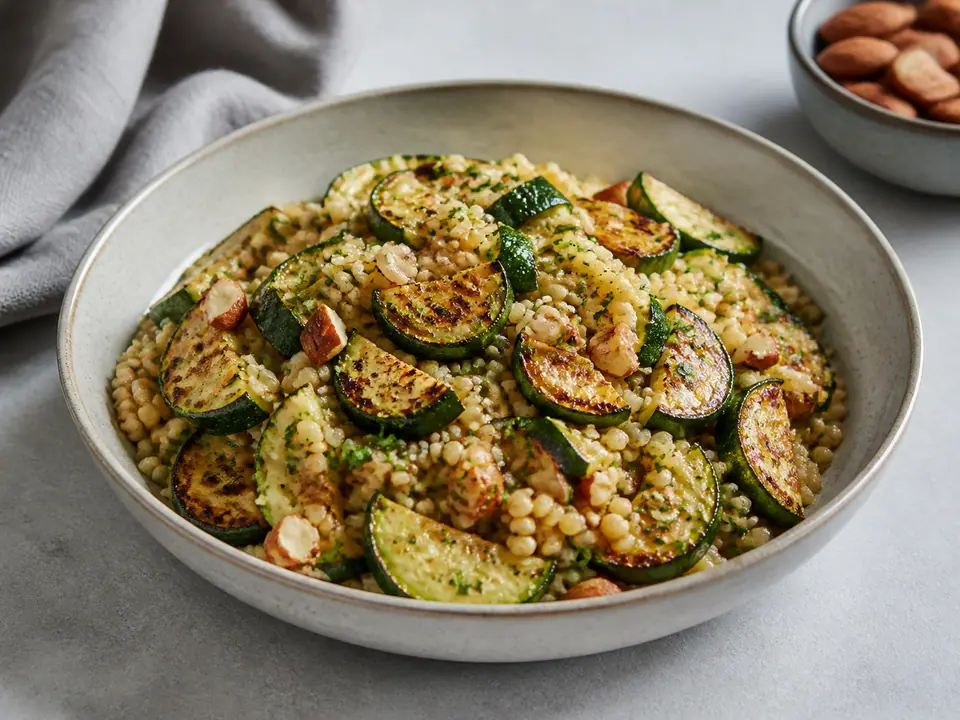
Courgette, mint and almond couscous for the freezer
Freeze the couscous base in flat portions, then bring back its brightness with fresh lemon, mint and almonds at serving time.
77 pages tagged budget.
Freeze the couscous base in flat portions, then bring back its brightness with fresh lemon, mint and almonds at serving time.

Roast carrots with beans, blend them into lentil soup, fry them with rice, fold them through pasta or build a spiced traybake around them.
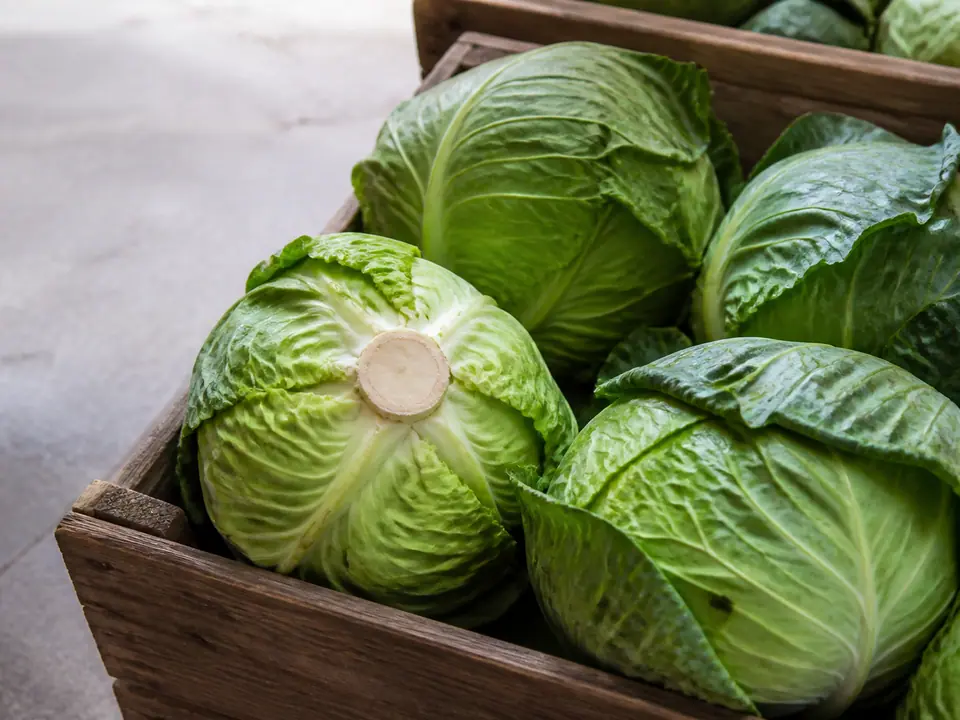
A crisp cabbage feels dense, has tightly packed leaves and a dry cut base. The shop test takes less time than rescuing a wilted half later.
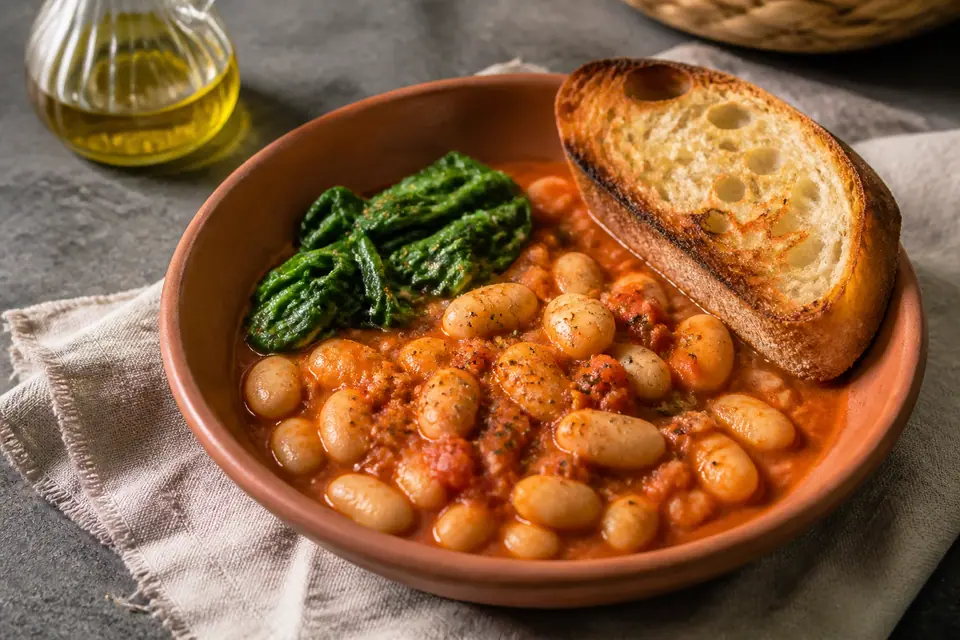
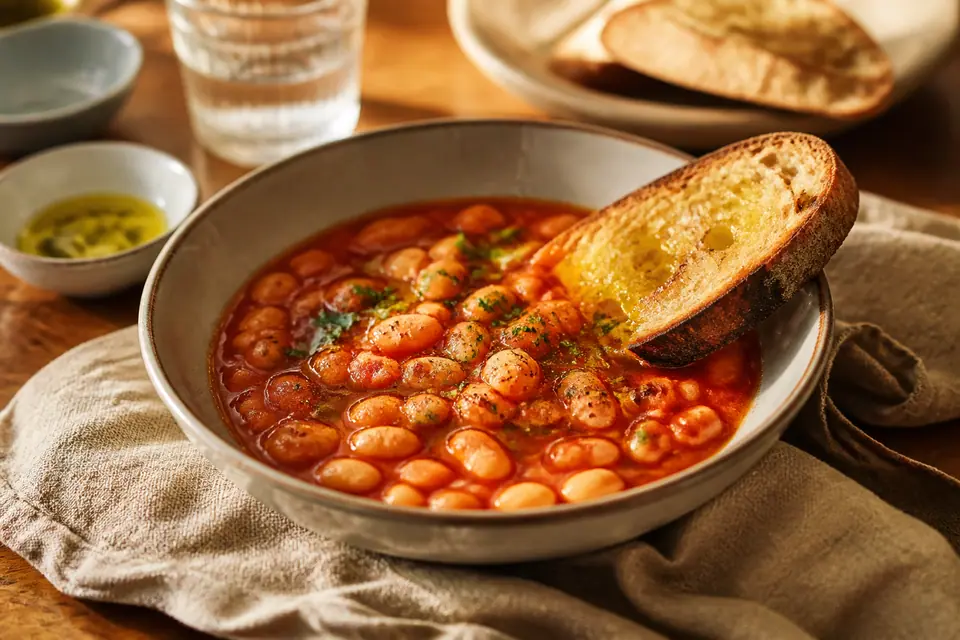
Tomato butter beans and greens cook together in one saucepan, then go straight onto toast for a complete pantry dinner.
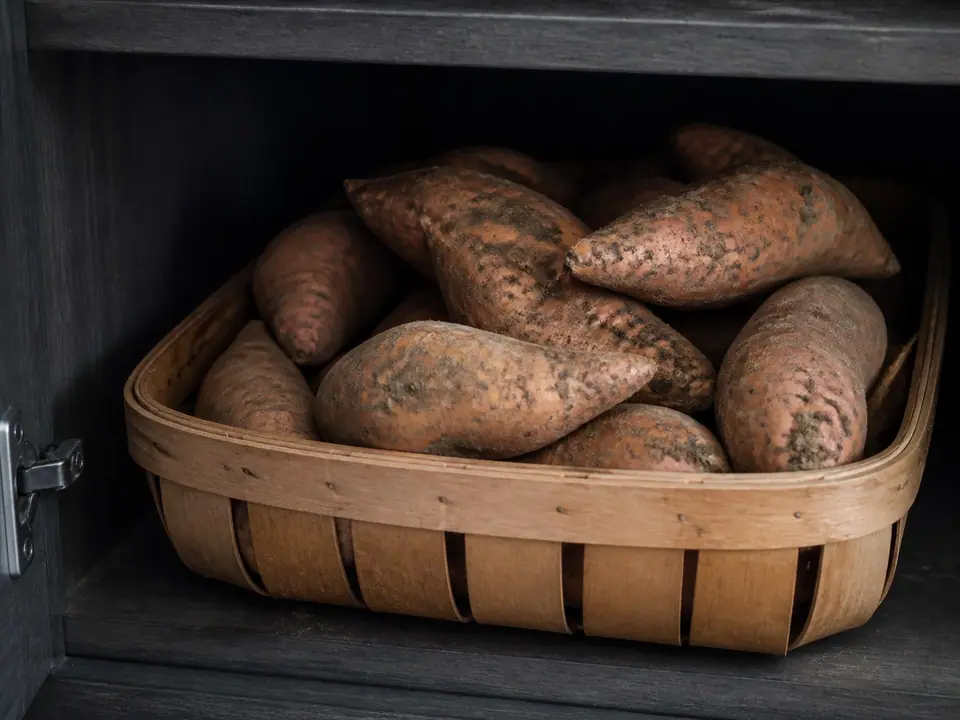
Sweet potatoes keep best in a cool dry cupboard with air around them. Do not wash them before storing, and inspect the ends before cooking.
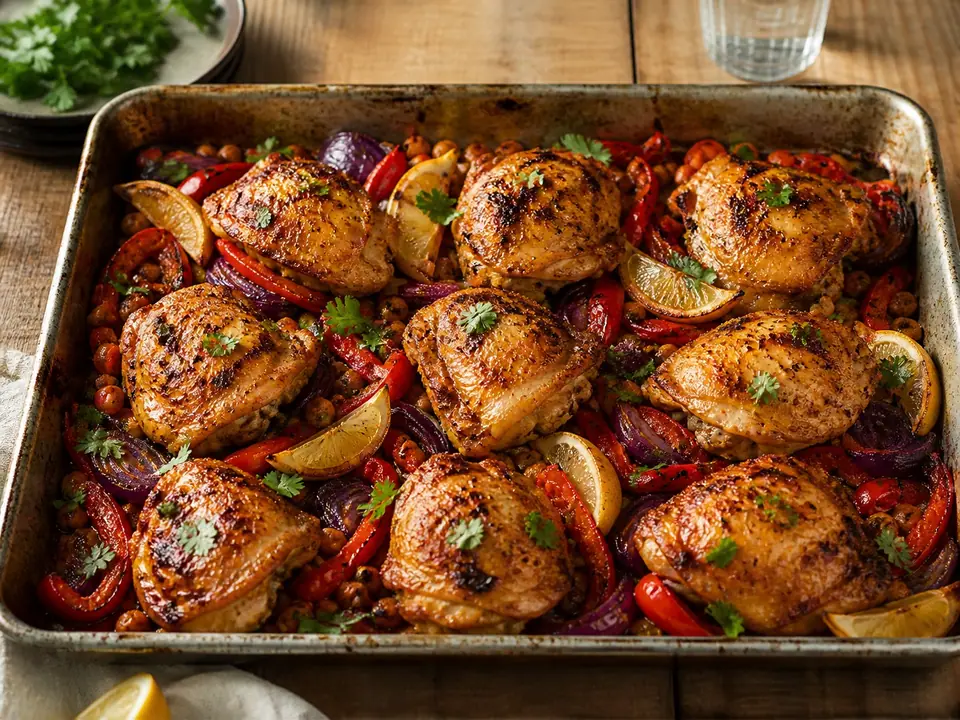
Chicken thighs roasted on top of chickpeas and red peppers, so the fat renders down into everything underneath. One tray, one wash-up.
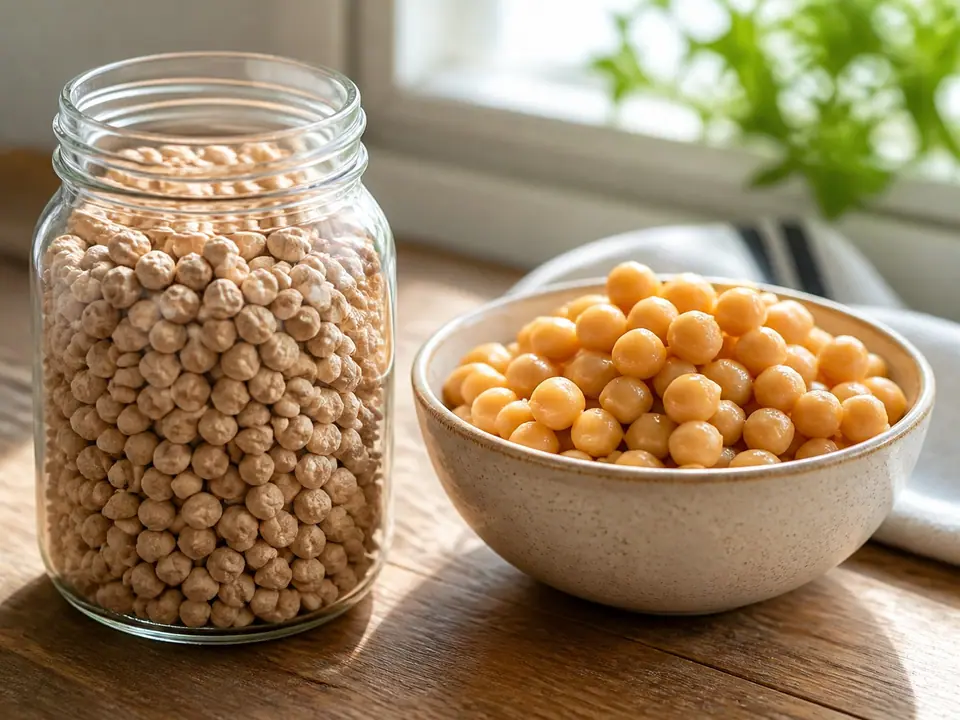
Dried are about a quarter of the price and hold their shape better. Tinned take four minutes. The honest answer is that you want both.
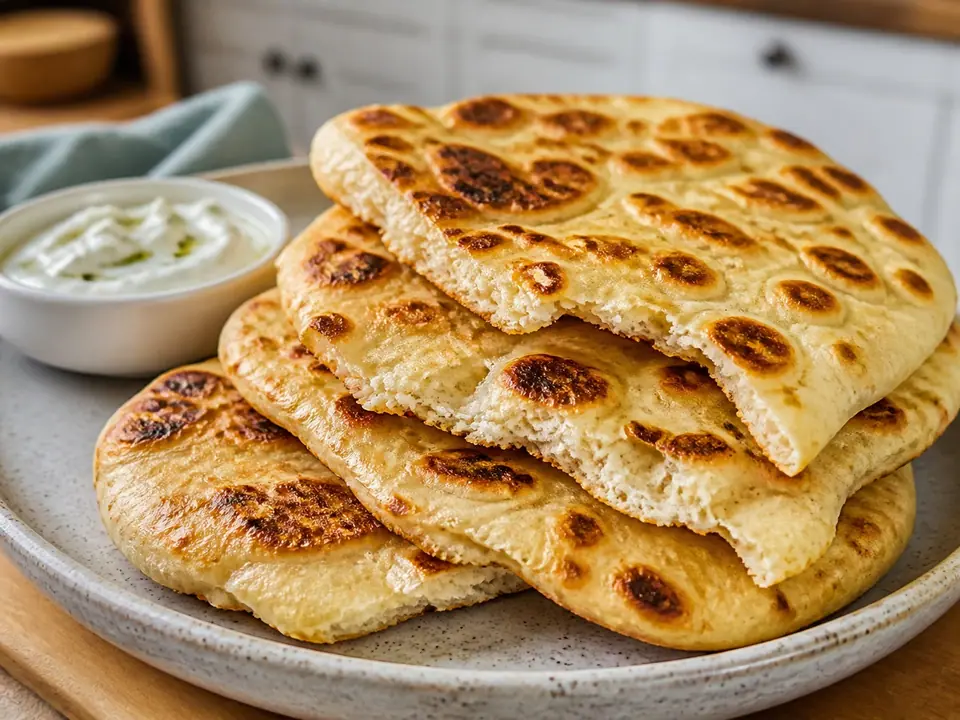
No yeast, no proving, no oven. Flour and yogurt in a bowl, and hot bread twenty minutes later.
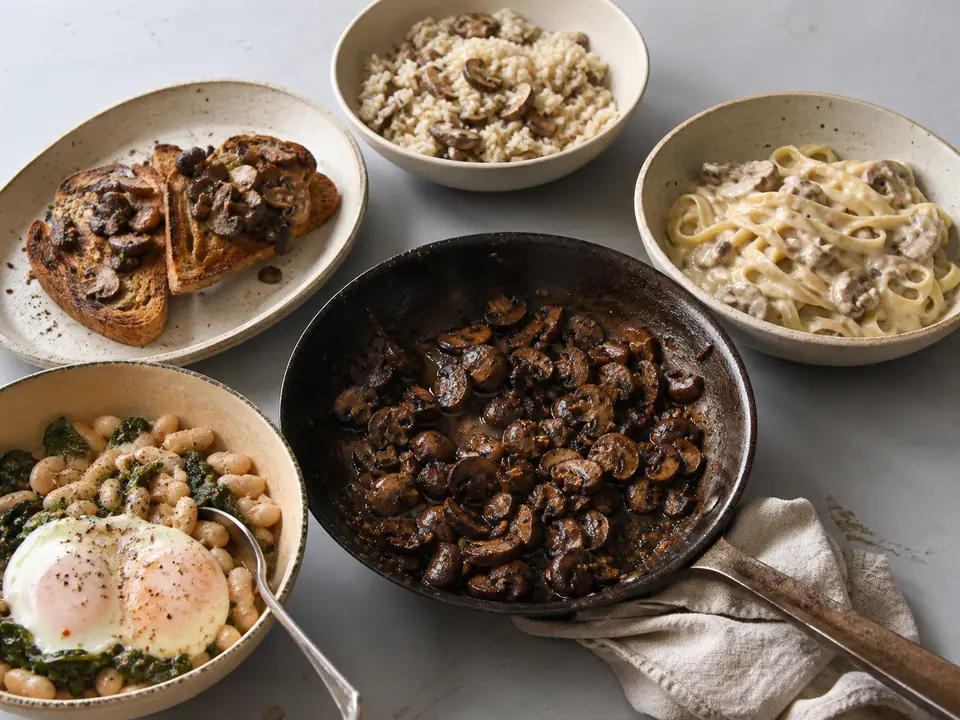
A box of mushrooms can become a fast toast topping, a rice skillet, a pasta sauce, a bean dinner or a pan of eggs when the cut matches the clock.
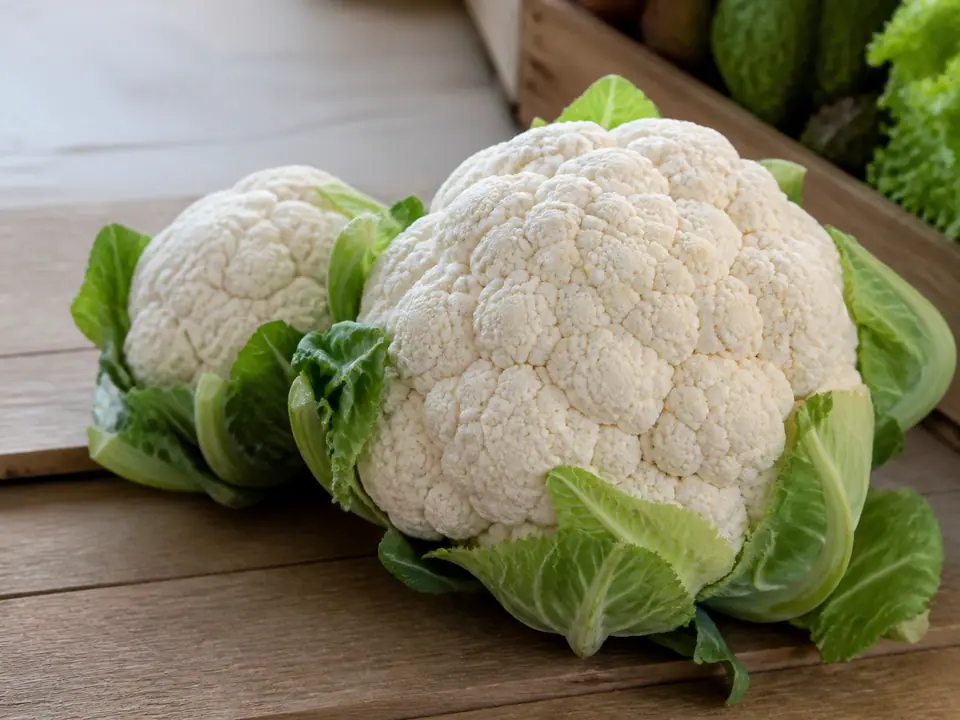
A good cauliflower feels heavy for its size, has a tight white curd and fresh leaves around a dry base. The leaves are the quickest freshness clue.
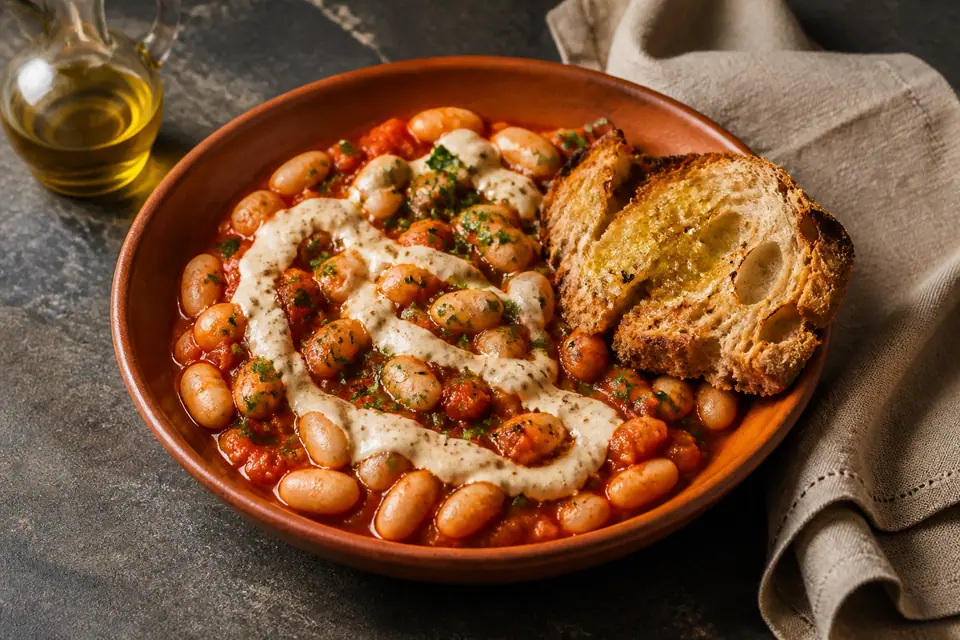
A loose lemon tahini swirl rounds out the tomato sauce and turns crisp toast into something worth dragging through the bowl.
Refrigerate opened passata as the label directs, freeze the amount you will use and write the date on the container. Smooth tomato is easy to save when it has a destination.
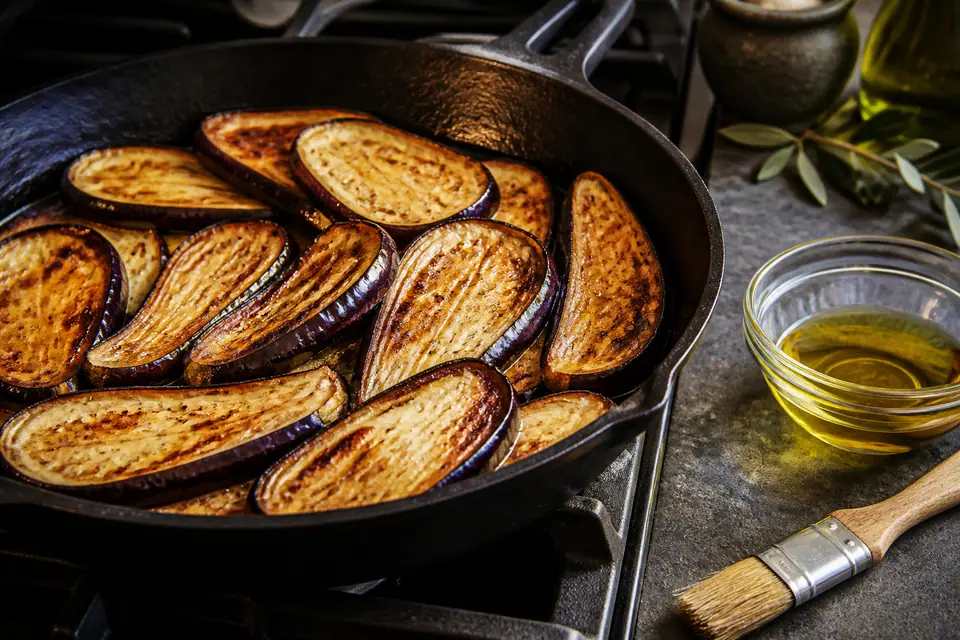
Aubergine absorbs oil because its open cell structure takes it up while the flesh is cool. Heat, salt timing and measured brushing keep the result silky instead of greasy.
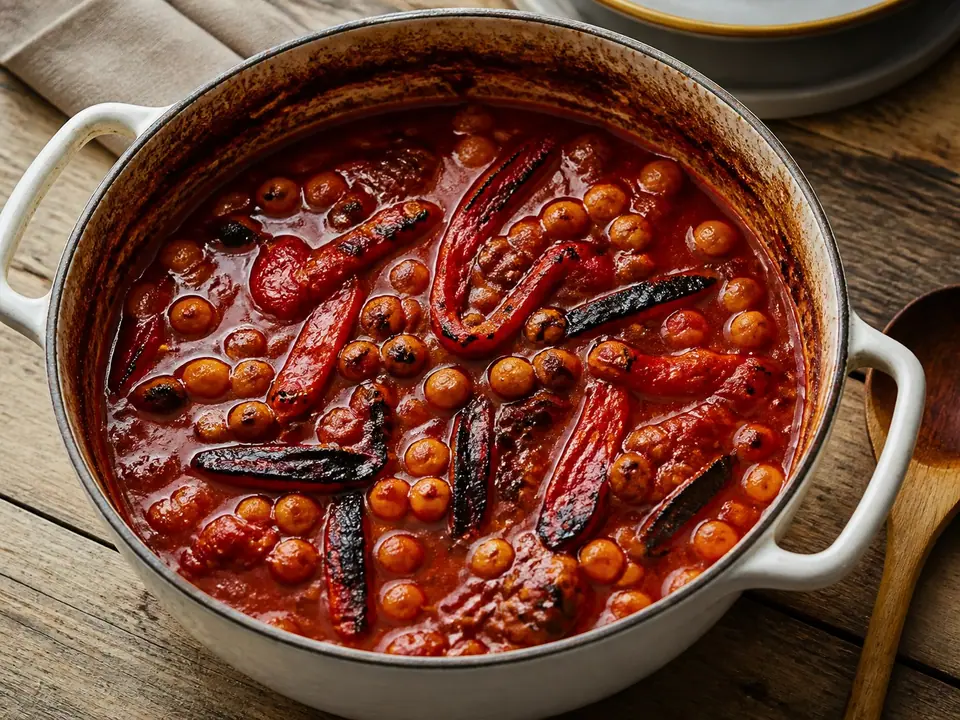
The peppers go under the grill until they are properly black in patches. That ten minutes is the whole flavour of the dish.
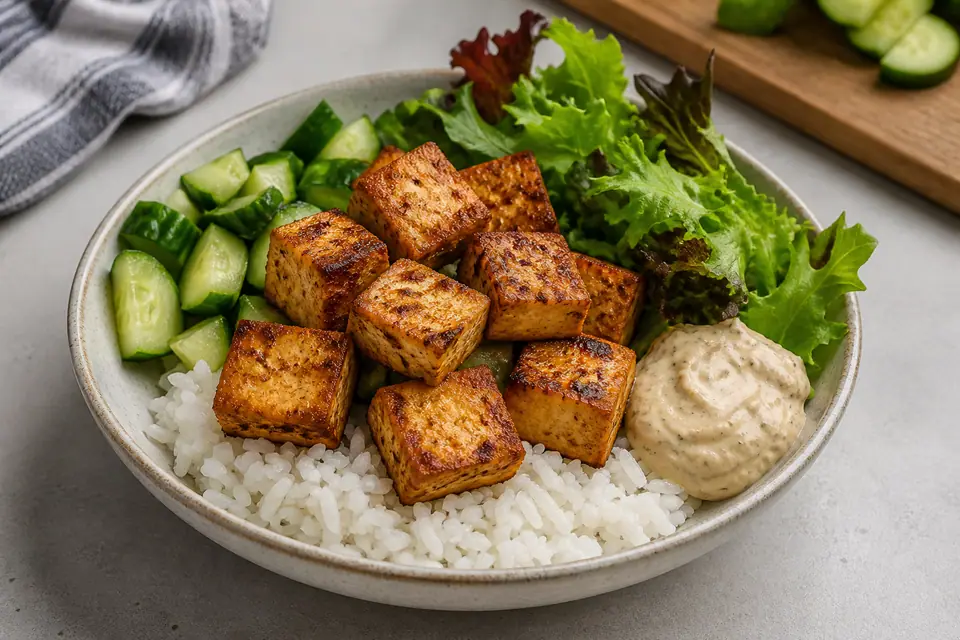
Build the bowl around crisp tofu, then add a base, a fresh vegetable and one strong sauce. Texture and portion balance make simple ingredients feel complete.
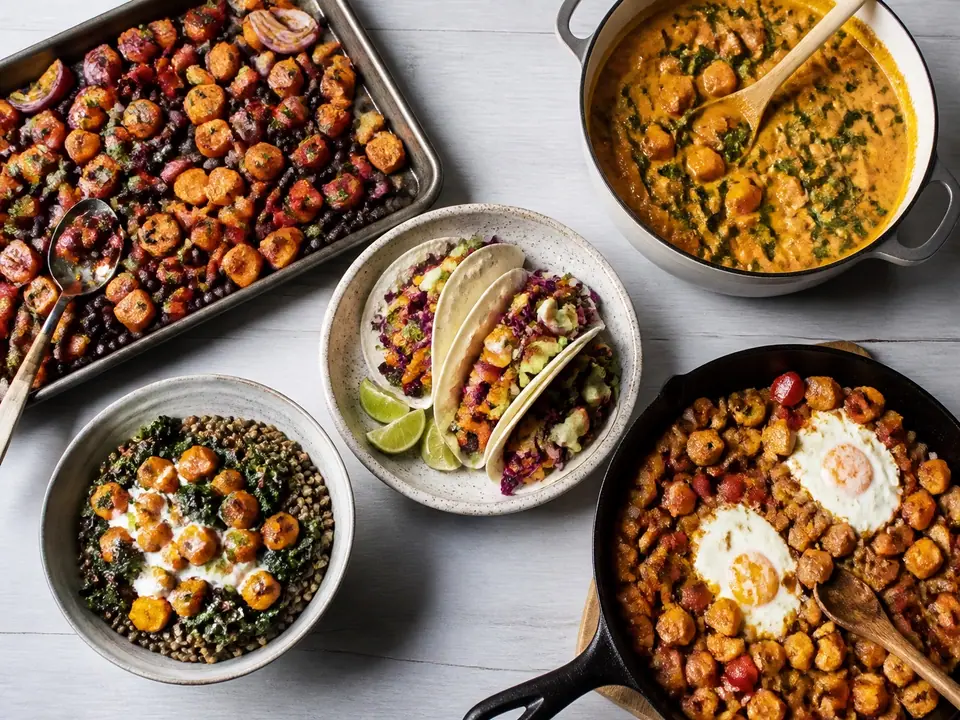
Roast sweet potatoes with beans, simmer them in curry, fold them into tacos, pair them with lentils or turn them into a quick skillet hash.
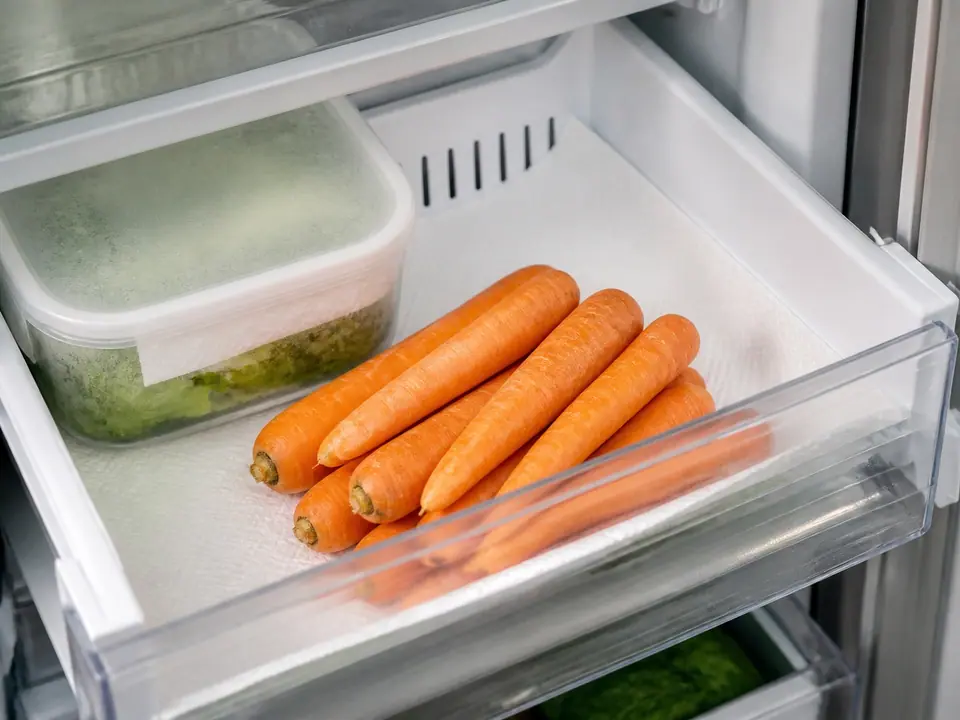
Cut off carrot tops, keep the roots cold in a breathable container and control moisture. A dry towel inside the drawer helps, but a wet one needs changing.
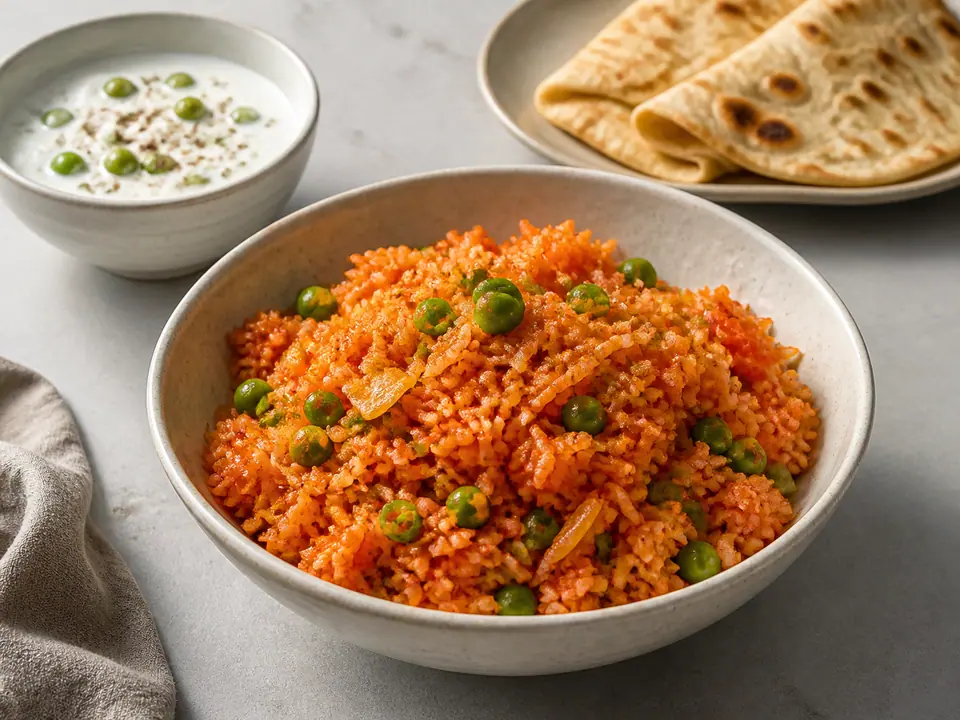
Cool sesame yogurt softens the kimchi heat and gives the crisp rice a creamy contrast without making the pan wet.
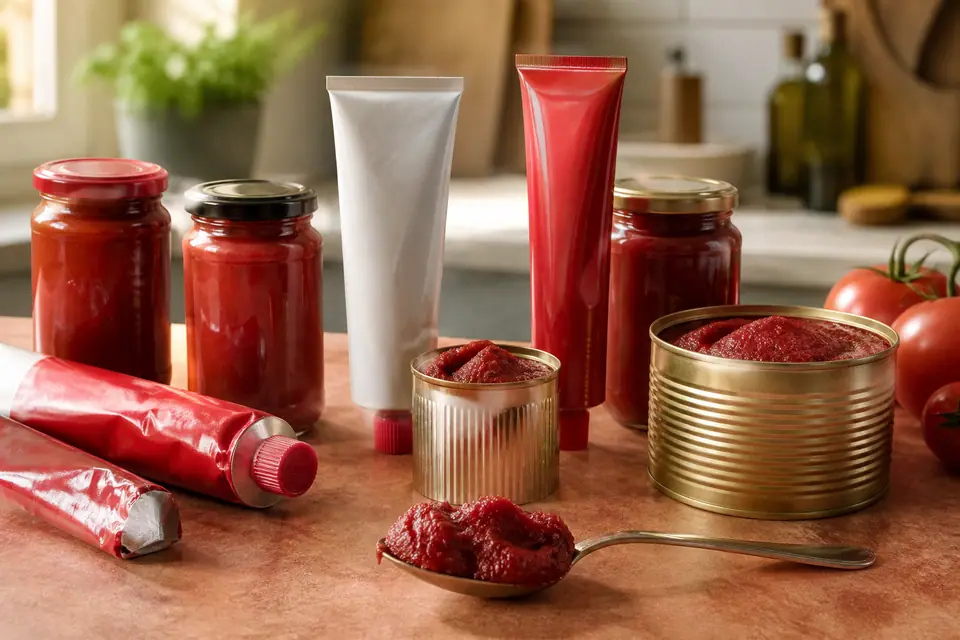
Look for dense paste, a short ingredient list and a package you can finish. The biggest flavour gain still comes from frying it properly.
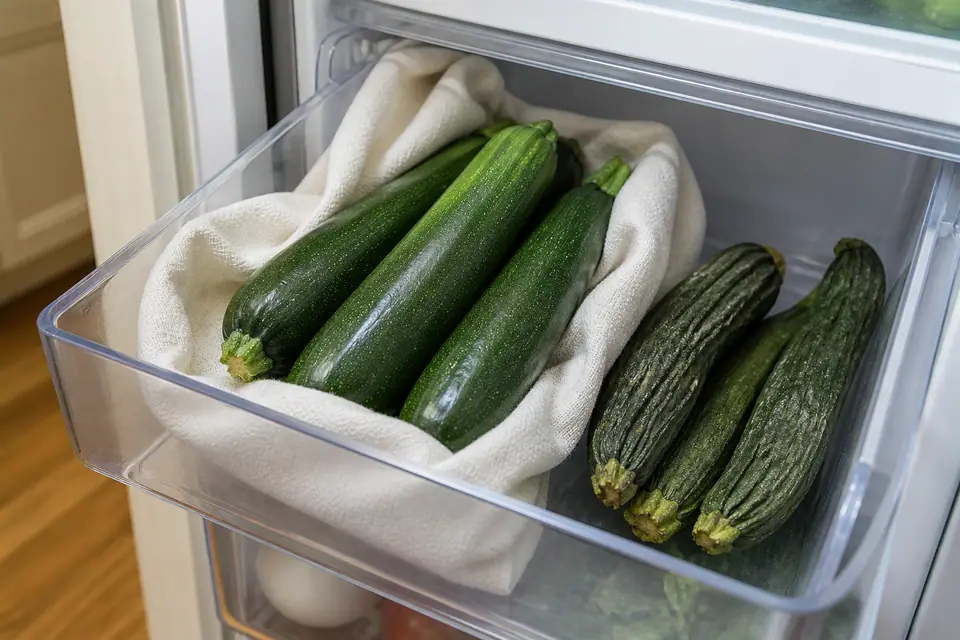
Courgettes go limp when moisture and cold air damage the skin. Store them whole, dry and loosely wrapped, then cut only what you need.
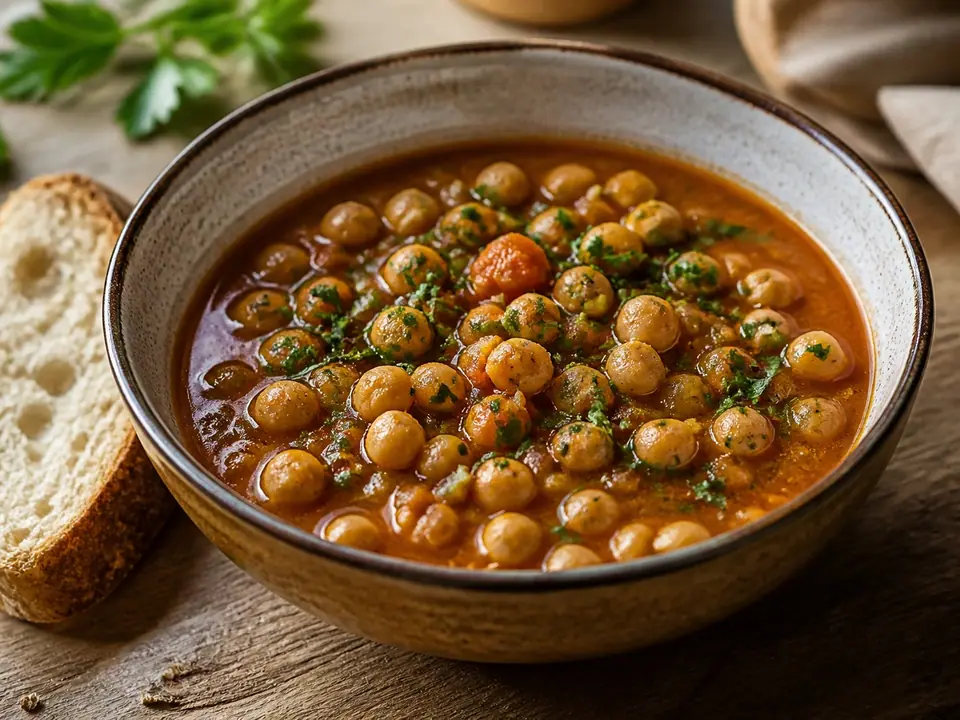
Blending all of it gives you baby food. Blending none of it gives you thin broth with things in it. Half is the answer.
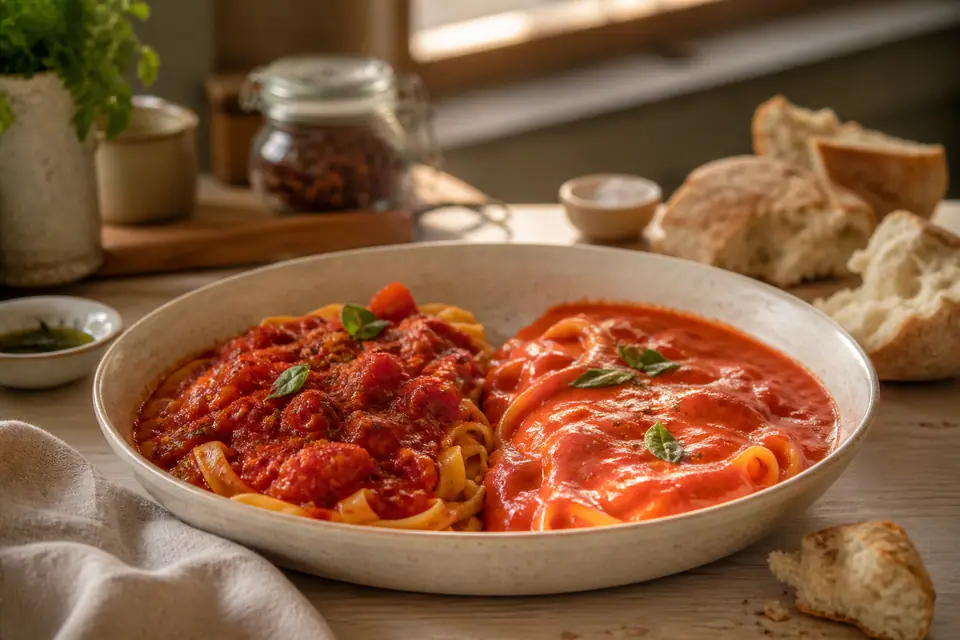
Use tinned tomatoes when the tomato should stay visible. Use passata when you want a smooth sauce with less work. The middle ground is where most pans go wrong.
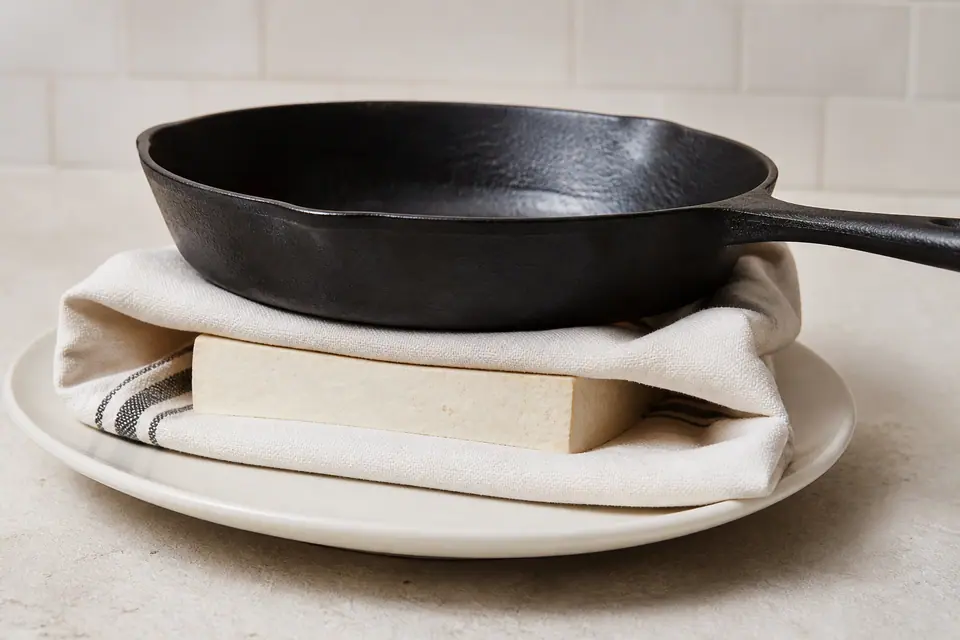
You can press tofu with a tea towel, plate and heavy pan. The aim is a drier surface, not a perfectly flat block or a long kitchen project.
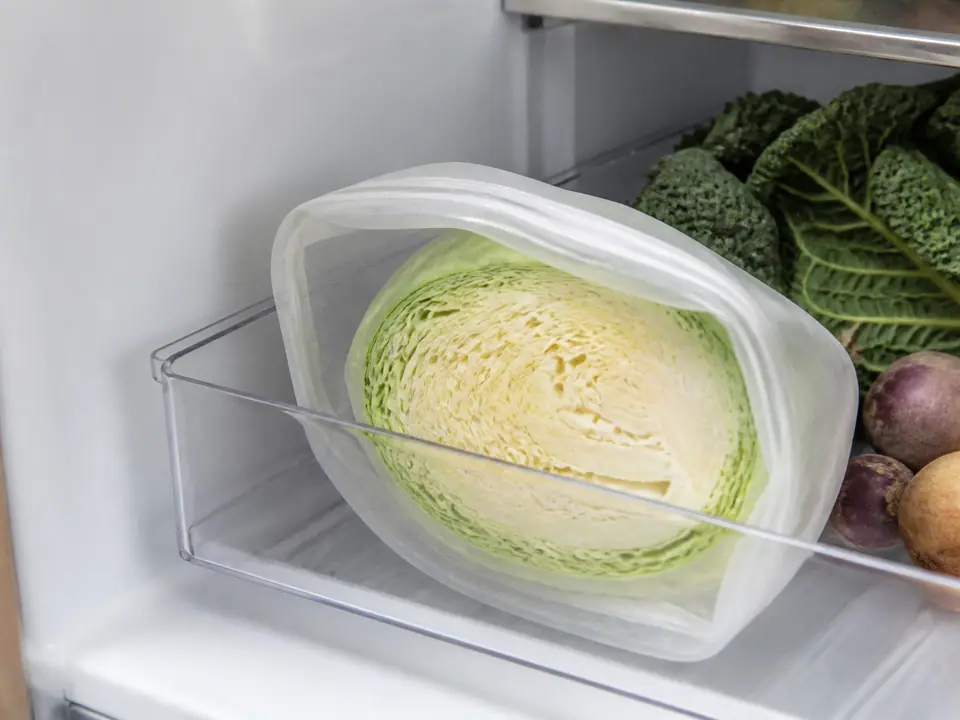
A cut cabbage can stay useful for a week when the exposed face is dry, covered and kept cold. Slice from the outside and leave the core intact.
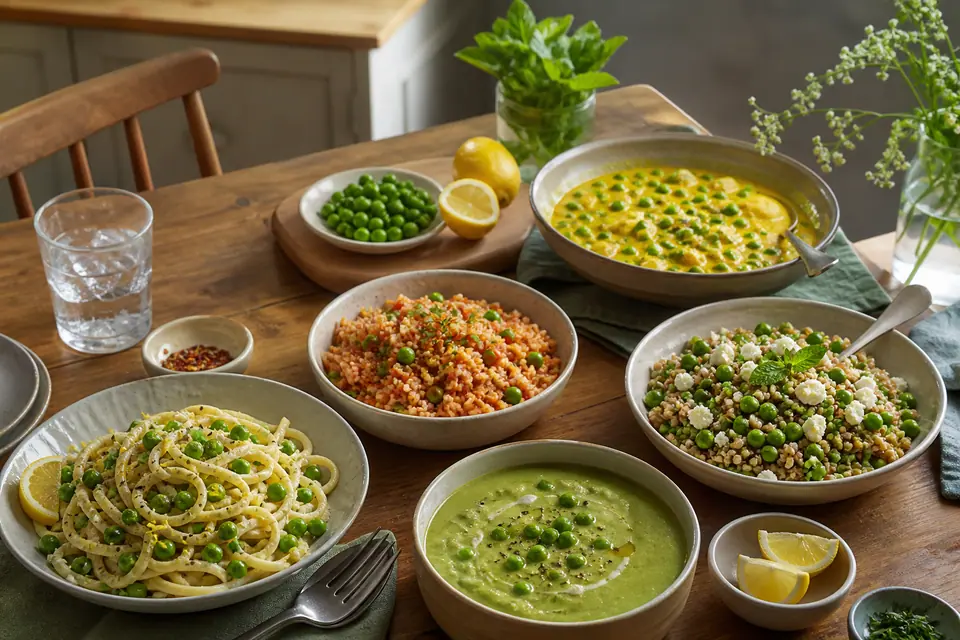
Frozen peas are a small freezer ingredient with five strong jobs: brighten pasta, thicken soup, finish curry, lift rice and fill a warm grain bowl.
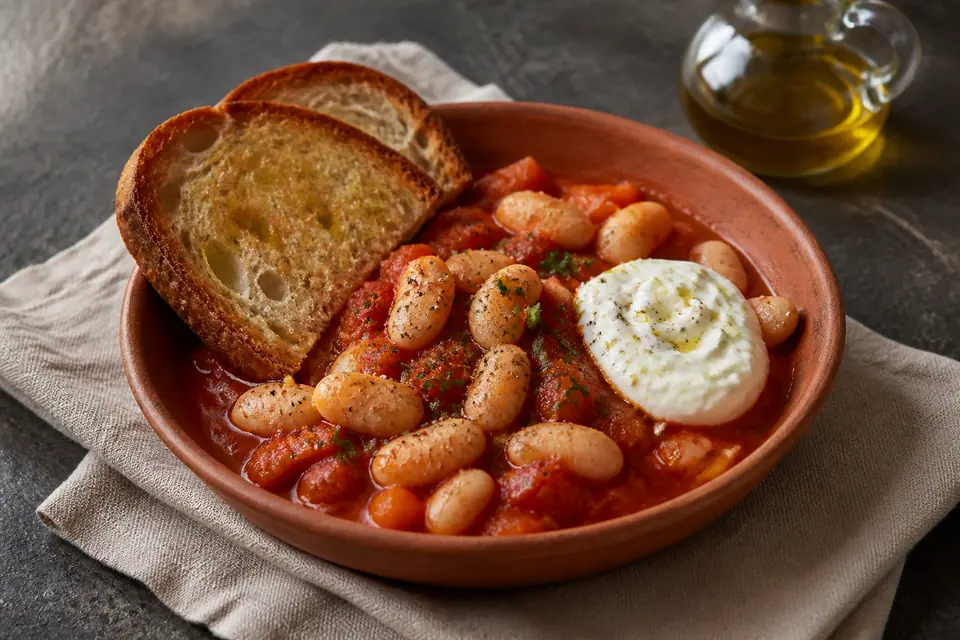
Cool lemony yogurt cuts through the rich tomato beans and gives crisp toast a creamy sauce to drag through.
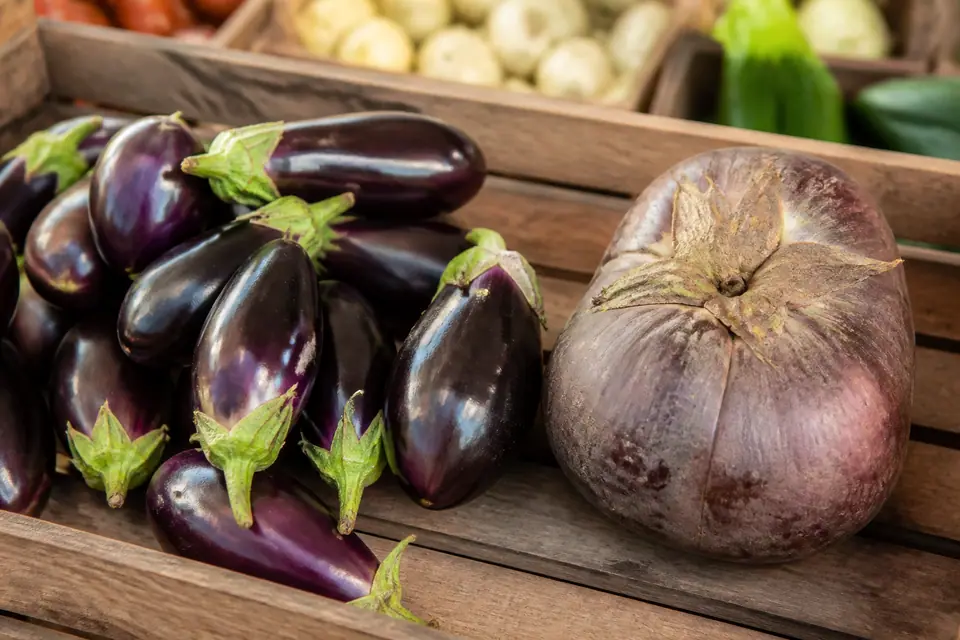
A young aubergine feels dense, has taut skin and a green cap that has not dried out. These checks matter more than choosing the darkest colour.
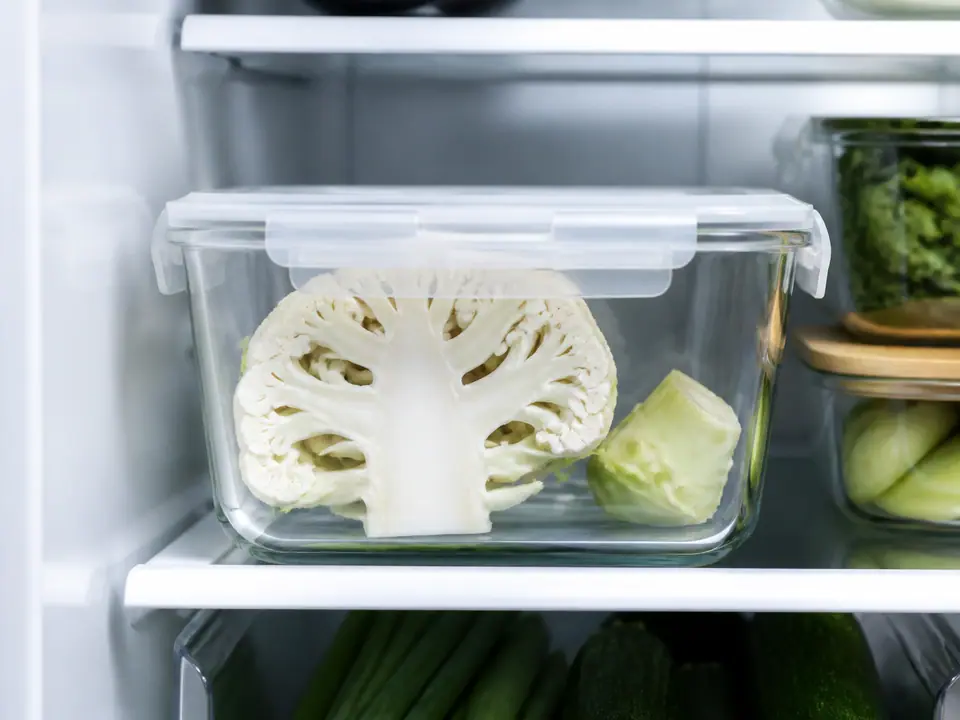
Cauliflower turns grey when exposed tissue dries or oxidises. Keep the head cold and dry, cover cut surfaces and cook before the spots spread.
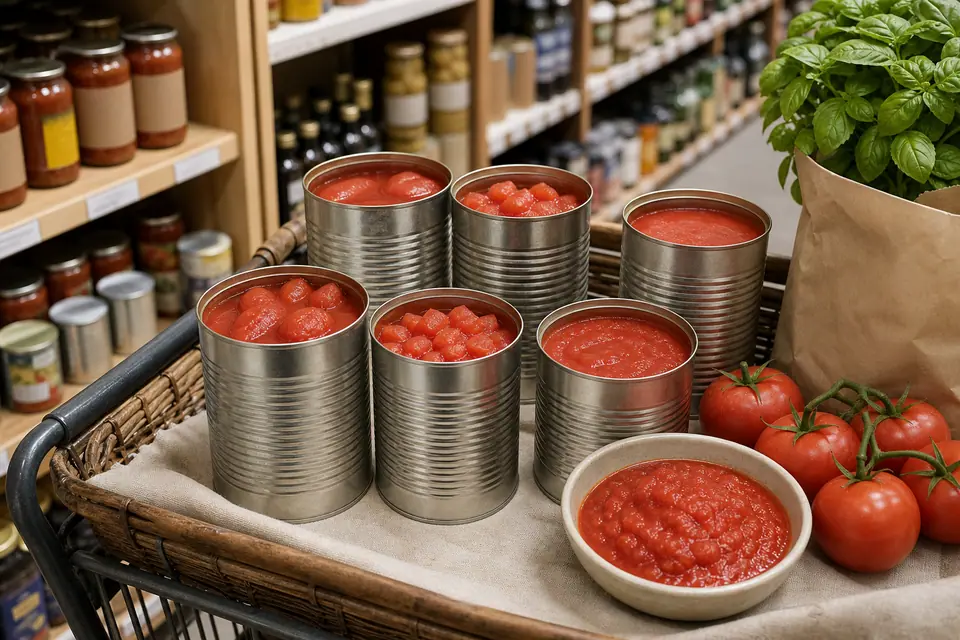
Choose the form for the dish first, then read the ingredient list and salt. The label story matters less than the tomato, the liquid and the price per usable tin.
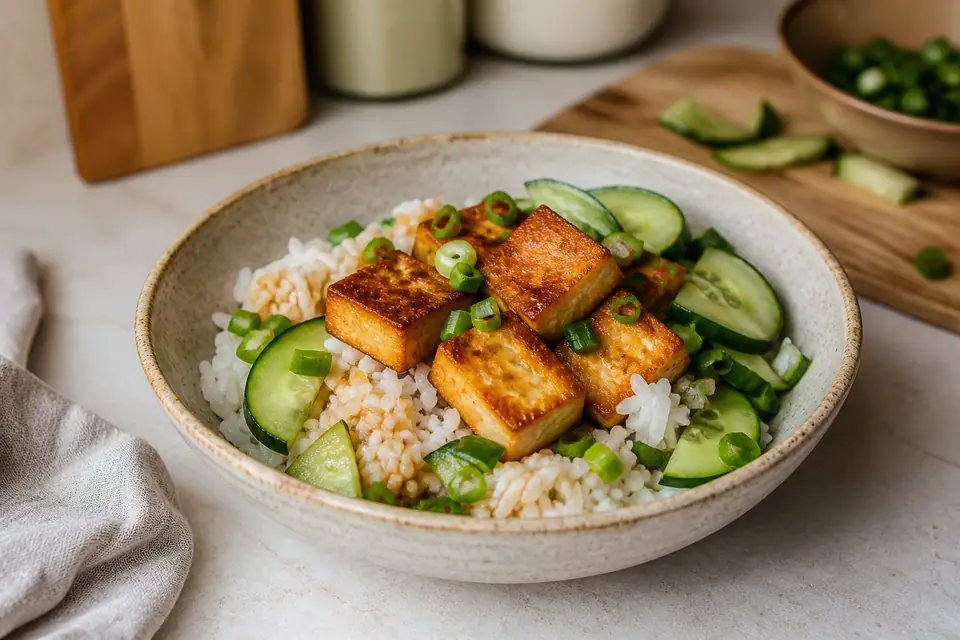
Leftover rice gives a tofu bowl a head start. Warm the grains separately, crisp the tofu in a clear skillet and add cucumber after the heat is off.
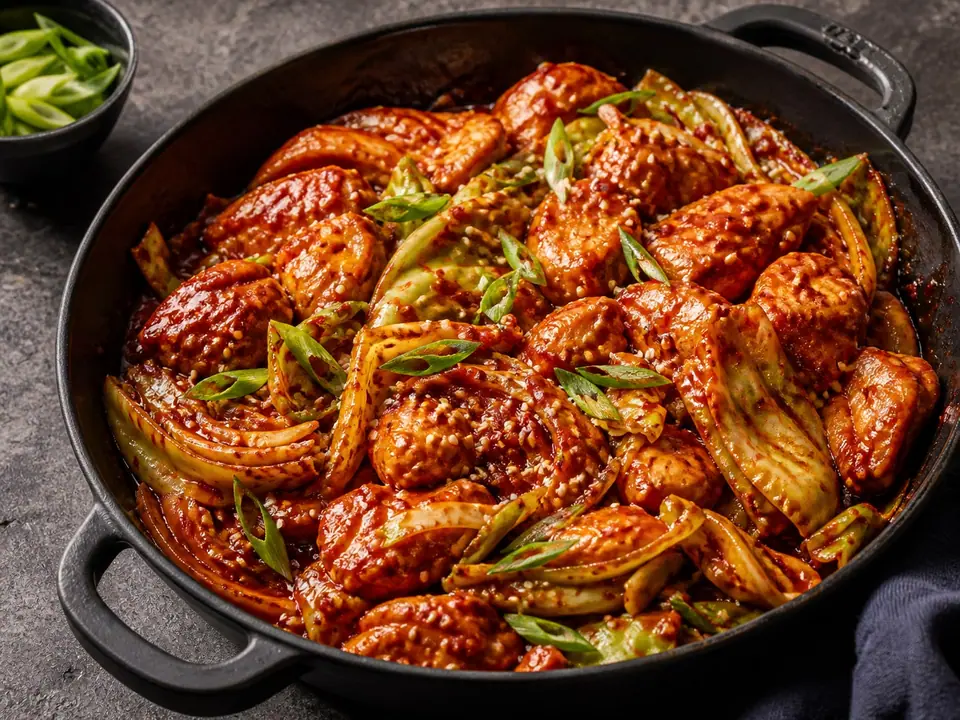
Cook the cabbage until silky and the sauce until thick, then add fresh toppings after reheating for a freezer meal with balance.
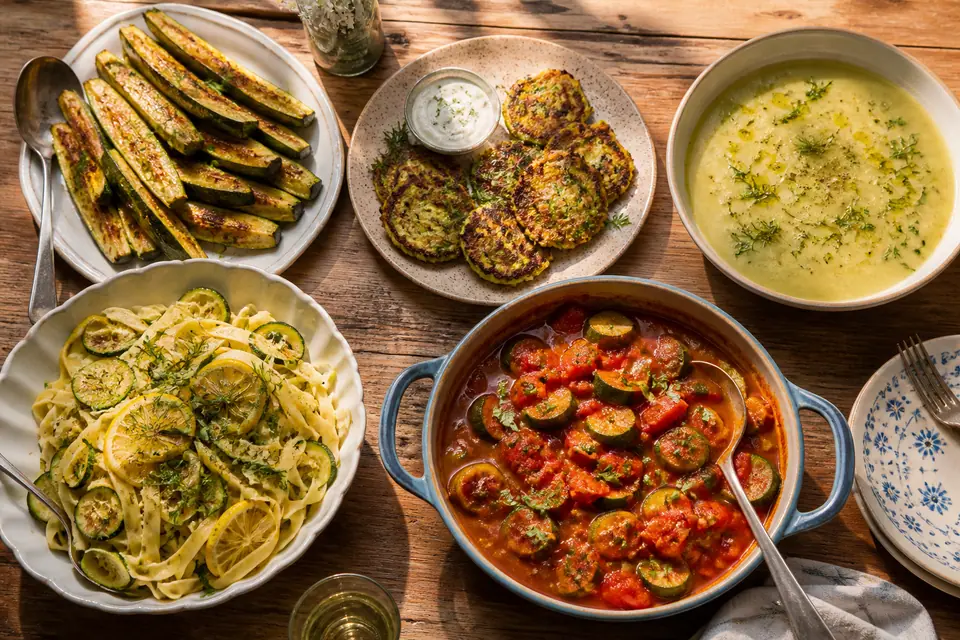
A pile of courgettes needs different textures, not five versions of the same saute. These dinners use roasting, grating, blending, ribbons and stewing.
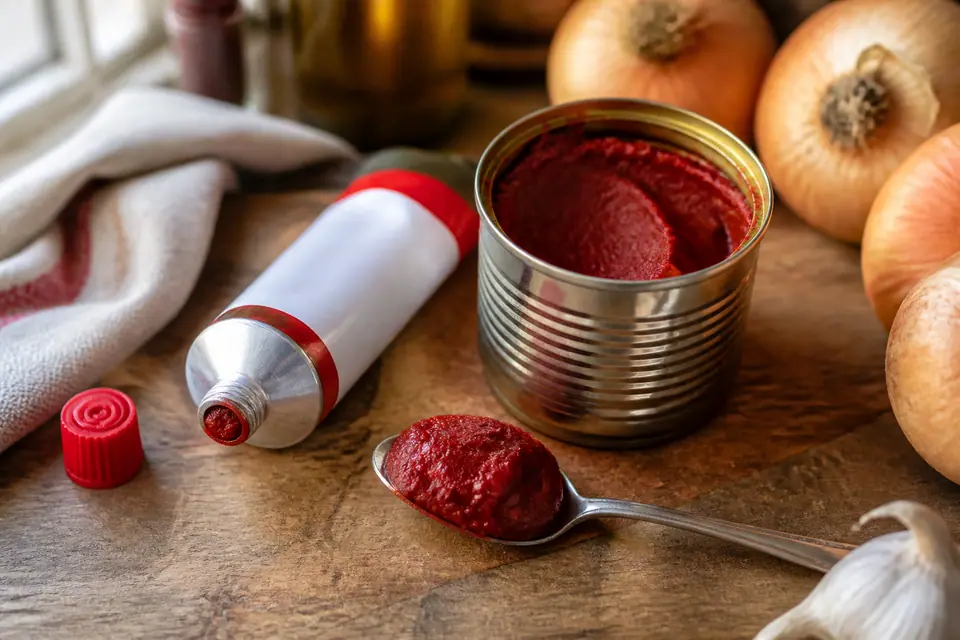
Buy a tube when you use tomato paste a little at a time. Buy a tin when you cook for a crowd or want the lowest cost per spoon.
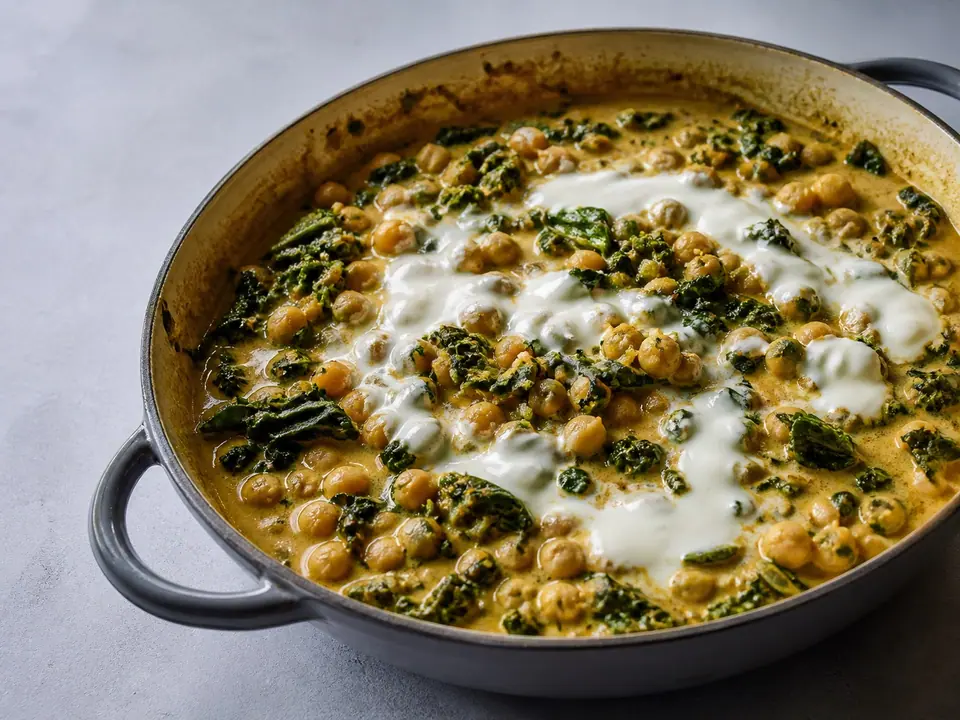
A creamy chickpea curry is finished with cool lemon yogurt, which gives the coconut sauce contrast without taking over the bowl.
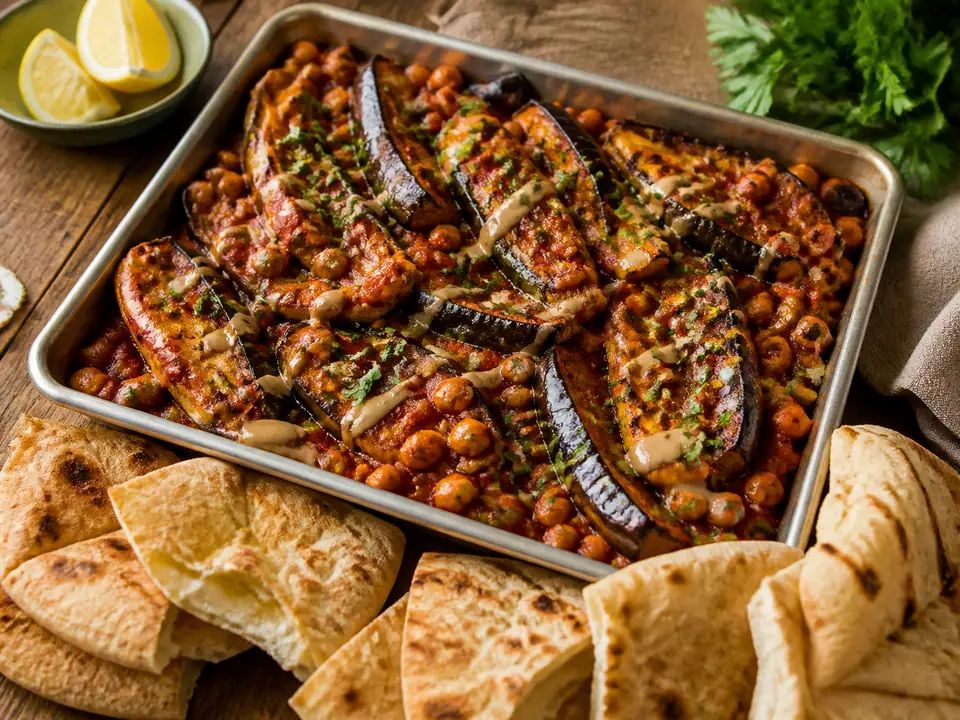
Make the tray saucy enough for flatbread, then warm the bread directly on the oven rack while the aubergine rests.
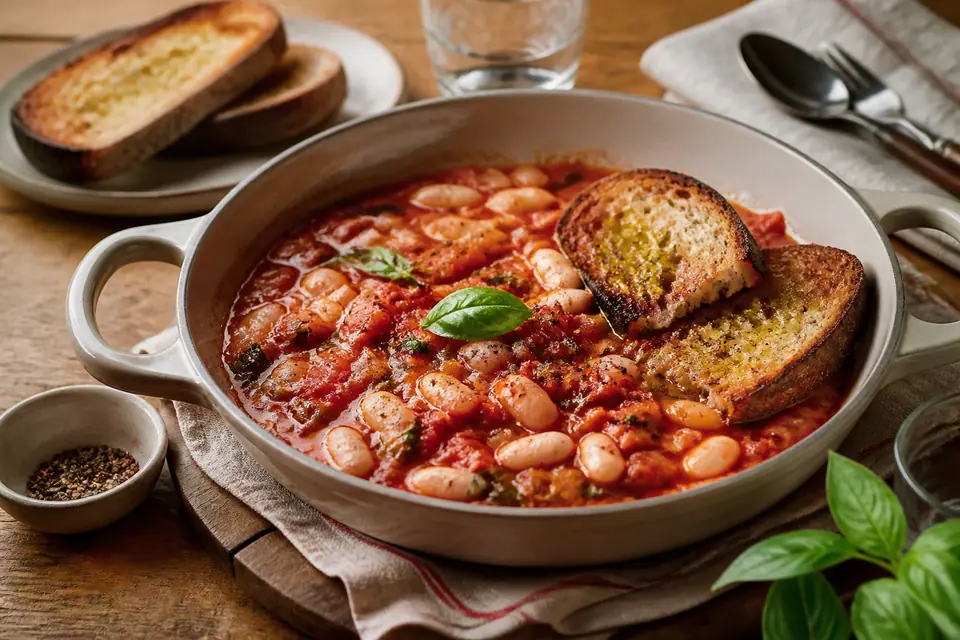
Move leftover tomatoes out of the tin, chill them promptly and freeze portions you will actually use. The best storage plan is one that has a next meal attached to it.
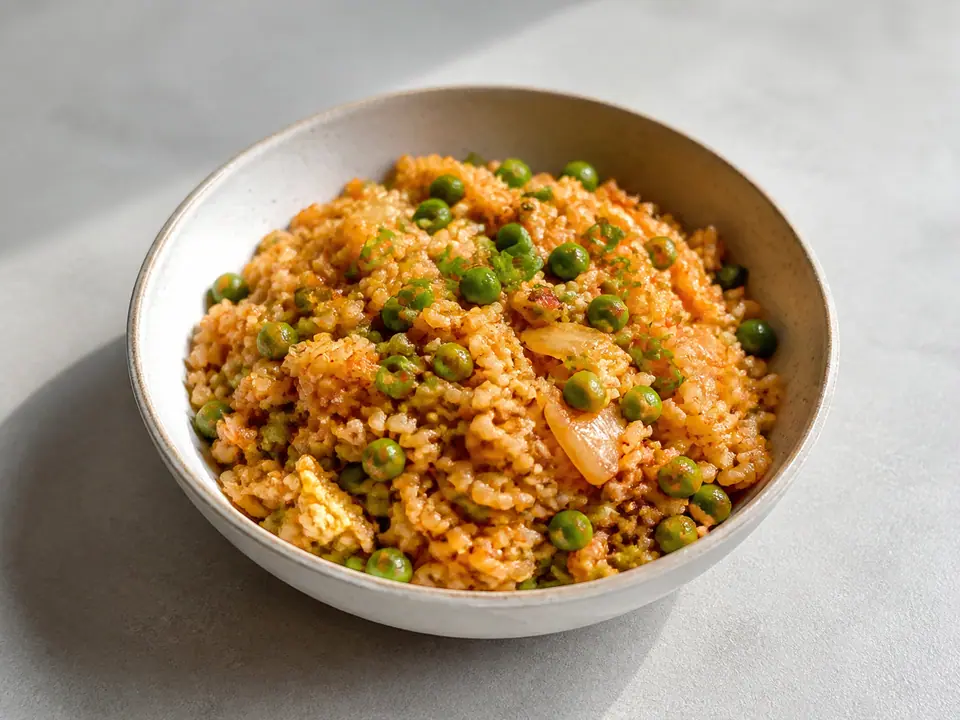
Spinach and a fried egg turn kimchi fried rice into a complete dinner without taking away the crisp rice at the bottom.
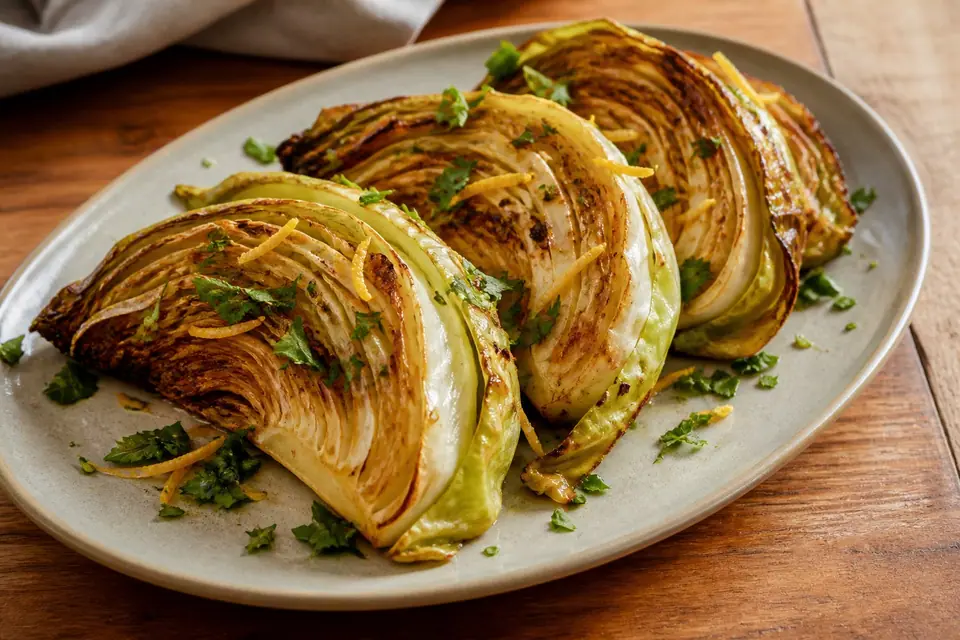
Freeze the cabbage without dressing or herbs, then reheat it hot and add a fresh miso brush and lemon at the end.
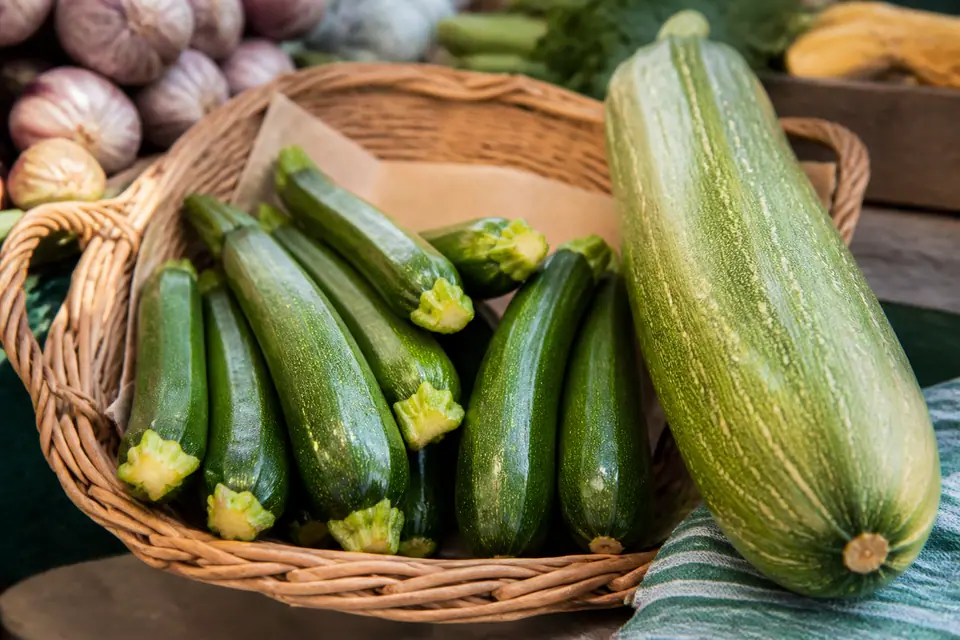
Small courgettes usually have finer seeds and firmer flesh, but size alone is not a guarantee. Weight, stem freshness and skin tension are better checks.
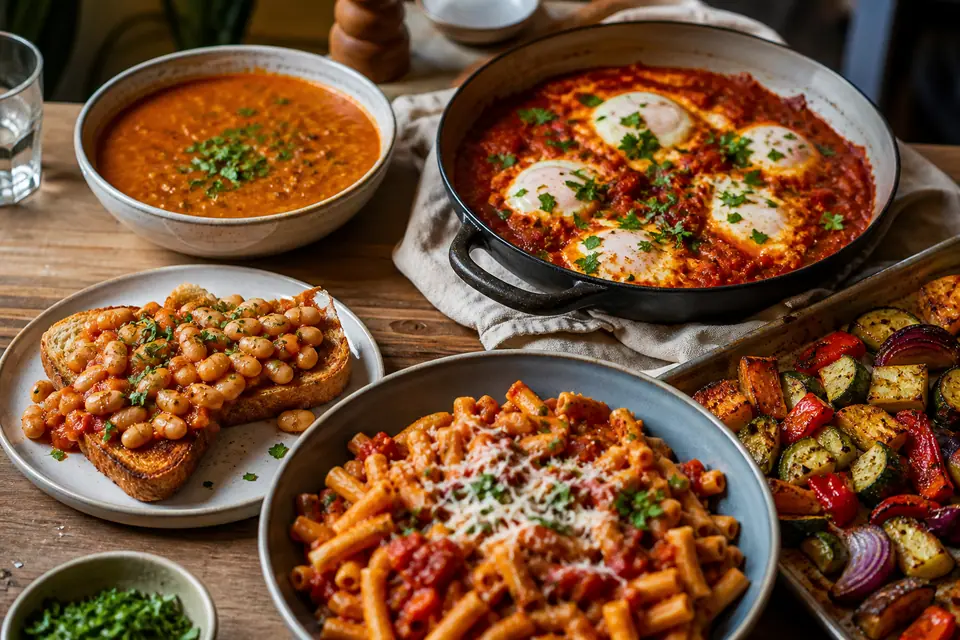
Use the last spoonful of tomato paste in beans, eggs, lentils, pasta or roasted vegetables. Each idea gives it a clear job instead of leaving it in the fridge.
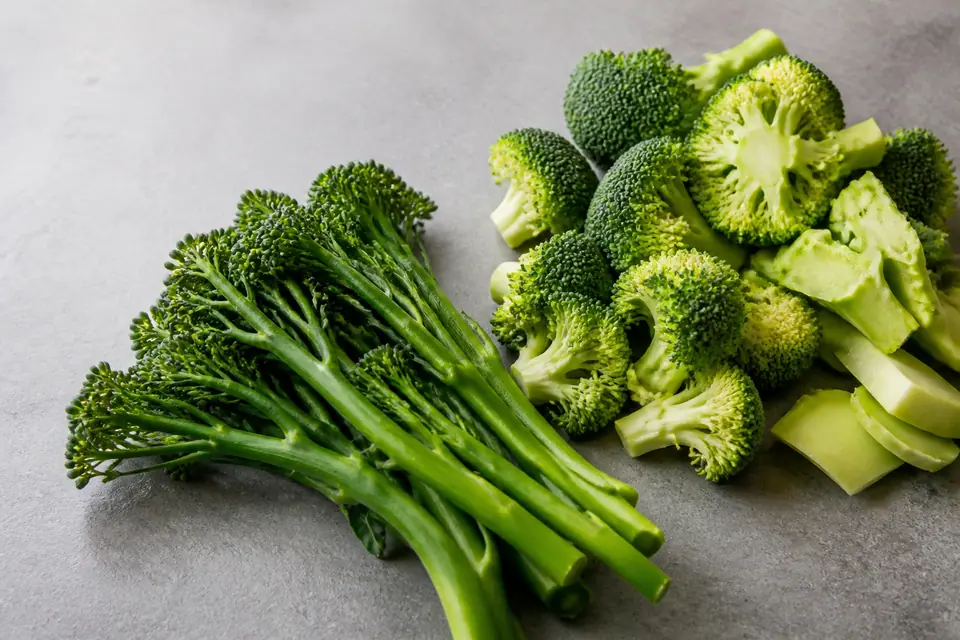
Tenderstem broccoli is not automatically better value. The useful comparison is edible weight, trimming and the kind of dinner you want to put on the table.
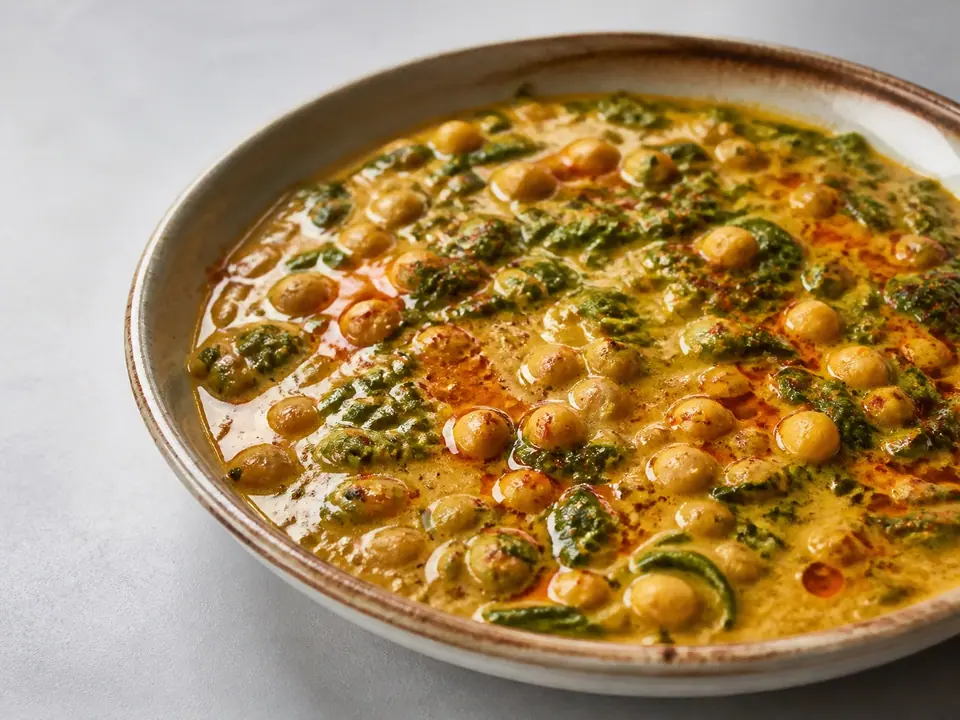
The curry is gently spiced and creamy; a cumin chilli oil made in the same pan adds heat without making every mouthful fiery.
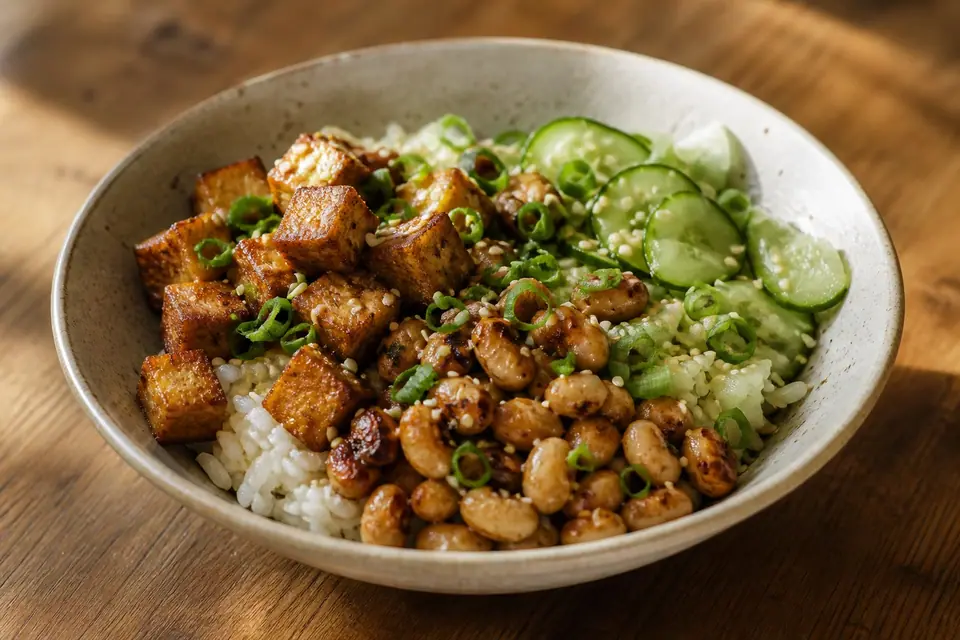
Brown the tofu and beans separately so the beans dry out instead of steaming in the tofu's moisture.
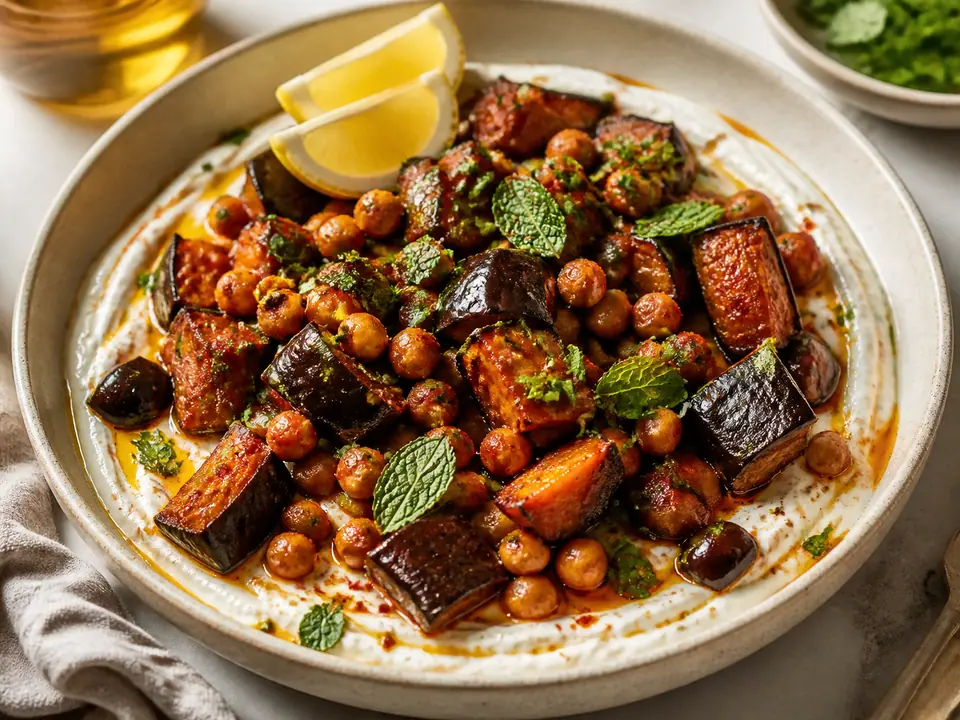
Roast the aubergine until deeply browned and put cold yogurt underneath, where it cools each hot, spicy mouthful.
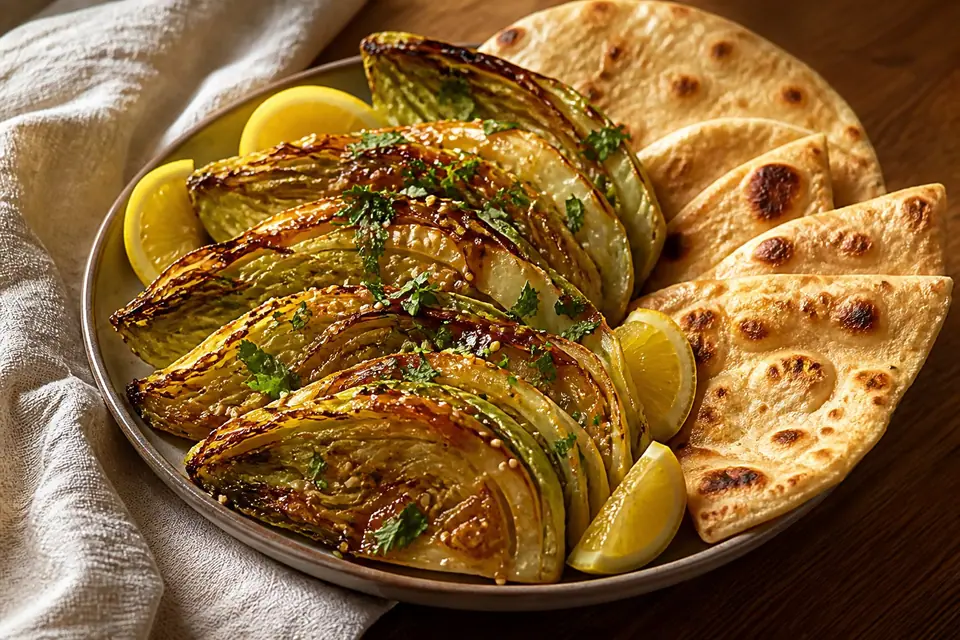
Roast the cabbage until its edges are dark, warm flatbread in the last five minutes and use it to catch the miso and lemon juices.
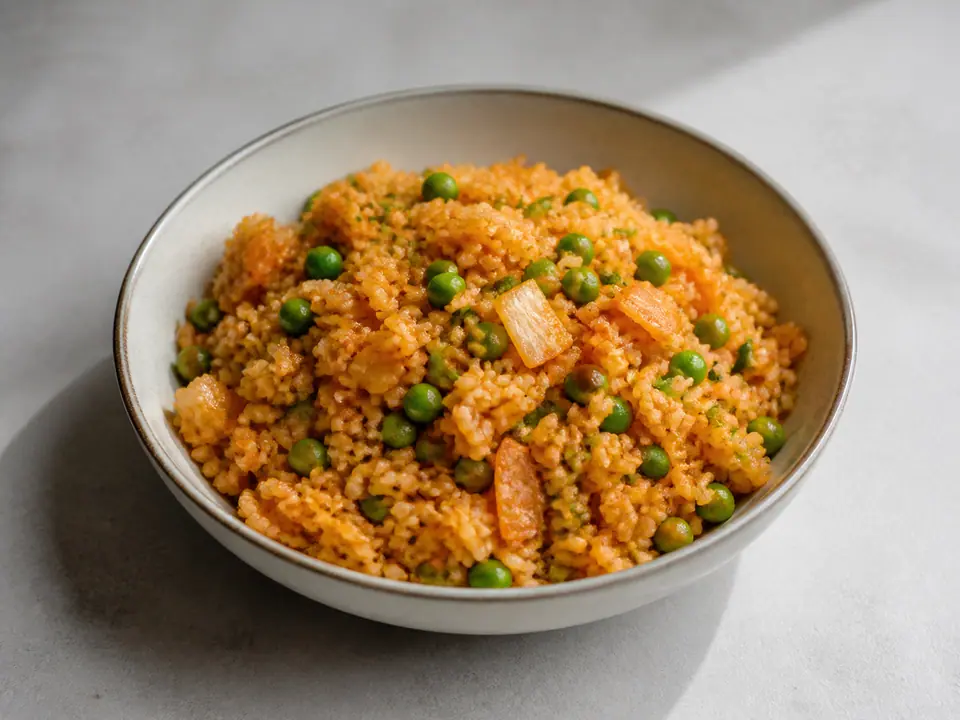
Freeze the kimchi rice in flat portions, then bring back its aroma with sesame oil and spring onions after reheating.
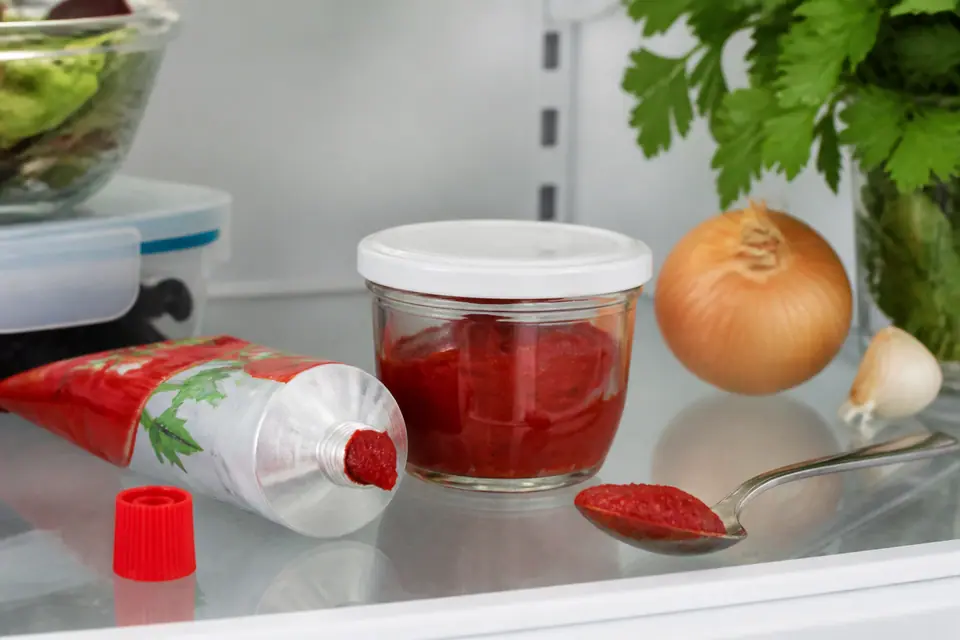
Protect opened tomato paste from air, label it and portion what you will not use soon. A small freezer stash is better than a hopeful fridge corner.
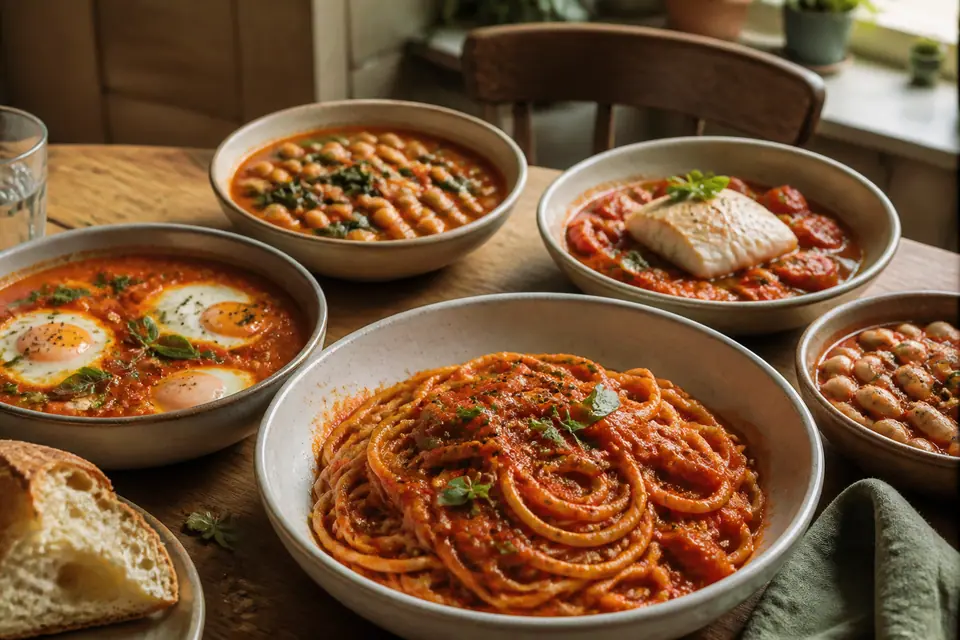
Passata can become a smooth sauce, a poaching base or a quick soup. These five dinners use one carton and ordinary cupboard ingredients.
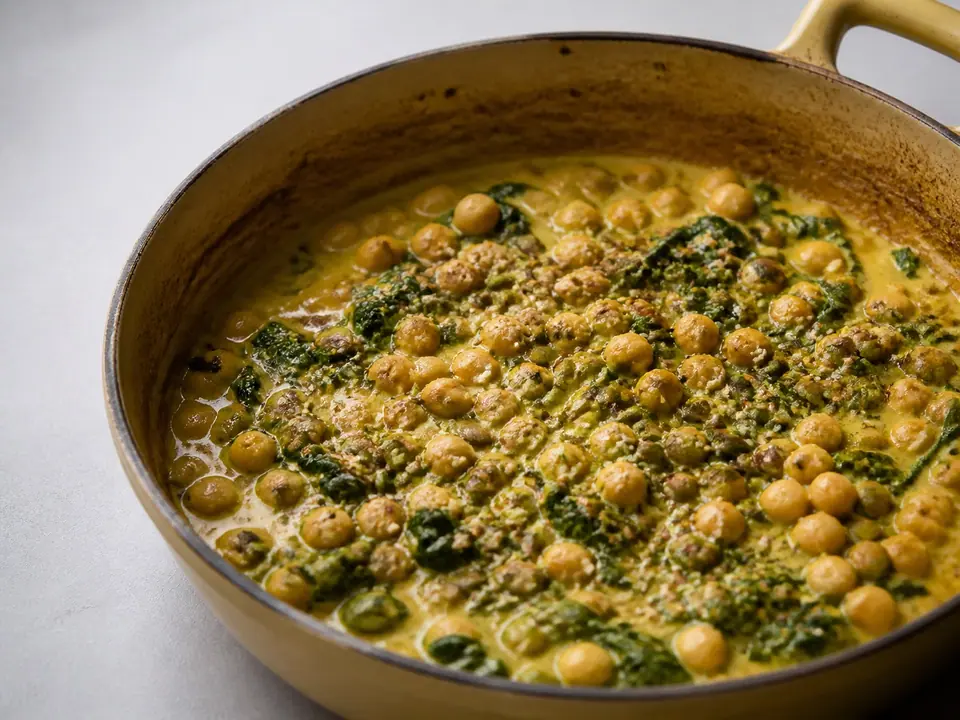
Toasted pumpkin and sesame seeds bring a dry, nutty crunch to a creamy coconut curry without adding another complicated dish.
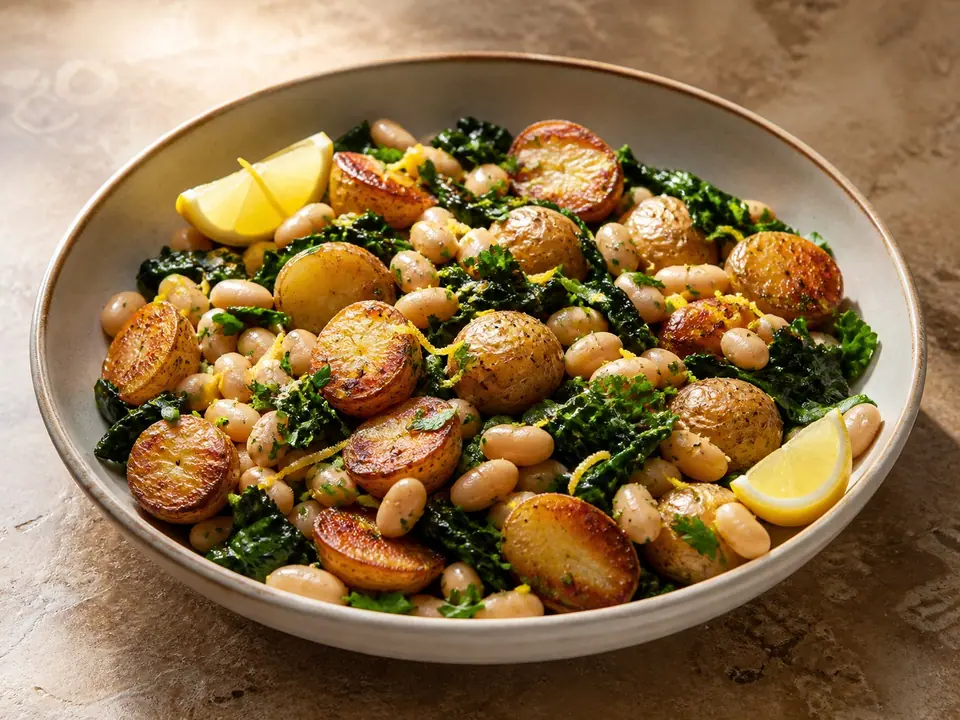
The potatoes take the heat first, then the beans go in late so they stay creamy instead of collapsing into mash.
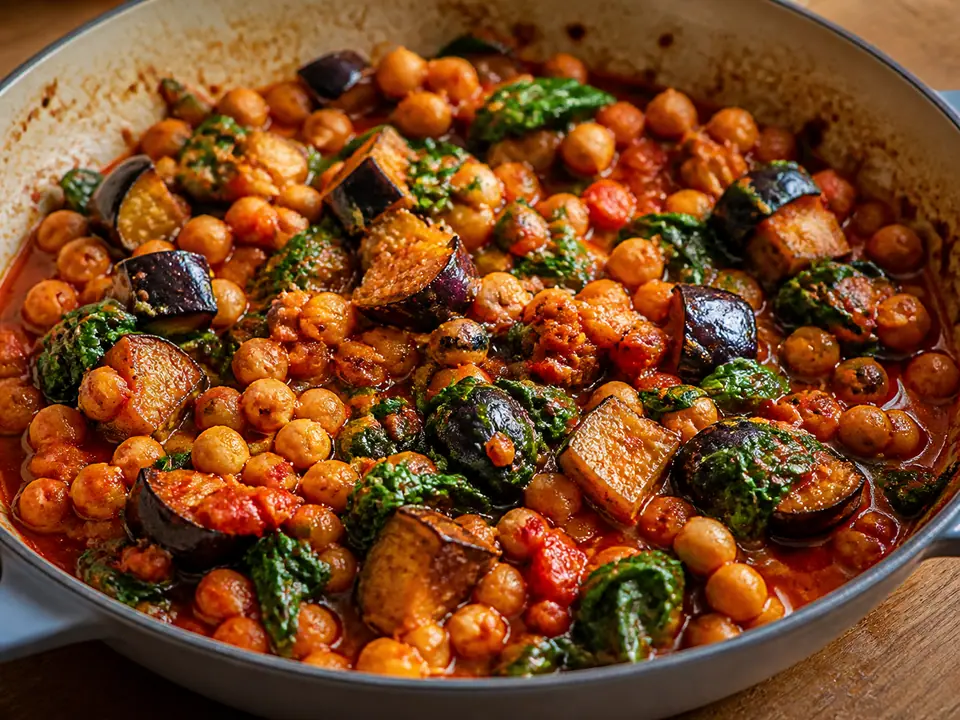
Add tomatoes for moisture, chickpeas for substance and spinach at the end, so the whole dinner still comes from one pan.
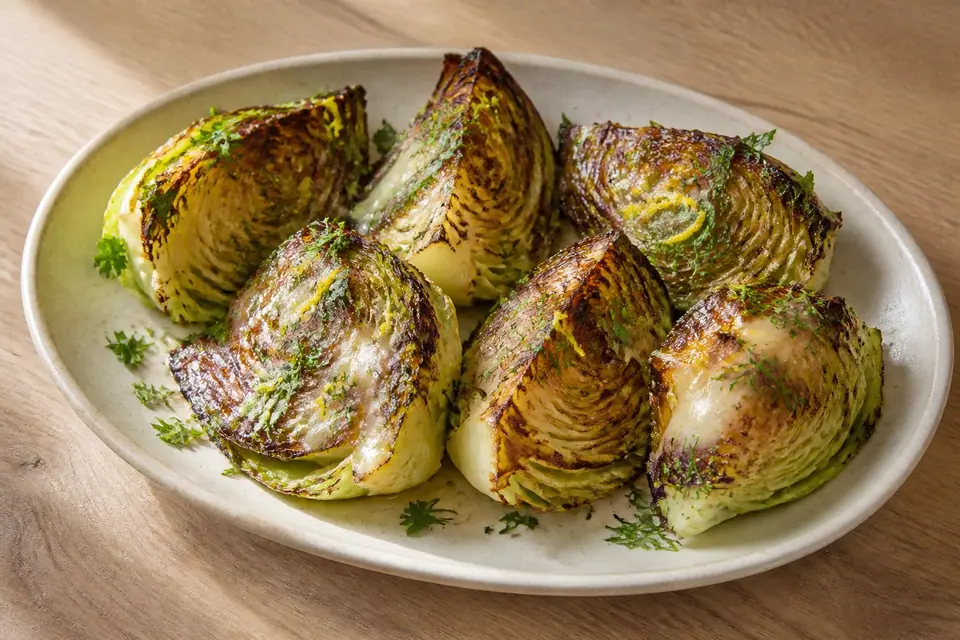
Roast the cabbage hard enough to brown the cut faces, then brush on the miso so it stays savoury rather than burning.
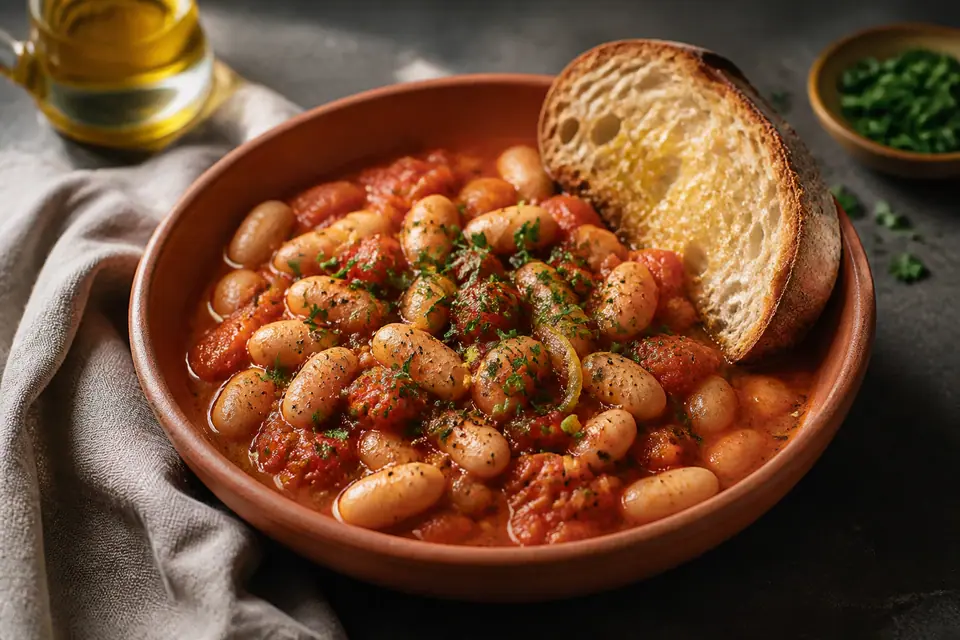
The tomato butter beans freeze well when kept slightly loose, so dinner only needs fresh toast and a squeeze of lemon later.
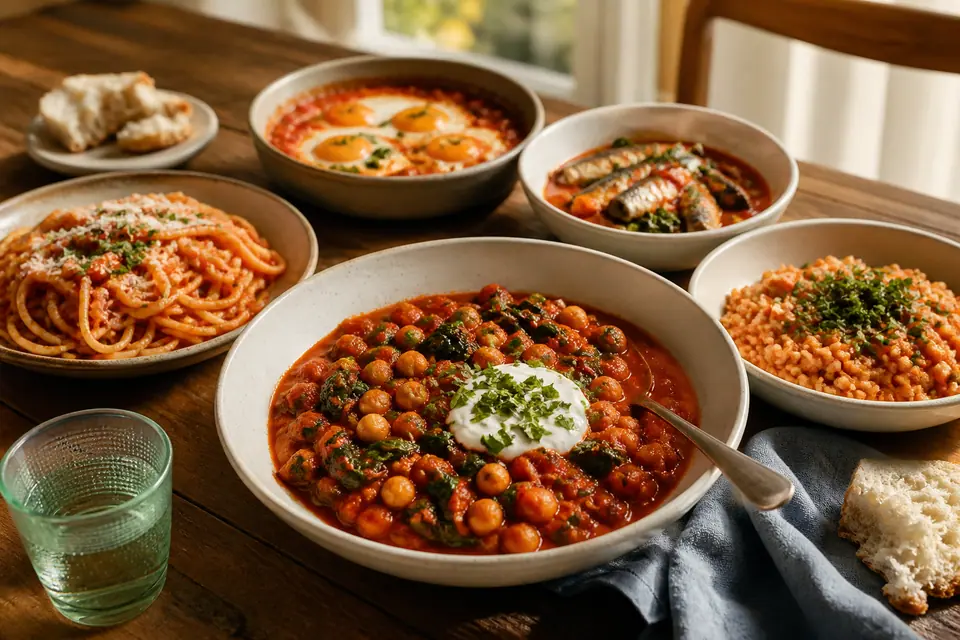
One tin of tomatoes can take dinner in five different directions. These are the ones I use when the cupboard is fuller than the fridge.
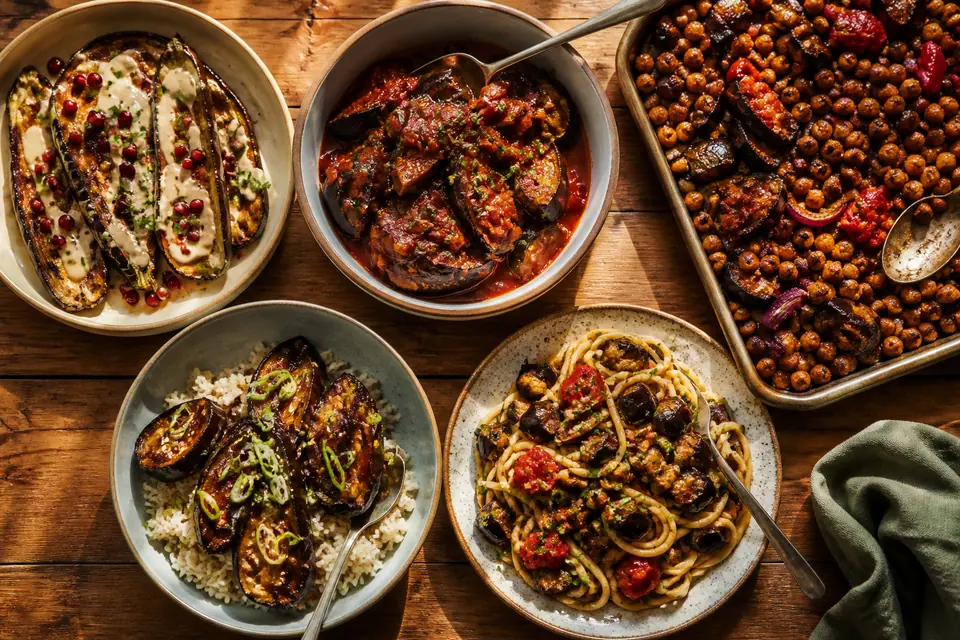
Aubergine can carry dinner when it gets enough heat, a sharp finish and something with substance beside it. These five meals give it the main role.
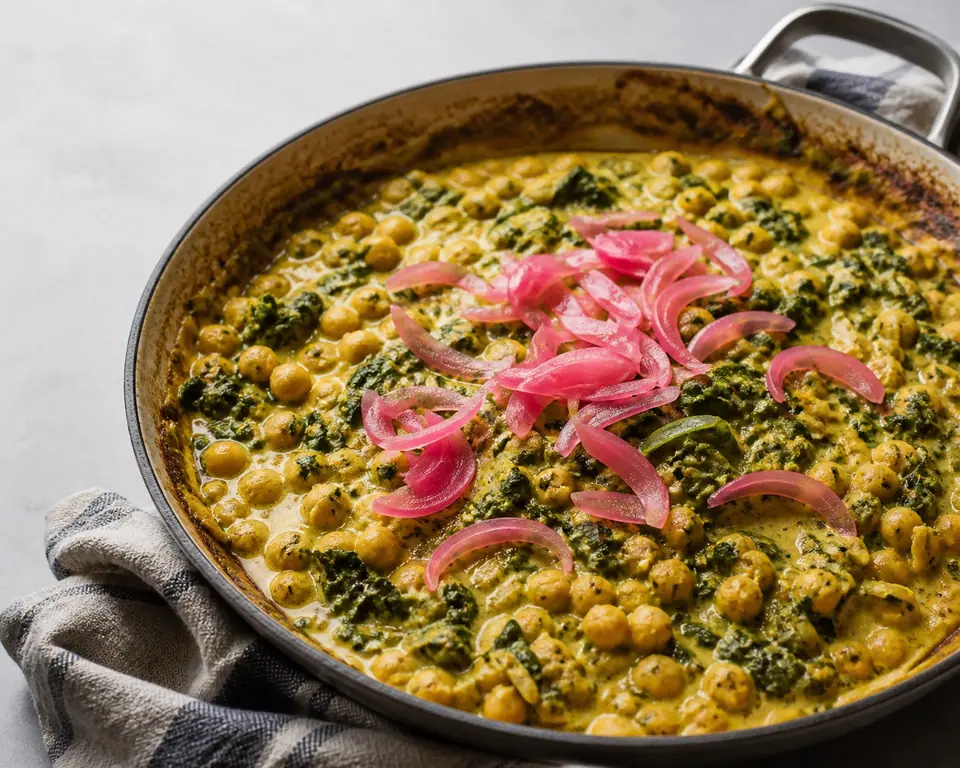
Make the onions first so they turn pink and sharp while the coconut chickpea curry simmers underneath them.
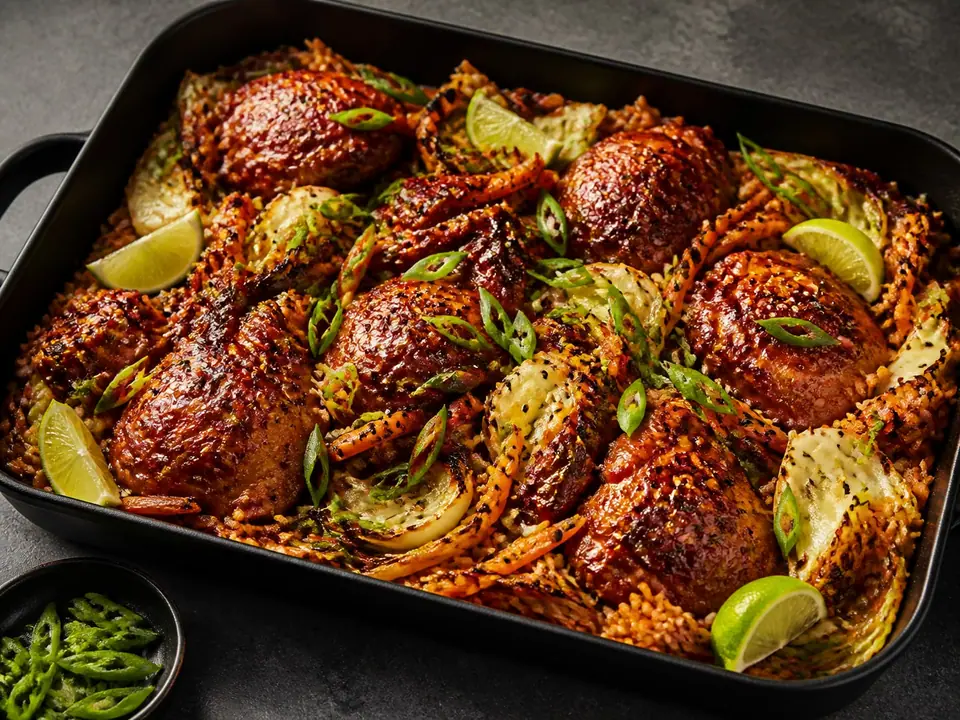
Chicken roasts over cabbage and carrots, so the juices make a sauce while the vegetables caramelise underneath.
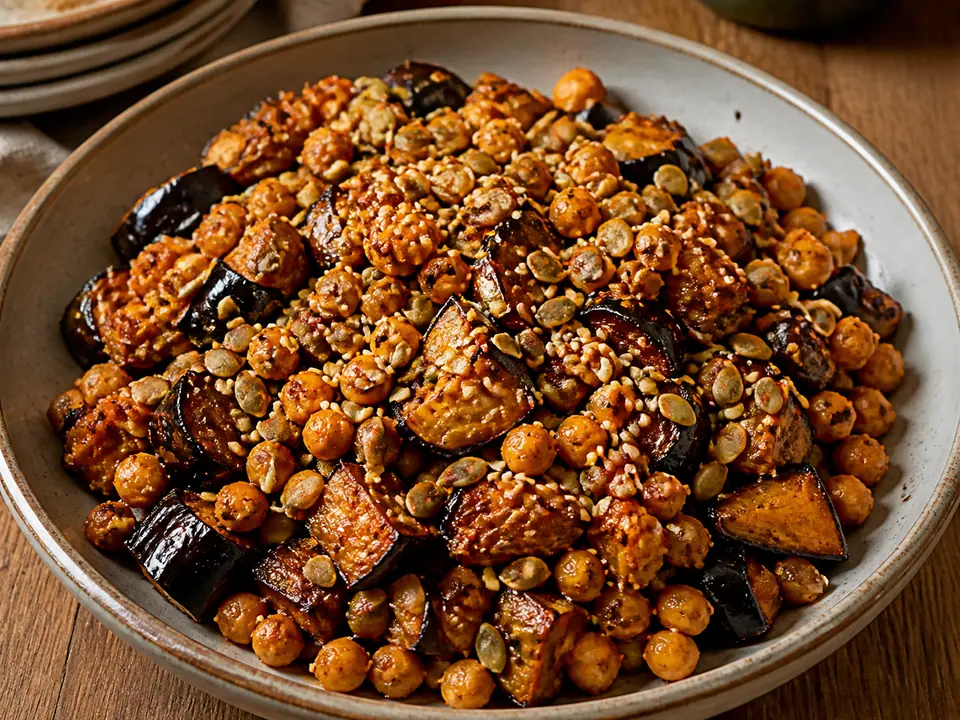
Toast pumpkin and sesame seeds separately while the tray cooks, then add them at the last second so they stay audible.
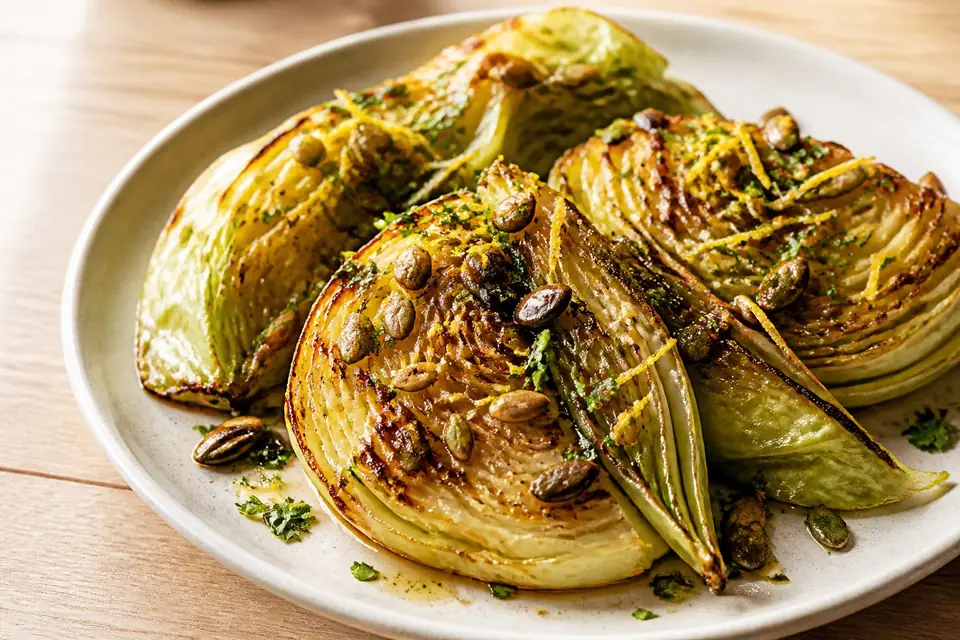
Toast the seeds separately so they stay crisp, then scatter them over the miso cabbage after roasting instead of letting them burn on the tray.
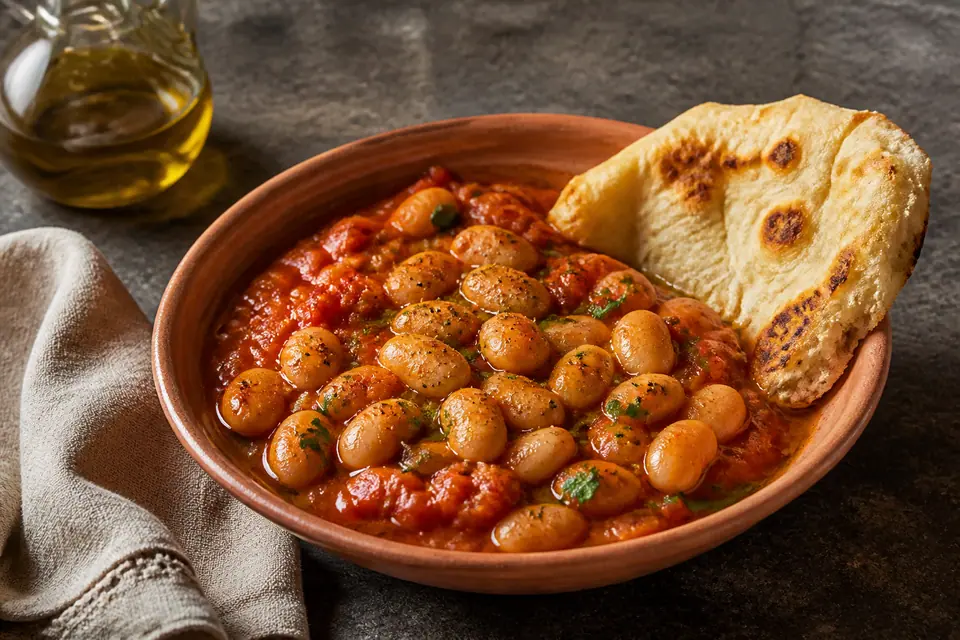
Thick tomato butter beans are served with warm flatbread, so every person can tear, scoop and catch the sauce at the table.
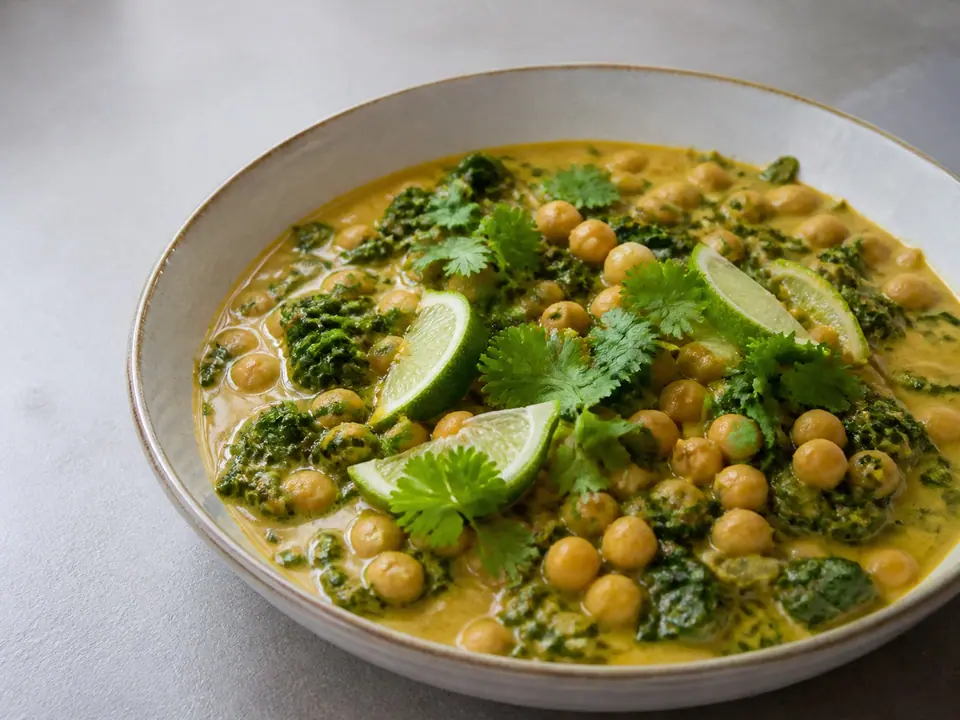
Cook the coconut chickpea base now, freeze it in portions, and add fresh greens and lime after reheating so the curry still tastes alive.
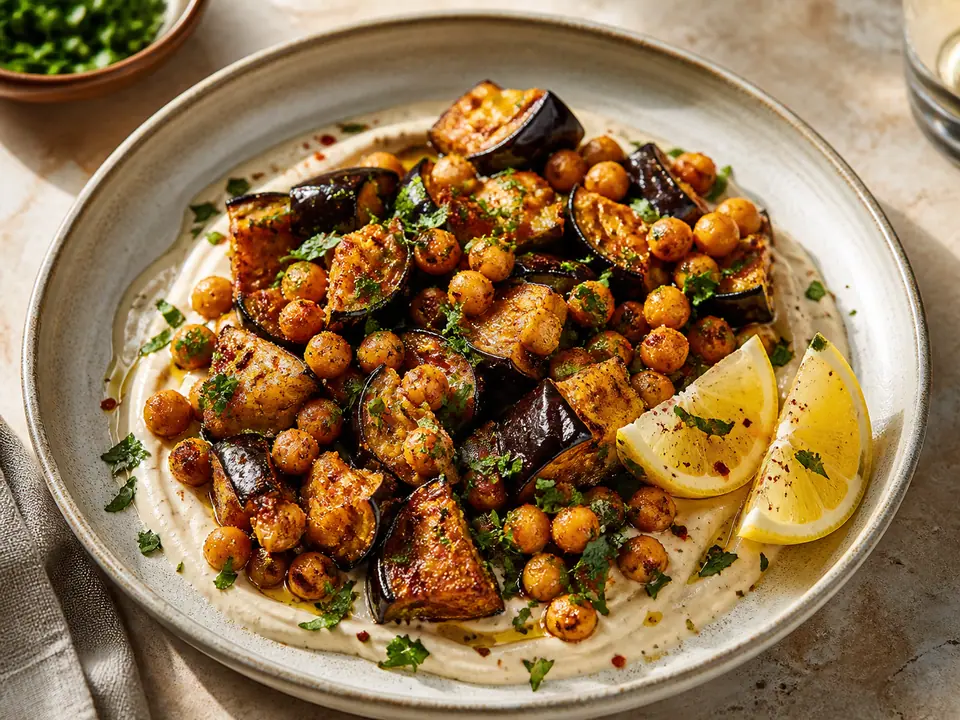
Roast the aubergine hard, then loosen tahini with lemon and water until it pours instead of clumps.
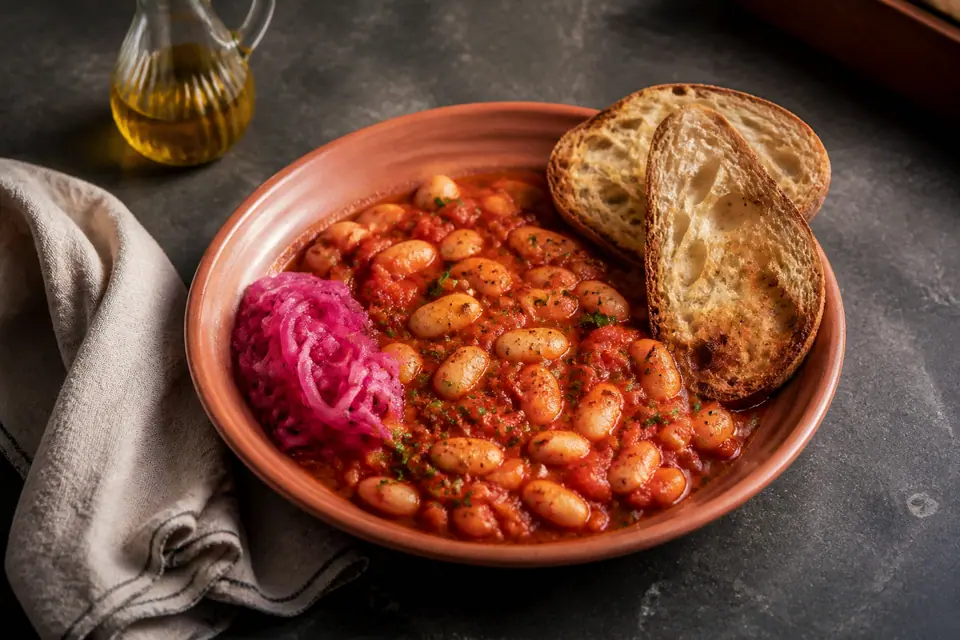
Quick pickled onions cut through the thick tomato sauce and give buttery beans and toast a clean, crunchy contrast.
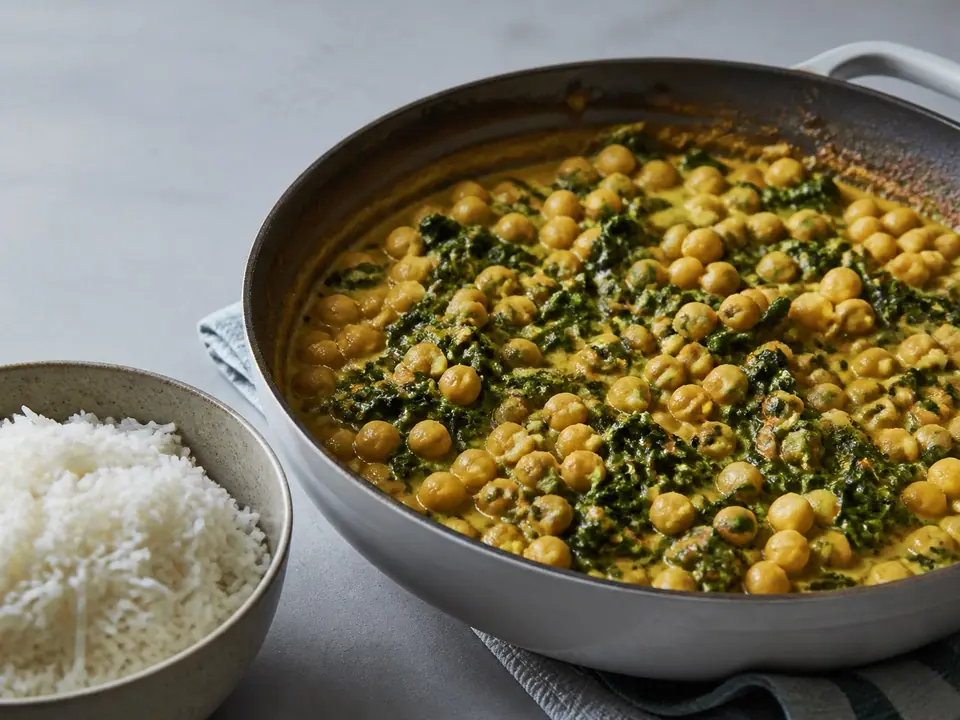
Everything for this coconut chickpea curry goes into one wide pan, including the greens, so dinner is on the table with very little washing up.
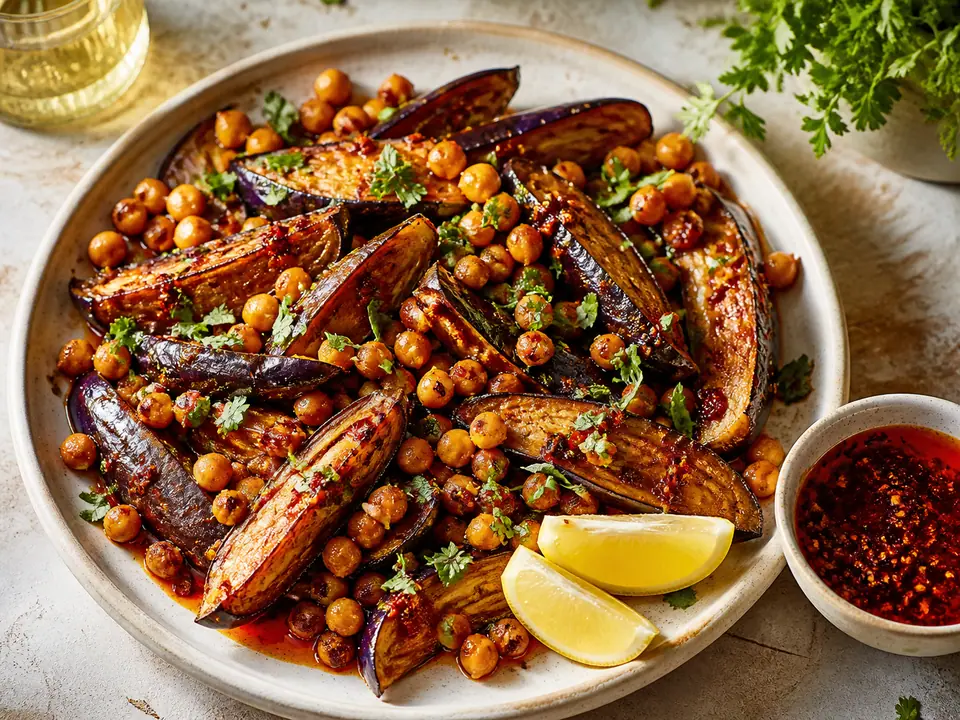
Keep the roasting gentle enough for the aubergine to turn silky, then bring the heat with chilli oil at the table.
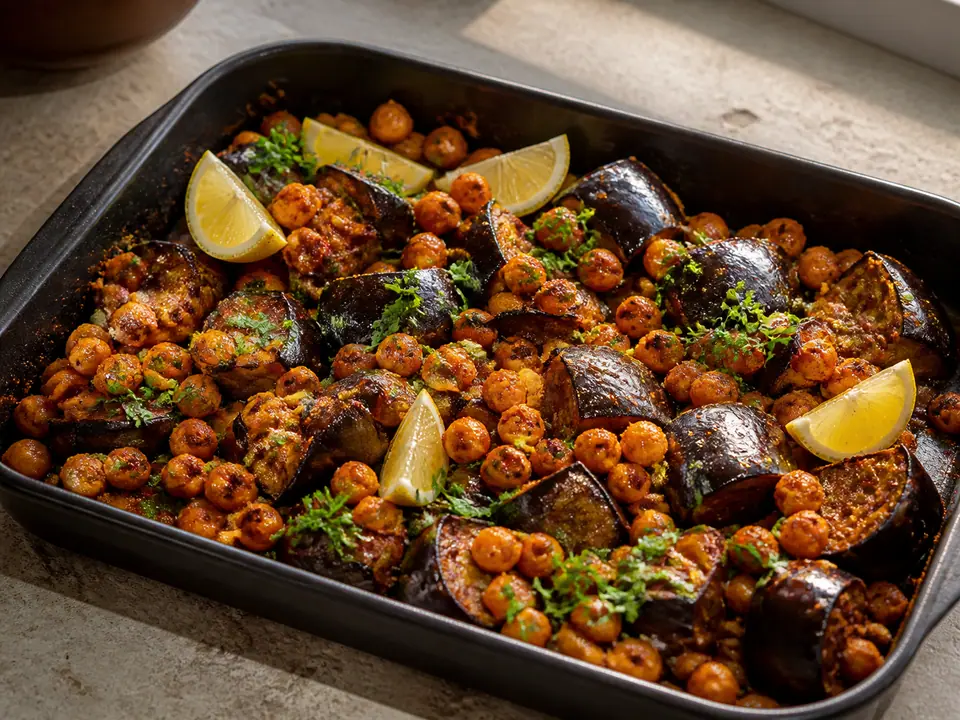
Roast the aubergine until collapsed at the edges, then add the chickpeas so they stay crisp rather than turning to pebbles.
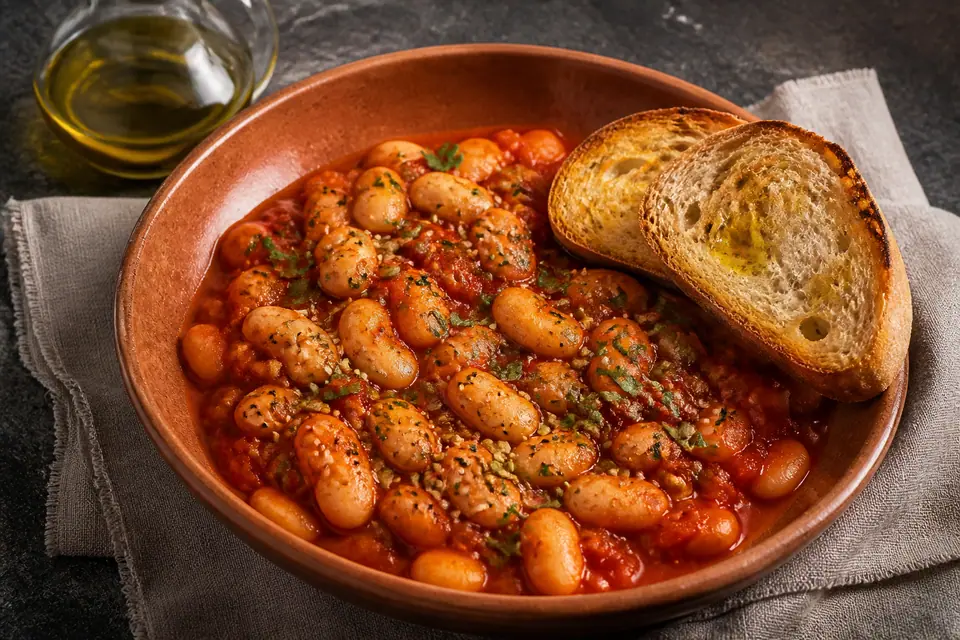
Toasted pumpkin and sesame seeds add a dry, nutty crunch to the soft tomato beans and crisp sourdough.
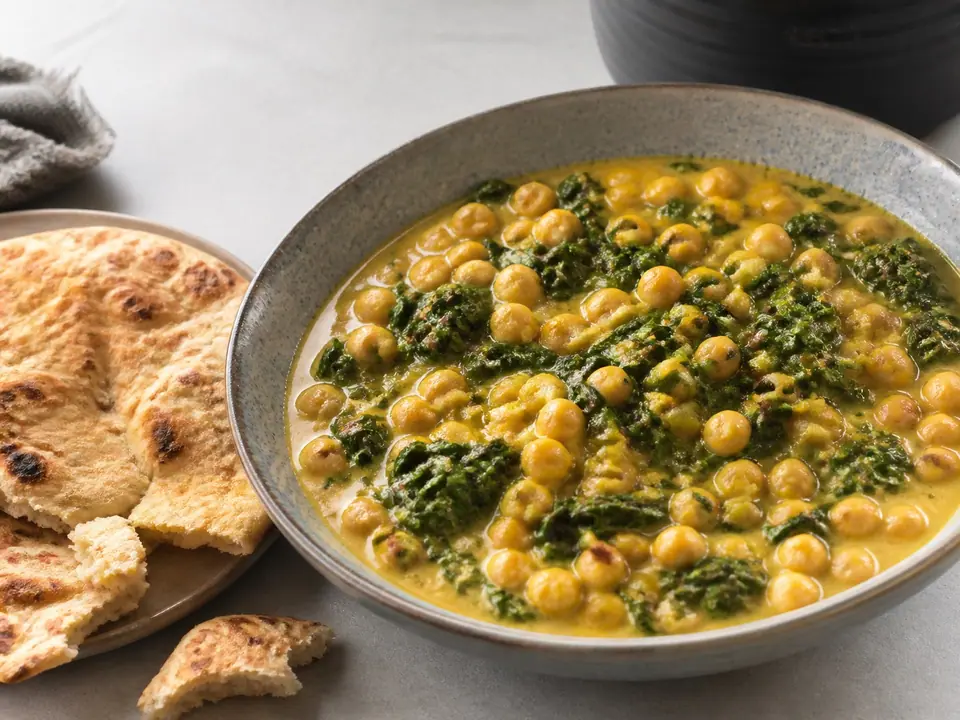
Keep this coconut chickpea curry thick enough for flatbread to scoop, with greens folded through just before the pan leaves the heat.
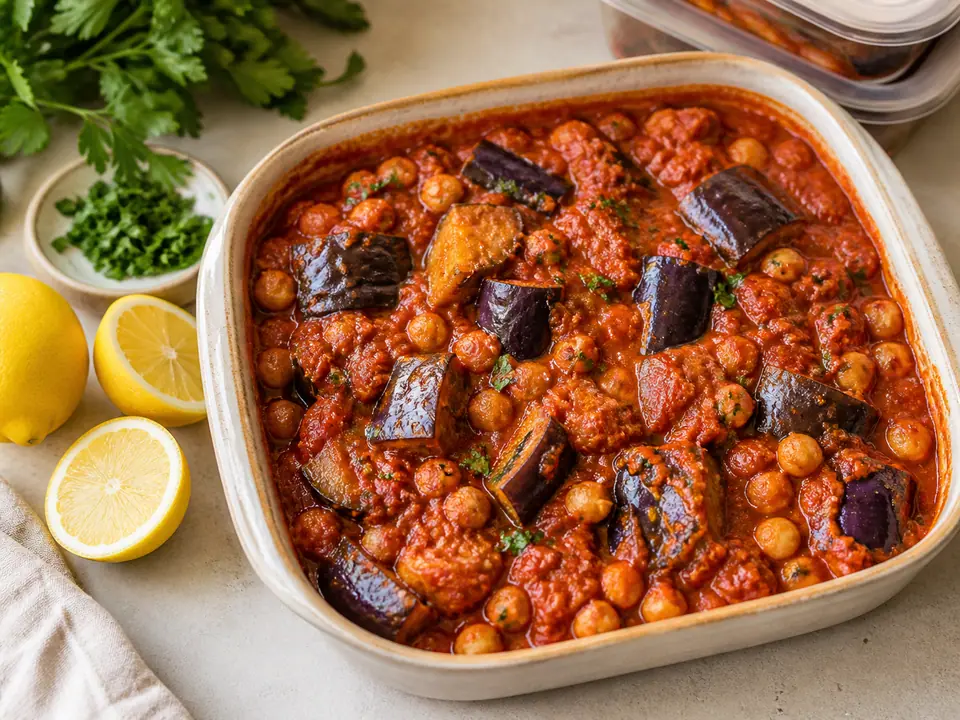
Cook the sauce thick and leave the fresh finishes until reheating, so a freezer portion comes back glossy rather than watery.
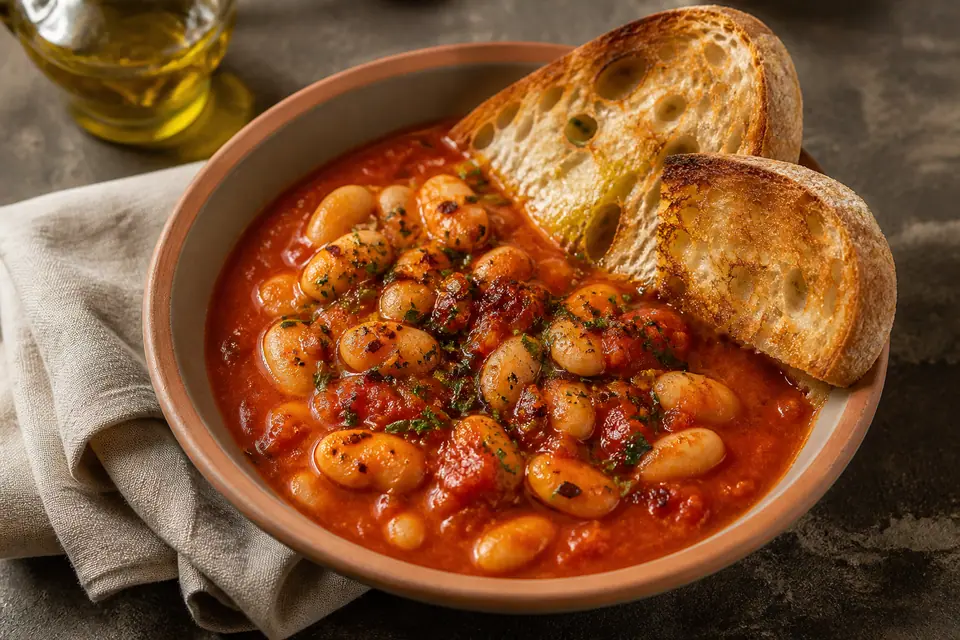
The beans stay mellow while a spoonful of fragrant chilli oil gives each plate its own level of heat.
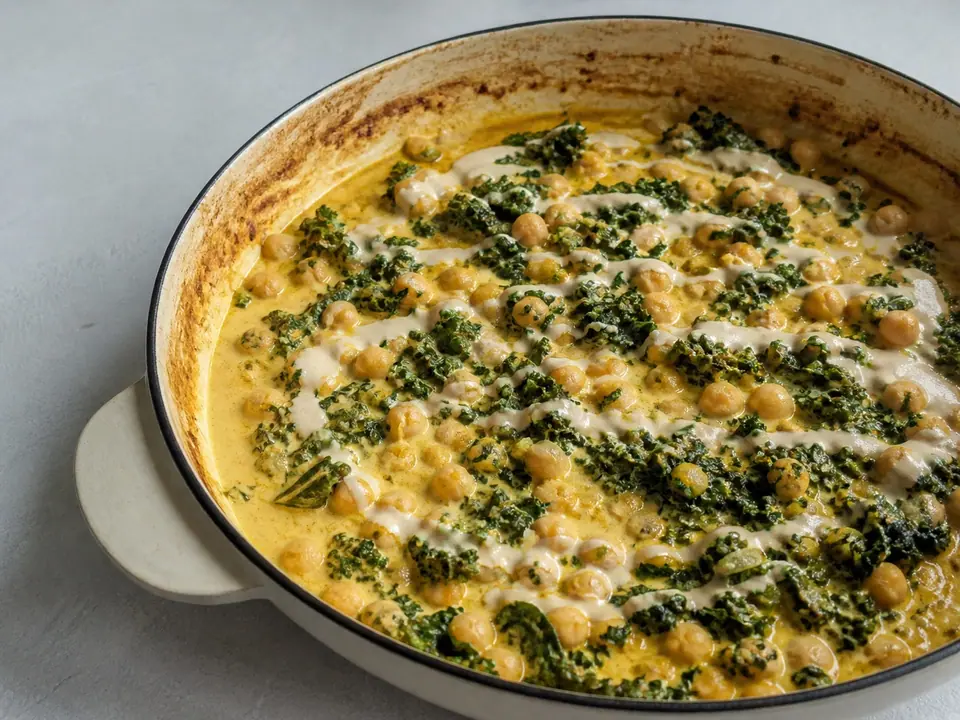
A coconut chickpea curry gets a second kind of creaminess from lemon tahini, which is spooned over the top rather than cooked into the pot.
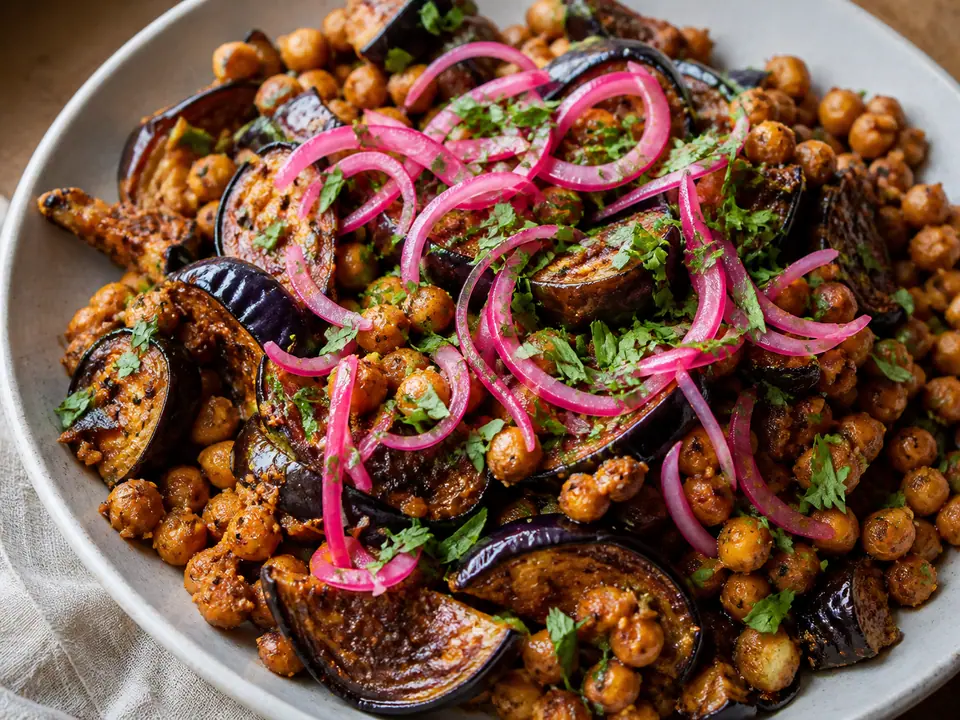
Pickle the onions while the tray roasts; their vinegar and crunch keep the soft aubergine from feeling too rich.
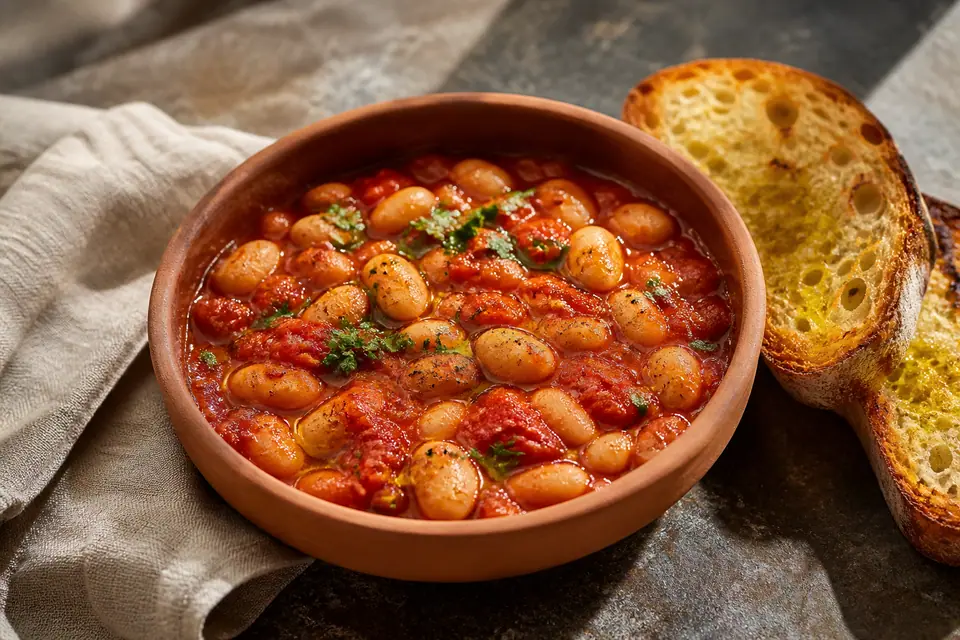
Tomato-braised butter beans become dinner with crisp sourdough, lemon zest and a handful of herbs at the end.
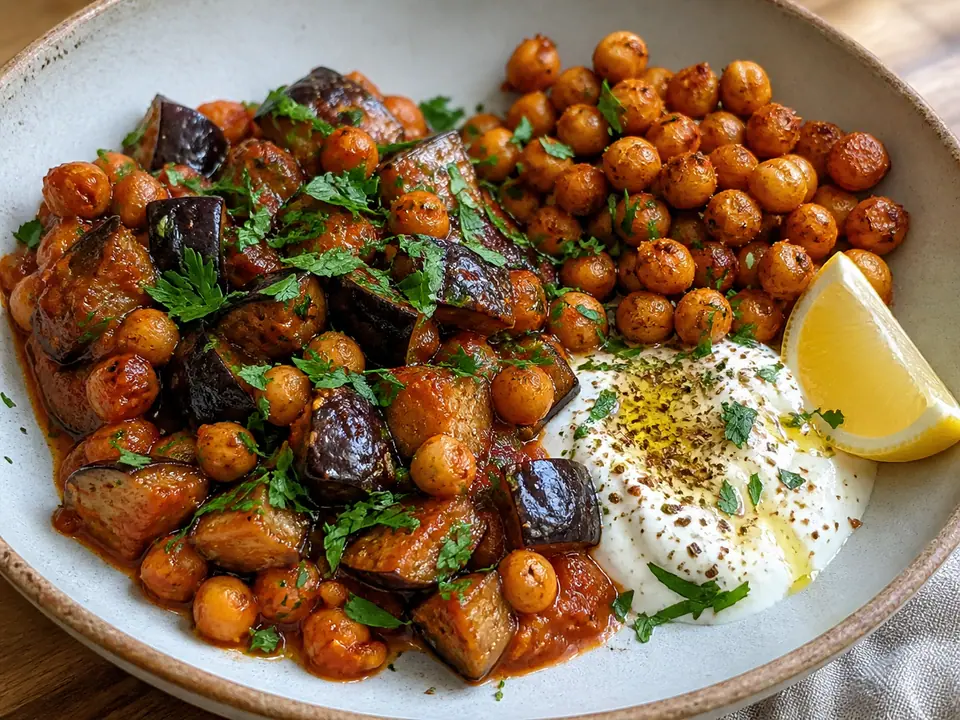
Roast the aubergine low on the tray and give the chickpeas their own hot corner, where they turn crisp and nutty.
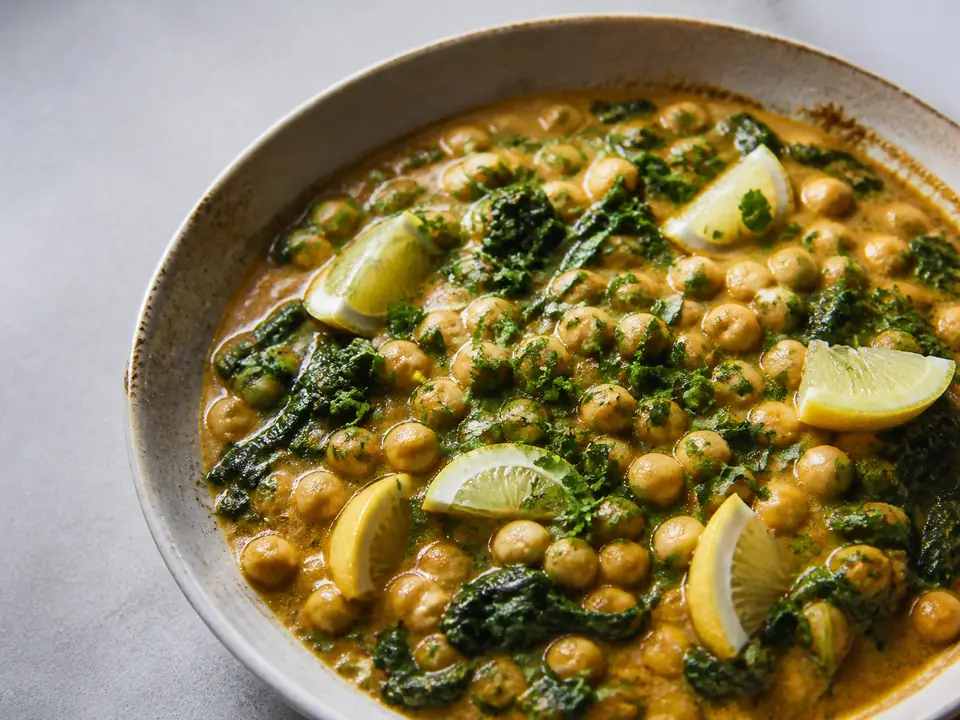
Chickpeas simmer in coconut milk with ginger, garlic and greens, then lemon and herbs keep the bowl from tasting heavy.
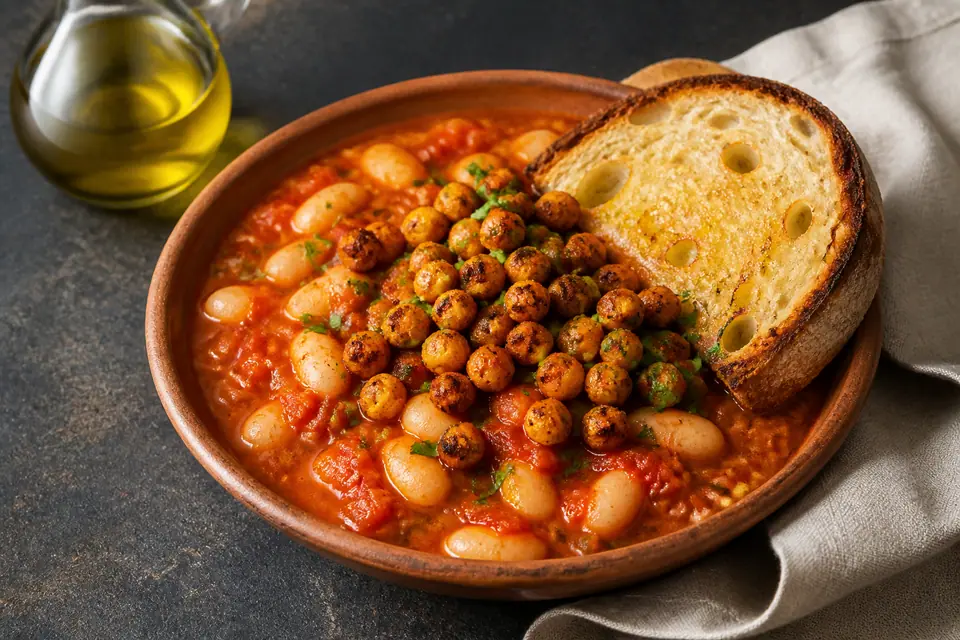
Crispy chickpeas bring a salty, crackly layer to saucy butter beans and toast without adding another complicated pan.
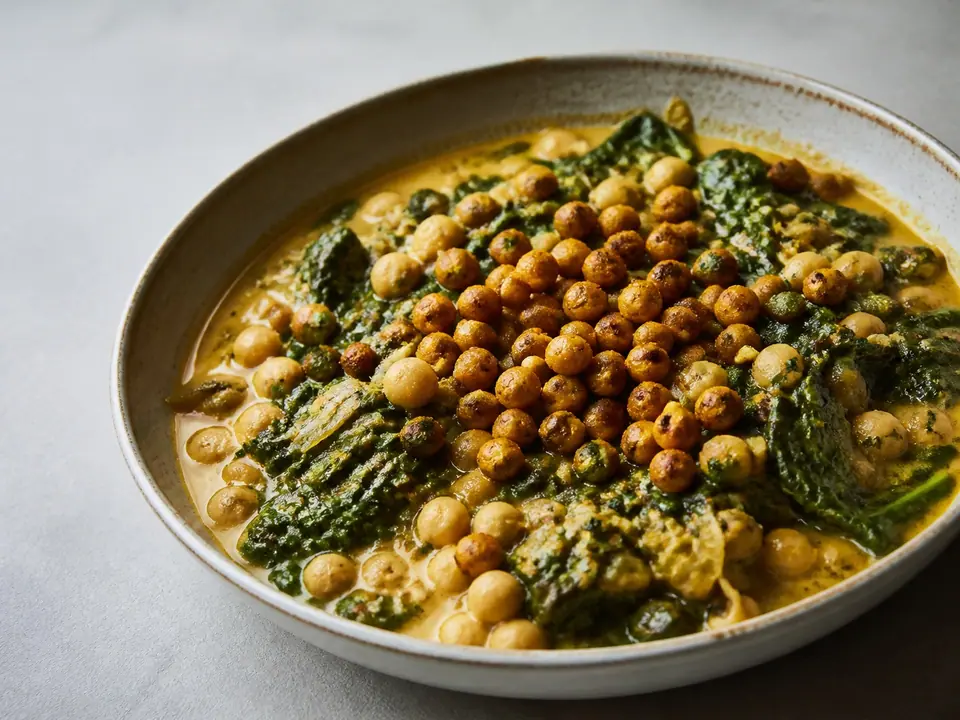
The curry stays creamy and the chickpeas on top roast until dry and crisp, giving a one-pot dinner the crunch it usually misses.