Small is useful, but firmness matters more
Small courgettes usually have finer seeds and firmer flesh, but size alone is not a guarantee. Weight, stem freshness and skin tension are better checks.

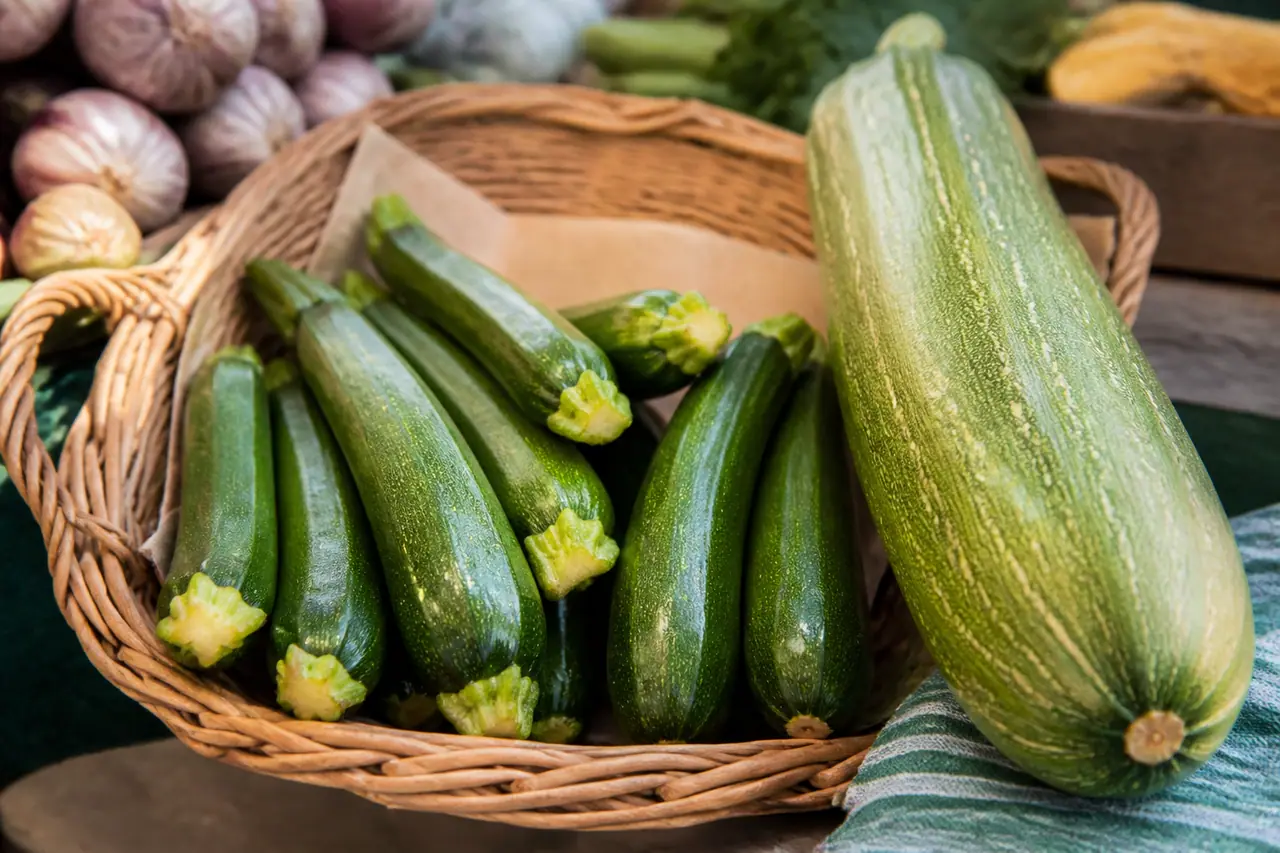
A small courgette is not automatically a good courgette, but it gives you better odds. I want a fruit that feels heavy for its length, has taut skin, and still carries a fresh green stem. When I compared a basket of small squash with one oversized specimen, the small ones had a tighter seed core and needed less trimming. The largest one looked like better value until I removed 140 g of soft centre from a 520 g fruit.
At the shop, I do not squeeze every vegetable or judge by colour alone. I lift two that are the same size, compare their weight, then check the blossom end and stem. A good courgette should feel dense, not hollow, and the skin should spring back from a light touch. These are quick checks that predict how it will behave in a pan better than a shiny display.
What small actually changes
Courgettes are harvested young, before the central seeds harden.
A smaller fruit usually has a higher proportion of firm flesh and a smaller watery seed cavity. That gives slices a cleaner cut and helps them hold together in a skillet. It also means less waste when you are making ribbons, fritters or a quick salad.
I do not chase the tiniest fruit. Baby courgettes can be expensive and their flavour is not automatically better.
My useful range is roughly 12 to 18 cm long, with a diameter that feels solid in the hand. A medium fruit in excellent condition is a better buy than a tiny one with a bruised stem or soft patch.
The lift test I use first
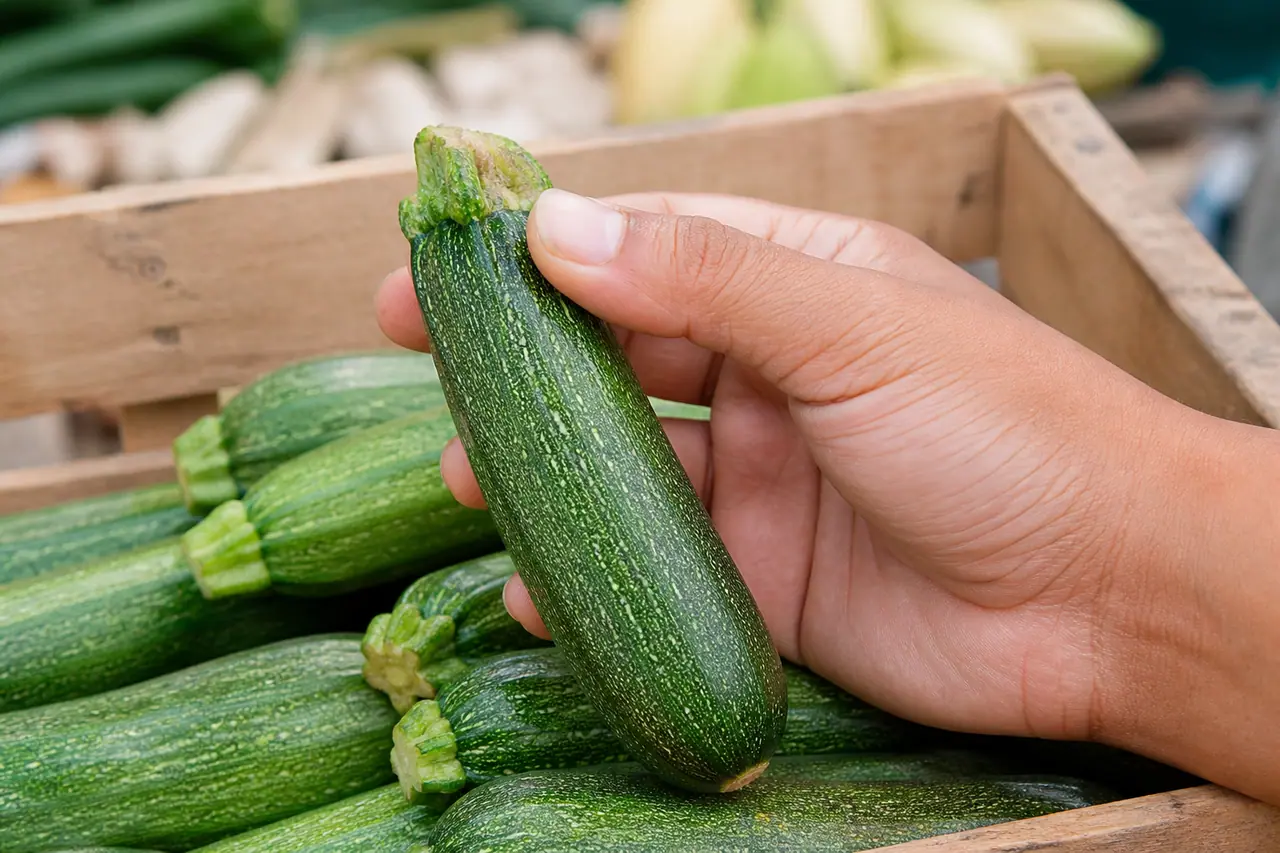
There is a useful difference between dense and merely heavy. A courgette with firm flesh feels balanced from stem to blossom end; one with a soft seed cavity can feel heavy at one end and strangely empty at the other. I turn the fruit in my hand and press in two places rather than squeezing one spot. The check is gentle enough not to bruise it, and it tells me whether the whole vegetable is sound. That matters more than finding the smallest one in the basket.
Pick up two courgettes of similar length.
The heavier one generally contains more firm flesh and less internal collapse. It is not a laboratory test; a fruit can be heavy because it is waterlogged. That is why I pair weight with the touch test. The skin should be smooth and tight, with no soft dent that stays under gentle pressure.
The ends tell a story. A fresh stem is green and slightly moist at the cut, while an old stem turns brown and dry.
The blossom end should be clean and firm. A little scarring is harmless. A wet sunken patch is different; it spreads quickly once the vegetable is bagged, and the texture around it will be mushy.
| Check | Good sign | Warning sign |
|---|---|---|
| Weight | Dense for its size | Feels hollow or unusually light |
| Skin | Taut, smooth and unbroken | Dull, wrinkled or soft |
| Stem | Fresh green cut | Grey, dry or leaking |
| Ends | Firm and clean | Wet, sunken or bruised |
| Shape | Straight or naturally curved | Deep dents or collapsed side |
Source: Maren Ashby market checklist, 2026
Do not reject every pale or striped one
Colour is a variety clue, not a freshness meter.
Pale green, striped and dark green courgettes can all be excellent. I have bought dark glossy ones that were watery inside and pale ribbed ones that browned beautifully. The skin should look alive and tight, but the exact shade tells you little about the seed cavity.
A matte bloom on the skin can be natural and does not mean the courgette is old.
Finger marks and a small rub are cosmetic. I reject bruising that has broken the skin, because damaged tissue softens faster and can turn a whole paper bag wet. Choose the intact fruit even if it is less photogenic.
Match the purchase to the meal
For raw ribbons or a short saute, choose small straight courgettes with a narrow centre.
For fritters, soup and baking, size matters less because grating or blending changes the texture. A large fruit can be economical when you use the whole thing, but grate it before it goes soft and squeeze the shreds if the recipe needs a dry mixture.
I bring home only what I will use within a few days.
Courgettes do not improve in the fridge, and a bargain is not a bargain if the last half becomes a wet sponge. If you are cooking for one, two small fruits give more flexibility than one large one: one can become ribbons while the other waits for a tray.
My final buying rule
Choose the firmest courgette that feels heavy for its size, has a fresh stem and no wet bruise.
Small is a useful shortcut because the seeds are usually finer, but it is not the whole decision. Texture starts at the market, long before the skillet is hot.
A small note on farmers market sizes
Market growers may sell courgettes much smaller than supermarkets do, and those tiny fruits can be tender enough to cook whole.
Treat them as a special case: keep the stem, use a short hot cook and do not bury them in sauce. Their value is convenience and fine texture, not a rule that smaller is always more nutritious.
For everyday shopping, the firm medium fruit remains my practical choice. It gives enough usable flesh for dinner without the price of a baby vegetable.
Questions
Are small courgettes always better?
How do I tell if a courgette is fresh?
Should courgettes be hard or slightly soft?
Can I use large courgettes for frying?
More guides
All guides →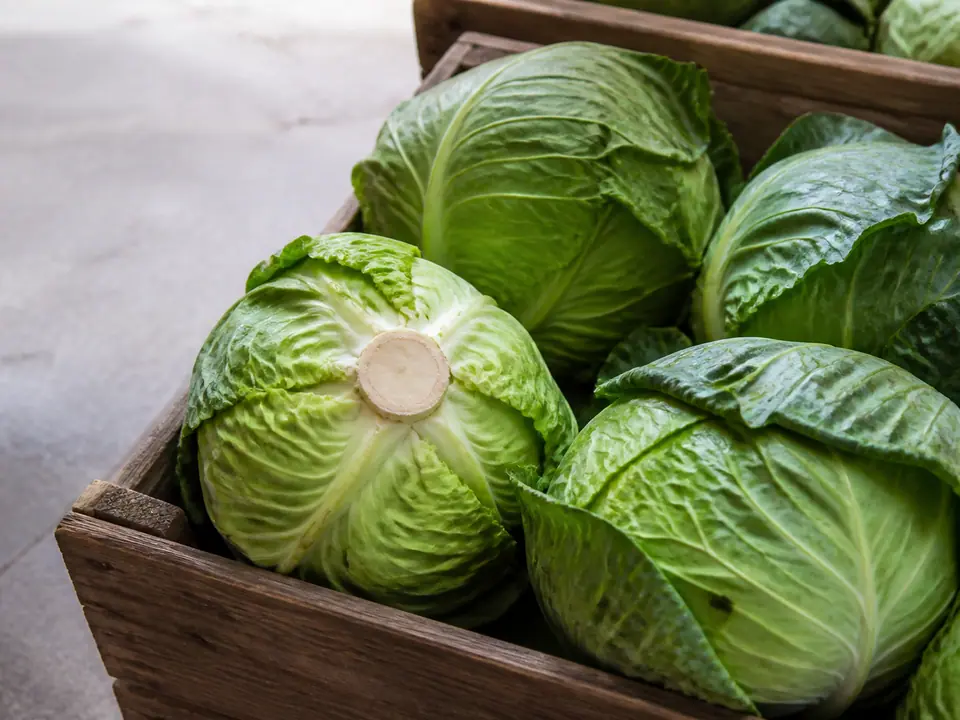
How to choose a cabbage that will stay crisp
A crisp cabbage feels dense, has tightly packed leaves and a dry cut base. The shop test takes less time than rescuing a wilted half later.

5 dinners for a bag of carrots
Roast carrots with beans, blend them into lentil soup, fry them with rice, fold them through pasta or build a spiced traybake around them.
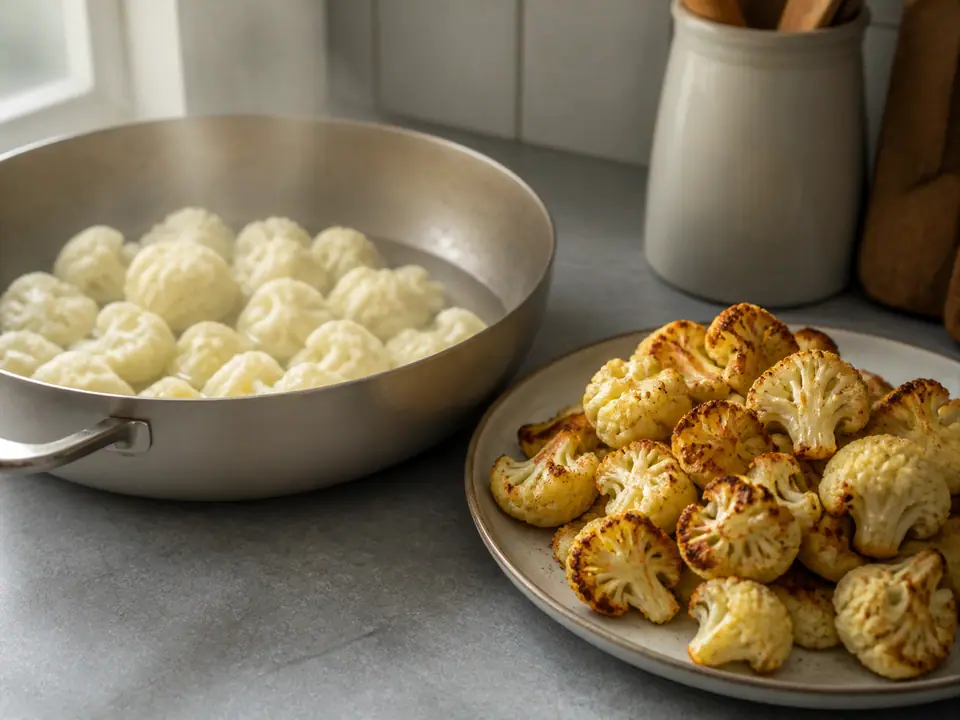
Why cauliflower can smell strong when it is overcooked
Cauliflower contains sulfur compounds that become more noticeable with prolonged wet cooking. Shorter, hotter cooking keeps the smell quieter and the texture firmer.