
Buying guides
Cauliflower vs broccoli: which roasts better?
Cauliflower gives a more even roast and creamy centre. Broccoli browns faster and has better crisp tips, so the winner depends on the texture you want.
38 pages tagged shopping.
Cauliflower gives a more even roast and creamy centre. Broccoli browns faster and has better crisp tips, so the winner depends on the texture you want.

Firm carrots with a fresh stem end and smooth, unbroken skin are more likely to stay crisp. Rubberiness means water has already left the root.
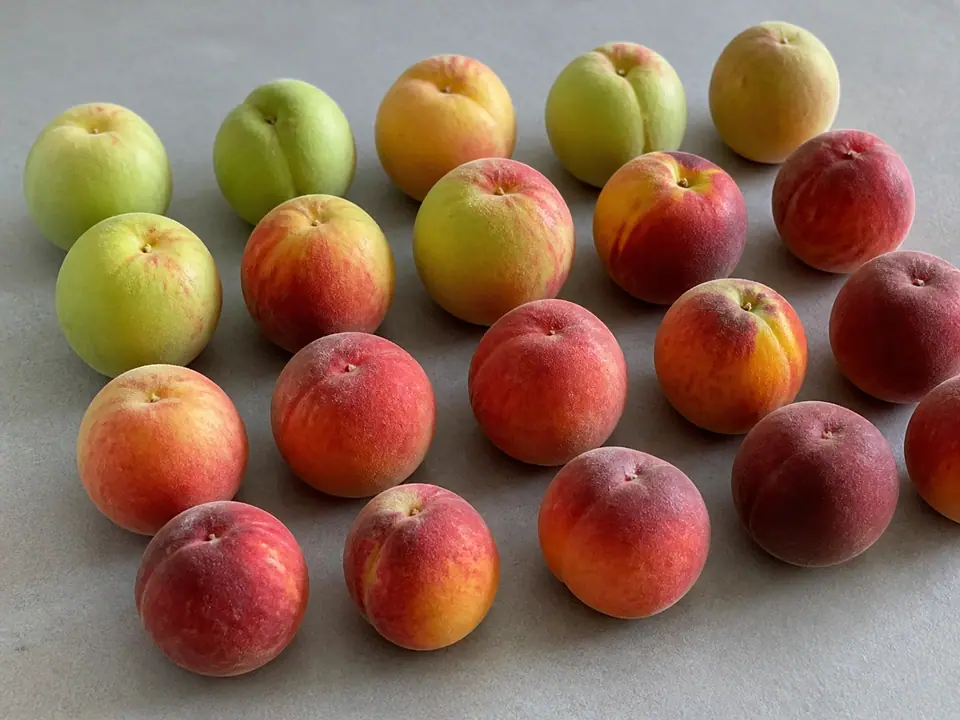
Choose a peach with a fruity stem aroma, firm unbroken skin and a little room to ripen. Avoid bruises and fruit that is either rock-hard and scentless or already leaking.
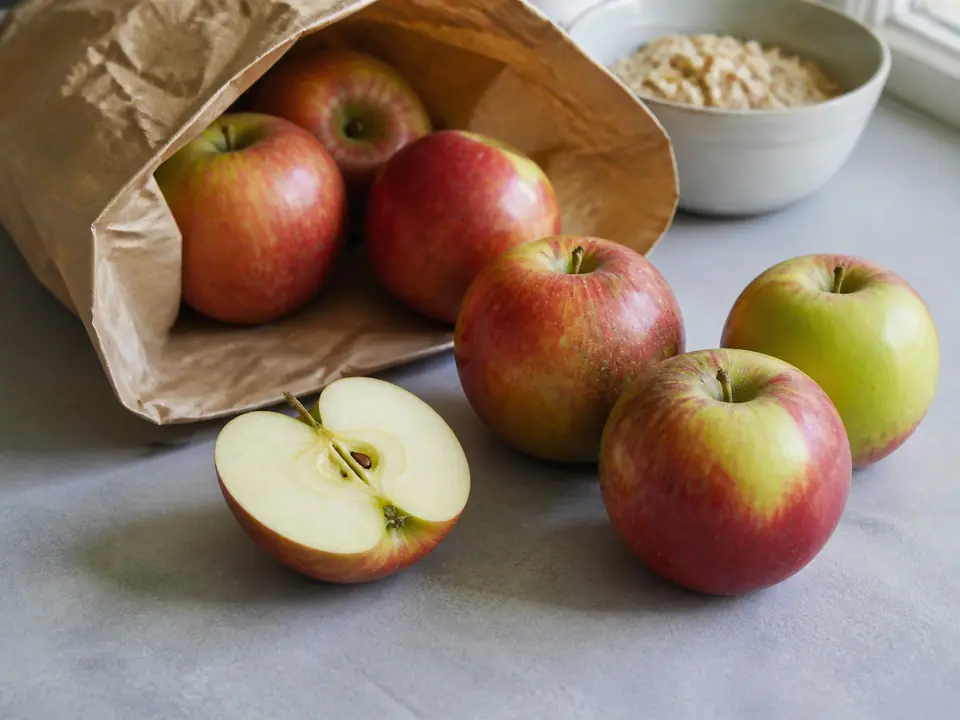
Firm sweet apples suit salads, sharper apples suit porridge and a mixed firm-sharp selection gives pie filling both shape and sauce.
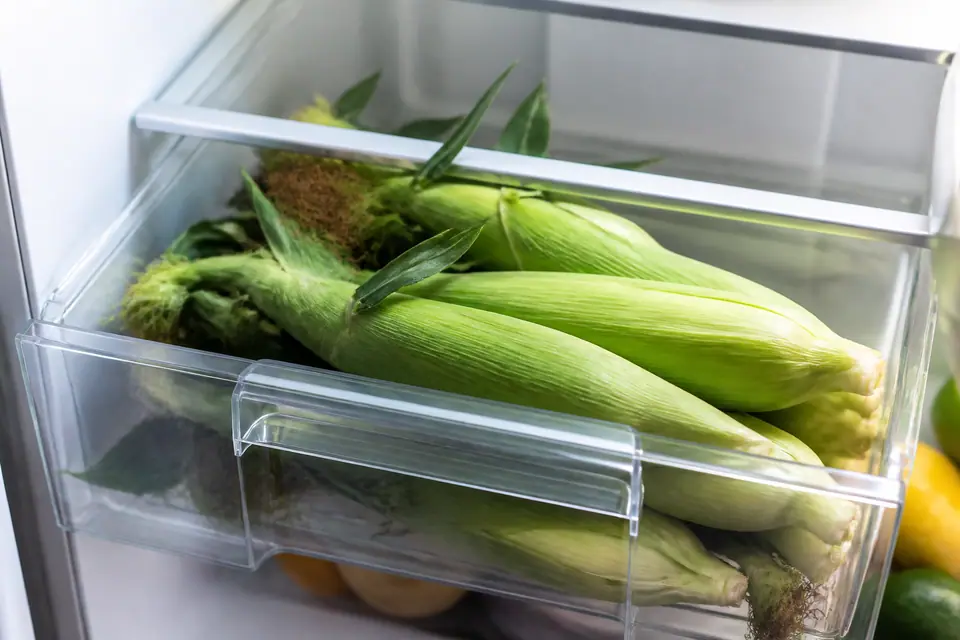
Sweetcorn keeps its best flavour when it gets cold quickly. Leave the husk on, refrigerate the ears and cook them within a few days instead of storing them on the counter.
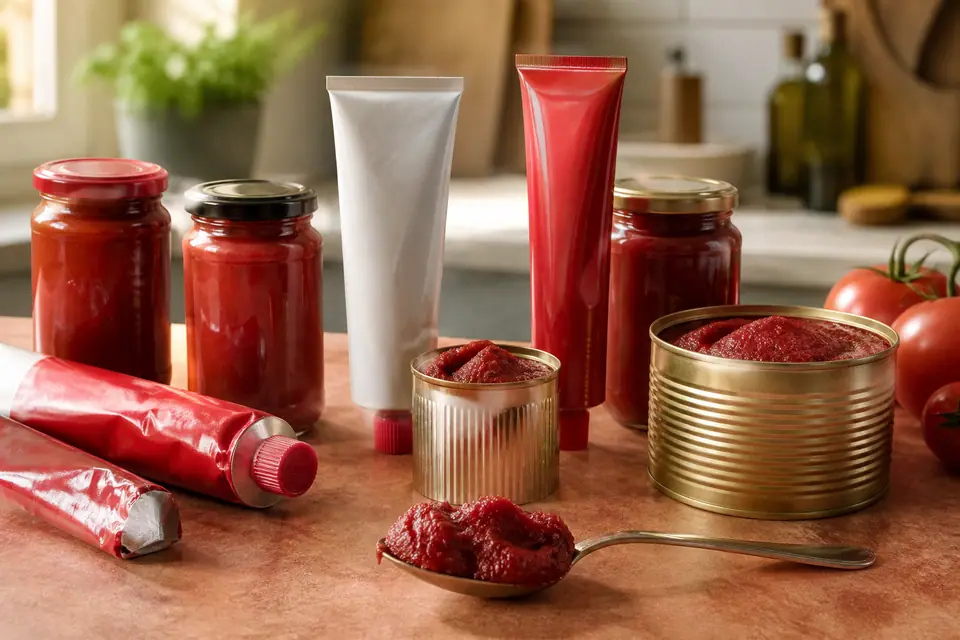
Look for dense paste, a short ingredient list and a package you can finish. The biggest flavour gain still comes from frying it properly.
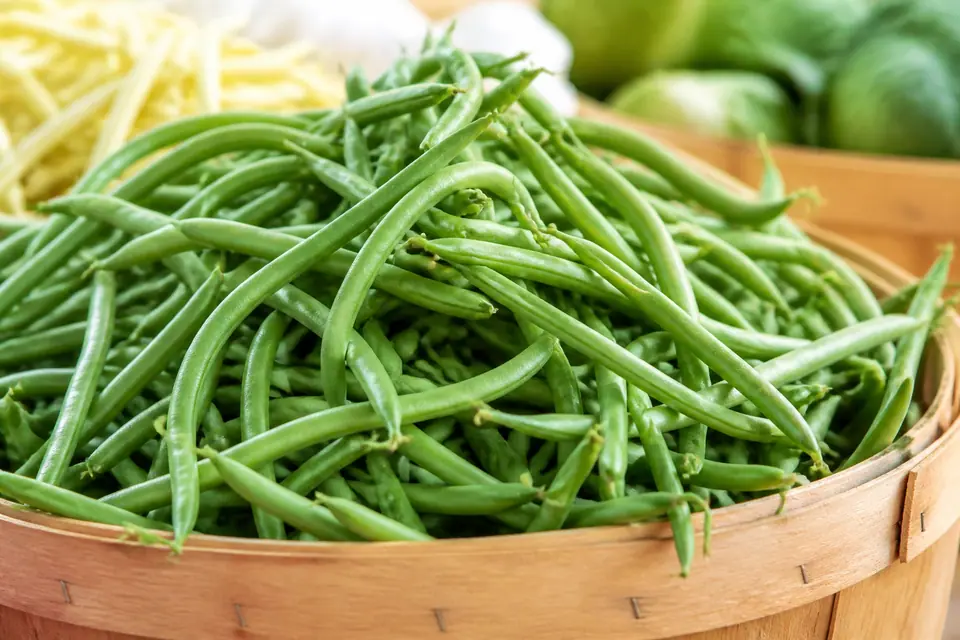
Fresh green beans are smooth, bright and firm, with a clean snap and no swollen seed bumps. A flexible limp pod is usually a thirsty older pod, not a tender one.
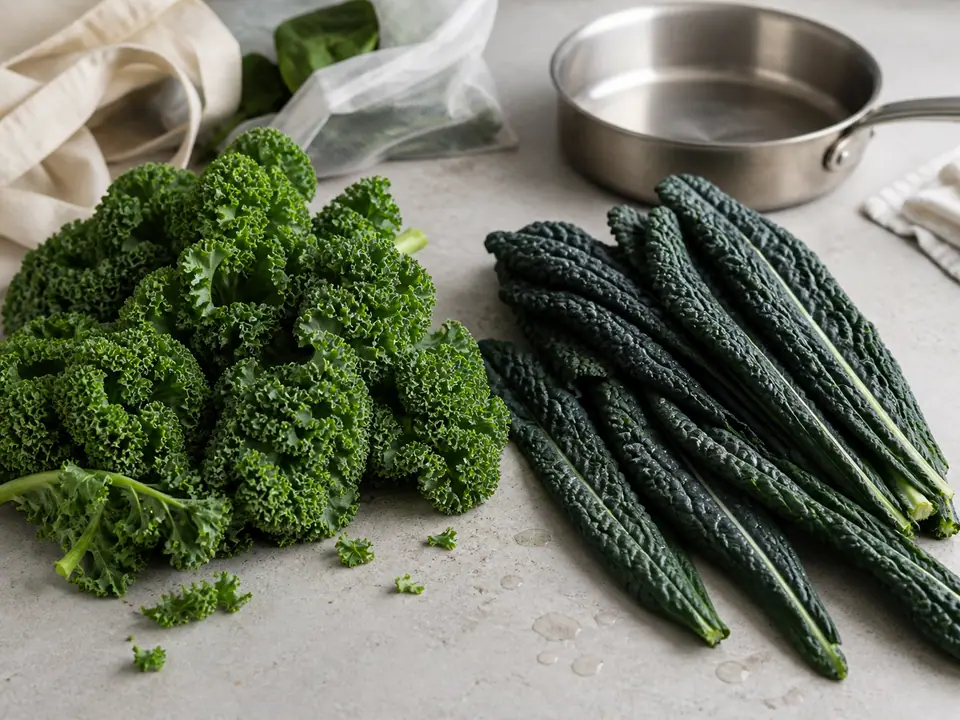
Cavolo nero has flatter leaves and is easier to strip and slice. Curly kale is sturdy and textured. Both become good dinner with enough heat and a little acid.
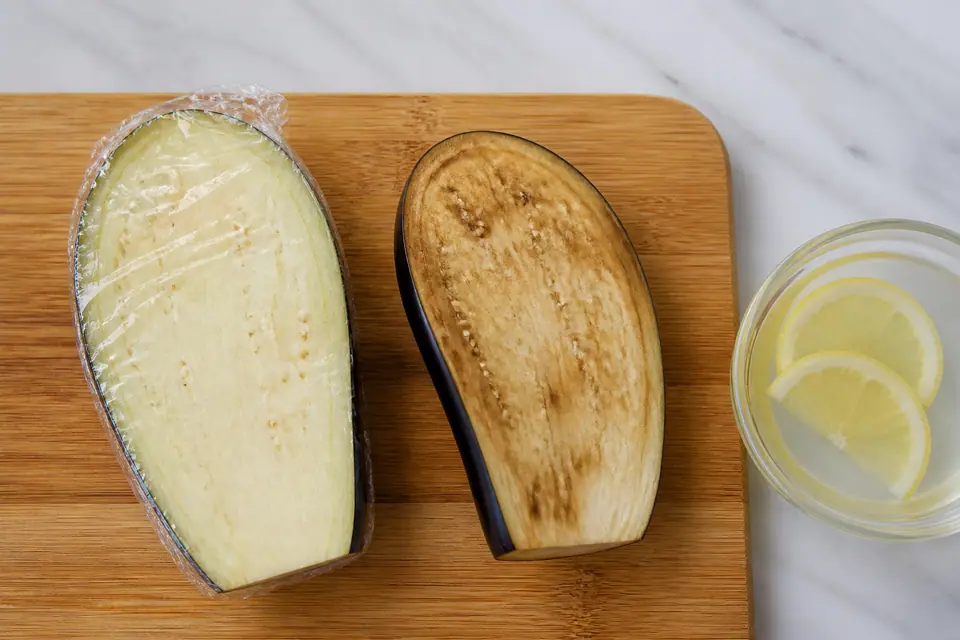
Aubergine browns quickly after cutting because its exposed enzymes meet oxygen. The best fix is cooking soon; lemon water buys you a little time.
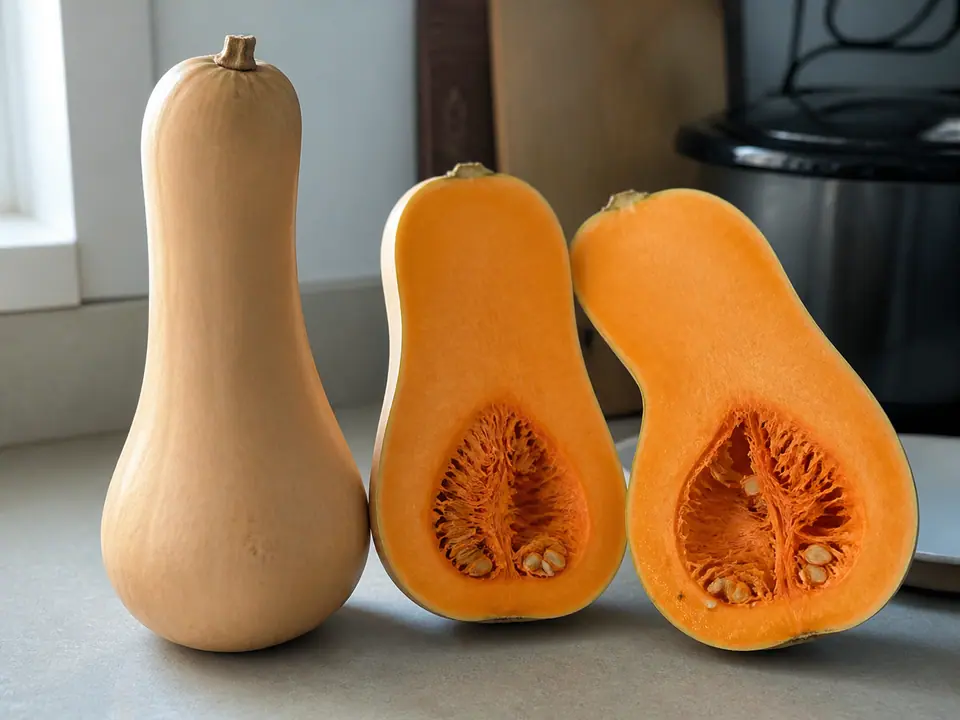
Look for a heavy, well-formed butternut with a long solid neck, firm skin and an intact stem. Avoid soft spots, wet cracks and a hollow light feel.
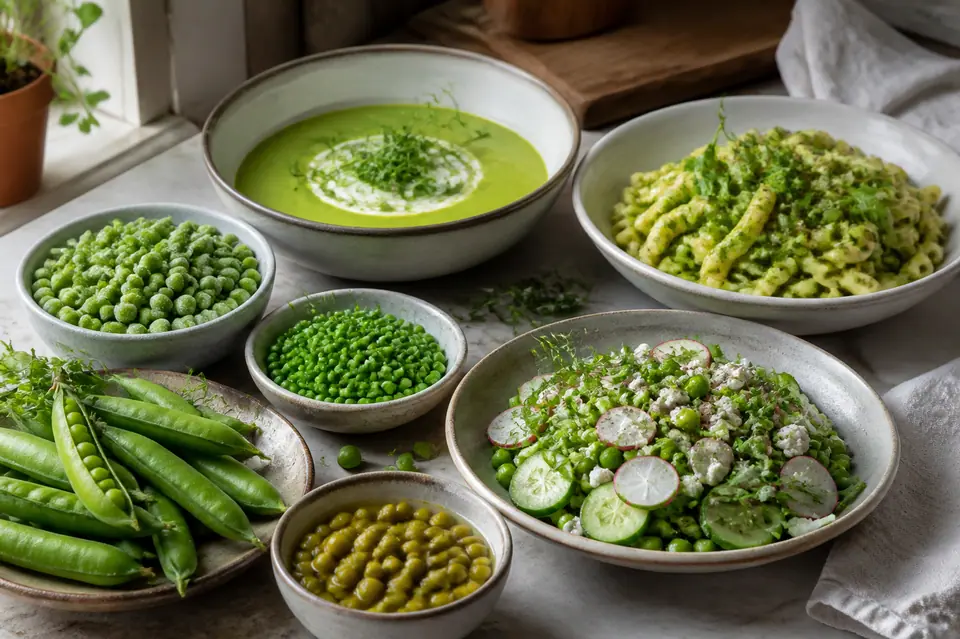
Frozen garden peas are my everyday choice for pasta, petits pois suit a smooth soup and fresh peas earn their place in a raw or barely cooked salad.
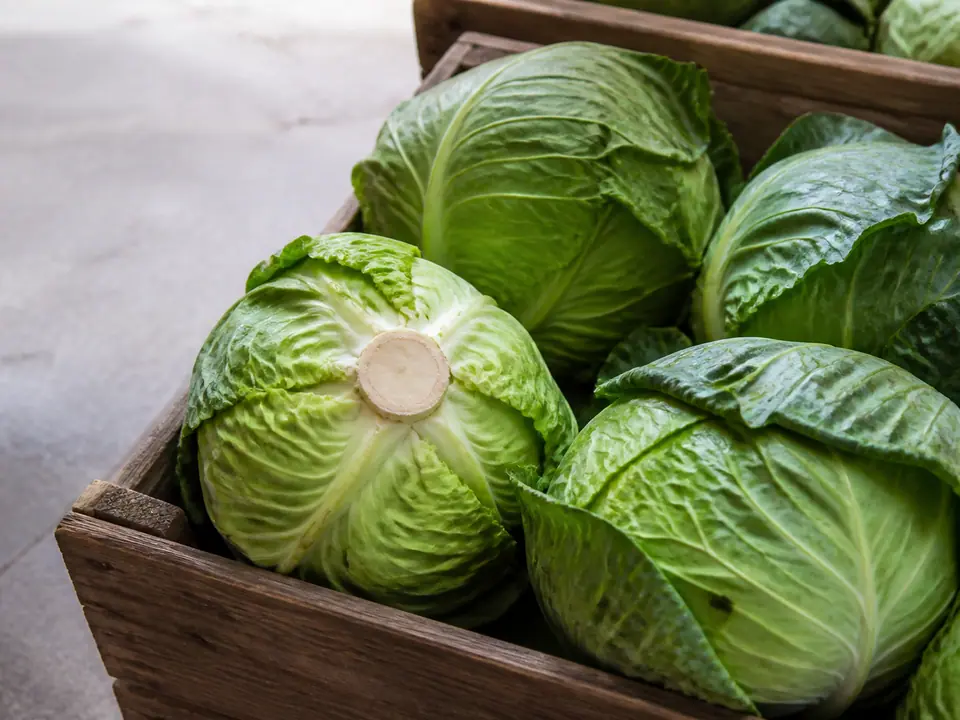
A crisp cabbage feels dense, has tightly packed leaves and a dry cut base. The shop test takes less time than rescuing a wilted half later.
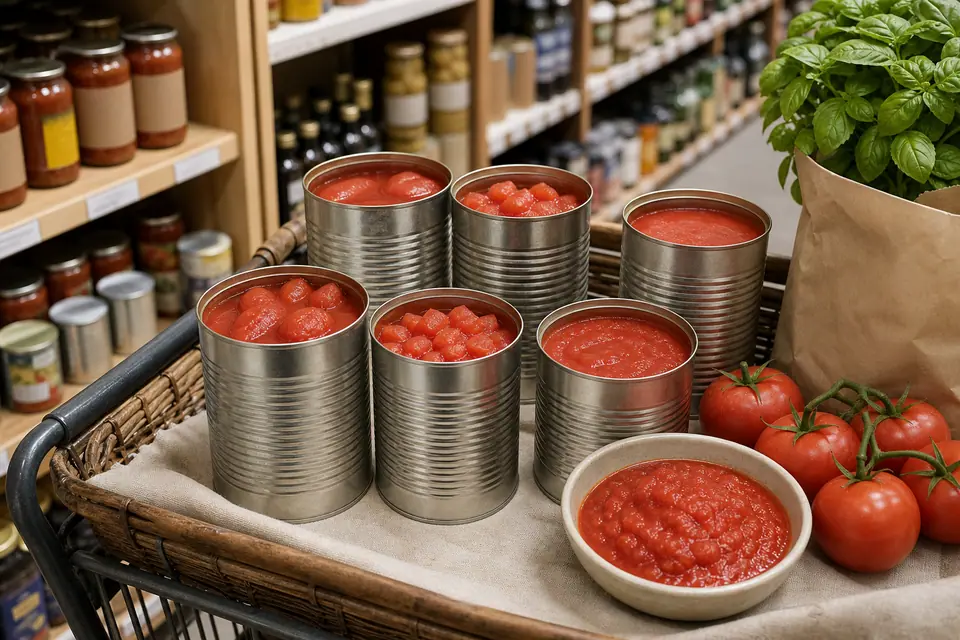
Choose the form for the dish first, then read the ingredient list and salt. The label story matters less than the tomato, the liquid and the price per usable tin.
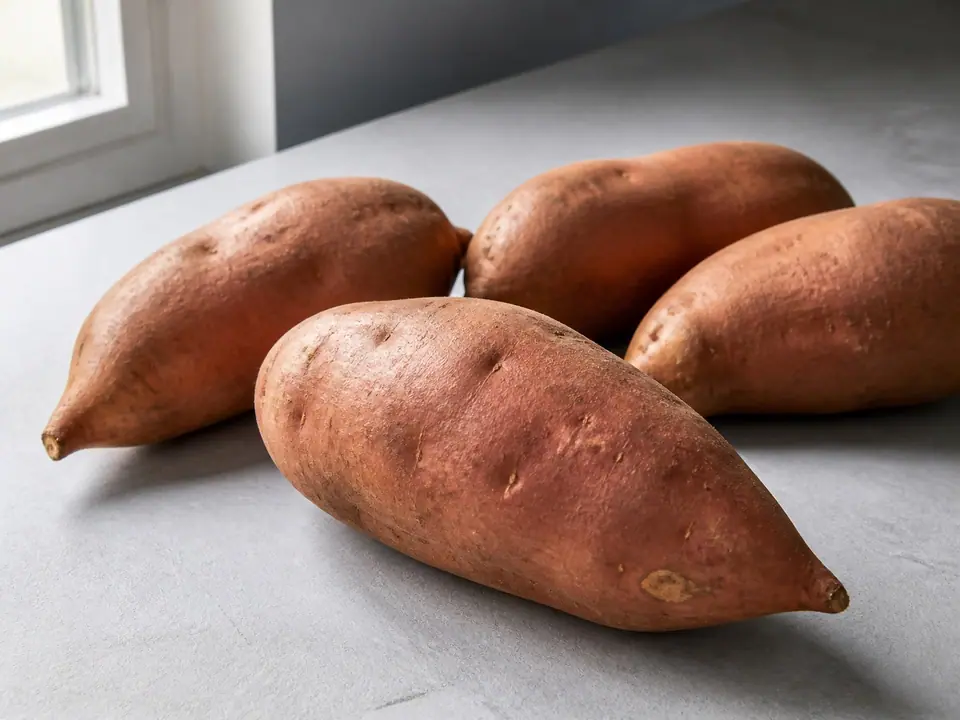
Look for a firm sweet potato with tight skin, a clean stem end and weight that feels substantial for its size. Reject soft patches before they reach the tray.
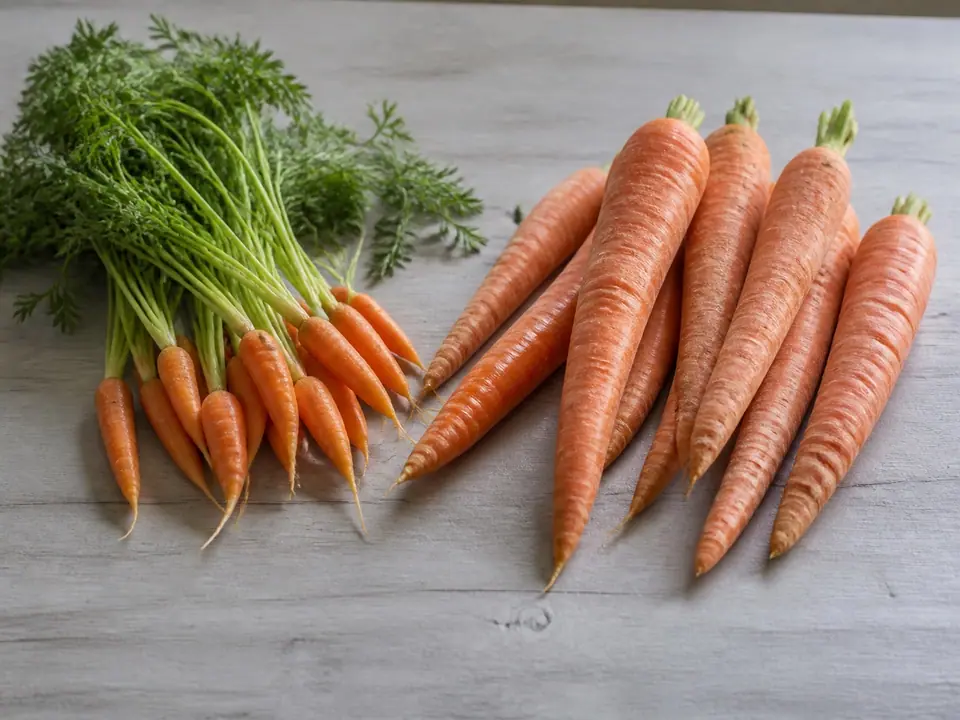
True young carrots are tender and sweet, while supermarket baby carrots are often shaped pieces from larger roots. Full-size carrots give you more control over the cut.
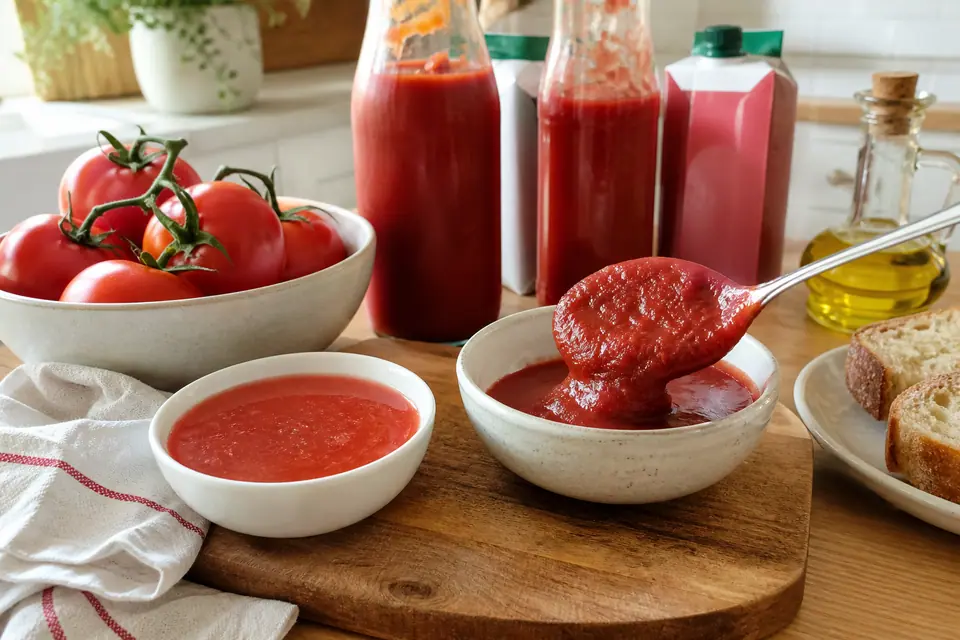
Passata varies from thick puree to pourable tomato water. Check the ingredient list, packaging and texture clues before you pay more for a carton.
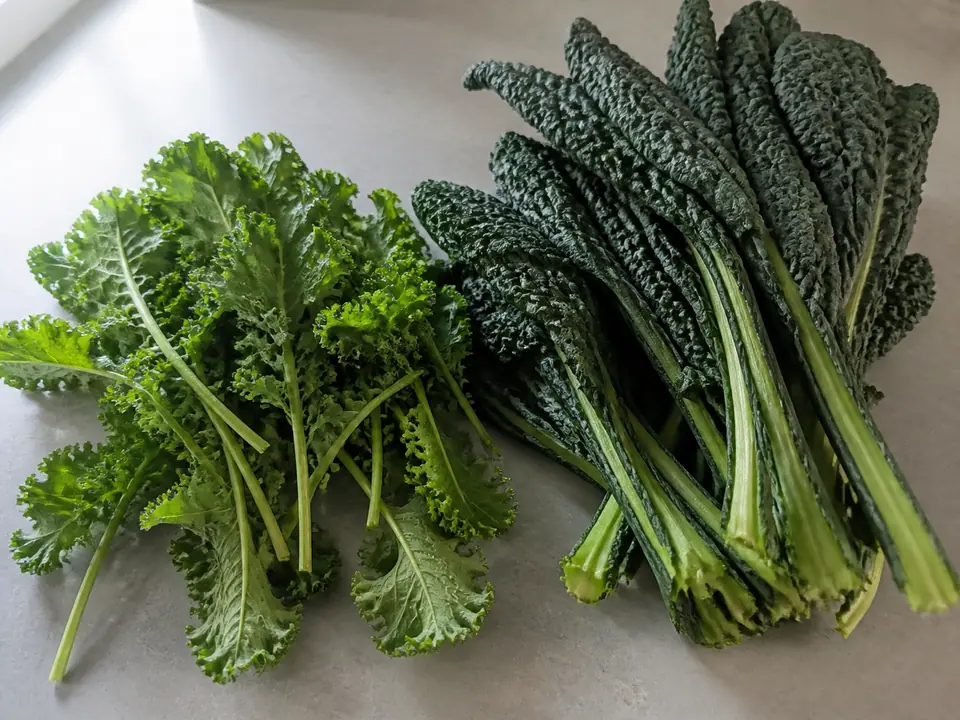
Tender kale has fresh colour, springy leaves and stems that are not thick and woody. Choose smaller leaves for quick cooking and larger ones for soup or roasting.
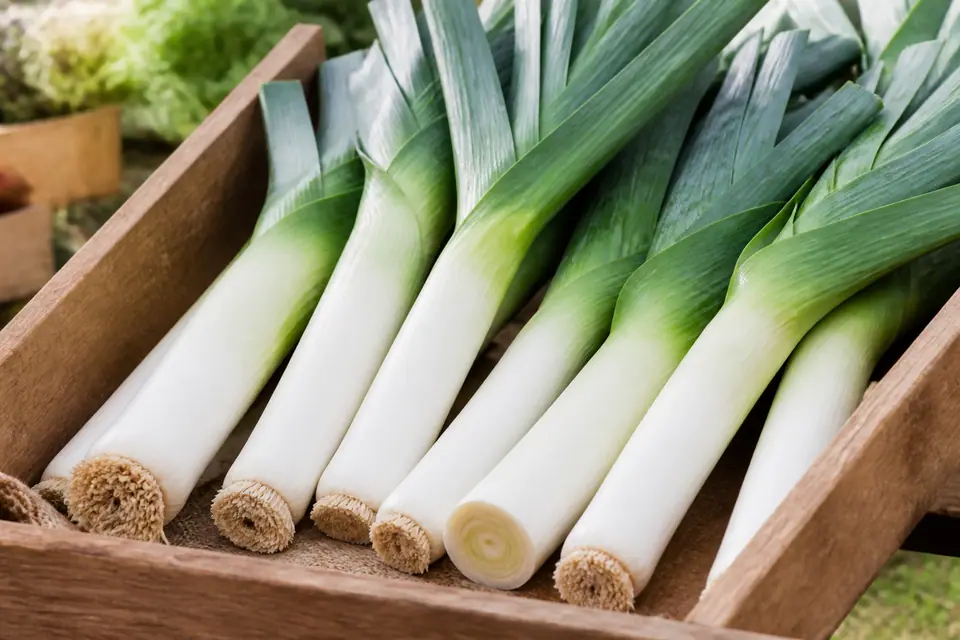
The best leek for dinner is firm and heavy for its size, with a generous white-to-pale-green shaft and crisp leaves rather than a huge green top.
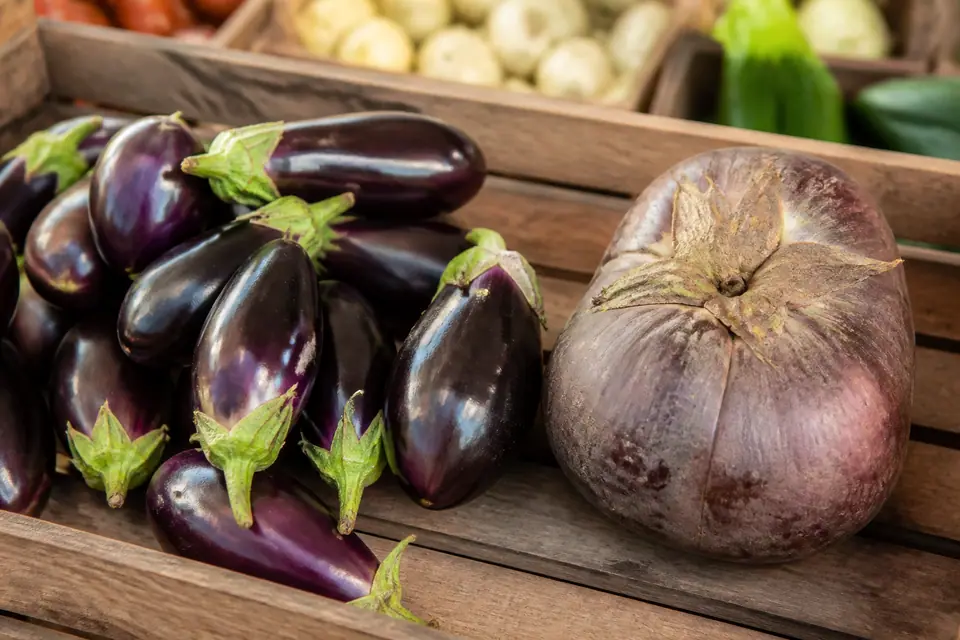
A young aubergine feels dense, has taut skin and a green cap that has not dried out. These checks matter more than choosing the darkest colour.
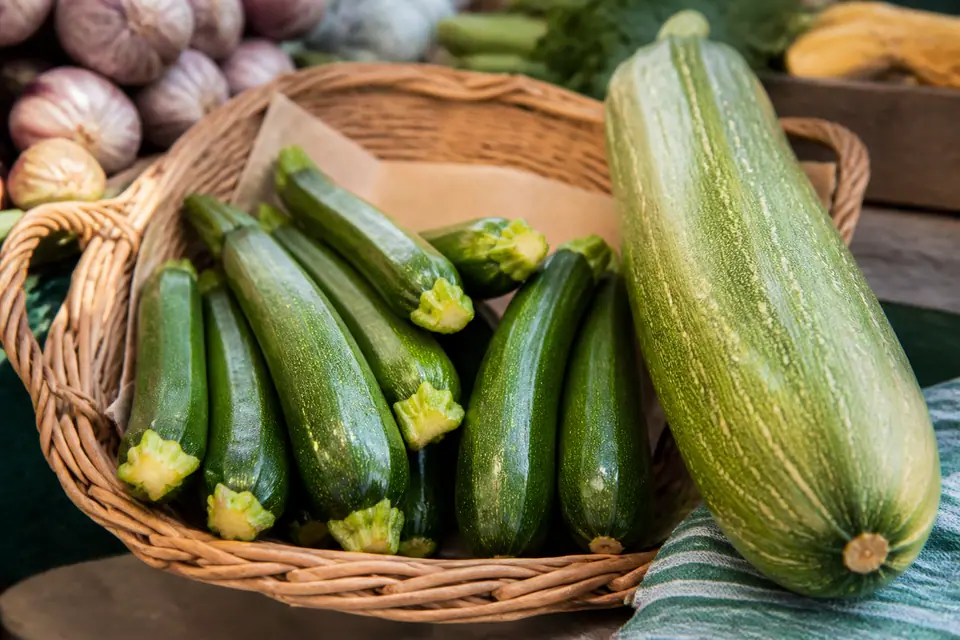
Small courgettes usually have finer seeds and firmer flesh, but size alone is not a guarantee. Weight, stem freshness and skin tension are better checks.
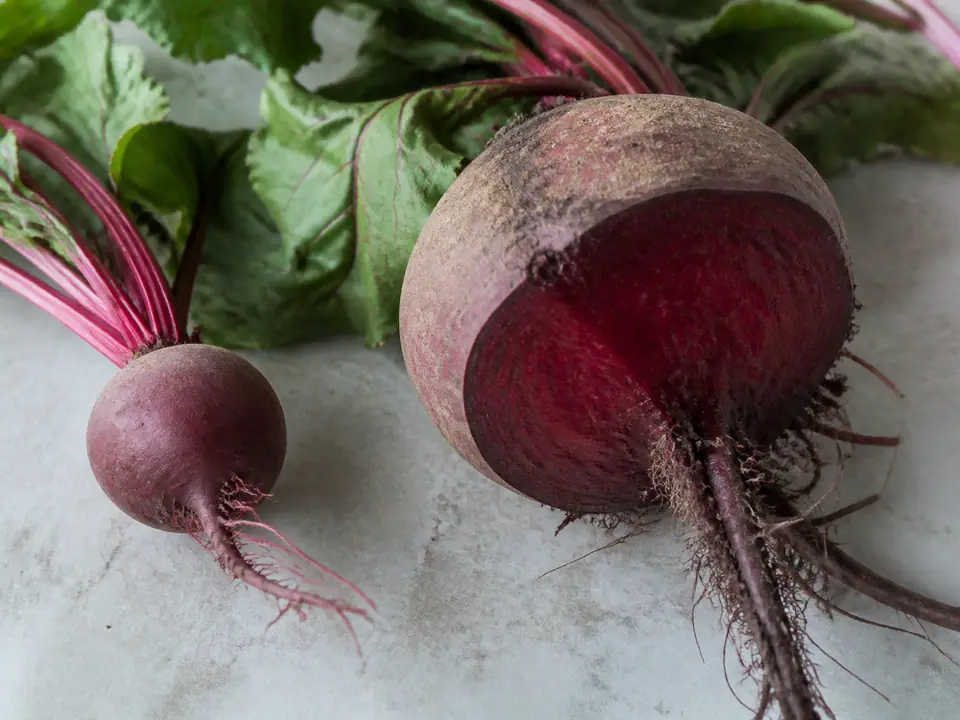
Look for firm beetroot with unbroken skin and a dense feel. Small or medium roots are easier to cook evenly, while very large roots may have a coarser centre.
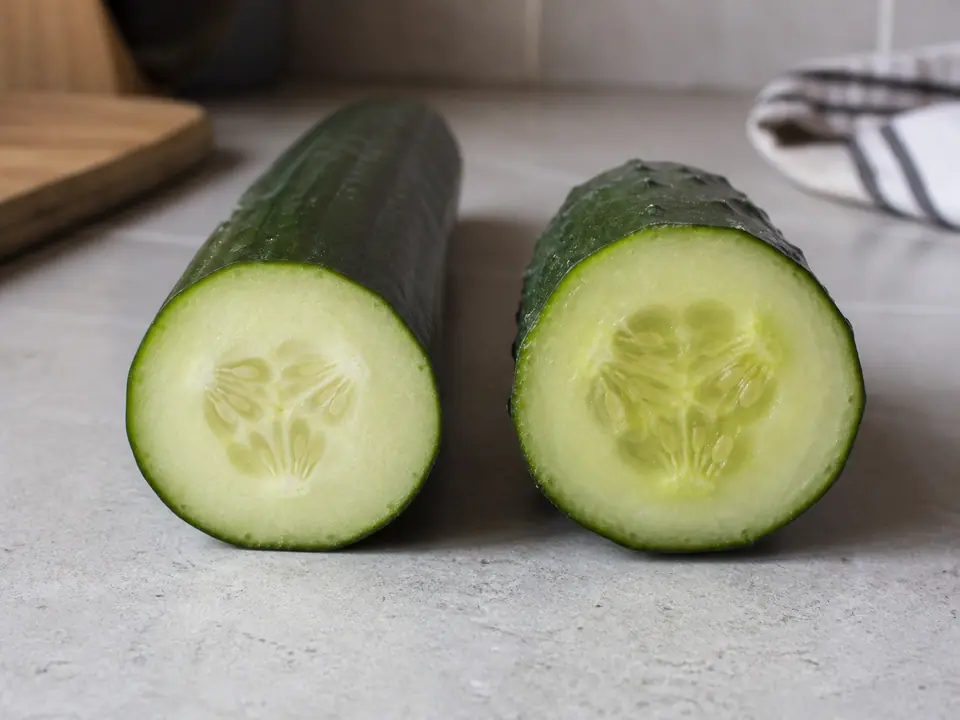
English cucumbers tend to have smaller seeds and a steadier crunch, while salad cucumbers vary more by age. Freshness and firmness still matter most.
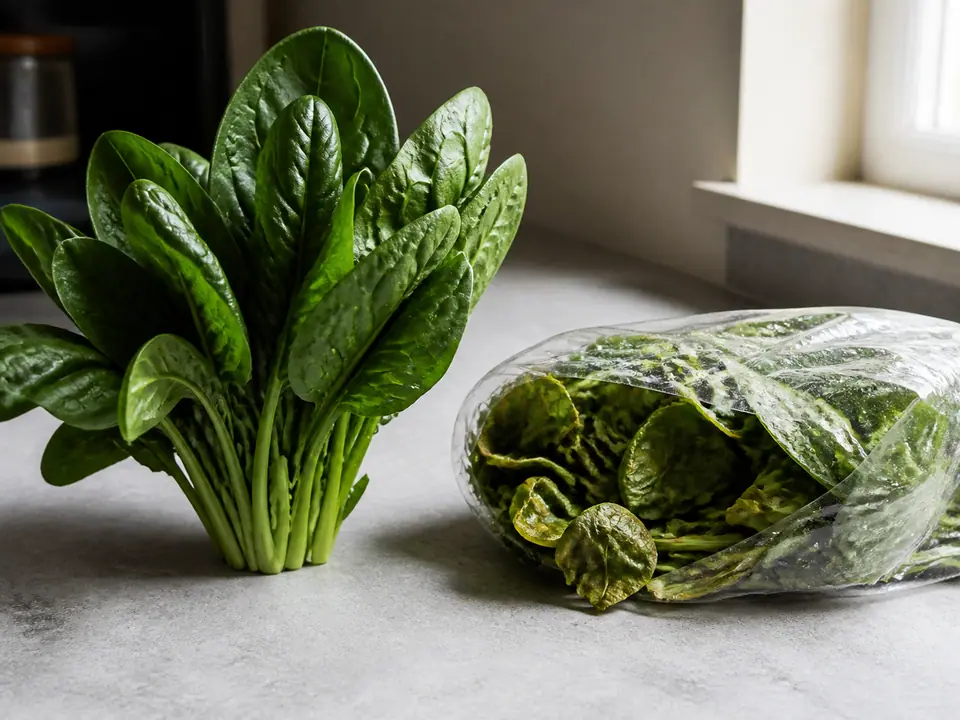
Fresh spinach leaves look green and upright, not yellow, collapsed or wet. Check the centre of the bag, where damage and condensation often hide.
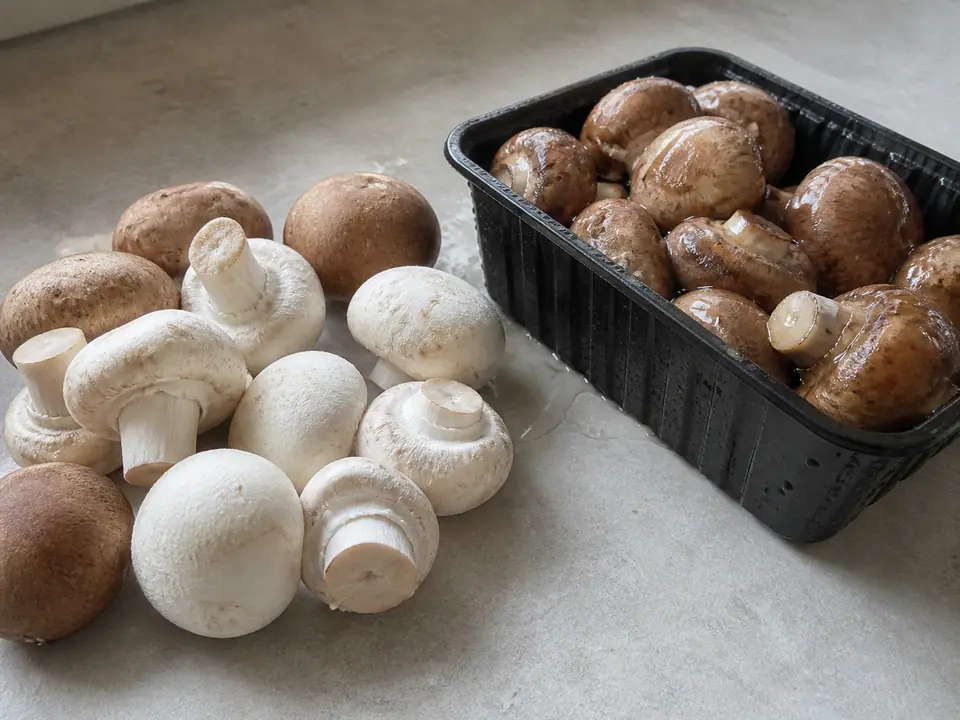
Good mushrooms feel firm, look dry and smell clean. Check the cap, stem and underside, then choose the pack with the least trapped moisture.
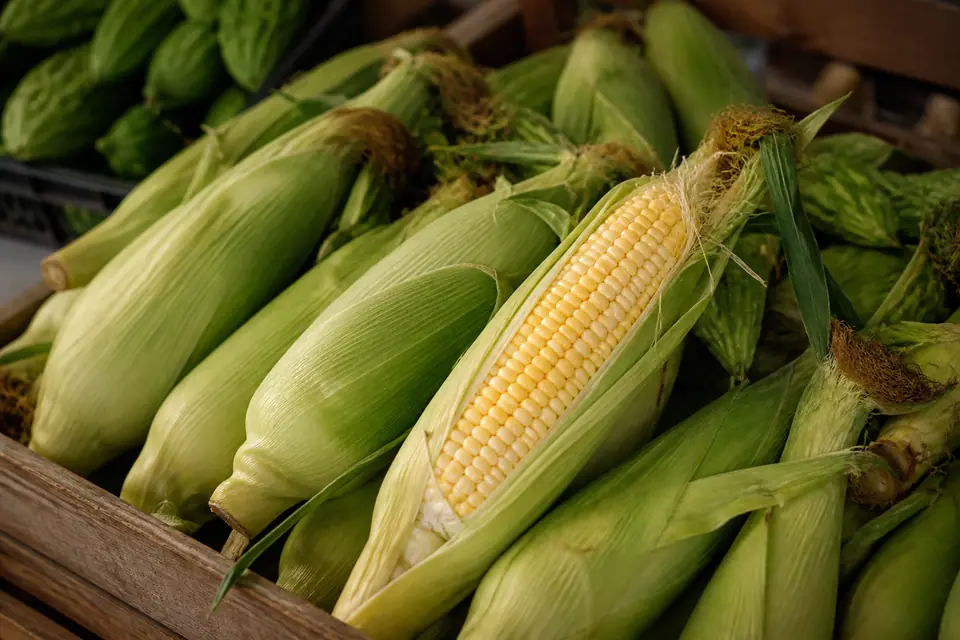
Good sweetcorn feels full, has a green husk and fresh silk, and shows no dry stem or empty tip. Buy the ear that feels juicy, not the one with the loudest colour.
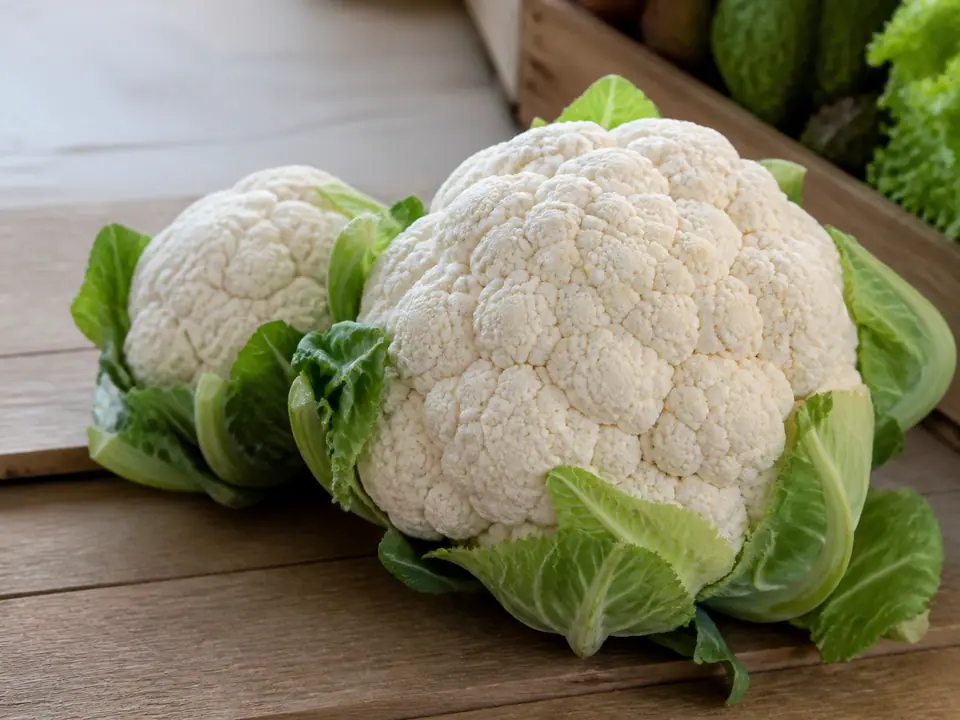
A good cauliflower feels heavy for its size, has a tight white curd and fresh leaves around a dry base. The leaves are the quickest freshness clue.
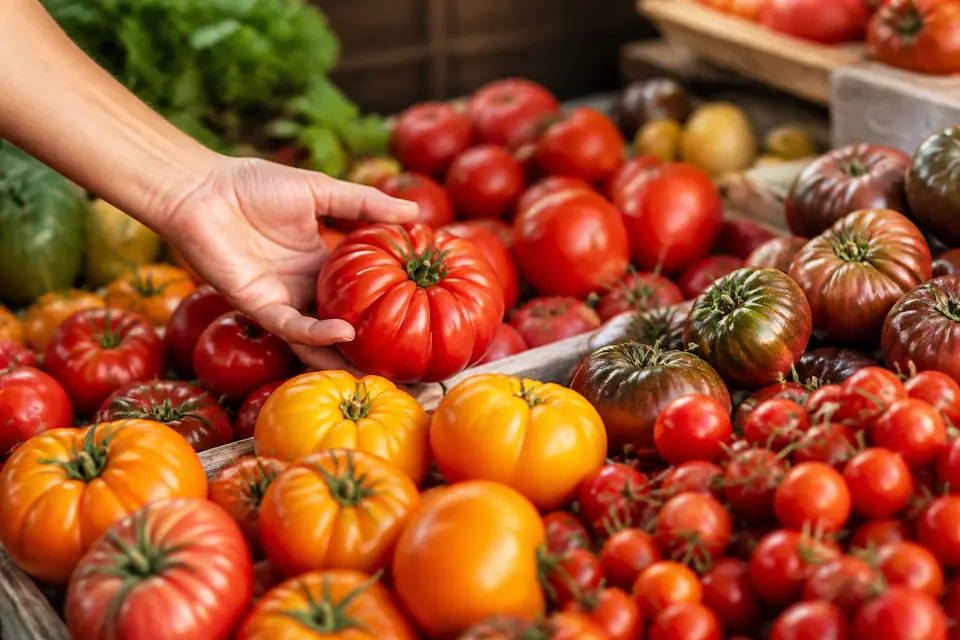
Choose tomatoes with a real stem scent, a little give and weight for their size. Colour helps, but it cannot replace aroma and texture.
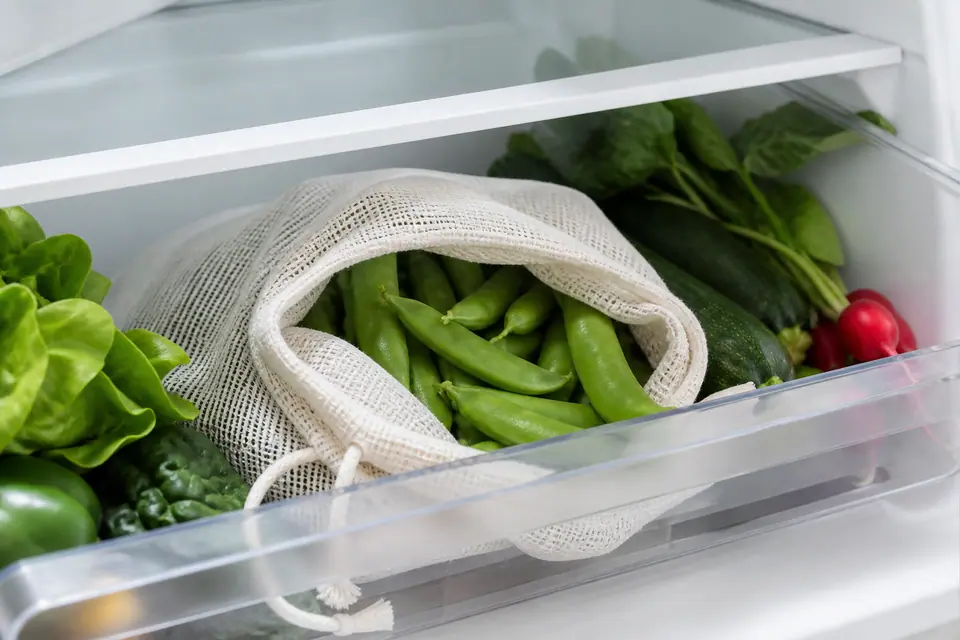
Fresh peas are at their best soon after buying. Keep the pods cold and dry, do not wash them early, and cook them before they lose their sweetness.
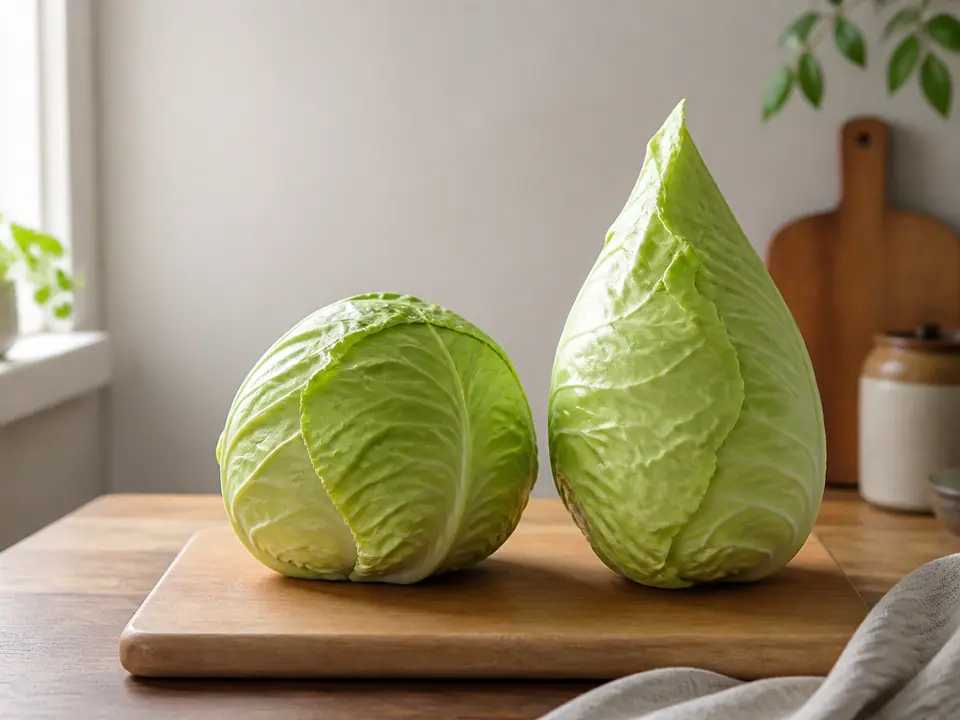
Green cabbage is the sturdier all-rounder. Pointed cabbage is sweeter, quicker to soften and better when dinner needs tender leaves without a long braise.
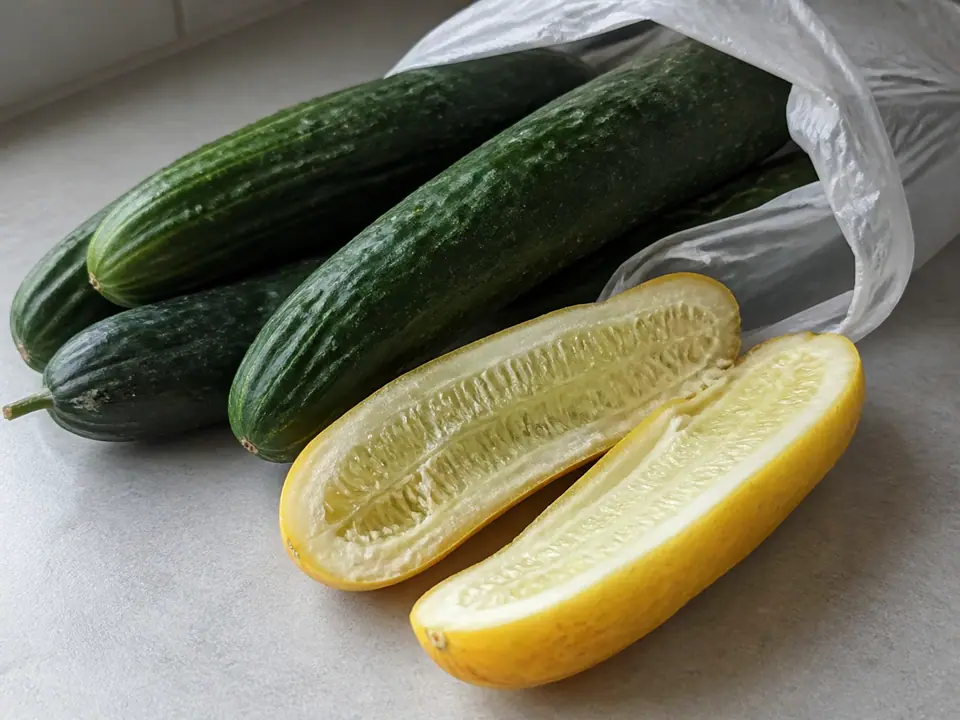
A crisp cucumber feels firm from end to end, has even dark green skin and feels heavy for its size. Reject soft tips, yellowing and sunken wet patches.
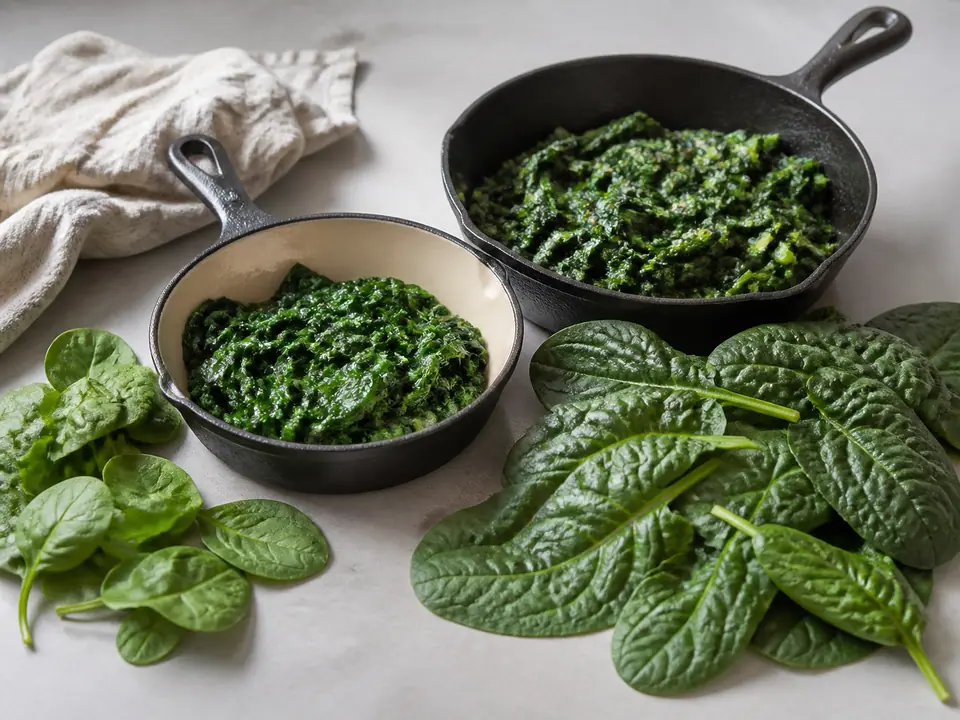
Baby spinach is tender and fast, while mature spinach has stronger stems and more texture. Choose baby leaves for quick wilting and mature leaves for longer cooking.
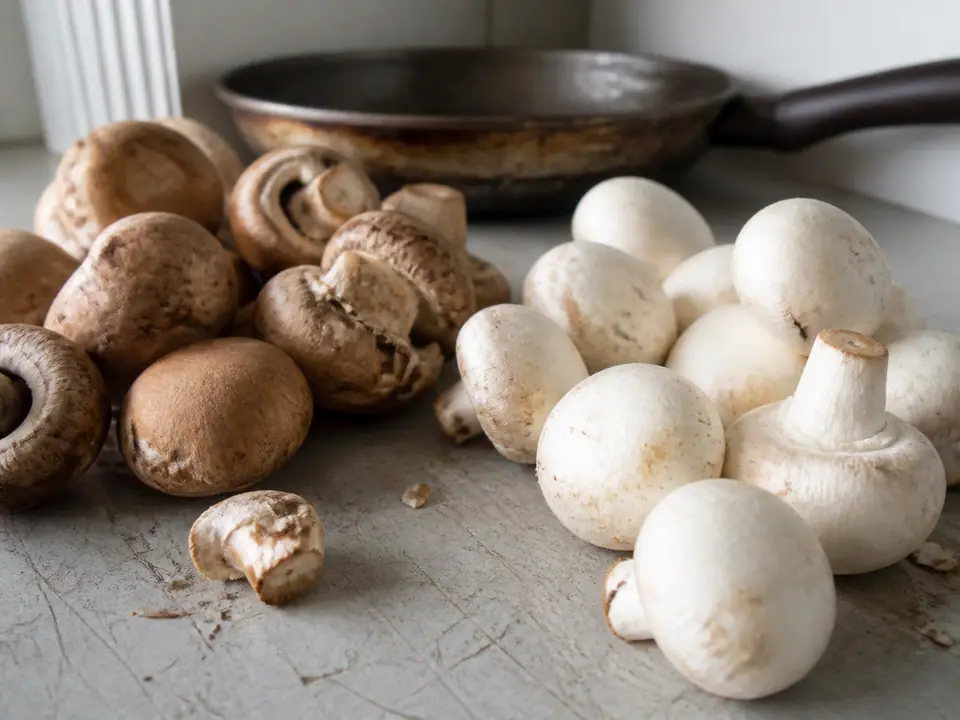
Chestnut mushrooms have a deeper colour and a slightly firmer feel, but both are useful Agaricus mushrooms. The pan, cut and freshness matter more than the name.
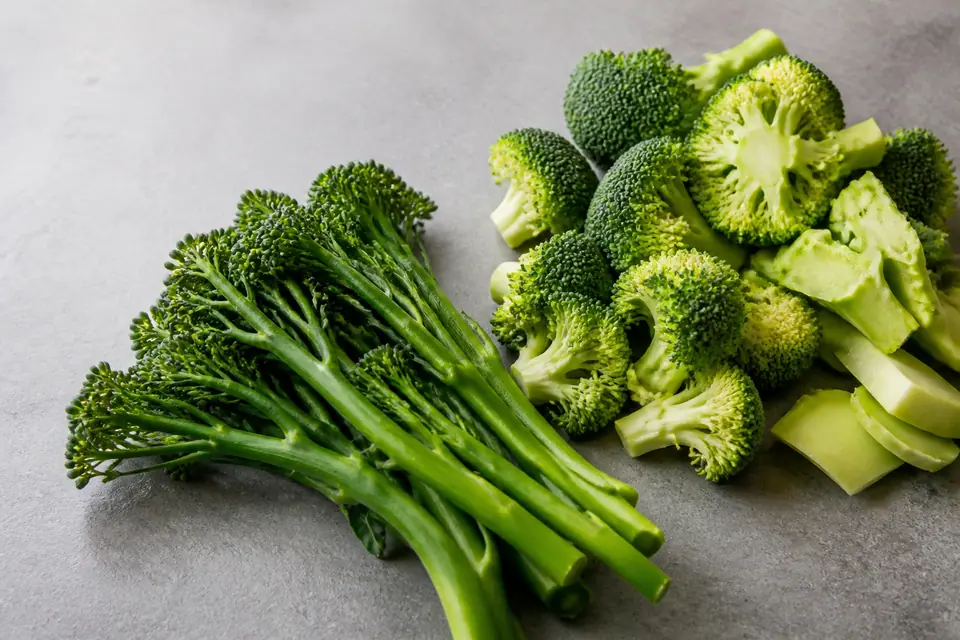
Tenderstem broccoli is not automatically better value. The useful comparison is edible weight, trimming and the kind of dinner you want to put on the table.
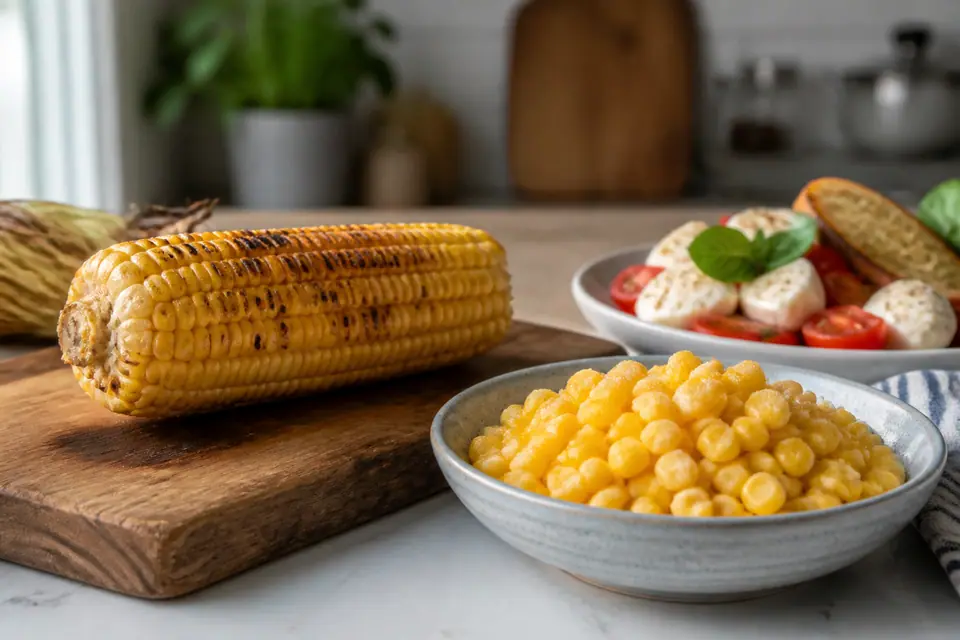
A freshly picked ear is hard to beat. For supermarket corn that has travelled or waited, frozen sweetcorn often has more sweetness and a cleaner bite.
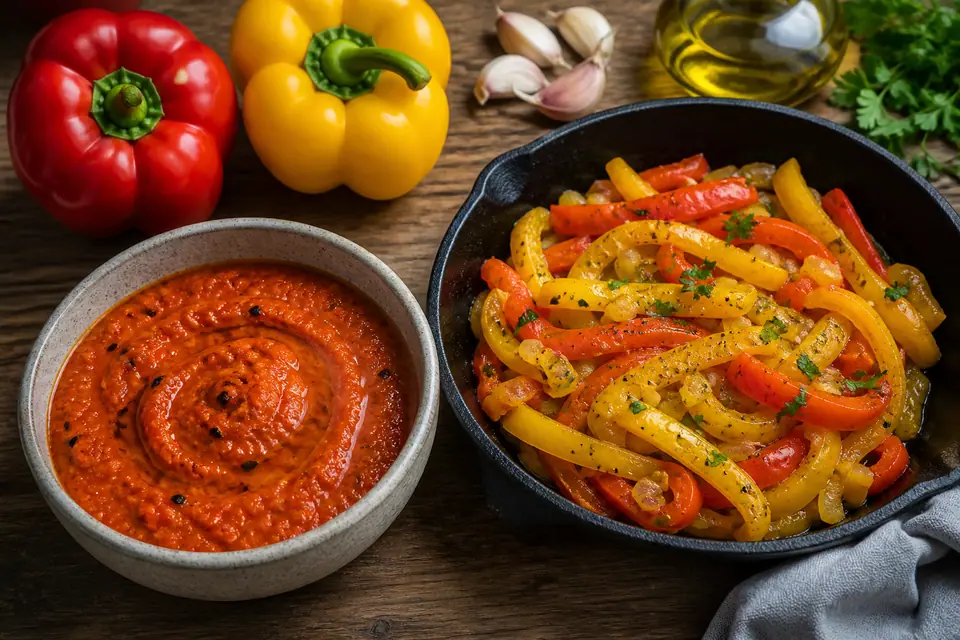
Red bell peppers are usually sweeter and softer, while yellow peppers keep a brighter colour and a fresher bite. Choose by the finish you want.
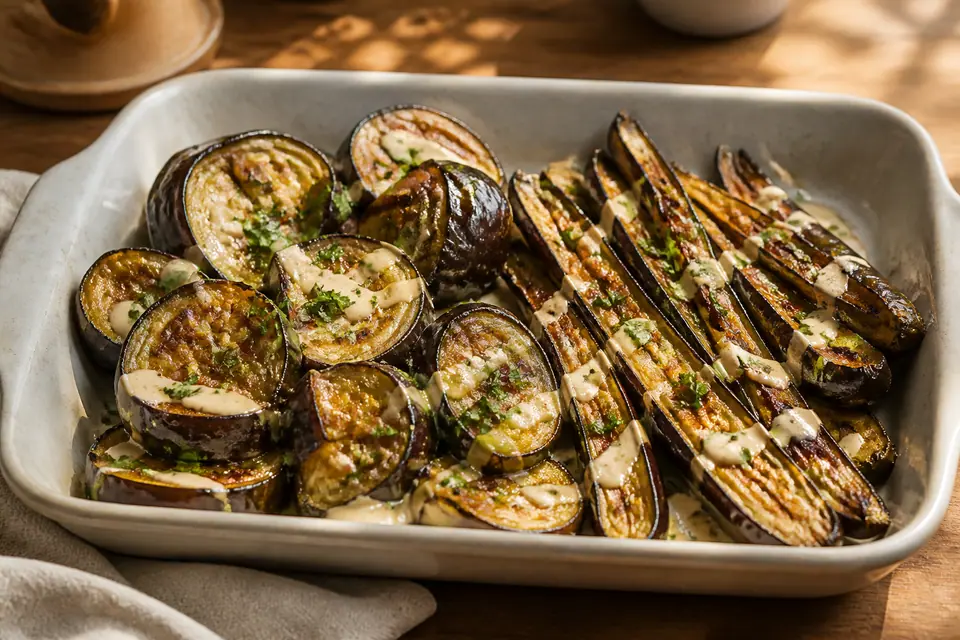
Long aubergines roast with more browned surface and fewer large seeds, while globe aubergines give thick soft flesh for halves and stuffing.
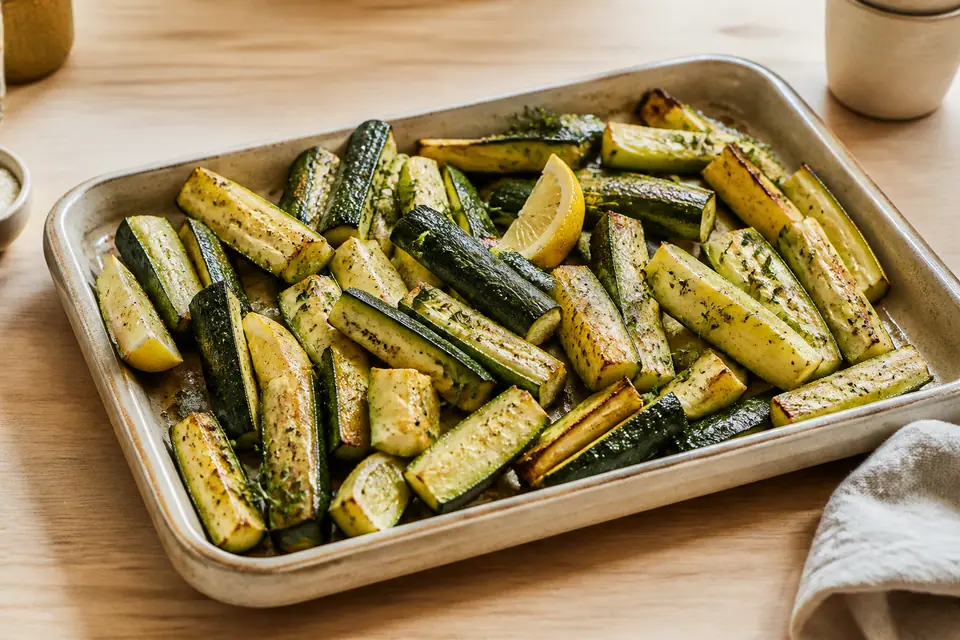
Courgette is the British name for zucchini. The useful difference is not the label but the variety, size and moisture inside the skin.
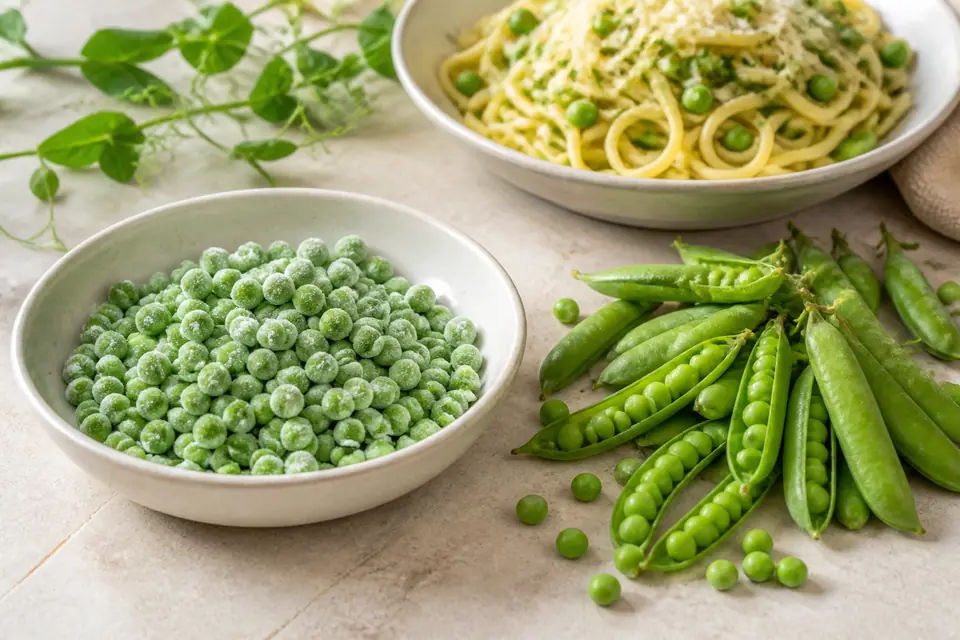
Fresh peas win when they are picked and eaten quickly. For an ordinary supermarket shop, frozen peas are usually sweeter, greener and less starchy.