Choose the apple by the bite you want after the knife and the heat
Firm sweet apples suit salads, sharper apples suit porridge and a mixed firm-sharp selection gives pie filling both shape and sauce.

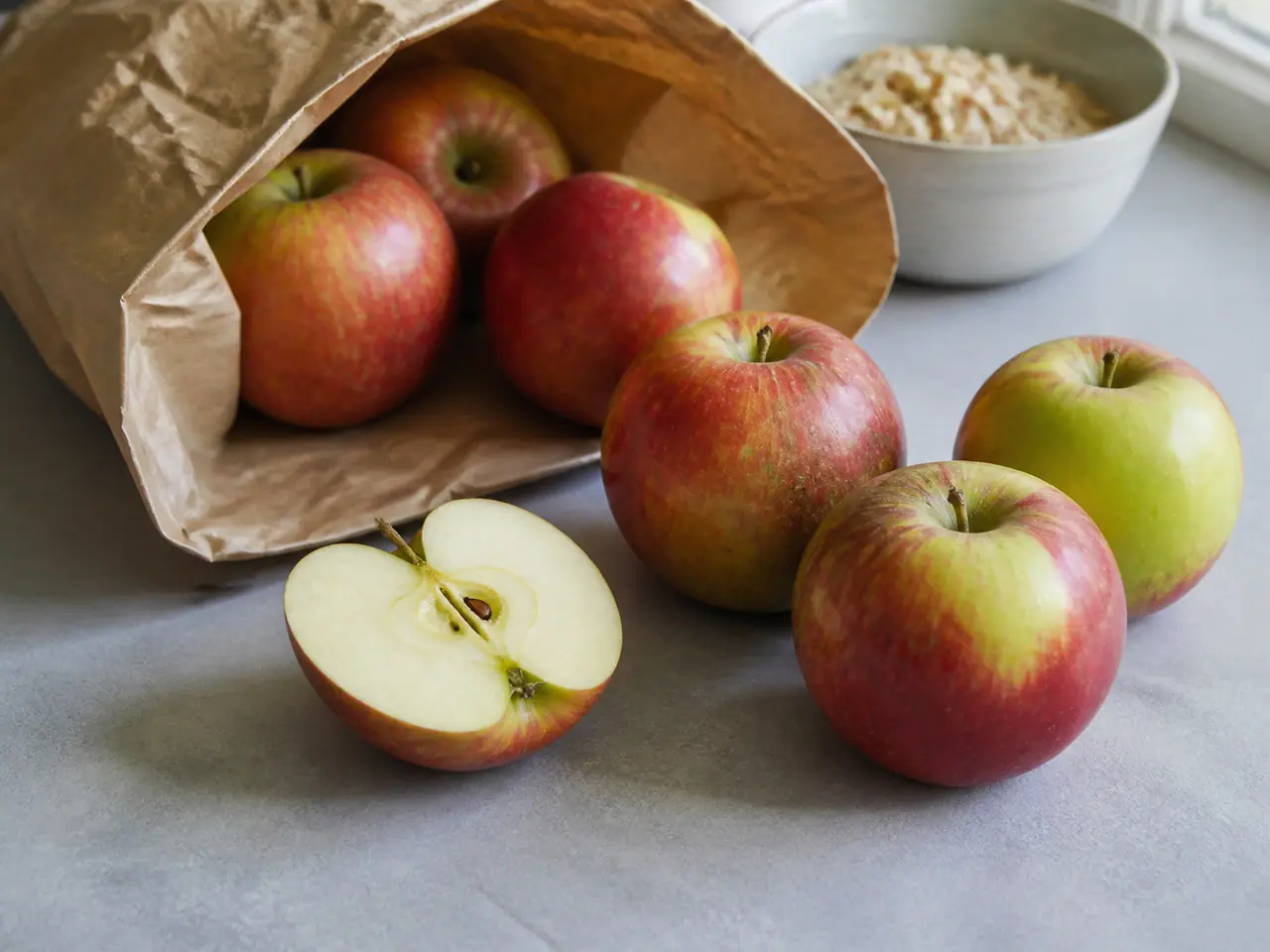
The best apple depends on what happens after you buy it. A crisp sweet apple is excellent raw but can stay too firm in a pie. A sharp cooking apple can make porridge lively but overwhelm a salad. I choose by the final bite, not by the prettiest skin.
At the shop I check firmness, weight, skin damage and smell. At home I cut one apple before committing the batch. A single slice tells me whether to keep it raw, add sugar, mix it with a sweeter fruit or send it into a longer cook.
For pie, buy a mixed team
A firm apple gives the filling shape while a sharper softer apple breaks down into sauce. Using both makes a pie easier to slice and less likely to taste flat.
If buying one variety, choose a firm apple that is not bland. Add lemon or a little sugar after tasting the first slice.
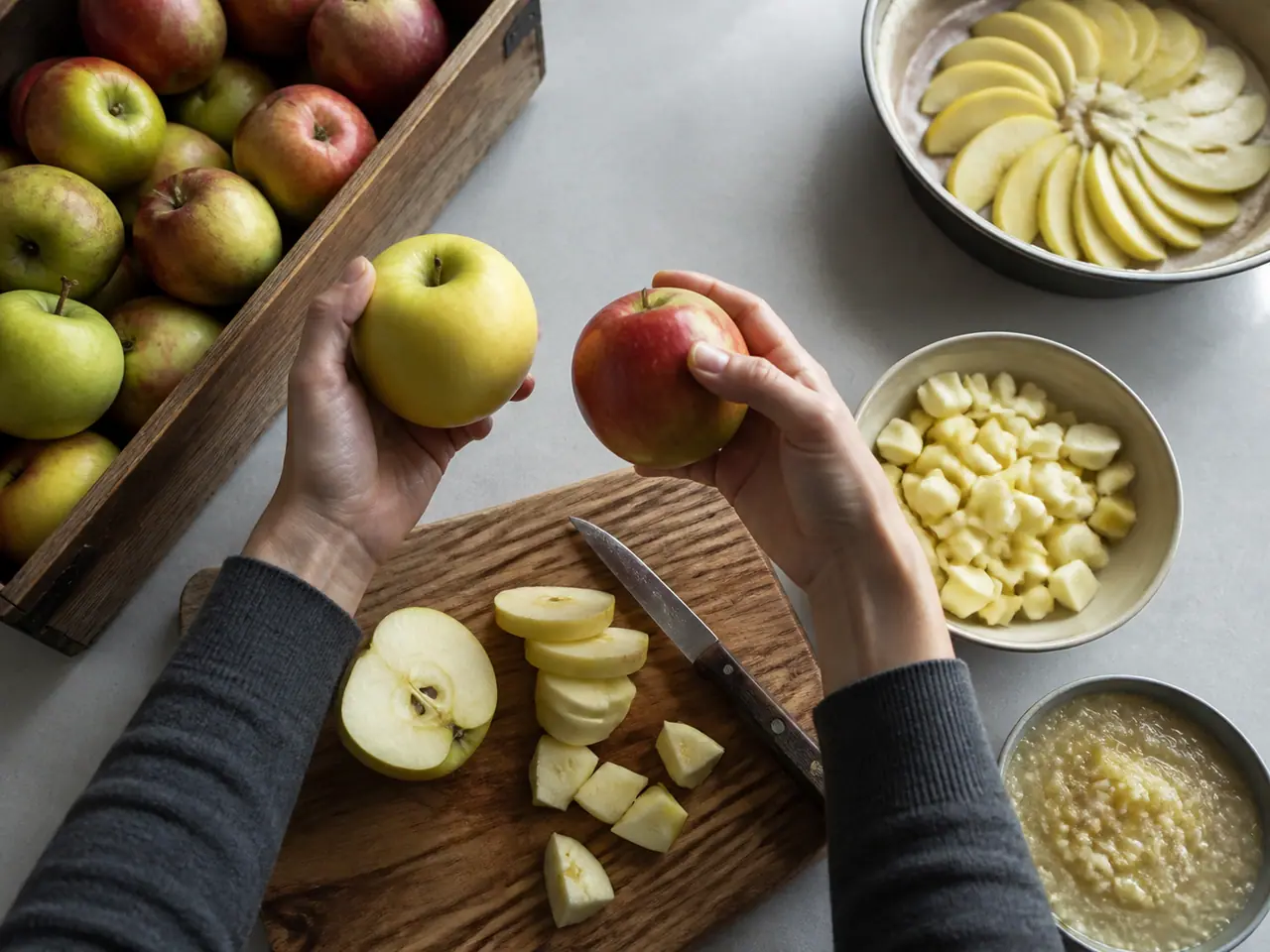
For porridge, choose contrast
Oats welcome a sharp apple because the grain and milk soften the edge. A sweet apple can work too, but it may need cinnamon, salt or yogurt to stop the bowl tasting one-note.
Grate the apple for a quick finish or dice it for pieces that soften in the pot. Keep some raw slices for freshness if the porridge is rich.
I keep one piece aside so I can compare it with the next batch.
For salad, firmness wins
Choose apples that feel dense and crisp, with unbroken skin and no soft shoulder. A sweet-tart bite holds up beside leaves, cheese, nuts and a sharp dressing.
Cut the apple last and toss it with lemon if the salad will wait. Thin slices expose more surface and brown sooner than thick wedges.
The clock helps, but the surface gives the better signal.
Check skin and weight
Small scuffs are cosmetic. Bruises, soft pockets and wet cracks are the clues that shorten a batch’s life. Pick up two similar apples and choose the heavier sound one.
A shiny skin can be natural or polished. Firmness and the cut face tell me more than shine.
That small pause saves more food than a rescue at the end.
Smell the stem and base
A clean fresh apple smells mild and fruity. A fermented or musty smell is a reason to move on, even if the skin looks bright.
The stem end can be dry without being a problem. I look for a soft dark ring or leaking juice before rejecting it.
The next step works better when the excess moisture has somewhere to go.
Make one cut at home
The flesh should match the use: crisp for salad, aromatic and balanced for porridge, and firm enough to slice for pie. If the apple is too soft, change its job rather than forcing it.
I keep a sweet apple for raw eating and use a sharp one in a cooked dish. Shopping is the first stage of the recipe.
I keep one piece aside so I can compare it with the next batch.
I take the shopping clue home and check it against the cut surface. The knife should confirm the hand test: firm flesh, a clean smell and no wet pocket hiding inside. If the first piece is sound but not as crisp or sweet as I wanted, I change the recipe to suit it. A raw salad can become a cooked side; a neat slice can become soup, sauce or a tray.
The best value is not always the lowest price per kilo. I divide the price by the part I will actually use and by the number of meals the ingredient can carry. A smaller sound apples that gets cooked in time beats a large discounted one that loses half its weight to trimming or decay. That calculation matters when a display makes abundance look like a bargain.
At the counter I avoid judging quality from one dramatic specimen. I compare two or three pieces in the same display and look for the shared pattern: even colour, firm structure, clean ends and no trapped liquid. Once home, I keep the strongest pieces for the dish where texture matters and send the less handsome but sound pieces to a longer cook.
A good purchase is one that fits the meal you can actually cook. Before paying, imagine the first use, the storage space and the day when the ingredient will be at its best. Choose the soundest piece rather than the most dramatic one, and do not let a low price persuade you to buy more than your week can use. At home, make the first inspection part of unpacking. Separate the pieces by firmness, keep the fragile ones visible and change the recipe when the cut surface tells you to. That is how shopping becomes less wasteful and more precise.
For the quality and storage details behind my kitchen observations, I use the UC Davis apple produce fact sheet alongside the timed test described above.
The practical verdict
Choose apples by the texture after cooking: firm sweet fruit for salad, sharp fruit for porridge and a mixed selection for pie.
The best shop test is simple: lift it, press it gently, smell it and cut one at home before deciding the rest of the batch.
Questions
What are the best apples for pie?
Which apples are best for salad?
Can eating apples go in porridge?
How can I tell if an apple is fresh?
More guides
All guides →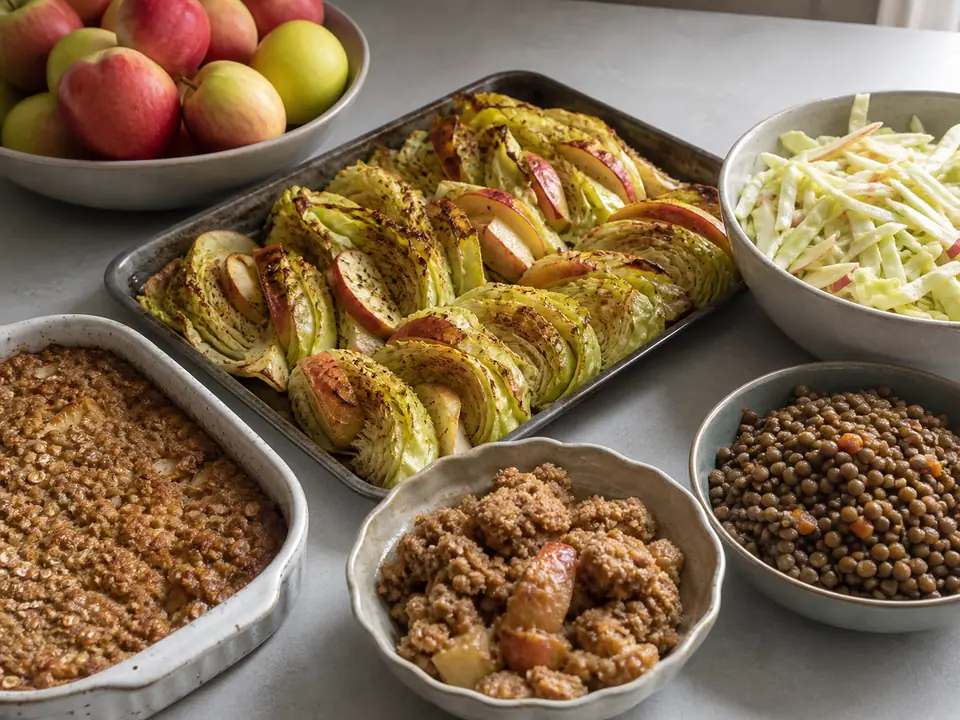
5 dinners and bakes for an apple glut
A glut of apples can become a savoury tray, slaw, lentil curry, baked oats or crumble. Use firm fruit raw and softer apples in sauce or baking.

Cauliflower vs broccoli: which roasts better?
Cauliflower gives a more even roast and creamy centre. Broccoli browns faster and has better crisp tips, so the winner depends on the texture you want.

How to choose carrots that are crisp, not rubbery
Firm carrots with a fresh stem end and smooth, unbroken skin are more likely to stay crisp. Rubberiness means water has already left the root.