The stem and the snap tell you more than a shiny bag
Firm carrots with a fresh stem end and smooth, unbroken skin are more likely to stay crisp. Rubberiness means water has already left the root.

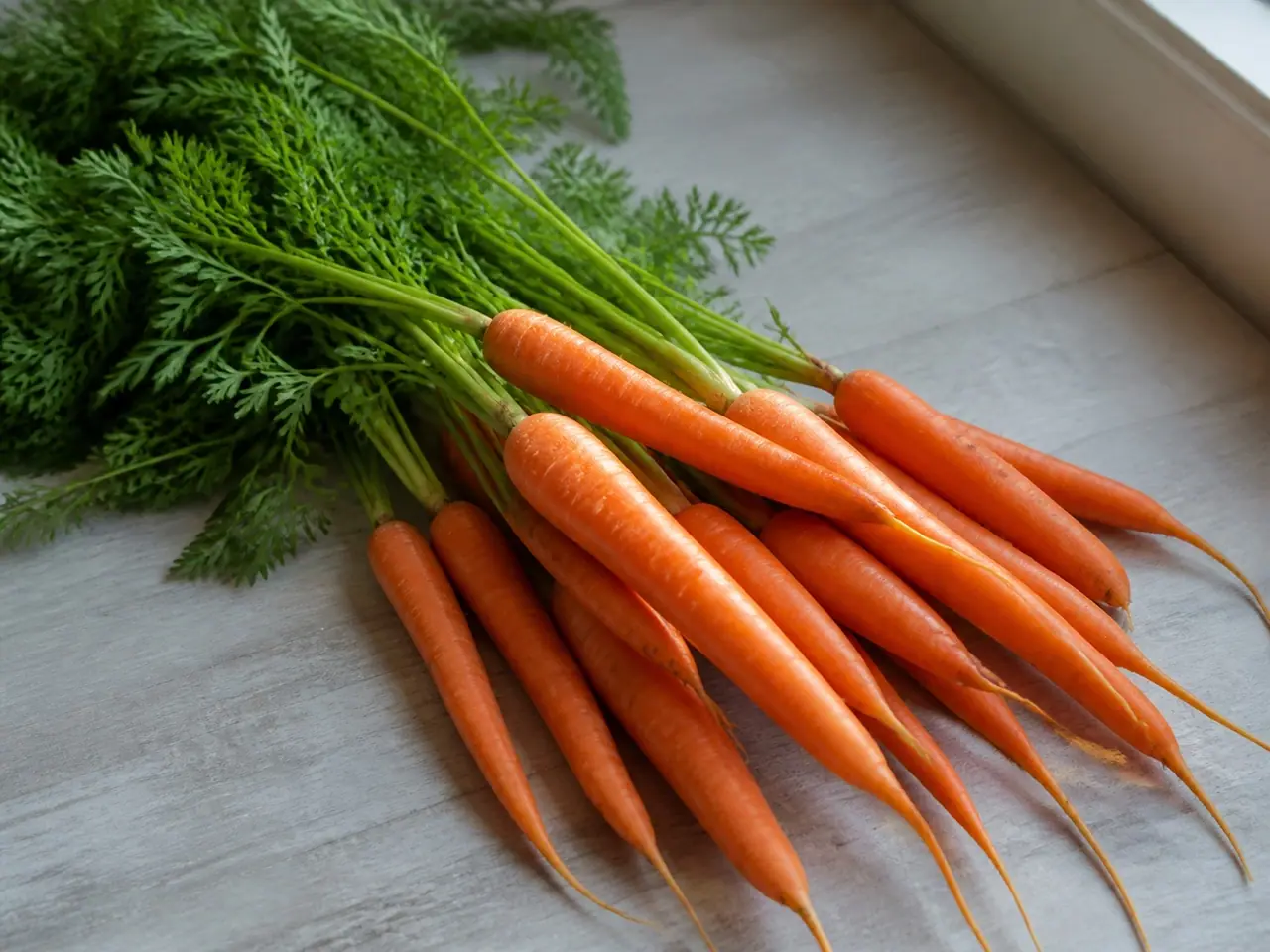
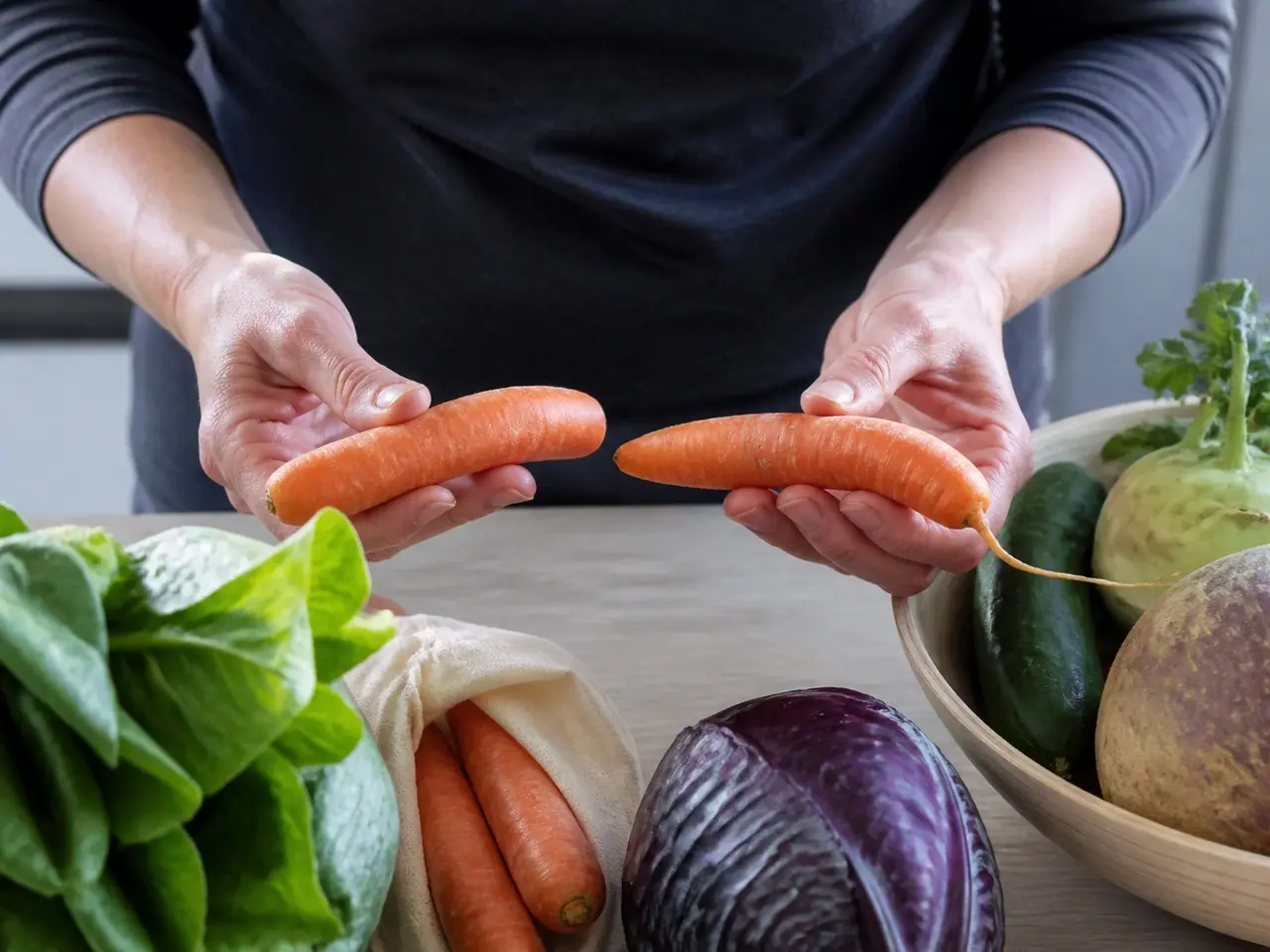
A crisp carrot feels firm from tip to shoulder and snaps cleanly when cut. A rubbery carrot bends because it has lost water, usually during a long stretch of warm or dry storage. It may still be useful in soup, but it will not bring clean crunch to a salad.
At the shop I check the stem end, weight and skin. Green tops are a good sign on bunched carrots, though a bag without tops can still be fresh. The root should feel dense, not hollow or flexible.
I check that detail before adding more heat, oil or seasoning.
Feel the whole root
Run your fingers along the carrot and press lightly near the shoulder, middle and tip. A fresh root gives steady resistance. Avoid one soft band in the middle; bruising can hide under a smooth surface.
Do not demand absolute straightness. Crooked carrots can be crisp and sweet. Shape is a cooking convenience, not a freshness test.
I check that detail before adding more heat, oil or seasoning.
Look at the stem end
On bunched carrots, the green tops should look fresh rather than collapsed and yellow. The leaves pull water from the root, so a tired top often means the carrot has been sitting for a while.
A bagged carrot has no top to read, so inspect the cut shoulder. A little pale dryness is normal, but a dark, soft or wet ring is a reason to choose another bag.
The clock helps, but the surface gives the better signal.
Use weight as evidence
Pick up two carrots of similar length. The heavier one is usually the better bet for a crisp bite because it has retained more water. A light carrot may be old even if the skin is smooth.
Weight cannot tell you everything. A heavy carrot with a bruise can still disappoint. Combine the clues: dense feel, clean skin and a firm shoulder.
I keep one piece aside so I can compare it with the next batch.
Choose by the meal
For raw ribbons or sticks, buy small to medium carrots that feel hard and fresh. For roasting, a larger root is fine if the core is not woody. For soup, bendy carrots can be rescued.
A mixed bag is good when the plan is flexible. If dinner depends on matching pieces, choose roots with similar thickness.
That small pause saves more food than a rescue at the end.
Revive what you already bought
A slightly bendy carrot can regain some firmness in cold water. Trim the ends, place the roots in cold water and refrigerate for a few hours. Dry them well before cutting.
Do not revive a carrot that is slimy, mouldy or sour-smelling. Water can make a bad root look cleaner while leaving the problem underneath.
The next step works better when the excess moisture has somewhere to go.
Know when to stop saving it
A dry end can be trimmed from an otherwise firm carrot. A soft band can be cut away if the rest smells fresh. The bin is right for roots that are wet, slimy or mouldy through the centre.
Cooking can soften a sound bendy carrot, but it cannot make spoiled food safe. Inspect after trimming instead of hiding the problem in a sauce.
The result should look ordinary and feel deliberate, not overworked.
At home, the knife gives the final answer. A crisp root cuts with a clean snap and leaves a fresh smell on the board. A rubbery but sound root bends and cuts quietly. I move the first kind to salads and lunchboxes, and the second to soup or a tray where tenderness matters more than crunch.
Root vegetables reward a small check before the main work. I look at one piece, one cut face or one stored end and let that evidence choose the next step. A firm centre deserves a hot tray; a soft one belongs in soup or mash. A dry cupboard suits a whole root; a covered container suits a cut one. That habit keeps the method honest and saves me from adding more heat, water or seasoning to a problem that started with the ingredient itself.
The short answer
Choose carrots that are firm, dense and dry-skinned, with a fresh stem end or a clean cut shoulder. Rubberiness is a storage clue.
When a bendy carrot is otherwise sound, cold water can bring back some snap. When it is wet, slimy or sour, discard it.
Questions
How do I choose crisp carrots?
Why do carrots become rubbery?
Can rubbery carrots become crisp again?
Are small carrots sweeter?
More guides
All guides →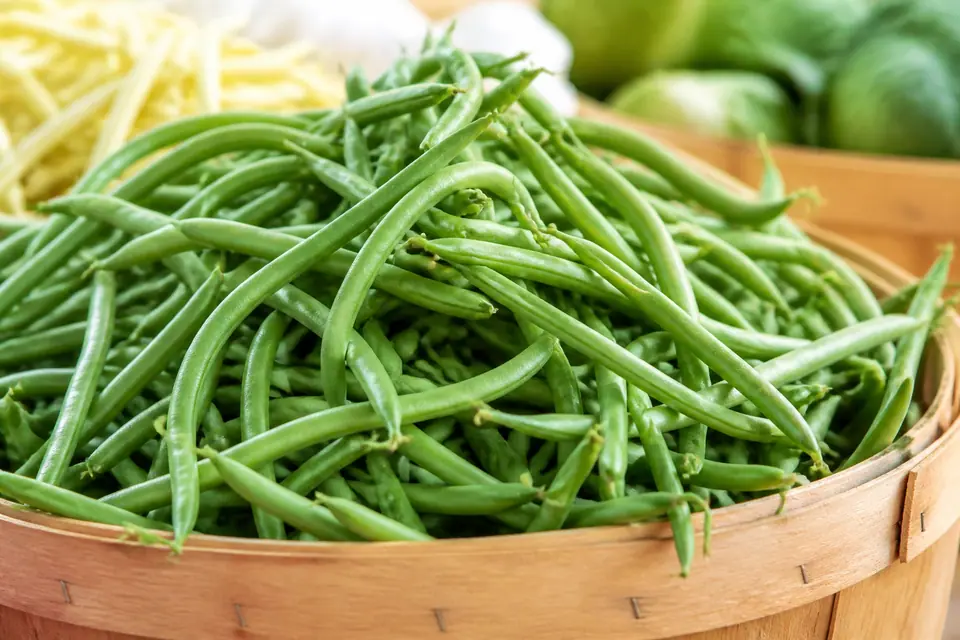
How to choose green beans that still snap
Fresh green beans are smooth, bright and firm, with a clean snap and no swollen seed bumps. A flexible limp pod is usually a thirsty older pod, not a tender one.

5 dinners for a bag of carrots
Roast carrots with beans, blend them into lentil soup, fry them with rice, fold them through pasta or build a spiced traybake around them.

Cauliflower vs broccoli: which roasts better?
Cauliflower gives a more even roast and creamy centre. Broccoli browns faster and has better crisp tips, so the winner depends on the texture you want.