Dinner ideas
5 summer dinners for green beans
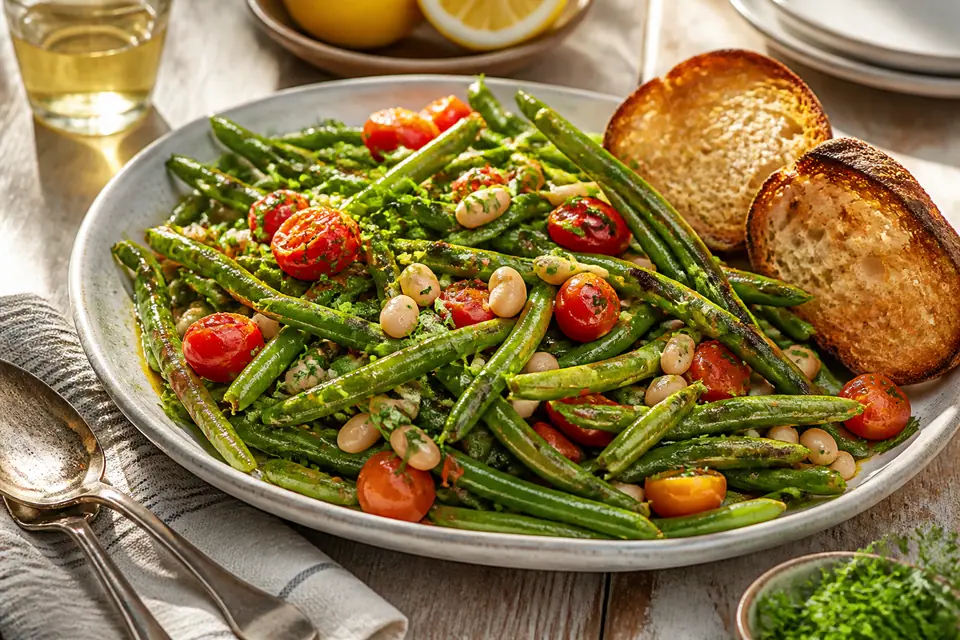
Use green beans as the vegetable that carries dinner: blister them with tomatoes, fold them through noodles, pair them with eggs or build a warm white-bean skillet.
30 pages tagged seasonal-produce.
Use green beans as the vegetable that carries dinner: blister them with tomatoes, fold them through noodles, pair them with eggs or build a warm white-bean skillet.

Firm carrots with a fresh stem end and smooth, unbroken skin are more likely to stay crisp. Rubberiness means water has already left the root.
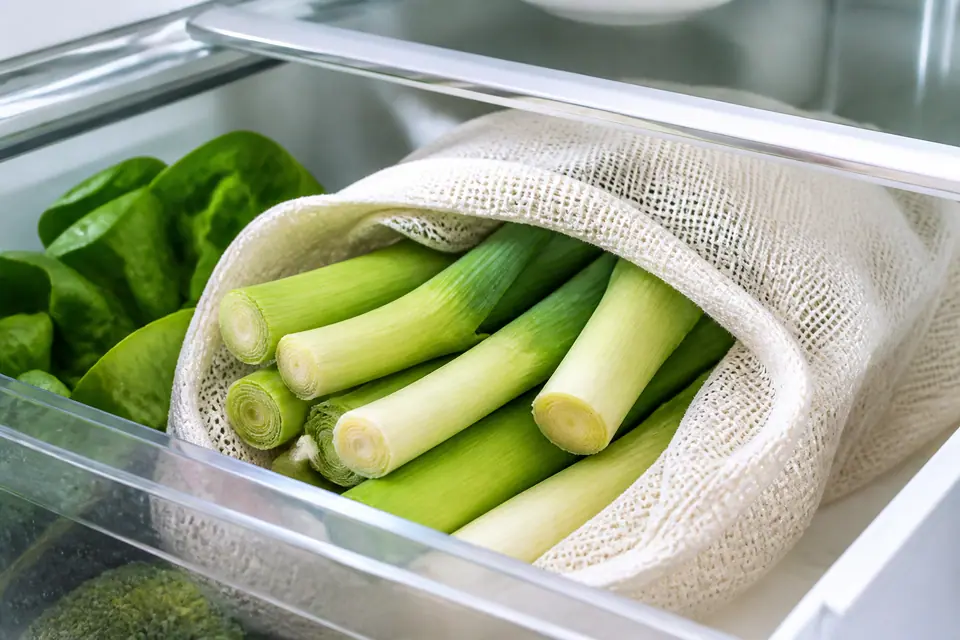
Trimmed leeks last better when they are dry on the surface, loosely wrapped and kept cold without sitting in trapped water.
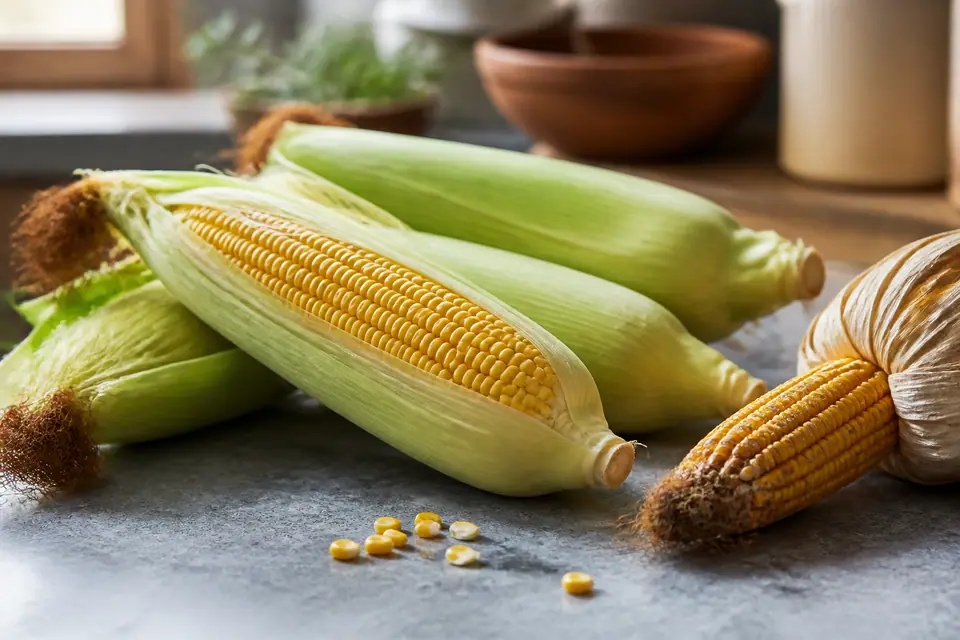
Sweetcorn is sweetest close to harvest because its sugars begin changing into starch once the ear is picked. Cold storage slows the process; it does not reverse it.
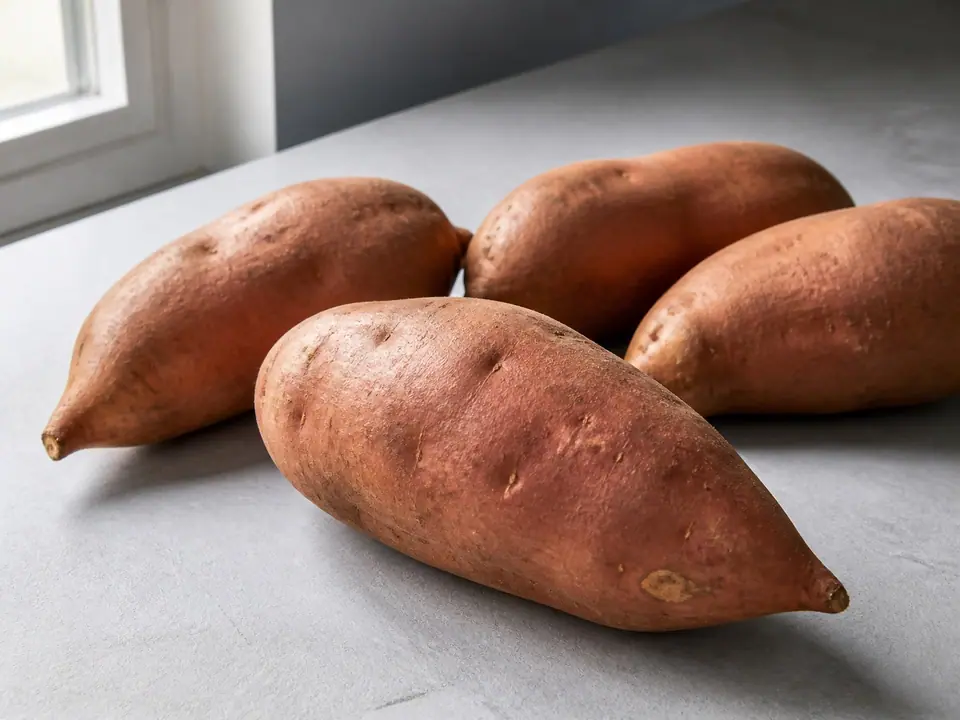
Look for a firm sweet potato with tight skin, a clean stem end and weight that feels substantial for its size. Reject soft patches before they reach the tray.
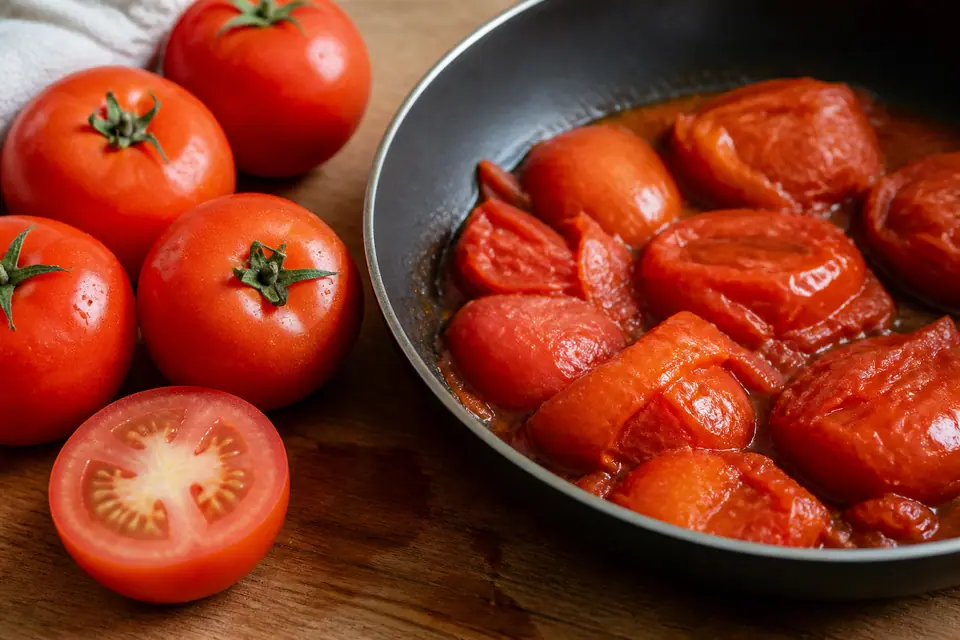
Some tomatoes are picked for transport rather than immediate flavour. Their skin may colour while the flesh stays firm, pale and watery.
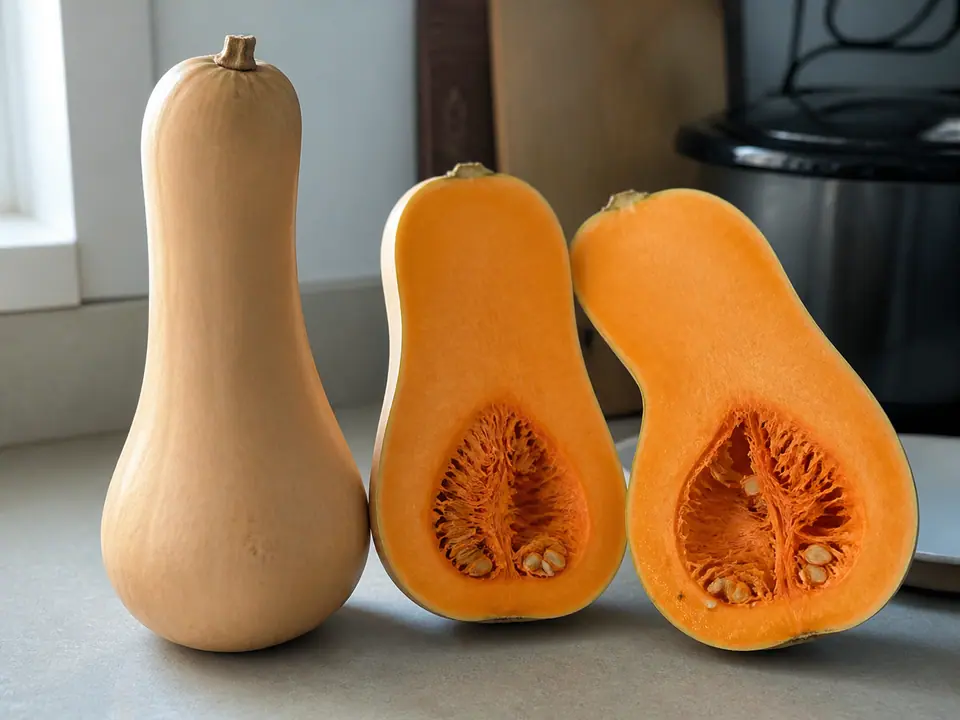
Look for a heavy, well-formed butternut with a long solid neck, firm skin and an intact stem. Avoid soft spots, wet cracks and a hollow light feel.
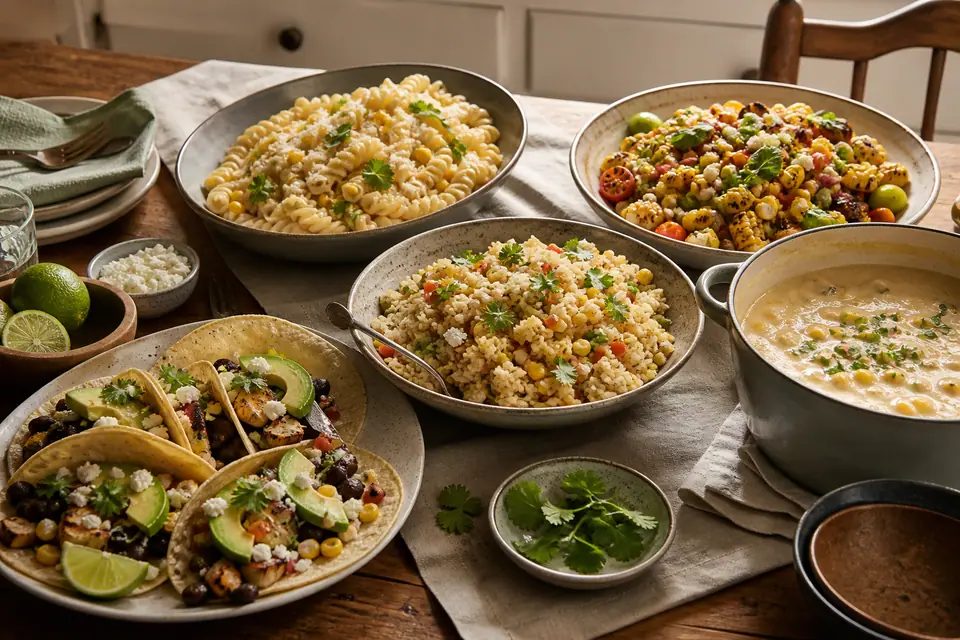
Peak corn does not need an elaborate recipe. Char it for a salad, fold it into pasta, stir it through rice, pile it into tacos or make a quick chowder.
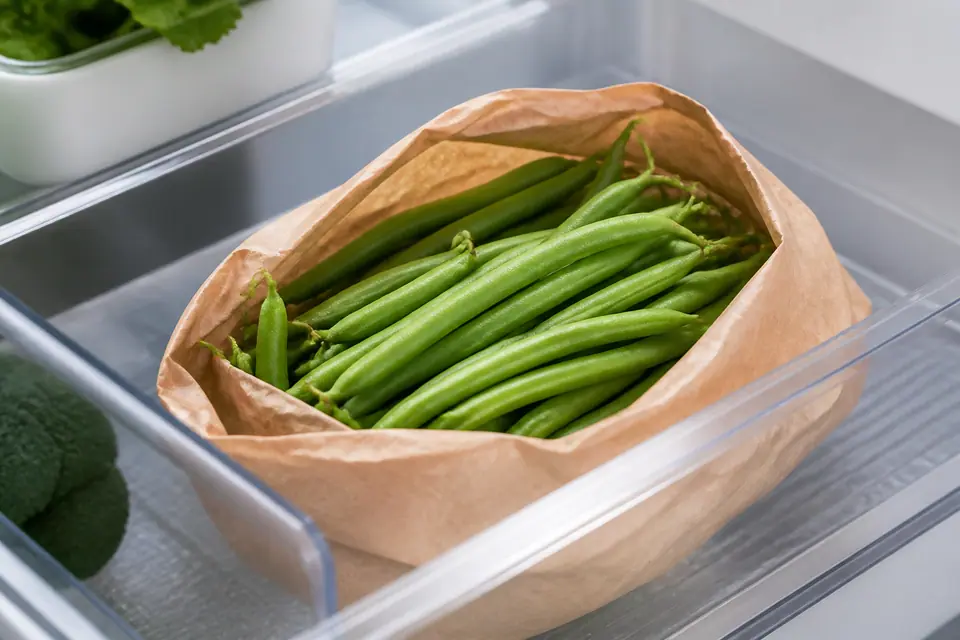
Green beans lose crispness through water loss but decay quickly when stored wet. Keep them unwashed, cool and loosely contained, then rinse just before cooking.
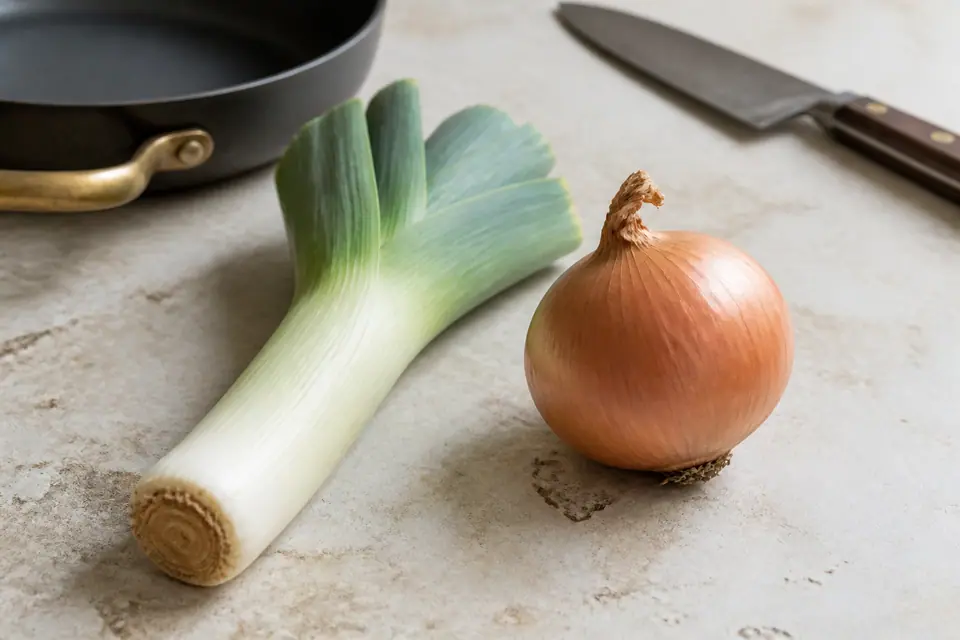
Use onions when you want a strong savoury base; use leeks when you want a tender, sweet allium that can remain visible in the finished dish.
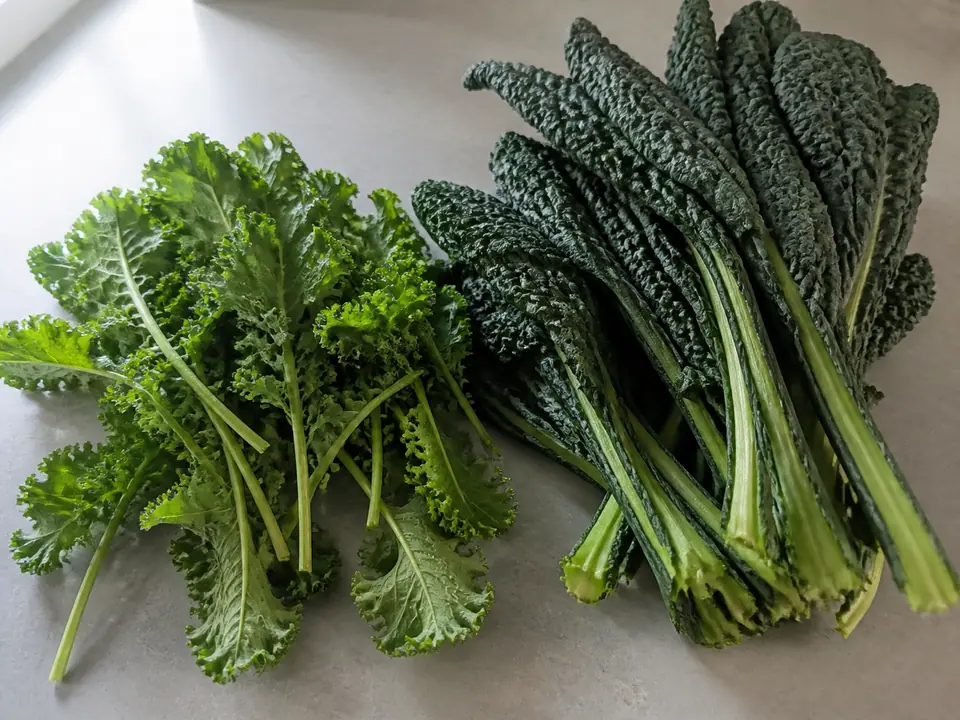
Tender kale has fresh colour, springy leaves and stems that are not thick and woody. Choose smaller leaves for quick cooking and larger ones for soup or roasting.
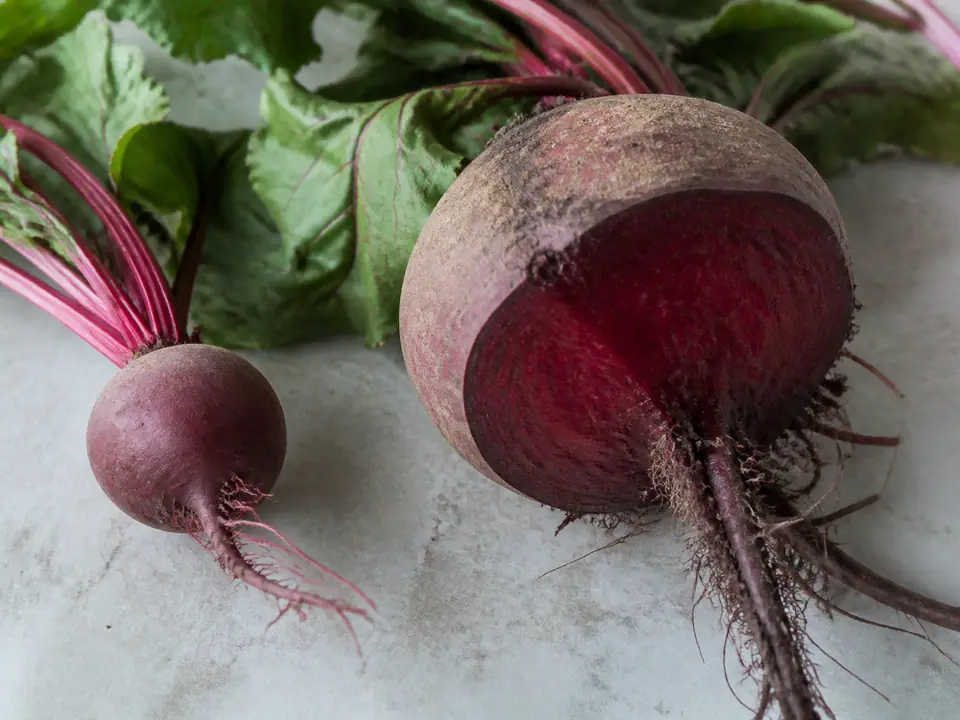
Look for firm beetroot with unbroken skin and a dense feel. Small or medium roots are easier to cook evenly, while very large roots may have a coarser centre.
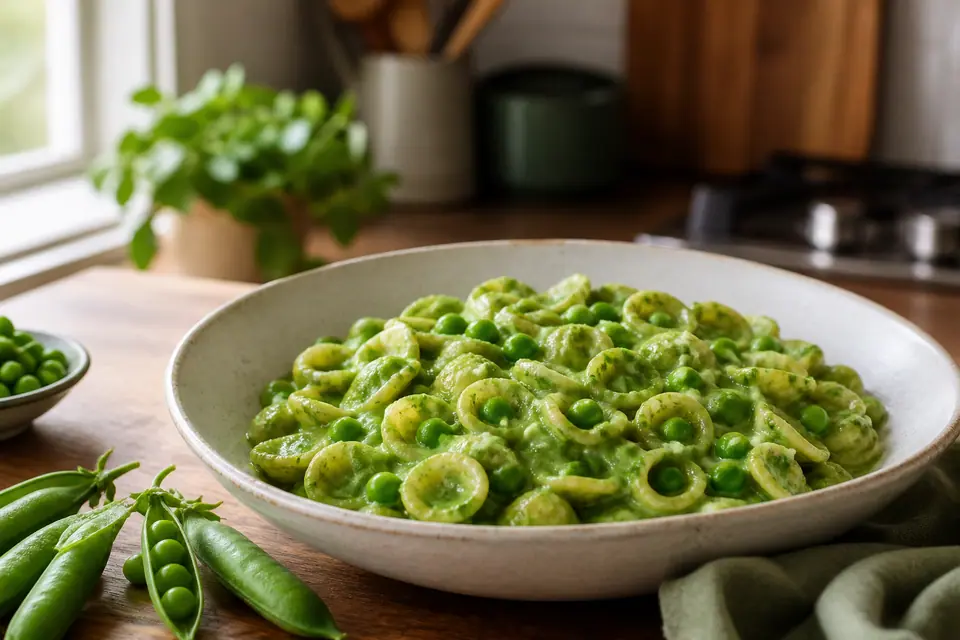
A pea does not become fresher in the freezer, but freezing can hold it close to the moment it was harvested. That is why the bag can beat the pod.
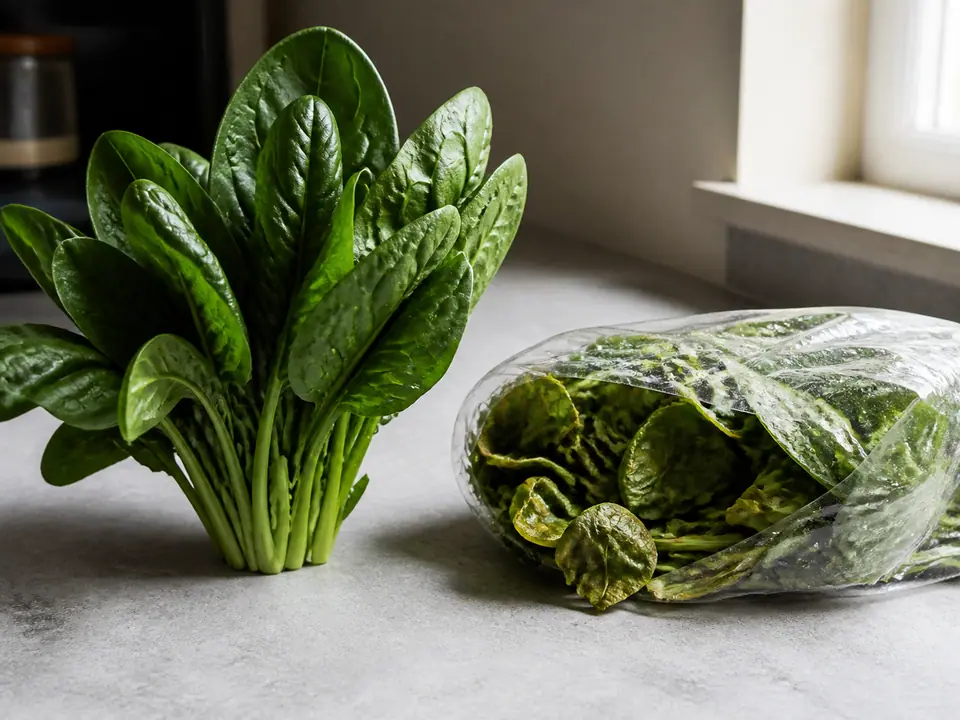
Fresh spinach leaves look green and upright, not yellow, collapsed or wet. Check the centre of the bag, where damage and condensation often hide.
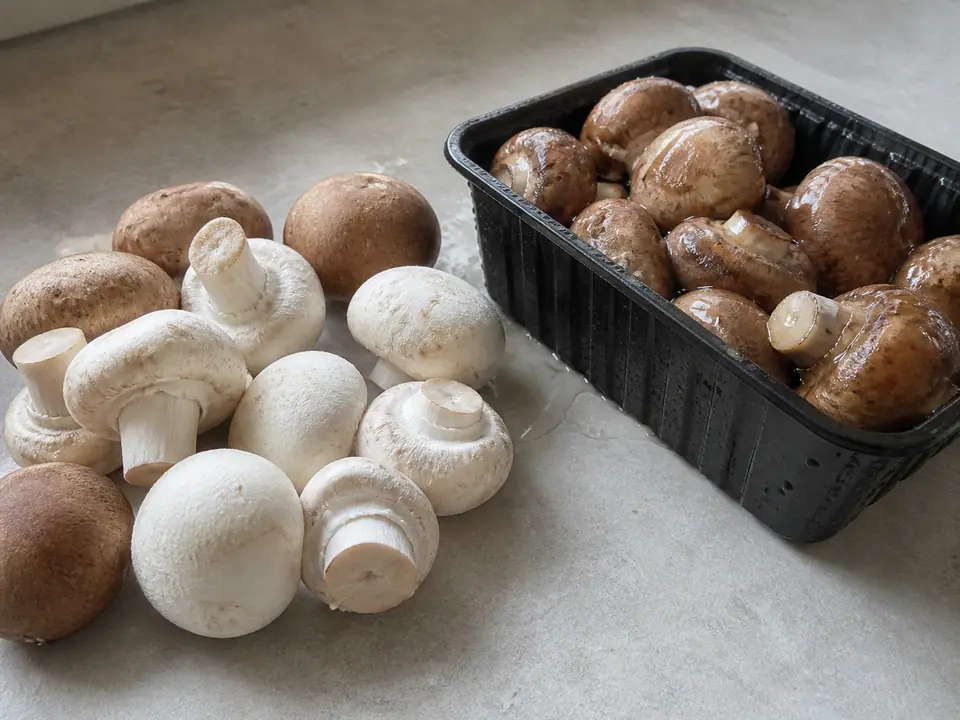
Good mushrooms feel firm, look dry and smell clean. Check the cap, stem and underside, then choose the pack with the least trapped moisture.
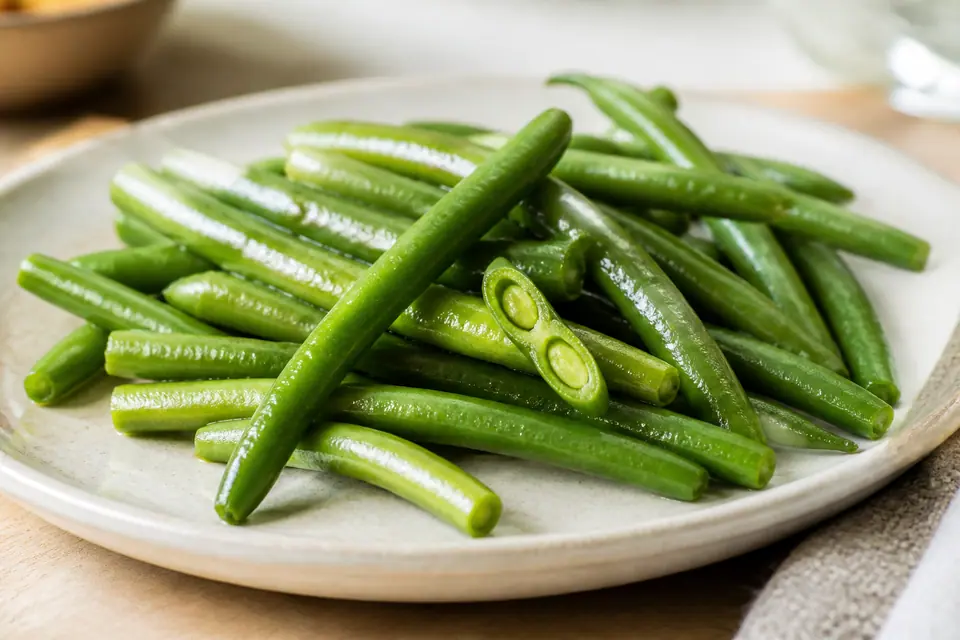
That squeaky bite means the bean is still too firm for the dish. Give it more heat and moisture, then stop as soon as the pod bends and the centre loses its raw resistance.
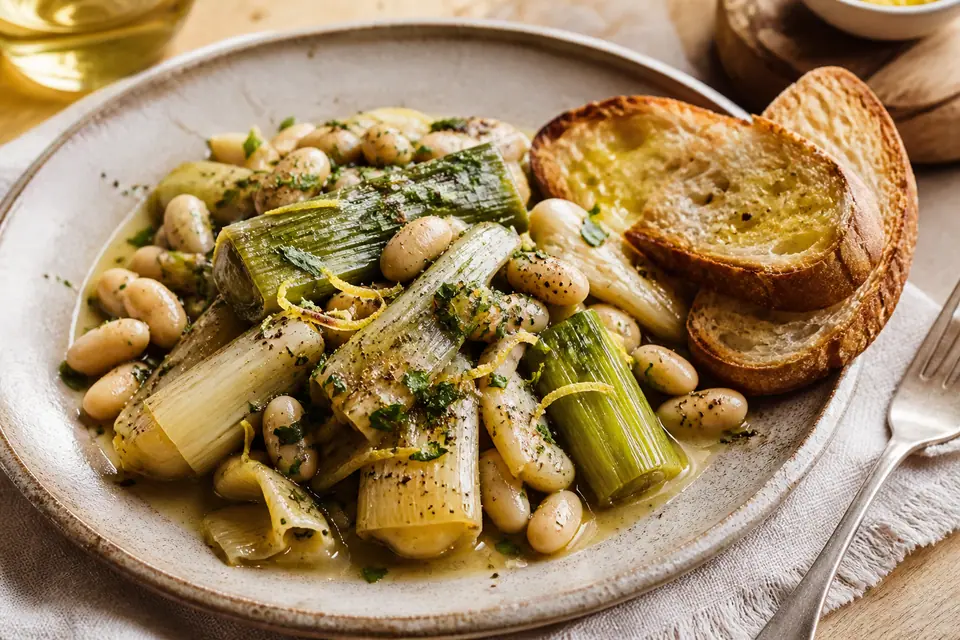
These five dinners use leeks as the vegetable you notice: slowly softened, browned, folded through pasta, layered into a gratin or paired with beans and lemon.
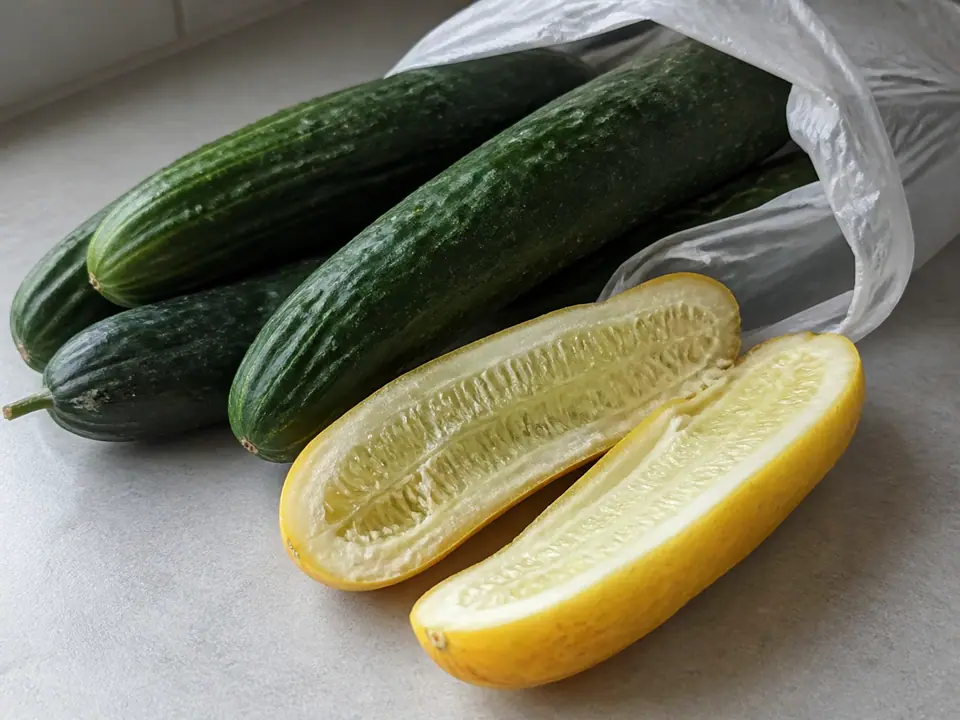
A crisp cucumber feels firm from end to end, has even dark green skin and feels heavy for its size. Reject soft tips, yellowing and sunken wet patches.
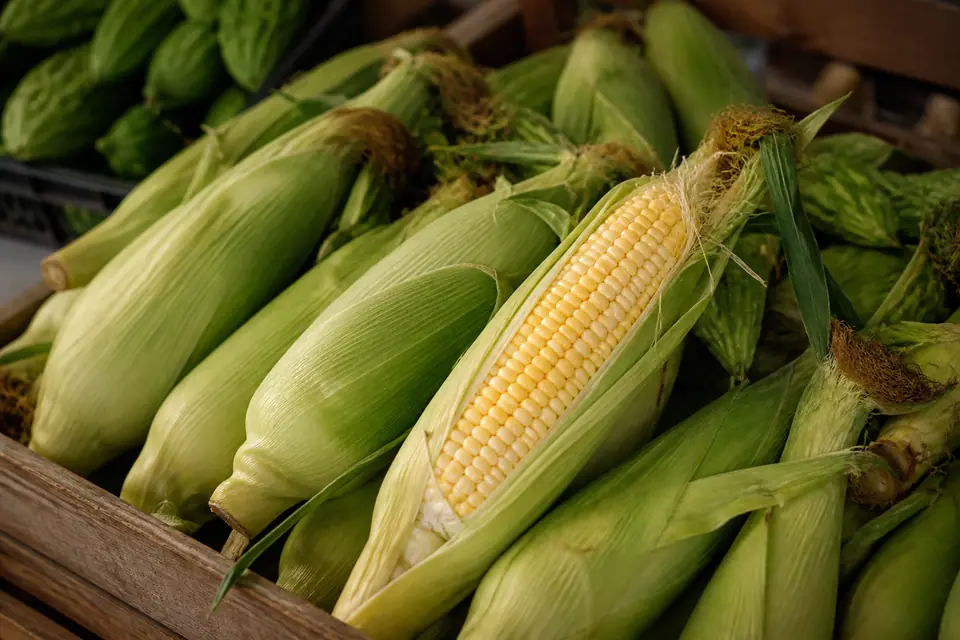
Good sweetcorn feels full, has a green husk and fresh silk, and shows no dry stem or empty tip. Buy the ear that feels juicy, not the one with the loudest colour.
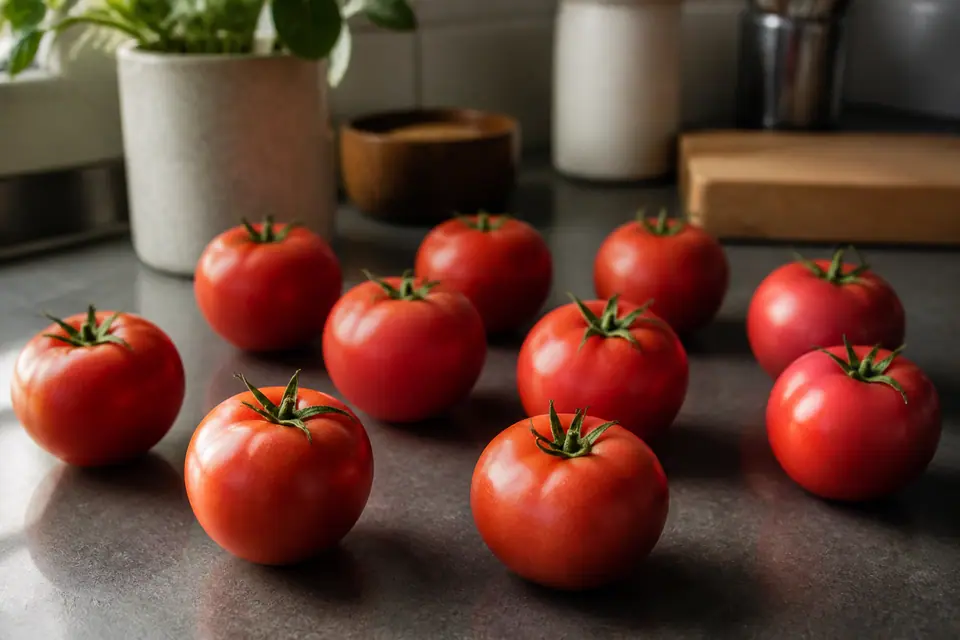
Keep whole tomatoes at room temperature while they ripen, away from sun and bruises. Chill only when slowing an already ripe tomato is worth the texture trade.
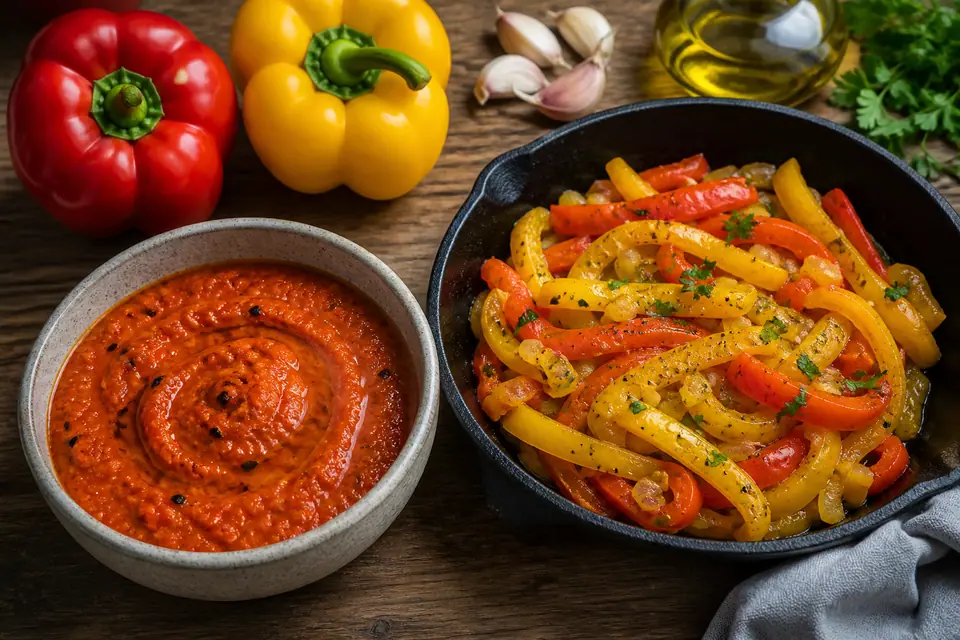
Red bell peppers are usually sweeter and softer, while yellow peppers keep a brighter colour and a fresher bite. Choose by the finish you want.
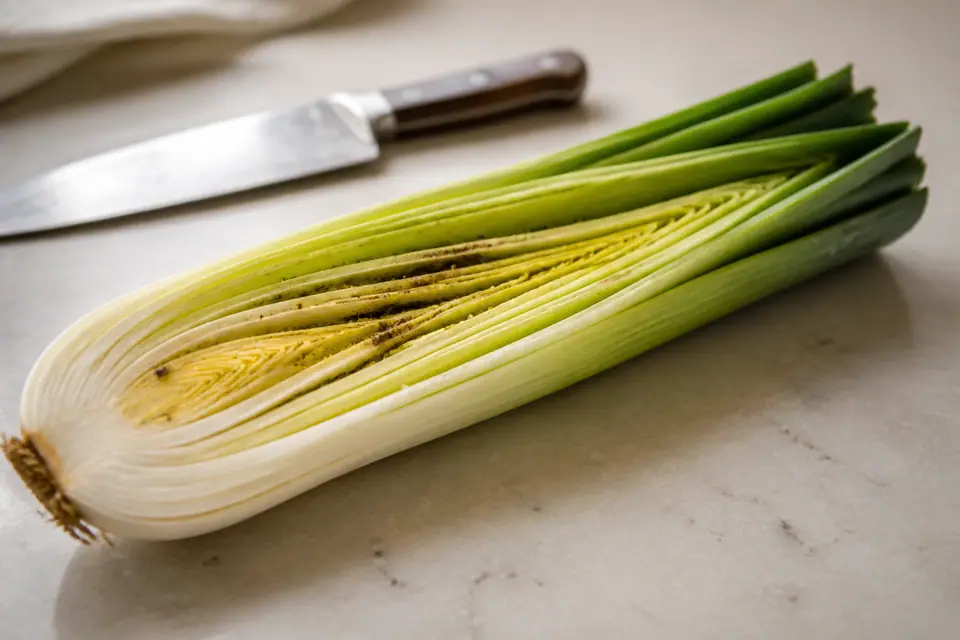
Leeks grow by adding leaves around a central shaft, so soil can sit in the folds. Cut them before washing and let the grit sink away from the rings.
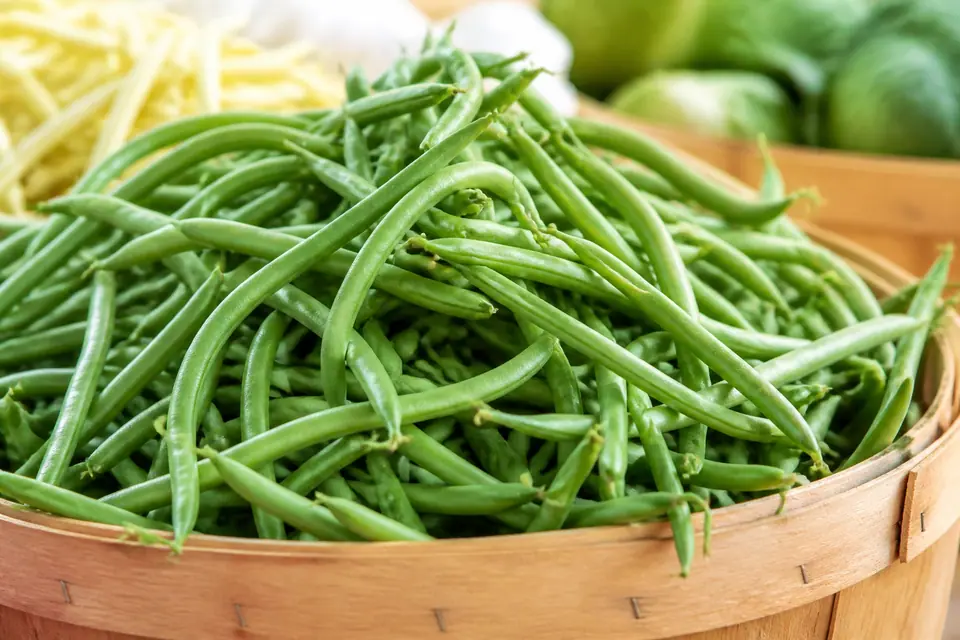
Fresh green beans are smooth, bright and firm, with a clean snap and no swollen seed bumps. A flexible limp pod is usually a thirsty older pod, not a tender one.
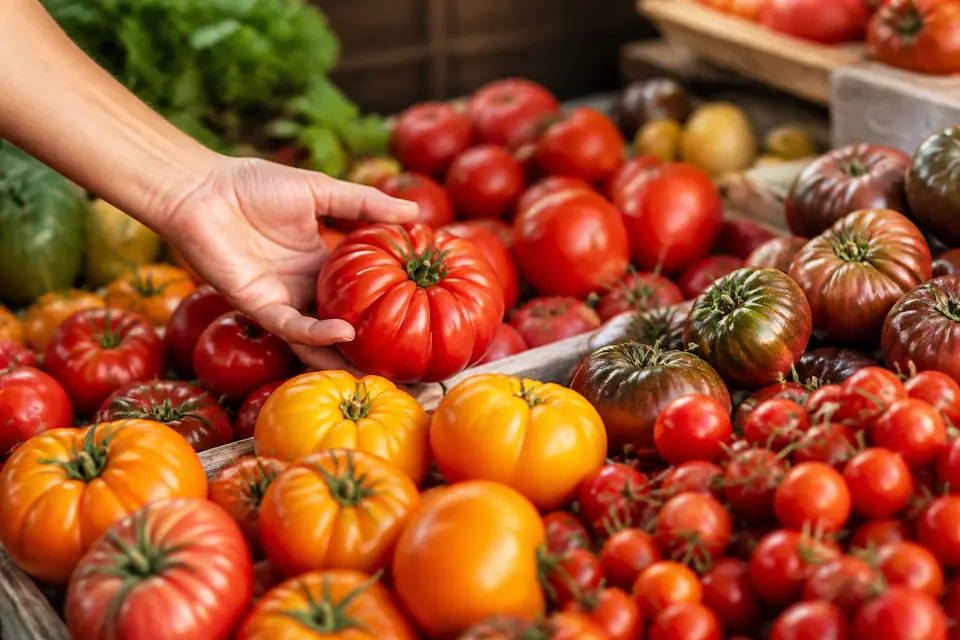
Choose tomatoes with a real stem scent, a little give and weight for their size. Colour helps, but it cannot replace aroma and texture.
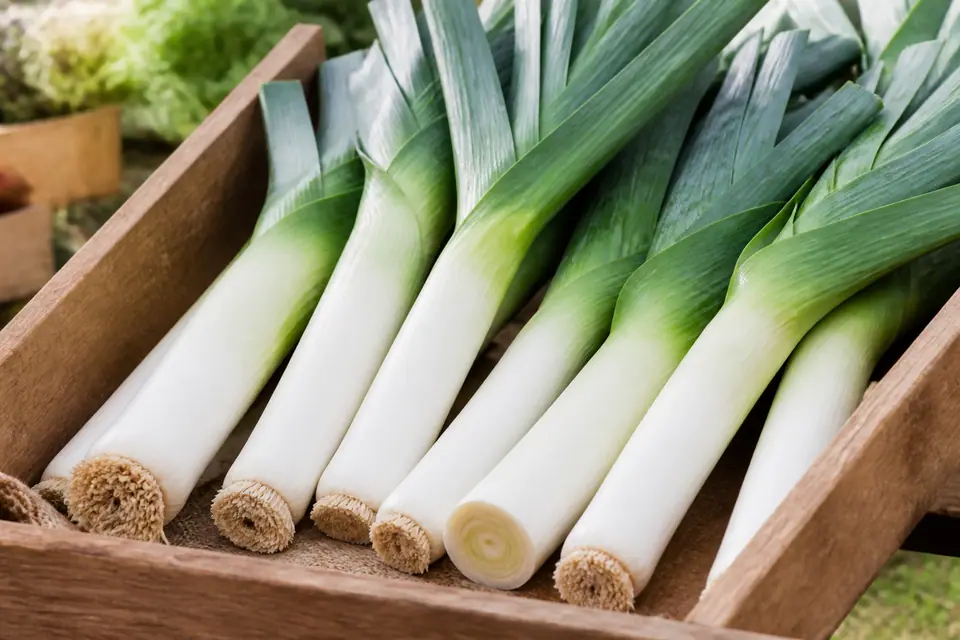
The best leek for dinner is firm and heavy for its size, with a generous white-to-pale-green shaft and crisp leaves rather than a huge green top.
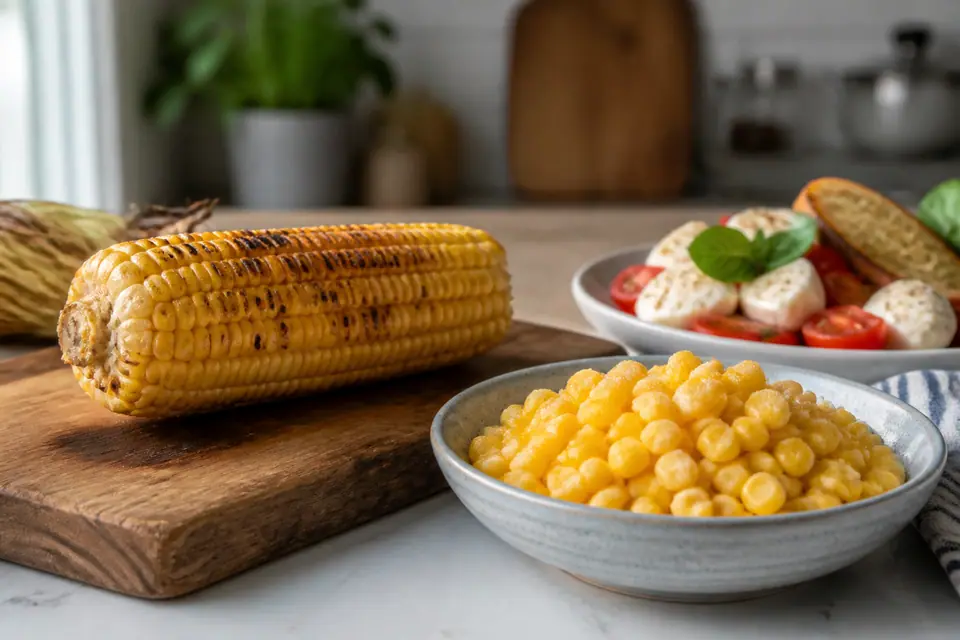
A freshly picked ear is hard to beat. For supermarket corn that has travelled or waited, frozen sweetcorn often has more sweetness and a cleaner bite.
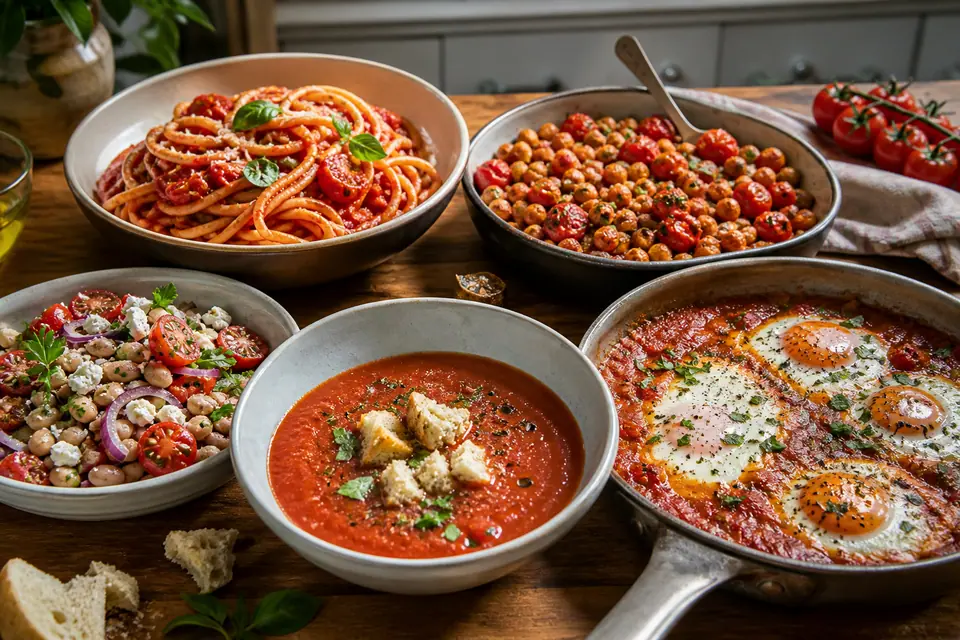
Use a glut of fresh tomatoes in a wide-pan sauce, roast tray, tomato eggs, soup or a bread topping. Match the method to how ripe they are.
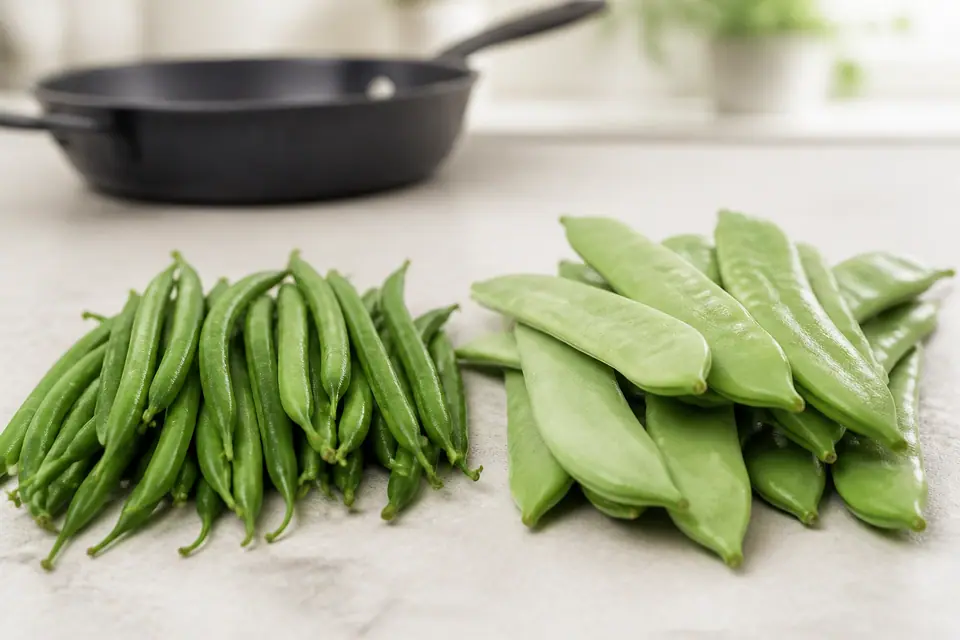
Fine beans are the easier choice for quick, even cooking. Runner beans have more character and a broader texture, but their width means you need to cut and test them carefully.
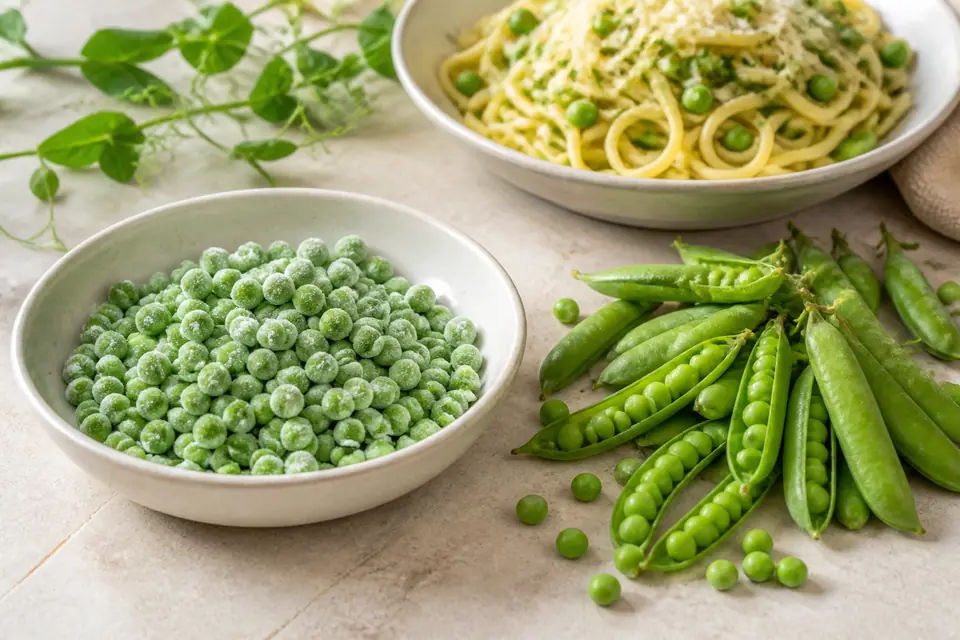
Fresh peas win when they are picked and eaten quickly. For an ordinary supermarket shop, frozen peas are usually sweeter, greener and less starchy.
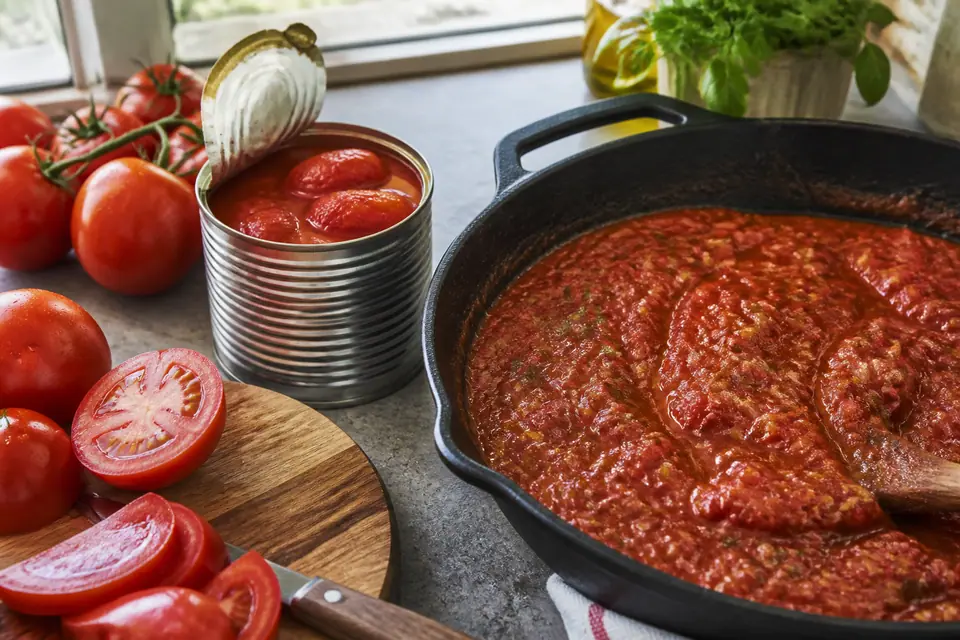
Fresh tomatoes win when you want brightness and a short cook. Tinned tomatoes win when you need a dependable sauce, stew or soup all year.