The squeak is a texture signal, not a seasoning problem
That squeaky bite means the bean is still too firm for the dish. Give it more heat and moisture, then stop as soon as the pod bends and the centre loses its raw resistance.

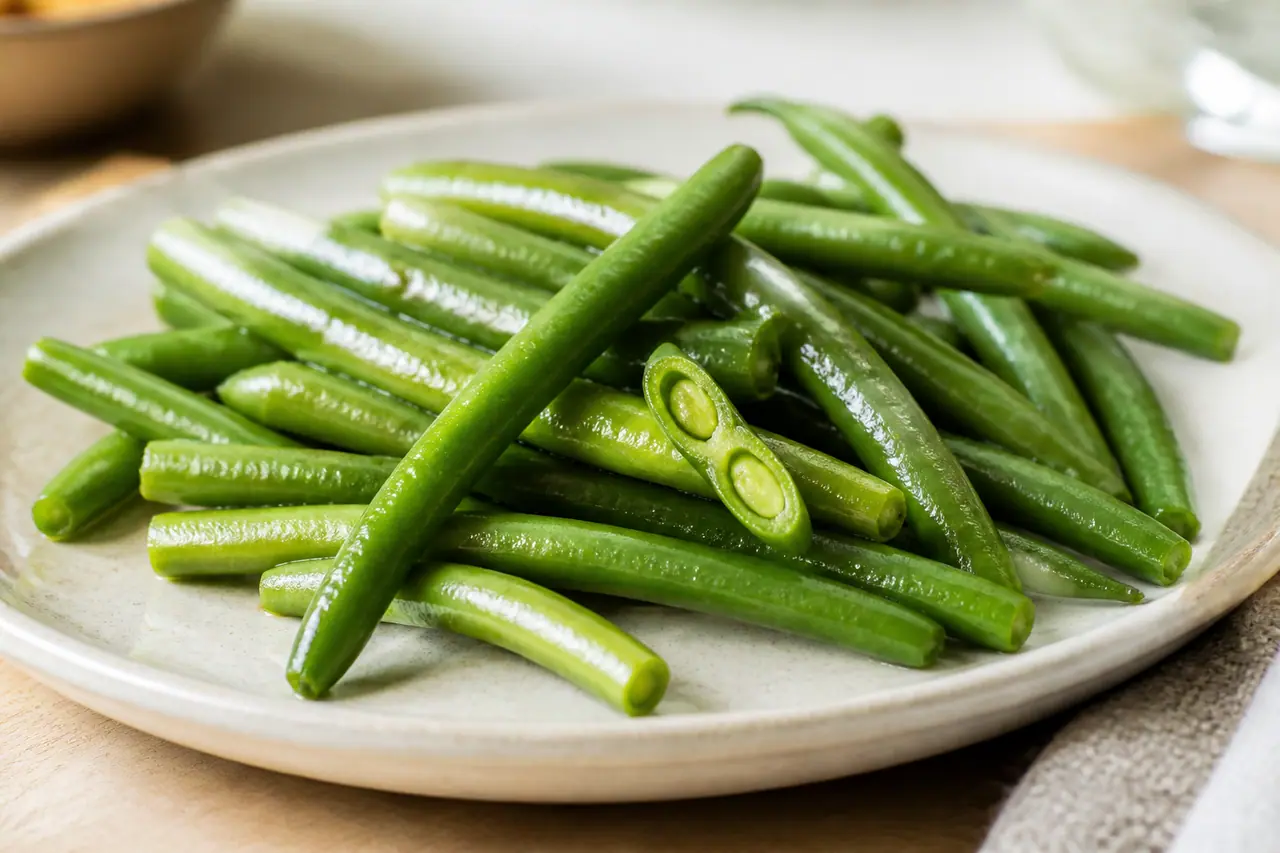
There is a particular sound a green bean makes when it is not ready: a faint squeak against your teeth, followed by a firm, almost rubbery pull. It is not a sign that the beans need more salt or butter. They simply have not had enough heat and moisture to soften the pod.
The sound is useful because it gives you a clear second chance.
The goal is not to boil green beans until they surrender. Good beans should still taste fresh and hold their colour. The useful stopping point is crisp-tender: the pod bends, the centre is no longer raw and the bite has resistance without that squeak. In my kitchen, the difference is often one extra minute, but the right minute depends on the width of the bean and the cooking method.
What the squeak is telling you
A raw green bean has firm cell walls and a taut outer skin. When you bite it, those layers resist and rub against your teeth. The sound is most obvious in young, fresh pods because they are crisp and full of structure. Cooking breaks down some of that firmness, but it does not need to destroy it. The squeak disappears before the bean becomes soft.
That brief pause between crisp and tender is the texture I am after.
Very cold beans can also feel especially loud and rigid straight from the fridge. Letting them sit on the counter while you prep the rest of dinner changes the starting temperature a little, but it does not replace cooking. If the pod still squeaks after a quick sauté, add a splash of water and cover the pan for a minute.
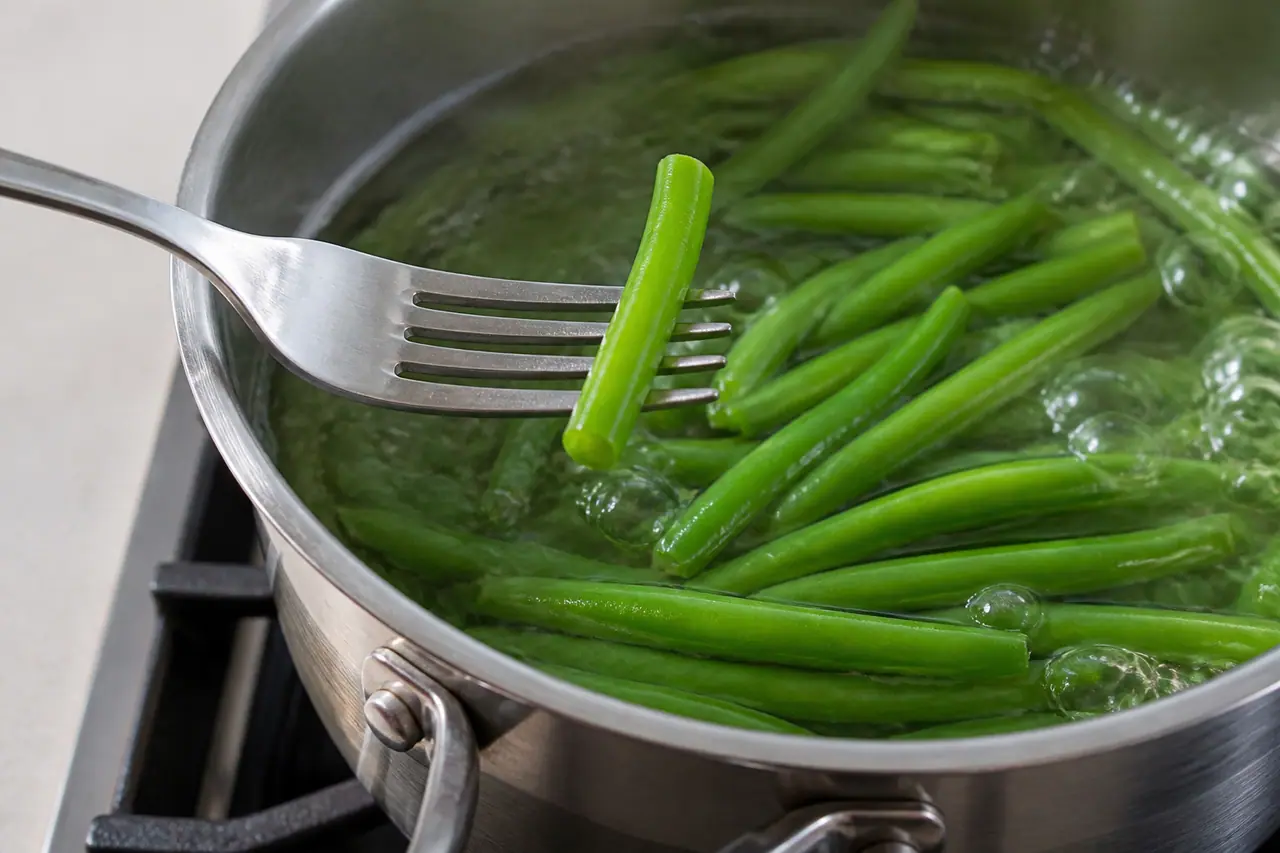
Why a dry pan can leave beans squeaky
A hot skillet is excellent for browning, but dry heat alone can colour the outside before the inside becomes tender. This is especially true when the beans are thick, the pan is crowded or the pieces went in straight from the refrigerator. The surface looks cooked, so you taste one and find that the centre is still making the decision.
My fix is a short steam followed by a dry finish. Add the beans to oil, let them take on a little colour, then add one or two tablespoons of water and cover. The trapped steam softens the pod. Remove the lid and let the water evaporate so the beans finish glossy rather than wet. A University of Illinois vegetable guide also uses a brief blanching stage for green beans, which is the same basic idea at a larger scale: heat plus moisture, then a quick stop.
Three reliable ways to lose the squeak
- Blanch: cook trimmed beans in boiling water until the centre just gives, then drain. Finish in oil, butter or dressing.
- Steam: use a covered pan with a small amount of water. This is gentle and keeps the beans from becoming waterlogged.
- Sauté and cover: brown briefly in oil, add a splash of water, cover for a minute, then uncover and cook dry.
Do not use colour as the only clock
Green beans can stay bright while still being undercooked, especially in a quick pan. They can also go olive-coloured after too much heat and water, which tells you the texture has gone too far. Taste one of the thickest pieces. If it squeaks, continue. If it bends and has a clean fresh bite, drain or uncover. If it collapses, the pan has already gone past the crisp-tender window.
Size variation makes timing awkward. A market handful may contain slender fine beans and thick older pods. Trim and group the thick pieces together when you can. The UC Davis snap bean notes describe tender but firm beans that snap easily; that is a better target than a fixed number of minutes.
The best bean still has a little bite
Undercooked beans announce themselves with that squeak, but the answer is not to cook them until they are limp. Use enough moisture to soften the pod, then stop when the thickest piece bends and tastes fresh. The squeak is useful feedback: it tells you exactly what the pan has not done yet.
Questions
Are squeaky green beans safe to eat?
How long should green beans be cooked?
Why are my green beans tough after frying?
How do I keep green beans bright?
More guides
All guides →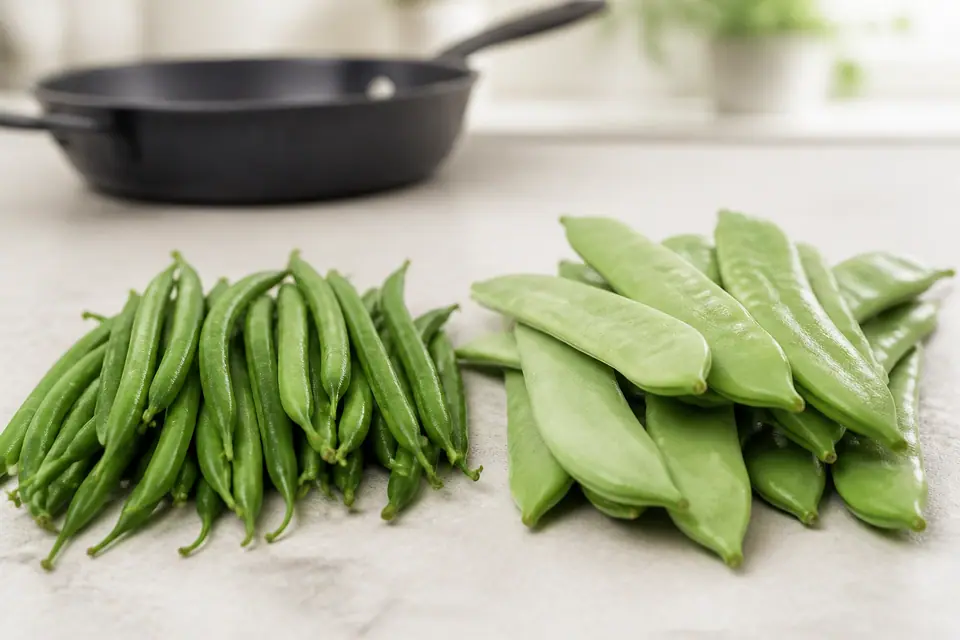
Fine beans vs runner beans: which cooks more evenly?
Fine beans are the easier choice for quick, even cooking. Runner beans have more character and a broader texture, but their width means you need to cut and test them carefully.

How to choose carrots that are crisp, not rubbery
Firm carrots with a fresh stem end and smooth, unbroken skin are more likely to stay crisp. Rubberiness means water has already left the root.
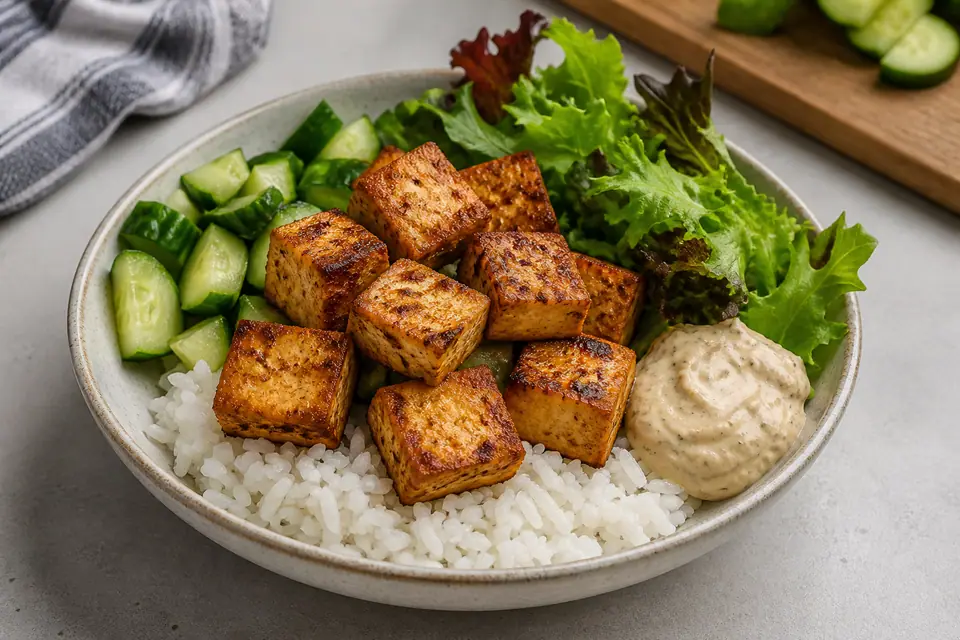
How to build a filling tofu bowl
Build the bowl around crisp tofu, then add a base, a fresh vegetable and one strong sauce. Texture and portion balance make simple ingredients feel complete.