Cooking technique
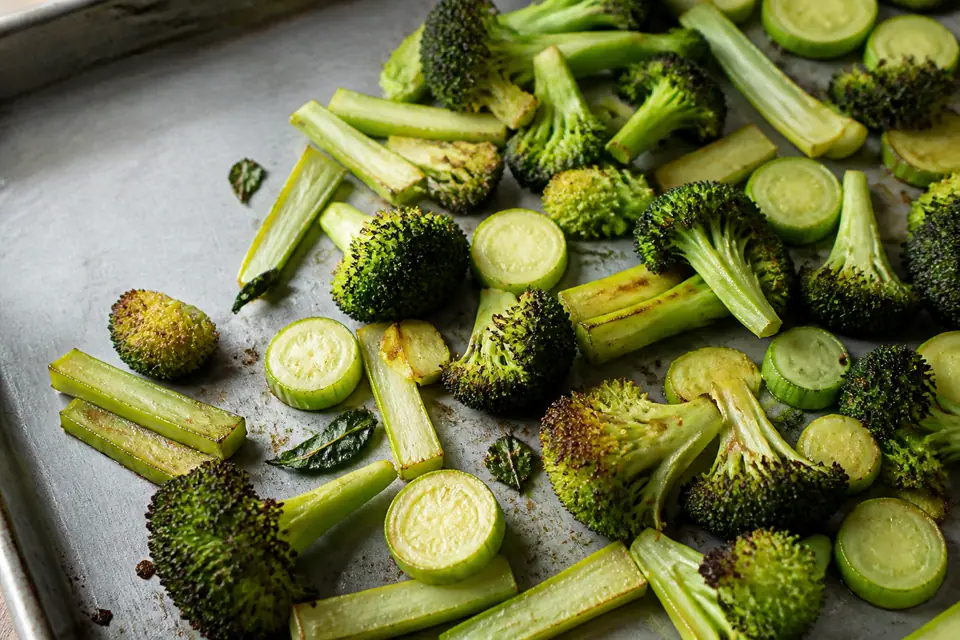
Why broccoli stems deserve to stay in the pan
The thick broccoli stalk is not a kitchen scrap. Peel the fibrous outside, slice the tender centre and give it a head start before the florets.
Clear explanations of heat, texture, timing and the failure modes that make otherwise good ingredients disappoint.
Page 1 of 3
The thick broccoli stalk is not a kitchen scrap. Peel the fibrous outside, slice the tender centre and give it a head start before the florets.
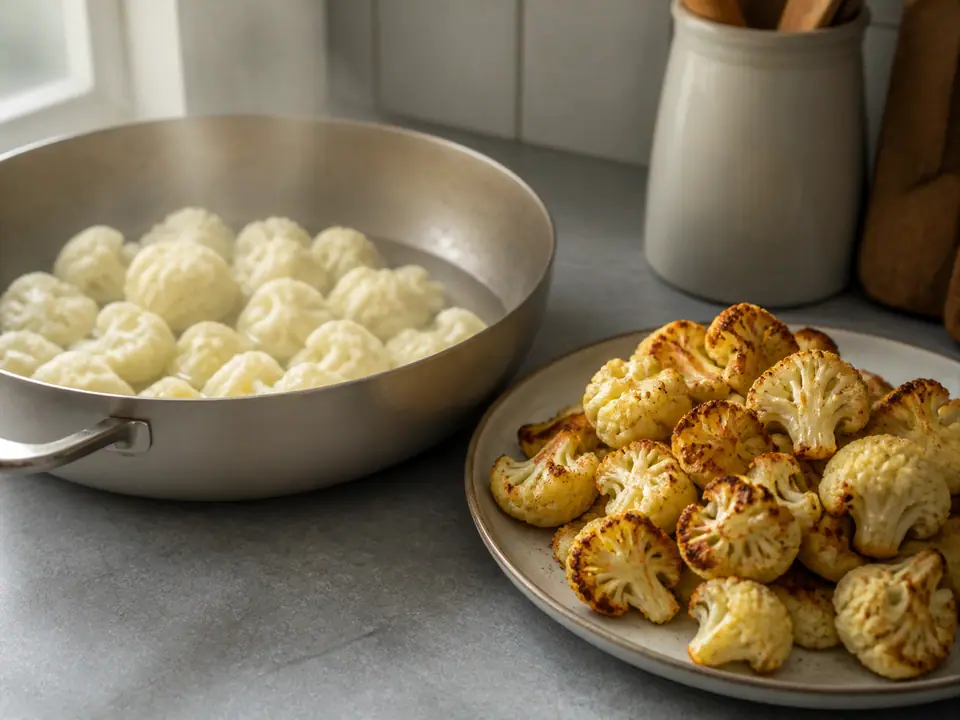
Cauliflower contains sulfur compounds that become more noticeable with prolonged wet cooking. Shorter, hotter cooking keeps the smell quieter and the texture firmer.
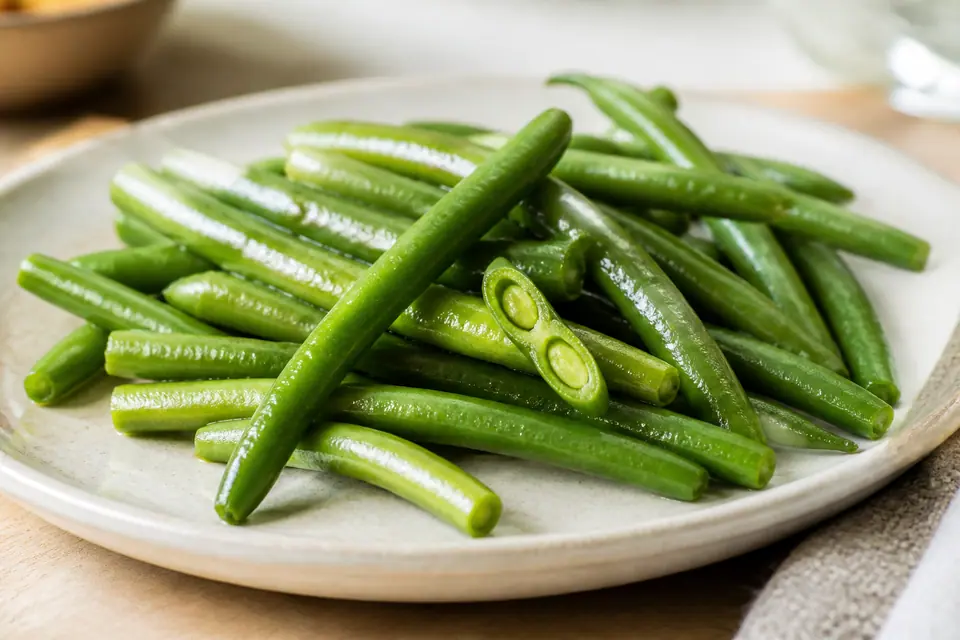
That squeaky bite means the bean is still too firm for the dish. Give it more heat and moisture, then stop as soon as the pod bends and the centre loses its raw resistance.
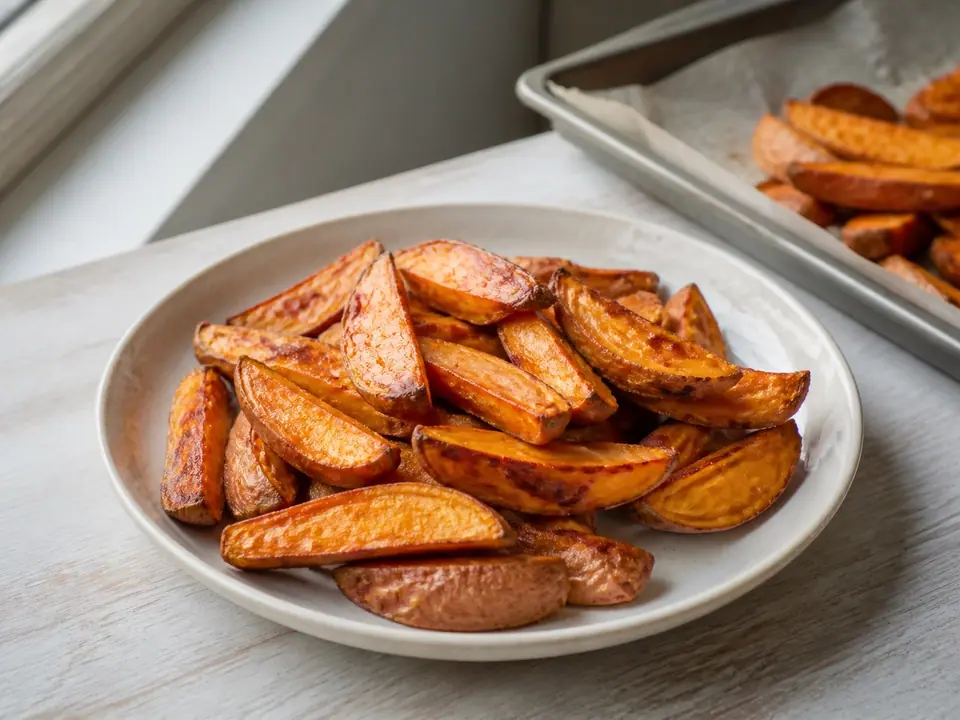
Sweet potatoes are soft and sweet by nature. A hot, crowded tray or an early sugary coating makes the outside darken before the centre has finished cooking.
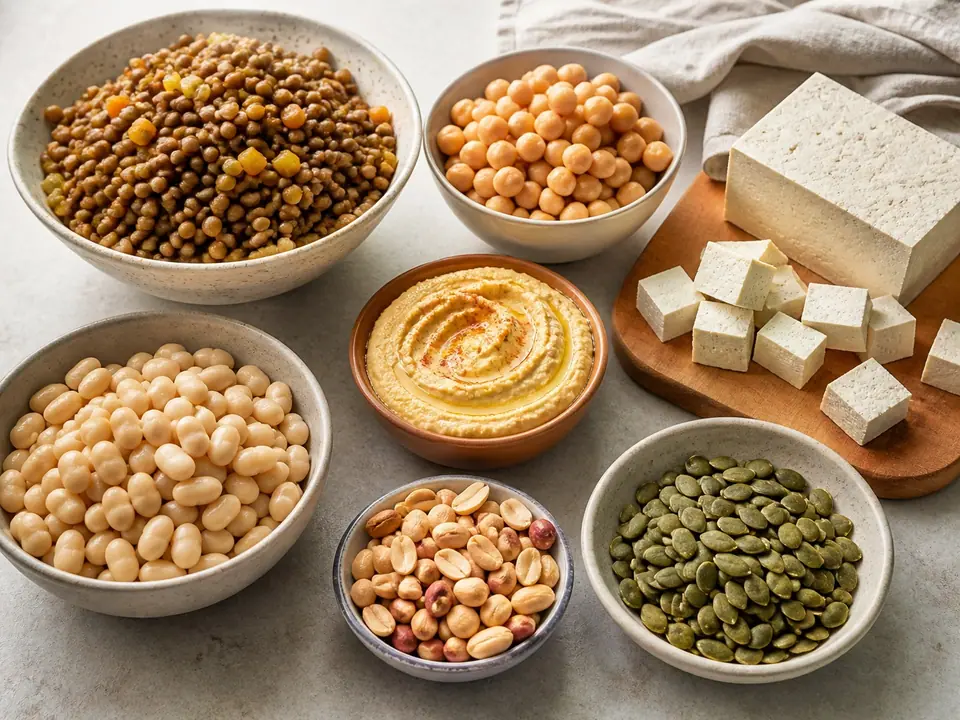
Most protein rankings quietly compare dry lentils to cooked tofu. Measured the way food reaches the plate, the order changes.
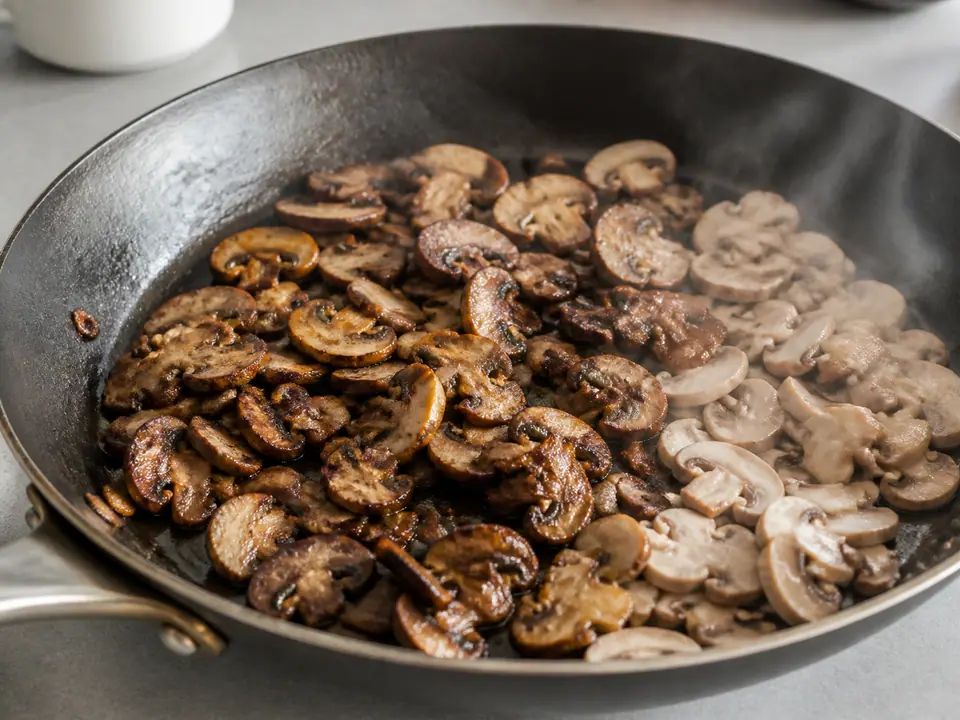
Mushrooms release a surprising amount of water. Give them a dry surface, a wide pan and time before seasoning if you want colour instead of a grey simmer.
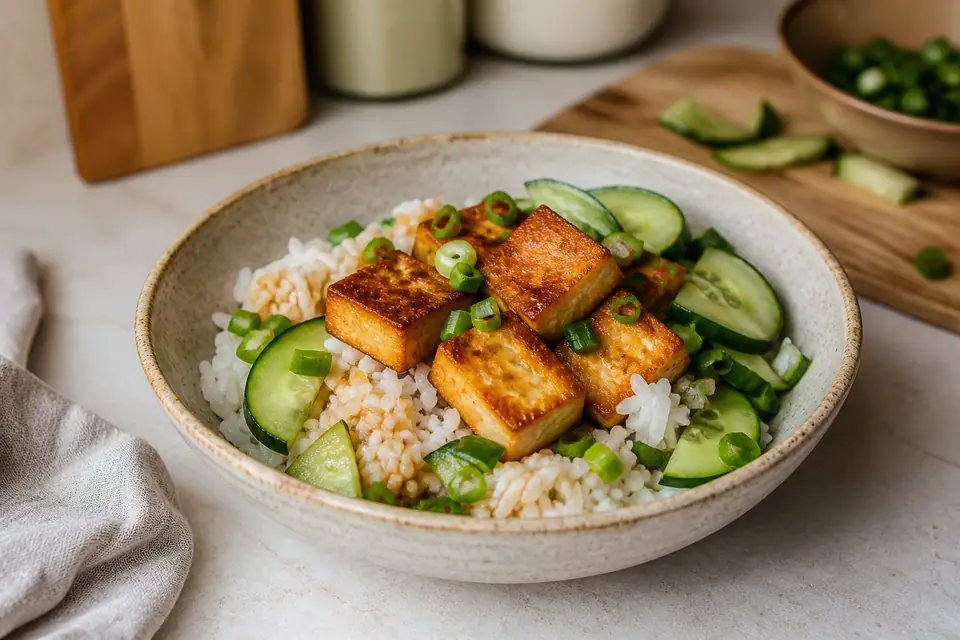
Leftover rice gives a tofu bowl a head start. Warm the grains separately, crisp the tofu in a clear skillet and add cucumber after the heat is off.
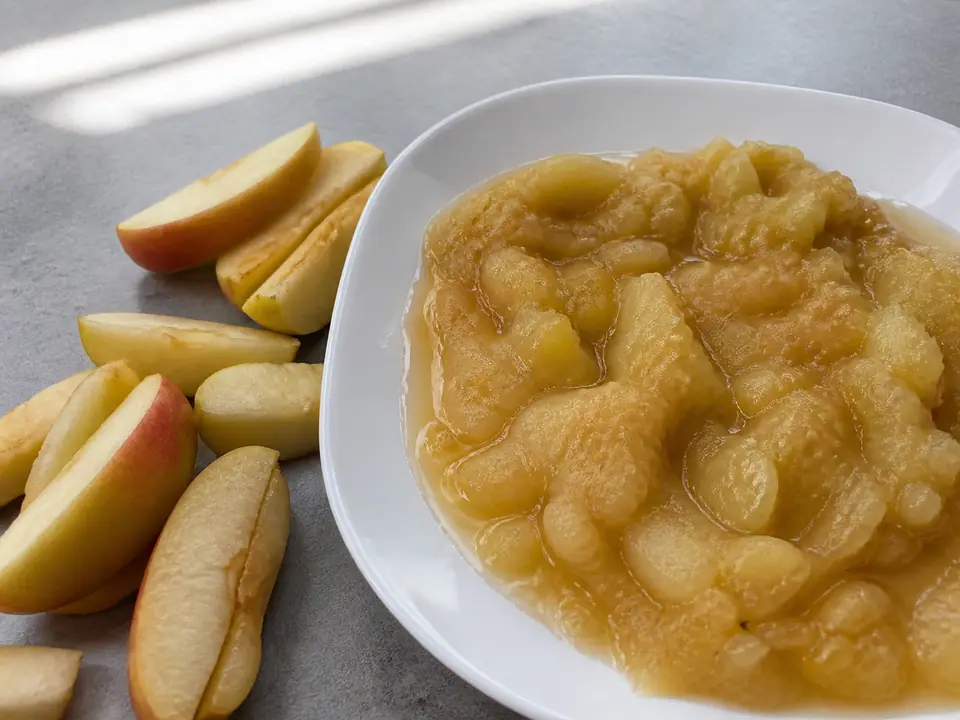
Apples soften at different rates because varieties hold their cell structure differently. Heat, liquid and thin cuts speed collapse, while thicker slices and dry heat preserve shape.
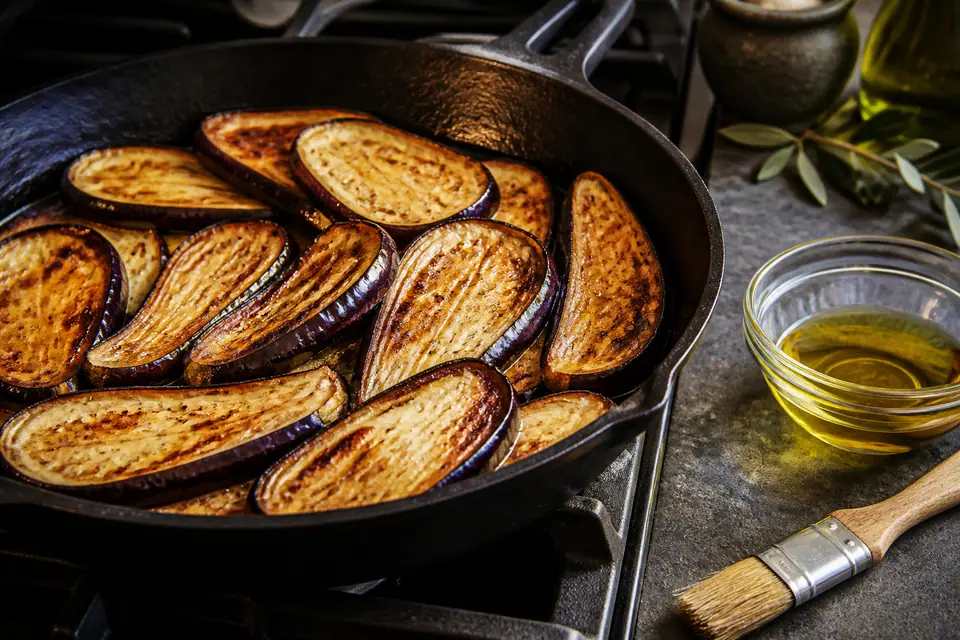
Aubergine absorbs oil because its open cell structure takes it up while the flesh is cool. Heat, salt timing and measured brushing keep the result silky instead of greasy.
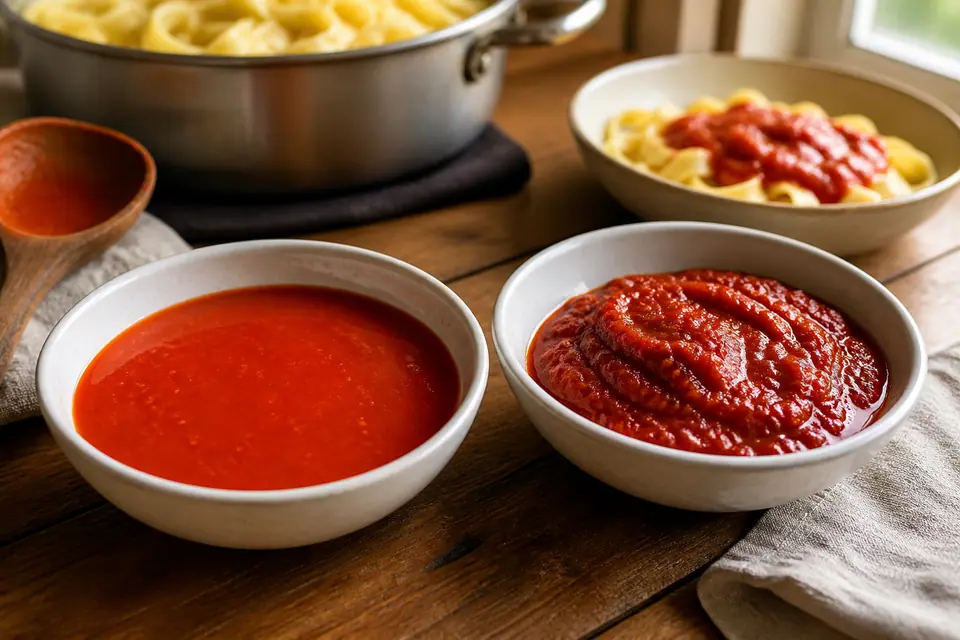
Flat passata usually needs concentration rather than more herbs. Reduce it in a wide pan, season in stages and finish with fat after the water has gone.
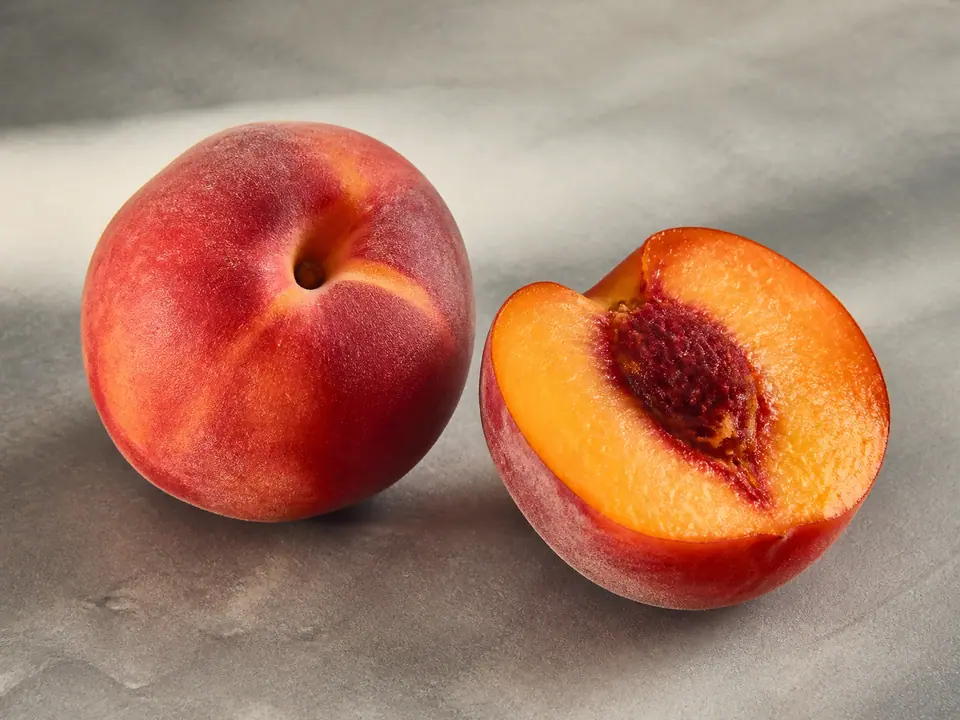
Peach aroma can build before the flesh becomes soft and juicy. Let firm fruit ripen at room temperature, then chill it only after the texture is ready.
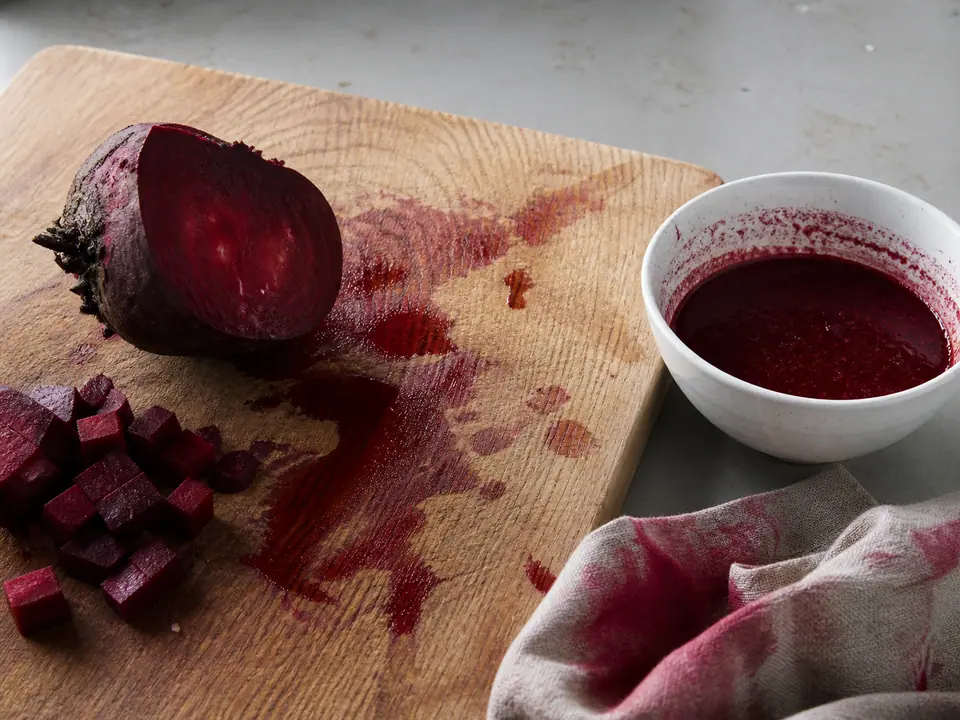
Beetroot’s red-purple pigments are water-soluble enough to travel through juice, dressing and damp hands. The flavour stays earthy, so use acid, salt and creamy partners to give it shape.