Cold rice is the shortcut to a better tofu bowl
Leftover rice gives a tofu bowl a head start. Warm the grains separately, crisp the tofu in a clear skillet and add cucumber after the heat is off.

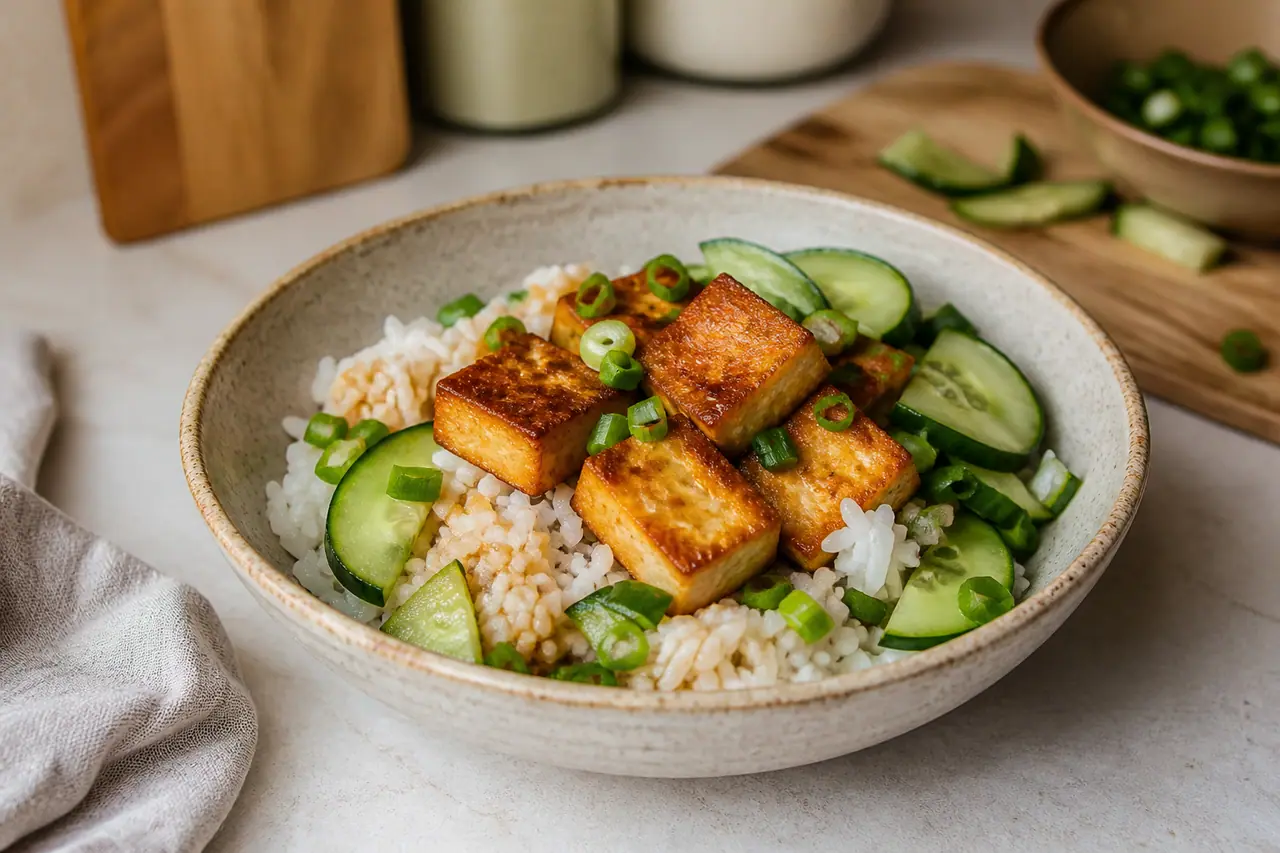
Leftover rice is not a compromise in a tofu bowl. Chilled grains are drier and firmer than freshly cooked rice, so they warm without turning into porridge. They also give the pan a head start: while the rice heats, tofu can take its own space and cucumber can stay completely out of the cooking.
The useful sequence is rice, tofu, fresh finish. Warm the rice with a little oil, move it to a plate, crisp pressed tofu in the same skillet and return the grains only long enough to catch the soy glaze. Add cucumber after the heat is off. The bowl tastes assembled, but every part has had the temperature it needs.
Check the rice before you use it
Use rice that was cooled and stored promptly, with the grains still separate. Break up compacted pieces with your fingers or a fork before the skillet. If the rice smells stale, feels slimy or has been sitting out longer than you are comfortable with, discard it. No sauce can make questionable leftovers a better dinner.
Start with a dry handful of rice and a clean hot pan.
Short-grain rice clumps more easily, while long-grain rice gives a looser bowl. Both work. Add a teaspoon of water only if the grains are dry enough to crack, and let that water cook off before the tofu enters. The goal is warm rice with distinct grains, not a wet base.
Break up the grains before oil touches them so they warm evenly.
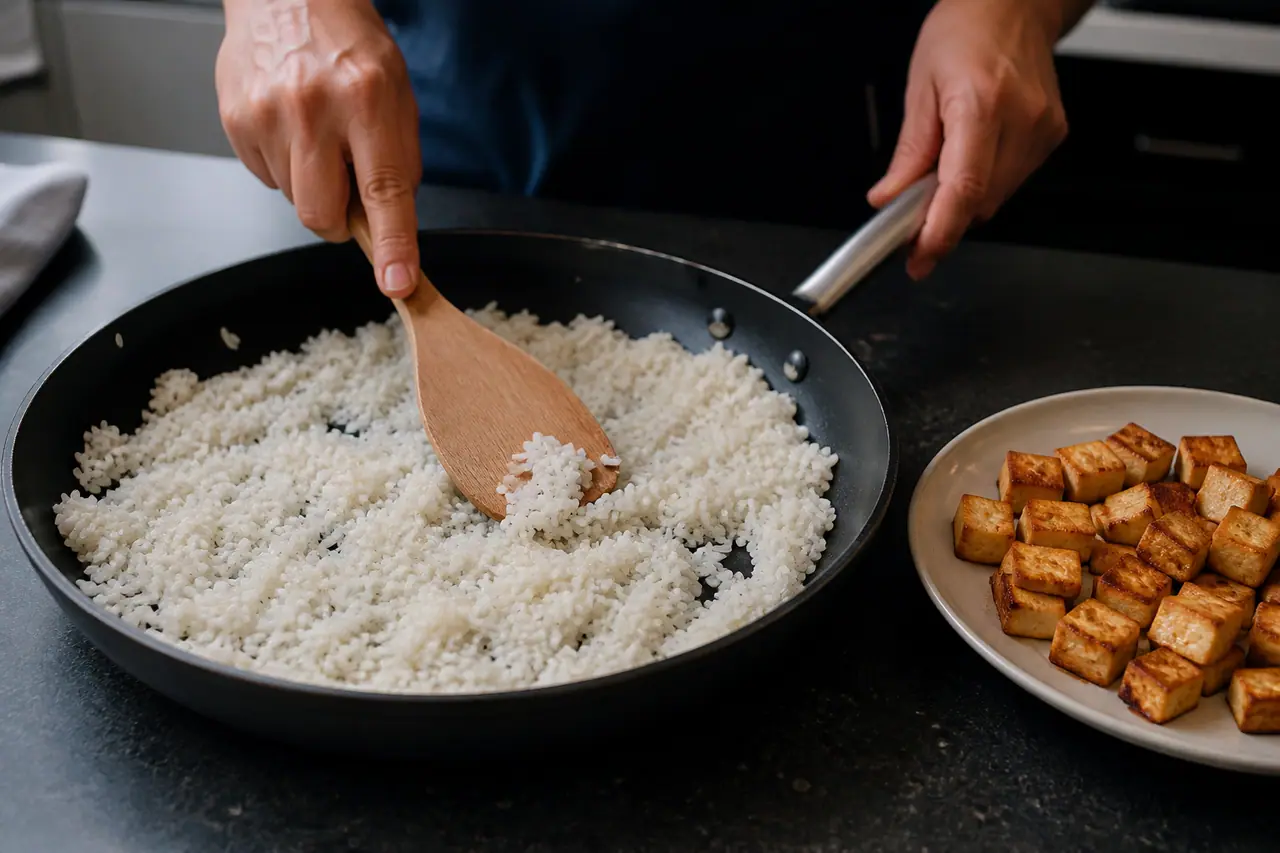
Warm the rice, then clear the pan
Heat a little oil in a wide skillet and spread the rice across it. Let the grains warm for a few minutes before stirring. Tip them onto a plate and leave the skillet over the heat. Any loose rice starch left behind should be wiped away if it is wet or burnt; a clean surface gives the tofu a better chance to brown.
Do not try to fry the tofu on top of a full rice layer. The grains absorb the oil and block contact between the tofu and metal. A one-pan dinner still needs separate stages. The one-pan tofu recipe works because it treats the skillet as three spaces in time, not one crowded pile. Let the plate of rice wait nearby rather than crowding the hot surface. A few minutes of patience keeps the tofu from steaming under a blanket of grains.
Crisp the tofu in the clear space
Press and tear extra-firm tofu, dust it lightly with cornstarch and add it to hot oil in one layer. Leave it until the underside is golden before turning. A little soy sauce can go in at the end, but keep the liquid brief. Tofu that sits in sauce while the rice waits will lose its shell.
If the skillet is too small, use it for the tofu in two rounds. The rice will be fine on the plate for a few minutes, and the tofu needs the surface more than it needs company. Keep the browned pieces on a rack or dry plate while you finish the grains. The second round often browns faster because the skillet is fully heated, so resist the urge to lower the heat just because the first batch took its time. A calm pan gives the coating time to set.
Return the grains for the final toss
Put the rice back into the clear side of the pan and add the dressing there. Stir the grains through the soy, vinegar and ginger while keeping the tofu on top or to one side. The rice picks up the flavour without turning the crust into a wet coating. Turn off the heat once the grains are hot.
Now add cucumber, spring onions and herbs. The fresh ingredients should warm from contact but keep their bite. For a no-rice version, serve the tofu with warm flatbread and cucumber instead. The same rule applies: hot crust, fresh crunch, sauce with a clear landing place.
Leftover rice is a useful starting point
Keep the rice dry, let tofu own the hot skillet and add cucumber after the heat. The dinner is quick because yesterday's work is already done, but it still tastes fresh because the final ingredients were not cooked twice.
Leftover rice can also take a stronger finish than fresh rice. A little toasted sesame oil, a squeeze of lemon or a spoon of chilli crisp can wake it up, but add those in small amounts. The tofu already brings browning and the cucumber brings water. The best bowl leaves room for those contrasts instead of covering them with a heavy sauce.
Questions
Can I use leftover rice for tofu bowls?
Should I fry tofu and rice together?
How do I stop leftover rice going soggy?
What can I add to a tofu rice bowl?
More guides
All guides →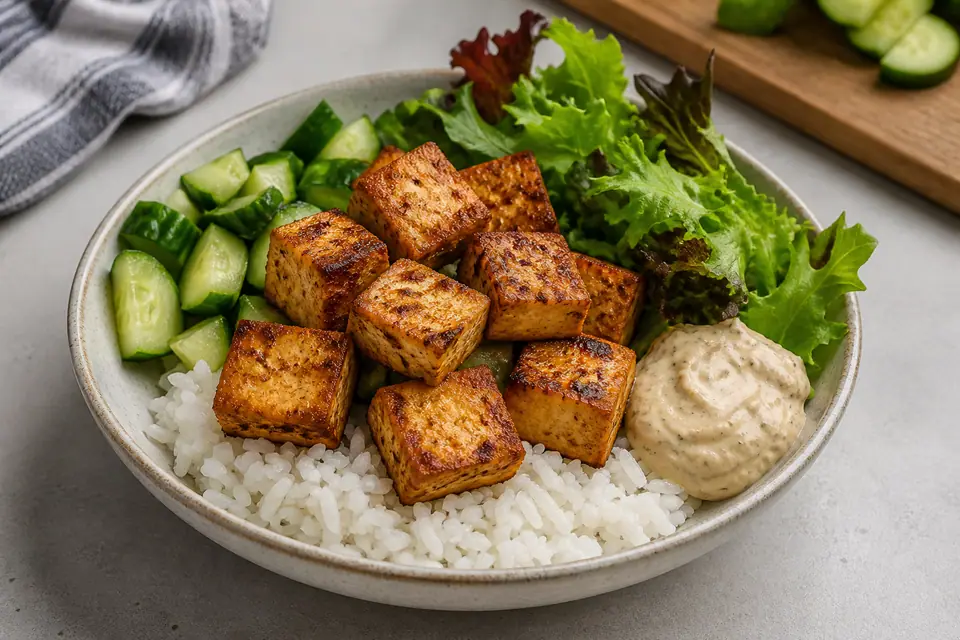
How to build a filling tofu bowl
Build the bowl around crisp tofu, then add a base, a fresh vegetable and one strong sauce. Texture and portion balance make simple ingredients feel complete.
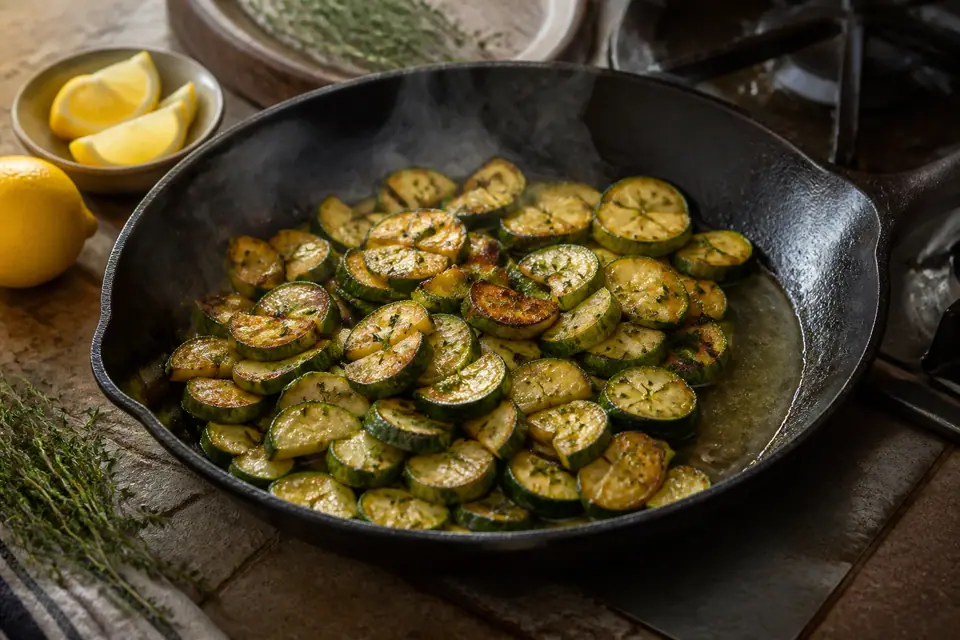
Why courgettes turn watery in a pan
A watery courgette pan is usually a heat and spacing problem, not a bad vegetable. Dry the cut surface, use a wide pan and wait before turning.

5 dinners for a bag of carrots
Roast carrots with beans, blend them into lentil soup, fry them with rice, fold them through pasta or build a spiced traybake around them.