A filling tofu bowl needs contrast, not a mountain of toppings
Build the bowl around crisp tofu, then add a base, a fresh vegetable and one strong sauce. Texture and portion balance make simple ingredients feel complete.

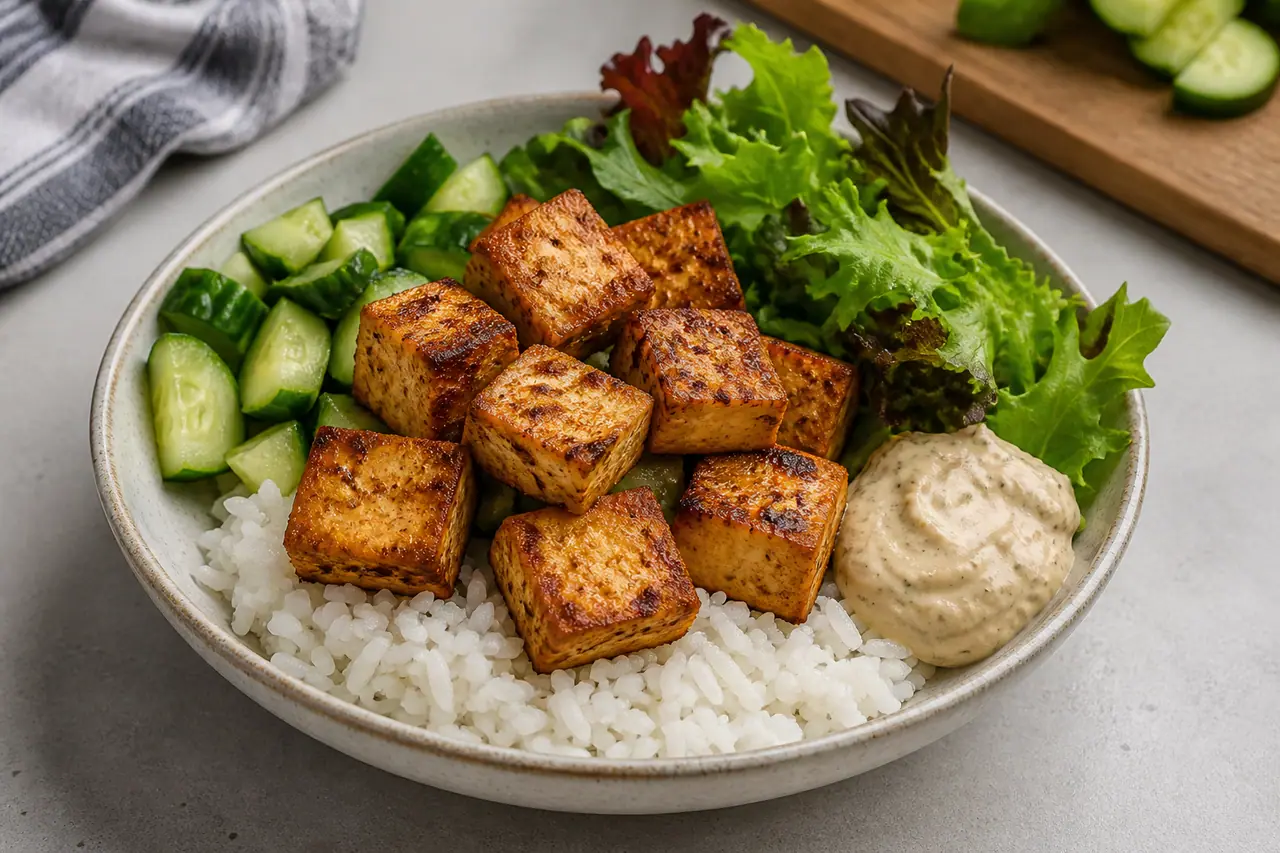
A tofu bowl feels thin when every ingredient is soft, pale and dressed the same way. It feels like dinner when the bowl has a clear centre, something to chew, something fresh and a sauce with enough salt or acid to connect it all. That does not require ten toppings. It requires each part to have a job.
I start with crisp tofu, then choose rice or flatbread, add cucumber or greens and finish with one sauce. Beans, seeds or yogurt can join when they solve a real problem, such as adding bulk or a cool contrast. The bowl should be generous without becoming a pile where the tofu disappears.
Make tofu the centre
Use enough extra-firm tofu that each portion has a proper share, then press and brown it before choosing toppings. Crisp edges make tofu feel substantial even when the ingredient list is short. Tear the pieces into uneven bites so the crust catches sauce and the soft centres remain visible.
Find the tofu before adding garnish or another spoonful of sauce.
Do not drown the tofu under vegetables. Put it on top of the rice or on one side of the platter. The eye should be able to find the part that makes the bowl dinner. The tofu with crispy beans adds another crunchy element, but it still keeps the tofu exposed rather than burying it.
A bowl can be generous without turning every topping into a second meal.
Choose one proper base
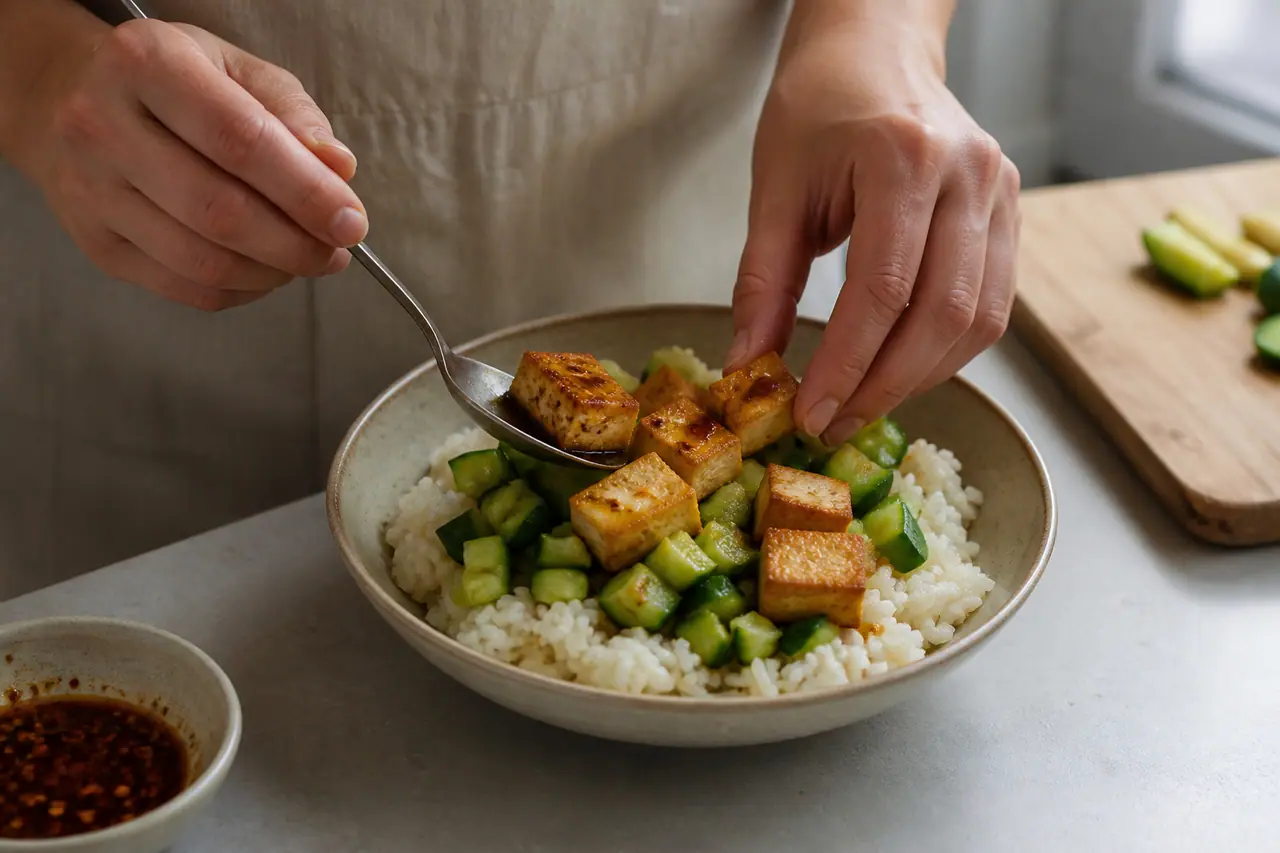
Rice is the quiet base. It catches soy glaze and makes a quick skillet meal feel complete. Warm flatbread is more interactive and useful when you want to scoop tofu and cucumber. Noodles can work too, but choose a sauce that will not make both the noodles and the crust wet at once.
Use what is already cooked when possible. Leftover rice can be reheated in a wide pan, while flatbread needs only a few minutes in foil. If the base is cold, warm it before the tofu is ready. A bowl with hot tofu and cold rice feels unfinished unless that temperature contrast is deliberate. The base should make the bowl easier to eat, not become another texture that needs rescuing. Warm it, season it lightly and leave room for the tofu to remain the loudest part of the plate.
Add freshness with one main vegetable
Cucumber is useful because it brings water and crunch without another cooking stage. Greens can go into the last seconds of a soy glaze, while herbs are better scattered at the table. Pick one main fresh vegetable and let it be noticeable. Too many small toppings make the bowl busy without making it more filling.
Season watery vegetables late. Salt and acid can wait until the tofu is nearly done, so the cucumber does not flood the rice. The lemon and herb version keeps the fresh part bright beside the hot tofu instead of cooking it down.
Use one sauce with a clear job
Tahini adds creaminess, soy and vinegar add savoury sharpness, yogurt cools the bowl and chilli oil brings heat. Choose one main direction. A spoonful of seeds can finish it, but four sauces usually make the bowl taste muddy and the tofu lose its crust.
Put thick sauces under the rice or beside the tofu. Reduce a thin glaze in the pan and add it to the grains. Leave chilli oil at the table. Once the dressing has a place to go, the other ingredients taste more like themselves.
Add a second substantial element only if needed
Beans, lentils or toasted seeds can make a bowl more generous, but they should support the tofu rather than compete with it. Crispy beans bring texture; yogurt brings coolness; seeds add a dry finish. If the rice and tofu already fill the plate, extra ingredients may only make the bowl harder to eat.
For a lighter dinner, use cucumber and herbs with warm flatbread. For a longer meal, add beans or greens. The pickled onion version needs very little else because acid and crunch are already doing the work of a side dish.
Filling comes from structure
A clear centre, a useful base, fresh crunch and one strong sauce make a tofu bowl feel complete. Arrange the parts so each bite can be changed with a fork. The bowl becomes more satisfying when the texture moves from crisp to soft to fresh, not when every available topping is added at once.
Portion by the plate, not by the topping list. If the rice is generous, keep the sauce sharp and the cucumber crisp. If the base is flatbread, add beans or greens so the meal has more to hold onto. If the tofu is waiting for someone, keep it uncovered on a dry plate. A bowl made with fewer parts can still feel full when every part arrives in good condition.
Questions
What makes a tofu bowl filling?
What should I serve with crispy tofu?
How do I stop a tofu bowl feeling dry?
Can I make a tofu bowl without rice?
More guides
All guides →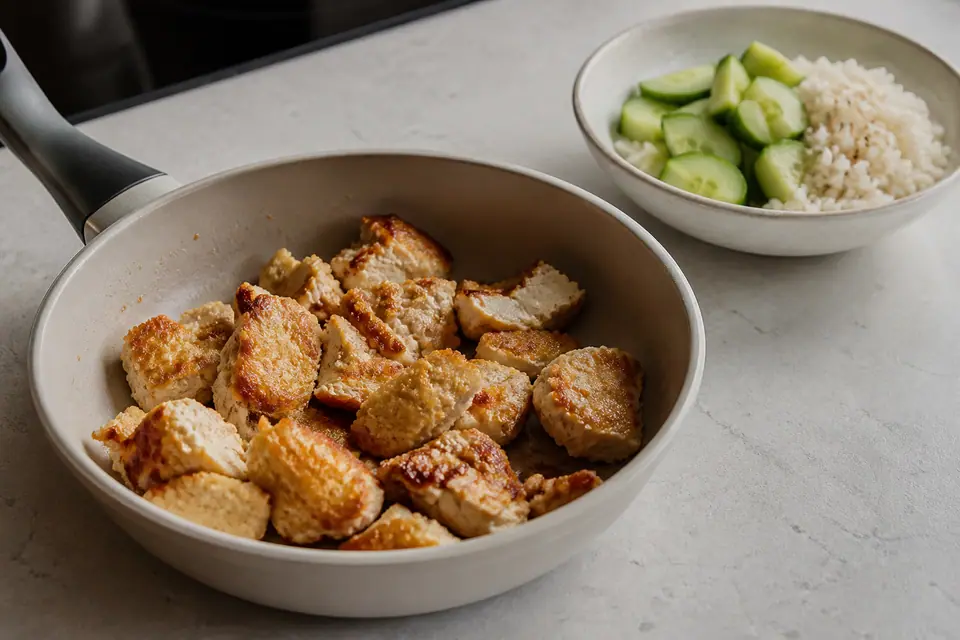
Firm vs extra-firm tofu: which crisps best?
Extra-firm tofu is the reliable choice for crisp edges and turning. Firm tofu can still work when you press it gently, use larger pieces and avoid overhandling.

5 dinners for a bag of carrots
Roast carrots with beans, blend them into lentil soup, fry them with rice, fold them through pasta or build a spiced traybake around them.
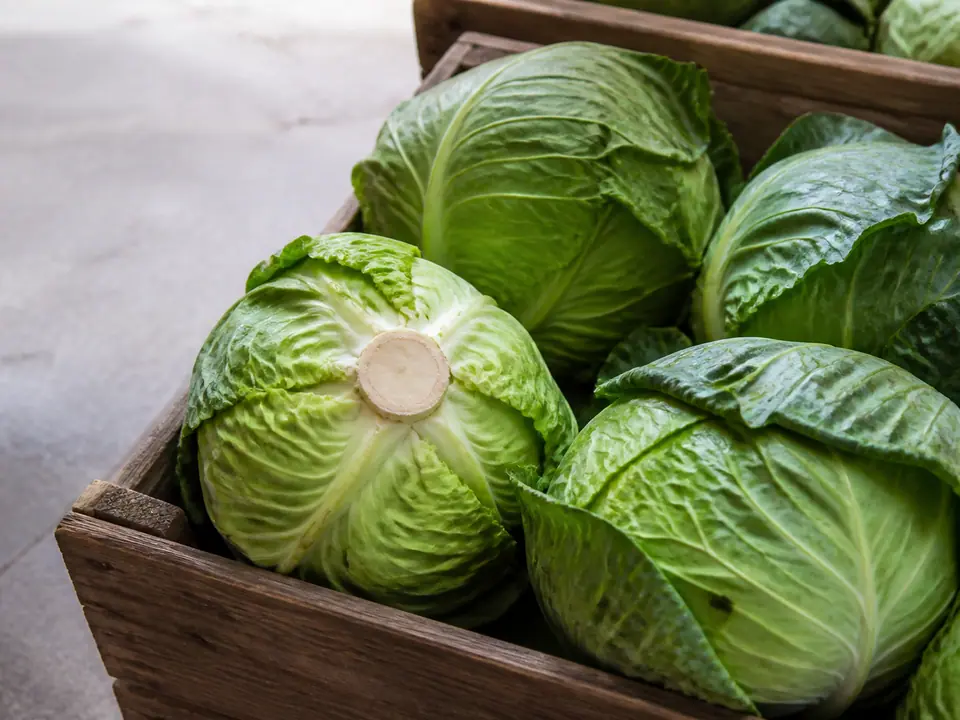
How to choose a cabbage that will stay crisp
A crisp cabbage feels dense, has tightly packed leaves and a dry cut base. The shop test takes less time than rescuing a wilted half later.