The variety, cut and liquid decide whether the apple keeps a slice
Apples soften at different rates because varieties hold their cell structure differently. Heat, liquid and thin cuts speed collapse, while thicker slices and dry heat preserve shape.

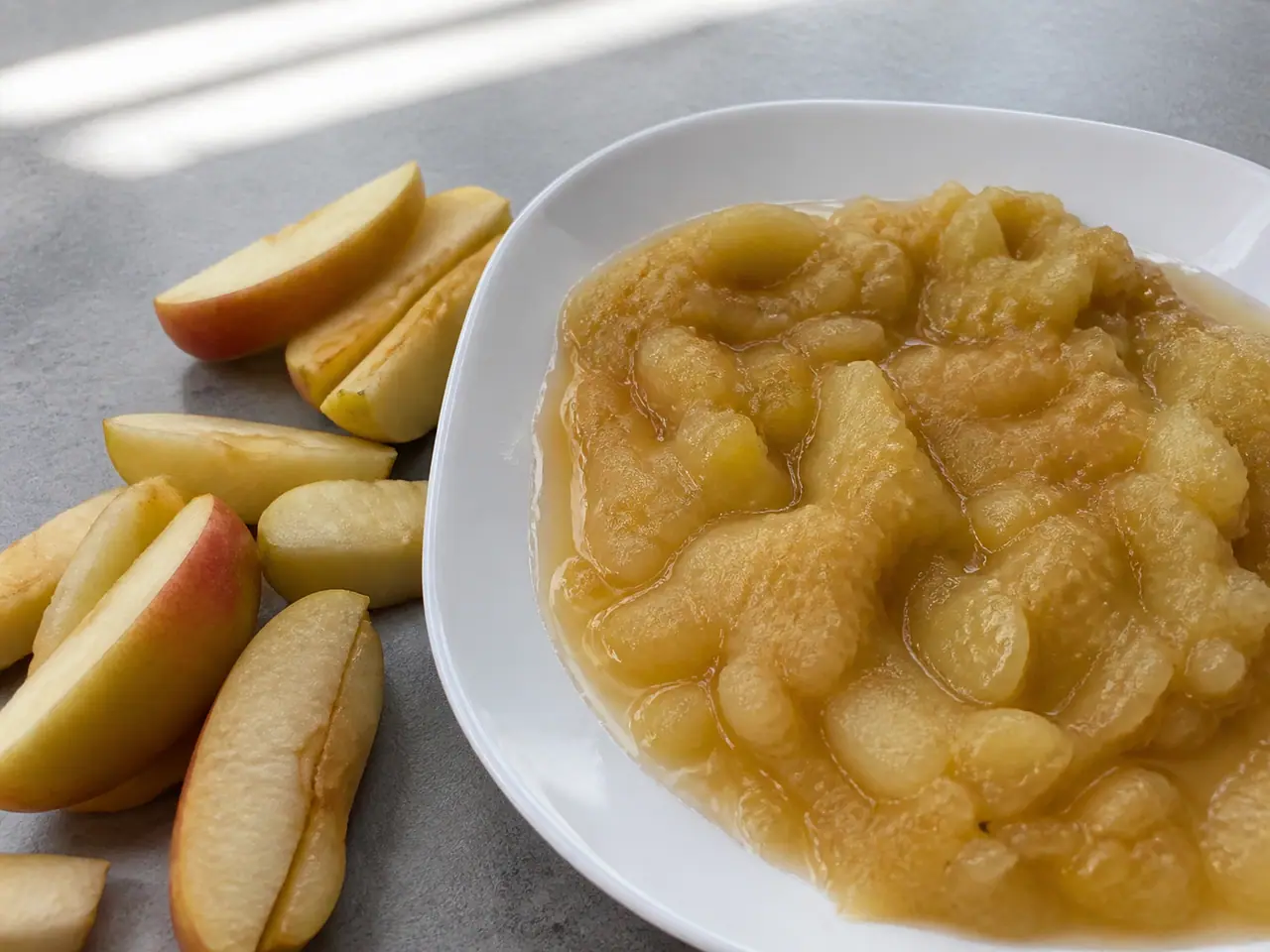
Some apples leave the oven as slices you can lift. Others become a soft sharp sauce that runs into every gap. The difference is not a failure of the recipe. Apple varieties carry different structures, and heat, liquid and slice thickness decide how quickly that structure gives way.
I test an apple before I sweeten it. One raw slice tells me whether the fruit is firm, sharp, sweet or already soft. From there I choose a tart, crumble, sauce or tray and stop asking one apple to behave like another.
Cell structure sets the pace
Firm apples keep their shape because the flesh resists heat for longer. Softer varieties break down sooner, especially when the slices are thin or pressed under other ingredients.
The oven exposes that difference rather than creating it. Two apples in one dish can finish at different textures even when they started the same size.
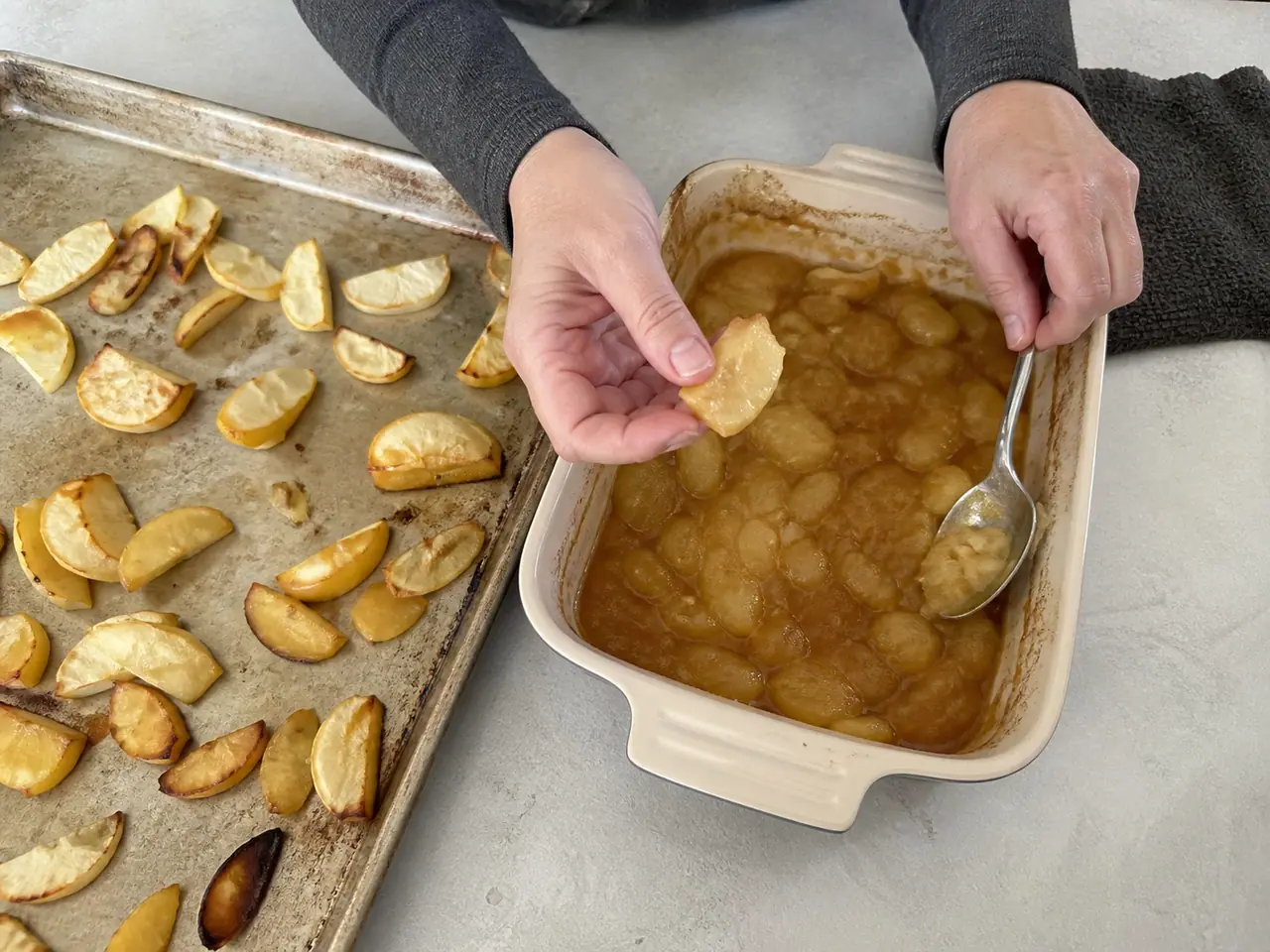
Liquid speeds softening
Apple juice, water, butter and syrup create a wet environment around the slices. That is useful for sauce, but it moves an apple away from a dry roasted edge.
For distinct slices, use a shallow tray and avoid a deep pool of liquid. For sauce, add the liquid deliberately and let the pieces collapse into it.
I keep one piece aside so I can compare it with the next batch.
Acid changes the balance
Lemon keeps cut apples bright but can make a sharp variety taste even more pointed. Sweetness, fat and cinnamon can round that edge without hiding the apple.
I add sugar after tasting the raw fruit. The same spoonful is unnecessary for a sweet eating apple and useful for a tart cooking apple.
The clock helps, but the surface gives the better signal.
Cut thickness matters
Thin slices cook quickly and lose structure. Thick wedges take longer and can keep a clean centre while the outer edge browns.
If the dish needs a smooth sauce, cut small. If it needs bite, cut larger and keep the pieces away from excess liquid.
That small pause saves more food than a rescue at the end.
Cool before judging
A hot apple looks looser than it will taste after five minutes. The juices thicken and the flesh firms slightly as steam leaves the dish.
I let the tray rest before deciding it failed. A soft apple may be exactly right for porridge or pastry, while a firm one can need another few minutes to lose its raw centre.
The next step works better when the excess moisture has somewhere to go.
Choose the result first
For sauce, use sharp apples, a little liquid and small pieces. For slices, use a firm variety, thicker cuts and a shallow dry tray. For a mixed bake, use each apple where its texture helps.
The best method begins with the texture you want to eat. The variety and cut are tools for reaching that result, not rules you have to defend.
I keep one piece aside so I can compare it with the next batch.
The common rescue is to add more heat, but that usually makes the outside race ahead of the centre. I lower the burner, spread the apples out and give the moisture a route to leave. If the pan is already wet, I wait for evaporation before adding oil, sauce or another handful. A calm correction preserves more texture than a dramatic one.
A different vessel can solve the same problem. A wide tray gives space around pieces, a covered pot gives gentle steam and a shallow skillet gives the cut face contact with metal. I choose the vessel by the failure I am trying to avoid. The apples does not need one magic temperature; it needs a useful balance between contact, moisture and time.
I also taste before deciding that the ingredient is the problem. Lemon, yogurt, mustard or a little salt can make a strong vegetable or fruit feel balanced, but seasoning cannot repair a raw centre, a bruised piece or a burnt edge. First fix the physical condition, then adjust flavour. That order keeps the rescue simple and keeps the original ingredient recognisable.
The useful lesson is to watch the ingredient while it cooks. A surface that browns quickly, a centre that resists the knife or liquid that gathers at the bottom all tell you what to change next. Adjust one thing at a time so the result stays readable. Spread the pieces, change the vessel, lower the heat or give the food a few quiet minutes before judging it. Once the physical problem is solved, seasoning becomes easier and the finished dish needs less rescuing. That is the habit I trust most: observe, make one correction and taste again.
For the quality and storage details behind my kitchen observations, I use the UC Davis apple produce fact sheet alongside the timed test described above.
The practical verdict
Some apples collapse because variety, heat, liquid and thin cuts soften their cell structure faster. Others stay sharp because they retain a firmer bite.
Choose the apple and cut for the result you want, then judge the tray after it has rested.
Questions
Why do some apples turn to sauce?
How do I keep apples from going mushy when baking?
Why are my baked apples watery?
Do apples firm up after baking?
More guides
All guides →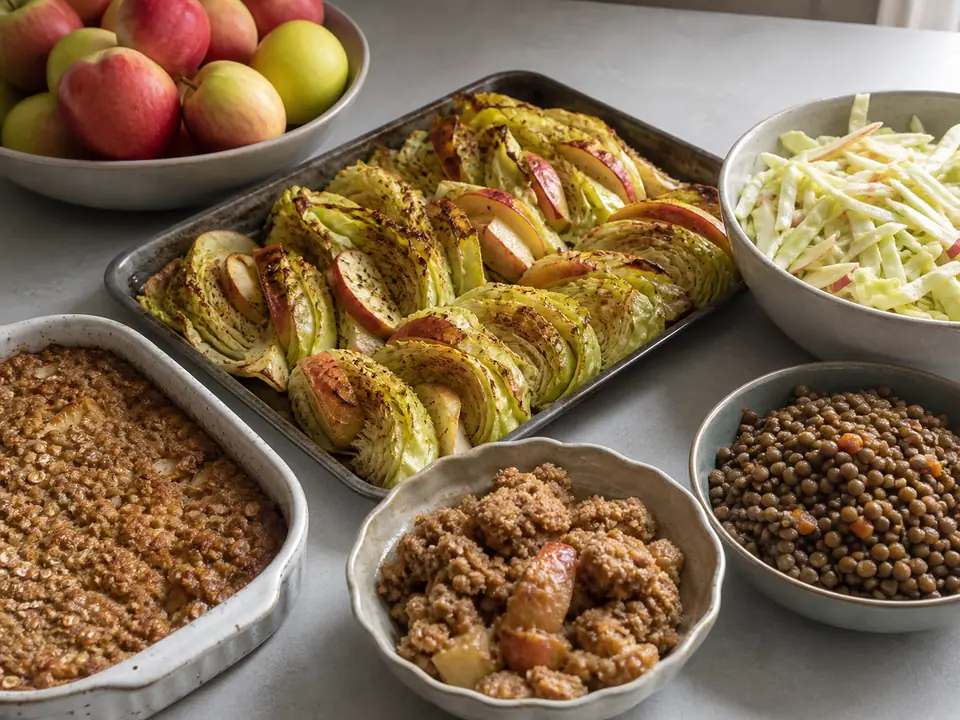
5 dinners and bakes for an apple glut
A glut of apples can become a savoury tray, slaw, lentil curry, baked oats or crumble. Use firm fruit raw and softer apples in sauce or baking.
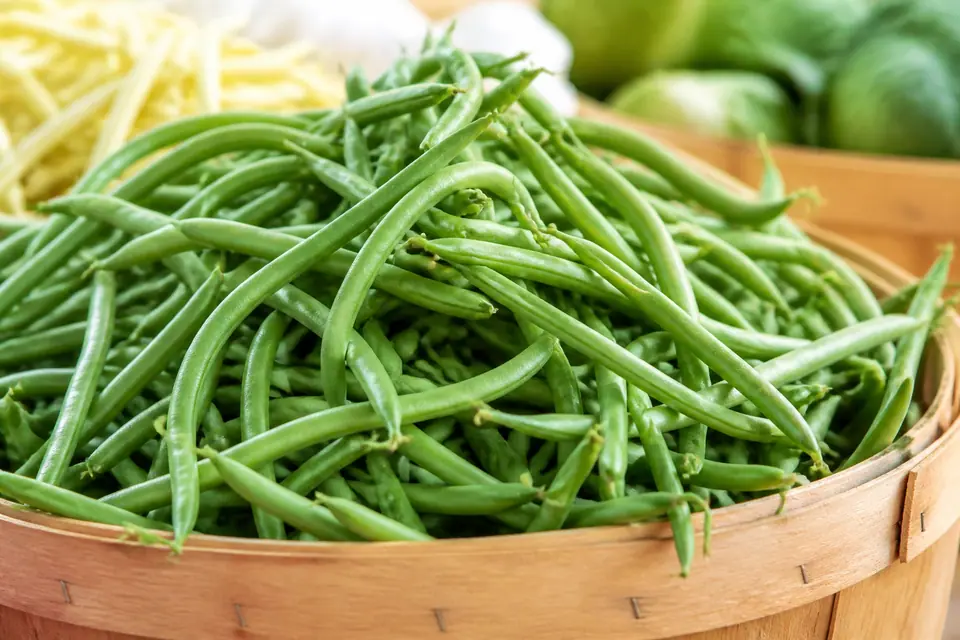
How to choose green beans that still snap
Fresh green beans are smooth, bright and firm, with a clean snap and no swollen seed bumps. A flexible limp pod is usually a thirsty older pod, not a tender one.
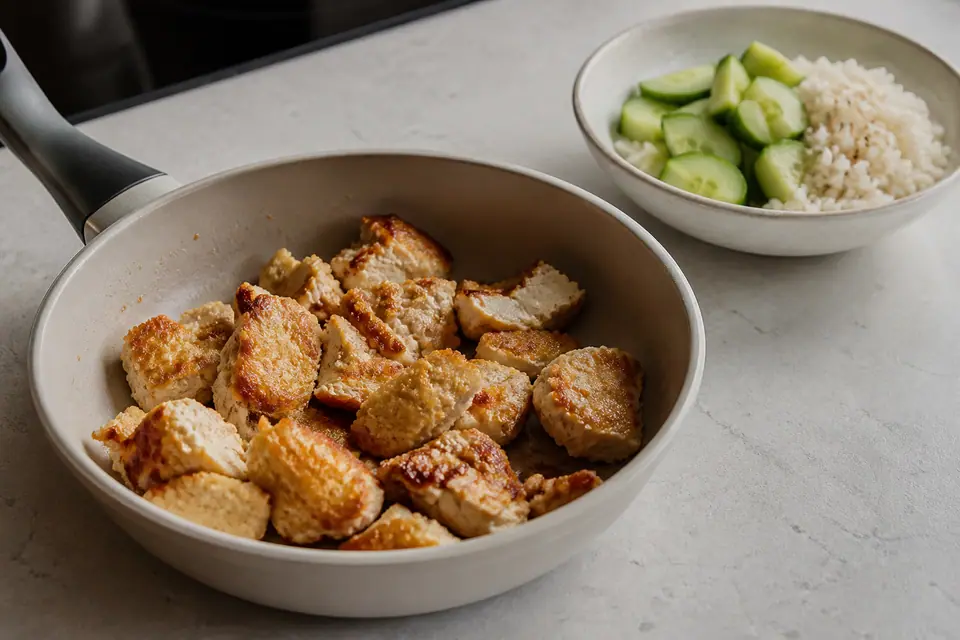
Firm vs extra-firm tofu: which crisps best?
Extra-firm tofu is the reliable choice for crisp edges and turning. Firm tofu can still work when you press it gently, use larger pieces and avoid overhandling.