Buying guides
How to choose green beans that still snap
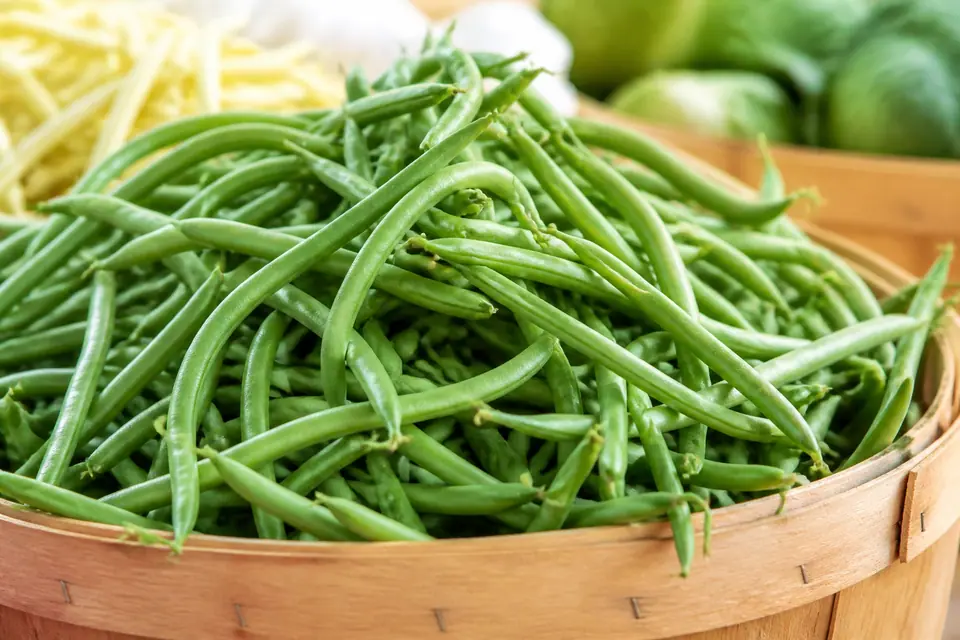
Fresh green beans are smooth, bright and firm, with a clean snap and no swollen seed bumps. A flexible limp pod is usually a thirsty older pod, not a tender one.
24 pages tagged cooking-skills.
Fresh green beans are smooth, bright and firm, with a clean snap and no swollen seed bumps. A flexible limp pod is usually a thirsty older pod, not a tender one.
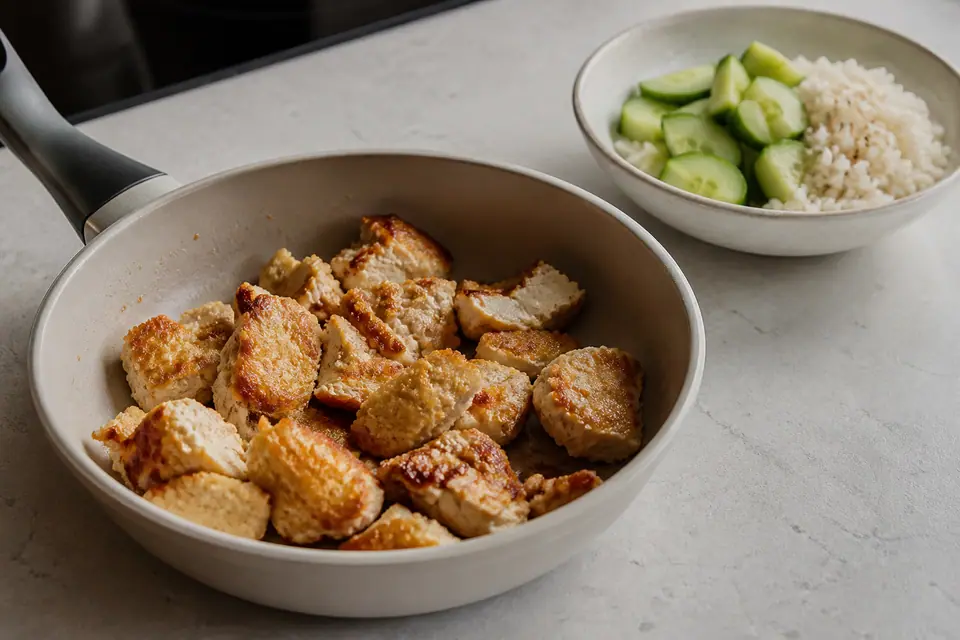
Extra-firm tofu is the reliable choice for crisp edges and turning. Firm tofu can still work when you press it gently, use larger pieces and avoid overhandling.
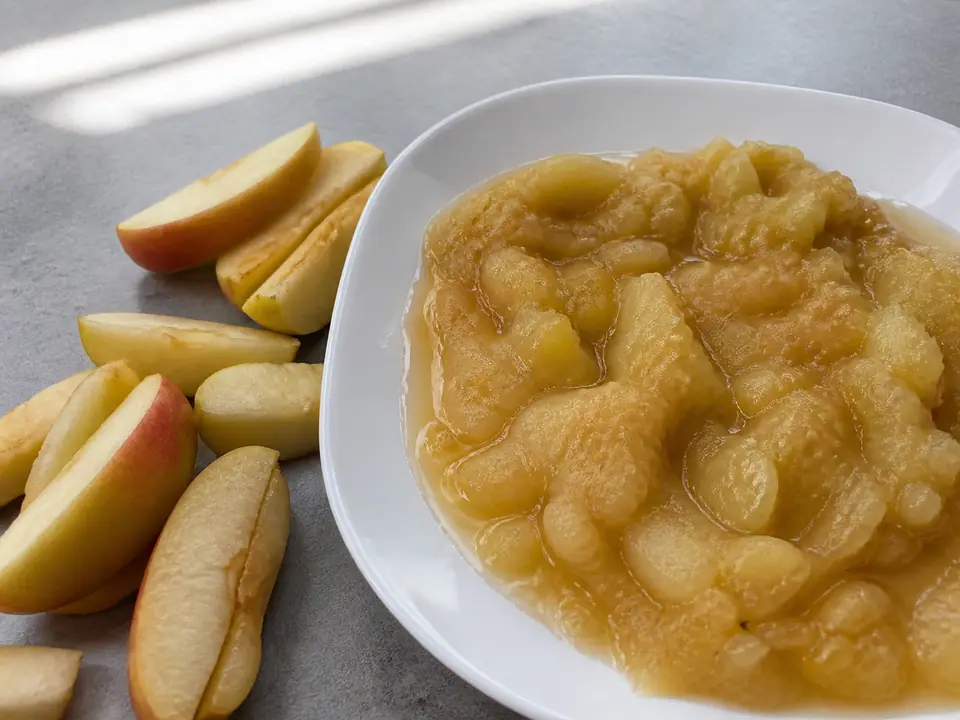
Apples soften at different rates because varieties hold their cell structure differently. Heat, liquid and thin cuts speed collapse, while thicker slices and dry heat preserve shape.
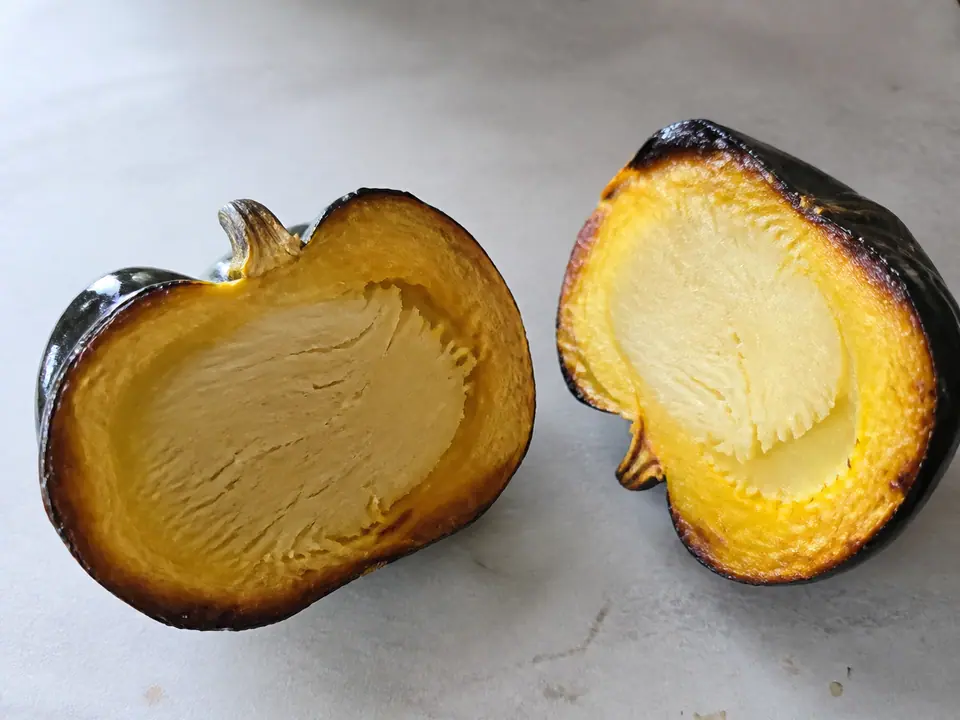
Hard-centred squash usually needs a better cut, more space or a covered stage. Brown the surface after the thickest part is tender.
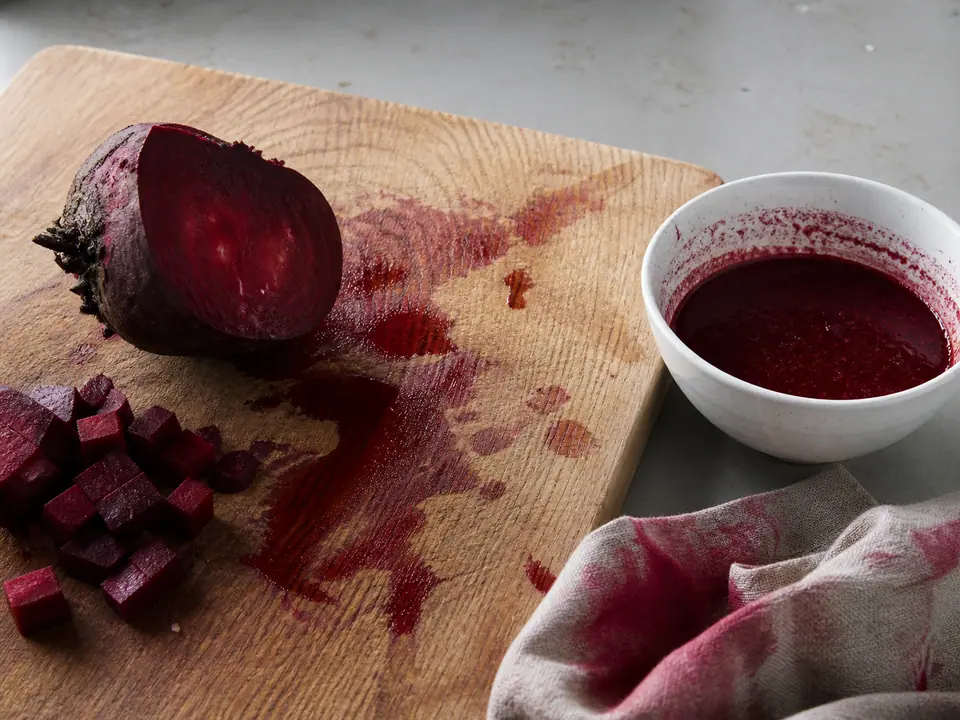
Beetroot’s red-purple pigments are water-soluble enough to travel through juice, dressing and damp hands. The flavour stays earthy, so use acid, salt and creamy partners to give it shape.
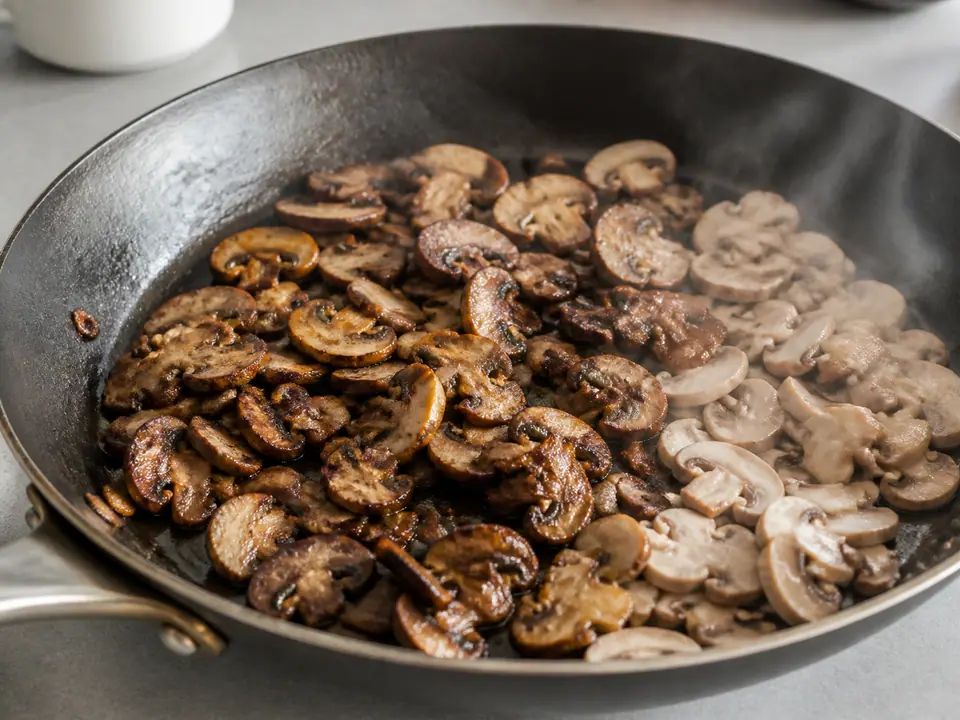
Mushrooms release a surprising amount of water. Give them a dry surface, a wide pan and time before seasoning if you want colour instead of a grey simmer.
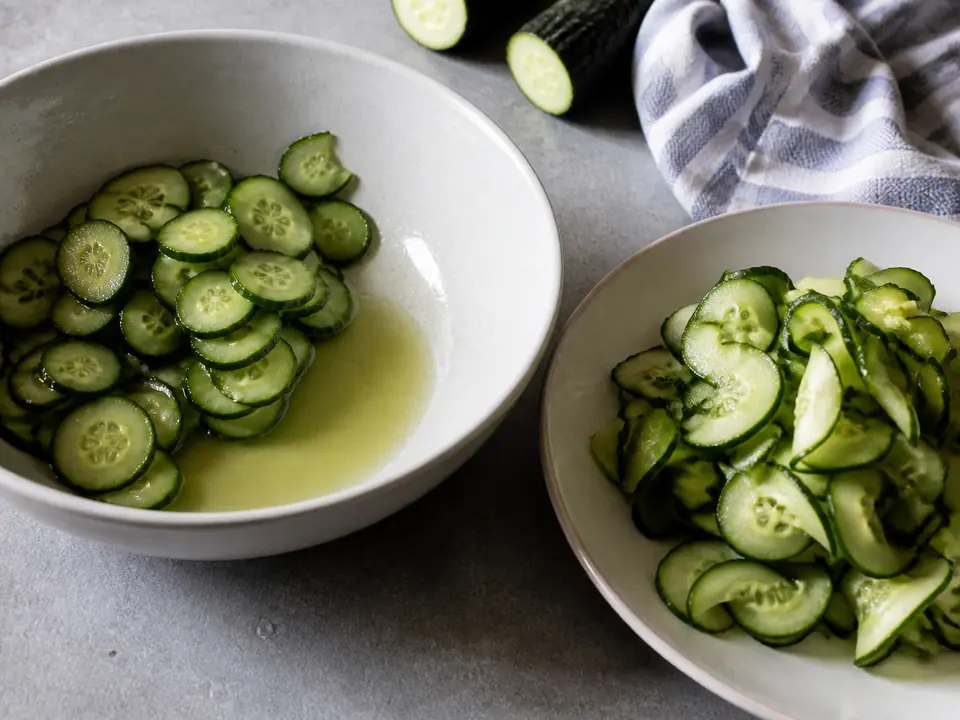
Cucumber cells hold a lot of water. Cutting, salting and warming break that structure, so the water moves into the bowl unless you drain or dress it late.
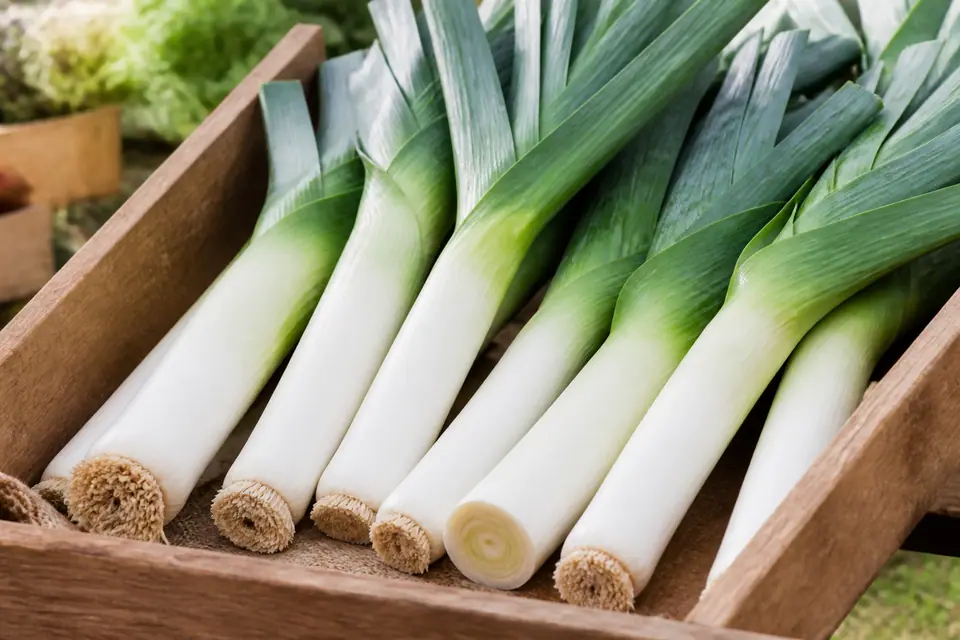
The best leek for dinner is firm and heavy for its size, with a generous white-to-pale-green shaft and crisp leaves rather than a huge green top.
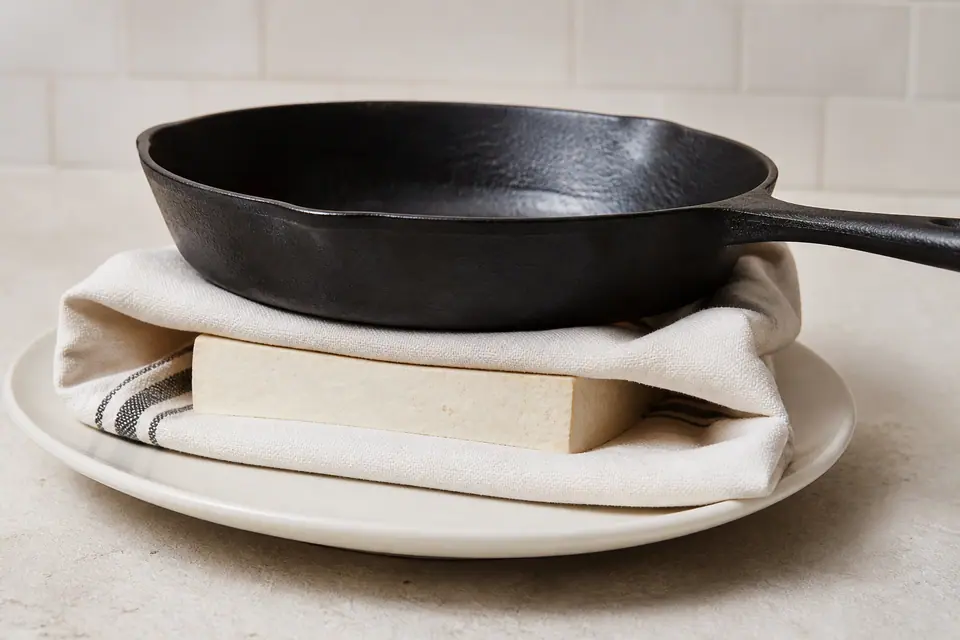
You can press tofu with a tea towel, plate and heavy pan. The aim is a drier surface, not a perfectly flat block or a long kitchen project.
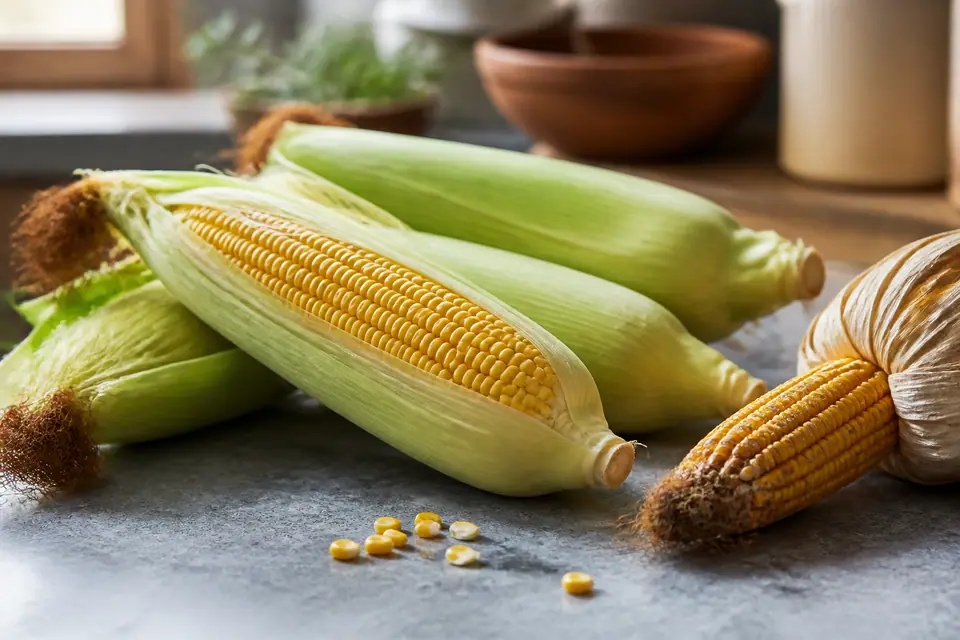
Sweetcorn is sweetest close to harvest because its sugars begin changing into starch once the ear is picked. Cold storage slows the process; it does not reverse it.
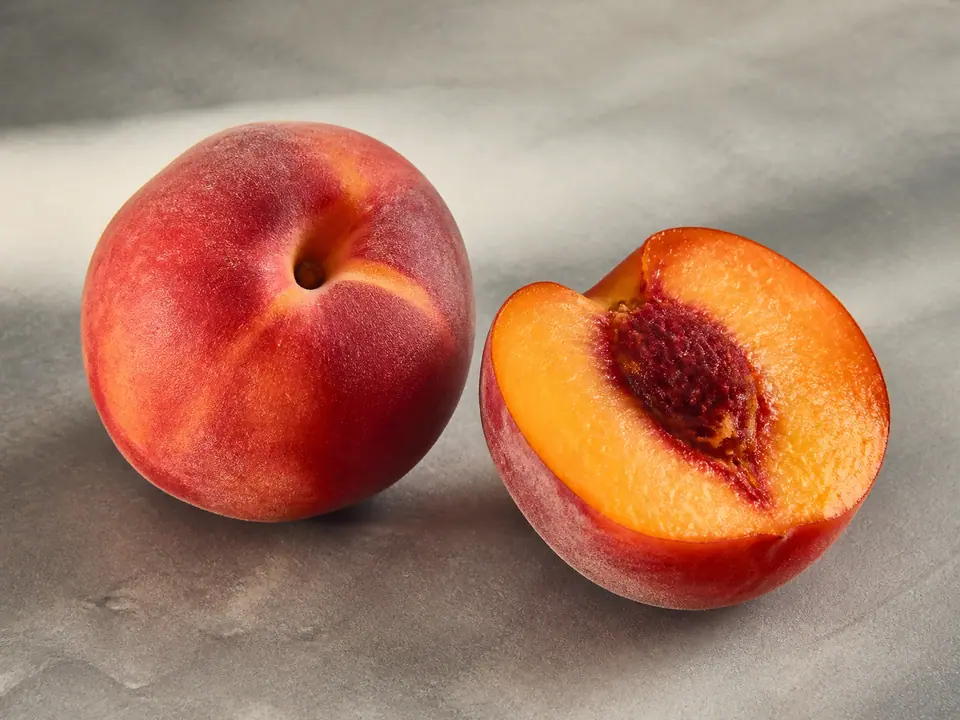
Peach aroma can build before the flesh becomes soft and juicy. Let firm fruit ripen at room temperature, then chill it only after the texture is ready.
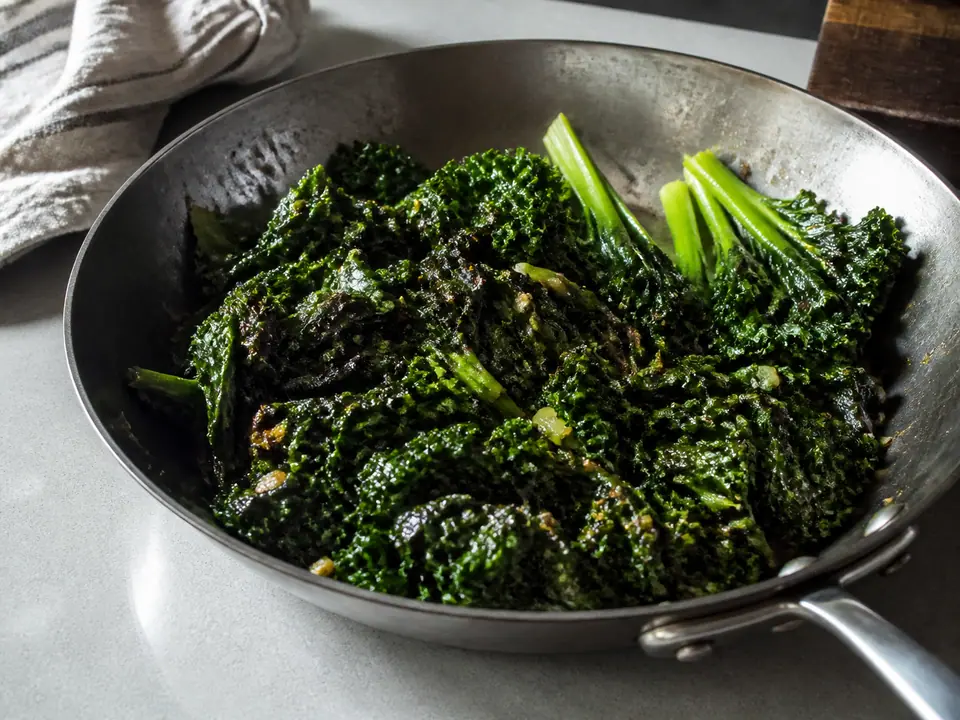
Kale needs a short steam or braise before a dry finish. Give the ribs a head start, add a splash of water and do not judge tenderness by colour alone.
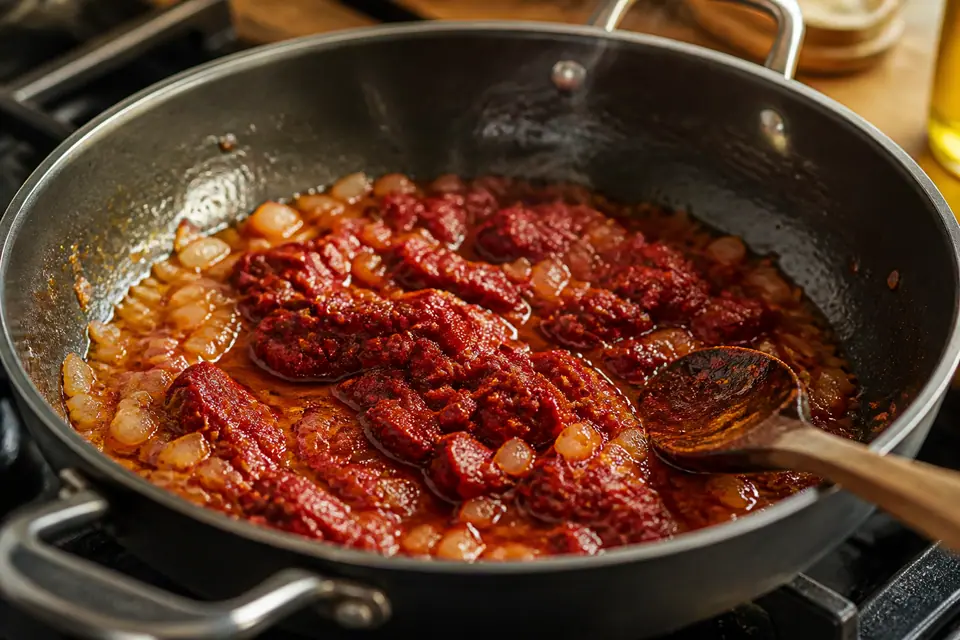
Frying tomato paste removes its raw edge, concentrates its savoury flavour and coats the cooking fat before liquid is added. The colour in the pan tells you when to stop.
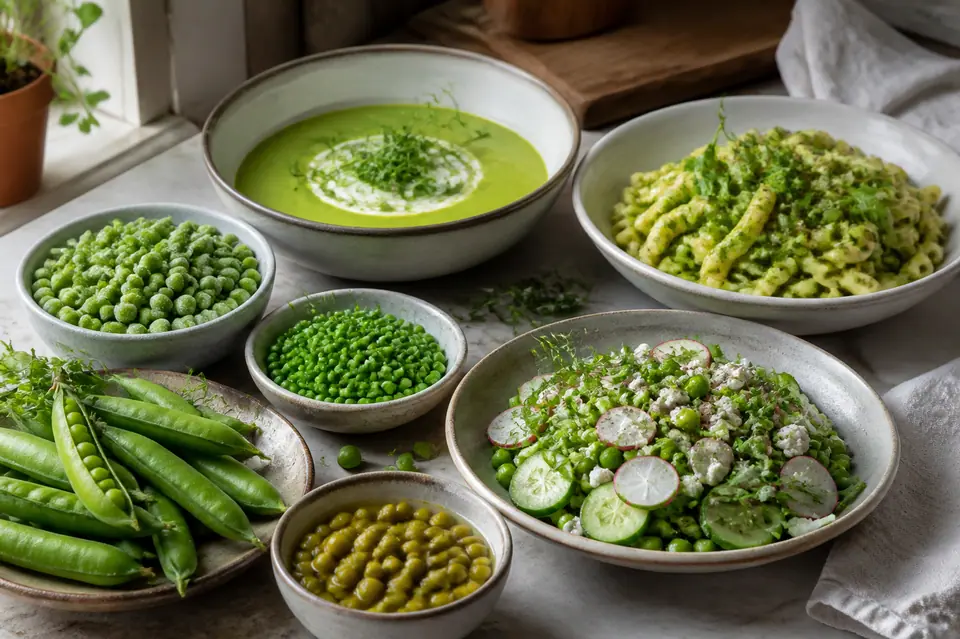
Frozen garden peas are my everyday choice for pasta, petits pois suit a smooth soup and fresh peas earn their place in a raw or barely cooked salad.
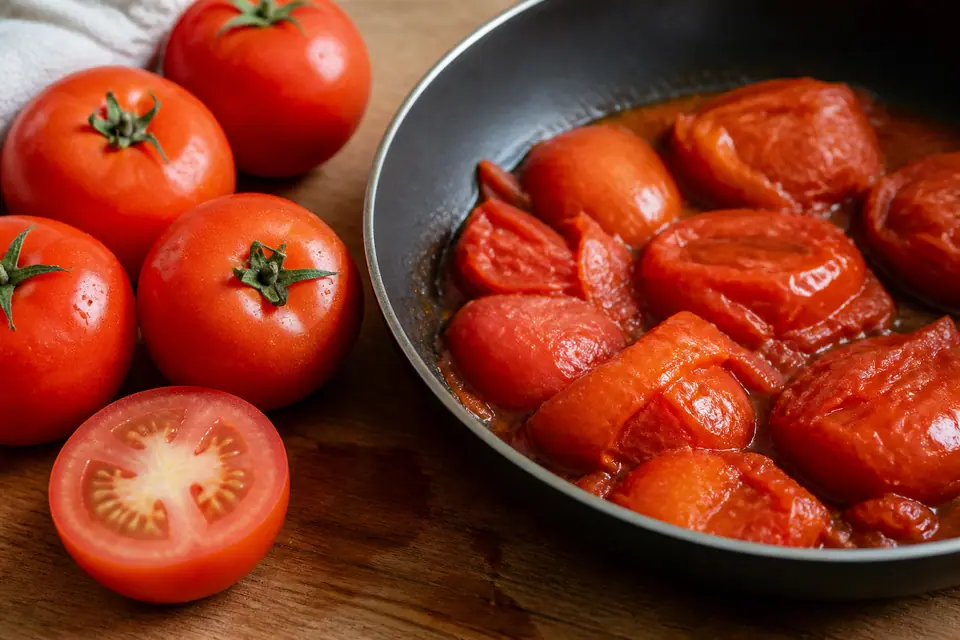
Some tomatoes are picked for transport rather than immediate flavour. Their skin may colour while the flesh stays firm, pale and watery.
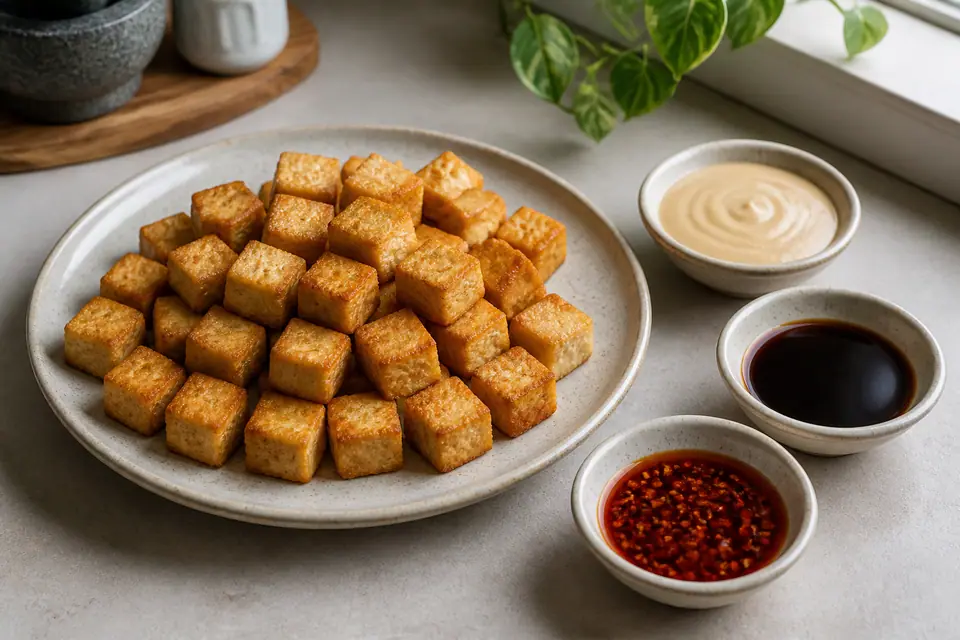
Crisp tofu lasts longer when the sauce is thick, added late or served underneath. Build contrast with cucumber, lemon, tahini or chilli oil at the table.
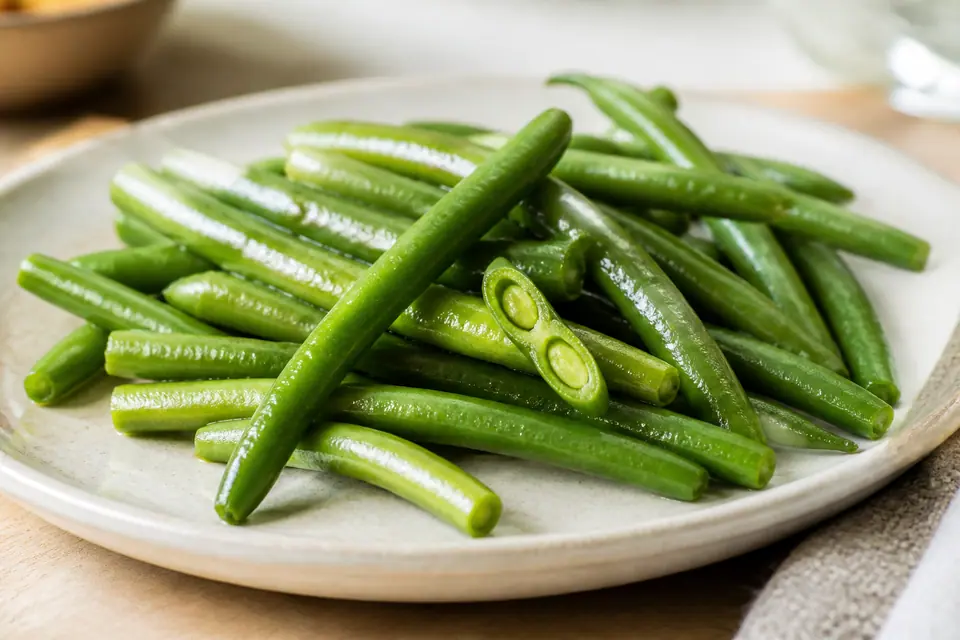
That squeaky bite means the bean is still too firm for the dish. Give it more heat and moisture, then stop as soon as the pod bends and the centre loses its raw resistance.
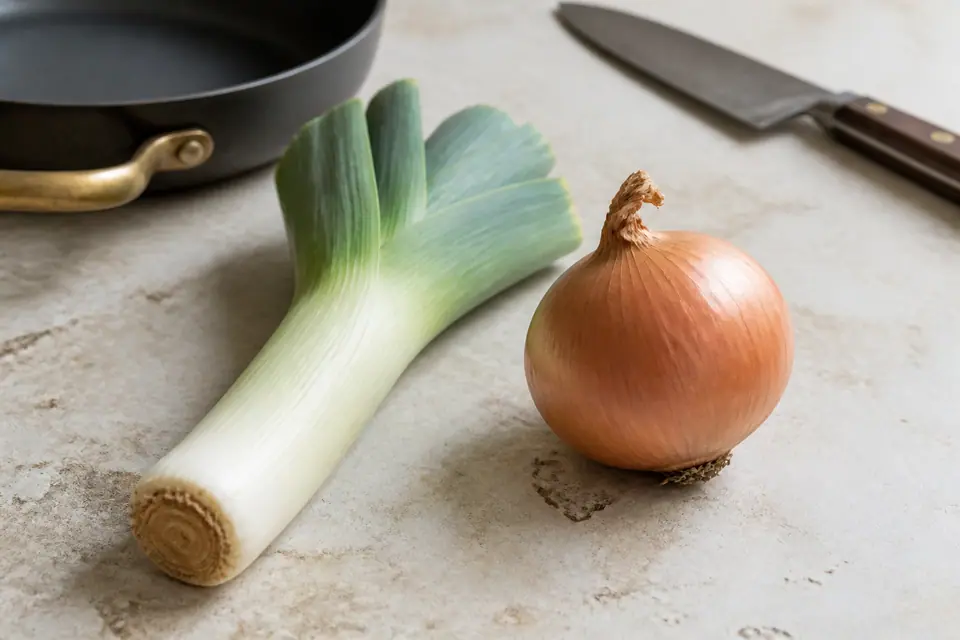
Use onions when you want a strong savoury base; use leeks when you want a tender, sweet allium that can remain visible in the finished dish.
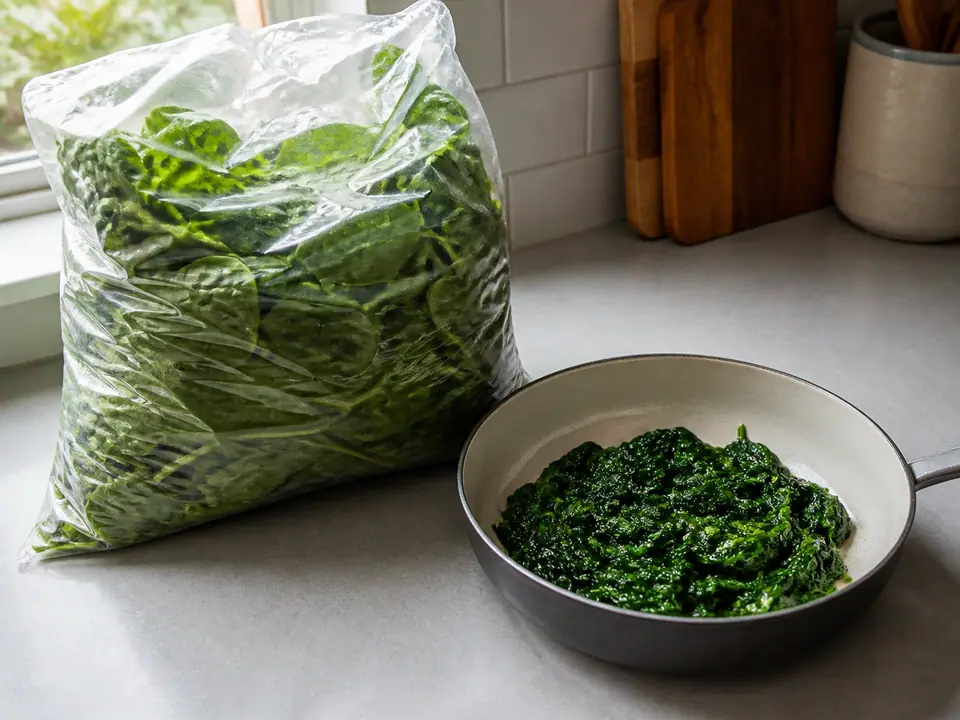
Heat collapses the air between spinach leaves and drives out water, so a large bag becomes a small cooked handful. Add by cooked volume, not raw appearance.
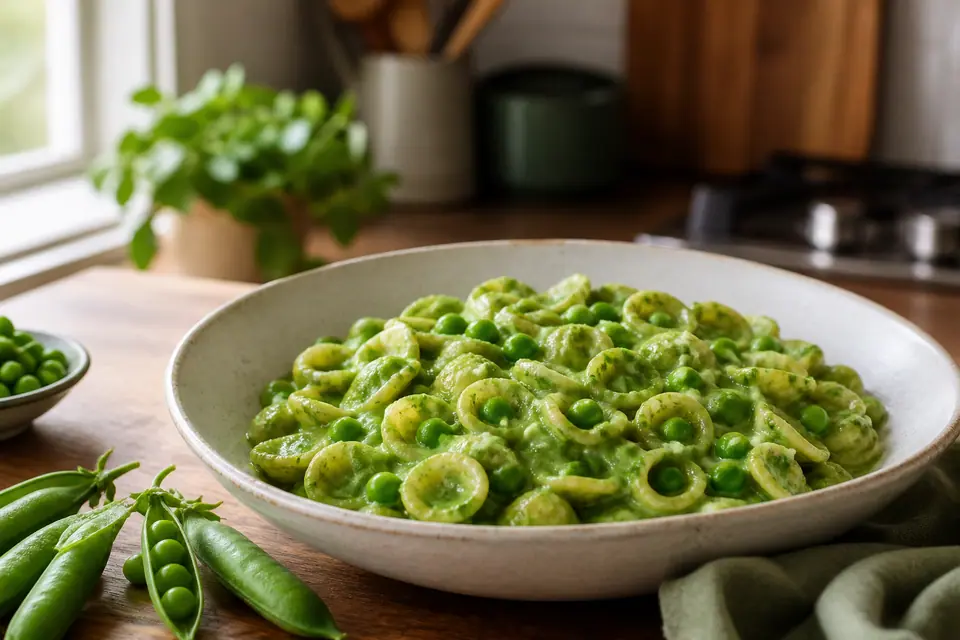
A pea does not become fresher in the freezer, but freezing can hold it close to the moment it was harvested. That is why the bag can beat the pod.
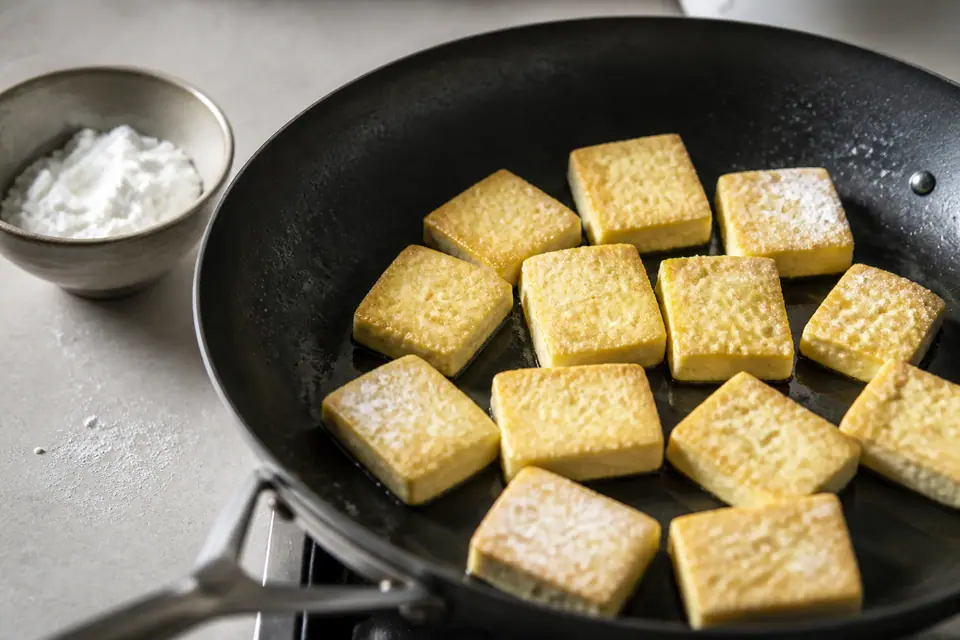
A thin, even dusting of cornstarch gives tofu a crisp shell. Too much leaves powdery patches and makes the coating fall off in the pan.
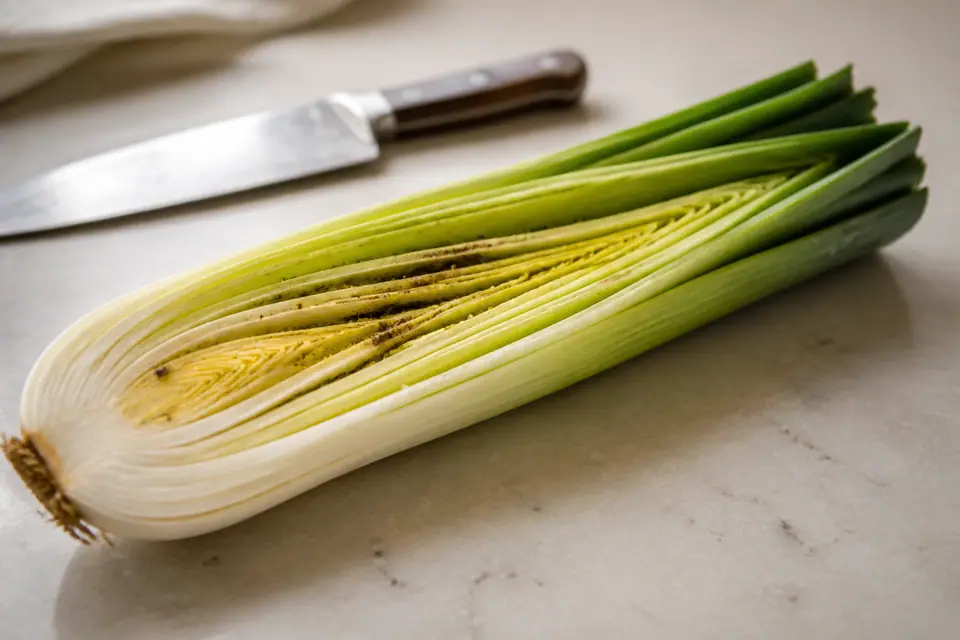
Leeks grow by adding leaves around a central shaft, so soil can sit in the folds. Cut them before washing and let the grit sink away from the rings.
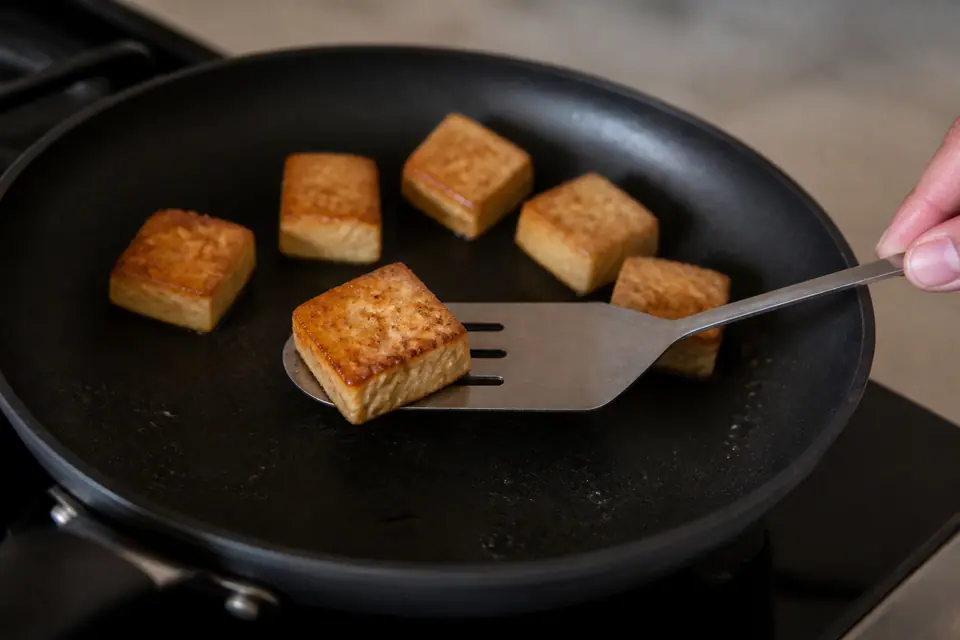
Sticking usually comes from wet tofu, a cool pan, early turning or a thin pan surface. Fix the sequence and the crust releases on its own.
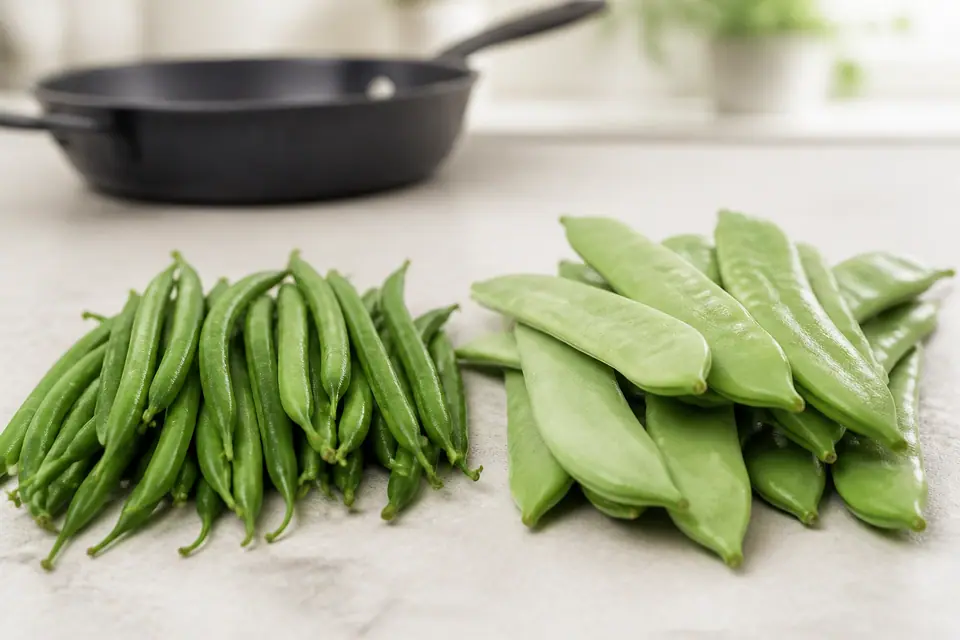
Fine beans are the easier choice for quick, even cooking. Runner beans have more character and a broader texture, but their width means you need to cut and test them carefully.