A cucumber is built around water, so salt, heat and time make it travel
Cucumber cells hold a lot of water. Cutting, salting and warming break that structure, so the water moves into the bowl unless you drain or dress it late.

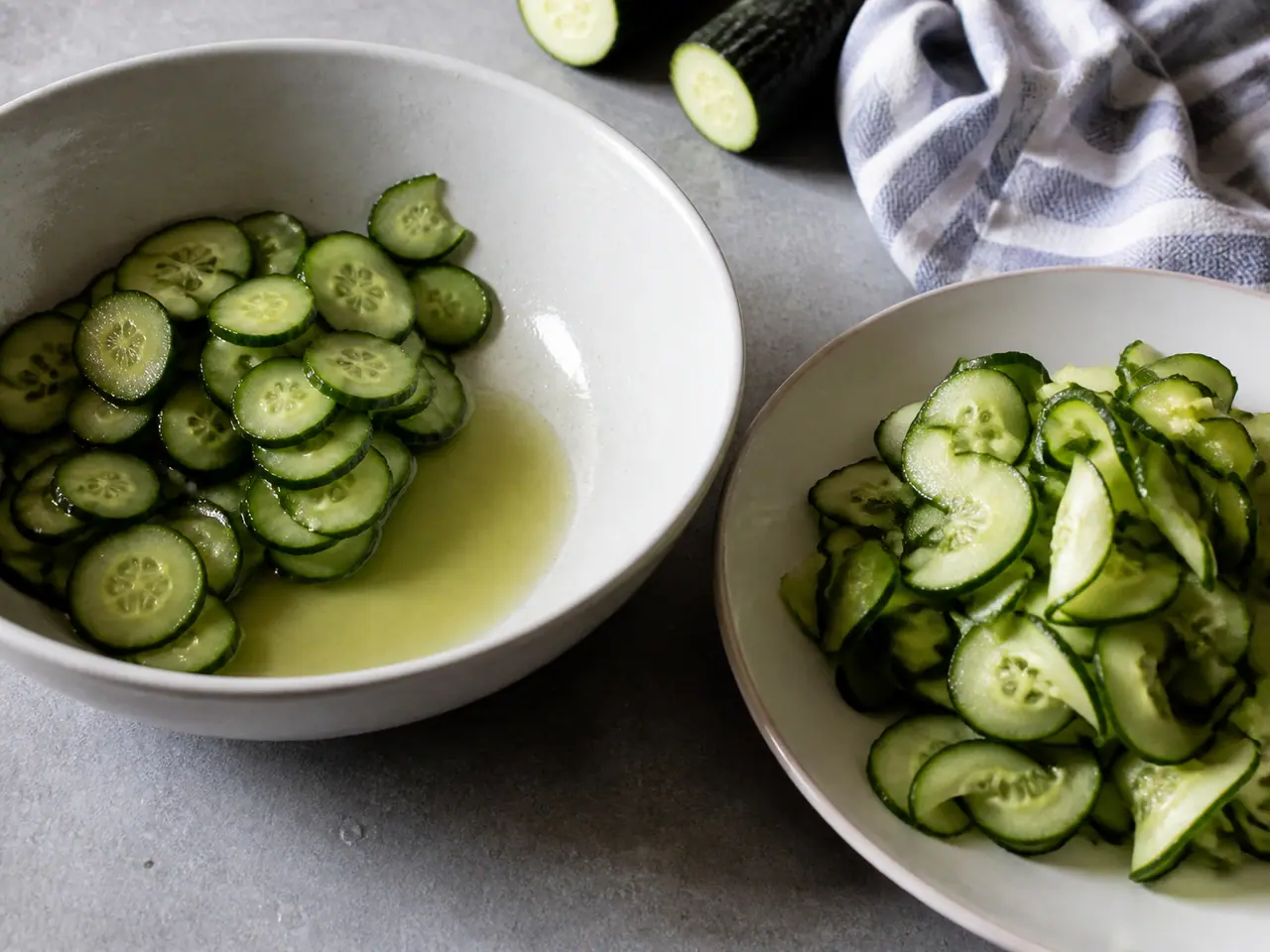
Cucumber brings crunch by carrying water. Once the cells are cut, salt or heat gives that water a route into the bowl. The result is a salad that starts crisp and ends floating in a pale dressing.
I do not try to remove every drop. I decide how much water the dish can take. For a yogurt sauce, I salt and drain the cucumber. For a quick salad, I cut and dress it at the last moment so the water arrives with the bite.
Cutting opens the cells
A whole cucumber keeps its water inside a continuous structure. Slices and smashed pieces expose more cut surface, so juice begins to collect as they sit.
Thin slices release water faster than thick chunks. That is useful for a pickle or dressing, but risky when the cucumber is meant to stay crisp beside bread or tofu.
Salt pulls water outward
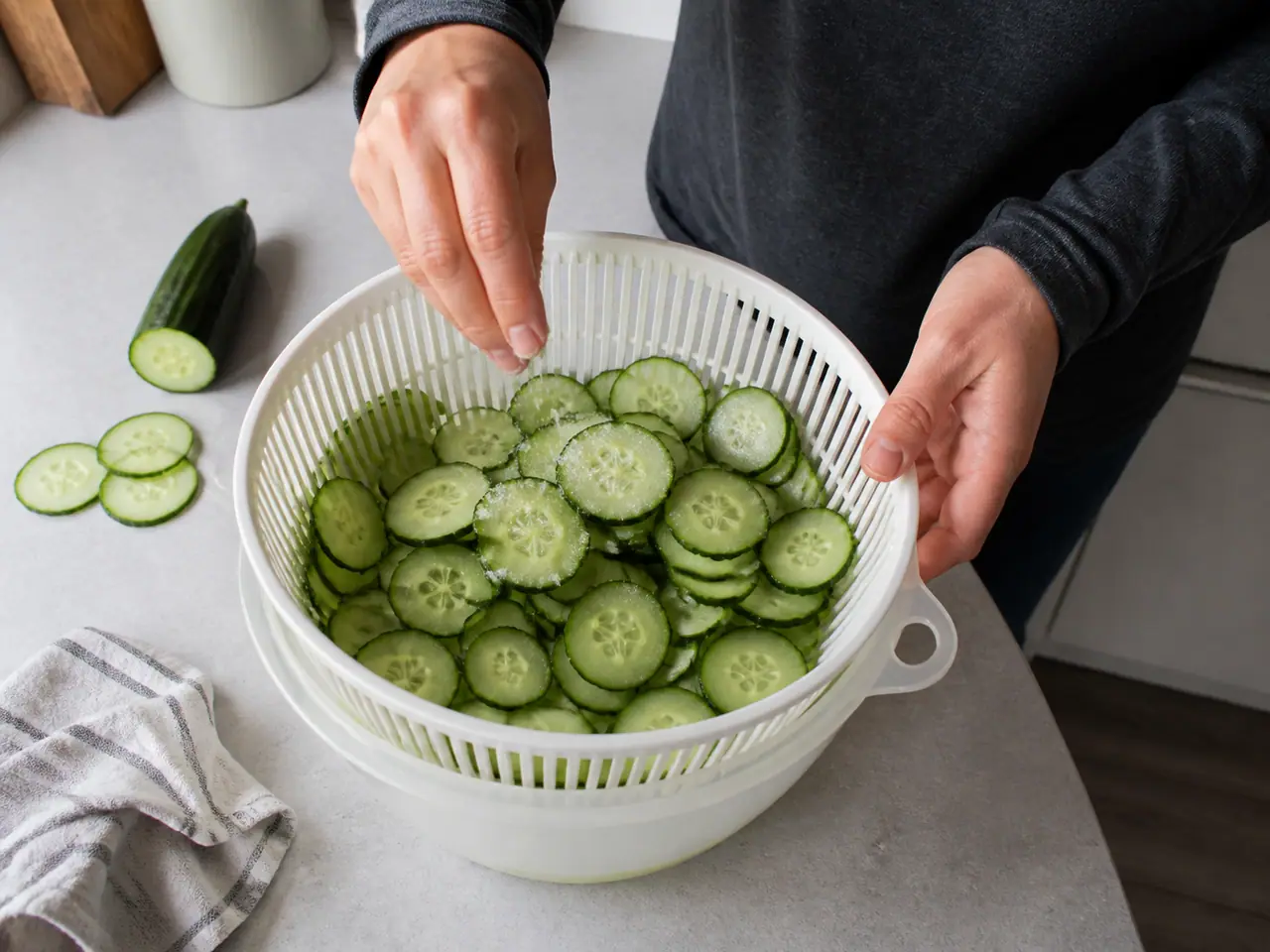
Salt changes the concentration at the surface and draws liquid from the cucumber. The process softens the pieces if they sit too long, which is why salting can be either a tool or a mistake.
For a drained salad, I salt lightly, wait ten minutes and pour away the liquid. For a fresh chopped bowl, I wait until the sauce is ready and salt at the table.
I keep one piece aside so I can compare it with the next batch.
Heat softens a different way
Warm cucumbers release water quickly and lose their raw crunch. They can be cooked, but the dish needs a plan for the liquid and a short cooking time.
If I add cucumber to a hot tofu bowl, it goes in after the heat is off. The residual warmth takes the chill away without turning the rice into a wet pan.
The clock helps, but the surface gives the better signal.
Seeds hold the softest centre
The seed cavity is usually wetter and less firm than the outer flesh. Removing it gives a chopped cucumber more structure, especially when the fruit is mature.
I scrape the centre from a soft salad cucumber for sandwiches or yogurt. I keep it when the cucumber is fresh and the dish is being eaten immediately.
That small pause saves more food than a rescue at the end.
Dressing timing is a texture tool
Oil, acid and salt start changing the cucumber as soon as they meet it. Mix them early when you want a marinated salad; mix them late when crunch is the point.
A thick yogurt dressing can also become loose as cucumber juice joins it. Stir the base first, drain the cucumber and fold it in shortly before eating.
The next step works better when the excess moisture has somewhere to go.
Drain without crushing
A colander and a light pinch remove excess water. I do not wring cucumber hard because that breaks the pieces and leaves a soft texture.
Lay the pieces on a towel for a few minutes if the final dish needs to stay dry. The towel removes surface water while the centre remains juicy.
I keep one piece aside so I can compare it with the next batch.
The common rescue is to add more heat, but that usually makes the outside race ahead of the centre. I lower the burner, spread the cucumber out and give the moisture a route to leave. If the pan is already wet, I wait for evaporation before adding oil, sauce or another handful. A calm correction preserves more texture than a dramatic one.
A different pan can solve the same problem. A wide metal skillet gives a dry surface; a covered pot gives gentle steam; a tray gives space around pieces. I choose the vessel by the failure I am trying to avoid. Cucumber do not need one magic temperature. They need the right balance between contact, moisture and time.
I also taste before I decide that the ingredient is the problem. A little salt, lemon or yogurt can make a naturally strong green or earthy vegetable feel balanced, but seasoning cannot repair a raw rib or a burnt edge. First fix the physical condition, then adjust flavour. That order keeps the rescue simple and keeps the original ingredient recognisable.
For the quality and storage details that sit behind my kitchen observations, I use the UC Davis cucumber produce fact sheet alongside the timed test described above.
The practical verdict
Cucumbers release water because cutting, salt and warmth break the structure that holds their juice. Control the timing instead of fighting the ingredient.
Drain for thick sauces, dress late for crunch and keep warm cucumber out of a hot pan unless the liquid is welcome.
Questions
How do I stop cucumber salad becoming watery?
Should cucumbers be salted before salad?
Why does cucumber get watery in yogurt?
Can cucumbers be cooked?
More guides
All guides →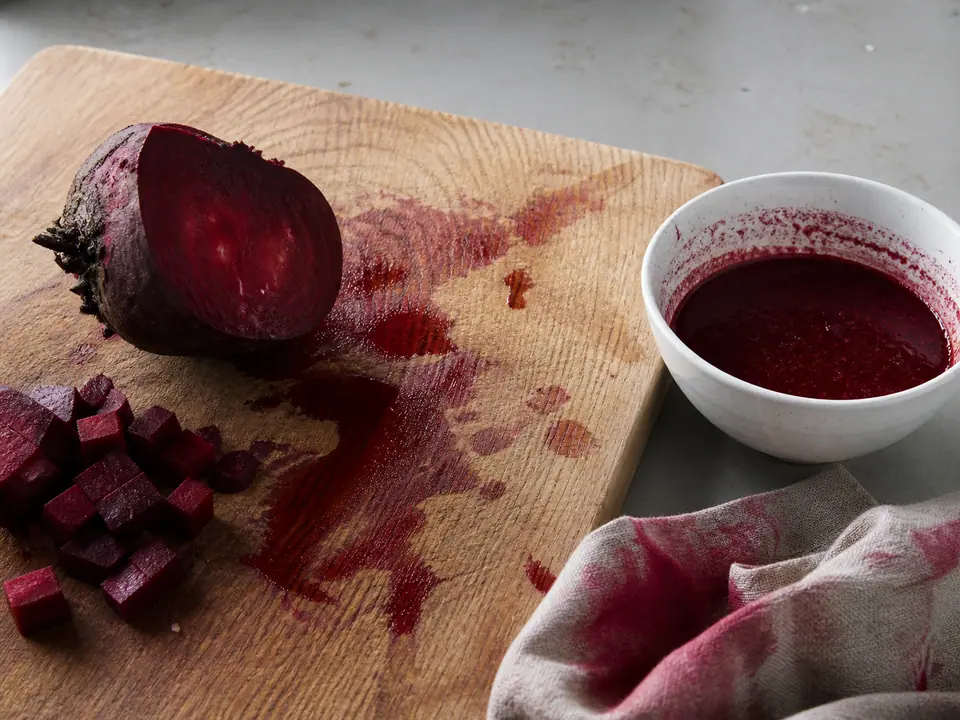
Why beetroot stains everything except the flavour
Beetroot’s red-purple pigments are water-soluble enough to travel through juice, dressing and damp hands. The flavour stays earthy, so use acid, salt and creamy partners to give it shape.

5 fresh dinners for a hot day
Five dinners that need little or no oven heat: crisp cucumber bowls, tomato beans, yogurt flatbread, cold noodles and chickpea lettuce cups.
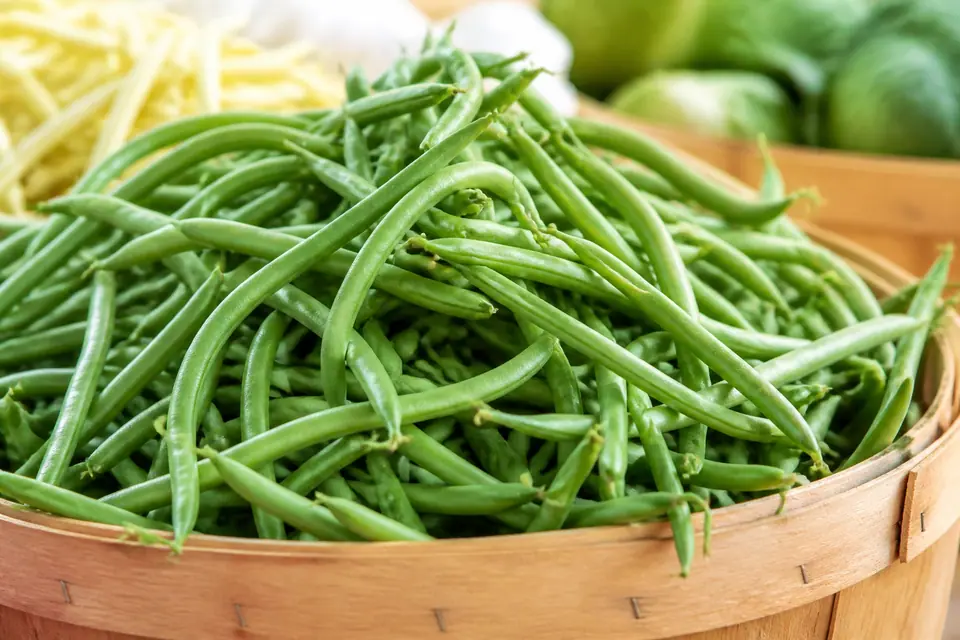
How to choose green beans that still snap
Fresh green beans are smooth, bright and firm, with a clean snap and no swollen seed bumps. A flexible limp pod is usually a thirsty older pod, not a tender one.