Buying guides
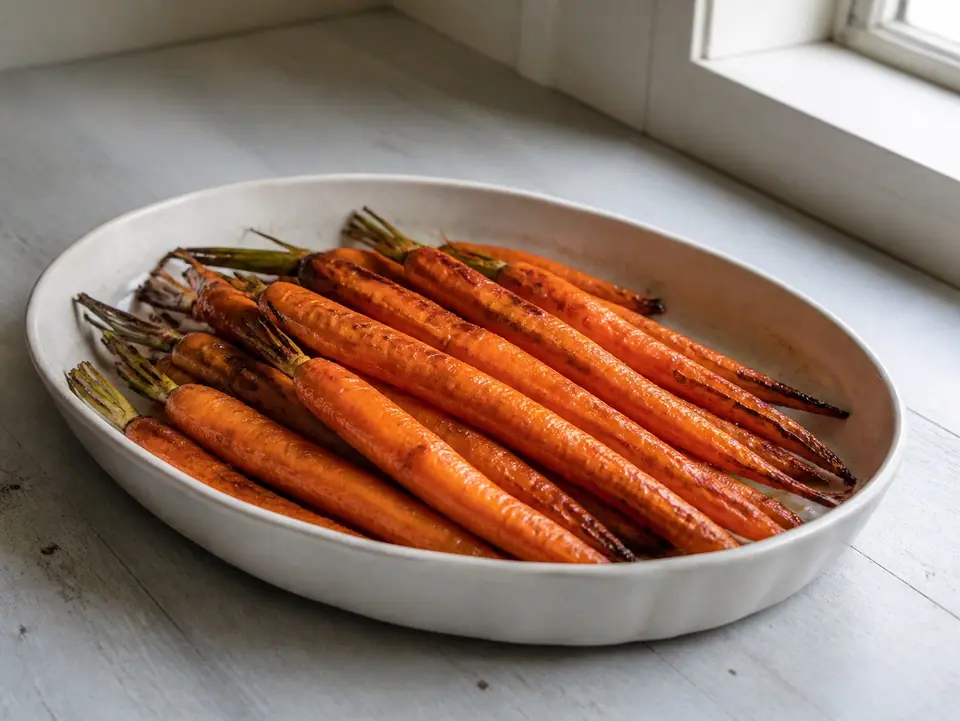
Why carrots taste sweeter after roasting
Roasting drives off water and browns the carrot surface, so its natural sweetness becomes more noticeable. The cut and tray space decide how far it goes.
10 pages tagged vegetables.
Roasting drives off water and browns the carrot surface, so its natural sweetness becomes more noticeable. The cut and tray space decide how far it goes.
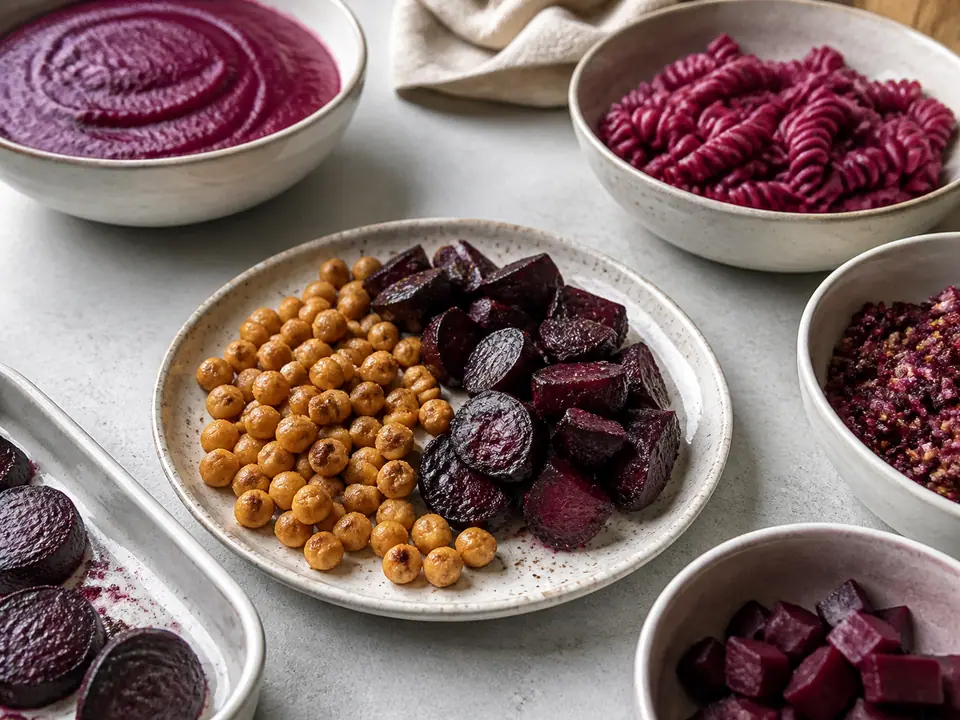
Beetroot can carry dinner in roasted wedges, lentils, soup, pasta or grains. Pair its earthy sweetness with acid, beans, yogurt or a salty finish.
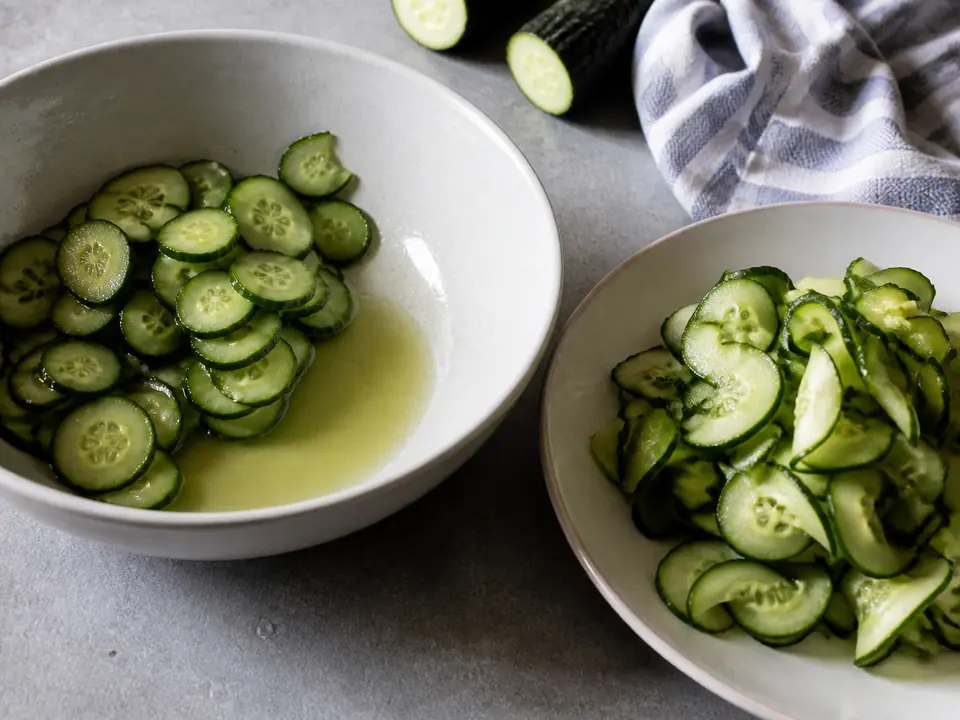
Cucumber cells hold a lot of water. Cutting, salting and warming break that structure, so the water moves into the bowl unless you drain or dress it late.
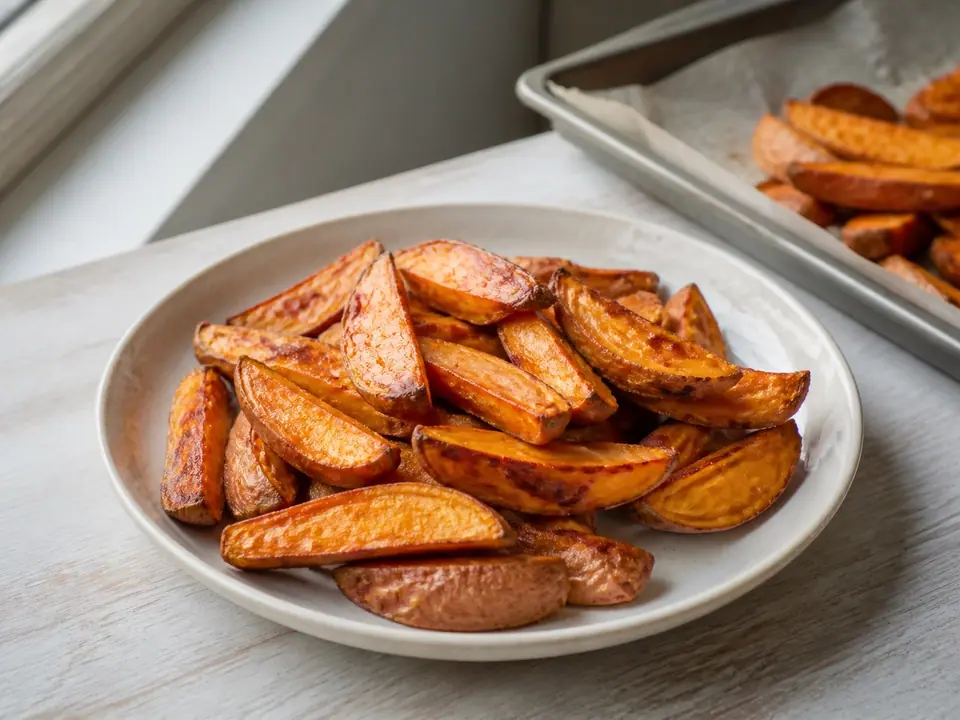
Sweet potatoes are soft and sweet by nature. A hot, crowded tray or an early sugary coating makes the outside darken before the centre has finished cooking.
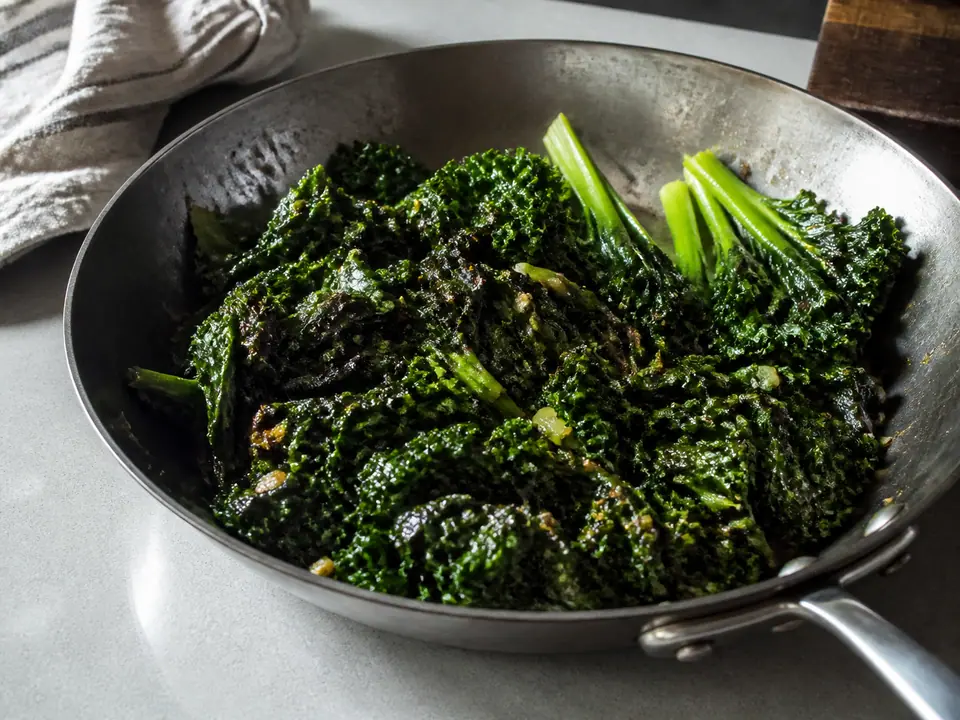
Kale needs a short steam or braise before a dry finish. Give the ribs a head start, add a splash of water and do not judge tenderness by colour alone.
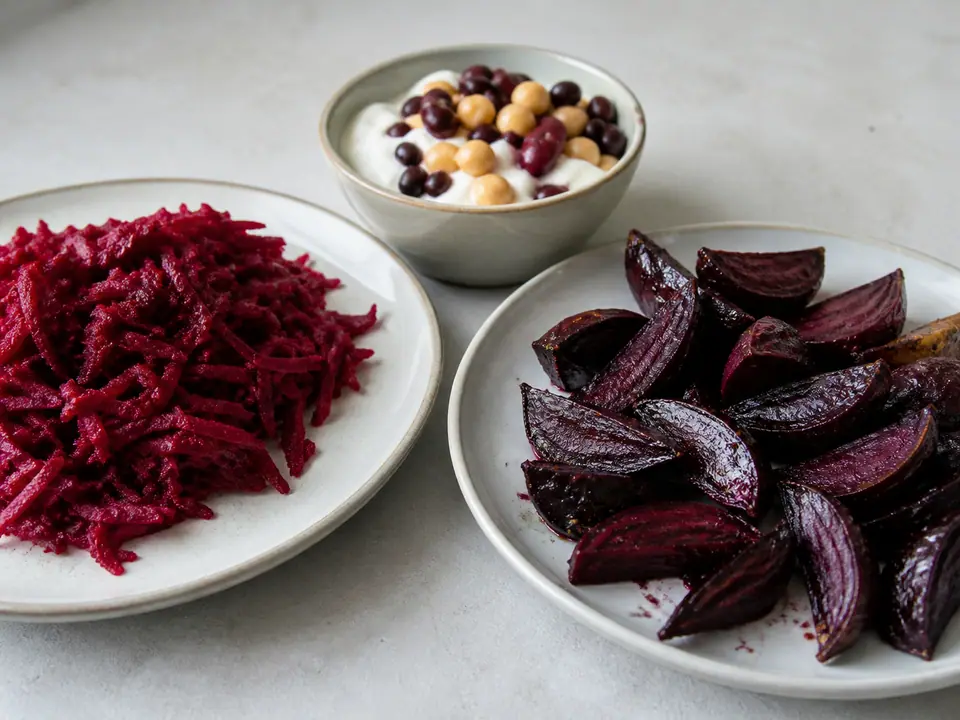
Raw beetroot is useful when you want crunch and colour. Cooked beetroot is easier to eat, easier to season and better when the root needs to carry a warm dinner.
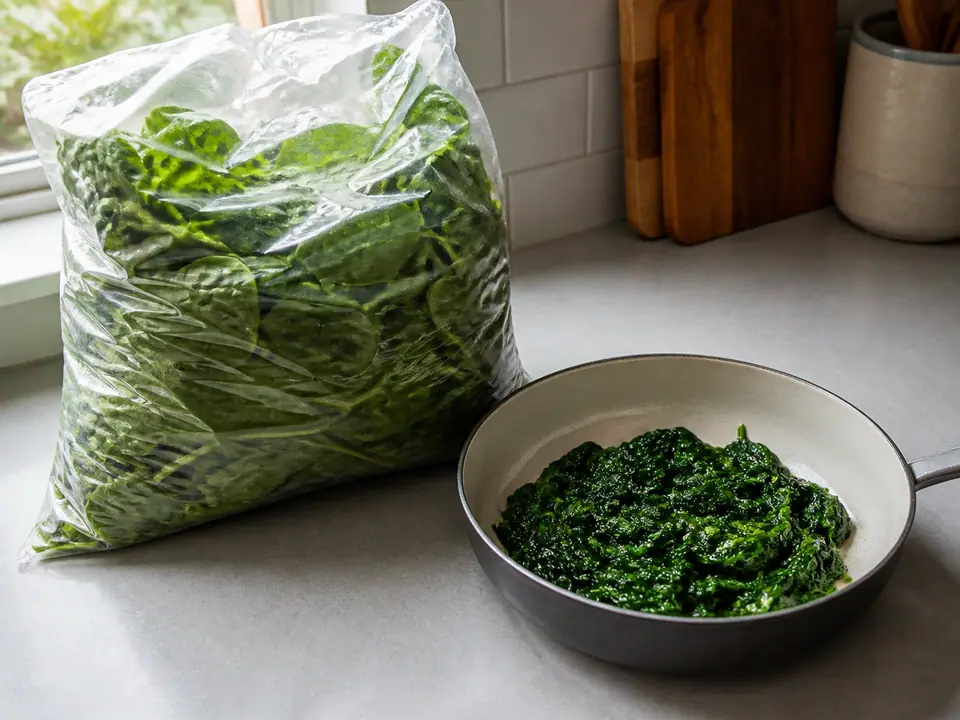
Heat collapses the air between spinach leaves and drives out water, so a large bag becomes a small cooked handful. Add by cooked volume, not raw appearance.
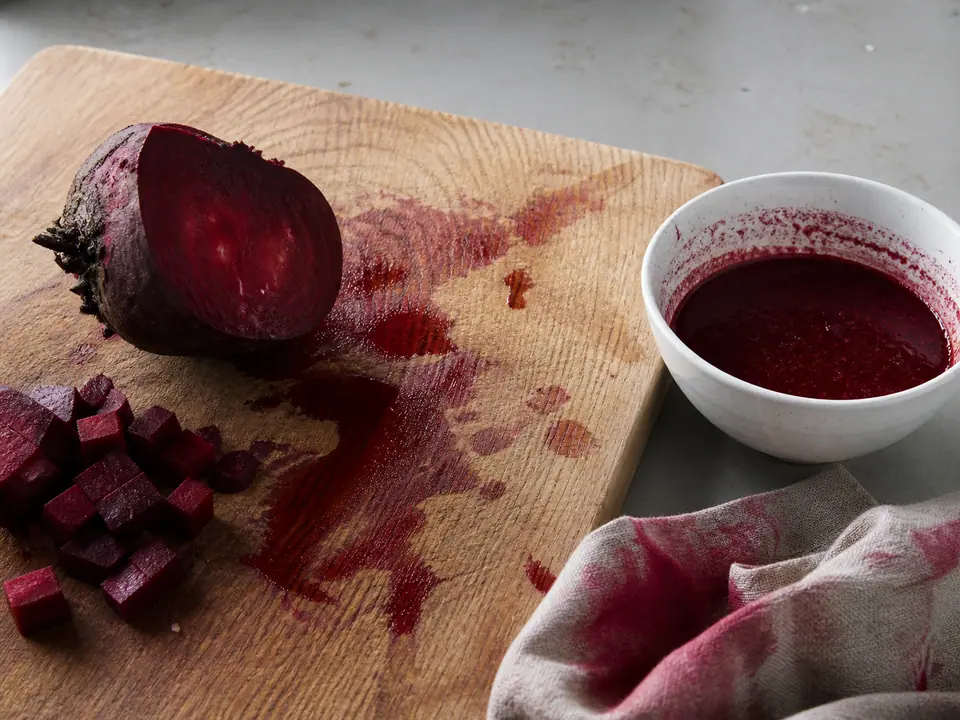
Beetroot’s red-purple pigments are water-soluble enough to travel through juice, dressing and damp hands. The flavour stays earthy, so use acid, salt and creamy partners to give it shape.
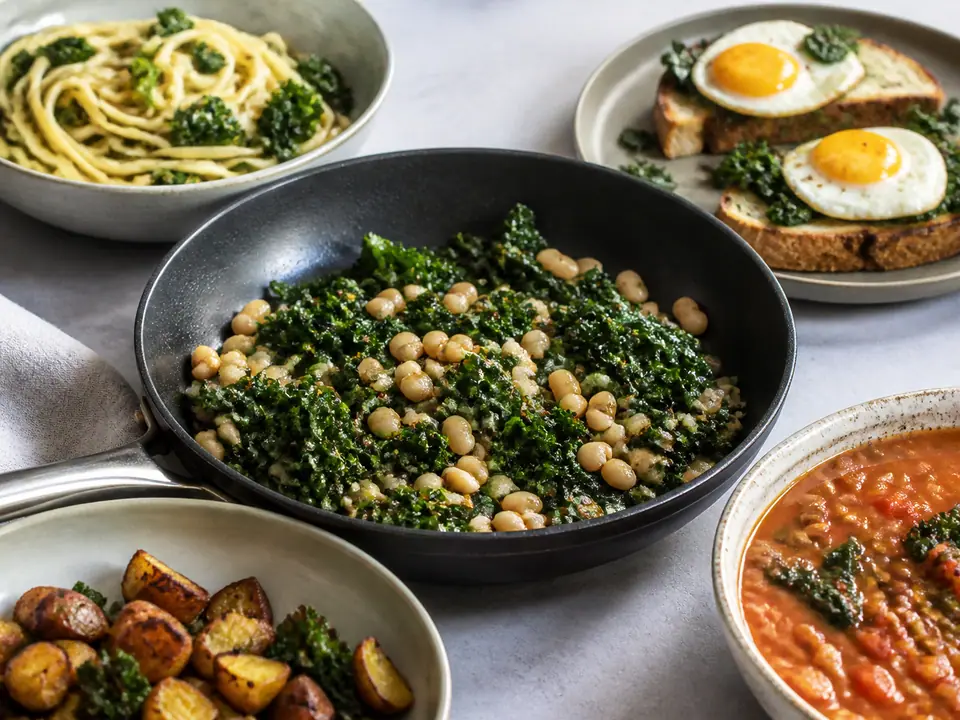
Kale tastes better when the pan gives it enough time and a clear partner. Try creamy beans, lemon pasta, eggs, potatoes or a tomato lentil soup.
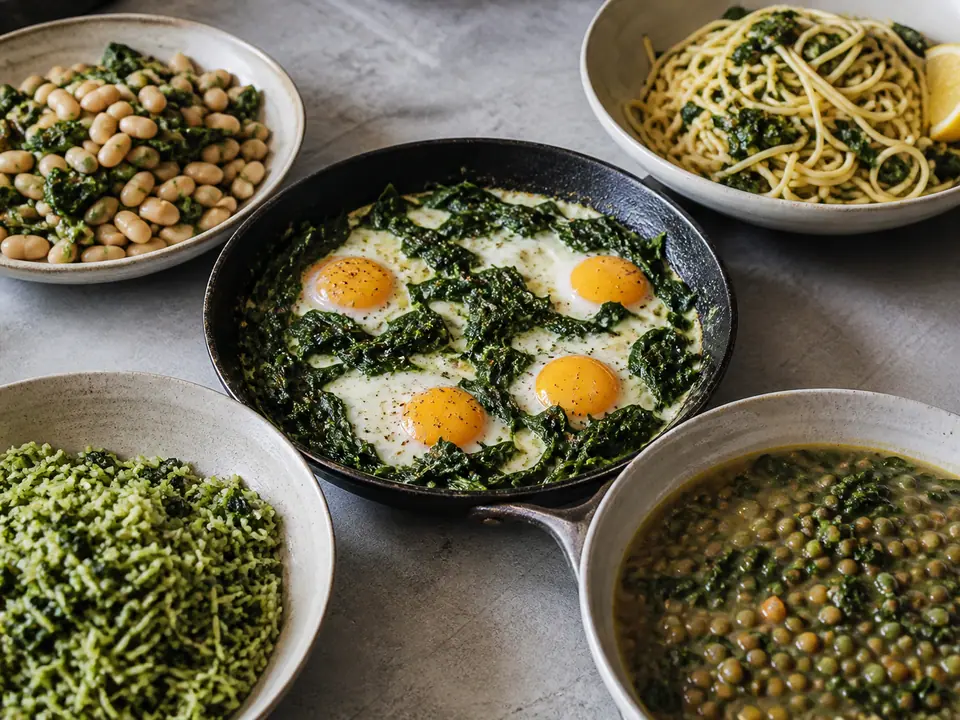
Spinach can make dinner greener without becoming a wilted salad. Cook it with eggs, beans, pasta, rice or lentils and add it at the right moment.