Raw beetroot brings crunch; cooked beetroot brings ease
Raw beetroot is useful when you want crunch and colour. Cooked beetroot is easier to eat, easier to season and better when the root needs to carry a warm dinner.

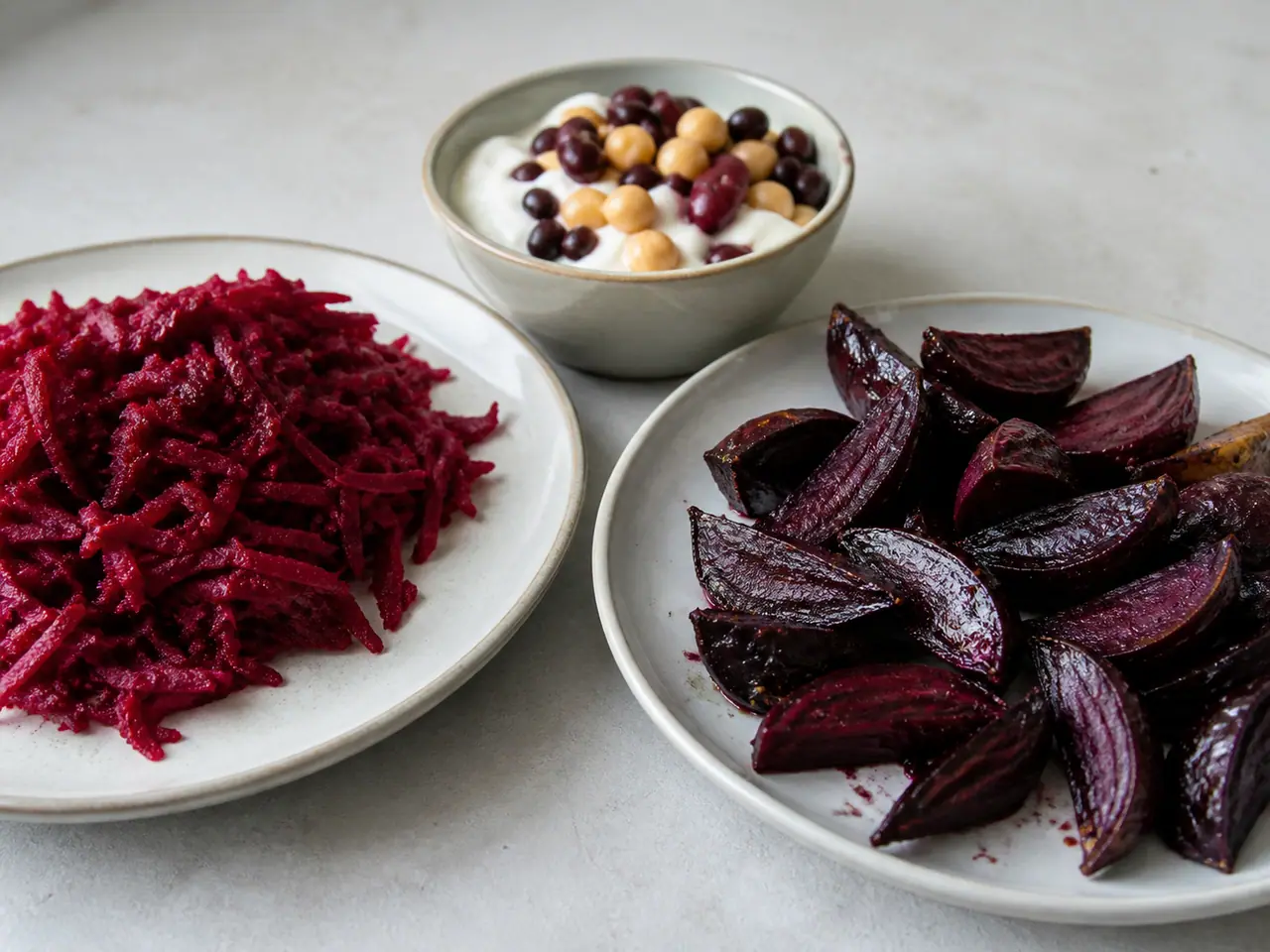
Raw beetroot is the ingredient I reach for when I want a sharp crunch and a stained pink dressing. Cooked beetroot is the calmer option: soft enough to slice with a spoon, sweet enough to sit beside yogurt and ready to use without the board becoming a crime scene.
Neither is a better beetroot in every dish. I grated raw beetroot into a lemony salad, then roasted the same weight in wedges. The raw batch stayed lively and firm. The cooked batch became rounder and easier to pair with beans, grains and eggs. Choose by texture, not by the idea that one form is more virtuous.
Which beetroot is more useful?
Same root, prepared raw and roasted, then tasted in salad, grain bowl and warm plate.
Cooked beetroot
Soft, sweet, ready to dress
✓ More versatile texture
Raw beetroot
Crisp, earthy, needs prep
Cooked beetroot is my small winner for this question. The other choice still works when the dish asks for its particular texture.
Source: Maren Ashby's kitchen test, 2026-02-27
Raw beetroot keeps a clean crunch
Raw beetroot is firm, earthy and a little sweet. Grated finely, it softens under lemon and oil without losing all its bite. Thin matchsticks are good beside a creamy dressing because the root stays noticeable.
The work is in the prep. Peel it over a board you can wash, use gloves if you dislike stained fingers and grate only what the meal needs. A large raw chunk is harder to eat than a thin cut.
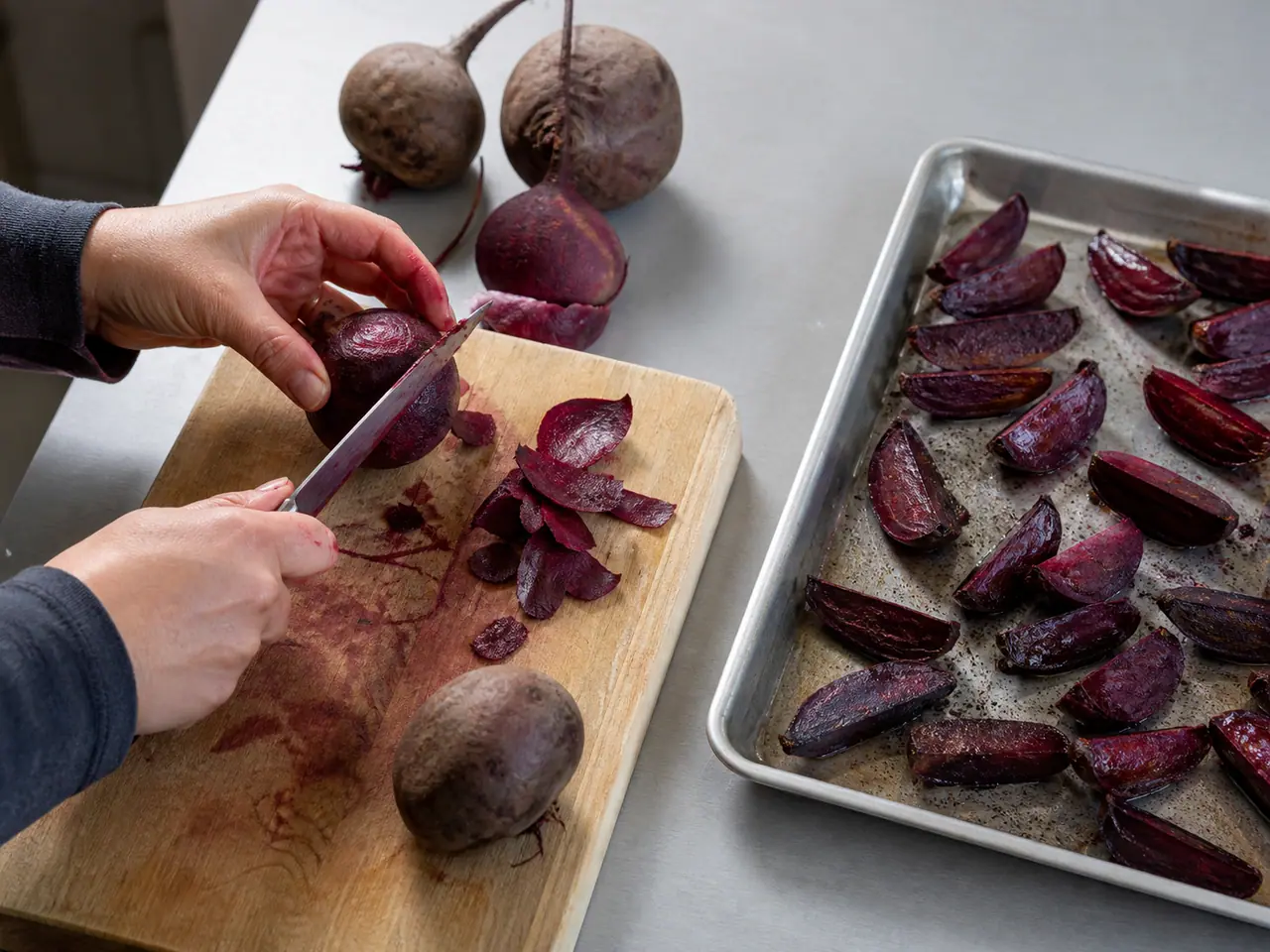
Cooking changes the centre
Roasting or boiling softens the root and brings out a sweeter, warmer flavour. I prefer roasting when I want concentrated taste, and boiling when I need beetroot ready for a salad without turning on the oven for long.
Cook beetroot whole when you want less colour to escape into water. Once tender, cool it enough to handle, rub away the skin and cut it according to the dish.
I keep one piece aside so I can compare it with the next batch.
Raw works in fresh dishes
Use raw beetroot with apple, carrot, cabbage, citrus or a sharp yogurt. The crunch gives a salad something to chew, and the earthy note is easier to balance when the dressing has acid.
A mandoline makes thin slices, but a coarse grater is safer and faster. I keep raw beetroot separate from pale ingredients until serving because the juice travels quickly.
The clock helps, but the surface gives the better signal.
Cooked works in warm dinners
Cooked beetroot suits lentils, white beans, grains, eggs and soft cheese. It can be folded into a warm bowl or served cool beside something hot without asking the diner to cut through a hard root.
The soft texture also makes a better rescue for a root that is too old for a raw salad but still firm and clean. Trim dry ends, cook it through and season after cooling.
That small pause saves more food than a rescue at the end.
The colour is part of the decision
Raw beetroot stains a dressing bright pink. Cooked beetroot stains fingers and boards more readily once the skin is gone, but that colour can make a simple plate look generous.
I use a dark board or a sheet of baking paper for prep, then wash the knife before moving to pale vegetables. The colour is useful, but it should not dictate every ingredient in the meal.
The next step works better when the excess moisture has somewhere to go.
My side-by-side test
I weighed 250 g of one root, grated half and roasted the rest in thick wedges. The raw beetroot took less time but needed a sharper dressing. The cooked pieces took longer and gave a softer, sweeter bite.
After ten minutes beside yogurt and beans, the raw beetroot stayed crisp and the cooked beetroot absorbed the seasoning. That is the practical split: fresh contrast versus ready softness.
I keep one piece aside so I can compare it with the next batch.
One useful substitution is to change the cut before changing the beetroot. If the pieces you bought are smaller, keep them thicker and shorten the cooking time. If they are older or wetter, send them into a sauce, soup or covered dish where the released moisture has somewhere to go. I get a more reliable dinner by adapting the method to the ingredient in front of me than by chasing the variety named in a recipe.
The comparison also changes with serving temperature. A texture that feels generous straight from the oven may soften under dressing, while a tender piece can feel better beside toast or grains. I taste one plain, one seasoned and one after five minutes of waiting. Those three bites tell me which version belongs on the plate and which one needs another job.
When I repeat a test, I keep the variables boring: same weight, same pan, same oil and the same time between cooking and tasting. I write down the cut because a thin slice can make two types look identical. The useful result is not a universal winner. It is a short decision I can make at the shop and repeat on a busy evening.
A fair choice still leaves room for the other ingredient. I use the comparison as a decision tool, not as a reason to ignore what is freshest at the shop. Start with the texture the meal needs, make the cut match that texture and taste the result before adding a heavy sauce. If the first batch behaves differently, record the small change that fixed it: thicker pieces, less liquid, a wider tray or a shorter wait. Those notes are more useful than a grand rule because they travel into the next kitchen, the next season and the next ordinary dinner where the ingredient has to earn its place again.
For the quality and storage details behind my kitchen observations, I use the University of Minnesota beet growing guide alongside the timed test described above.
The practical verdict
Cooked beetroot is the more versatile dinner ingredient because it can join warm or cold food without a hard centre. Raw beetroot wins when crunch is the main reason it is on the plate.
Keep the cut thin, protect the board and let acid balance the earthy flavour in either form.
Questions
Is raw or cooked beetroot better?
Does roasting beetroot make it sweeter?
Can old beetroot be eaten raw?
How do I stop beetroot staining everything?
More guides
All guides →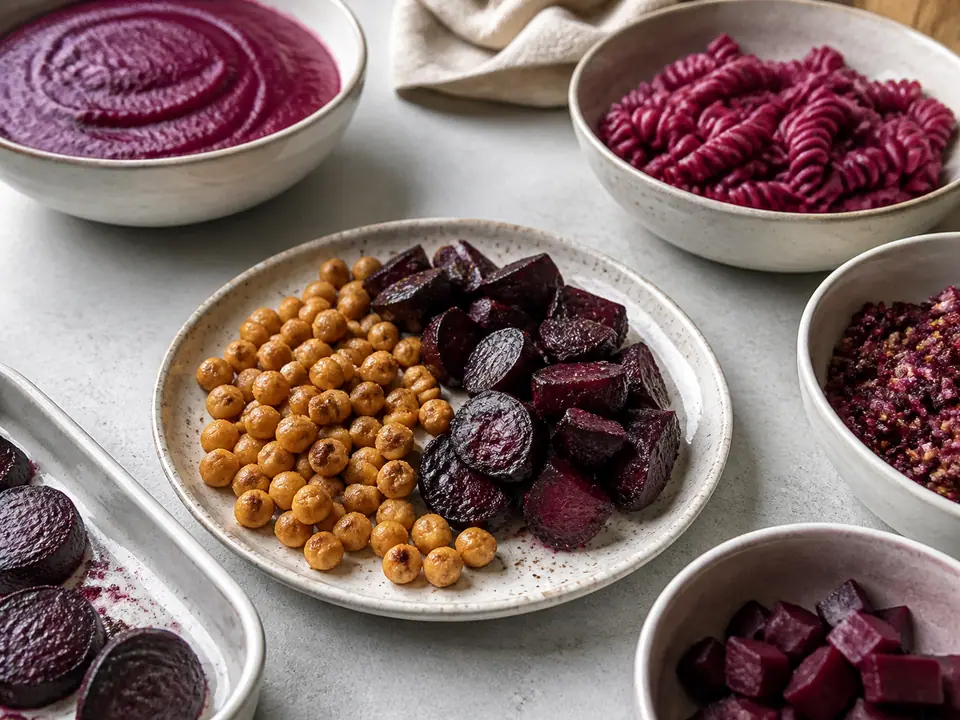
5 beetroot dinners beyond salad
Beetroot can carry dinner in roasted wedges, lentils, soup, pasta or grains. Pair its earthy sweetness with acid, beans, yogurt or a salty finish.
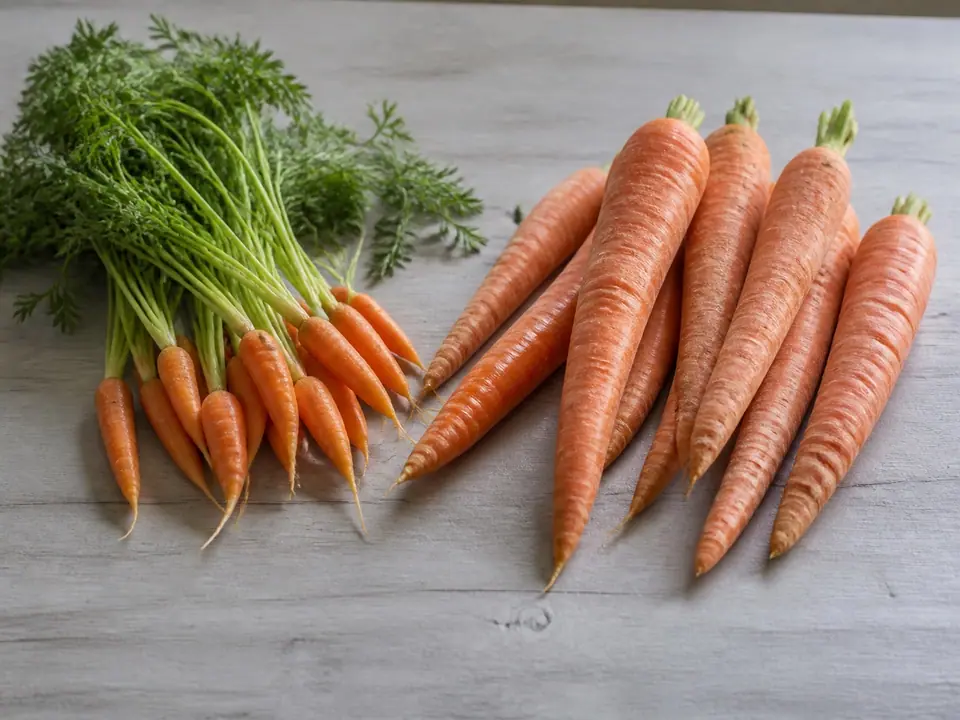
Baby carrots vs full-size carrots: which actually tastes better?
True young carrots are tender and sweet, while supermarket baby carrots are often shaped pieces from larger roots. Full-size carrots give you more control over the cut.
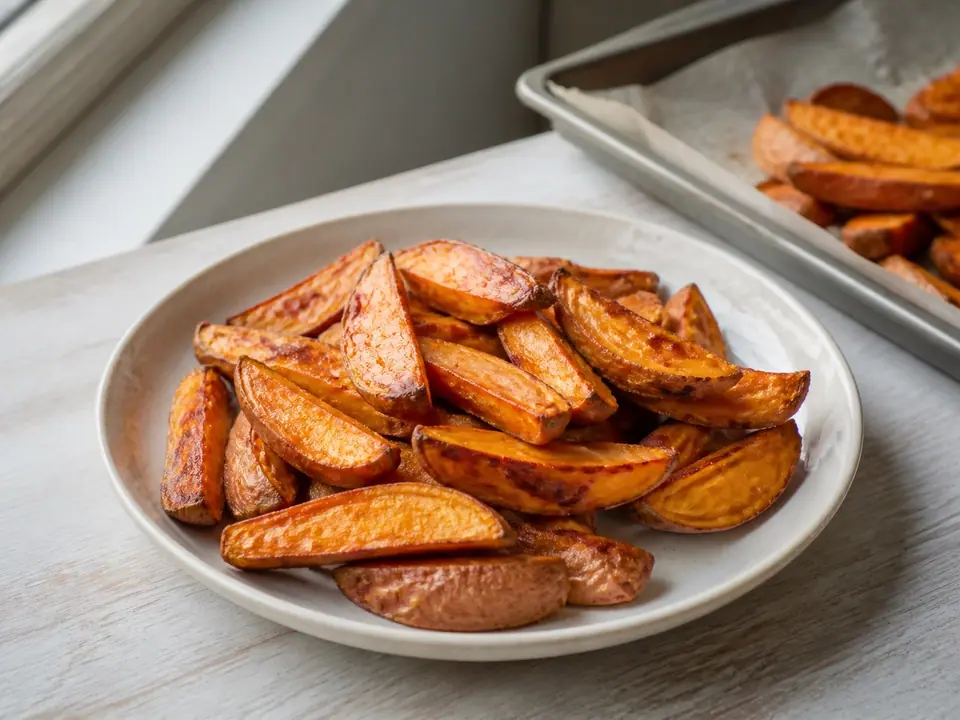
Why sweet potatoes burn before they crisp
Sweet potatoes are soft and sweet by nature. A hot, crowded tray or an early sugary coating makes the outside darken before the centre has finished cooking.