Baby carrots vs full-size carrots: which actually tastes better?
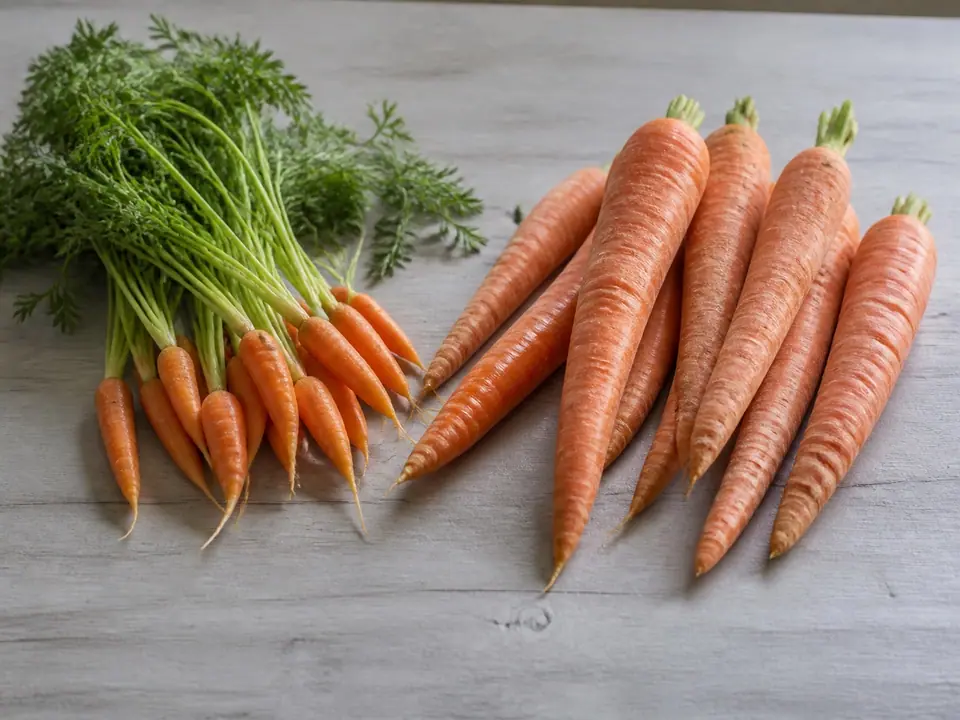
True young carrots are tender and sweet, while supermarket baby carrots are often shaped pieces from larger roots. Full-size carrots give you more control over the cut.
10 pages tagged comparison.
True young carrots are tender and sweet, while supermarket baby carrots are often shaped pieces from larger roots. Full-size carrots give you more control over the cut.
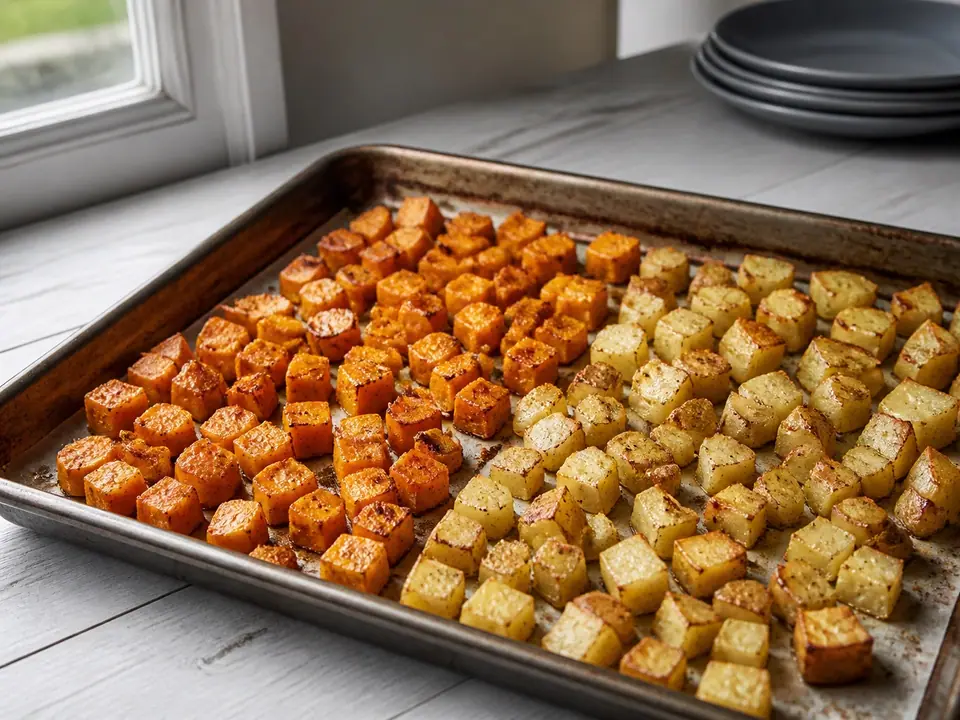
Sweet potatoes give you a soft, sweet centre and dark edges. White potatoes give you a drier middle and a firmer crust when the tray has room.
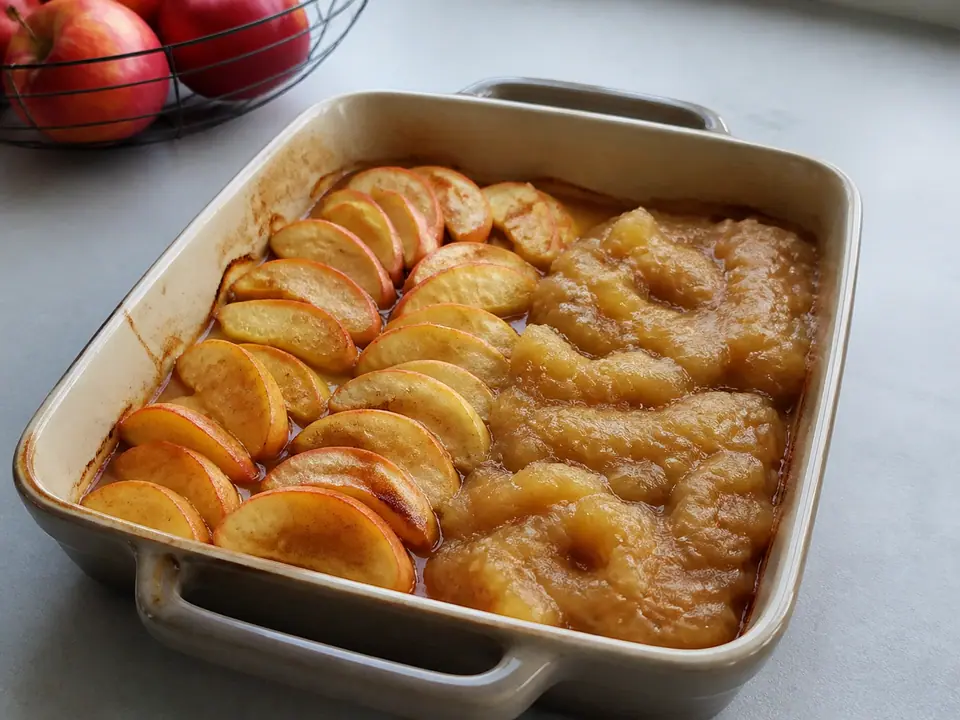
Eating apples are sweeter and hold their shape more readily. Cooking apples are sharper and collapse into a softer filling. Choose by whether you want slices or sauce.
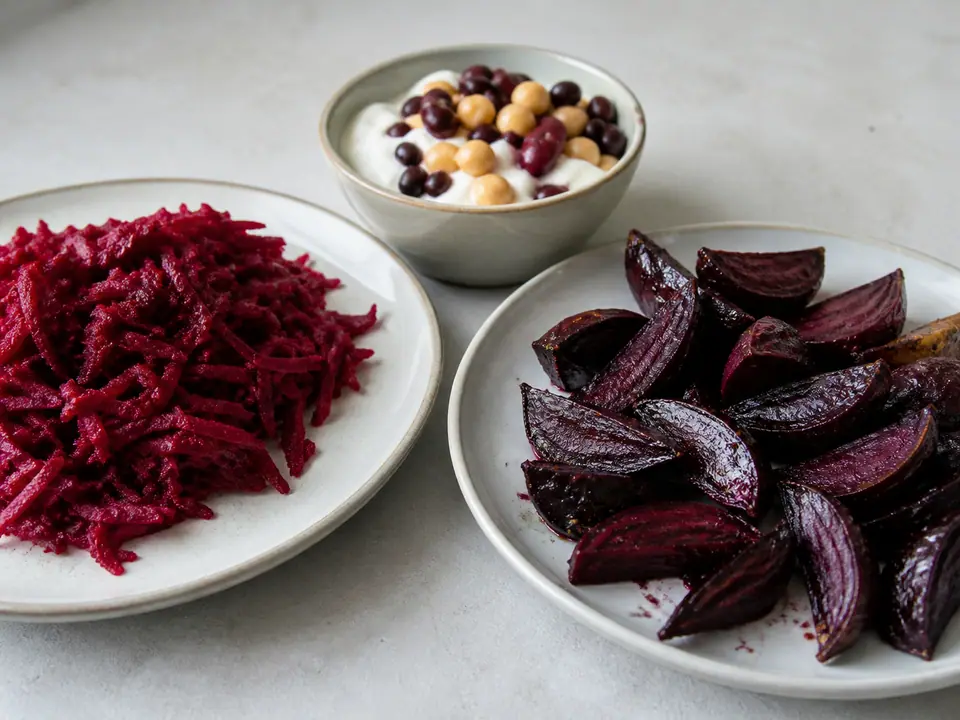
Raw beetroot is useful when you want crunch and colour. Cooked beetroot is easier to eat, easier to season and better when the root needs to carry a warm dinner.
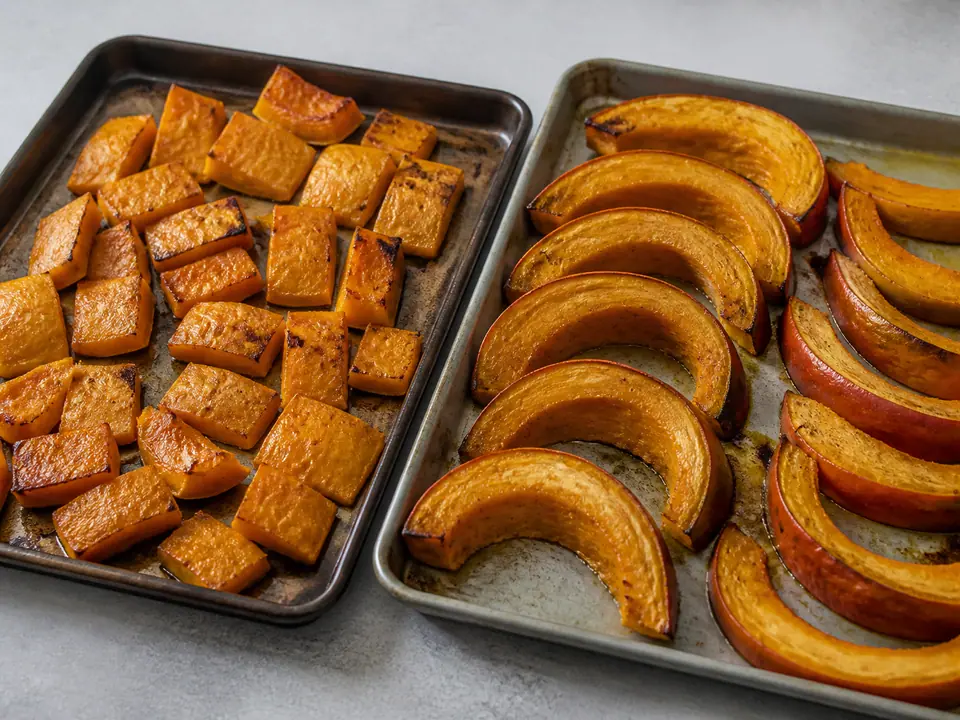
Butternut squash usually roasts more evenly because its flesh is dense and its seed cavity is small. Pumpkin can roast beautifully, but its shape and moisture vary more.
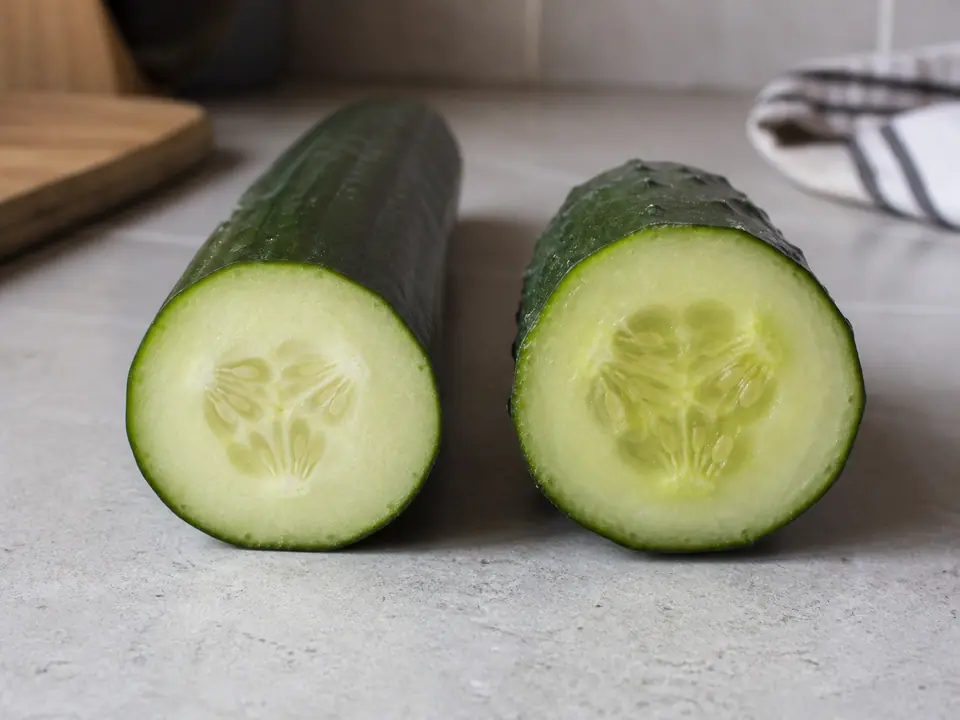
English cucumbers tend to have smaller seeds and a steadier crunch, while salad cucumbers vary more by age. Freshness and firmness still matter most.
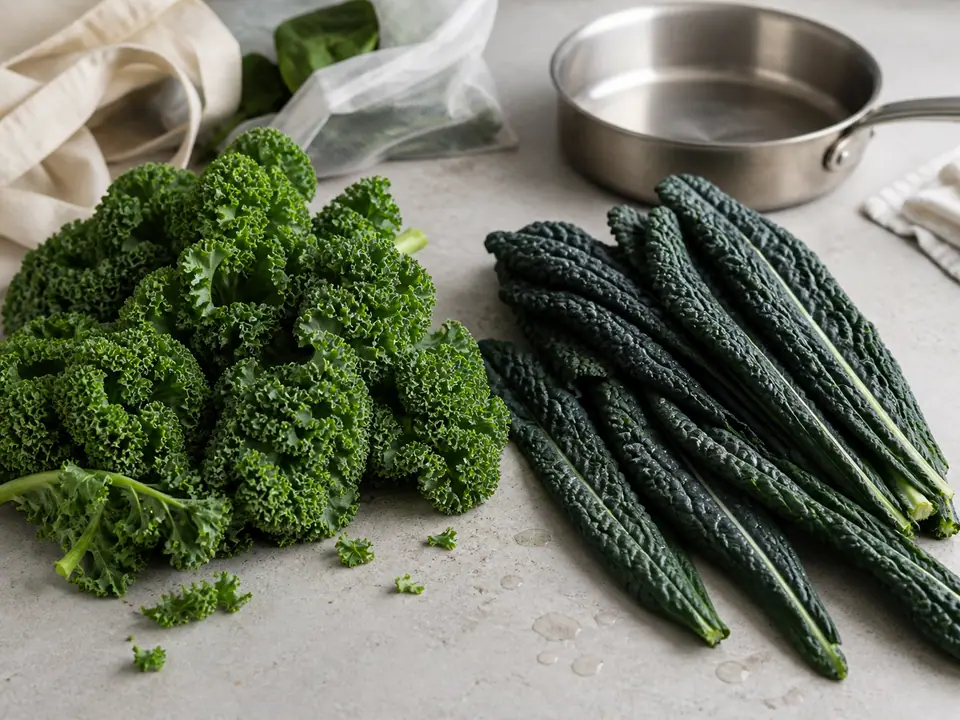
Cavolo nero has flatter leaves and is easier to strip and slice. Curly kale is sturdy and textured. Both become good dinner with enough heat and a little acid.
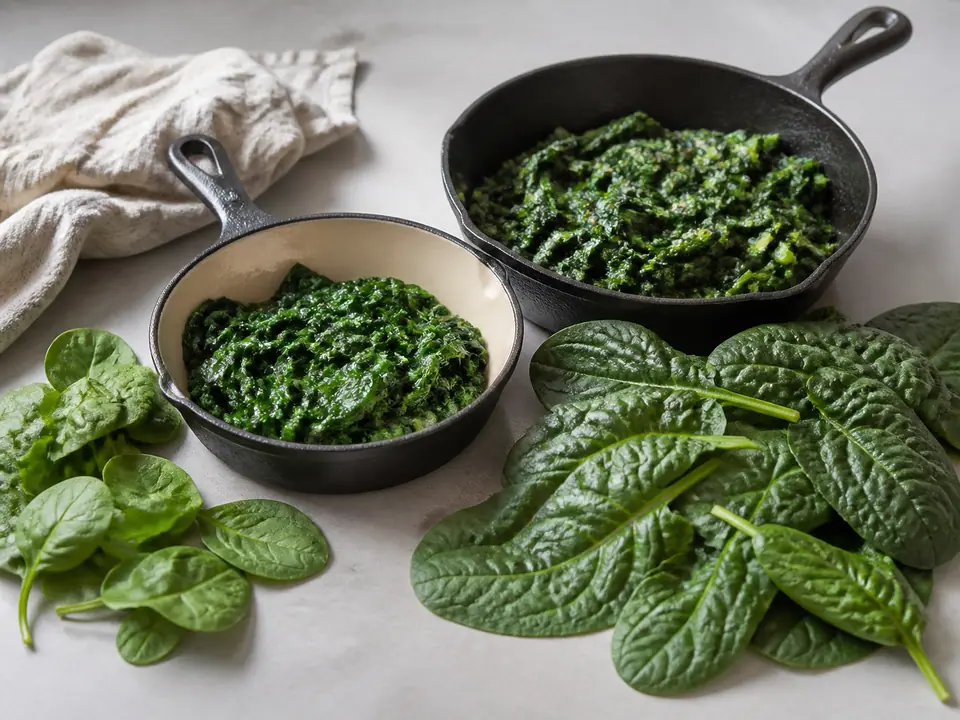
Baby spinach is tender and fast, while mature spinach has stronger stems and more texture. Choose baby leaves for quick wilting and mature leaves for longer cooking.
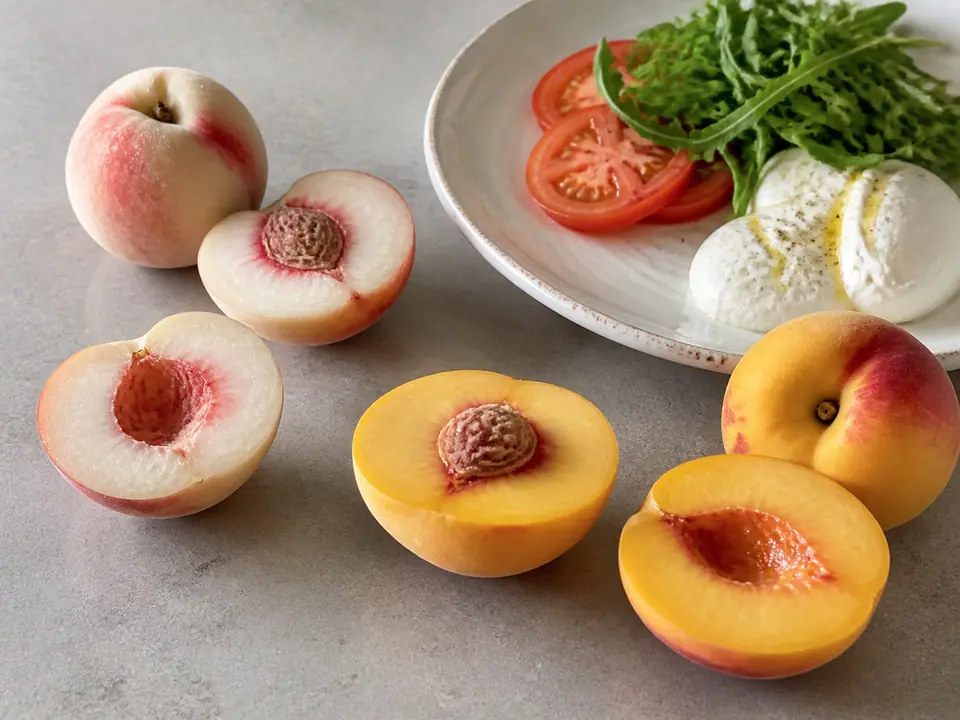
White peaches often taste sweeter and more floral, while yellow peaches bring stronger acidity and a firmer, brighter bite. Ripeness matters more than colour alone.
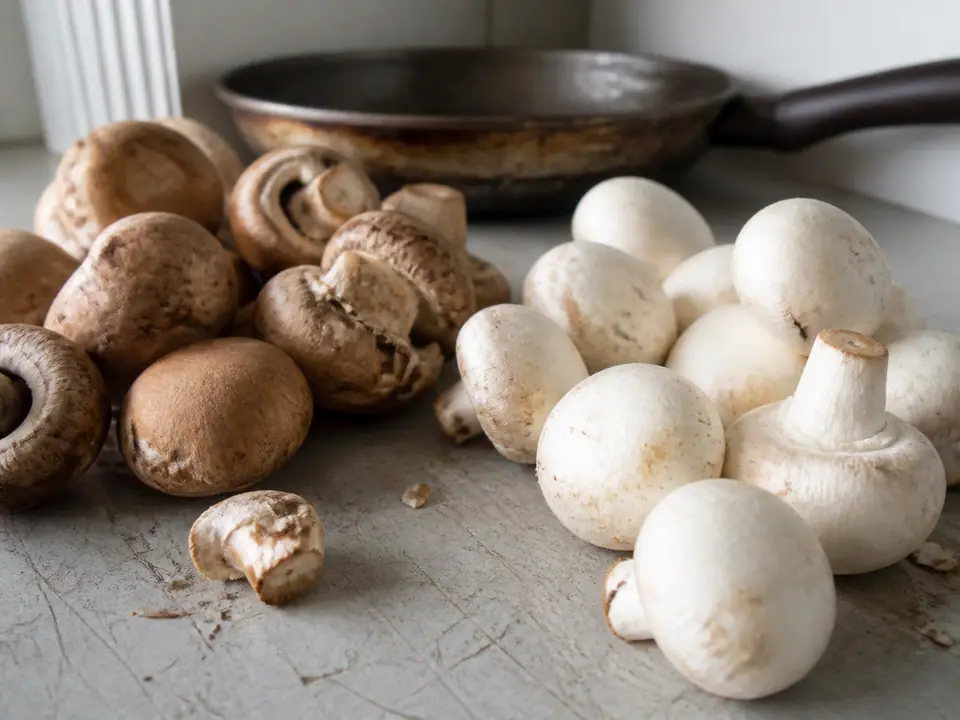
Chestnut mushrooms have a deeper colour and a slightly firmer feel, but both are useful Agaricus mushrooms. The pan, cut and freshness matter more than the name.