Eating apples keep their shape; cooking apples collapse into a sharper filling
Eating apples are sweeter and hold their shape more readily. Cooking apples are sharper and collapse into a softer filling. Choose by whether you want slices or sauce.

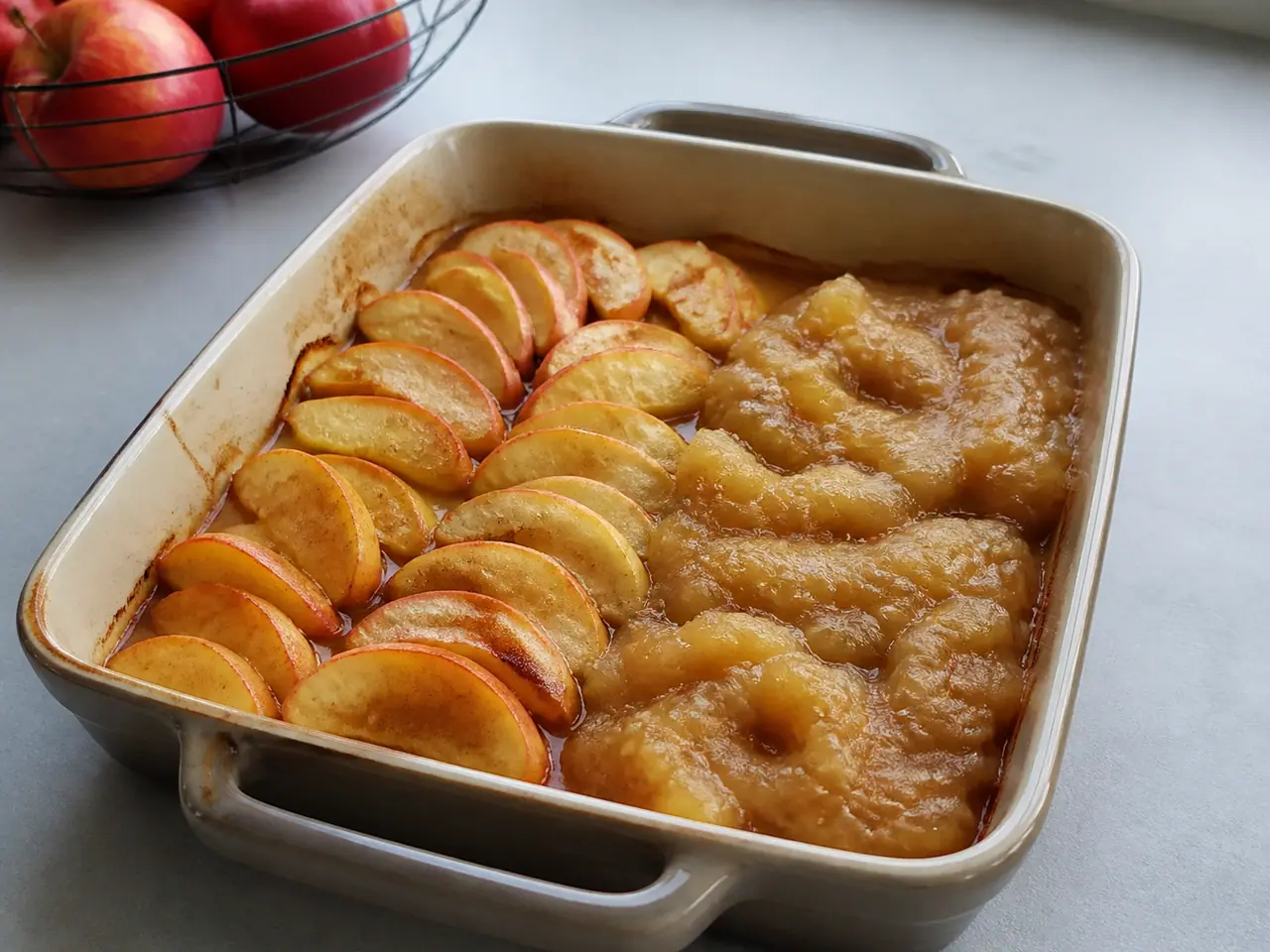
An eating apple is made for the hand: sweet, crisp and usually pleasant without sugar. A cooking apple is sharper and more willing to collapse. In the oven, that difference decides whether you get distinct slices or a soft filling that needs balancing.
I baked matching slices of both with butter and no added sugar. The eating apple stayed recognisable and tasted round. The cooking apple softened quickly and brought a clean sharpness. Use eating apples when shape matters; use cooking apples when you want the apple to become sauce.
Which apple belongs in the oven?
Same thickness slices, same dish and same bake time, tasted with no extra sugar.
Eating apples
Sweet, holds shape
✓ More useful for slices
Cooking apples
Sharp, softens quickly
Eating apples is my small winner for this question. The other choice still works when the dish asks for its particular texture.
Source: Maren Ashby's kitchen test, 2026-03-04
Sweetness changes the starting point
Eating apples arrive with enough sweetness for a tray, crumble or galette without much help. Cooking apples are often sharper, so they need sugar, dried fruit or a sweet topping to feel balanced.
Taste the raw slice before choosing the recipe. A sweet apple can make a bake cloying if the topping is rich; a sharp apple can make a plain porridge feel lively.
Structure decides the oven result
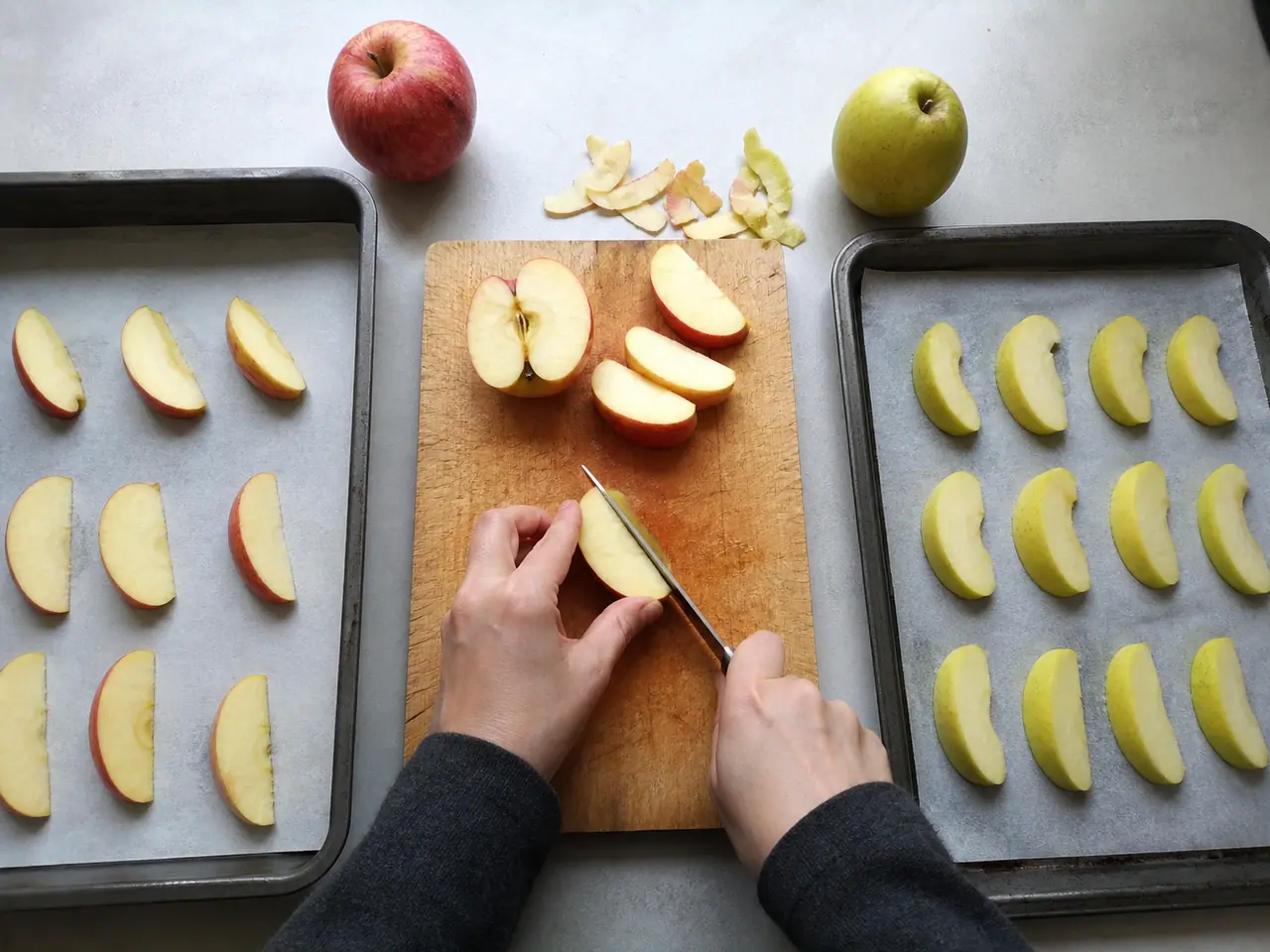
Some eating apples keep their cell structure and stay in slices. Cooking apples break down sooner, especially when cut thin and surrounded by liquid.
Neither result is wrong. A neat apple tart wants structure. A crumble, sauce or baked oat dish can use softness and let the apple spread through the spoonful.
I keep one piece aside so I can compare it with the next batch.
Acid needs a partner
Sharp cooking apples brighten butter, oats and pastry, but on their own they can taste severe after baking. Add sugar gradually and use cinnamon, vanilla or yogurt for shape.
Eating apples need less sweetener but still benefit from lemon if the slices wait before cooking. Acid stops browning and keeps the flavour clear.
The clock helps, but the surface gives the better signal.
Cut for the apple you have
Thin eating-apple slices can dry before they collapse. Thicker slices hold their juice and make a better baked layer. Cooking apples can be cut larger because they soften quickly.
If the apples are mixed, cut the sweet firm ones thicker and the sharp soft ones slightly larger. Add the softer pieces later when a tray has separate zones.
That small pause saves more food than a rescue at the end.
Use the oven for different jobs
Bake eating apples when you want caramelised edges beside pork, oats or yogurt. Cook apples when you want a spoonable filling for pastry, porridge or a warm sauce.
A mixed-apple bake gives both texture and acidity. Put the sharp apples under or between the firm slices so their juice becomes a sauce without drowning the top.
The next step works better when the excess moisture has somewhere to go.
My oven test
At the same temperature, the eating apple slices browned at the edges and remained distinct. The cooking apple slices turned soft and released more juice. I preferred the first for a tart and the second for a crumble.
The decision became obvious after cooling for five minutes. Firm slices stayed sliceable; soft apples thickened into a filling. Judge the finished temperature, not only the moment the tray leaves the oven.
I keep one piece aside so I can compare it with the next batch.
One useful substitution is to change the cut before changing the apples. If the pieces you bought are smaller, keep them thicker and shorten the cooking time. If they are older or wetter, send them into a sauce, soup or covered dish where the released moisture has somewhere to go. I get a more reliable dinner by adapting the method to the ingredient in front of me than by chasing the variety named in a recipe.
The comparison also changes with serving temperature. A texture that feels generous straight from the oven may soften under dressing, while a tender piece can feel better beside toast or grains. I taste one plain, one seasoned and one after five minutes of waiting. Those three bites tell me which version belongs on the plate and which one needs another job.
When I repeat a test, I keep the variables boring: same weight, same pan, same oil and the same time between cooking and tasting. I write down the cut because a thin slice can make two types look identical. The useful result is not a universal winner. It is a short decision I can make at the shop and repeat on a busy evening.
A fair choice still leaves room for the other ingredient. I use the comparison as a decision tool, not as a reason to ignore what is freshest at the shop. Start with the texture the meal needs, make the cut match that texture and taste the result before adding a heavy sauce. If the first batch behaves differently, record the small change that fixed it: thicker pieces, less liquid, a wider tray or a shorter wait. Those notes are more useful than a grand rule because they travel into the next kitchen, the next season and the next ordinary dinner where the ingredient has to earn its place again.
For the quality and storage details behind my kitchen observations, I use the UC Davis apple produce fact sheet alongside the timed test described above.
The practical verdict
Eating apples belong in the oven when you want shape and natural sweetness. Cooking apples belong when you want acidity and a filling that collapses.
A mixed tray can give you both: firm slices for bite and sharp pieces for sauce.
Questions
Can eating apples be used for cooking?
What are cooking apples best for?
Why do apples turn to mush in the oven?
Should I peel apples before baking?
More guides
All guides →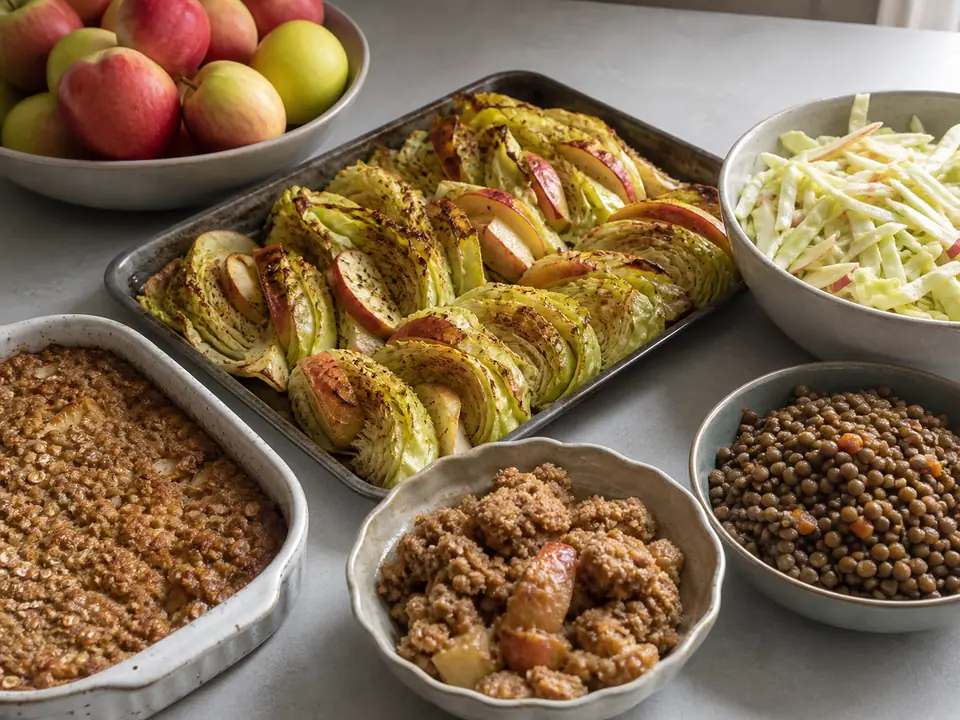
5 dinners and bakes for an apple glut
A glut of apples can become a savoury tray, slaw, lentil curry, baked oats or crumble. Use firm fruit raw and softer apples in sauce or baking.
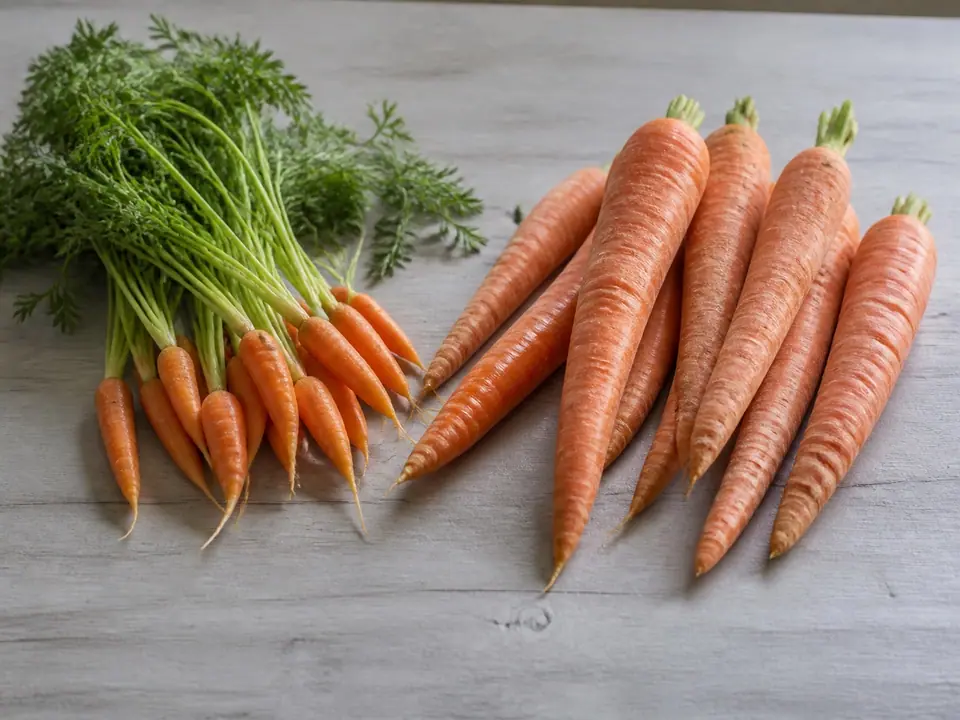
Baby carrots vs full-size carrots: which actually tastes better?
True young carrots are tender and sweet, while supermarket baby carrots are often shaped pieces from larger roots. Full-size carrots give you more control over the cut.
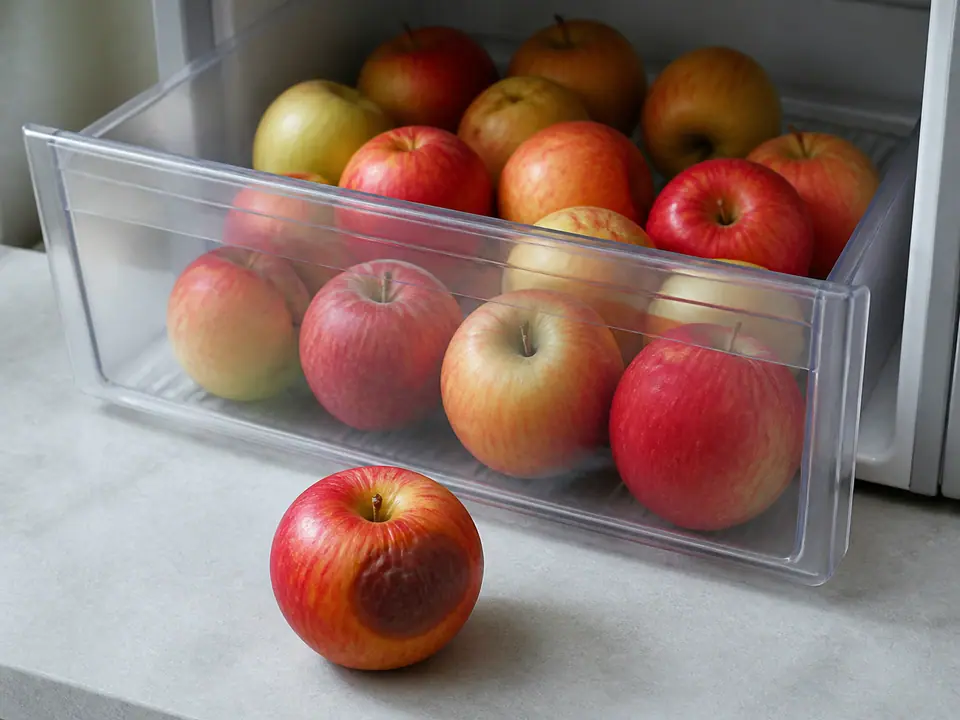
How to keep apples crisp for longer
Apples keep their crunch best when cold, protected from bruises and checked for soft fruit. Store them loose or in a breathable bag and remove damaged pieces early.