Cold storage protects the bite, but bruises and ripening neighbours shorten it
Apples keep their crunch best when cold, protected from bruises and checked for soft fruit. Store them loose or in a breathable bag and remove damaged pieces early.

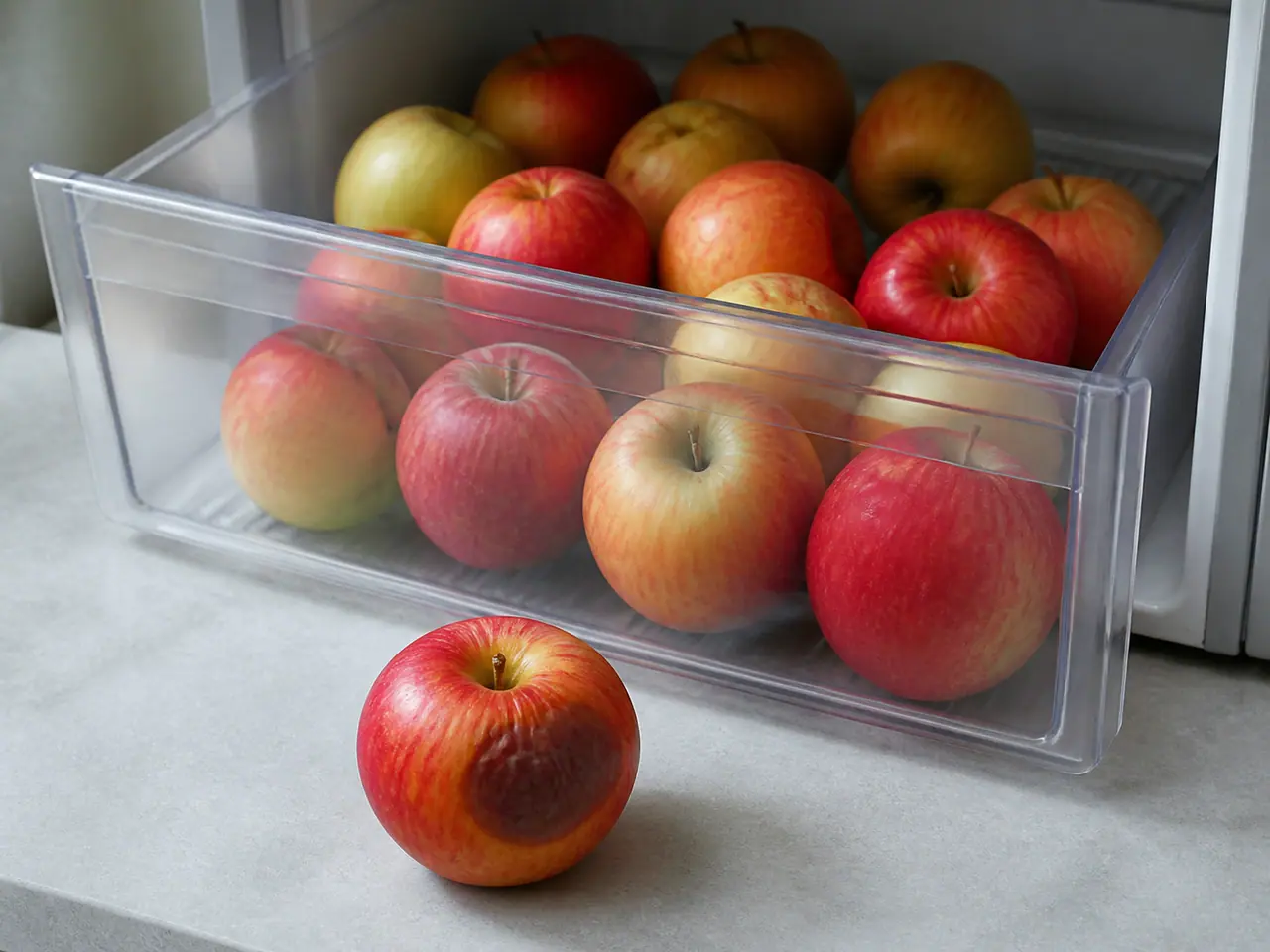
An apple usually loses its crunch quietly. The skin stays attractive while the flesh becomes softer and mealier, especially around a bruise. I keep apples cold, avoid piling heavy things on them and remove the first damaged fruit before it shares its moisture and smell with the rest.
The UC Davis apple guidance treats firmness, crispness and freedom from mealiness as quality clues. At home, that becomes a simple routine: cool storage, gentle handling and a weekly cut test on the apple that looks least convincing.
Cold protects the bite
A cool fridge slows the changes that make apples soften. Use the crisper drawer or another steady cold area, but do not let apples freeze or sit against the coldest wall.
A loose bag or drawer keeps the fruit from drying while still letting you inspect it. I avoid sealing a wet apple in plastic.
Bruises are storage leaks
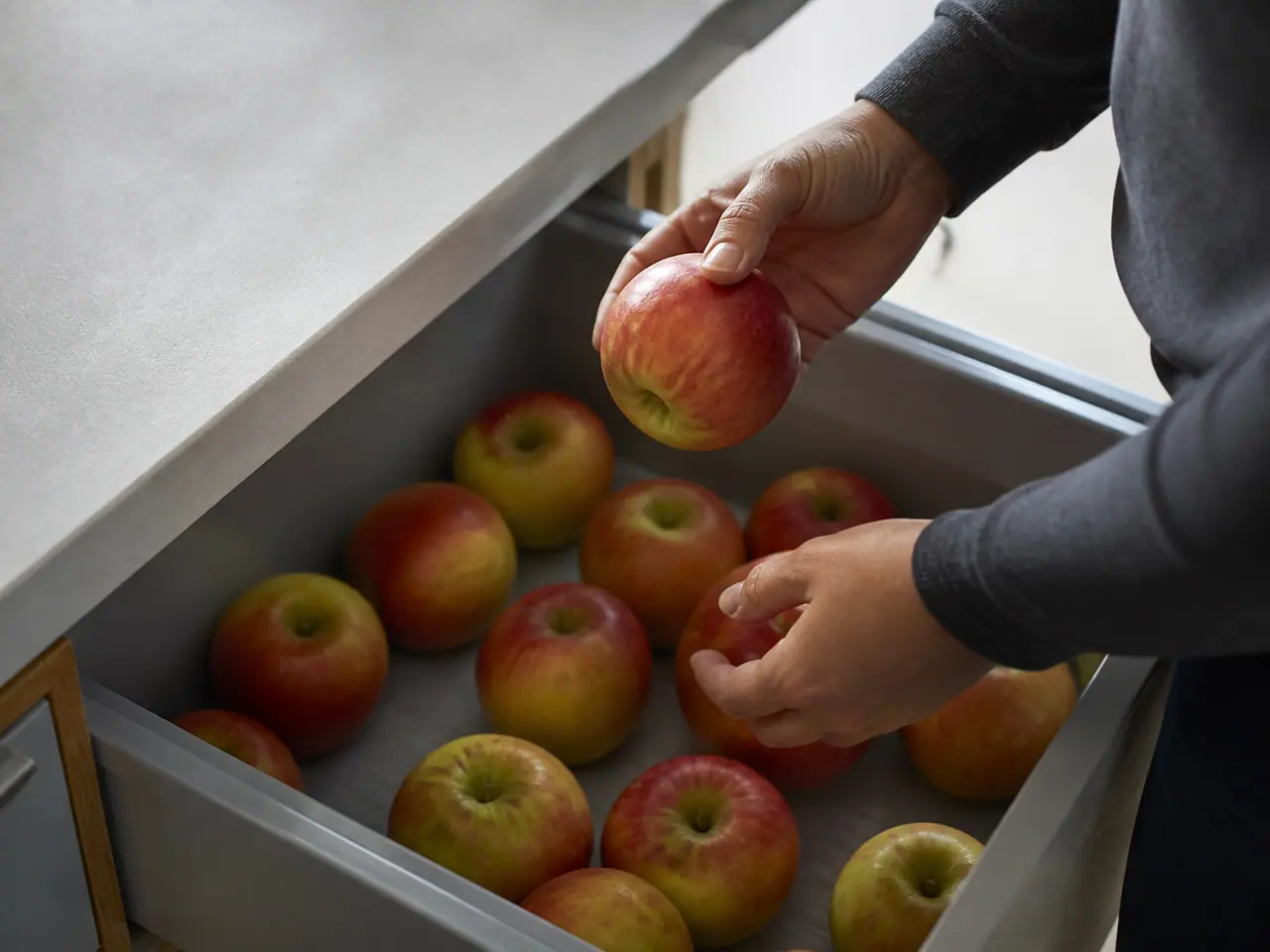
A bruised apple may look fine from one angle, but the soft patch grows under pressure. Store apples in a shallow layer rather than a deep pile.
Put the most marked fruit at the front. Use it for porridge, sauce or a tray before the bruise spreads into the centre.
I keep one piece aside so I can compare it with the next batch.
Separate the damaged ones
One soft or leaking apple can make the container damp and speed trouble nearby. Check the bottom of the drawer where juice collects.
Remove the bad fruit, wipe the container and let the sound apples stay dry. A clean drawer does more than an elaborate wrap.
The clock helps, but the surface gives the better signal.
Keep strong smells contained
Apples take on surrounding smells in a crowded fridge. A breathable bag or lidded drawer keeps the fruit from tasting like onions while still allowing inspection.
Do not mix a new crisp batch with old soft apples. Finish one group first and wash the container before restocking.
That small pause saves more food than a rescue at the end.
Cut only what you need
A whole apple keeps its structure longer than slices. If you cut ahead, protect the pieces from browning with lemon and store them sealed for the short term.
Prepared slices are a next-meal ingredient, not a week-long storage plan. Use them soon in salad, porridge or baking.
The next step works better when the excess moisture has somewhere to go.
Use a texture rotation
The crispest apples stay for salads and lunchboxes. Softer sound apples go into sauce, crumble or porridge. That is not a downgrade; it is how the storage plan follows the fruit.
I cut one apple before the weekly shop. The flesh tells me whether to buy less, cook more or keep the new batch separate.
I keep one piece aside so I can compare it with the next batch.
Storage works best when it has an exit plan. I decide the meal before putting the apples away, then place the most fragile pieces where I will see them first. A container can slow water loss and condensation, but it cannot improve a tired leaf, bruised fruit or dry cut face. Visibility is part of freshness because forgotten food gets no useful second chance.
If I need to prepare ahead, I separate the parts that like different conditions. Dry pieces stay apart from dressing, cut surfaces stay covered and cooked food stays away from raw pieces. This takes less room than a complicated storage system and gives me a clear signal when the batch needs cooking.
I use a short inspection before every meal: smell, surface, firmness and any liquid at the bottom. A sound piece that has wilted or dried can often be cooked, drained or trimmed. Slime, mould, sour smell and spreading decay are a different category. No storage trick is worth carrying those signs into a finished dish.
I keep one soft apple apart from the rest.
A bruised or overripe apple can quickly change the texture of its neighbours. A quick check every few days is more useful than a complicated storage trick: remove damaged fruit, wipe moisture from the drawer and leave air around the rest. I use the firmest apples for salads and lunchboxes, then move softer sound fruit into porridge, sauce or a bake before the crunch disappears completely. If the drawer is crowded, I split the batch rather than pressing the fruit into a deeper pile. The aim is not perfect storage; it is a clear rotation that lets each apple be eaten while its best texture is still available.
Freshness is easier to keep when the storage plan is visible and short. Put the pieces that need attention where your hand will find them first, keep wet and dry parts apart and leave enough space to inspect the batch without pressing it. Write the next meal in your head before closing the container. If the food has changed, make a quick decision: trim and cook sound parts, move softer pieces into a sauce or use the best pieces raw. This simple rotation protects texture and stops a forgotten container from deciding dinner for you.
For the quality and storage details behind my kitchen observations, I use the UC Davis apple produce fact sheet alongside the timed test described above.
The practical verdict
Apples stay crisp longer when cold storage, gentle handling and early sorting work together. Protect the fruit from bruises and do not hide the softest one at the bottom.
Use firm apples raw and send softer sound ones to a bake or sauce.
Questions
Should apples be refrigerated?
How do I stop apples going soft?
Can cut apples be stored?
Why is my apple mealy?
More guides
All guides →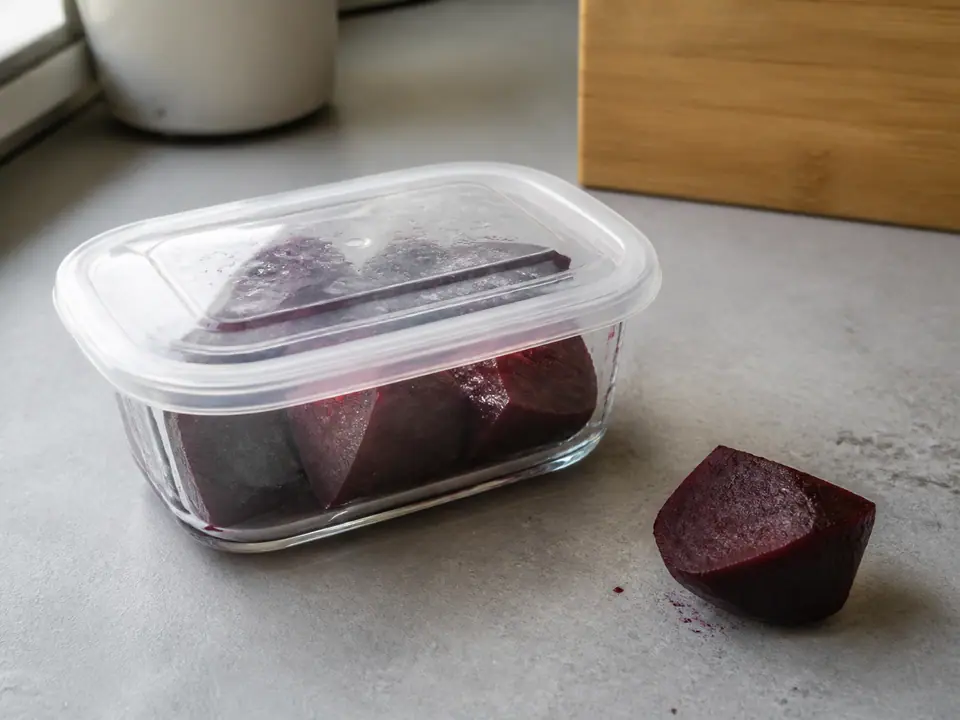
How to keep cooked beetroot from drying out
Cooked beetroot dries from its cut surfaces. Cool it whole when possible, store it covered, and add oil, yogurt or vinaigrette close to serving.
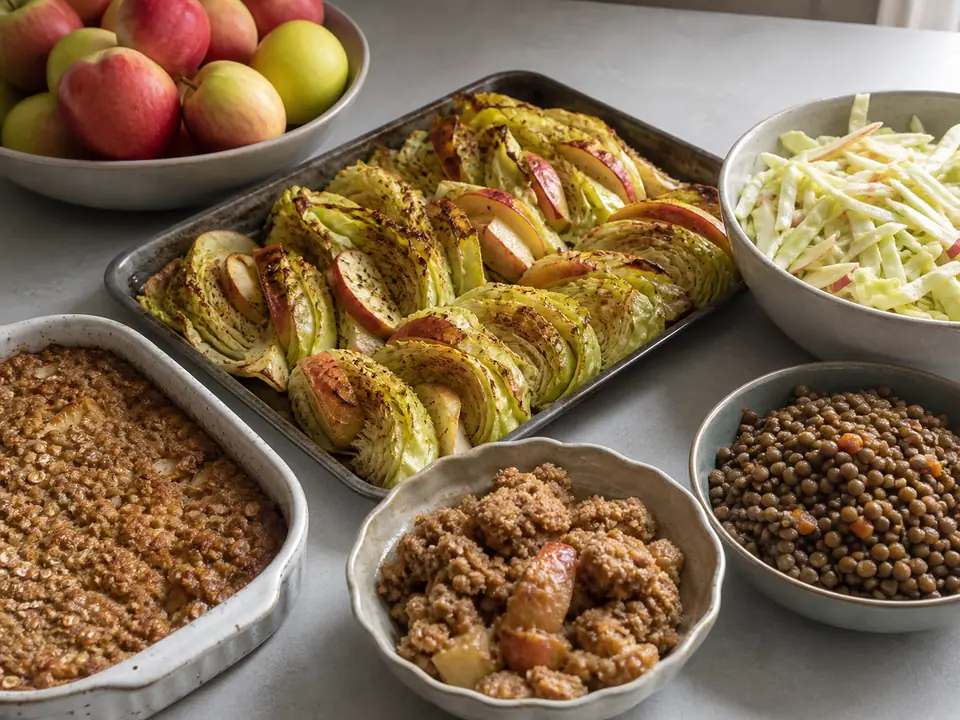
5 dinners and bakes for an apple glut
A glut of apples can become a savoury tray, slaw, lentil curry, baked oats or crumble. Use firm fruit raw and softer apples in sauce or baking.
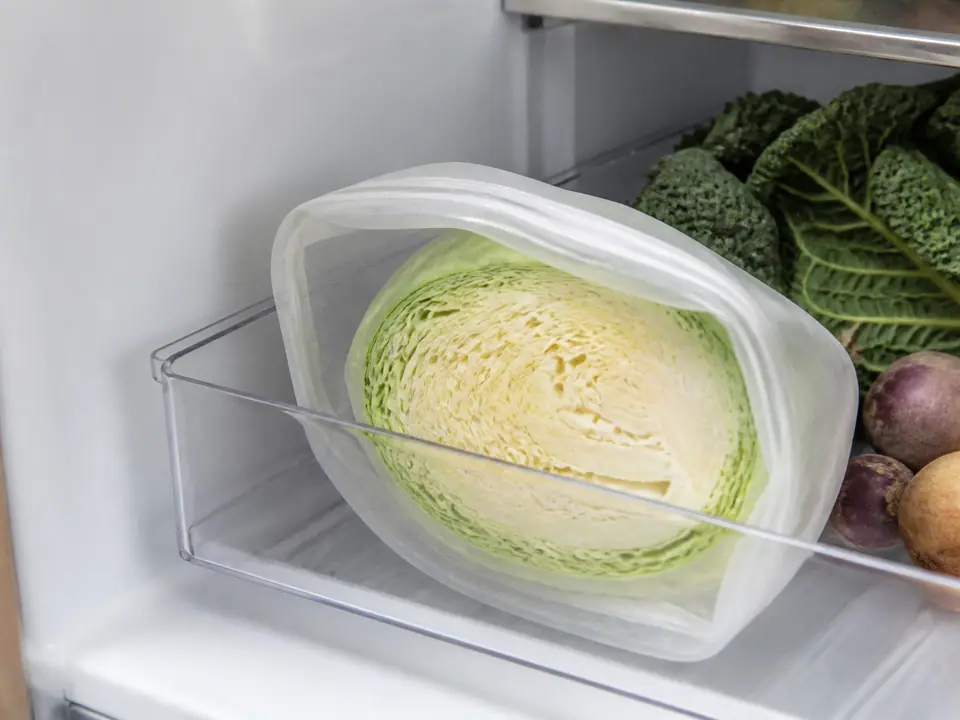
How to keep a cut cabbage fresh for a week
A cut cabbage can stay useful for a week when the exposed face is dry, covered and kept cold. Slice from the outside and leave the core intact.