Cool the roots whole, cover the cut face and dress them when you need them
Cooked beetroot dries from its cut surfaces. Cool it whole when possible, store it covered, and add oil, yogurt or vinaigrette close to serving.

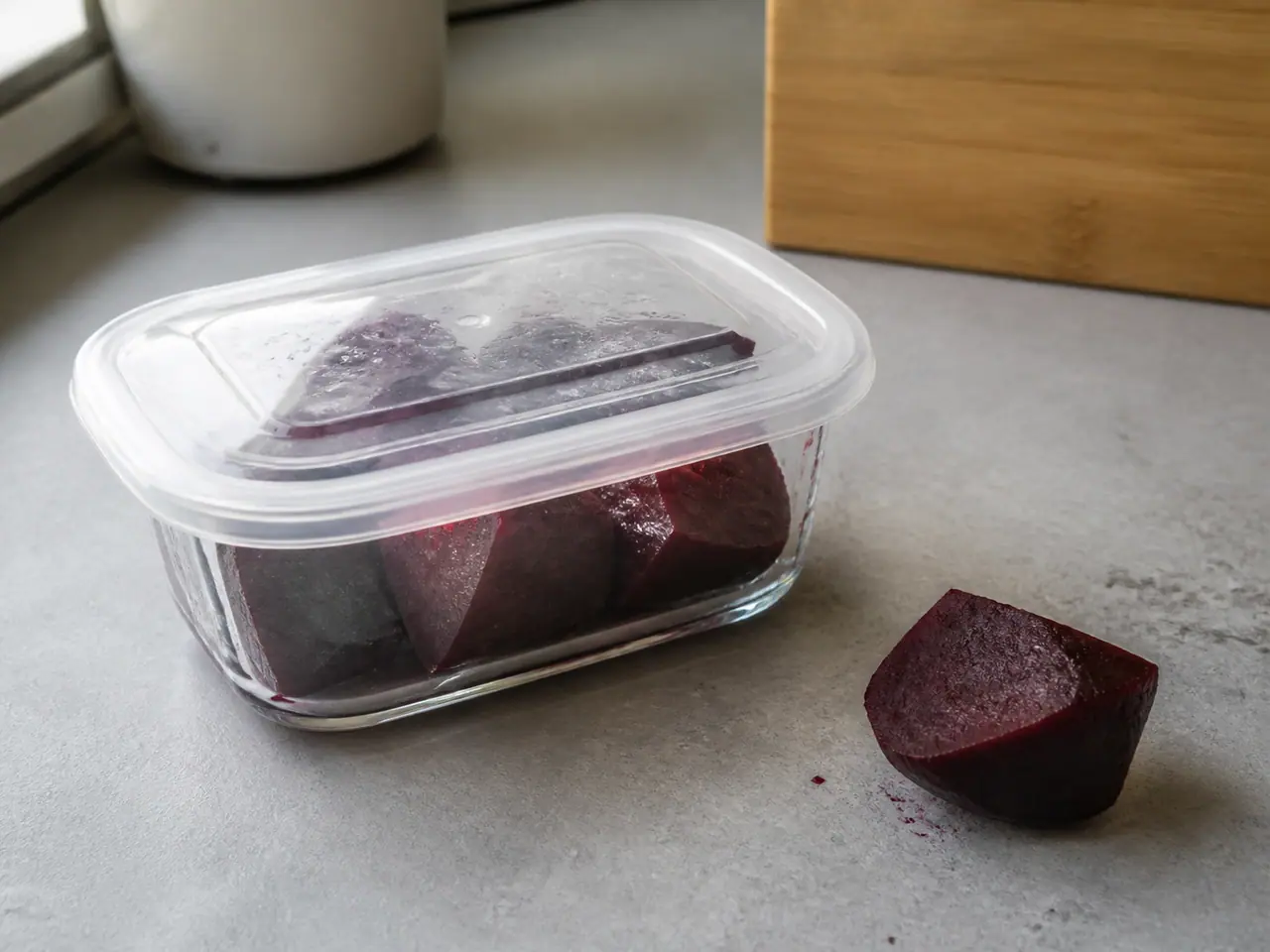
Cooked beetroot dries at the cut face first. The root can be tender inside and leathery at the edge after a night in a shallow uncovered dish. I keep it whole until I know the meal, then cover the cut pieces and add dressing only when the plate is ready.
Beetroot is forgiving storage food when the container prevents air from reaching too much surface. It is also a strong stainer, so I use a container that can take colour and keep the juice away from the rest of the fridge.
Cool it before cutting
Let roasted or boiled beetroot cool until it is safe to handle, then peel it whole. A whole root exposes less surface than cubes and holds its moisture better.
Do not seal very hot beetroot in a tight container. Trapped heat creates condensation and can soften the outside while the centre is still warm.
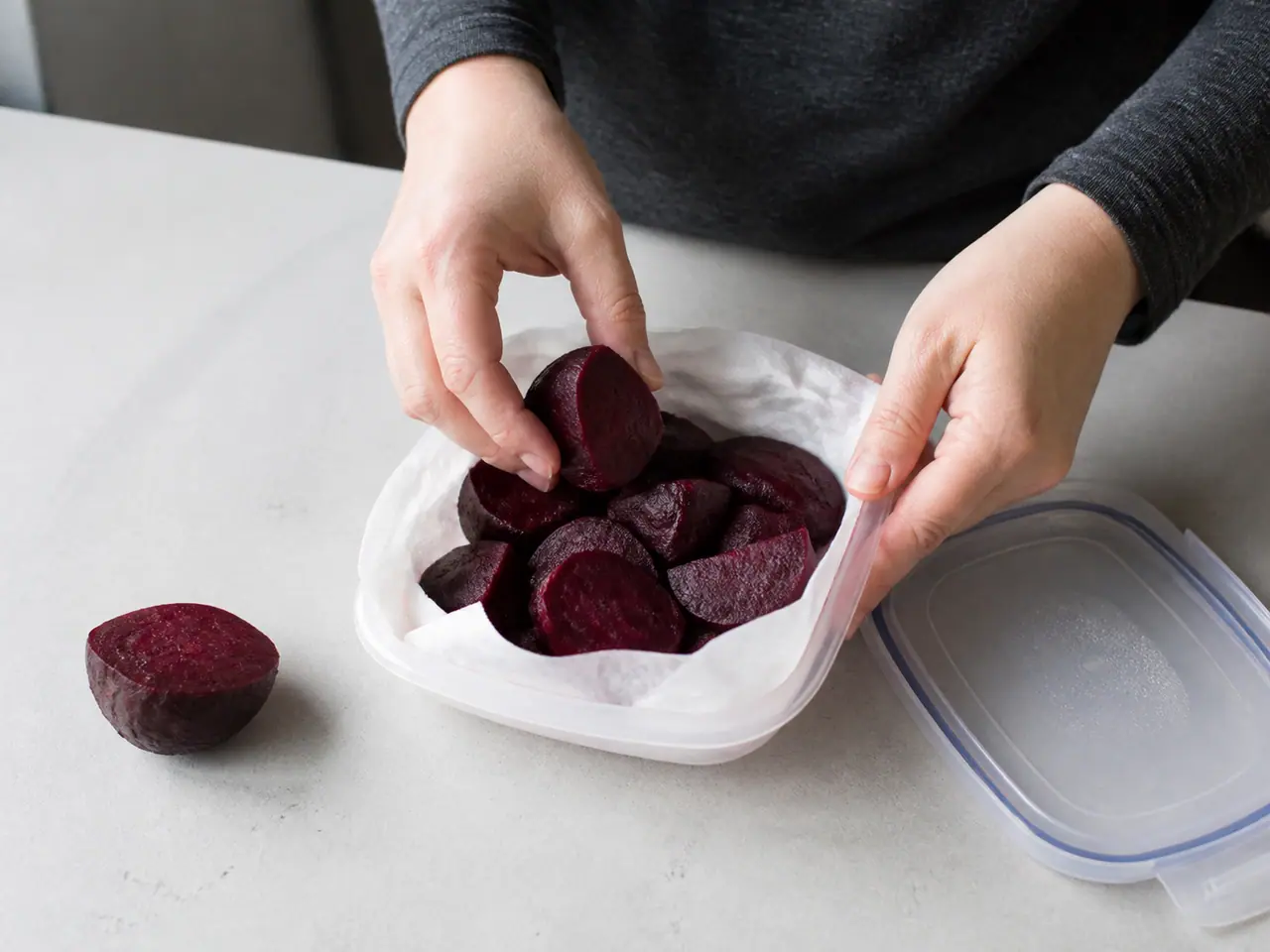
Cover the cut surfaces
If the beetroot must be sliced, pack the pieces snugly in a small container rather than spreading them across a large plate. Less exposed surface means less drying.
A thin film of olive oil can protect a cut face for a short storage period, but I prefer a lid because oil alone does not stop air reaching every edge.
I keep one piece aside so I can compare it with the next batch.
Keep dressing separate
Vinegar and salt can make a beetroot salad taste brighter, but they also start changing the texture as the root sits. Store plain cooked pieces when you want them to stay firm.
Mix the dressing in a small jar and add it at serving. Yogurt, tahini and soft cheese should also meet the beetroot close to the meal.
The clock helps, but the surface gives the better signal.
Use the right rescue
A dry edge can be trimmed from a sound root. Toss the remaining beetroot with oil, lemon and yogurt, or simmer it briefly in a sauce where the surface can absorb moisture again.
Do not use a root with slime, mould or sour smell. Dryness is a texture problem; spoilage is a discard problem.
That small pause saves more food than a rescue at the end.
Plan by texture
Keep the firmest pieces for salads and the softer pieces for soup, mash or a warm grain bowl. The container does not need every cube to remain identical if dinner gives them different jobs.
I label the most tender pieces in my mind by putting them at the front. That prevents the delicate beetroot from being forgotten under a new batch.
The next step works better when the excess moisture has somewhere to go.
The overnight test
I stored one beetroot whole and another in open wedges. The whole root stayed supple. The exposed pieces developed a dry edge even though the container was cold.
After cutting the whole root the next day, its centre was still moist and easy to dress. The practical difference came from surface area, not an expensive storage trick.
I keep one piece aside so I can compare it with the next batch.
Storage works best when it has an exit plan. I decide the meal before putting the beetroot away, then place the most fragile pieces where I will see them first. A container can slow water loss and condensation, but it cannot improve a tired leaf, bruised fruit or dry cut face. Visibility is part of freshness because forgotten food gets no useful second chance.
If I need to prepare ahead, I separate the parts that like different conditions. Dry pieces stay apart from dressing, cut surfaces stay covered and cooked food stays away from raw pieces. This takes less room than a complicated storage system and gives me a clear signal when the batch needs cooking.
I use a short inspection before every meal: smell, surface, firmness and any liquid at the bottom. A sound piece that has wilted or dried can often be cooked, drained or trimmed. Slime, mould, sour smell and spreading decay are a different category. No storage trick is worth carrying those signs into a finished dish.
Freshness is easier to keep when the storage plan is visible and short. Put the pieces that need attention where your hand will find them first, keep wet and dry parts apart and leave enough space to inspect the batch without pressing it. Write the next meal in your head before closing the container. If the food has changed, make a quick decision: trim and cook sound parts, move softer pieces into a sauce or use the best pieces raw. This simple rotation protects texture and stops a forgotten container from deciding dinner for you.
For the quality and storage details behind my kitchen observations, I use the University of Minnesota beet growing guide alongside the timed test described above.
The practical verdict
Cooked beetroot dries because cut surfaces lose moisture to the air. Whole roots, small covered containers and late dressing keep the texture tender.
Trim a dry edge from a sound root, but discard anything slimy, mouldy or sour-smelling.
Questions
How should cooked beetroot be stored?
Can cooked beetroot be frozen?
Why is my beetroot dry in the fridge?
Can dry beetroot be rescued?
More guides
All guides →
How to keep apples crisp for longer
Apples keep their crunch best when cold, protected from bruises and checked for soft fruit. Store them loose or in a breathable bag and remove damaged pieces early.
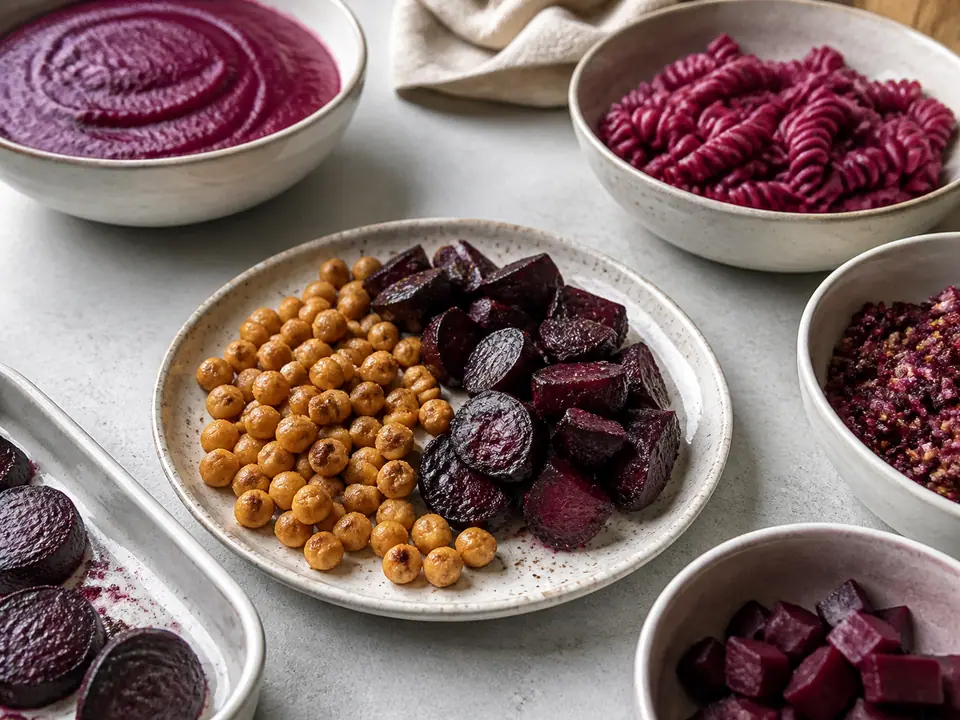
5 beetroot dinners beyond salad
Beetroot can carry dinner in roasted wedges, lentils, soup, pasta or grains. Pair its earthy sweetness with acid, beans, yogurt or a salty finish.
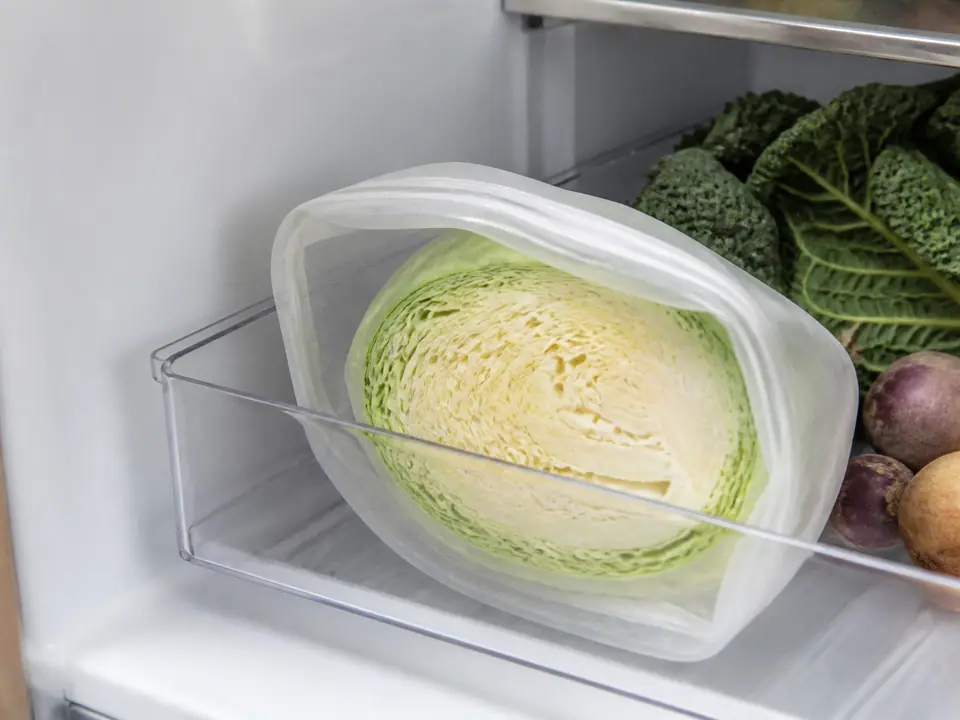
How to keep a cut cabbage fresh for a week
A cut cabbage can stay useful for a week when the exposed face is dry, covered and kept cold. Slice from the outside and leave the core intact.