Storage and keeping
How to keep a cut cabbage fresh for a week
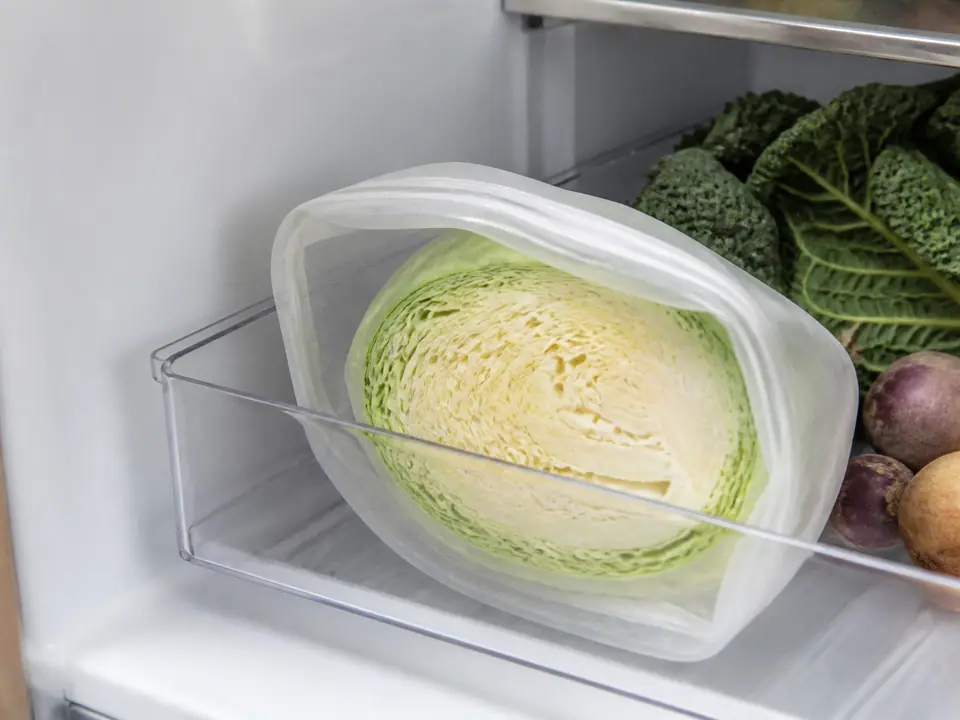
A cut cabbage can stay useful for a week when the exposed face is dry, covered and kept cold. Slice from the outside and leave the core intact.
20 pages tagged storage.
A cut cabbage can stay useful for a week when the exposed face is dry, covered and kept cold. Slice from the outside and leave the core intact.
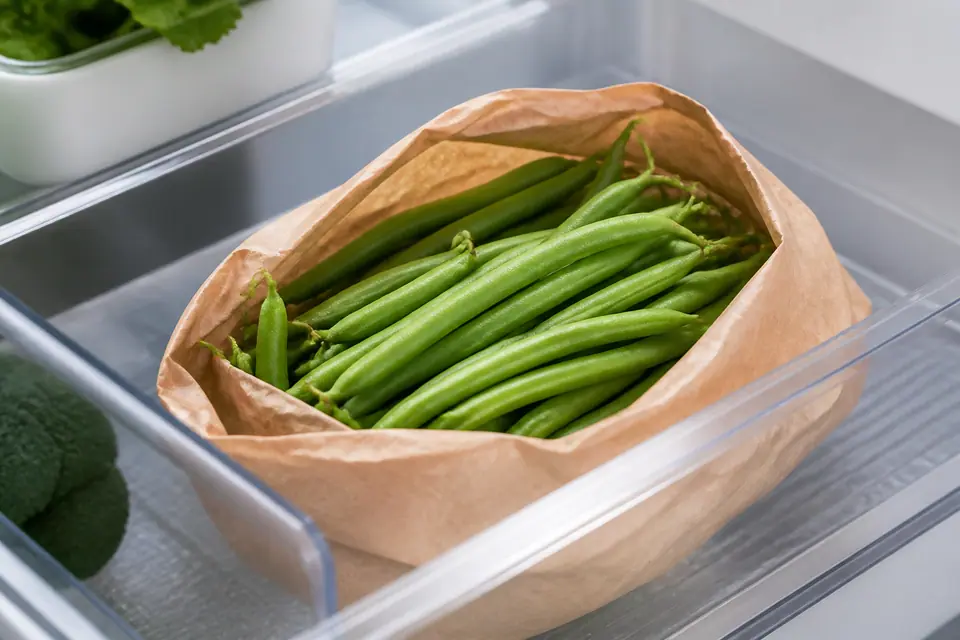
Green beans lose crispness through water loss but decay quickly when stored wet. Keep them unwashed, cool and loosely contained, then rinse just before cooking.
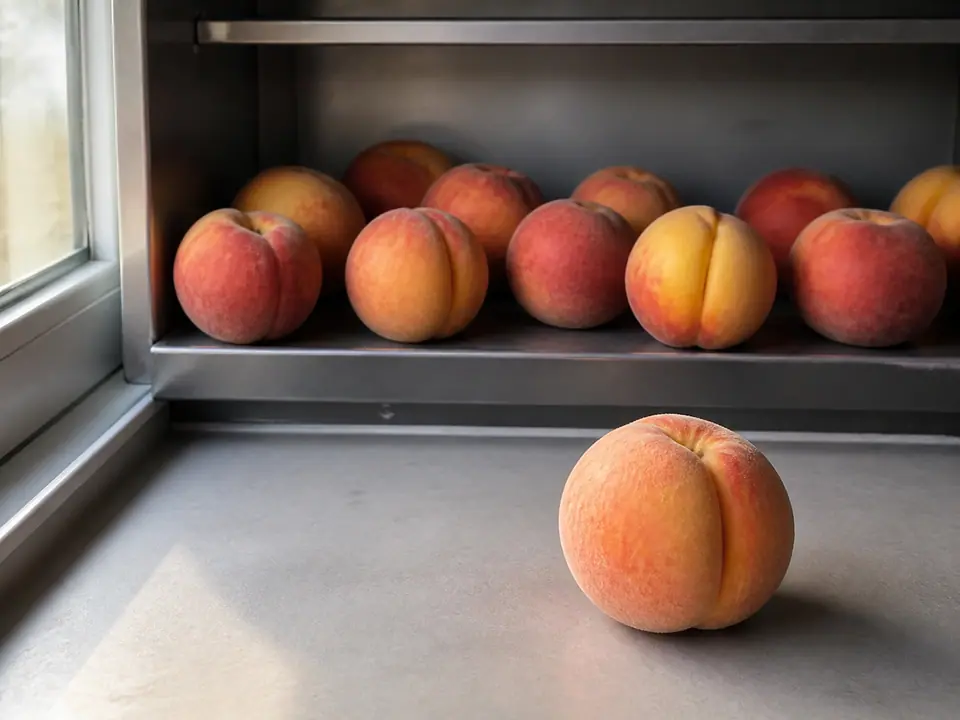
Ripe peaches bruise under pressure. Store them in one layer, keep the stem area protected and refrigerate fruit once it is ready to slow further softening.
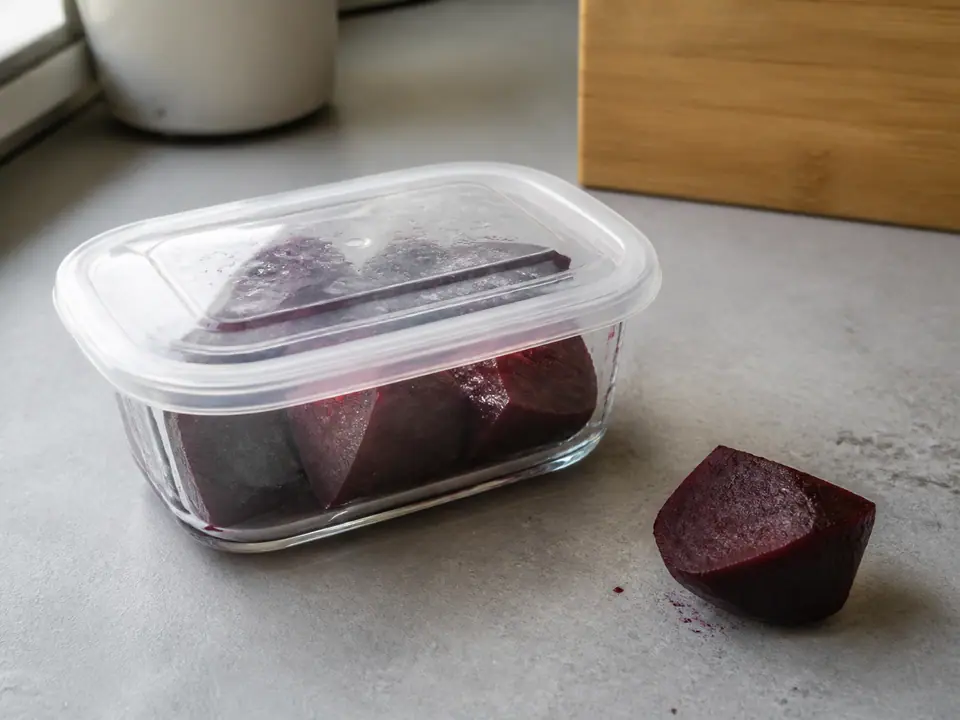
Cooked beetroot dries from its cut surfaces. Cool it whole when possible, store it covered, and add oil, yogurt or vinaigrette close to serving.
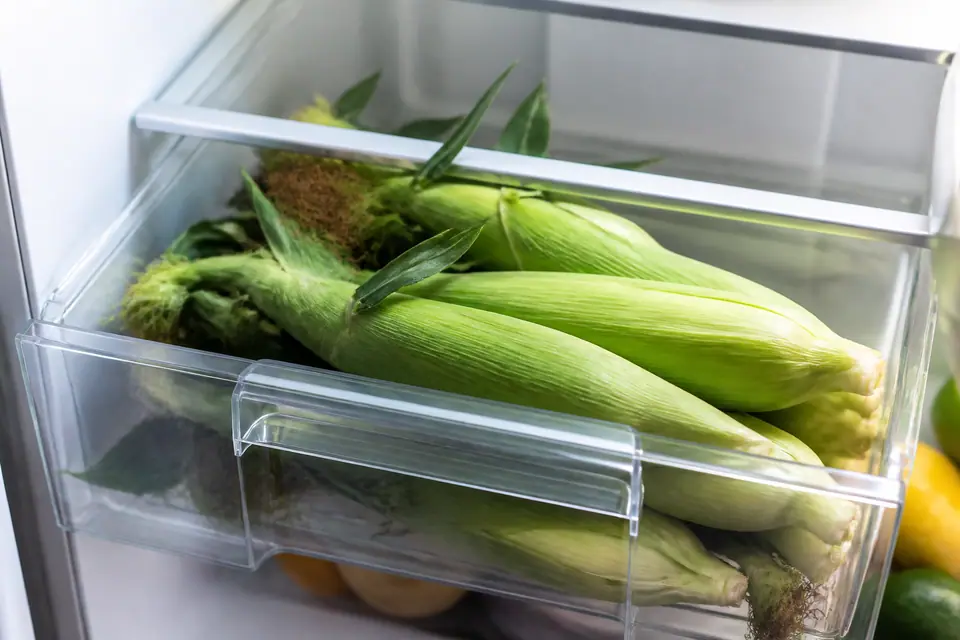
Sweetcorn keeps its best flavour when it gets cold quickly. Leave the husk on, refrigerate the ears and cook them within a few days instead of storing them on the counter.
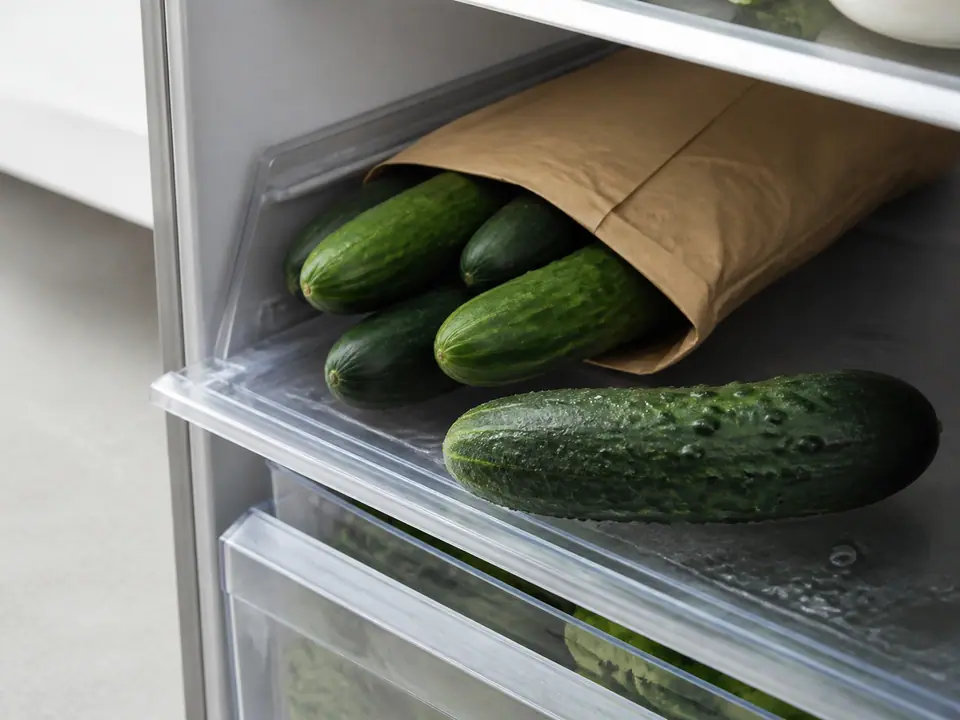
Cucumbers need protection from water loss but can suffer chilling injury in very cold storage. Keep them dry, wrapped loosely and away from the coldest air.
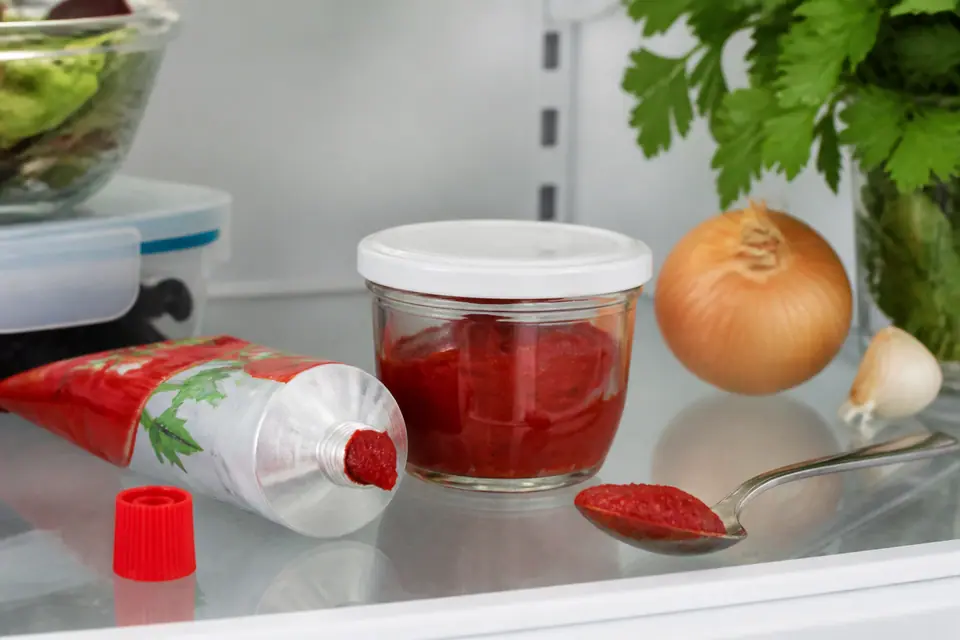
Protect opened tomato paste from air, label it and portion what you will not use soon. A small freezer stash is better than a hopeful fridge corner.
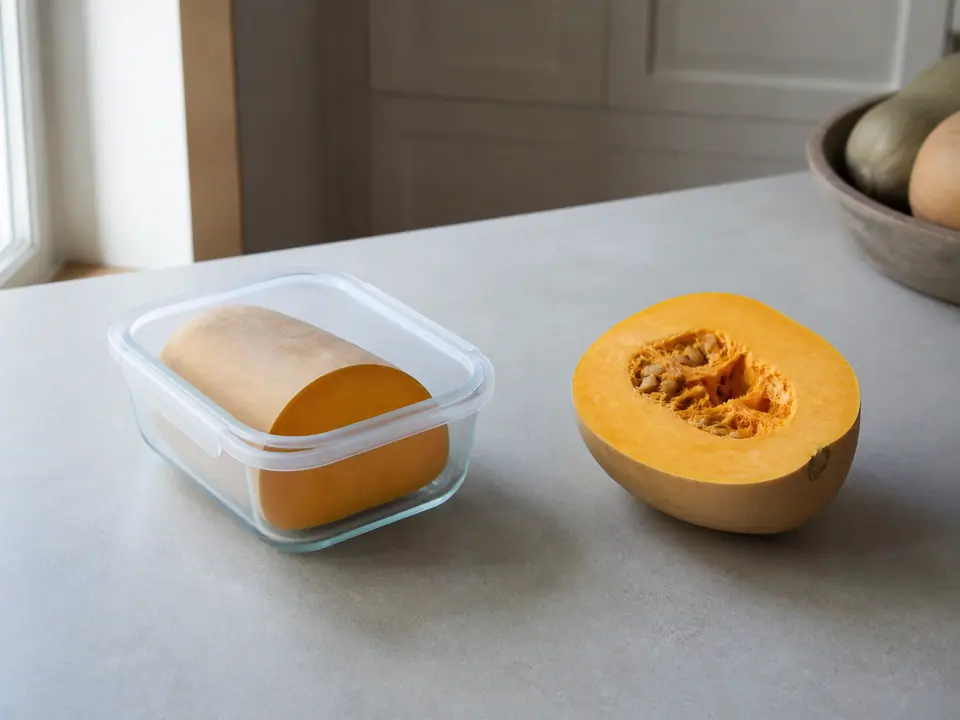
Cut squash loses moisture at the exposed face. Store it covered in the fridge, keep raw pieces separate from cooked food and use the softest cut first.
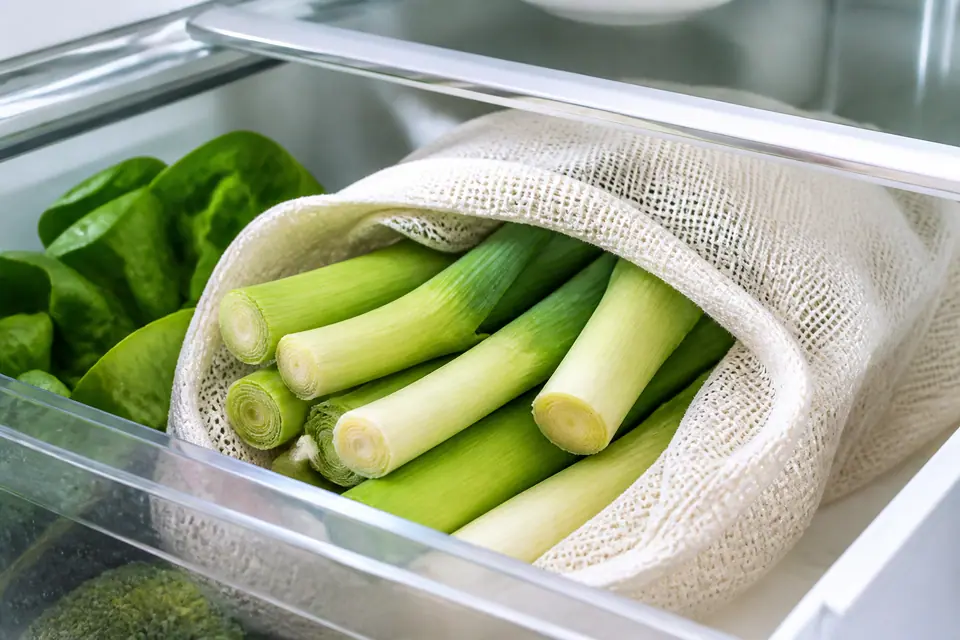
Trimmed leeks last better when they are dry on the surface, loosely wrapped and kept cold without sitting in trapped water.
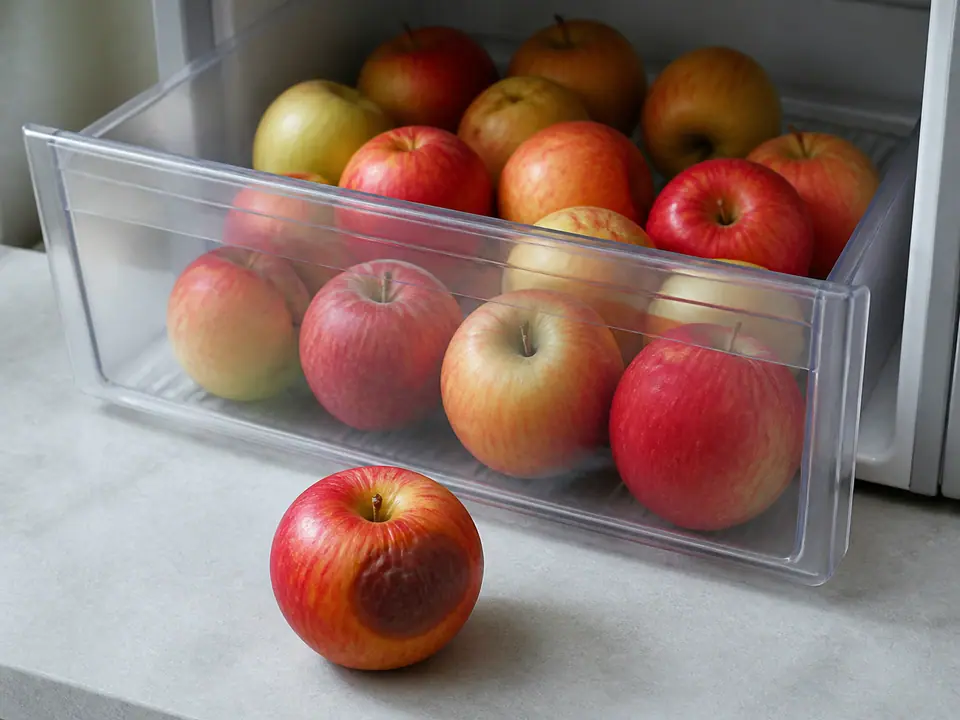
Apples keep their crunch best when cold, protected from bruises and checked for soft fruit. Store them loose or in a breathable bag and remove damaged pieces early.
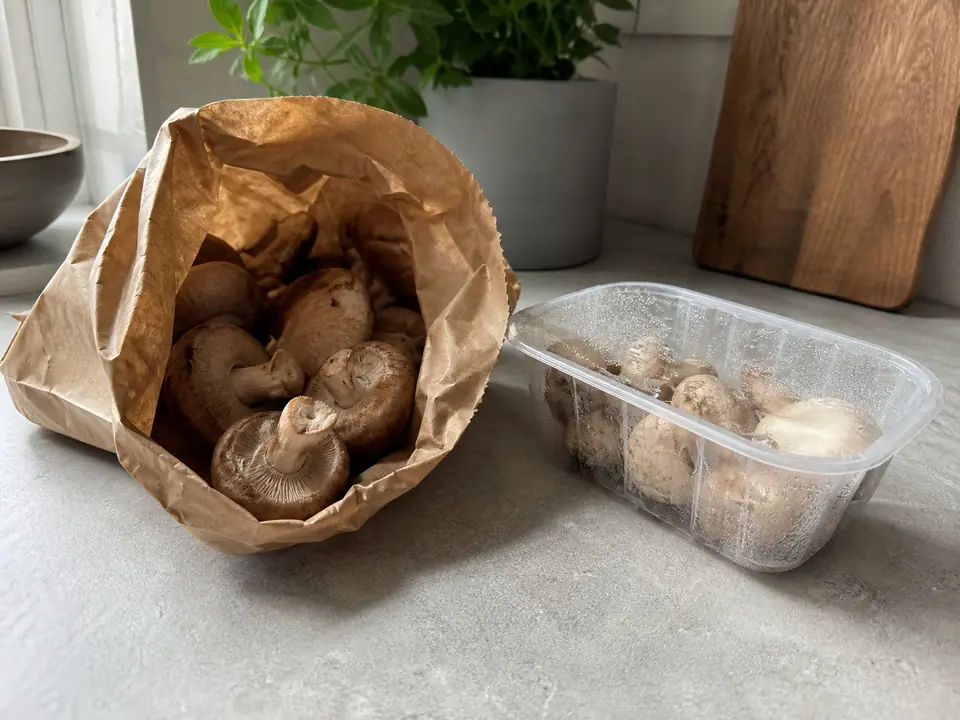
Mushrooms last better when condensation can escape. Store them cold in paper or a breathable container, avoid washing ahead and cook any bruised pieces first.
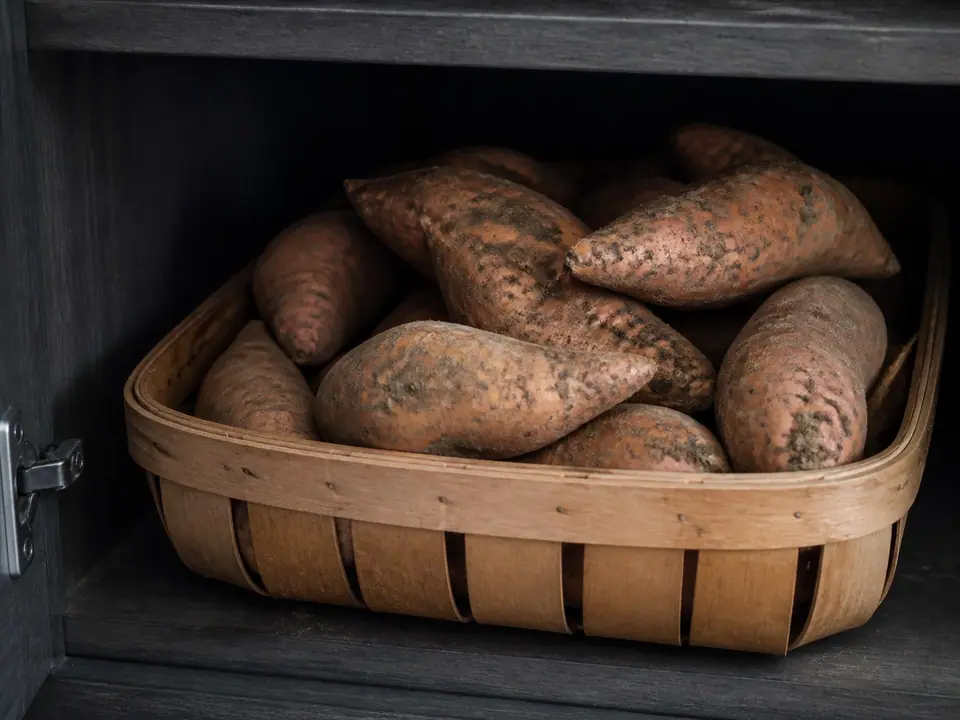
Sweet potatoes keep best in a cool dry cupboard with air around them. Do not wash them before storing, and inspect the ends before cooking.
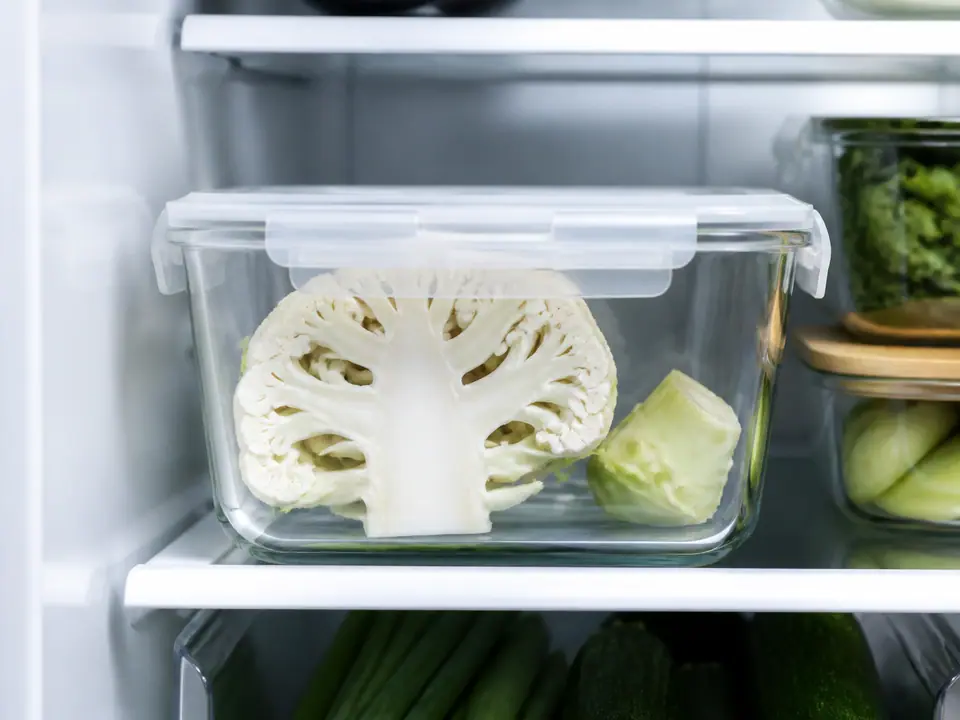
Cauliflower turns grey when exposed tissue dries or oxidises. Keep the head cold and dry, cover cut surfaces and cook before the spots spread.
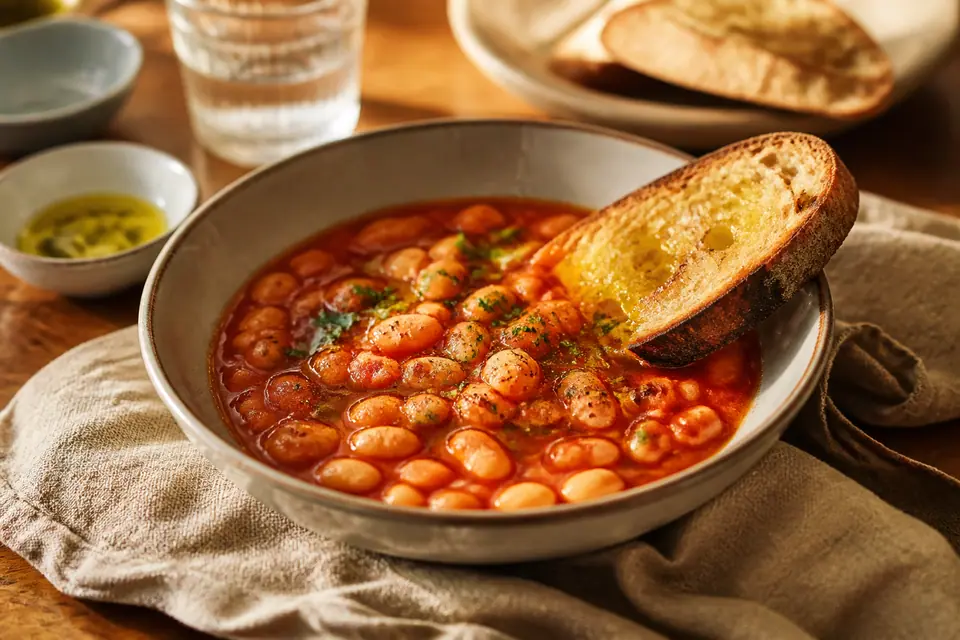
Refrigerate opened passata as the label directs, freeze the amount you will use and write the date on the container. Smooth tomato is easy to save when it has a destination.
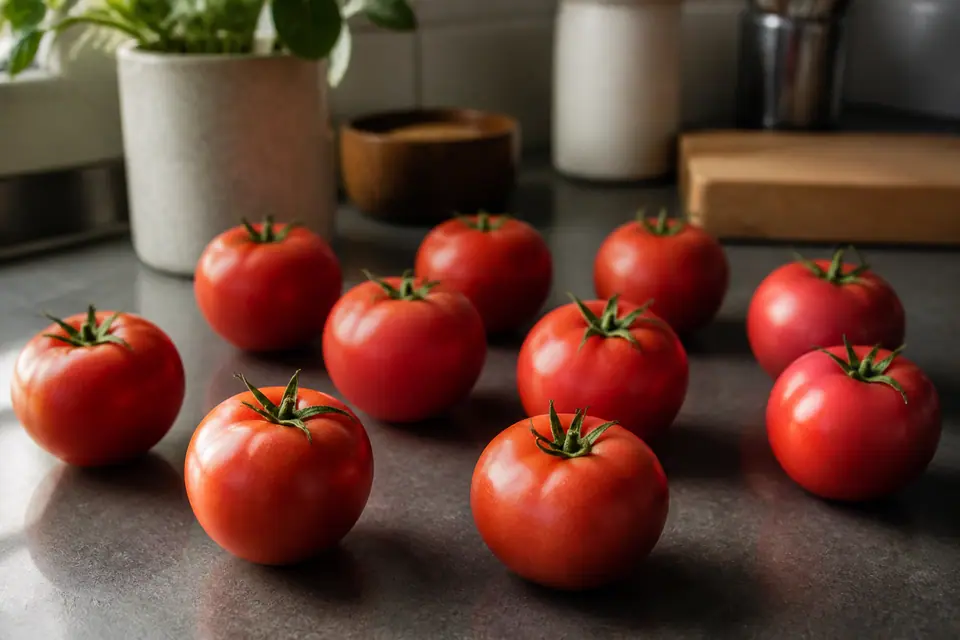
Keep whole tomatoes at room temperature while they ripen, away from sun and bruises. Chill only when slowing an already ripe tomato is worth the texture trade.
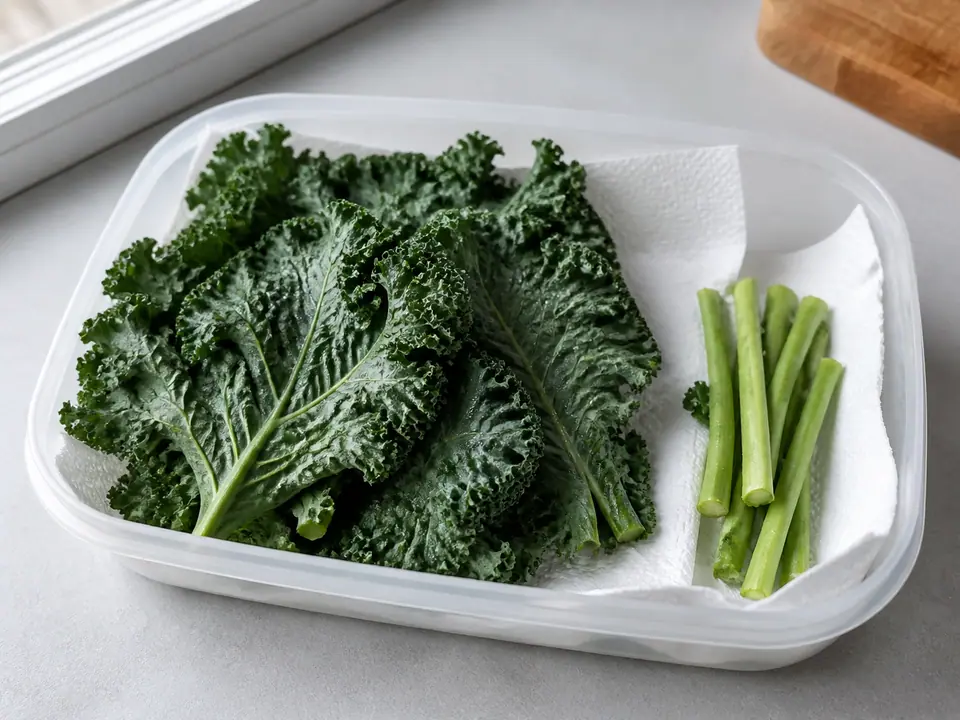
Kale lasts better when leaves are dry and uncrushed. Trim damaged parts, use a paper towel to catch moisture and keep washed leaves well dried.
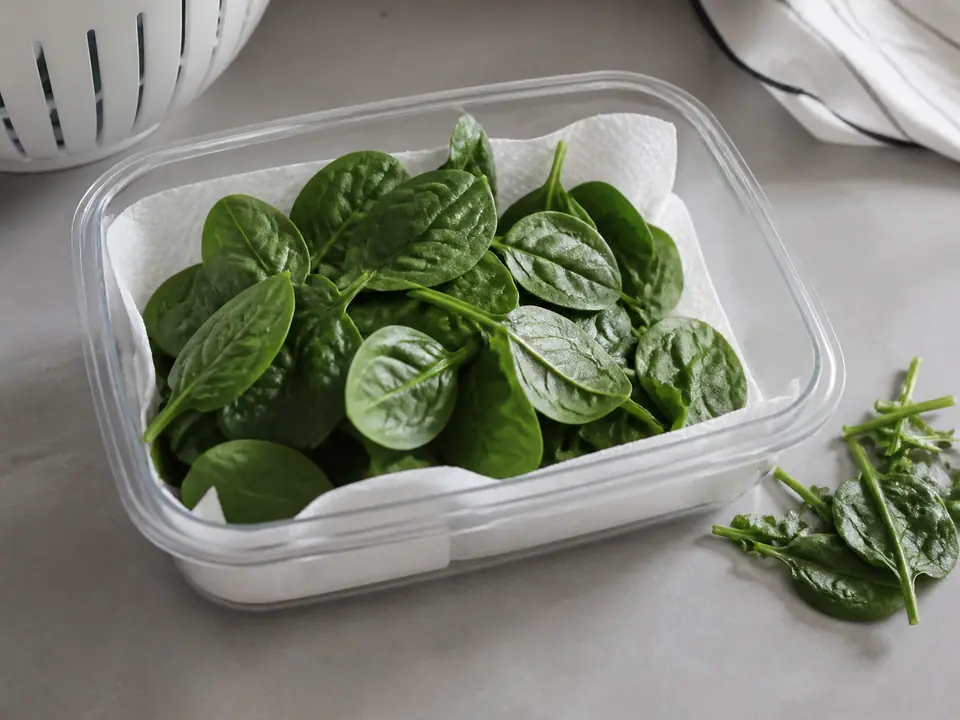
Spinach needs cold storage but hates a wet sealed pocket. Remove damaged leaves, use a dry lining and keep fruit such as apples and tomatoes away.
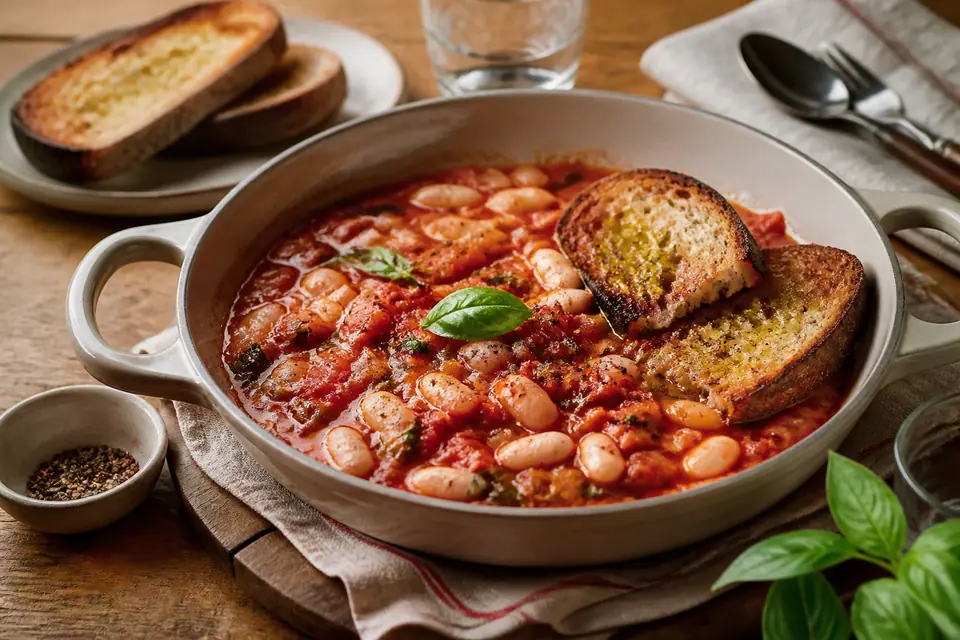
Move leftover tomatoes out of the tin, chill them promptly and freeze portions you will actually use. The best storage plan is one that has a next meal attached to it.
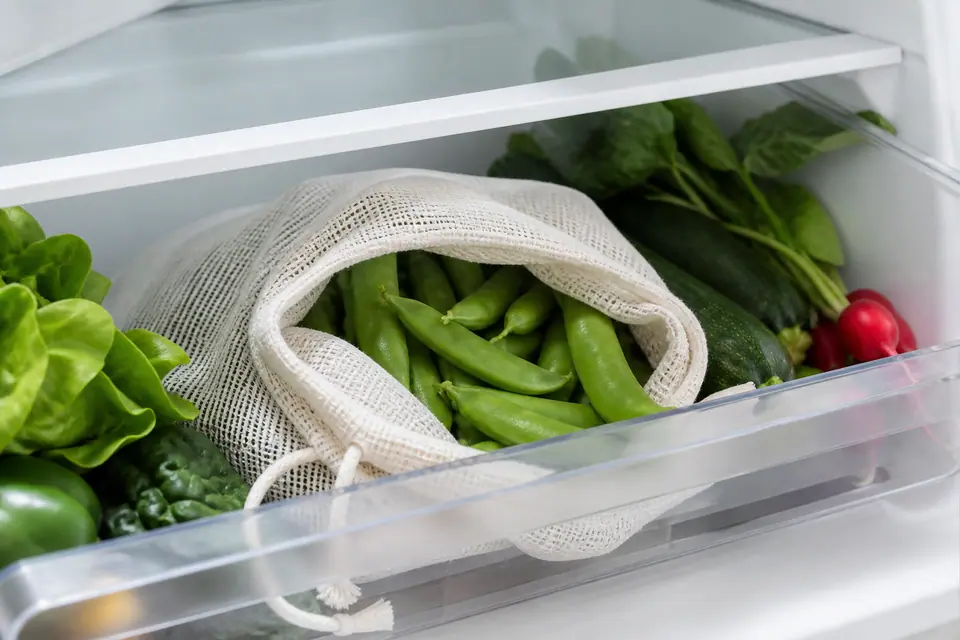
Fresh peas are at their best soon after buying. Keep the pods cold and dry, do not wash them early, and cook them before they lose their sweetness.
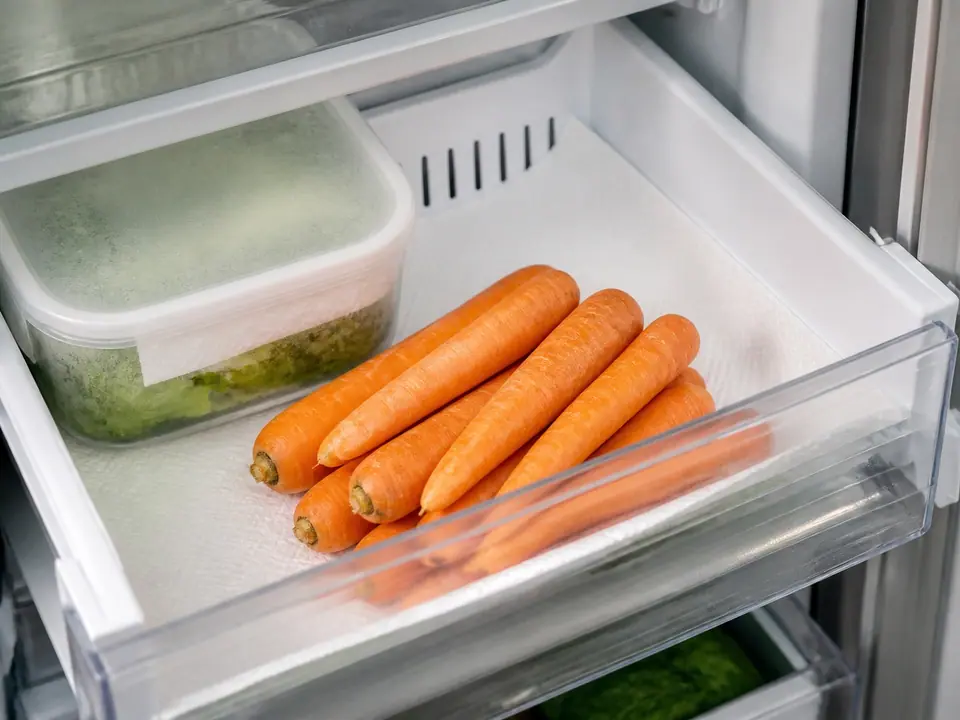
Cut off carrot tops, keep the roots cold in a breathable container and control moisture. A dry towel inside the drawer helps, but a wet one needs changing.