Open the carton with a use in mind
Refrigerate opened passata as the label directs, freeze the amount you will use and write the date on the container. Smooth tomato is easy to save when it has a destination.

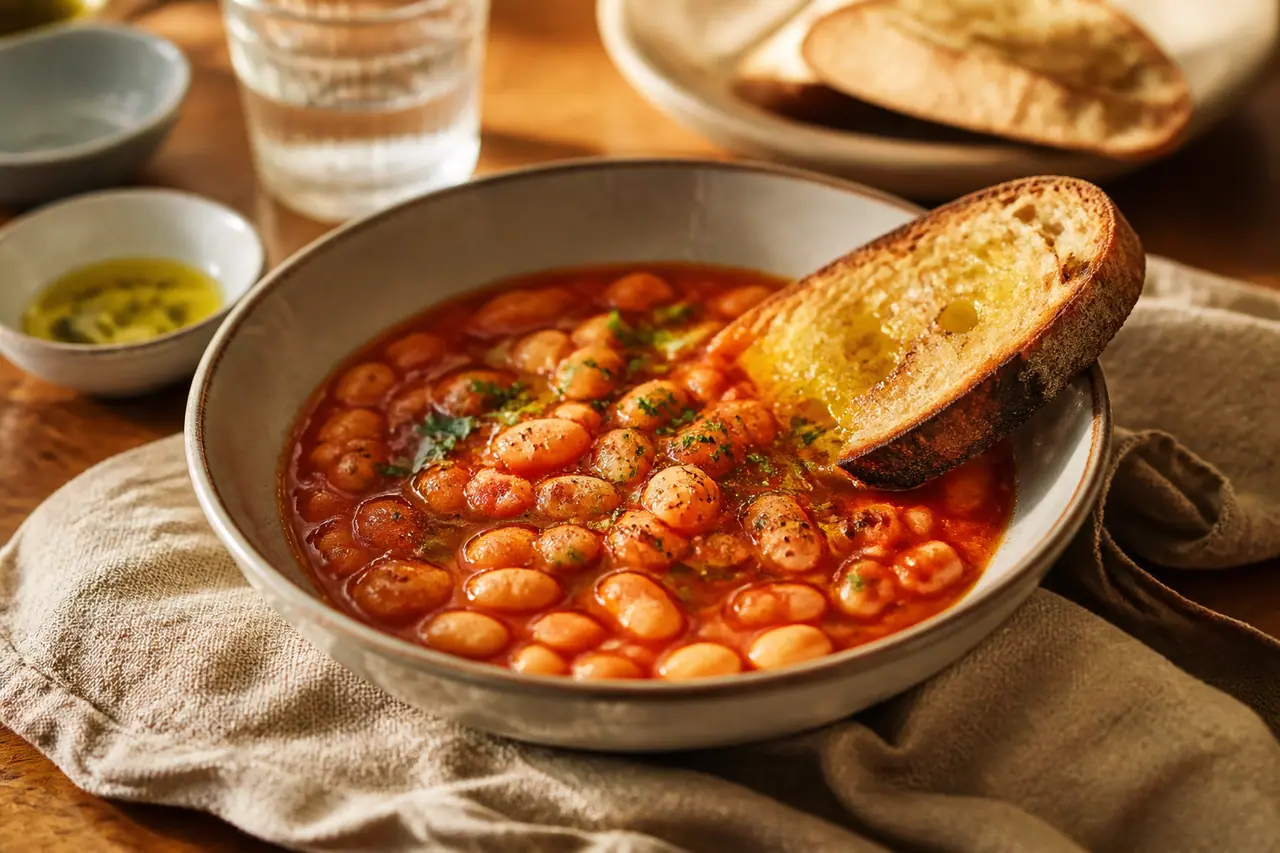
Passata is easy to pour and easy to forget. The open carton goes behind the milk, the surface dries, and a week later you are trying to decide whether the smell is tomato or trouble. I avoid that by giving the leftovers a date and a next use before the carton goes in the fridge. A small tub marked “150 g for beans” is visible, stackable and easy to trust. An unmarked carton is none of those things, even when it was perfectly good yesterday. I used to keep the whole carton because I thought a larger leftover was more useful. It was not. The large amount waited for a recipe; the small labelled portion went into soup, eggs or beans without a second thought. Storage works when the portion matches the food you cook.
Follow the storage instructions on the pack first. Many shelf-stable products say to refrigerate after opening and use within a few days. If you will not use it in that window, freeze it in portions. The freezer is more reliable than a hopeful sniff test.
| Next use | Storage | Portion |
|---|---|---|
| Tomorrow | Covered container in the fridge | Amount for the meal |
| Later this week | Fridge, dated and sealed | 150 to 250 g |
| Next month | Flat labelled freezer portion | 100 to 200 g |
| No plan yet | Freeze rather than wait | Small cooking portions |
Source: Product label guidance and Maren Ashby's kitchen practice, 2026-08-27
The label sets the first deadline
Passata is sold in different packs: shelf-stable cartons, glass bottles and refrigerated products. Their opening instructions are not identical. Check the pack before opening, then write the date on the lid or container. The Food Standards Agency food-safety pages are a useful general reference, but the product label is the specific instruction for the food in your fridge. I take a photograph of the label when the instructions are printed in small type, especially if the carton will be used over more than one meal. A date without a product instruction can create false confidence, while a clear label tells you when the fridge plan ends.
Move the passata to a clean covered container if the pack does not reseal well. A shallow tub cools evenly and makes it easier to see the amount left. Keep the fridge cold and avoid leaving the opened product on the counter while you finish cooking other things. I choose a container with straight sides rather than a narrow jar, because the last spoonful comes out cleanly and the lid does not trap a dried red ring. Put it where you will see it when you open the fridge for eggs, beans or pasta, then make the next use part of the label.
Freeze passata in the size you cook
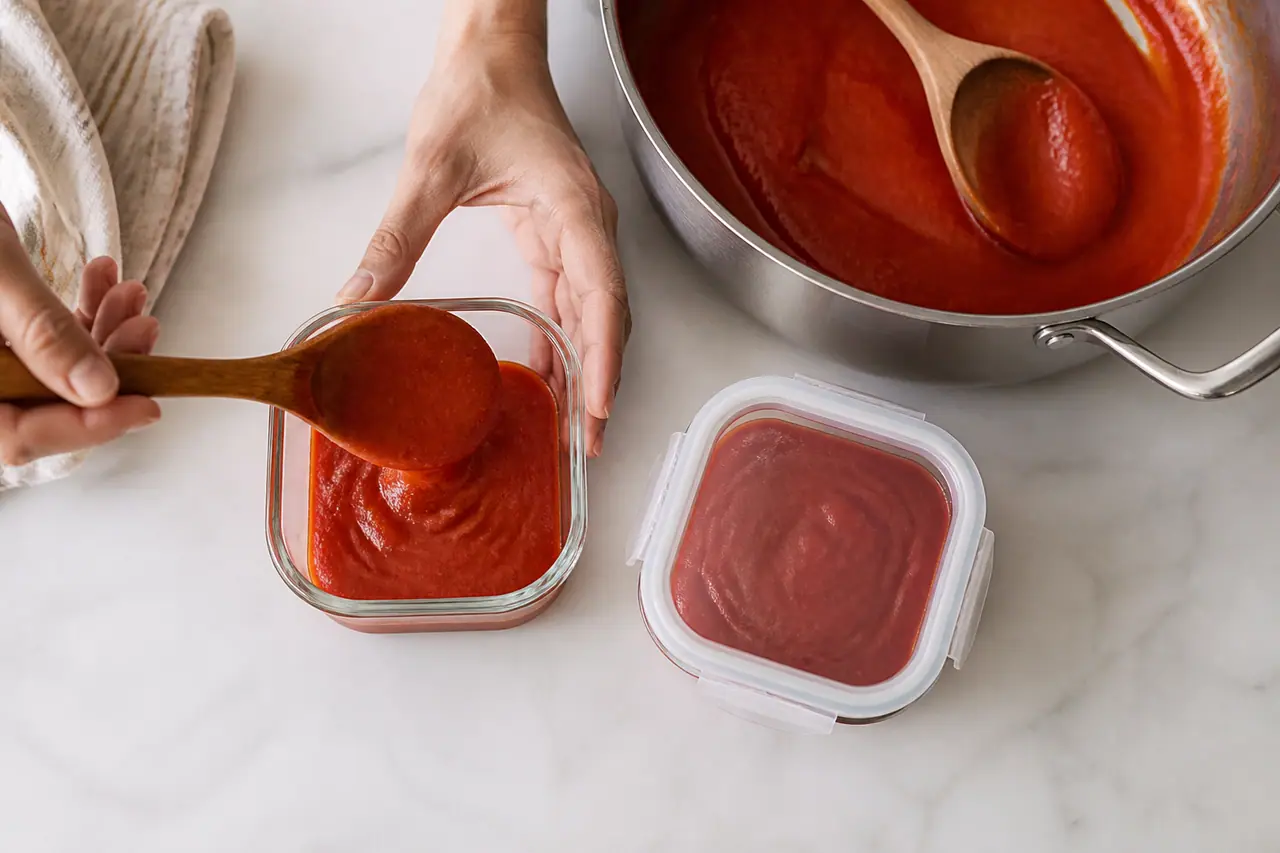
Most of my frozen portions are 150 g. That is enough for a small pan of beans, eggs for two or a sauce for a single bowl of pasta. Use freezer-safe tubs or bags, leave a little room for expansion and label the weight and date. A flat bag thaws faster and stacks neatly. I press the bag into a thin square, freeze it on a tray and remove the tray once the portion is solid. The shape matters more than the container brand. A flat piece can be snapped in half when dinner needs less, while a frozen lump has to be thawed in full. Smaller portions also keep the freezer from becoming a graveyard of ingredients that belong to an imaginary large recipe.
Ice cube trays are useful for small amounts, especially when a spoonful of passata is going into a stew. Once frozen, move the cubes to a sealed bag. Otherwise they collect freezer smells and become a red puzzle with no label.
What freezing changes
Frozen passata may separate a little after thawing. Stir it, then cook it. The smooth raw texture is not the point anymore; the sauce, soup or stew will bring it back together. Thawed passata is best in cooked dishes rather than as a raw dip or cold sauce. I notice the change most when I spread thawed passata on bread before grilling. It stays looser and can make the toast soft, while a simmering pan hides the separation completely. Use the thawed portion where heat and reduction are part of the dish, and save the freshest carton for uncooked applications.
Thaw it in the fridge when possible. You can also add a frozen portion directly to a hot pan if you keep the heat moderate and break it up as it melts. Do not refreeze a raw portion after thawing unless you have cooked it first.
Four small dinners for leftover passata
- Tomato eggs: reduce passata with garlic, make wells and cook eggs gently under a lid.
- Beans on toast: warm white beans in passata with smoked paprika and finish with olive oil.
- Quick soup: add stock, chickpeas and cumin, then simmer until thick. The spiced chickpea soup uses the same logic.
- Pizza toast: reduce the passata first, spread a thin layer on bread and top with cheese before grilling.
When the passata should go
Mould means discard the whole container. A fizzy smell, bubbling where there should be none or an unpleasant fermented note also means it is done. Do not scrape the top and use the bottom. Smooth food has no safe clean border around mould.
Use clean utensils and do not pour cooked food back into the opened container. If you are unsure how long it has been open, treat that uncertainty as the answer. A 150 g frozen portion costs less than replacing a whole dinner.
The best storage is the next meal
When I open passata for a recipe, I decide whether the rest will become soup, beans or a freezer portion before I wash the pan. That small decision prevents waste better than an elaborate storage system.
For the next dinner, reduce 200 g passata with onion and garlic, stir in chickpeas and serve with toast. For a fuller meal, pair the sauce with crispy lemon potatoes and white beans. Passata keeps well when it is treated as a measured ingredient, not an anonymous carton in the fridge.
Questions
How long does opened passata last in the fridge?
Can I freeze passata in the carton?
Can I freeze passata twice?
Why has my thawed passata separated?
More guides
All guides →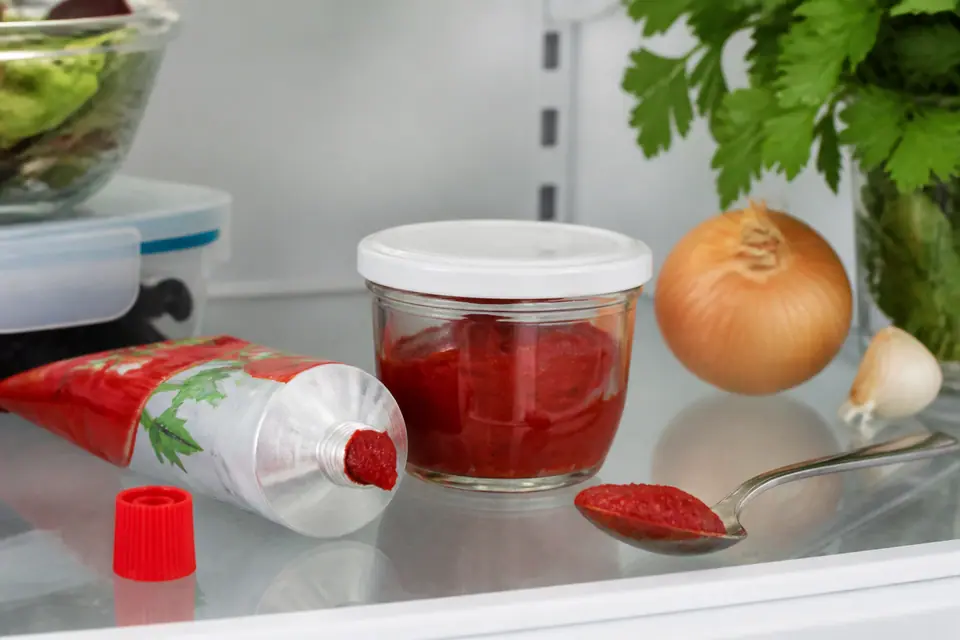
How to store tomato paste after opening
Protect opened tomato paste from air, label it and portion what you will not use soon. A small freezer stash is better than a hopeful fridge corner.

5 dinners for a bag of carrots
Roast carrots with beans, blend them into lentil soup, fry them with rice, fold them through pasta or build a spiced traybake around them.
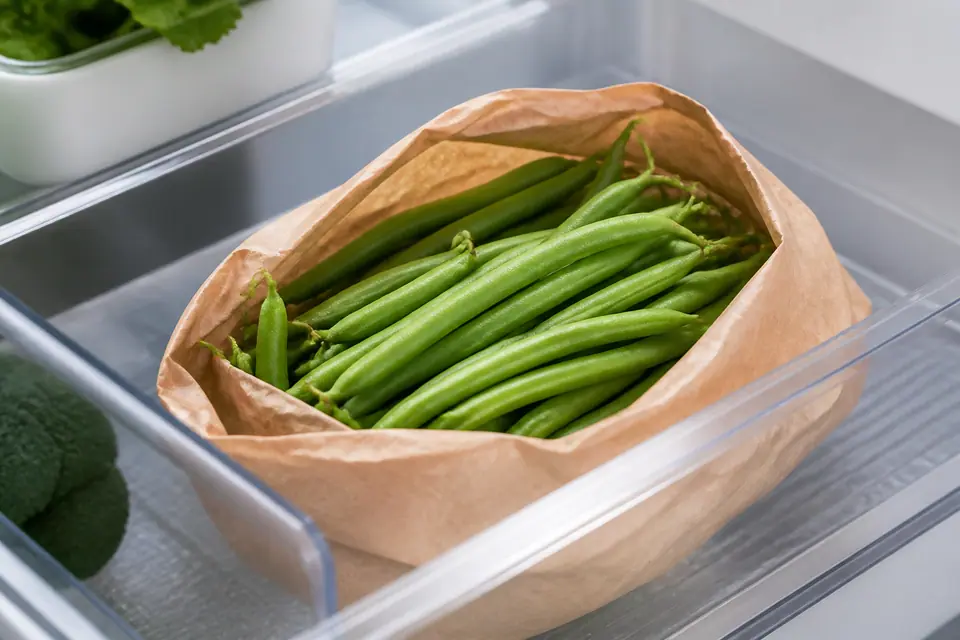
How to keep green beans crisp in the fridge
Green beans lose crispness through water loss but decay quickly when stored wet. Keep them unwashed, cool and loosely contained, then rinse just before cooking.