Give the leftover paste a plan before you put it away
Protect opened tomato paste from air, label it and portion what you will not use soon. A small freezer stash is better than a hopeful fridge corner.

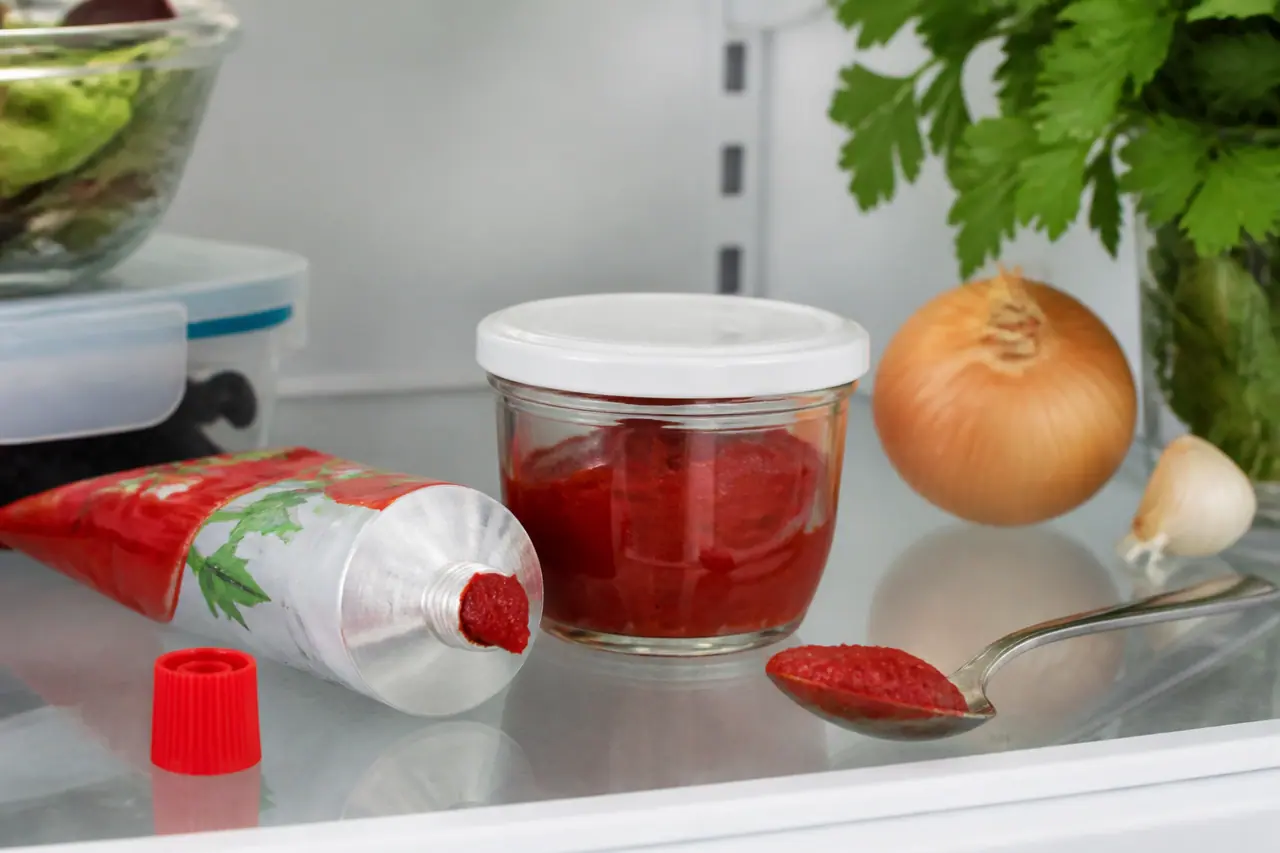
The easiest time to decide what will happen to leftover tomato paste is the moment you open the package. If I put an open tin in the fridge without a plan, I will remember it only when the surface has darkened and the edges have dried. If I transfer it, label it and choose a next use, the same spoonful becomes a useful ingredient instead of another small piece of food waste. Storage is part of the recipe here, because the amount left in the package is too small to deserve a new complicated meal.
Tomato paste needs protection from air more than it needs complicated equipment. A clean small container, a tight lid and a cold fridge are enough for a short stay. If the next use is uncertain, freezing small portions gives you more flexibility. The best method is the one that makes the paste visible and easy to grab.
Move opened tin contents into a clean container
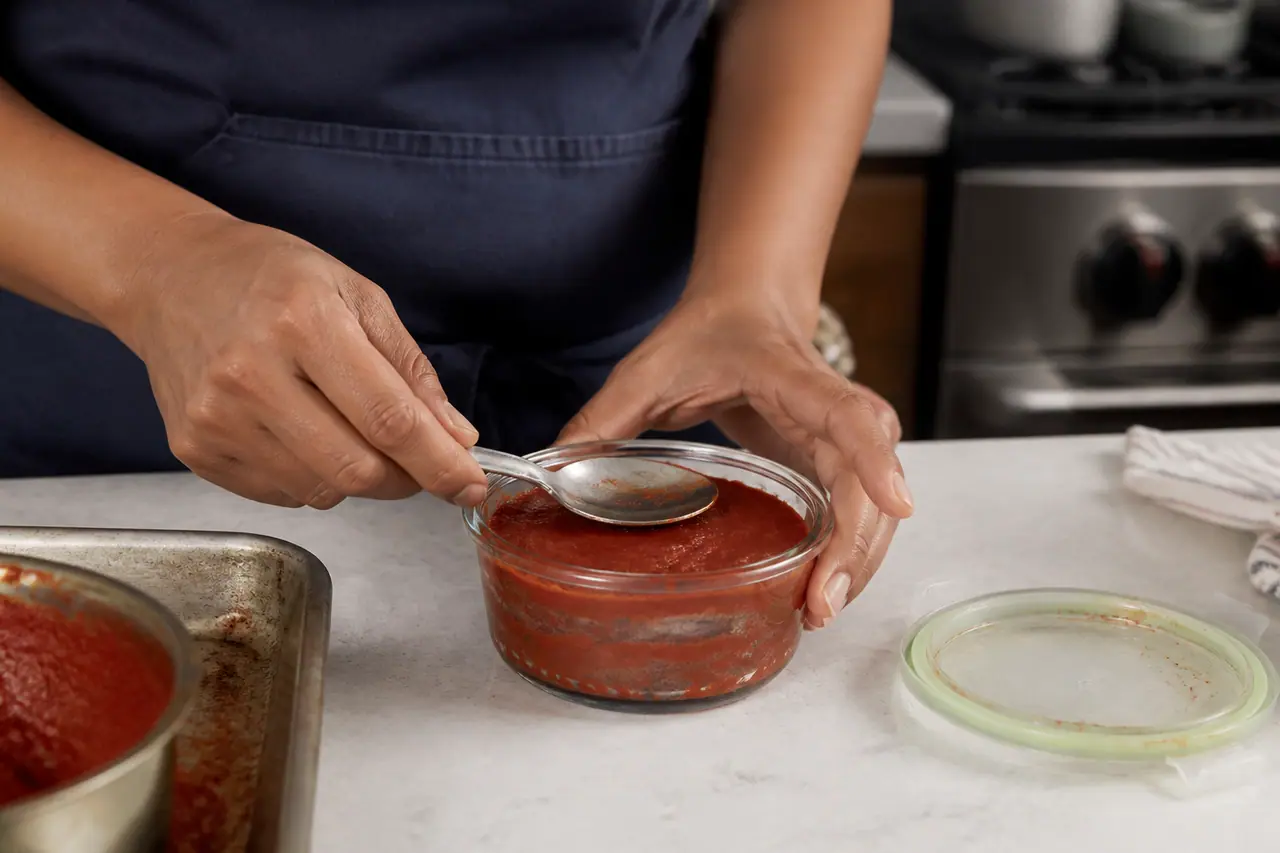
I do not keep leftover tomato paste in an opened metal tin. I scrape it into a small glass or food-safe plastic container, smooth the top, and close it firmly. A small container is better than a large one because there is less empty air above the paste. I write the opening date on a piece of tape or on the lid. That takes seconds and stops the familiar question of whether the paste was opened yesterday or last week.
A thin layer of neutral oil over the surface can slow drying, but I treat it as extra protection rather than a storage guarantee. The container still needs to be cold, covered and checked before use. If the paste smells sour, shows mould, or has a surface that looks genuinely wrong, discard it. Scraping away a suspicious layer is not a reliable rescue for a soft concentrated food. When in doubt, compare the smell with a fresh spoonful from the package rather than trying to hide the old paste in a strongly spiced dish.
Choose the fridge when the next use is close
The fridge is the right place for paste I expect to use in the next few meals. It stays soft enough to scoop, and I can add it to a pan without waiting for a frozen portion to loosen. Keep it where you can see it rather than behind a tall jar. Visibility is part of food storage: an ingredient that disappears is much more likely to be wasted.
Use a clean spoon every time. Crumbs, onion juice or a wet utensil introduce things that shorten the useful life of the paste. Wipe the rim before replacing the lid, especially with a tube, because dried paste around the opening stops the cap sealing properly. These are small habits, but tomato paste is used in small quantities, so small habits decide whether the package gets finished. I keep one spoon in the drawer for condiments and never dip it into the paste after it has touched bread or a chopping board. That sounds fussy until a whole container develops a sour edge because a few crumbs came along for the ride.
| Situation | Best move | Why |
|---|---|---|
| Using it again soon | Covered container in the fridge | Easy to scoop and taste |
| No clear next recipe | Freeze small portions | Stops the open package being forgotten |
| Only a little left | Add it to soup, beans or gravy | The fastest form of storage is dinner |
| Dry edge or odd smell | Discard it | A concentrated ingredient is not worth a risky rescue |
Source: Maren Ashby's kitchen storage routine, 2026-01-09
Freeze portions you can actually use
For freezer portions, I spoon the paste into small mounds on baking paper or into a silicone tray. Once firm, the portions go into a labelled freezer bag. I keep the pieces small enough for a soup, pan sauce or pot of beans. A giant frozen block creates the same problem as a half-used tin: it asks me to plan around it. Small portions can go straight into a warm pan, where they soften as the onions cook.
Label the bag with the ingredient and the date. Tomato paste is easy to identify when it is fresh, but a red frozen lump can become mysterious after a few weeks beside chilli paste and herb cubes. Use clean, dry equipment and leave a little space if you are freezing paste in a container. The aim is not perfect preservation forever; it is a practical pause until a normal dinner needs it.
The verdict
Store opened tomato paste in a clean, tightly covered container when you know you will use it soon. Freeze small labelled portions when you do not. Keep the package visible, use a clean spoon and trust your senses if the paste smells or looks spoiled. The storage trick is simple, but the real win is giving the leftover a specific next job.
Questions
Can I leave tomato paste in the opened tin?
Can I freeze tomato paste?
How do I stop tomato paste drying out?
Can I use tomato paste with a dry top?
More guides
All guides →
How to store passata after opening
Refrigerate opened passata as the label directs, freeze the amount you will use and write the date on the container. Smooth tomato is easy to save when it has a destination.

5 dinners for a bag of carrots
Roast carrots with beans, blend them into lentil soup, fry them with rice, fold them through pasta or build a spiced traybake around them.
How to keep green beans crisp in the fridge
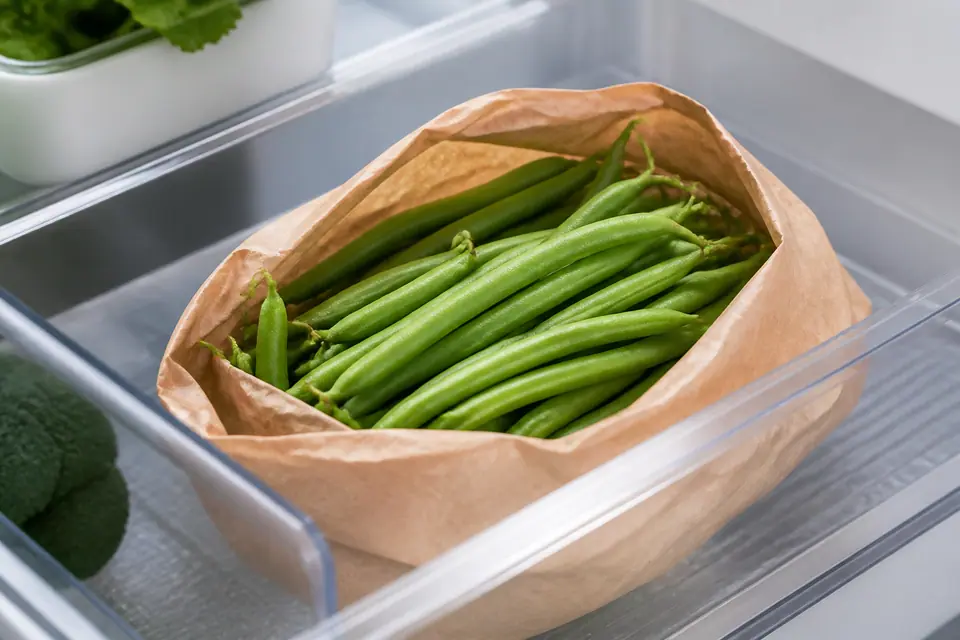
Green beans lose crispness through water loss but decay quickly when stored wet. Keep them unwashed, cool and loosely contained, then rinse just before cooking.