Keep green beans dry on the surface and protected from water loss
Green beans lose crispness through water loss but decay quickly when stored wet. Keep them unwashed, cool and loosely contained, then rinse just before cooking.

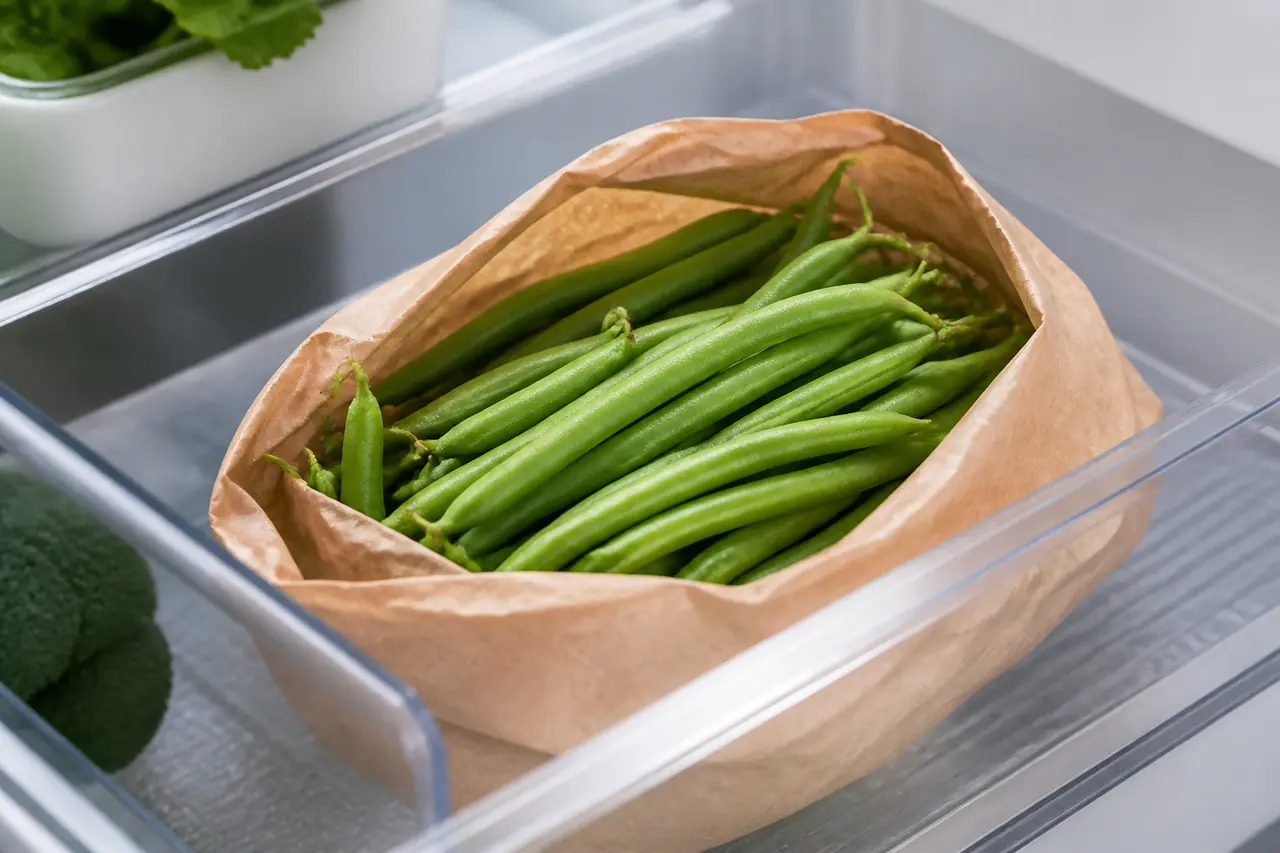
Green beans have two opposing storage problems. They lose water and become limp, but if you wash them and seal them while wet, they develop dark spots and decay. The best home compromise is simple: keep them unwashed, cold and loosely contained, with enough humidity to slow drying but no puddle against the pods.
The drawer should feel cool, not damp.
I store beans in a breathable produce bag or a paper bag inside the crisper drawer. I do not trim them until I am ready to cook. If they need a rinse, I wash only the amount going into the pan and dry it well. The Illinois Extension guidance also recommends storing fresh beans unwashed and washing them just before use.
Why the fridge can make them limp
A bean is crisp because its cells hold water under pressure. Leave the pods exposed to dry fridge air and that pressure falls; the surface wrinkles and the bean bends instead of snapping. This is water loss, not a mysterious loss of freshness. The UC Davis postharvest notes identify water loss as a common quality problem in snap beans and recommend cool, humid storage.
Cold helps, but a sealed wet bag is not a storage solution.
At the other extreme, wet beans in a sealed container sit against moisture with no airflow. That is where dark spots and decay become more likely. A damp paper towel can help a leafy vegetable, but for beans I prefer a dry towel and a breathable bag rather than adding more water to the container.
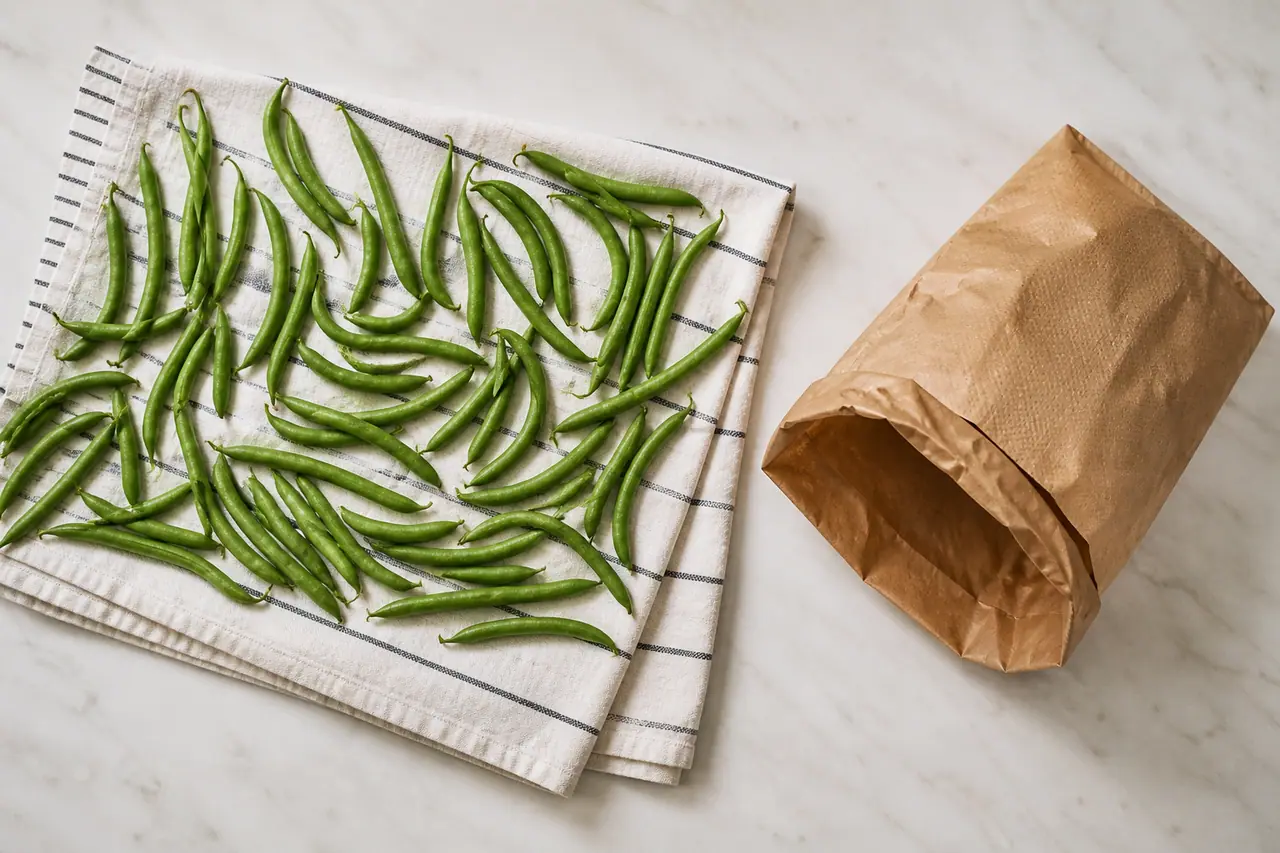
The storage routine I use
- Leave the beans unwashed and untrimmed when you bring them home.
- Remove any pod that is slimy, leaking or badly damaged so it does not spoil the rest.
- Put the beans in a breathable produce bag or paper bag. If the beans are damp, line the bag with a dry towel and replace it if it becomes wet.
- Keep the bag in the crisper drawer, away from fruit that releases strong ripening gases, such as apples or ripe melons.
- Wash and trim just before cooking. If you prep ahead, dry the beans thoroughly and use them within a day or two.
How long should they last?
Quality depends on how fresh the beans were when you bought them, how cold the fridge is and whether the bag traps moisture. I plan to cook fresh beans within three to five days, even though well-handled pods can sometimes stay usable longer. The UC Davis guide gives a longer commercial shelf-life under controlled conditions, but a home fridge is not a carefully managed produce room.
Use your eyes and hands. A bean that is slightly less snappy can still go into soup or a braise. A pod with spreading brown spots, slime, a sour smell or a soft collapsing centre should be discarded. Do not rinse away decay and hope the pan will fix it.
Can you revive limp beans?
A short soak in cold water can make a mildly limp bean feel firmer, but it does not reverse age or decay. Drain and dry the beans carefully before cooking. I use this only when the pods are sound but a little thirsty. For a truly crisp result, buy fresh beans and cook them promptly.
If you have too many beans, blanch them for three minutes, cool them quickly and freeze them. The Illinois Extension freezing table lists three minutes for snap, green or wax beans. Frozen beans will be useful in soups, stews and quick sides, but they will not have the same raw snap as fresh ones.
Frozen beans are a plan for quantity, not a trick for preserving the texture of a fresh salad.
Crispness is a timing decision
Store green beans unwashed, cool and breathable. Protect them from dry air without sealing them into moisture, and plan to cook them while the pods still feel firm. The fridge can buy you a few useful days, but it cannot improve a bean that has already gone limp.
If a bean still smells clean and only looks tired, change the dinner rather than forcing the original salad.
Use those softer pods in a tomato skillet, soup or braise, where tenderness is useful. Save the freshest beans for the dish that depends on a snap. Storage is a way to buy time, not a way to make every bean behave as though it was picked this morning.
Questions
Should green beans be refrigerated?
Should I wash green beans before storing them?
How long do green beans last in the fridge?
Can limp green beans become crisp again?
More guides
All guides →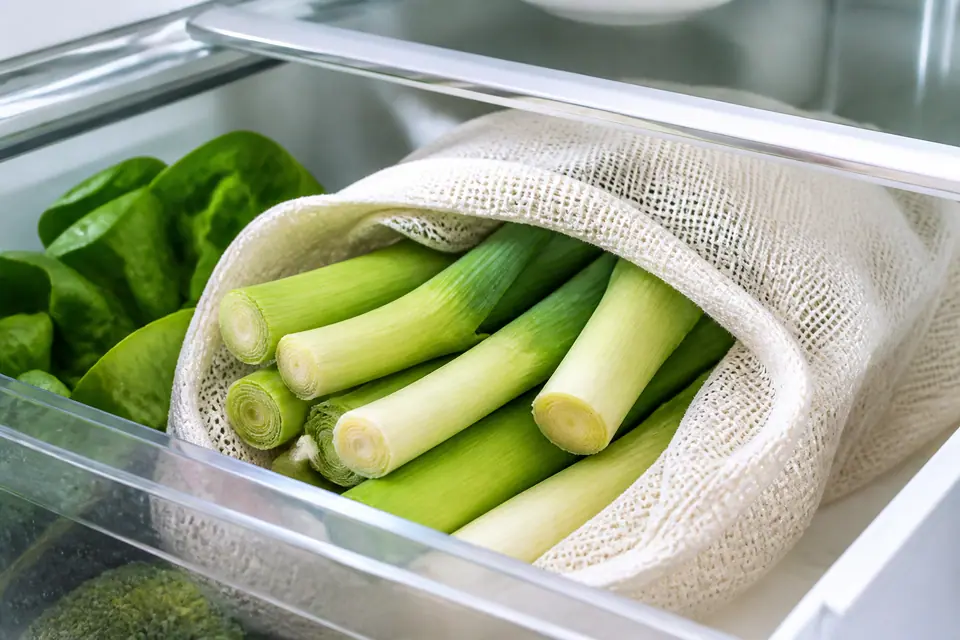
How to keep leeks fresh after trimming
Trimmed leeks last better when they are dry on the surface, loosely wrapped and kept cold without sitting in trapped water.
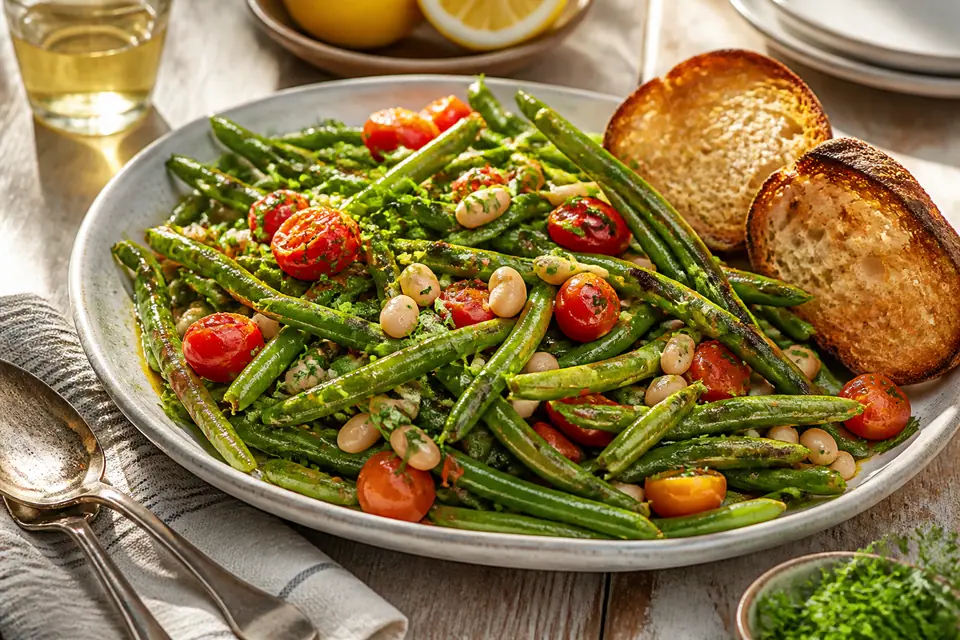
5 summer dinners for green beans
Use green beans as the vegetable that carries dinner: blister them with tomatoes, fold them through noodles, pair them with eggs or build a warm white-bean skillet.
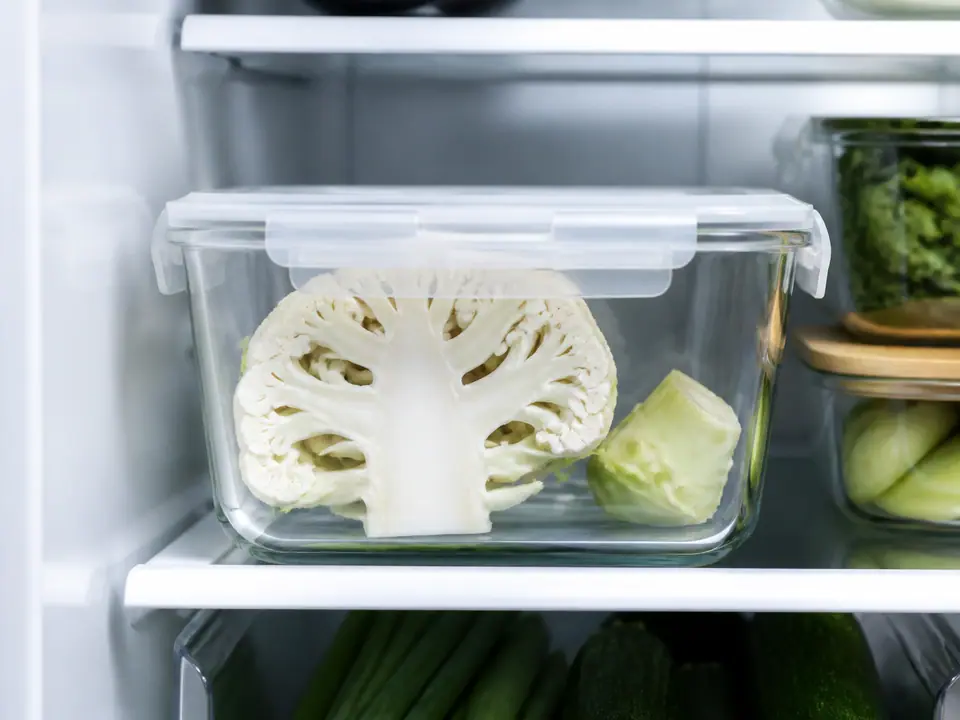
How to keep cauliflower from going grey
Cauliflower turns grey when exposed tissue dries or oxidises. Keep the head cold and dry, cover cut surfaces and cook before the spots spread.