Keep the pack cool, breathable and dry until the skillet is ready
Mushrooms last better when condensation can escape. Store them cold in paper or a breathable container, avoid washing ahead and cook any bruised pieces first.

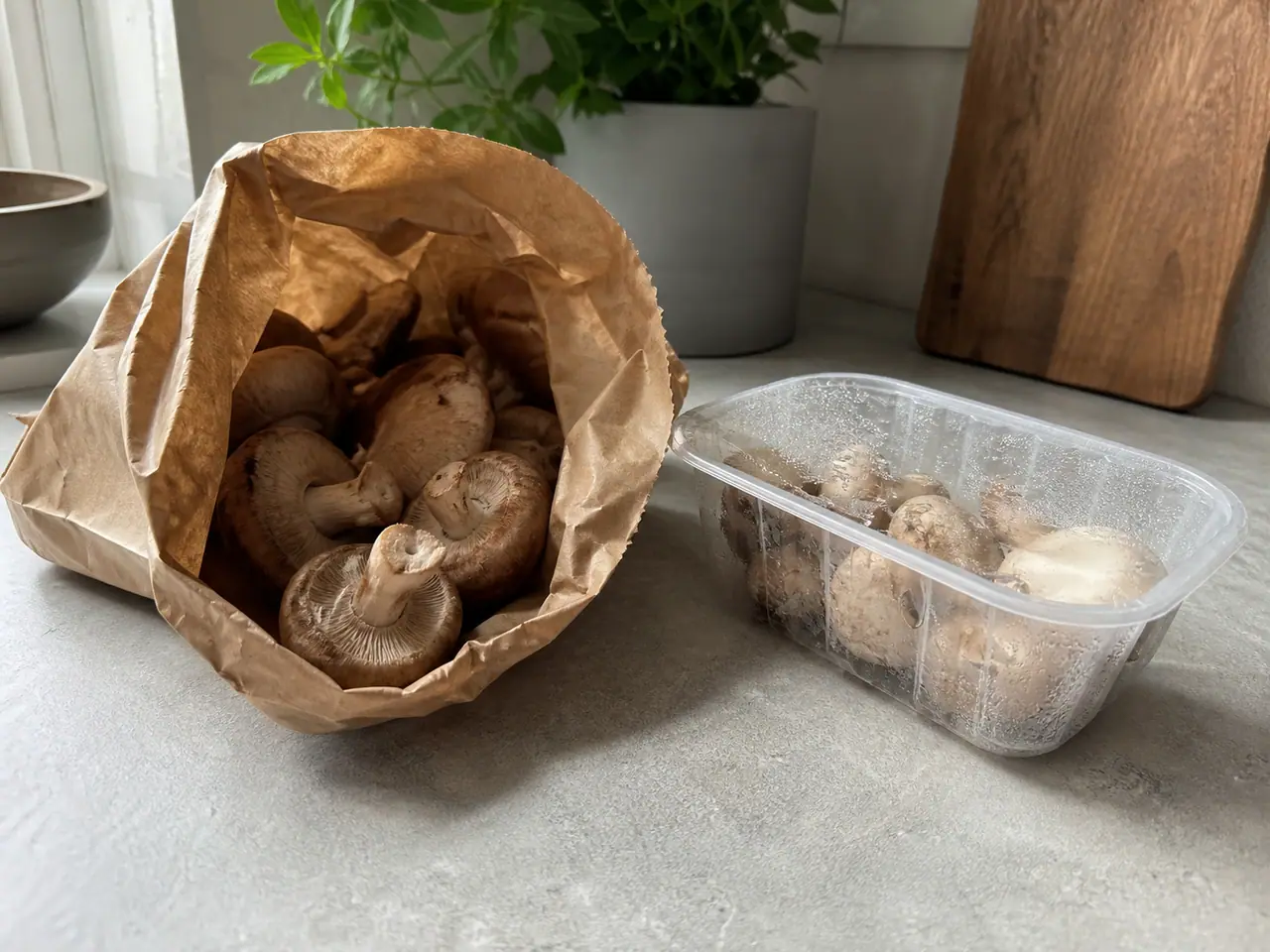
Slimy mushrooms usually started with trapped moisture, not with one dramatic mistake at the cooker. A sealed tray sweats in the fridge, water settles at the bottom and the softest mushroom takes the first hit. I store the mushrooms so air can move and inspect them before cooking.
The UC Davis storage guidance puts mushrooms in a cold, humid environment, but a home fridge is not a controlled produce room. My practical balance is a paper bag or breathable container, a dry shelf and no washing until I know what dinner is.
Open the pack when you get home
If the mushrooms arrive in a tightly wrapped tray, remove the outer film or loosen it. Do not leave a warm, wet pocket sealed around the food. A paper bag lets some moisture move while stopping the mushrooms from drying too quickly.
I put a folded paper towel under the mushrooms when the container is damp. It is a short-term buffer, not permission to ignore the pack. Replace it when it feels wet.
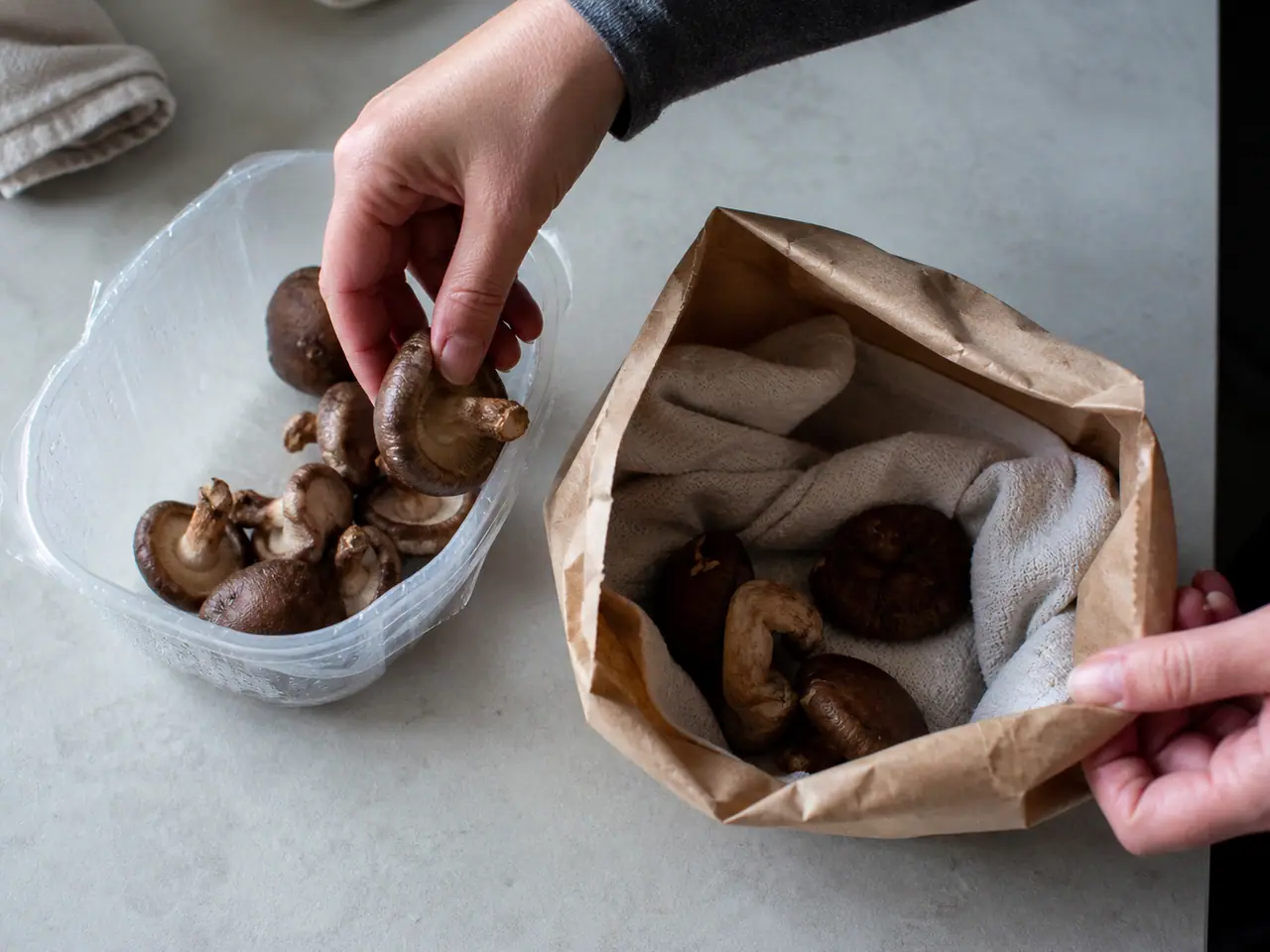
Do not wash a week ahead
Water on the surface has nowhere useful to go in a closed fridge container. It keeps the caps wet and gives damaged areas a head start. Clean mushrooms close to cooking instead.
If soil is stubborn, wipe it with a damp cloth or rinse quickly, then dry thoroughly. A colander is not a storage vessel. The mushrooms need to be dry before they go near the fridge again.
I keep one piece aside so I can compare it with the next batch.
Use soft pieces first
Sort the pack by condition. Firm dry mushrooms can wait a day or two; a bruised or damp piece belongs in tonight’s skillet. Remove anything slimy so it does not touch the good pieces.
I trim dark ends and quarter the softer mushrooms for a sauce. A tired mushroom is often still useful when cooked promptly, but it should not be asked to survive another week.
The clock helps, but the surface gives the better signal.
Paper beats a sealed plastic tub
A rigid airtight tub traps the water that the mushrooms release. A perforated box or paper bag is more forgiving. Keep the opening folded loosely rather than clamping it shut.
Plastic can work for a short shop-to-pan journey when the mushrooms are dry and the pack has ventilation. The problem is the sealed, wet container left untouched in the cold.
That small pause saves more food than a rescue at the end.
Keep the fridge shelf sensible
Store mushrooms away from foods that can leak and on a shelf where the temperature is steady. The crisper drawer can be useful if it is not packed with wet produce, but I prefer a visible place so I remember them.
Do not put warm leftovers directly beside the pack. A small temperature swing creates more condensation, and condensation is what I am trying to avoid.
The next step works better when the excess moisture has somewhere to go.
Know the discard line
Slimy film, sour smell, mould or widespread softening is the point where I stop rescuing. Cut ends or a dry cap can be trimmed; a wet, unpleasant mushroom is not improved by a sauce.
When only one has gone bad, discard it, clean the container and cook the rest soon. Storage is a delay, not a reset button.
I keep one piece aside so I can compare it with the next batch.
Storage works best when it has an exit plan. I write the meal in my head before I put the mushrooms away, then place the most fragile pieces where I will see them first. A container can slow water loss and condensation, but it cannot improve a tired leaf, bruised cap or soft fruit. Visibility is part of freshness because forgotten food gets no useful second chance.
If I need to prepare ahead, I separate the parts that like different conditions. Dry pieces stay apart from dressing, sliced stems stay apart from tender leaves and a wet towel gets replaced rather than left as padding. This takes less room than a complicated storage system and gives me a clear signal when the batch needs cooking.
I use a short inspection before every meal: smell, surface, firmness and any liquid at the bottom. A sound piece that has wilted can often be cooked, drained or trimmed. Slime, mould, sour smell and spreading decay are a different category. No storage trick is worth carrying those signs into a finished dish.
For the quality and storage details that sit behind my kitchen observations, I use the UC Davis mushroom produce fact sheet alongside the timed test described above.
The practical verdict
Mushrooms stay useful when moisture can escape and the pack is checked before it turns wet. Paper, cold air and quick cleaning beat a sealed, damp box.
If the mushrooms already feel slimy or smell sour, discard them. A good storage habit starts with a sound pack.
Questions
What is the best way to store mushrooms?
Should mushrooms be washed before storing?
How long do mushrooms last in the fridge?
Can slimy mushrooms be saved?
More guides
All guides →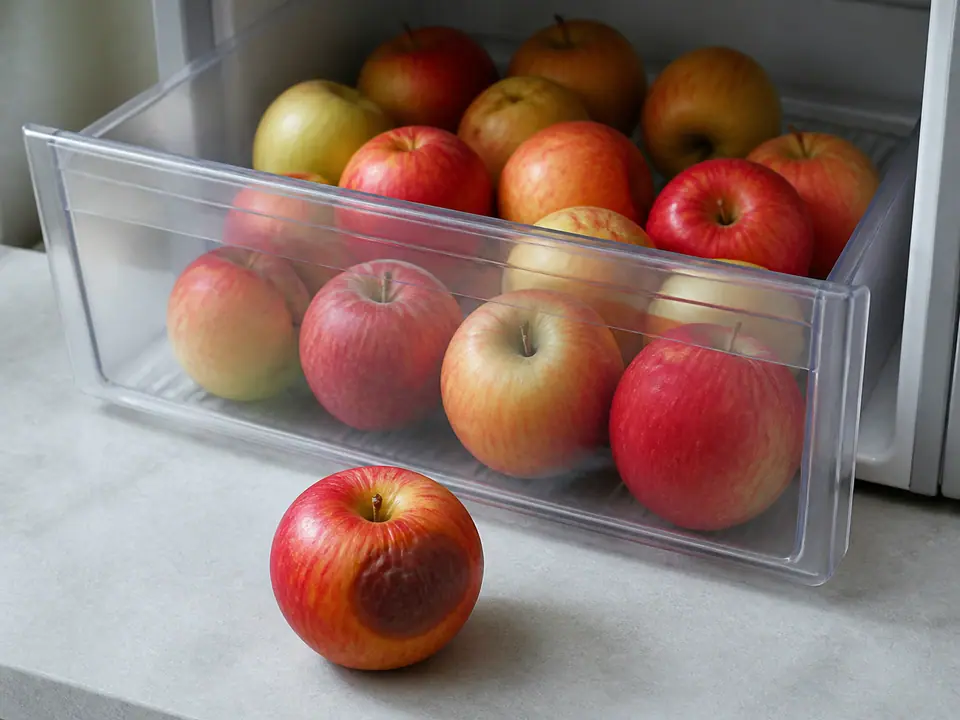
How to keep apples crisp for longer
Apples keep their crunch best when cold, protected from bruises and checked for soft fruit. Store them loose or in a breathable bag and remove damaged pieces early.
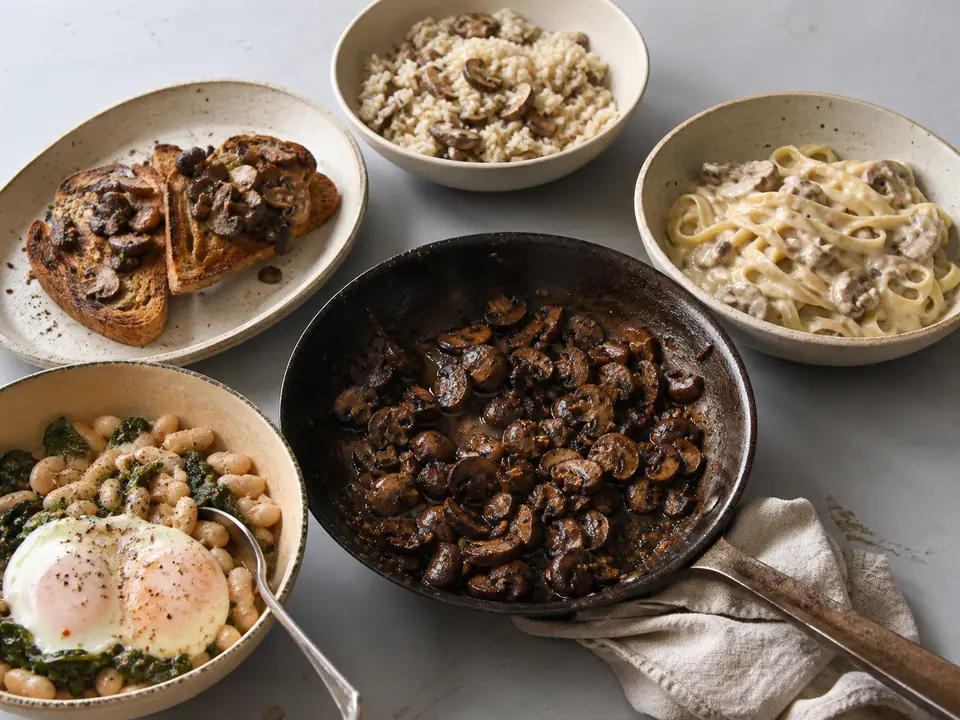
5 dinners for a box of mushrooms
A box of mushrooms can become a fast toast topping, a rice skillet, a pasta sauce, a bean dinner or a pan of eggs when the cut matches the clock.
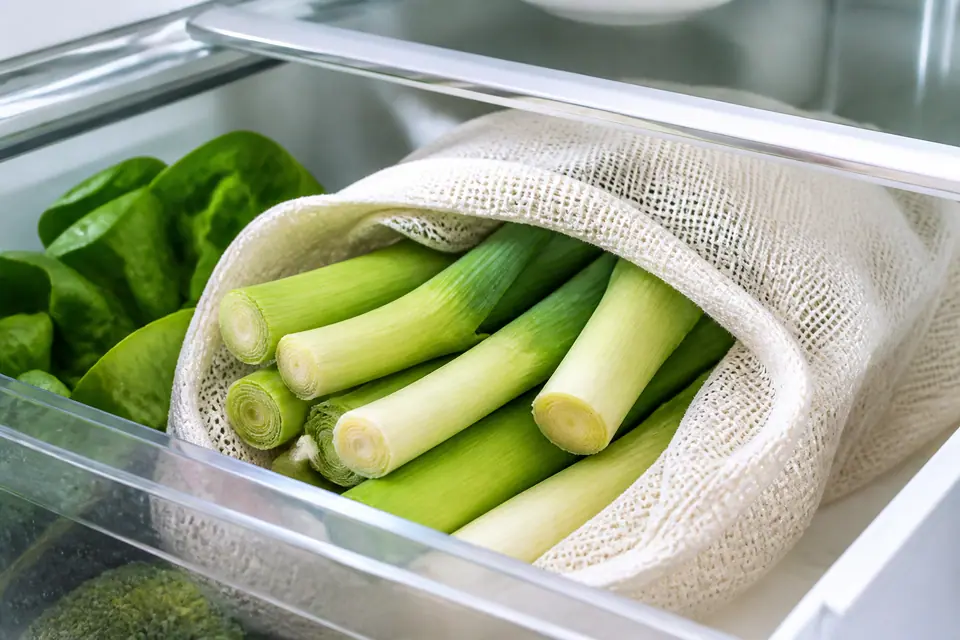
How to keep leeks fresh after trimming
Trimmed leeks last better when they are dry on the surface, loosely wrapped and kept cold without sitting in trapped water.