The fridge is convenient, but it is not always kind
Keep whole tomatoes at room temperature while they ripen, away from sun and bruises. Chill only when slowing an already ripe tomato is worth the texture trade.

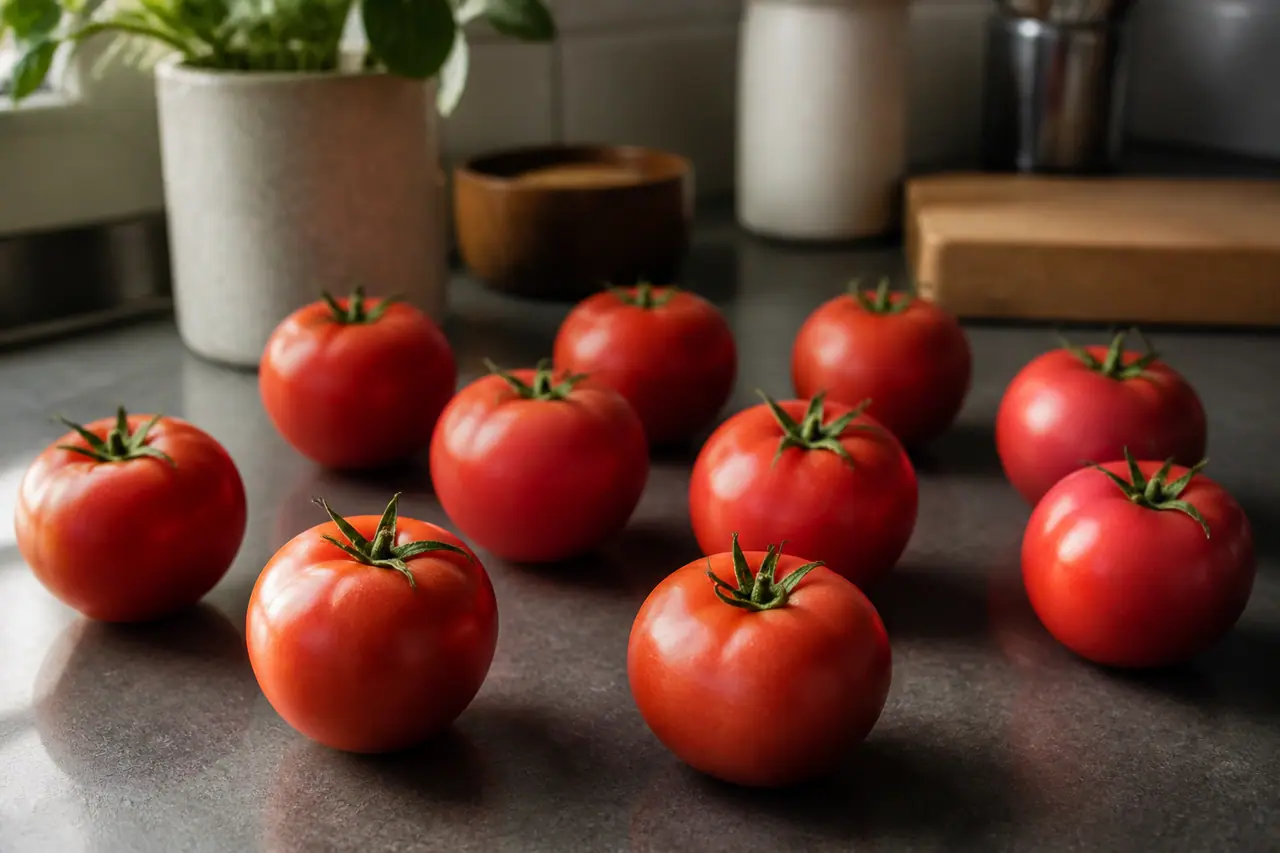
Fresh tomatoes do not need a complicated storage system. They need a place where they will not be chilled too early, crushed under heavier food or forgotten until the skin starts to wrinkle. Whole tomatoes that are still firm usually keep their best flavour on a shaded counter. Once they are fully ripe, the decision becomes a trade between maximum flavour and slowing down spoilage. The best storage spot is therefore the one that lets you notice ripeness before the tomato becomes a leak in the bottom of a bowl.
I stopped putting every tomato straight into the fridge after noticing that the fruit lasted longer but tasted flatter and felt mealy when sliced. Now I separate firm tomatoes from ripe ones, keep them stem-side up when possible and wash only what I am about to eat. I also keep tomatoes away from bananas and other fruit that ripen quickly, because the counter is easier to manage when one bowl is not speeding up everything around it. A shallow tray helps more than a deep bowl because air can move around the fruit and one soft tomato cannot hide underneath the others. The routine is simple enough to follow on a busy week.
Give whole tomatoes a calm counter spot
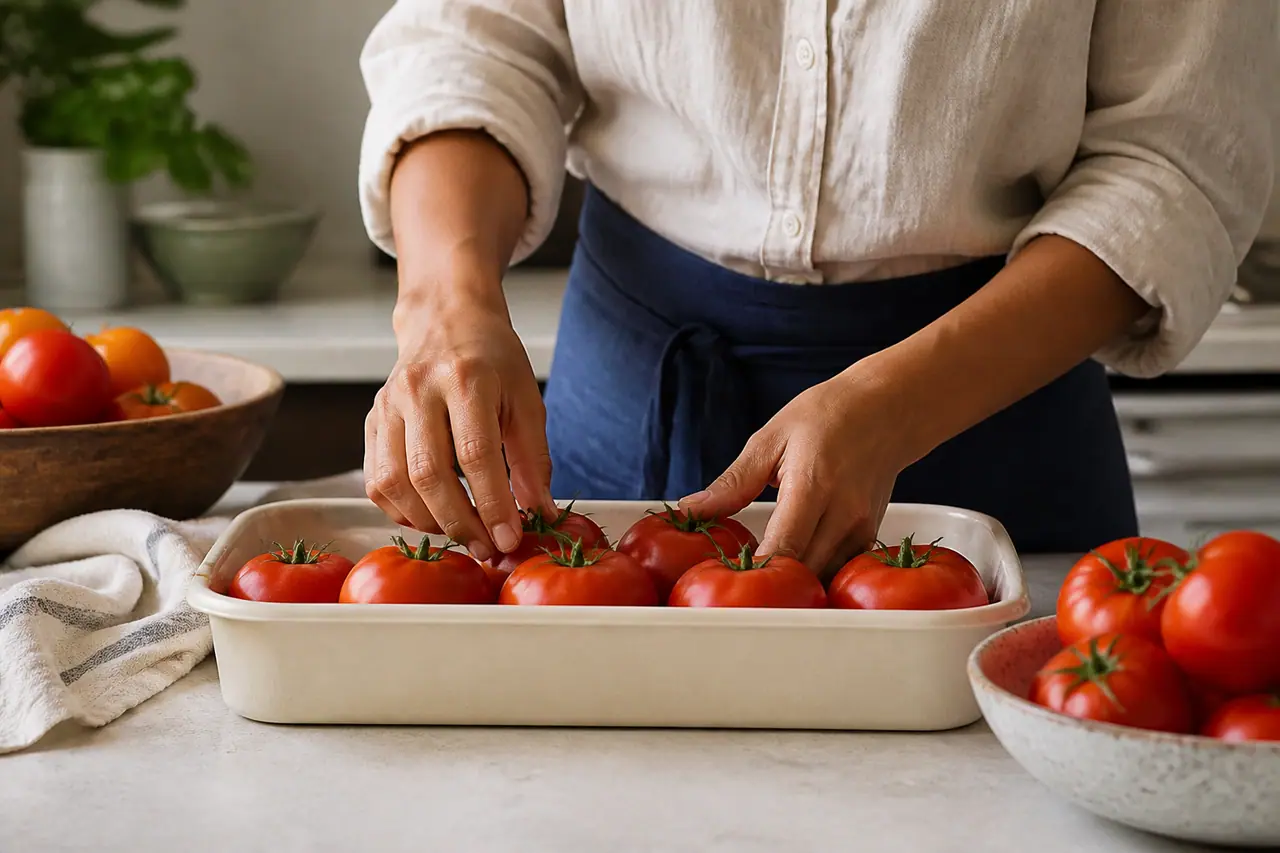
Choose a cool, shaded part of the kitchen away from direct sun, the hob and the fruit bowl. Sun can warm the skin unevenly, while heat speeds up softening. A single layer is better than a deep bowl because you can see which tomato needs using first. If the tomatoes have a vine attached, keep them in a way that stops the stems piercing nearby fruit.
Store tomatoes with the stem side up when you can. The shoulder around the stem is often firmer, and this position reduces pressure on the softer base. It is not a magic freshness switch, but it makes bruises easier to spot and keeps the fruit from sitting on the most delicate part of its skin. Leave a little space between each tomato so air can move and so a soft patch is visible before it touches the next piece of fruit. That small gap makes the daily check much quicker.
Separate the fruit by when it needs using
Put firm tomatoes together and check them each day. Move a fragrant, yielding tomato to the front so it becomes tonight's salad, toast topping or roast. Keep very ripe fruit away from hard fruit if you can; one leaking tomato makes the rest harder to inspect and clean. The point is not to create a perfect display. It is to give each tomato a visible next job.
Do not wash the whole batch as soon as it comes home unless you are ready to dry it thoroughly and use it soon. Moisture left around the stem or in a split skin encourages spoilage. I wash the tomatoes I need under cool water, dry them with a clean towel and return the untouched fruit to its dry place.
| Tomato state | Where to keep it | Next move |
|---|---|---|
| Firm and fragrant | Shaded counter | Let it soften and check daily |
| Ripe and ready | Counter if using soon | Plan a raw or cooked use |
| Very ripe | Cool place or fridge if necessary | Cook, roast or blend promptly |
| Cut tomato | Covered in the fridge | Use soon and keep juices contained |
Source: Maren Ashby's tomato storage routine, 2026-01-14
When refrigeration makes sense
The fridge is useful when a tomato is already ripe and you need to slow down the next meal, or when the kitchen is very warm. It can protect a tomato from becoming a leaking mess, but it may reduce the fresh aroma and make the flesh feel less lively. I take chilled tomatoes out before serving when I have time, though the texture will not always return completely.
Cut tomatoes belong in the fridge because the cut surface is exposed. Put them in a covered container or on a plate with the cut side protected, and keep the juices for the dish you are making. Do not leave cut tomato on the counter while you wait for inspiration. A ripe whole tomato has a different storage problem from a sliced one. If you have half a tomato left, use it in an omelette or a pan sauce rather than returning it to a crowded bowl where the cut side can dry out and the next meal becomes harder to remember.
The verdict
Keep whole firm tomatoes on a shaded counter, in a single visible layer, and separate the ones that are ready from the ones that need time. Wash only what you will use, and refrigerate cut or very ripe tomatoes when slowing them down is worth the flavour trade. Good storage is mostly good observation: see the tomato, then give it a job.
Questions
Should fresh tomatoes be stored in the fridge?
Should tomatoes be stored stem-side up?
Should I wash tomatoes before storing them?
What can I do with overripe tomatoes?
Ingredients in this guide
More guides
All guides →
How to keep green beans crisp in the fridge
Green beans lose crispness through water loss but decay quickly when stored wet. Keep them unwashed, cool and loosely contained, then rinse just before cooking.
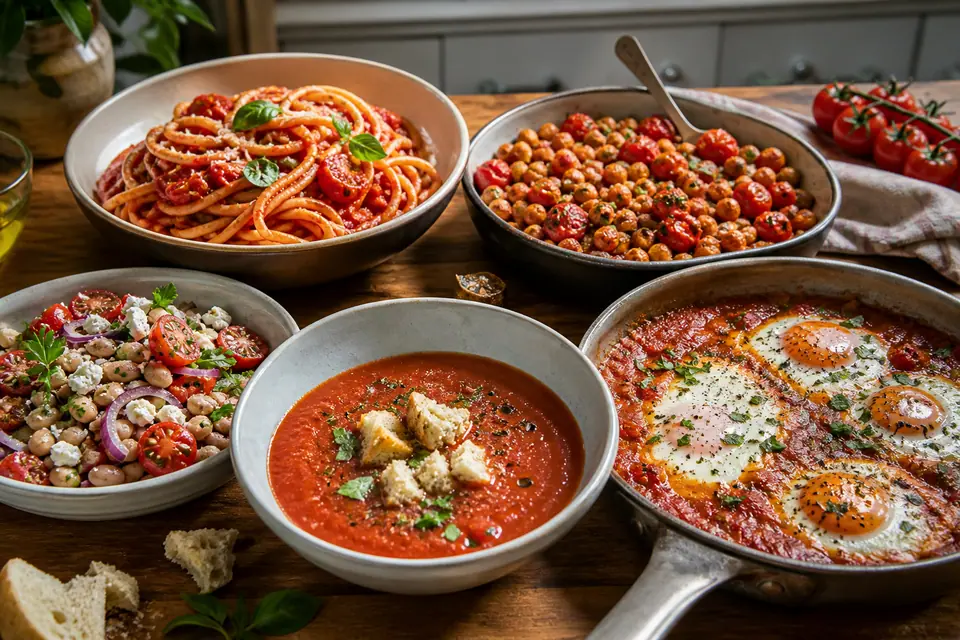
5 dinners for a glut of fresh tomatoes
Use a glut of fresh tomatoes in a wide-pan sauce, roast tray, tomato eggs, soup or a bread topping. Match the method to how ripe they are.
How to keep cauliflower from going grey
Cauliflower turns grey when exposed tissue dries or oxidises. Keep the head cold and dry, cover cut surfaces and cook before the spots spread.