Refrigerate the ears now and leave the husk on
Sweetcorn keeps its best flavour when it gets cold quickly. Leave the husk on, refrigerate the ears and cook them within a few days instead of storing them on the counter.

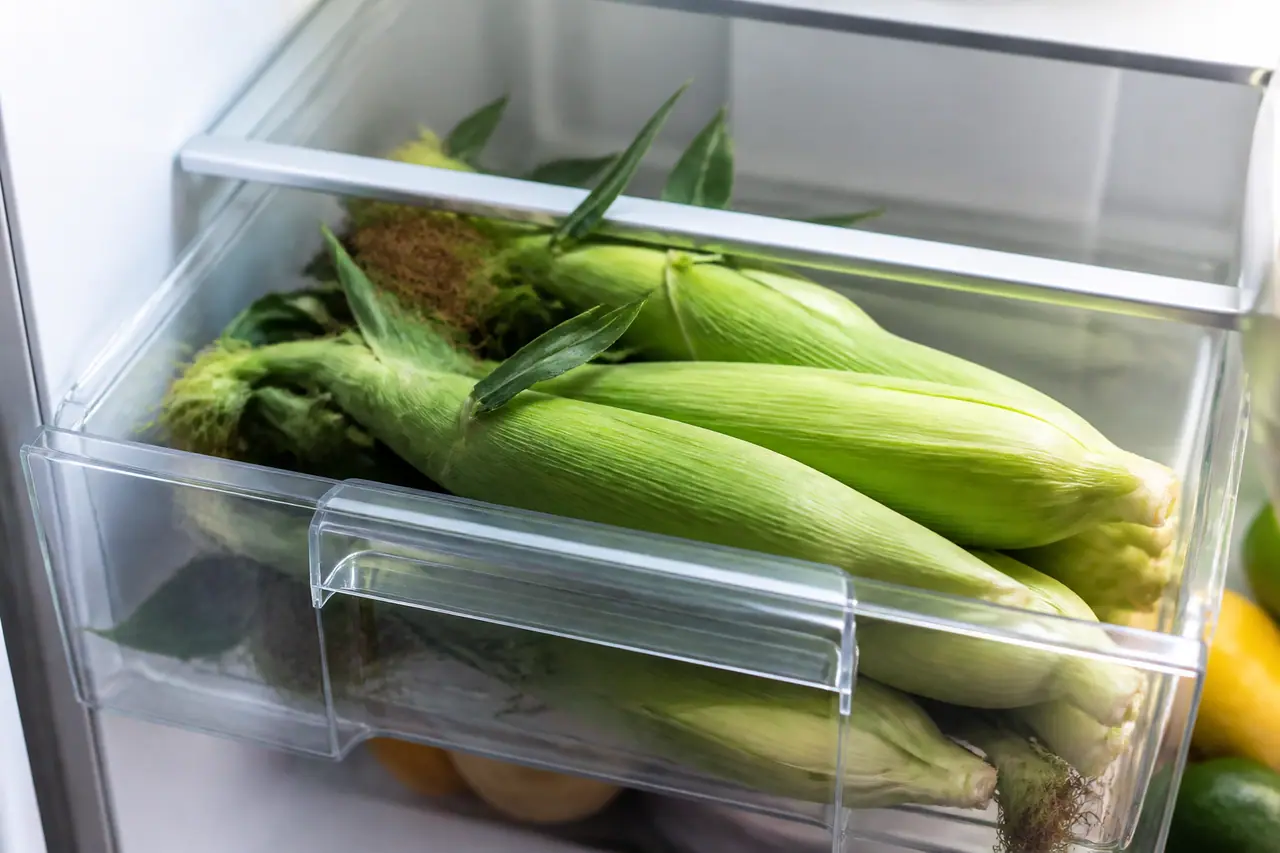
Sweetcorn is one of the few vegetables I put straight into the fridge without washing, trimming or making room for it. The ear is losing sweetness as it waits, and warmth makes the change faster. Keep the husk on, chill the corn soon after buying and cook it within a few days.
If dinner is tonight, leave the corn cold until the pot or grill is ready. If dinner is next week, buy frozen kernels instead. A fridge is a pause button, not a time machine.
Corn has a shorter memory than the label on its husk suggests.
Get the ears cold first
Bring sweetcorn home and refrigerate it as soon as you can. A counter display may look harmless, but the kernels are still changing after harvest. The University of Utah Extension recommends chilling corn promptly and using it quickly because sugar loss is rapid without cold storage.
Put the ears in the crisper drawer or another cold part of the fridge. Keep them in their husks unless they are already bare. The husk protects the kernels from drying and gives you one more layer between the corn and the dry air moving around the fridge.
The cold drawer is part of the recipe, even before the heat starts.
Do not husk it days early
Husking exposes the kernels and creates more surface for moisture loss. If you are cooking the ears tonight, husk them shortly before the water boils or the grill heats. Pull off the silk, rinse the ear and cook it.
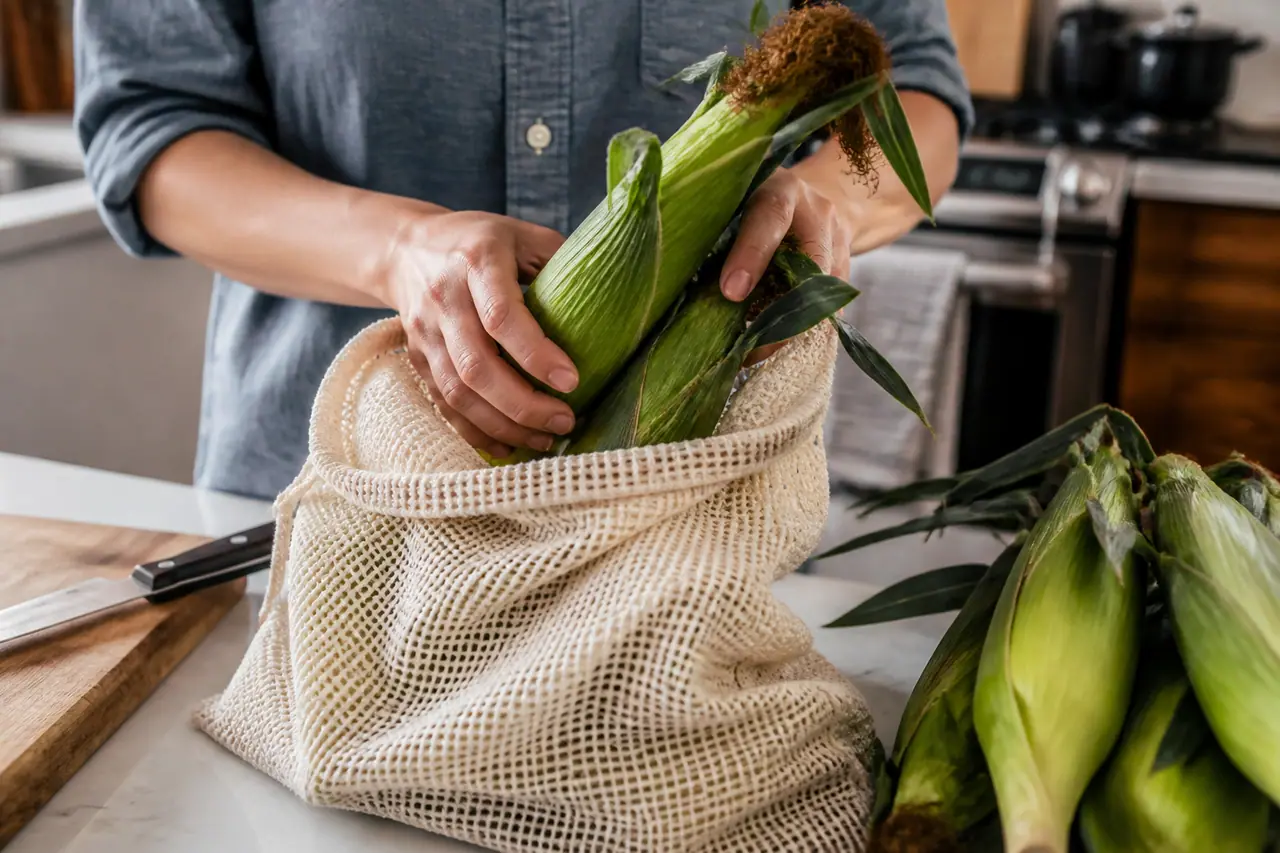
Already-husked corn needs more attention. Put it in a breathable bag or wrap it loosely so it does not dry out, then use it first. Do not seal wet ears in a tight plastic bag. Condensation can collect around the kernels and the stem, which is where spoilage starts.
The husk is useful packaging, so I leave it on as long as dinner allows.
The husk is useful packaging, so I leave it on as long as dinner allows.
| Timing | Storage move | Cooking plan |
|---|---|---|
| Cooking today | Fridge, husk on | Boil, steam or grill whole |
| Cooking tomorrow | Fridge, husk on | Use the freshest ears first |
| Cooking in two to three days | Keep cold and check the stem | Cut kernels for a mixed dish if needed |
| More than a few days | Blanch and freeze while good | Use frozen kernels later |
Source: Maren Ashby's sweetcorn storage plan, 2026-08-28
Use the oldest ear first
If you buy ears on different days, mark the older ones with a small piece of tape on the outside of the bag. Use those first. A fresh ear can wait a little longer than one with a dry stem and loose husk, but neither should become a fridge decoration.
Before cooking, feel for dry spots and smell the stem. If the corn is still firm and the kernels look good, cook it tonight. If the texture has gone tough, cut the kernels into soup, salsa or rice where sauce can help. If there is a sour smell or slimy damage, discard it.
Older ears belong in a mixed dish, where texture can work with the sauce.
Freeze the surplus at its best
When you have more corn than dinner can handle, freeze it before it becomes starchy. The National Center for Home Food Preservation recommends blanching whole-kernel corn for four minutes after cutting it from a blanched ear. Cool it quickly in cold water, drain it thoroughly and pack it flat.
Flat packs freeze quickly and let you break off a portion without thawing the whole batch. Label the bag with the date. Frozen corn is best used for cooked dishes, where its sweetness and tender texture matter more than the pleasure of eating from the cob.
Freezer space is useful only when the corn enters it in good condition.
When I plan to freeze corn, I clear a shelf before I start. The ears cool quickly only if the cold water is ready and the bags are flat enough to spread. A deep warm pile freezes slowly, and slow freezing leaves the kernels softer when they thaw. I use the same small tray for cooling, draining and carrying the corn to the freezer. It is an ordinary bit of kitchen organisation, but it stops a good harvest becoming a rushed, wet bag.
If the ears are already husked
Use already-husked ears first because their kernels are exposed to the dry fridge air. Wrap them loosely or place them in a breathable bag, then set them on a tray so any moisture stays away from other produce. Do not wash them until you are ready to cook.
If the kernels look a little dry but smell clean, cut them from the cob and use them in a sauce or soup. A bare ear has less protection, but it can still make a good dinner when you stop asking it to behave like corn picked that morning.
The husk is useful packaging, so I leave it on as long as dinner allows.
The shortest route tastes best
Cold storage, husk intact and an early cooking date are enough to keep good corn good. Refrigerate it when you get home, use the oldest ear first and freeze the extra while it is still sweet. If the wait will be long, skip the ear and buy frozen kernels.
For dinner, char the kernels and add them to charred corn, tomato and peach salad with warm flatbread. The bread catches the juices, and the corn does not need to be stored another day.
Questions
Should I refrigerate sweetcorn in the husk?
Can sweetcorn stay on the counter?
How long does corn last in the fridge?
Can I freeze corn without blanching?
More guides
All guides →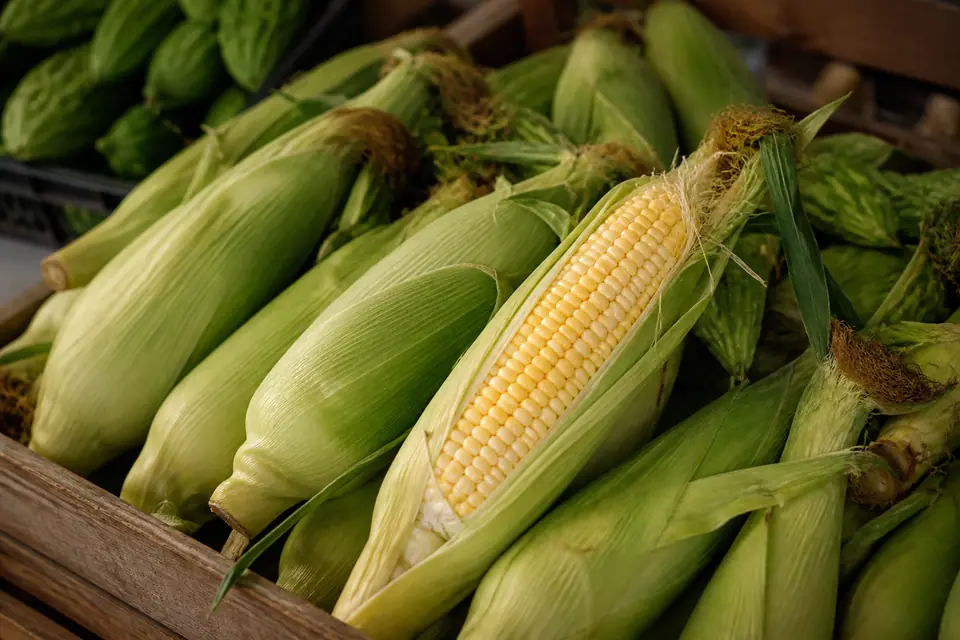
How to choose sweetcorn with juicy kernels
Good sweetcorn feels full, has a green husk and fresh silk, and shows no dry stem or empty tip. Buy the ear that feels juicy, not the one with the loudest colour.
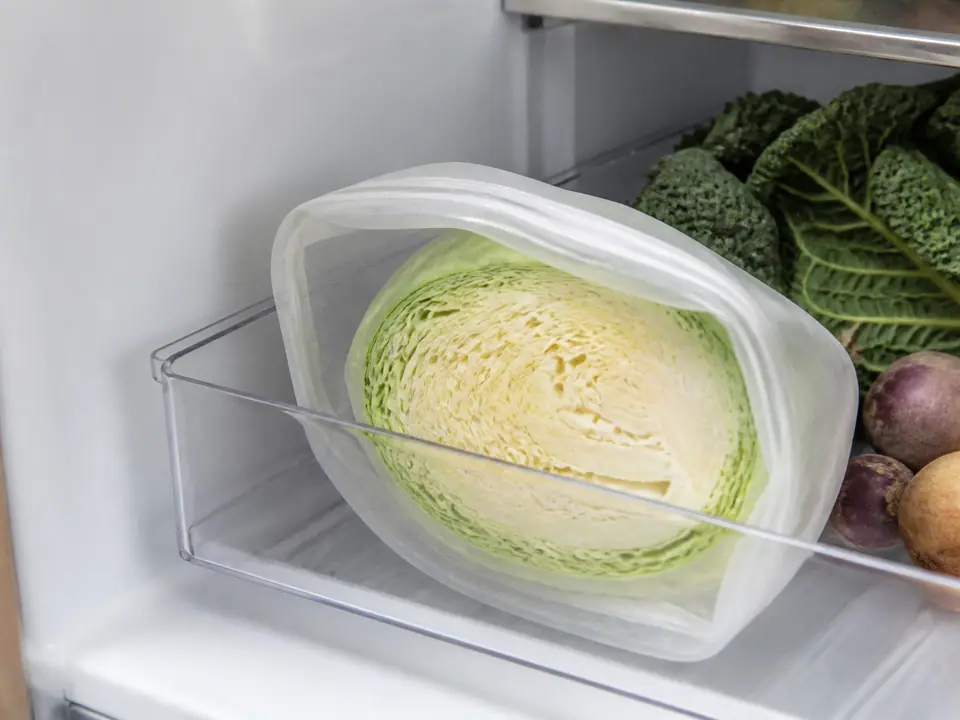
How to keep a cut cabbage fresh for a week
A cut cabbage can stay useful for a week when the exposed face is dry, covered and kept cold. Slice from the outside and leave the core intact.
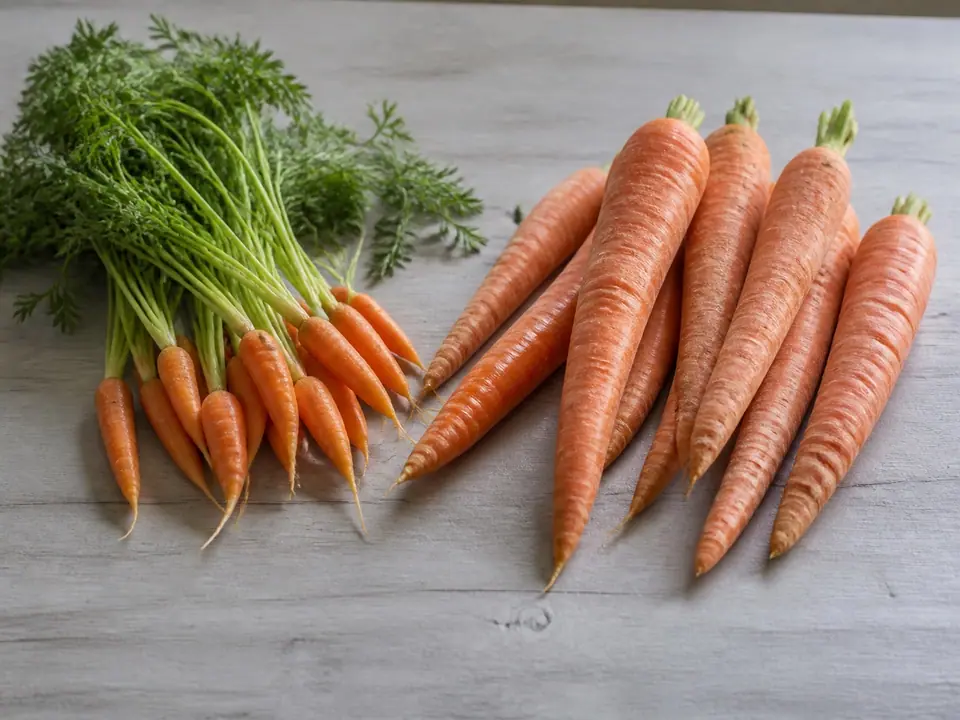
Baby carrots vs full-size carrots: which actually tastes better?
True young carrots are tender and sweet, while supermarket baby carrots are often shaped pieces from larger roots. Full-size carrots give you more control over the cut.