Give each peach its own space and move it cold once the flesh yields
Ripe peaches bruise under pressure. Store them in one layer, keep the stem area protected and refrigerate fruit once it is ready to slow further softening.

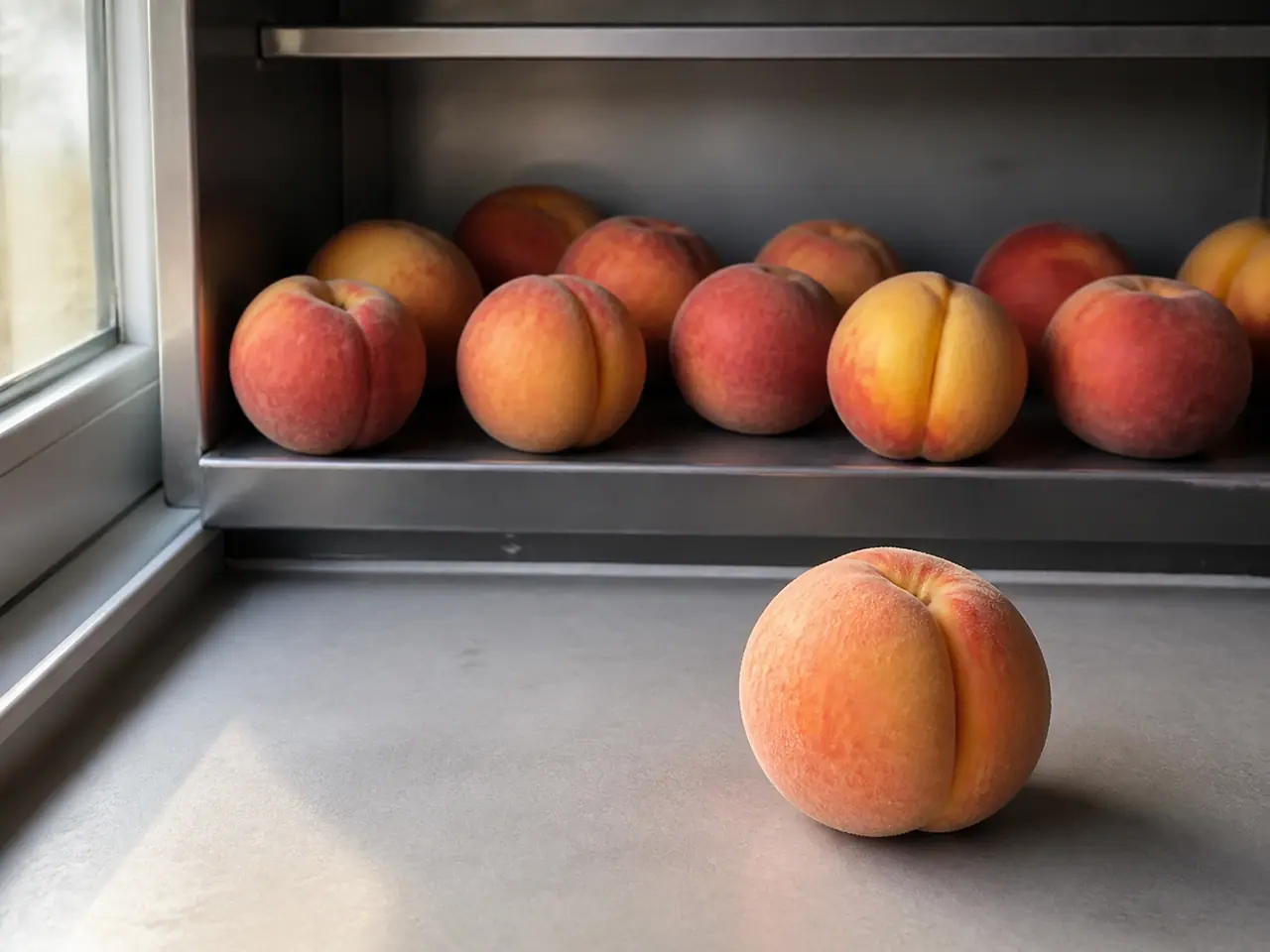
A ripe peach can go from perfect to bruised between breakfast and dinner if it sits under another peach. The flesh softens while the skin still looks intact, so weight and rough handling leave damage that only appears after the fruit is cut.
I keep ripe peaches in one layer, lift them by the shoulder rather than squeezing the middle and move them into the fridge once they are ready. Cold slows the softening, but it does not undo a bruise that has already started.
One layer is not decoration
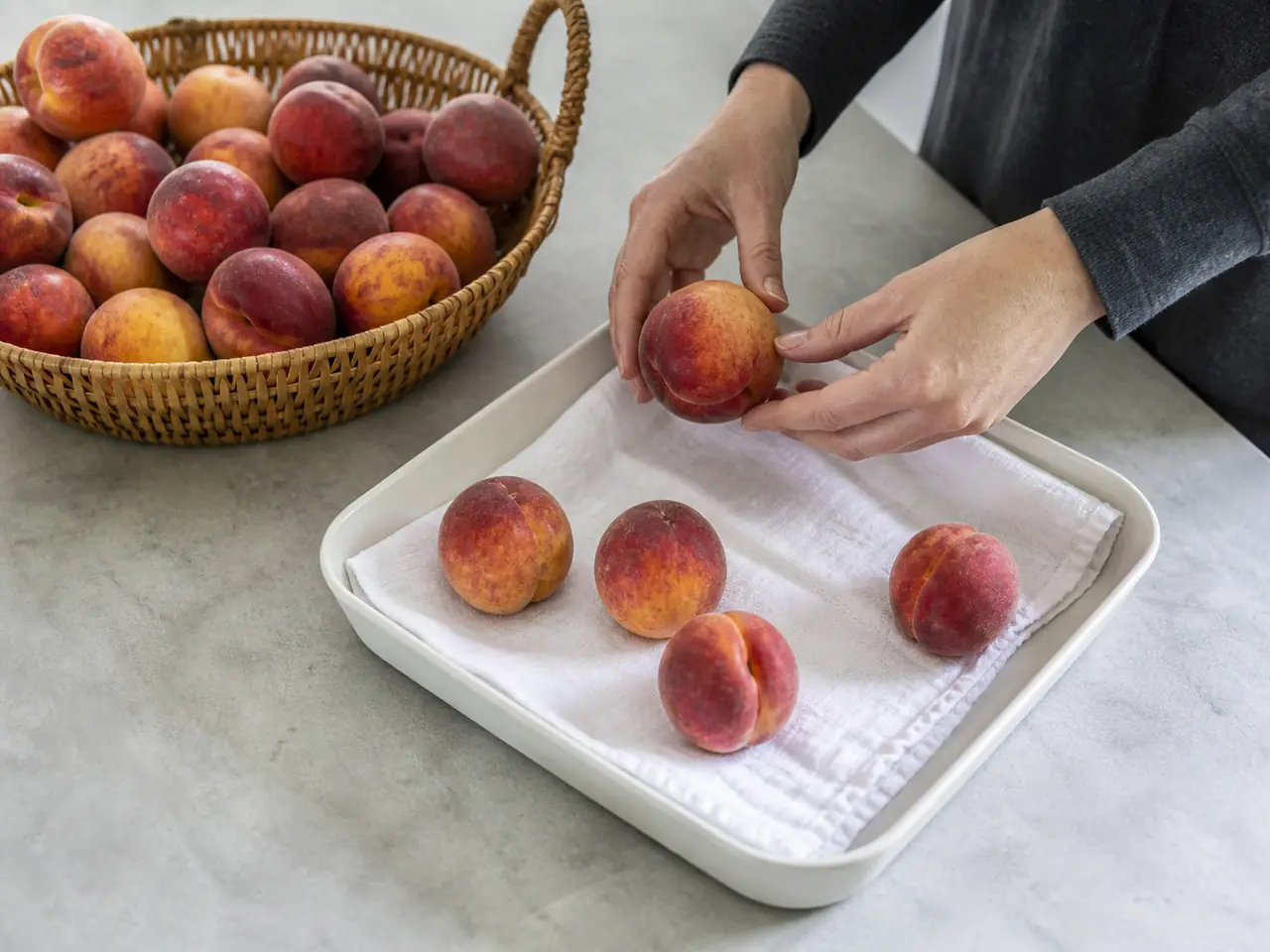
A peach’s own weight is enough to mark a soft patch when the fruit is ripe. Give each one space on a plate or shallow drawer so no fruit is carrying another.
If the fridge is full, use a small box with paper towel between pieces. Do not pack the fruit tightly; the towel is a buffer, not a substitute for room.
Handle the firmer end
Lift peaches around the shoulder near the stem where the flesh is usually more stable. Avoid pressing the centre or rolling the fruit across a hard counter.
Carry ripe peaches in a single layer in a shallow bag or box. A deep shopping bag creates bruises before you reach the door.
I keep one piece aside so I can compare it with the next batch.
Refrigerate at the right moment
Firm peaches need room temperature to ripen. Once the fruit gives gently and smells full, the fridge can buy a little time.
Chilled peaches taste less aromatic, so bring them out before eating if the meal allows. The texture will still be easier to protect than on a warm counter.
The clock helps, but the surface gives the better signal.
Separate the first bruise
Check the underside daily. A small bruise can be cut away from an otherwise clean peach, but it should not remain pressed against the rest.
Put bruised sound fruit into a cooked dish, puree or vinaigrette the same day. Mould, leaking juice and fermented smell are discard signs.
That small pause saves more food than a rescue at the end.
Keep cut peaches covered
Cut fruit loses water and picks up smells. Store slices in a covered container with lemon only for the short term, then use them in a salad, yogurt or bake.
Do not leave cut peaches open beside raw onions or strong leftovers. Their delicate aroma changes quickly.
The next step works better when the excess moisture has somewhere to go.
The two-day test
I kept ripe peaches in a piled bowl and in a single layer. The piled fruit developed soft contact patches first. The separated fruit stayed cleaner and easier to cut.
The lesson is basic but useful: space is a storage tool. It costs no extra plastic and prevents the damage that makes a ripe peach feel wasted.
I keep one piece aside so I can compare it with the next batch.
Storage works best when it has an exit plan. I decide the meal before putting the peaches away, then place the most fragile pieces where I will see them first. A container can slow water loss and condensation, but it cannot improve a tired leaf, bruised fruit or dry cut face. Visibility is part of freshness because forgotten food gets no useful second chance.
If I need to prepare ahead, I separate the parts that like different conditions. Dry pieces stay apart from dressing, cut surfaces stay covered and cooked food stays away from raw pieces. This takes less room than a complicated storage system and gives me a clear signal when the batch needs cooking.
I use a short inspection before every meal: smell, surface, firmness and any liquid at the bottom. A sound piece that has wilted or dried can often be cooked, drained or trimmed. Slime, mould, sour smell and spreading decay are a different category. No storage trick is worth carrying those signs into a finished dish.
For carrying, use a shallow box and keep every peach in its own space.
If I need to carry ripe peaches, I use a clean tea towel under them and leave room around every fruit. I never put a heavy bag on top. At home, I move any fruit with a soft spot to the front so it gets eaten first. That simple order prevents one hidden bruise from becoming the condition of the whole batch, and it makes the next meal easier to choose.
Freshness is easier to keep when the storage plan is visible and short. Put the pieces that need attention where your hand will find them first, keep wet and dry parts apart and leave enough space to inspect the batch without pressing it. Write the next meal in your head before closing the container. If the food has changed, make a quick decision: trim and cook sound parts, move softer pieces into a sauce or use the best pieces raw. This simple rotation protects texture and stops a forgotten container from deciding dinner for you.
For the quality and storage details behind my kitchen observations, I use the UC Davis nectarine and peach fact sheet alongside the timed test described above.
The practical verdict
Ripe peaches bruise from pressure, not from a mysterious failure. Give them space, handle the shoulder and refrigerate once the fruit is ready.
A shallow container protects more fruit than a deep bowl.
Questions
How should ripe peaches be stored?
Why do peaches bruise so easily?
Can bruised peaches be eaten?
Should peaches be washed before storing?
More guides
All guides →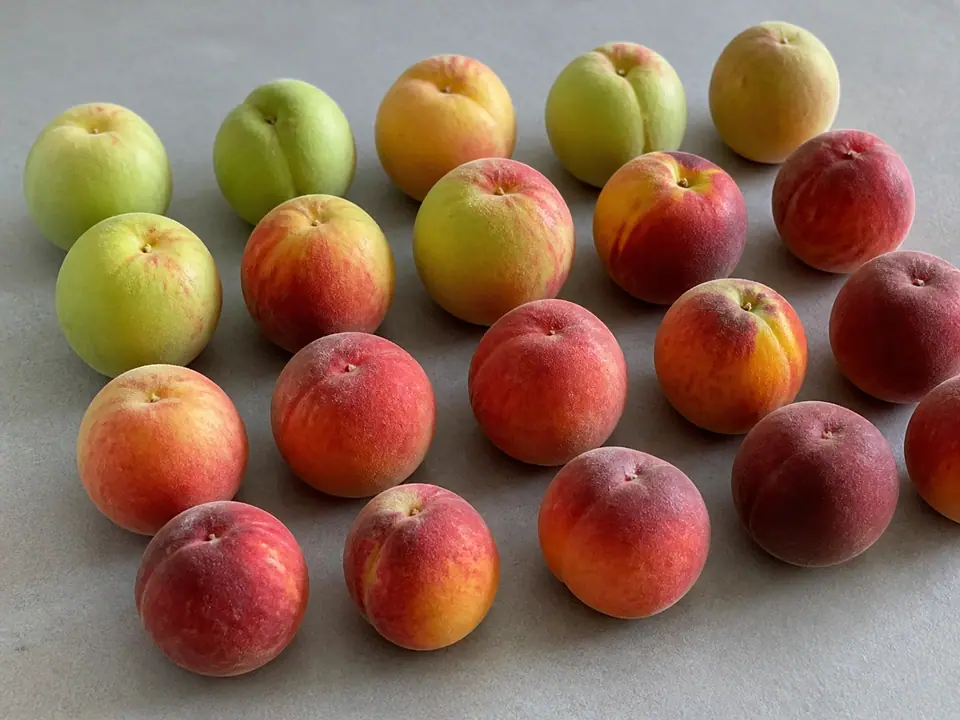
How to choose a peach that will ripen at home
Choose a peach with a fruity stem aroma, firm unbroken skin and a little room to ripen. Avoid bruises and fruit that is either rock-hard and scentless or already leaking.
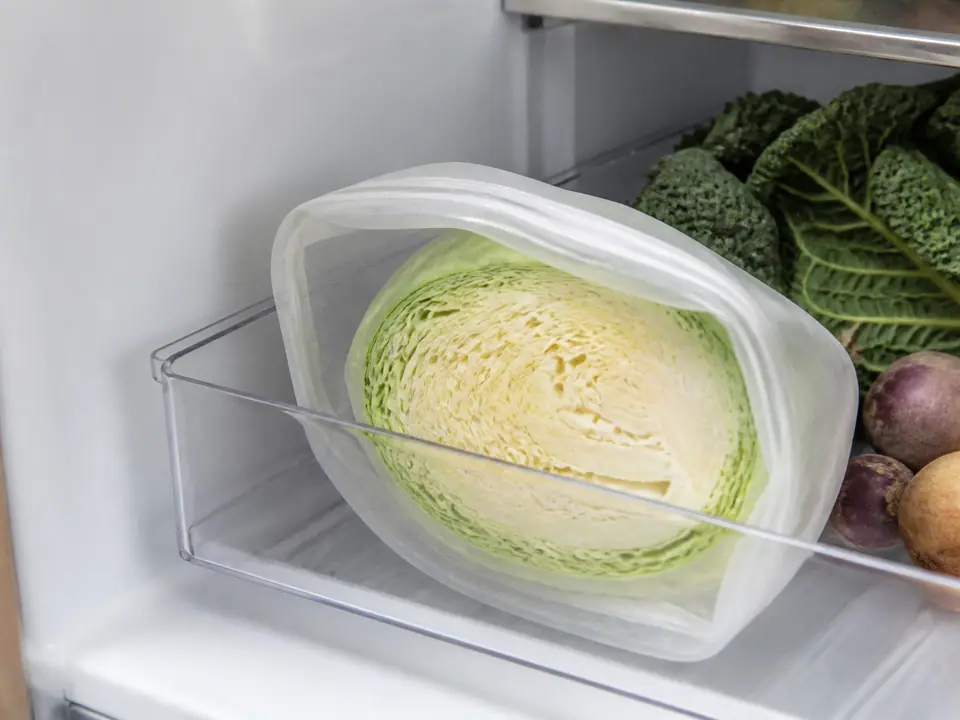
How to keep a cut cabbage fresh for a week
A cut cabbage can stay useful for a week when the exposed face is dry, covered and kept cold. Slice from the outside and leave the core intact.
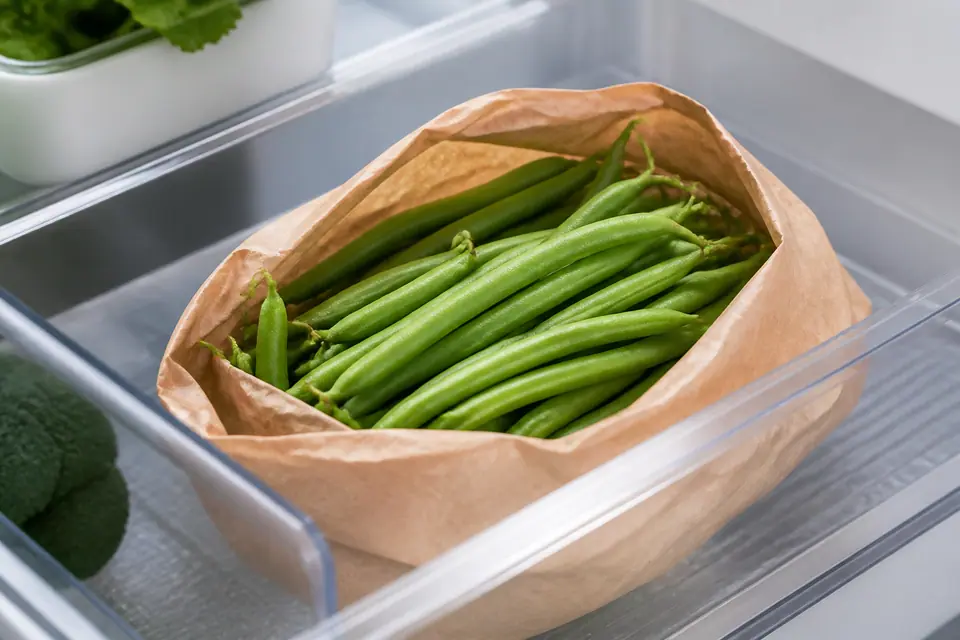
How to keep green beans crisp in the fridge
Green beans lose crispness through water loss but decay quickly when stored wet. Keep them unwashed, cool and loosely contained, then rinse just before cooking.