Dry the cut face, cover it well and cook the softest piece first
Cut squash loses moisture at the exposed face. Store it covered in the fridge, keep raw pieces separate from cooked food and use the softest cut first.

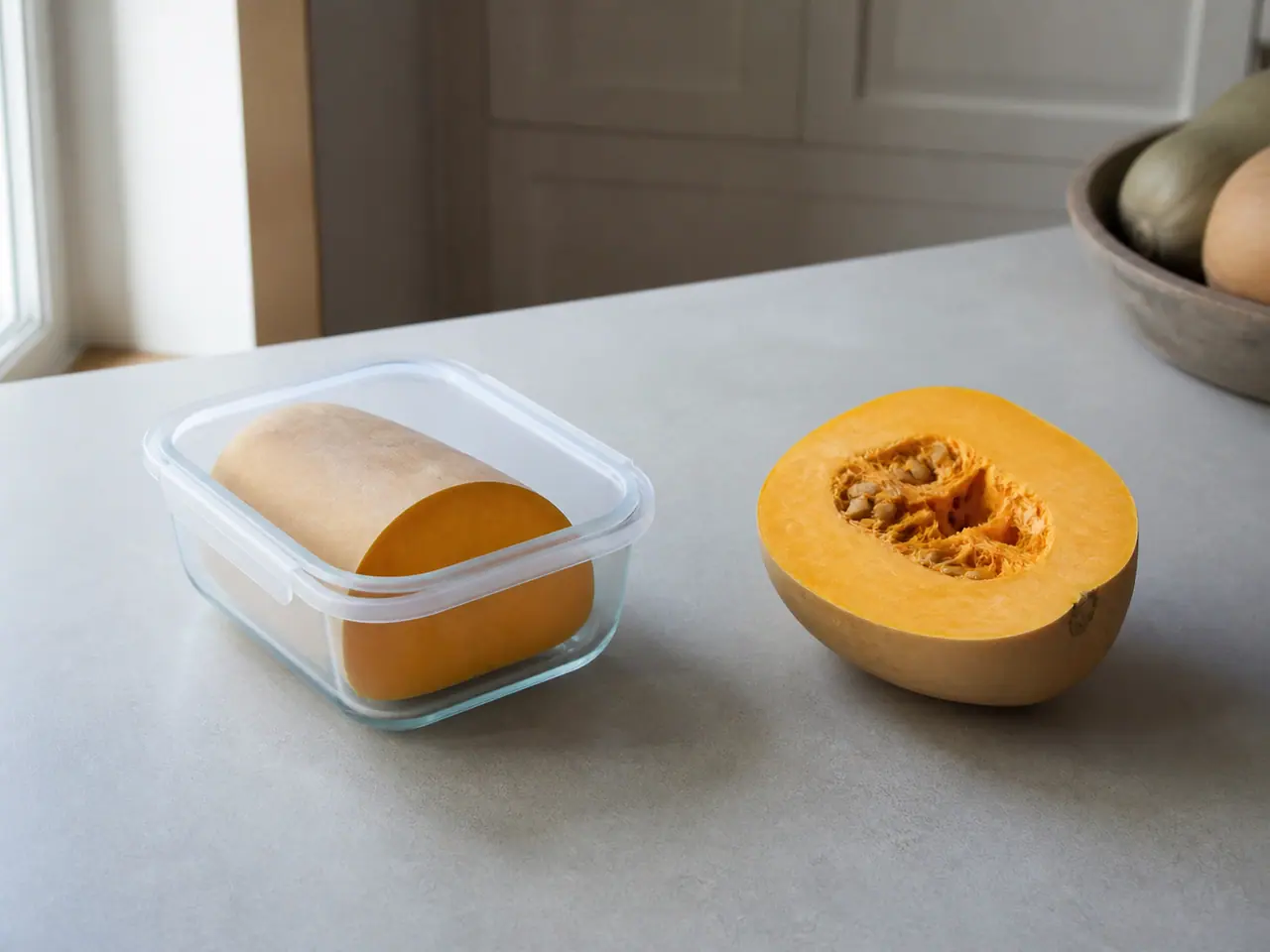
A whole squash can sit quietly in a cool dry place. A cut squash is different: the exposed face loses water, picks up smells and gives microbes a route in if it is left warm or uncovered. I cover the cut face and put it in the fridge soon after cutting.
Storage is easier when the squash is cut to the next meal rather than hacked into every possible cube. Keep raw pieces separate from cooked food, use a clean knife and inspect the cut face before it goes into the tray.
Cool and cover promptly
Wrap the cut face tightly or put the piece in a covered container. The aim is to reduce exposed surface while keeping the cut side from touching a dirty shelf.
Do not leave cut squash on the counter while you finish a long recipe. Move it cold first, then bring out the portion you need.
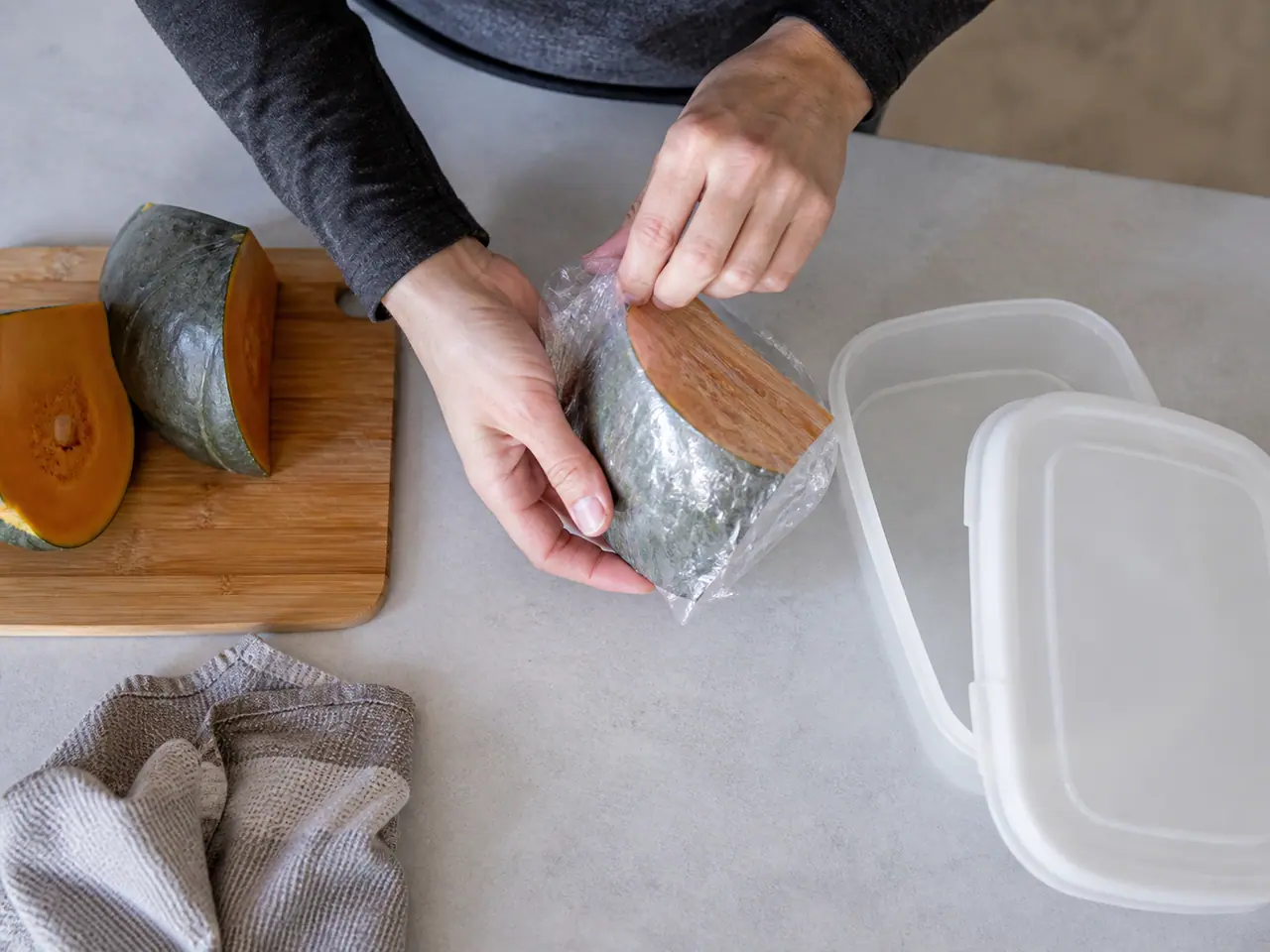
Keep the skin as a shield
When possible, store a half squash with the skin and seed cavity intact. It exposes less flesh than peeled cubes and gives the root more protection.
Scoop seeds close to cooking unless you have a clear reason to save them. The cavity is wetter than the neck and can make a container damp.
I keep one piece aside so I can compare it with the next batch.
Dry wet surfaces
Pat condensation or rinse water away before storage. A wet cut face in a sealed tub becomes soft and slippery more quickly than a dry one.
If the squash is already peeled and cubed, use a dry container and do not pack it with a wet towel. Moisture should not be trapped against every piece.
The clock helps, but the surface gives the better signal.
Cook the softest piece first
Check the cut face each time you open the container. A softened edge can be trimmed from a sound piece, then cooked promptly in soup or a tray.
Mould, slime and sour smell are discard signs. Do not roast questionable squash and hope high heat will solve storage damage.
That small pause saves more food than a rescue at the end.
Separate raw and cooked
Use different containers for raw cut squash and roasted pieces. Cooked squash carries sauce and moisture that can make the raw pieces wet and confusing to inspect.
Label the container by meal if there is more than one batch. A visible plan keeps cut squash from disappearing behind jars.
The next step works better when the excess moisture has somewhere to go.
Know the storage window
Cut squash is a short-term fridge ingredient, not a second whole squash. Buy or cut what you can use in the next few meals and freeze extra cubes if the plan changes.
Freezing can soften the texture after thawing, so reserve frozen pieces for soup, mash or a sauce. For roasting, fresh cut squash is the better choice.
I keep one piece aside so I can compare it with the next batch.
Storage works best when it has an exit plan. I decide the meal before putting the squash away, then place the most fragile pieces where I will see them first. A container can slow water loss and condensation, but it cannot improve a tired leaf, bruised fruit or dry cut face. Visibility is part of freshness because forgotten food gets no useful second chance.
If I need to prepare ahead, I separate the parts that like different conditions. Dry pieces stay apart from dressing, cut surfaces stay covered and cooked food stays away from raw pieces. This takes less room than a complicated storage system and gives me a clear signal when the batch needs cooking.
I use a short inspection before every meal: smell, surface, firmness and any liquid at the bottom. A sound piece that has wilted or dried can often be cooked, drained or trimmed. Slime, mould, sour smell and spreading decay are a different category. No storage trick is worth carrying those signs into a finished dish.
Freshness is easier to keep when the storage plan is visible and short. Put the pieces that need attention where your hand will find them first, keep wet and dry parts apart and leave enough space to inspect the batch without pressing it. Write the next meal in your head before closing the container. If the food has changed, make a quick decision: trim and cook sound parts, move softer pieces into a sauce or use the best pieces raw. This simple rotation protects texture and stops a forgotten container from deciding dinner for you.
For the quality and storage details behind my kitchen observations, I use the UC Davis pumpkin and winter squash fact sheet alongside the timed test described above.
The practical verdict
Cut squash stores safely when the exposed flesh is covered, cold and dry. Keep raw and cooked pieces apart, and use the softest sound piece first.
If the surface is slimy, mouldy or sour-smelling, discard it rather than trying to roast the problem away.
Questions
How should cut squash be stored?
Can cut butternut squash stay at room temperature?
Can cut squash be frozen?
How do I know cut squash has gone bad?
More guides
All guides →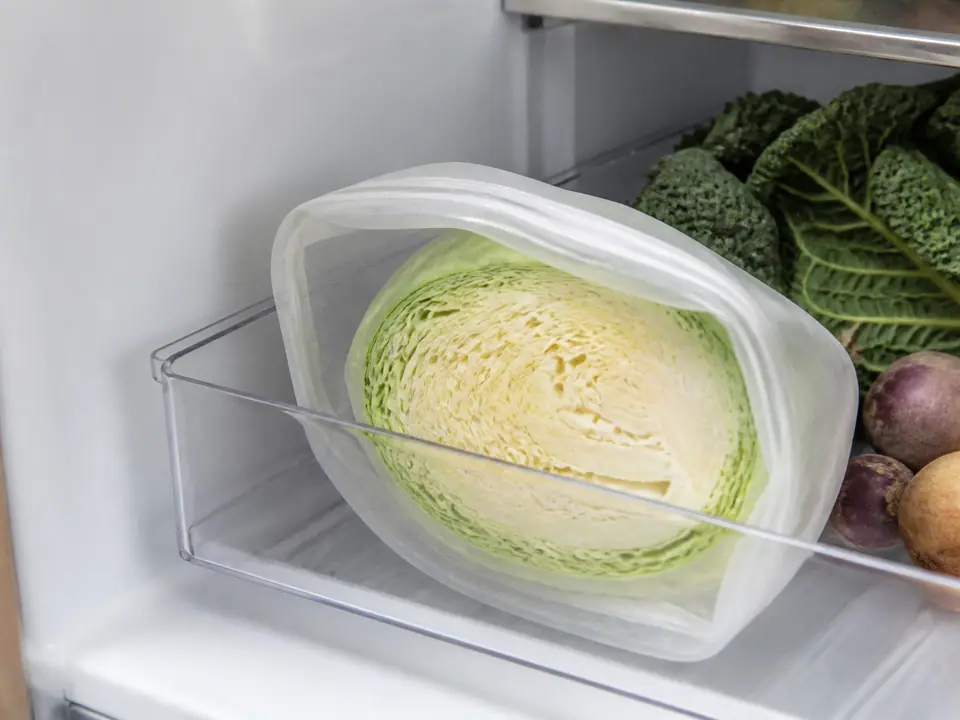
How to keep a cut cabbage fresh for a week
A cut cabbage can stay useful for a week when the exposed face is dry, covered and kept cold. Slice from the outside and leave the core intact.

5 squash dinners for cold evenings
Squash makes cold-weather dinner feel generous in roasted trays, lentil soup, pasta, curry or stuffed halves. Add beans, grains or lentils so the soft centre carries a meal.
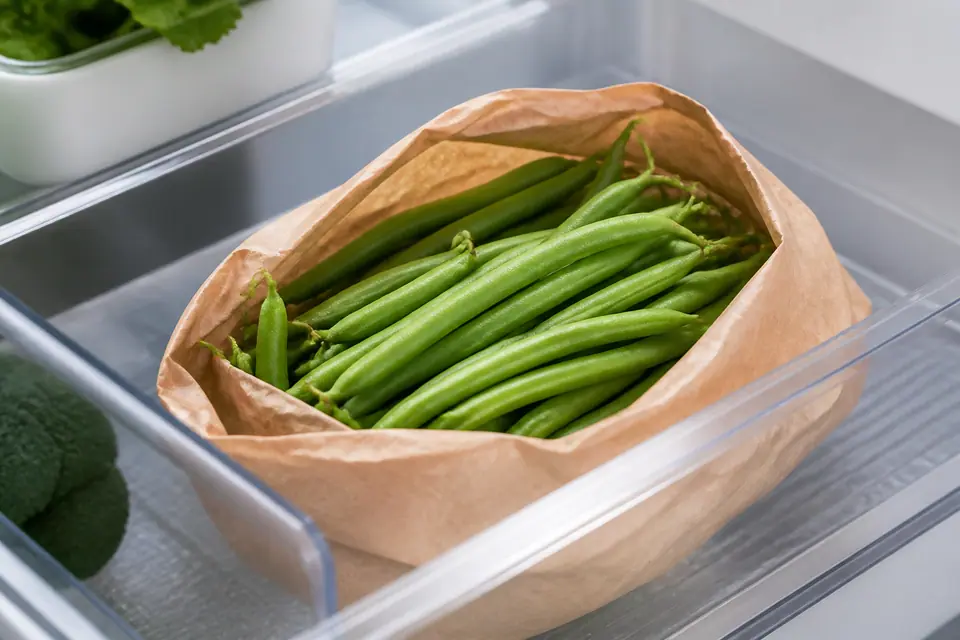
How to keep green beans crisp in the fridge
Green beans lose crispness through water loss but decay quickly when stored wet. Keep them unwashed, cool and loosely contained, then rinse just before cooking.