Chestnut mushrooms bring colour; the cooking difference is smaller than the price gap
Chestnut mushrooms have a deeper colour and a slightly firmer feel, but both are useful Agaricus mushrooms. The pan, cut and freshness matter more than the name.

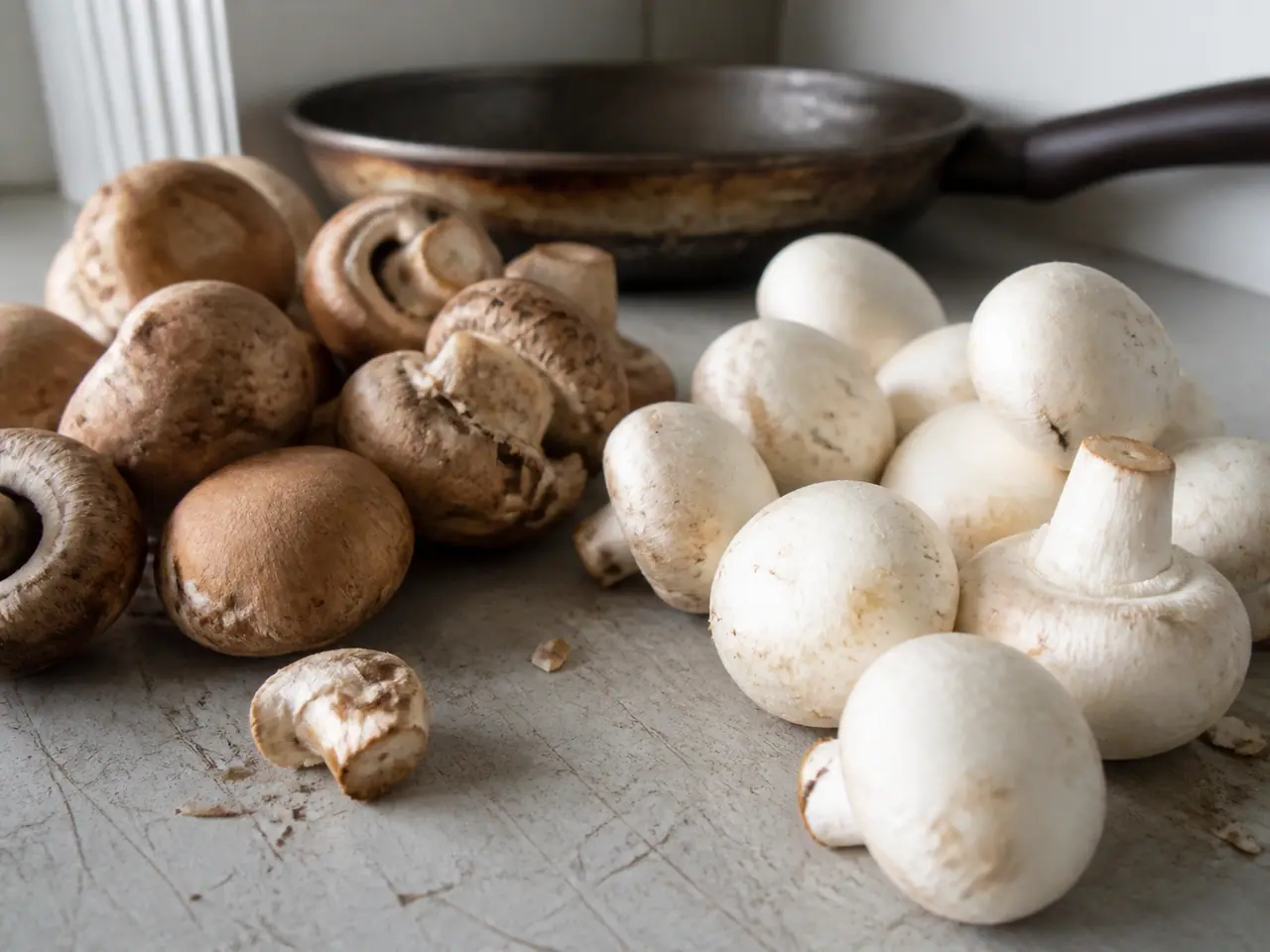
Chestnut mushrooms look like the more serious choice: darker caps, a firmer bite and usually a slightly higher price. White mushrooms look milder and more ordinary. In my pan, the difference is real but narrow. Freshness and the size of the cut decide more than the shade of the cap.
I cooked equal weights of both with the same oil and salt, first in separate skillets and then together. Chestnuts kept a little more chew at the stem and tasted earthier. White mushrooms browned just as well when they were dry and had room. Buy chestnuts for a stronger visual and a denser bite, not because white mushrooms cannot take heat.
Which mushroom gives the better panful?
Same weight, same skillet, same heat and no sauce until the water had gone.
Chestnut
Firmer, earthier
✓ More useful difference
White
Milder, just as versatile
Chestnut is my small winner for this question. The other choice still works when the dish asks for its particular texture.
Source: Maren Ashby's kitchen test, 2026-02-17
They are close relatives
Chestnut and white mushrooms are common forms of Agaricus bisporus, harvested at different maturity and sold under different names. The colour changes what you see, but it does not turn one into a completely different cooking ingredient.
The UC Davis mushroom fact sheet uses cap colour, shape, intact veil and cleanliness as quality clues. That is useful at the shop: a bright, firm chestnut is a better buy than a tired white mushroom, but a fresh white still beats a bruised brown one.
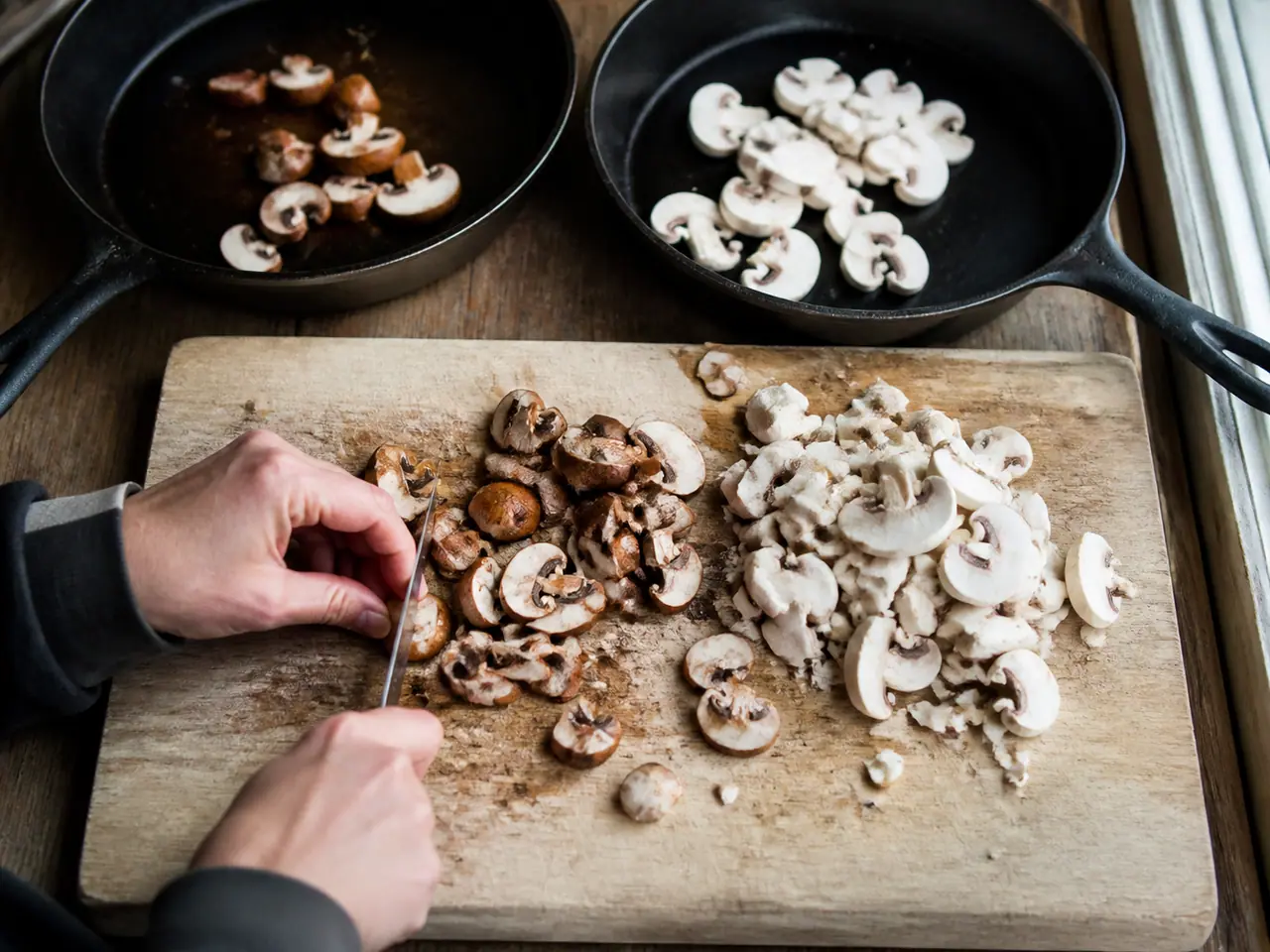
The colour matters less after browning
Once sliced mushrooms meet a hot pan, both release water and then take on colour. Chestnut caps make the finished dish look darker, especially with cream or pale beans, while white mushrooms keep the visual tone lighter.
I do not add sauce until the liquid has disappeared. If I pour stock over either kind while the pan is wet, the comparison becomes a test of steaming rather than mushroom flavour.
I keep one piece aside so I can compare it with the next batch.
Texture is the small win for chestnut
Chestnut mushrooms can feel a touch denser, particularly when the stems are thick and the caps are closed. That makes them pleasant in a skillet where I want pieces that stay visible beside beans or toast.
The difference narrows when the mushrooms are thinly sliced or cooked for a long time. A rough chop preserves more texture than paper-thin slices, whichever colour is in the basket.
The clock helps, but the surface gives the better signal.
Freshness beats variety
Look for dry, unbroken caps, an even surface and stems that are not blackened or collapsed. A little growing medium is not the same as slime. What I reject is a wet film, a sour smell or caps that have been crushed together.
At home I spread the mushrooms on a plate before cooking. The ones with a dry surface can go straight into the pan. Any damp pieces get wiped or rinsed quickly, then dried, because water on the surface delays browning.
That small pause saves more food than a rescue at the end.
Choose for the plate
Use chestnuts when you want a darker, more pronounced mushroom presence in a toast topping, grain bowl or pan sauce. Use whites for omelettes, soups and mixed vegetables where a pale, mild flavour is useful.
I often buy whites for a large batch because the saving is more valuable than the small flavour difference. When the mushrooms are the main event, chestnuts earn their place through colour and bite.
The next step works better when the excess moisture has somewhere to go.
The fair timing test
For a proper comparison, weigh 150 g of each, quarter the larger ones and leave the small ones whole. Heat two wide skillets, add the same teaspoon of oil and wait before stirring. The first side needs contact with the metal.
After five minutes I taste one from each pan, then continue until the centres are tender. Salt goes in after the first browning. That simple order makes the result repeatable in a home kitchen.
I keep one piece aside so I can compare it with the next batch.
One useful substitution is to change the cut before changing the produce. If the mushrooms you bought is smaller, slice it thicker and give it a little more quiet contact with the pan. If it is older or wetter, use it in a sauce where the released liquid has somewhere to go. I get a more reliable dinner by adapting the method to the ingredient in front of me than by chasing the variety named in a recipe.
The comparison also changes with the serving temperature. A texture that feels generous straight from the skillet may soften under a cold dressing, while a tender piece can feel better once it sits beside toast or grains. I taste one plain, one seasoned and one after five minutes of waiting. Those three bites tell me which version belongs on the plate and which one needs a different job.
When I repeat the test, I keep the variables boring: same weight, same pan, same oil and the same time between cooking and tasting. I write down the cut because a thin slice can make two varieties look identical. The useful result is not a universal winner. It is a short decision I can make at the shop and repeat on a busy evening.
For the quality and storage details that sit behind my kitchen observations, I use the UC Davis mushroom produce fact sheet alongside the timed test described above.
The practical verdict
Chestnut mushrooms are a modest upgrade in colour and bite, not a new species of dinner. White mushrooms remain a good buy when freshness and price matter more.
Let the dish decide. A hot, uncrowded pan will make either one useful, while a damp, crowded pan can flatten the character of both.
Questions
Are chestnut and white mushrooms the same?
Do chestnut mushrooms taste stronger?
Which mushrooms brown better?
Should I wash mushrooms?
More guides
All guides →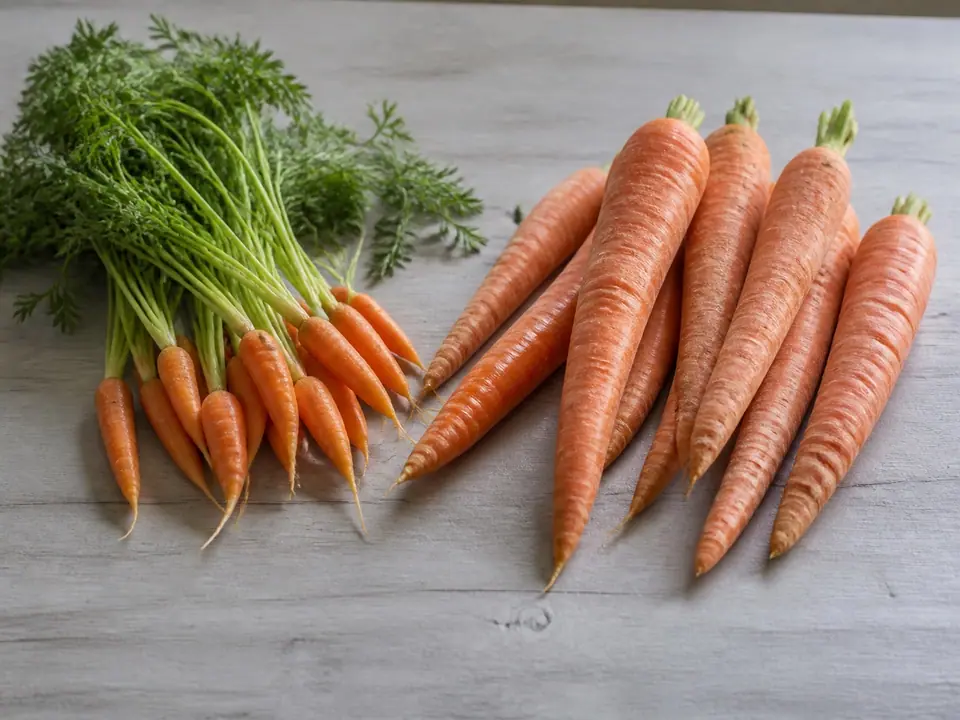
Baby carrots vs full-size carrots: which actually tastes better?
True young carrots are tender and sweet, while supermarket baby carrots are often shaped pieces from larger roots. Full-size carrots give you more control over the cut.
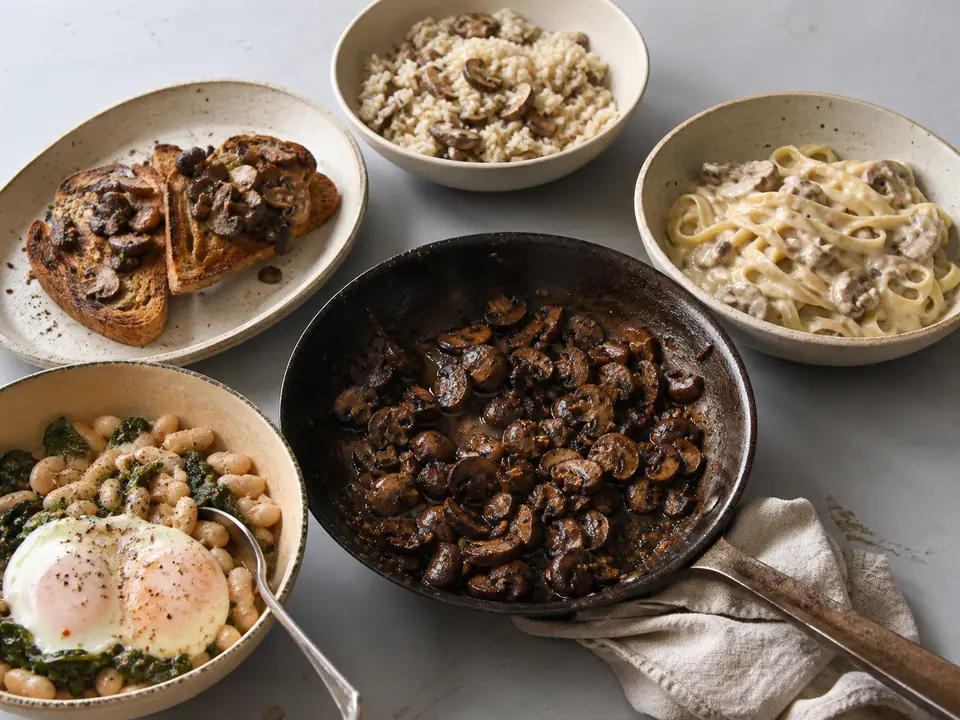
5 dinners for a box of mushrooms
A box of mushrooms can become a fast toast topping, a rice skillet, a pasta sauce, a bean dinner or a pan of eggs when the cut matches the clock.
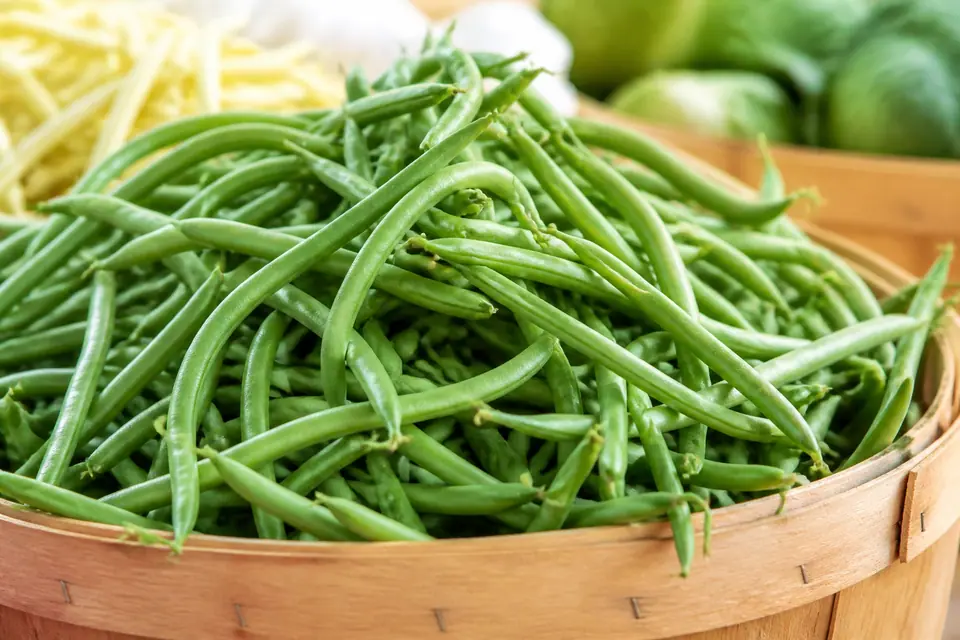
How to choose green beans that still snap
Fresh green beans are smooth, bright and firm, with a clean snap and no swollen seed bumps. A flexible limp pod is usually a thirsty older pod, not a tender one.