Baby spinach wilts quickly; mature leaves give the pan something to chew
Baby spinach is tender and fast, while mature spinach has stronger stems and more texture. Choose baby leaves for quick wilting and mature leaves for longer cooking.

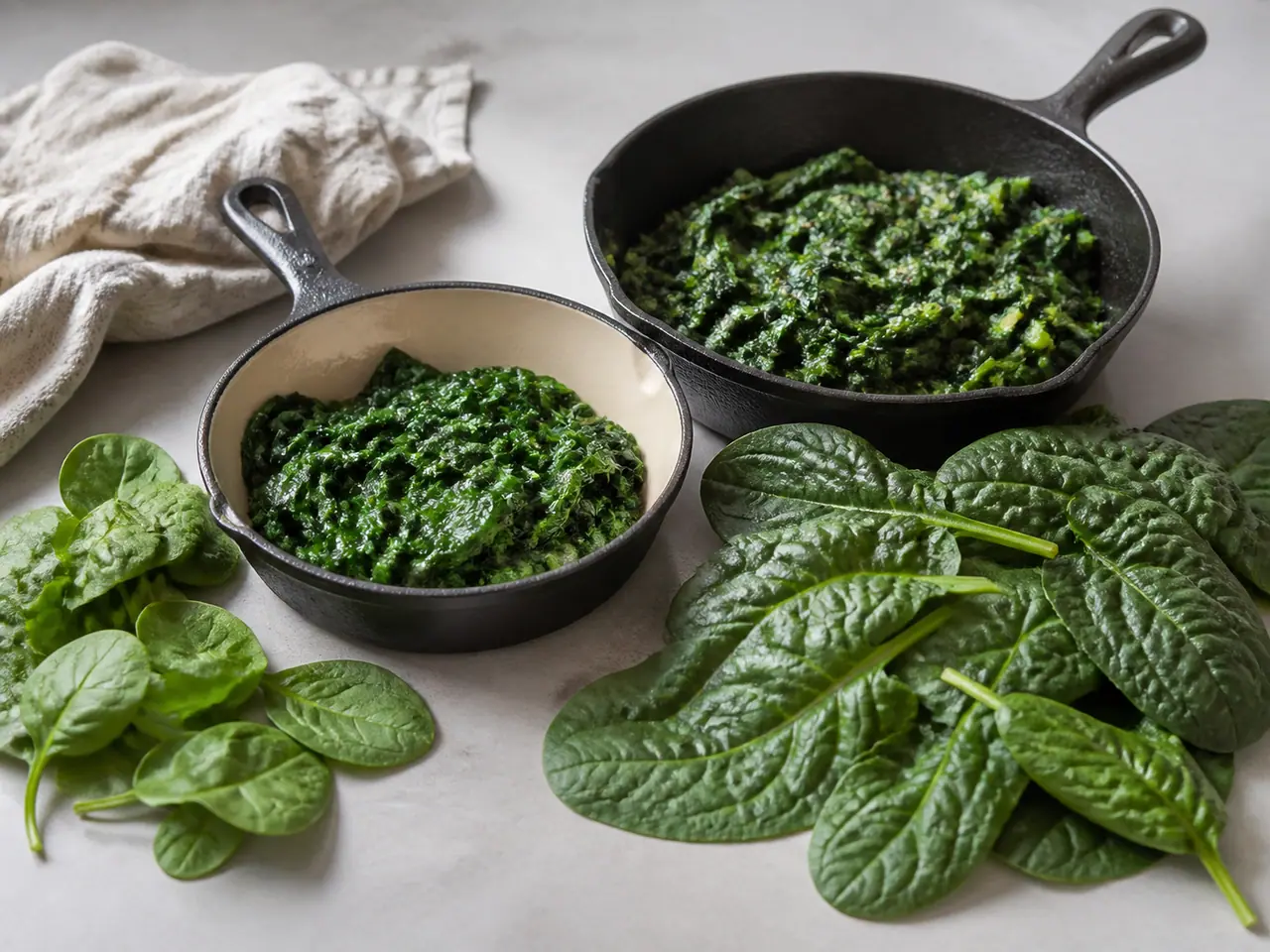
Baby spinach is the easy handful: tender leaves, small stems and a quick collapse in a warm pan. Mature spinach looks more like a vegetable that needs a plan. Its leaves are larger, the stems are firmer and it can hold its shape after the first stir.
For eggs, pasta and a quick bowl, I choose baby spinach. For a stew, curry or pan where I want a leaf I can still feel, mature spinach has more presence. Neither is automatically better; the useful choice is the one that finishes with the rest of dinner.
Which spinach works better in dinner?
Same weight, washed and dried, added to the same warm pan in two batches.
Baby spinach
Tender and fast
✓ Best for quick cooking
Mature spinach
More texture and stem
Baby spinach is my small winner for this question. The other choice still works when the dish asks for its particular texture.
Source: Maren Ashby's kitchen test, 2026-02-20
The leaf size changes the cooking time
Baby leaves have less stem and less structure to soften, so they wilt in a minute or two. Mature leaves need trimming, a little longer heat and sometimes a rough chop.
I add mature spinach in two stages: stems first, leaves after. Baby spinach can go in almost at the end, which keeps its colour and stops it disappearing before the pasta is ready.
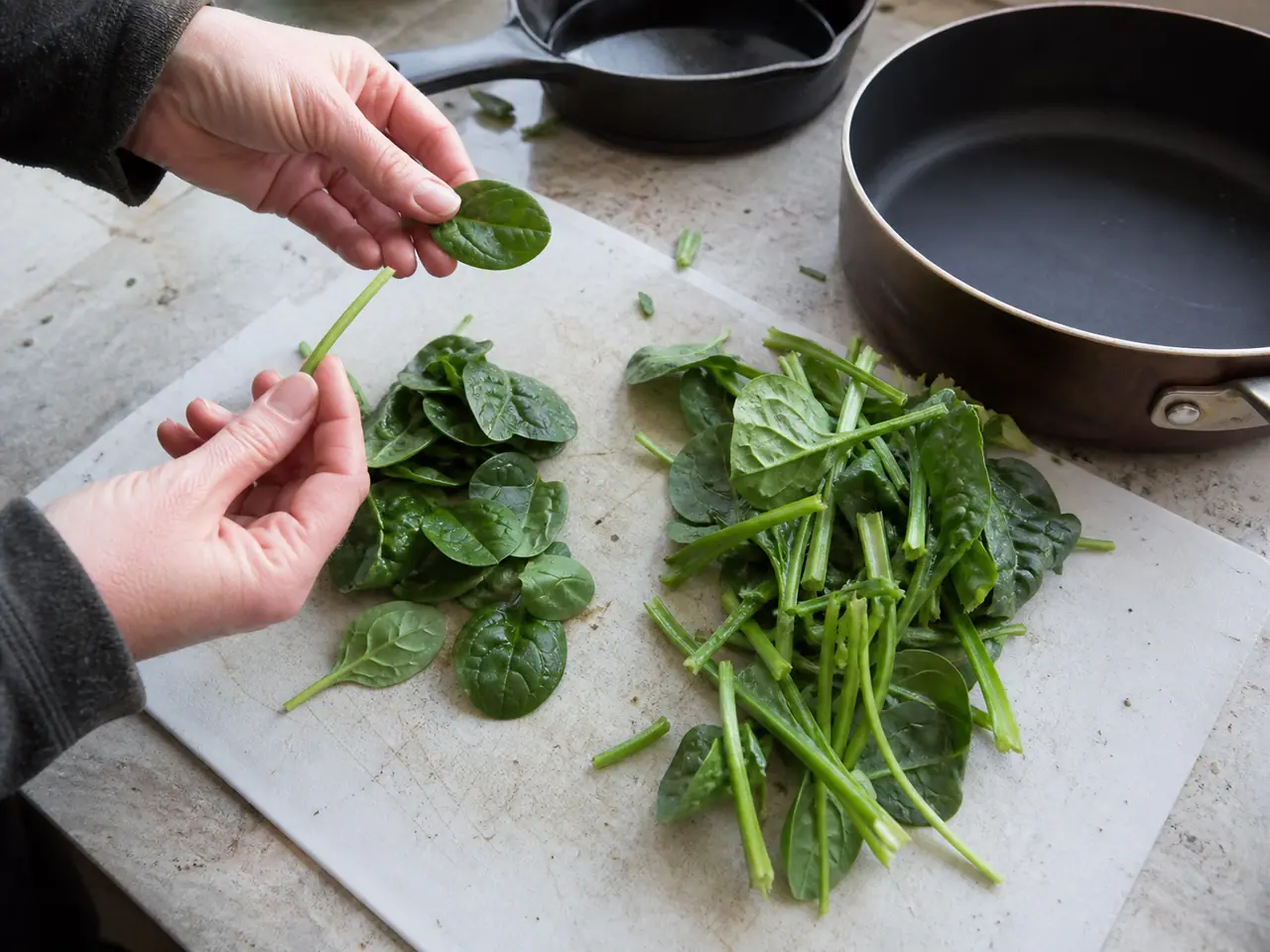
Baby spinach is good for last-minute freshness
A handful of baby leaves can finish a tomato sauce, egg skillet or warm grain bowl without adding another cooking project. The leaves collapse into the gaps and carry the sauce.
The drawback is volume loss. A bag that looks generous can become a few green streaks once heated. Add enough for the final quantity, not the raw pile you see on the counter.
I keep one piece aside so I can compare it with the next batch.
Mature spinach holds a stronger bite
Mature leaves give a cooked dish more texture, especially when the stems are not overcooked. They suit lentils, beans and brothy dishes where the leaf should remain visible.
Remove thick lower stems if they feel fibrous. Smaller stems can cook with the leaves, but they need the pan first. I chop large leaves once so the heat reaches the centre.
The clock helps, but the surface gives the better signal.
Water changes the result
Both kinds can flood a pan when washed and not dried. Baby leaves are especially quick to wilt in their own water. Dry them in a towel or salad spinner before they touch oil.
If the spinach is going into soup or stew, that water is less important. If it is going into eggs or pasta, excess water loosens the sauce and makes the dinner taste flat.
That small pause saves more food than a rescue at the end.
Choose by the meal
Baby spinach is the better choice for omelettes, quick pasta, sandwiches and a warm bowl finished off the heat. Mature spinach is better for stews, fillings and dishes that can give the stems a few extra minutes.
Frozen spinach is another tool when texture is not the focus. It is compact and useful in a sauce, but squeeze it before it enters the pan.
The next step works better when the excess moisture has somewhere to go.
My side-by-side test
I weighed 100 g of each leaf, dried both and added them to separate warm skillets. Baby spinach collapsed almost at once. Mature spinach needed the stems first and stayed more recognisable after the leaves softened.
The taste difference was smaller than the texture difference. Both needed salt and acid at the end. The mature batch asked for more chopping, but it gave the dinner a clearer green bite.
I keep one piece aside so I can compare it with the next batch.
One useful substitution is to change the cut before changing the produce. If the spinach you bought is smaller, slice it thicker and give it a little more quiet contact with the pan. If it is older or wetter, use it in a sauce where the released liquid has somewhere to go. I get a more reliable dinner by adapting the method to the ingredient in front of me than by chasing the variety named in a recipe.
The comparison also changes with the serving temperature. A texture that feels generous straight from the skillet may soften under a cold dressing, while a tender piece can feel better once it sits beside toast or grains. I taste one plain, one seasoned and one after five minutes of waiting. Those three bites tell me which version belongs on the plate and which one needs a different job.
When I repeat the test, I keep the variables boring: same weight, same pan, same oil and the same time between cooking and tasting. I write down the cut because a thin slice can make two varieties look identical. The useful result is not a universal winner. It is a short decision I can make at the shop and repeat on a busy evening.
For the quality and storage details that sit behind my kitchen observations, I use the UC Davis spinach produce fact sheet alongside the timed test described above.
The practical verdict
Baby spinach wins the speed test. Mature spinach wins when a cooked leaf and a little chew matter. Dry both before cooking and adjust for the stems.
The best spinach is the one that reaches the plate at the same moment as the rest of dinner.
Questions
Is baby spinach better for cooking?
Does mature spinach taste stronger?
How much does spinach shrink when cooked?
Should spinach be dried before cooking?
More guides
All guides →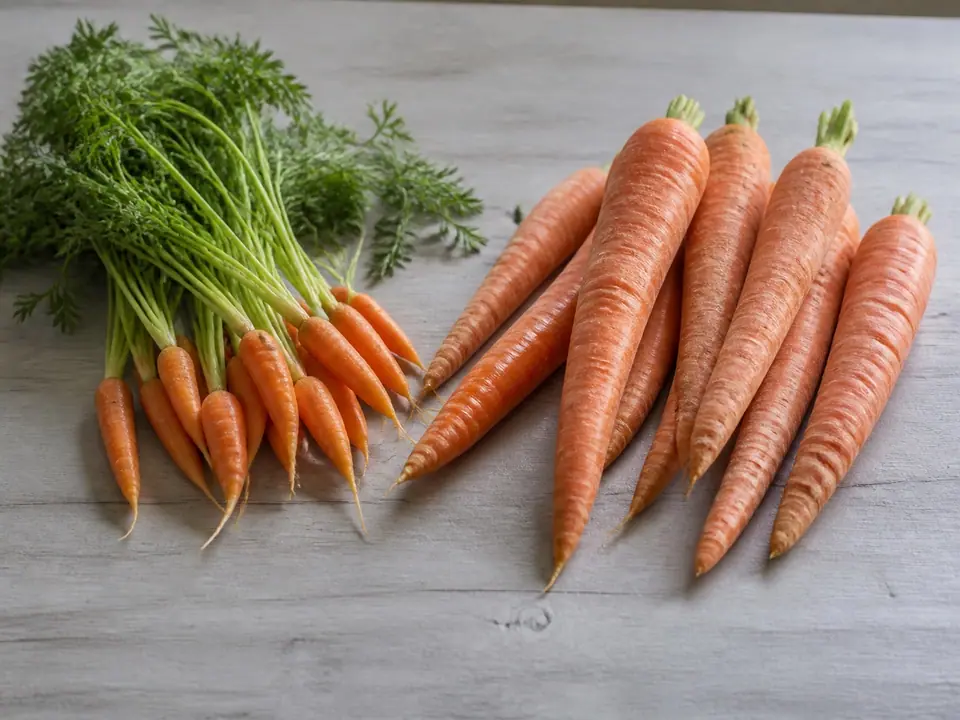
Baby carrots vs full-size carrots: which actually tastes better?
True young carrots are tender and sweet, while supermarket baby carrots are often shaped pieces from larger roots. Full-size carrots give you more control over the cut.
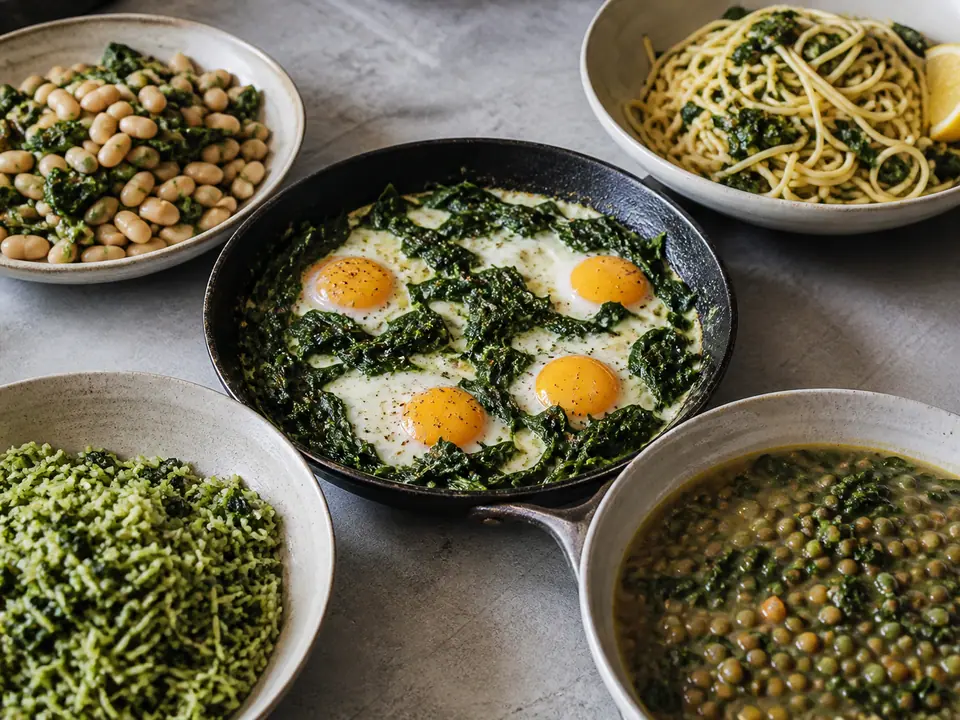
5 dinners that use spinach without a sad salad
Spinach can make dinner greener without becoming a wilted salad. Cook it with eggs, beans, pasta, rice or lentils and add it at the right moment.
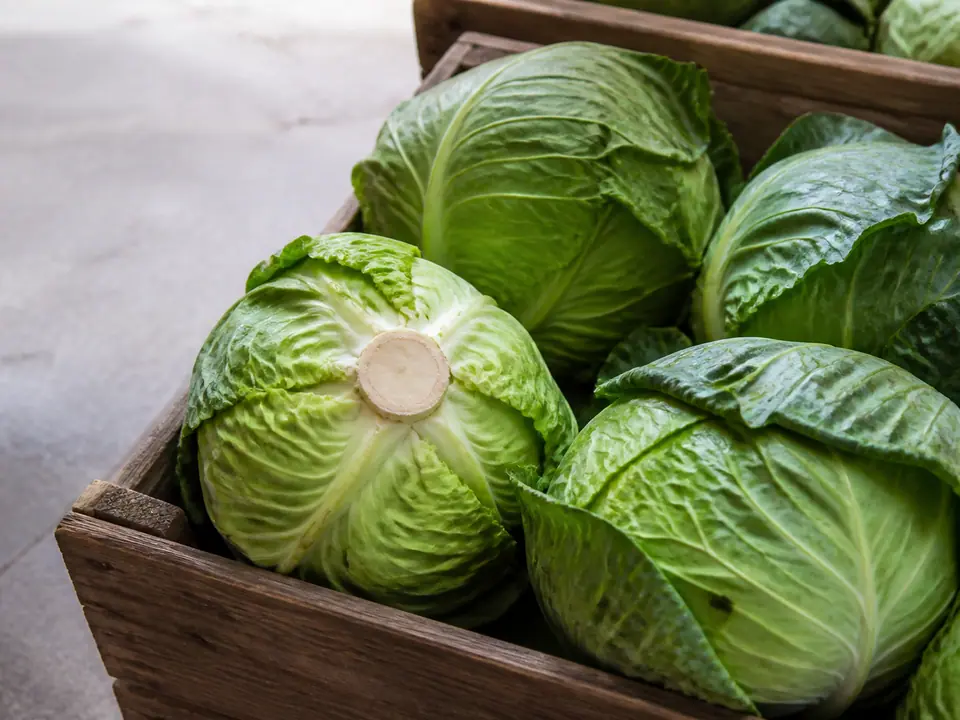
How to choose a cabbage that will stay crisp
A crisp cabbage feels dense, has tightly packed leaves and a dry cut base. The shop test takes less time than rescuing a wilted half later.