Spinach is mostly water and air until heat folds the leaves down
Heat collapses the air between spinach leaves and drives out water, so a large bag becomes a small cooked handful. Add by cooked volume, not raw appearance.

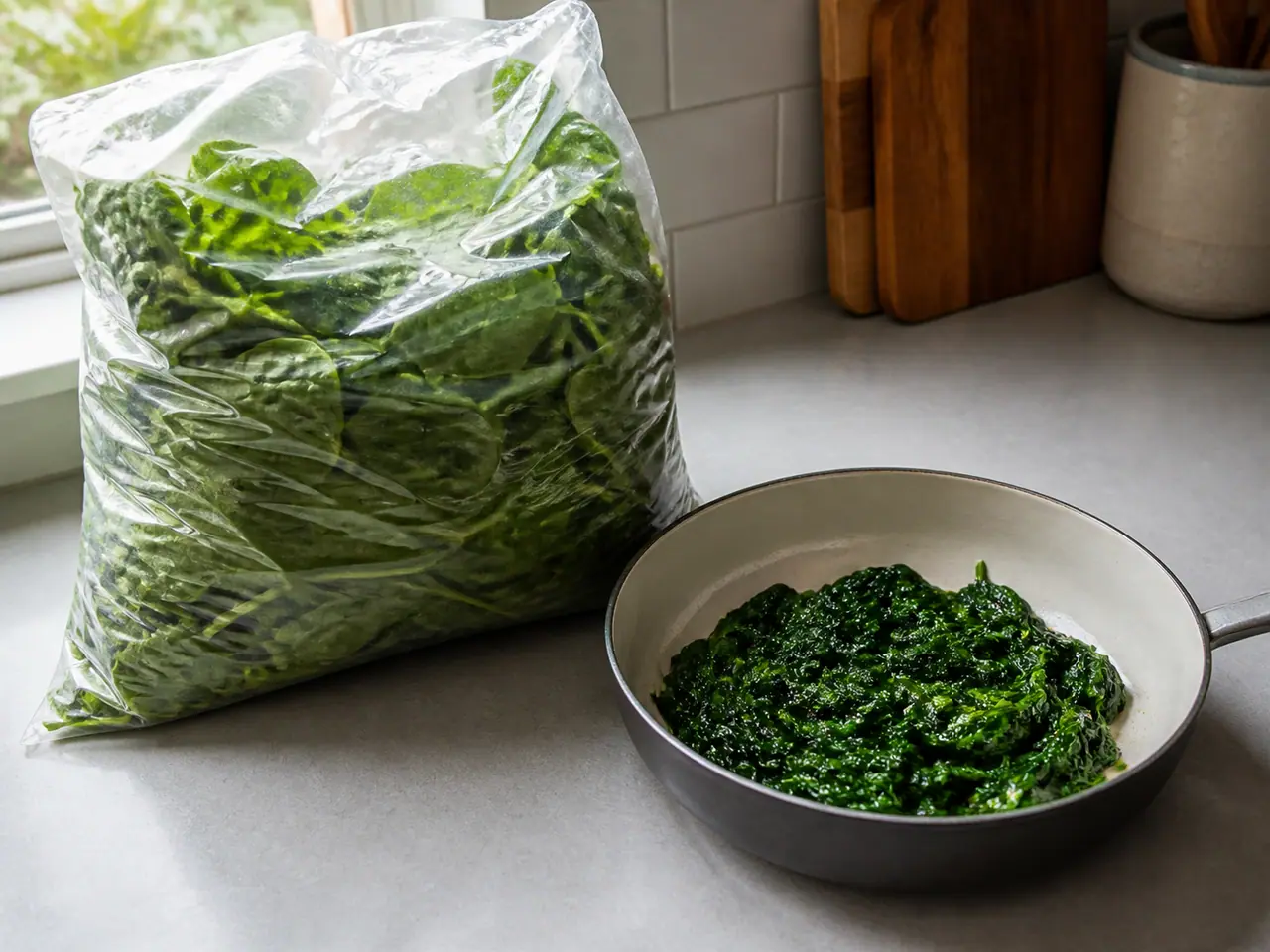
A whole bag of spinach can look like it will take over the pan. Three minutes later there is a green layer hiding under the eggs, and you wonder if dinner has eaten the vegetable instead. The leaves were full of air and water; heat simply removes the space between them.
That shrinkage is useful when you understand it. I add spinach in handfuls, wait for the first handful to fold down and keep going until the cooked amount looks right. A narrow pan makes the process slower and wetter, so I use a wide skillet whenever I want clean flavour.
Air is part of the raw volume
A bag holds leaves with gaps between them. Once the leaves touch heat, the structure softens and those gaps disappear. The bag has not vanished; it has become a compact cooked layer.
This is why a measuring cup is misleading before cooking. A loose cup of leaves weighs very little, while the same cup packed after wilting represents much more spinach.
Water leaves as the leaf collapses
Spinach cells soften and release water as the leaves heat. Some of that water becomes steam; some sits in the pan. If the leaves are wet from washing, the pan has even more liquid to deal with.
For a dry sauté, I spin or towel-dry the leaves. For soup, I am happy for the water to join the broth. The cooking method decides whether shrinkage feels like a problem.
I keep one piece aside so I can compare it with the next batch.
Add in stages
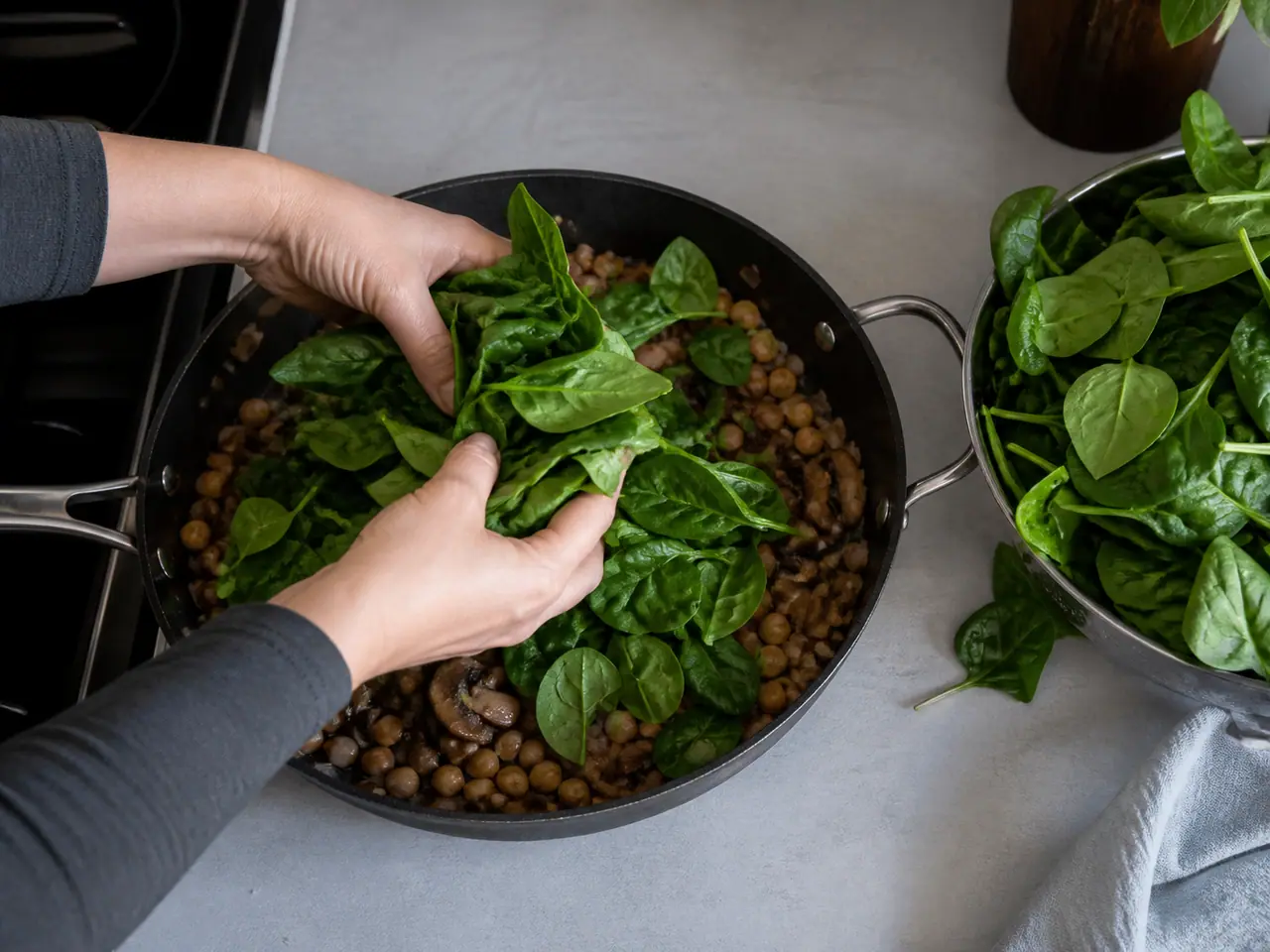
A full bag on a small skillet makes the bottom steam and the top stay raw. Add a handful, turn it with tongs and wait for it to collapse before adding the next. The pan stays hot and the greens cook more evenly.
The first handful is the test. If it floods the pan, reduce the pile and let the water evaporate. If it wilts cleanly, continue at the same pace.
The clock helps, but the surface gives the better signal.
The cooked amount is the useful amount
For a pasta sauce I want a compact layer that coats the spoon, not a raw bag balanced on top. For a grain bowl I might keep more leaves visible by adding them after the heat is off.
Taste before adding the last handful. Spinach becomes more concentrated as it shrinks, and too much can turn a bright tomato or lemon sauce muddy.
That small pause saves more food than a rescue at the end.
Stems and baby leaves behave differently
Mature spinach stems hold water and structure, so they need more time than baby leaves. Add stems first and the leaves second. Baby leaves can be folded through at the finish.
The bag size does not tell you the leaf maturity. Look inside and adjust. A dense bunch of mature leaves needs more room than a loose bag of tender ones.
The next step works better when the excess moisture has somewhere to go.
Do not overcook the green
Spinach is ready when the leaves are folded and tender, not when every drop of water has been boiled away. Prolonged heat turns the colour dull and makes the flavour more metallic.
Drain or lift the greens if the pan is too wet, then return them at the end. A short cook gives a better green taste than trying to reduce a whole bag in a puddle.
I keep one piece aside so I can compare it with the next batch.
The common rescue is to add more heat, but that usually makes the outside race ahead of the centre. I lower the burner, spread the spinach out and give the moisture a route to leave. If the pan is already wet, I wait for evaporation before adding oil, sauce or another handful. A calm correction preserves more texture than a dramatic one.
A different pan can solve the same problem. A wide metal skillet gives a dry surface; a covered pot gives gentle steam; a tray gives space around pieces. I choose the vessel by the failure I am trying to avoid. Spinach do not need one magic temperature. They need the right balance between contact, moisture and time.
I also taste before I decide that the ingredient is the problem. A little salt, lemon or yogurt can make a naturally strong green or earthy vegetable feel balanced, but seasoning cannot repair a raw rib or a burnt edge. First fix the physical condition, then adjust flavour. That order keeps the rescue simple and keeps the original ingredient recognisable.
For the quality and storage details that sit behind my kitchen observations, I use the UC Davis spinach produce fact sheet alongside the timed test described above.
The practical verdict
A bag of spinach disappears because air spaces collapse and water leaves the leaves. The raw volume is dramatic; the cooked volume is the one that counts.
Use a wide pan, add in stages and dry the leaves when the final dish needs a thick sauce.
Questions
Why does spinach shrink so much?
How much raw spinach becomes cooked spinach?
How do I cook a whole bag of spinach?
Why is my cooked spinach watery?
More guides
All guides →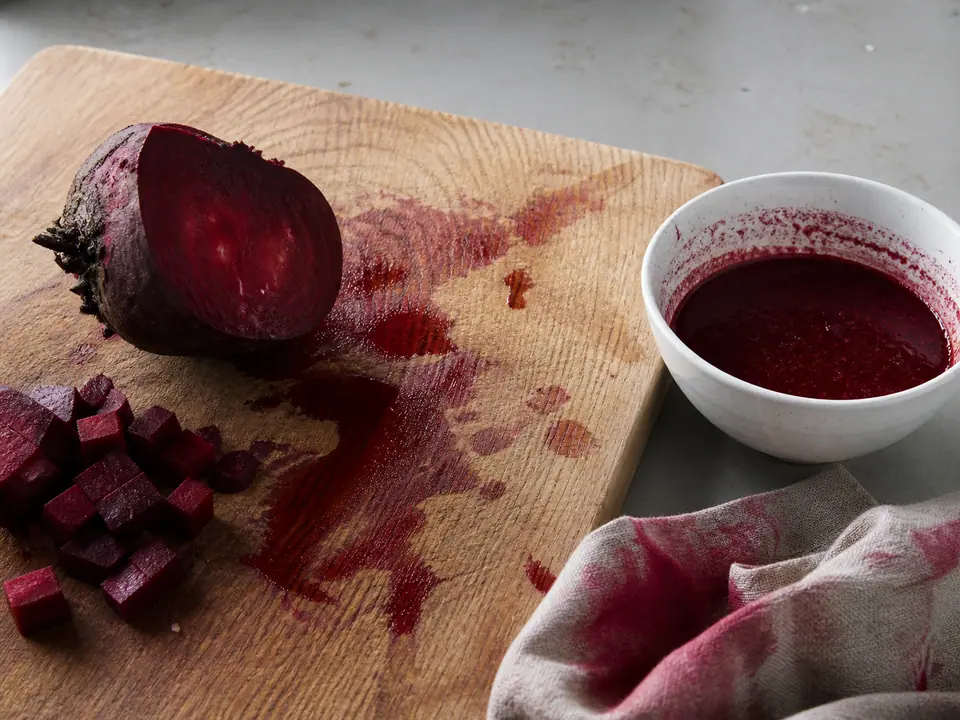
Why beetroot stains everything except the flavour
Beetroot’s red-purple pigments are water-soluble enough to travel through juice, dressing and damp hands. The flavour stays earthy, so use acid, salt and creamy partners to give it shape.
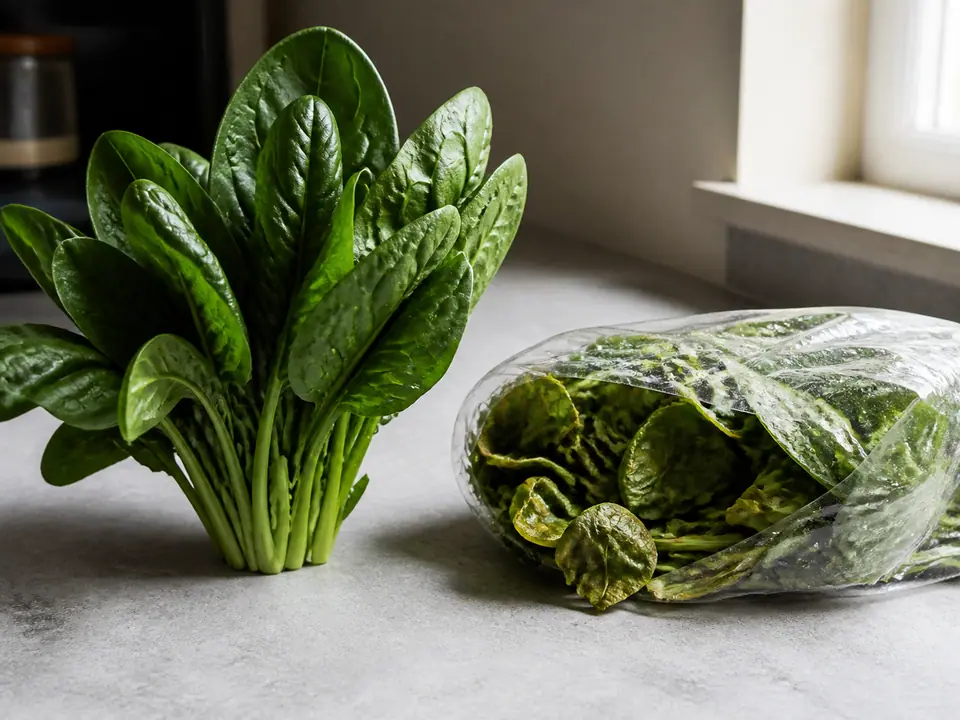
How to choose spinach that is not already tired
Fresh spinach leaves look green and upright, not yellow, collapsed or wet. Check the centre of the bag, where damage and condensation often hide.
Why carrots taste sweeter after roasting
Roasting drives off water and browns the carrot surface, so its natural sweetness becomes more noticeable. The cut and tray space decide how far it goes.