The colour travels farther than the earthy taste
Beetroot’s red-purple pigments are water-soluble enough to travel through juice, dressing and damp hands. The flavour stays earthy, so use acid, salt and creamy partners to give it shape.

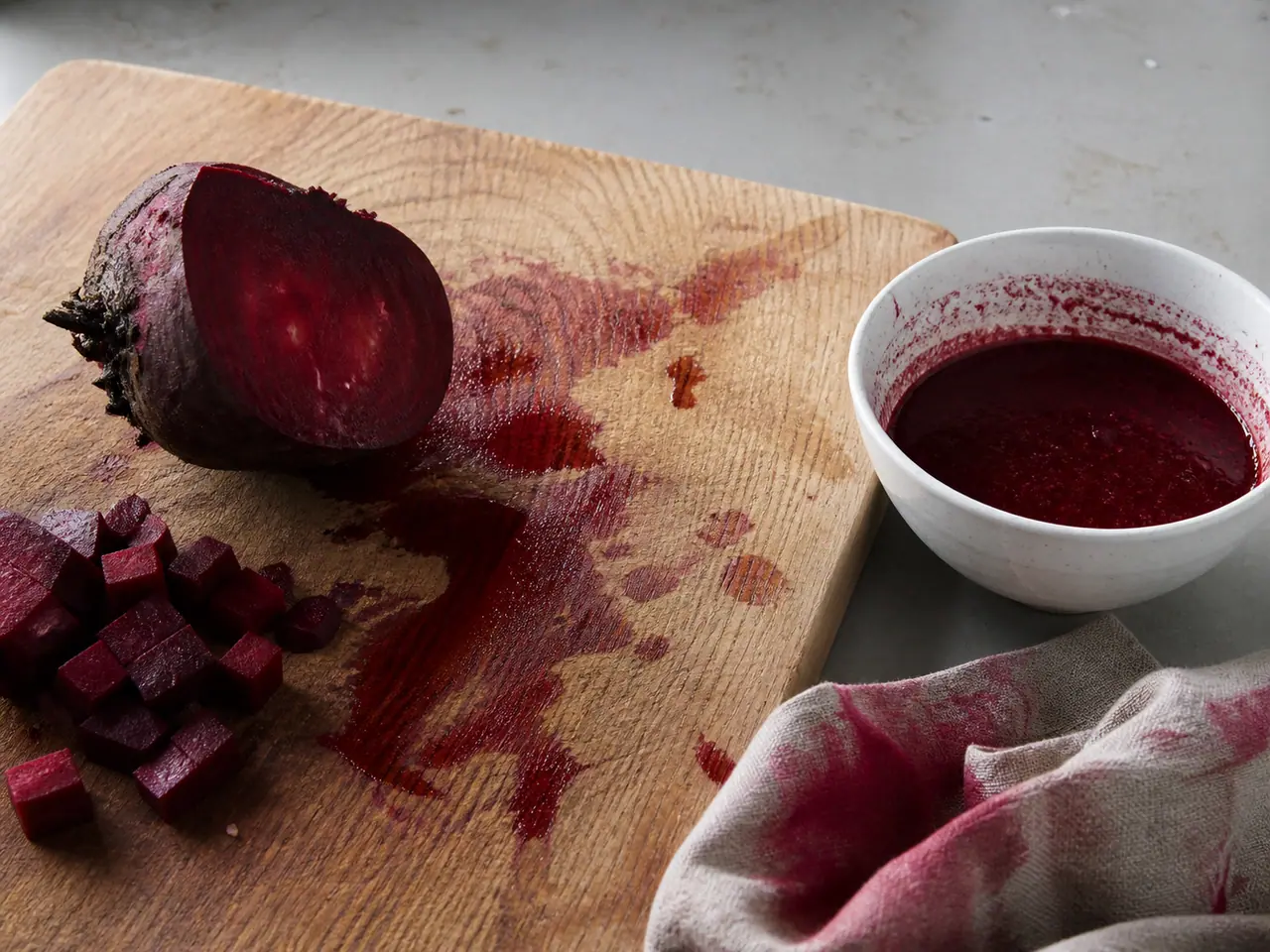
Beetroot leaves a pink knife, a red board and a dressing that looks louder than it tastes. The colour is dramatic because its pigments move into water and spread across any damp surface. The flavour is quieter: earthy, sweet and sometimes a little muddy when it has not met enough acid.
I handle beetroot as a wet ingredient from the moment the skin is cut. I keep it away from pale vegetables, dress it in a separate bowl and wash the knife before it goes back in the drawer. The clean-up is easier when the colour is expected rather than treated as a surprise.
The juice travels through moisture
Cutting breaks the root cells and releases coloured juice. Water on a board, in a salad or on your fingers gives that juice a path to move. The stain is not a sign that the beetroot has gone bad.
Dry surfaces slow the spread. I pat cooked beetroot before slicing and keep raw grated beetroot in its own bowl until the dressing is ready.
Cooking makes the colour more mobile
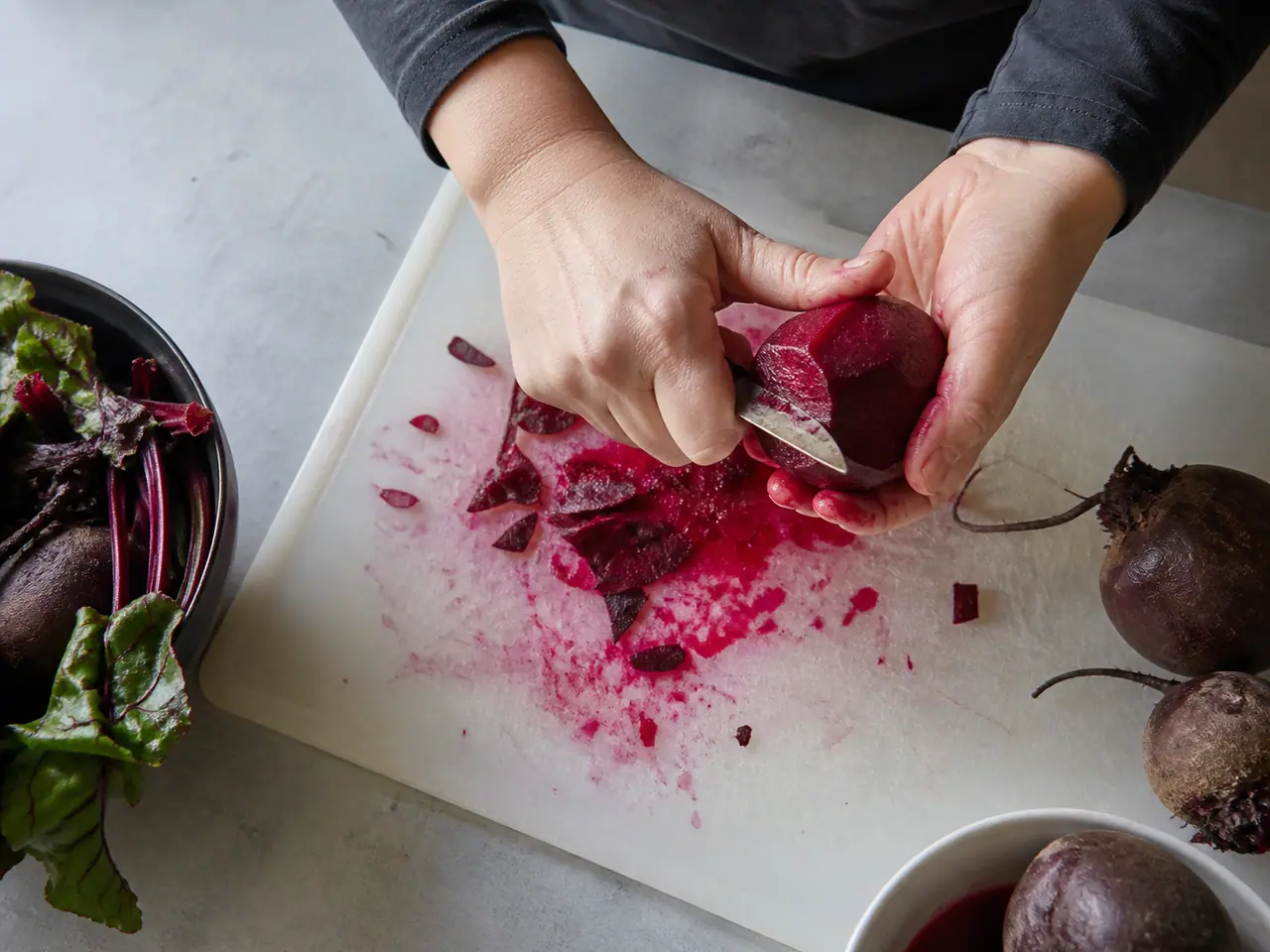
A whole beetroot keeps much of its colour inside while it cooks. Cutting before boiling lets more pigment move into the water. Roasting in a covered parcel reduces the mess, while an open tray concentrates the colour on the surface.
Cool the cooked root before peeling. The skin comes away more cleanly and there is less hot juice running across the counter.
I keep one piece aside so I can compare it with the next batch.
The flavour needs a bright counterpoint
Colour can make beetroot seem intense before the first bite. Lemon, vinegar, yogurt, orange, mustard and herbs give the earthy sweetness a clearer outline.
I add acid after cooking, then taste. A beetroot that seems flat may need sharpness, not more salt. A beetroot that tastes harsh may need fat or something creamy.
The clock helps, but the surface gives the better signal.
Keep the board under control
Use a board that can take a quick wash and avoid unfinished wood when you have another option. Baking paper under a grater catches some juice and makes the rubbish easier to fold away.
I wash the knife before touching onion, apple or bread. A quick rinse is enough to stop a pink smear travelling through the rest of prep.
That small pause saves more food than a rescue at the end.
Use the colour instead of fearing it
Beetroot juice can tint yogurt, grains and pickled onions beautifully. Add it deliberately to one component rather than letting it leak through every part of the meal.
For a composed plate, keep beetroot beside pale beans or soft cheese. For a mixed salad, accept that everything will become pink and choose ingredients that look good that way.
The next step works better when the excess moisture has somewhere to go.
The clean-up test
I cut one raw beetroot on a dry board and one cooked beetroot after blotting it. The raw root made a sharper stain where the grater held water. The cooked root made more juice once pressed, so gentle handling mattered more.
The lesson is simple: do not squeeze or drag wet beetroot across the counter. Lift pieces, wipe the board early and rinse tools before the colour dries.
I keep one piece aside so I can compare it with the next batch.
The common rescue is to add more heat, but that usually makes the outside race ahead of the centre. I lower the burner, spread the beetroot out and give the moisture a route to leave. If the pan is already wet, I wait for evaporation before adding oil, sauce or another handful. A calm correction preserves more texture than a dramatic one.
A different vessel can solve the same problem. A wide tray gives space around pieces, a covered pot gives gentle steam and a shallow skillet gives the cut face contact with metal. I choose the vessel by the failure I am trying to avoid. The beetroot does not need one magic temperature; it needs a useful balance between contact, moisture and time.
I also taste before deciding that the ingredient is the problem. Lemon, yogurt, mustard or a little salt can make a strong vegetable or fruit feel balanced, but seasoning cannot repair a raw centre, a bruised piece or a burnt edge. First fix the physical condition, then adjust flavour. That order keeps the rescue simple and keeps the original ingredient recognisable.
The useful lesson is to watch the ingredient while it cooks. A surface that browns quickly, a centre that resists the knife or liquid that gathers at the bottom all tell you what to change next. Adjust one thing at a time so the result stays readable. Spread the pieces, change the vessel, lower the heat or give the food a few quiet minutes before judging it. Once the physical problem is solved, seasoning becomes easier and the finished dish needs less rescuing. That is the habit I trust most: observe, make one correction and taste again.
For the quality and storage details behind my kitchen observations, I use the University of Minnesota beet growing guide alongside the timed test described above.
The practical verdict
Beetroot stains because its pigments move through water released by cutting and cooking. The colour travels quickly; the earthy flavour needs acid and cream to feel balanced.
Use the colour as part of the plate, then clean the knife and board before the stain has time to set.
Questions
Why does beetroot stain so easily?
How do I stop beetroot staining my hands?
What balances beetroot flavour?
Should beetroot be peeled before cooking?
More guides
All guides →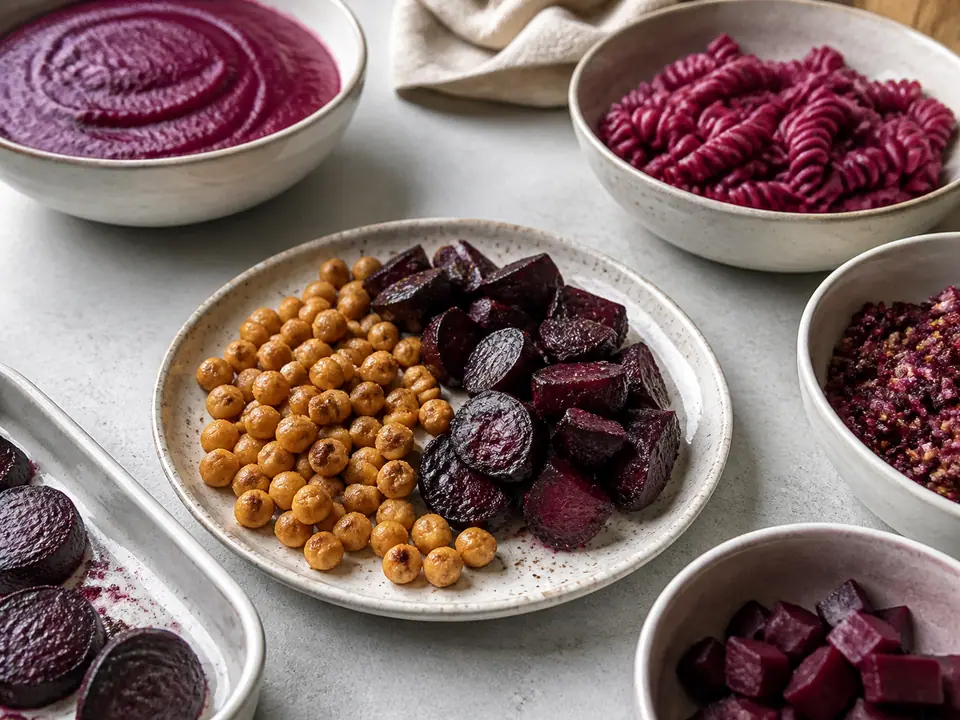
5 beetroot dinners beyond salad
Beetroot can carry dinner in roasted wedges, lentils, soup, pasta or grains. Pair its earthy sweetness with acid, beans, yogurt or a salty finish.
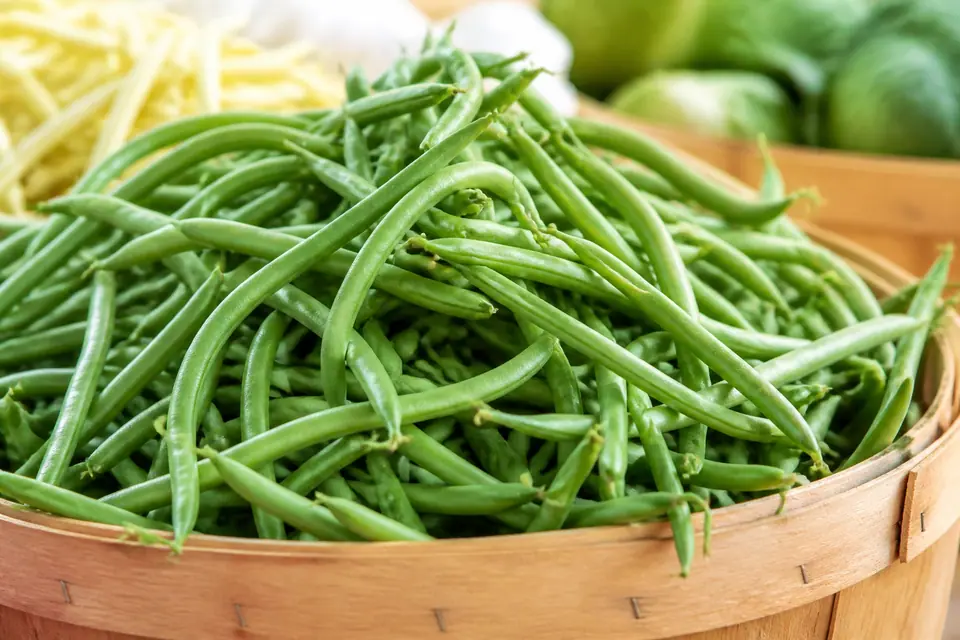
How to choose green beans that still snap
Fresh green beans are smooth, bright and firm, with a clean snap and no swollen seed bumps. A flexible limp pod is usually a thirsty older pod, not a tender one.
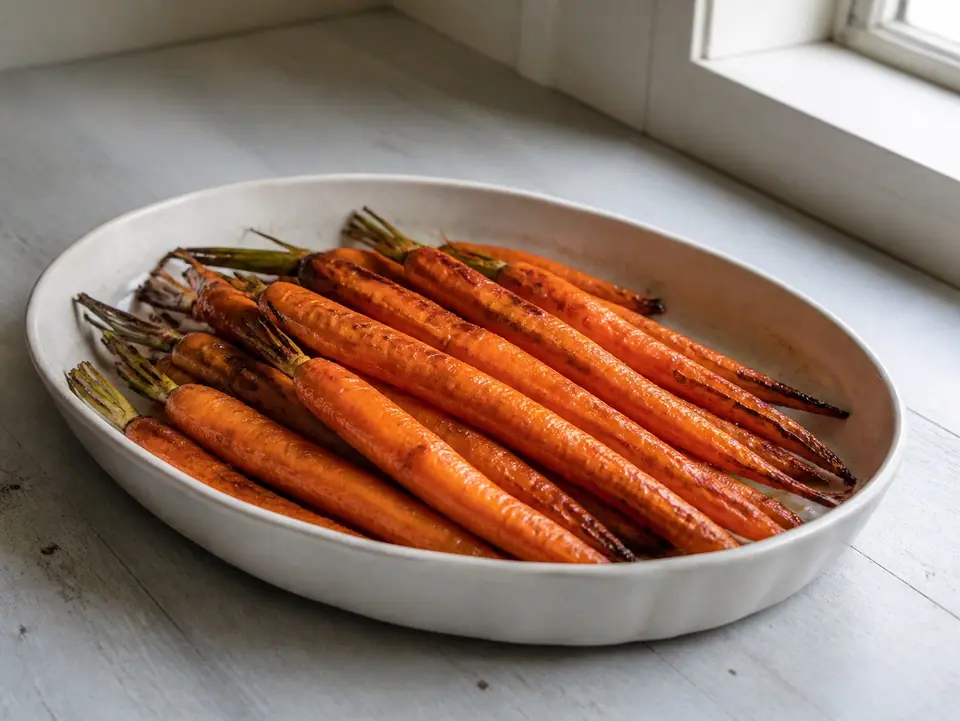
Why carrots taste sweeter after roasting
Roasting drives off water and browns the carrot surface, so its natural sweetness becomes more noticeable. The cut and tray space decide how far it goes.