Heat removes water and lets the carrot speak more clearly
Roasting drives off water and browns the carrot surface, so its natural sweetness becomes more noticeable. The cut and tray space decide how far it goes.

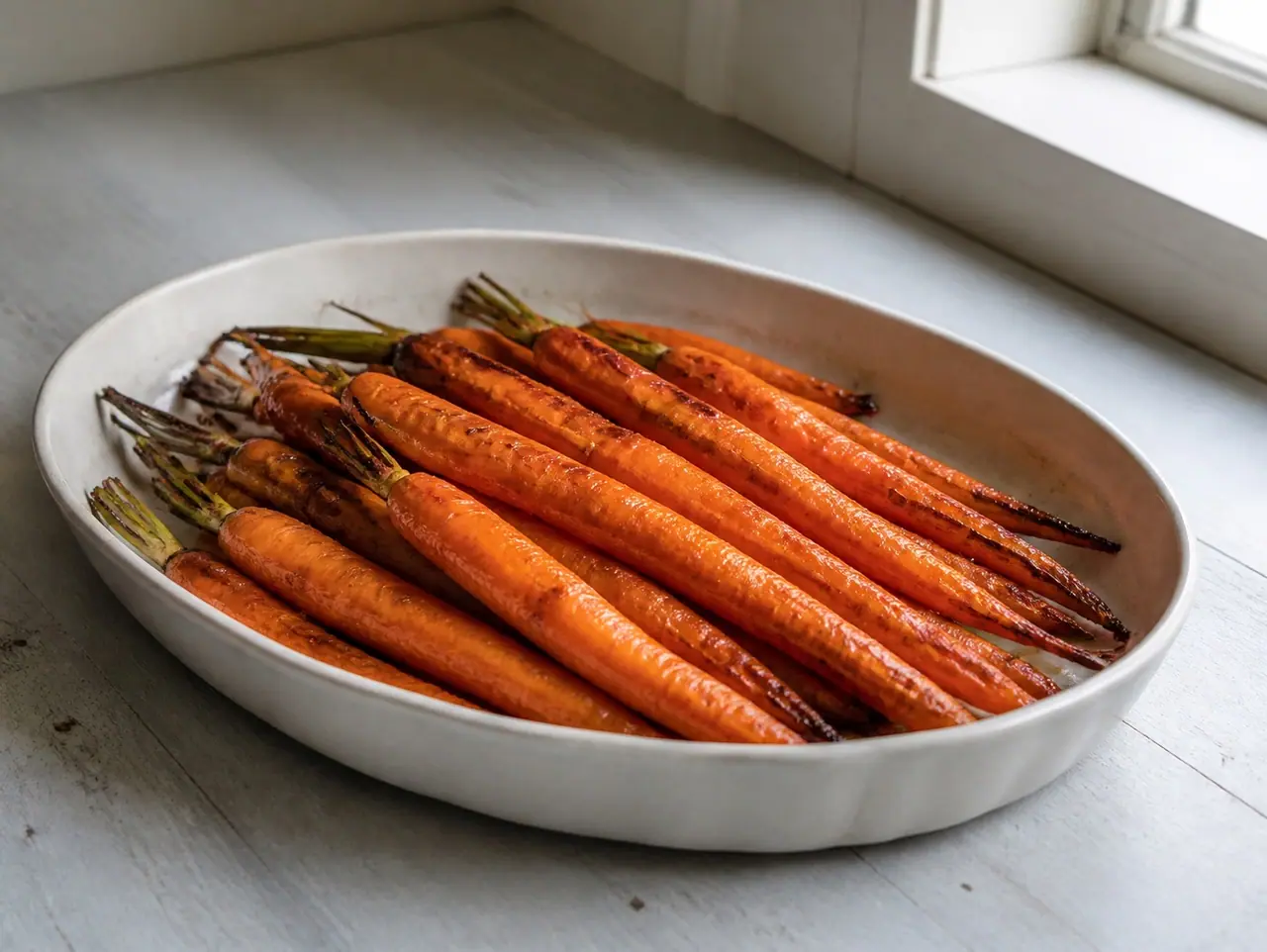
A raw carrot tastes crisp and fresh; a roasted carrot tastes rounder and sweeter. The oven is not adding sugar. It is driving off water and browning the surface, so the carrot flavour becomes more concentrated and the edges gain a toasted note.
The effect disappears when the tray is crowded. Carrots steam in their own moisture, soften without colour and taste watery even after a long cook. A dry cut, a wide tray and one quiet turn give the heat a chance.
I check that detail before adding more heat, oil or seasoning.
Water leaves before sweetness arrives
Carrots contain plenty of water, especially when fresh. The first part of roasting heats that water and sends it into the oven air. The surface cannot brown properly while wet, so pale pieces are not proof that the carrot lacks flavour.
As the surface dries, the natural sugars become easier to taste. The centre stays juicy while the outside gains a more concentrated flavour. A roasted carrot can seem sweeter without any honey.
I check that detail before adding more heat, oil or seasoning.
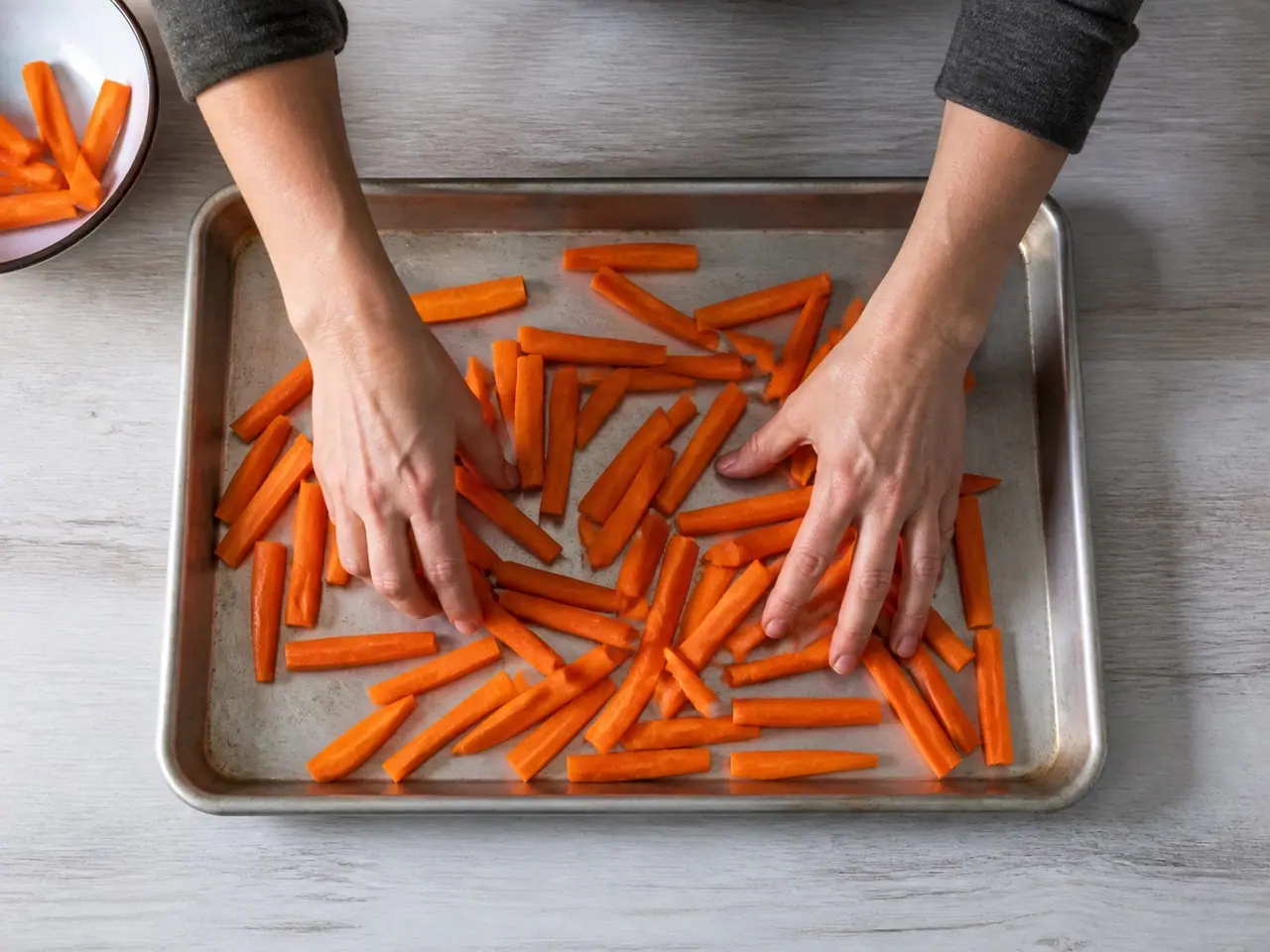
Brown the cut face
Cut carrots so at least one broad face can sit against the tray. Batons and diagonal chunks give more contact than coins, and they are easier to turn without chasing them around the pan.
A metal tray preheated in a 210°C fan oven helps the first face colour. Add oil to the carrots, not a puddle beneath them. Too much oil slows evaporation.
The clock helps, but the surface gives the better signal.
Do not drown the tray
Wet sauces, washed herbs and a crowded pile all put moisture back into the equation. Roast with oil and salt first. Add a glaze after the edges have taken colour.
If carrots are very fresh and release water, use two trays. The oven can dry a thin layer; it cannot create browning through a deep pile.
I keep one piece aside so I can compare it with the next batch.
Choose the finish by the carrot
Young small carrots can take a short roast and a little butter or lemon. Large mature carrots need thicker pieces and more time. If the centre is woody, split the root and trim it.
A sharp finish makes sweetness taste cleaner. Cider vinegar, lemon, yogurt or mustard all work after roasting.
That small pause saves more food than a rescue at the end.
Stop before edges turn hard
The best roasted carrot is tender at the thickest point with a browned edge you can bite through. If the tip is black and the centre firm, the pieces were uneven or the heat was too high.
Rest the carrots uncovered for a few minutes. They firm slightly and become easier to dress. A covered bowl traps steam and softens the edge.
The next step works better when the excess moisture has somewhere to go.
Let the carrot lead
A sweet roasted carrot does not need a sugary sauce. Salt, acid and a bitter herb can give it more shape than another spoon of syrup. Taste the root before deciding what it lacks.
I use tahini for a rich plate, yogurt for a cool one and mustard for a sharper one. The carrot provides the sweetness; the finish should provide direction.
The result should look ordinary and feel deliberate, not overworked.
A carrot that stays pale is not wasted. Slice it into a soup, add it to rice or give it another few minutes in a wider pan. Roasting is one route to sweetness, not a test the vegetable must pass. The useful lesson is to match the heat to the surface area and stop before the root loses its clean flavour.
Root vegetables reward a small check before the main work. I look at one piece, one cut face or one stored end and let that evidence choose the next step. A firm centre deserves a hot tray; a soft one belongs in soup or mash. A dry cupboard suits a whole root; a covered container suits a cut one. That habit keeps the method honest and saves me from adding more heat, water or seasoning to a problem that started with the ingredient itself.
The short answer
Roasted carrots taste sweeter because heat concentrates their flavour and browns the surface. The oven needs a dry, uncrowded tray so water can leave.
I keep seasoning plain until the colour arrives. Lemon, yogurt, herbs and mustard have more effect when the carrot has built its own sweetness.
Questions
Why do roasted carrots taste sweet?
How do I make carrots brown?
Should I peel carrots?
What temperature is best?
More guides
All guides →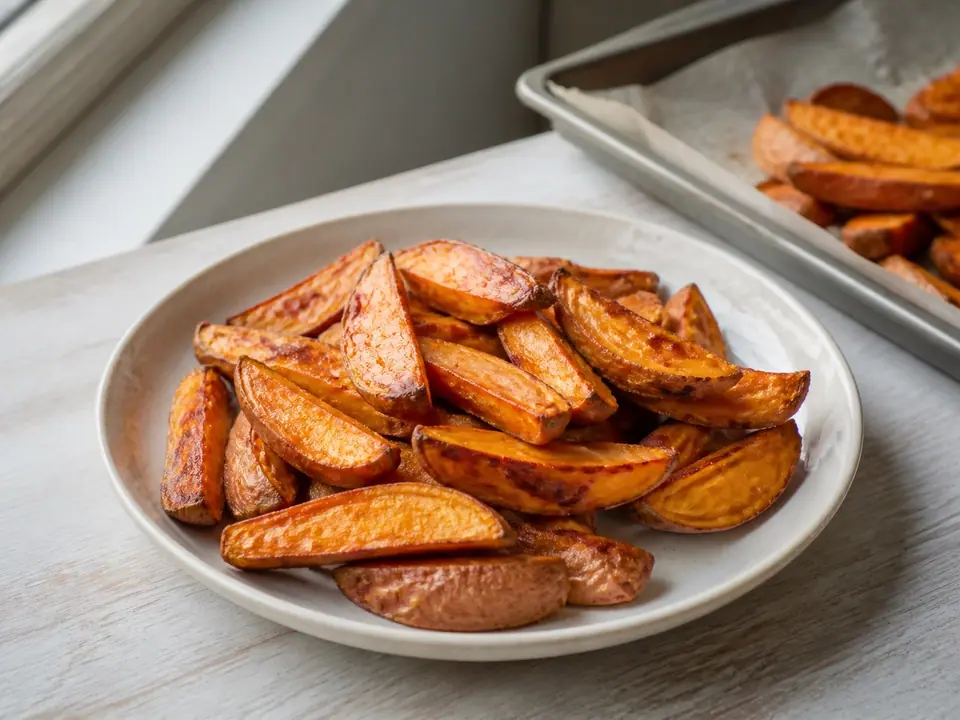
Why sweet potatoes burn before they crisp
Sweet potatoes are soft and sweet by nature. A hot, crowded tray or an early sugary coating makes the outside darken before the centre has finished cooking.

5 dinners for a bag of carrots
Roast carrots with beans, blend them into lentil soup, fry them with rice, fold them through pasta or build a spiced traybake around them.
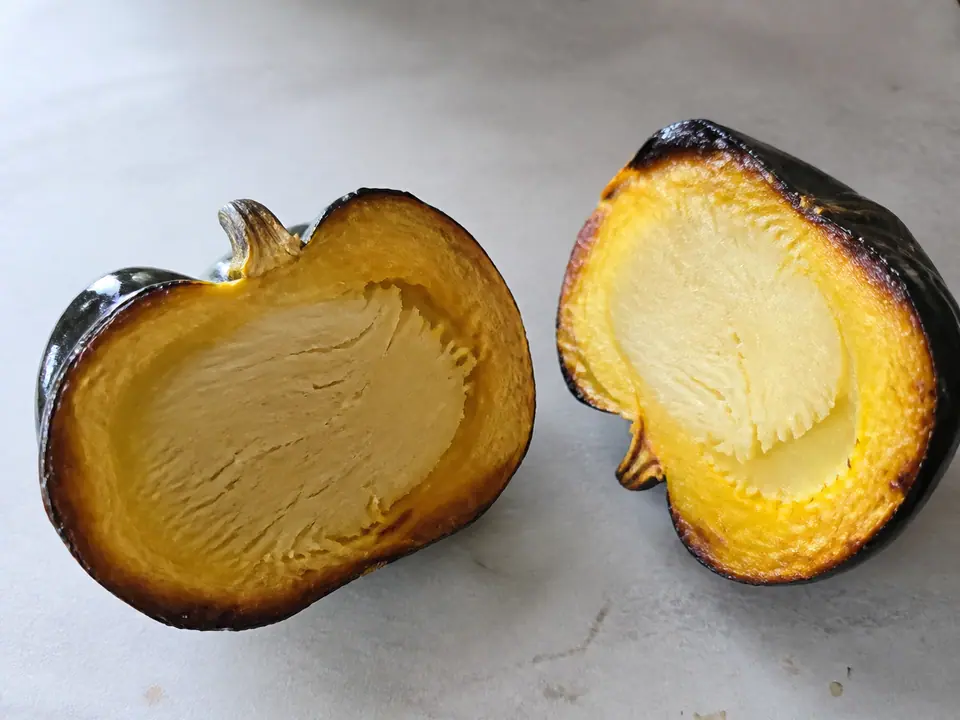
Why squash stays hard in the middle
Hard-centred squash usually needs a better cut, more space or a covered stage. Brown the surface after the thickest part is tender.