A strong perfume can arrive before the flesh has softened
Peach aroma can build before the flesh becomes soft and juicy. Let firm fruit ripen at room temperature, then chill it only after the texture is ready.

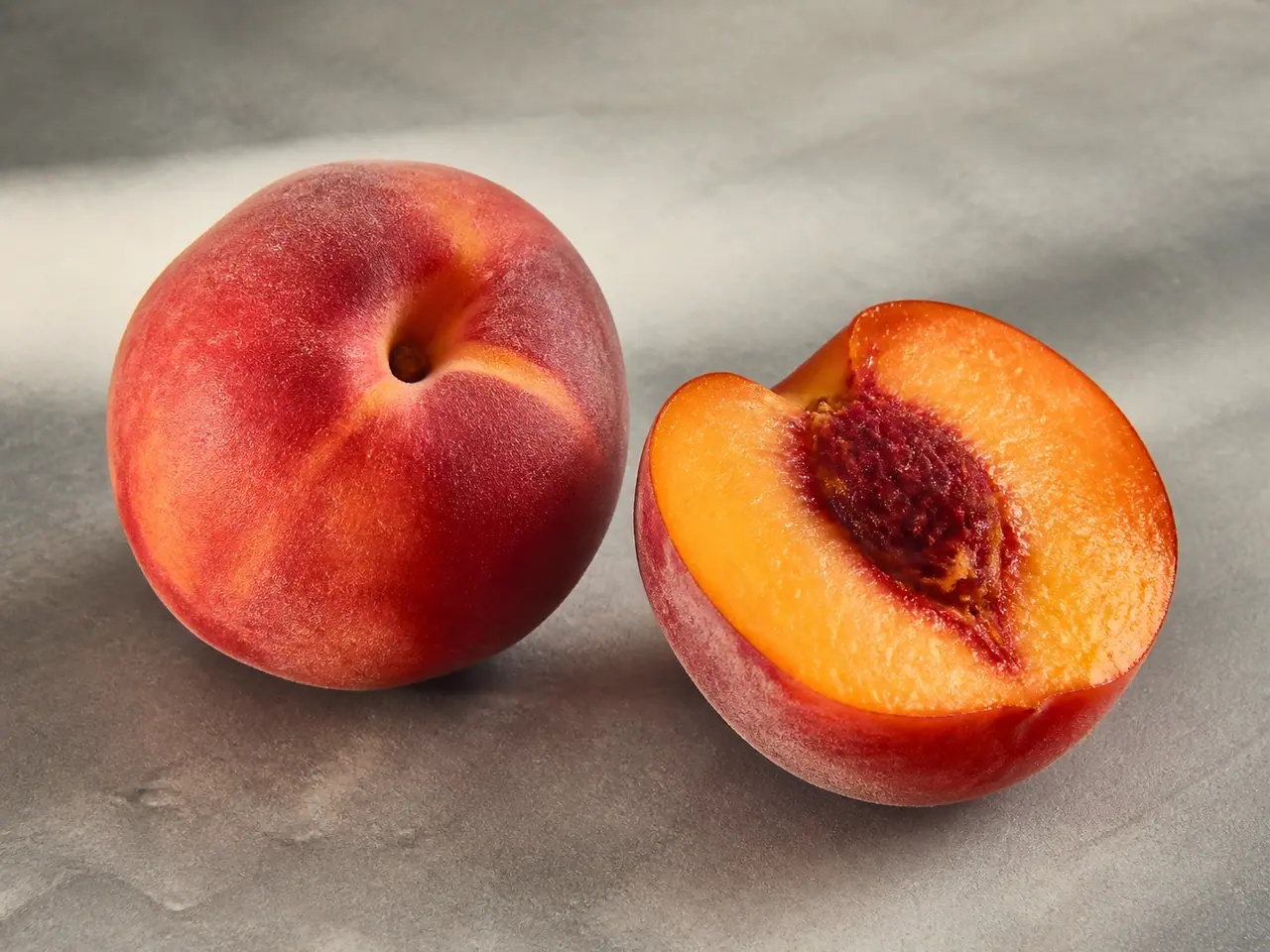
A peach can smell like summer and still crunch like an apple. The perfume arrives from volatile aromas around the stem, while the flesh is still firm and the juice has not yet moved through the fruit. Smell is useful, but it is not the whole ripeness test.
I leave firm peaches at room temperature, stem-side down on a plate, and check them once a day. When they give gently and the flesh feels juicy, I eat them. If the smell is ready but the centre is hard, I slice it thin, grill it or wait rather than pretending it is ripe.
Aroma and texture change at different speeds
The compounds that make a peach smell fruity can develop before the flesh has softened. A fragrant hard fruit is not necessarily spoiled or mislabeled; it may simply need more time.
Press near the shoulder and stem with one finger. Gentle give across the fruit is a better signal than a strong smell alone.
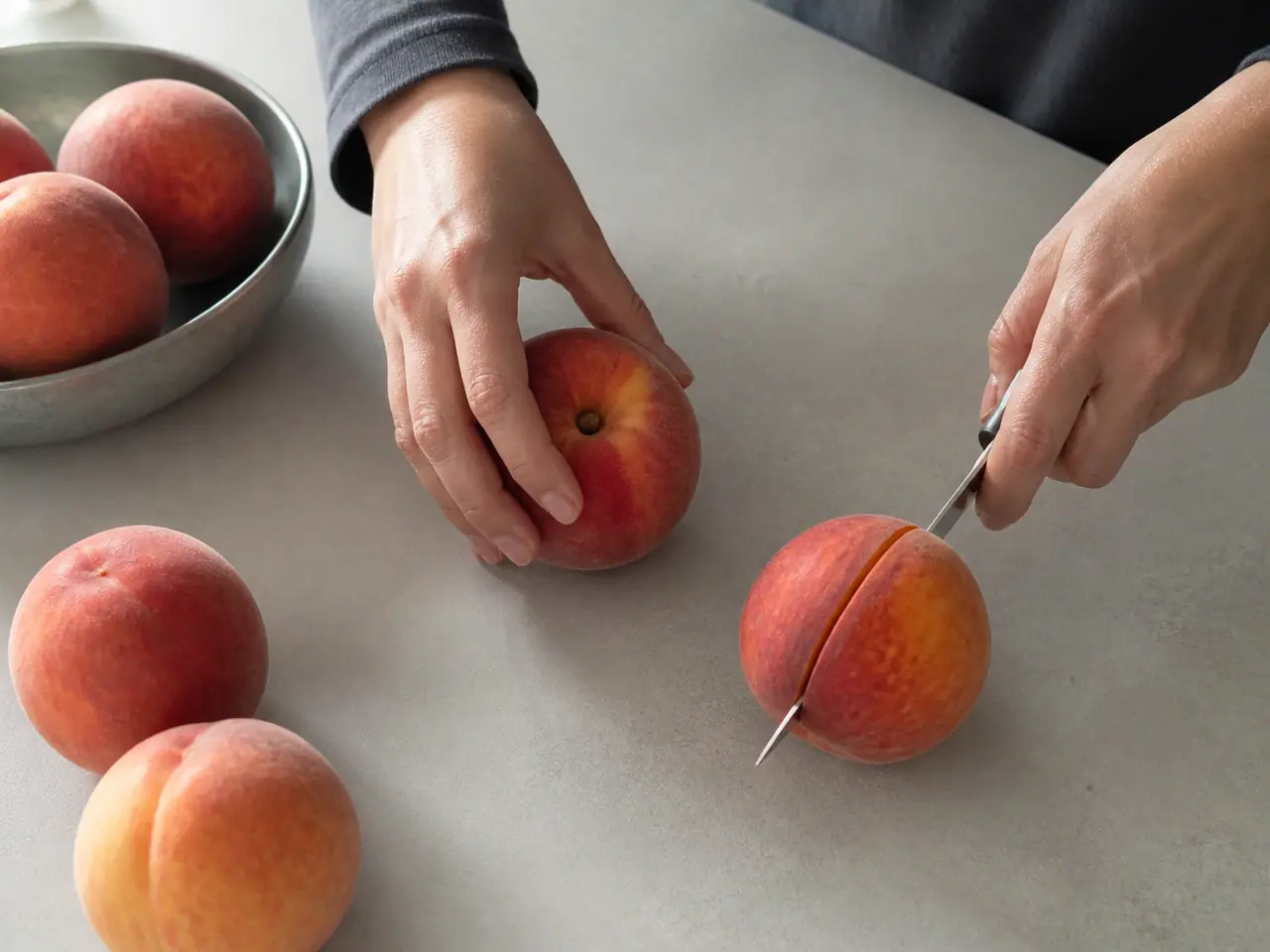
Room temperature is the ripening stage
Firm peaches ripen more evenly on the counter away from direct sun. Keep them in one layer because pressure turns a waiting fruit into a bruised one.
A paper bag can speed the process by holding some of the fruit’s own gases, but check often. The window between firm and bruised is short once the flesh starts to yield.
I keep one piece aside so I can compare it with the next batch.
The fridge is for ripe peaches
Cold storage slows texture change. That is useful after ripeness, but putting a hard peach in the fridge can leave you with a cold fruit that never develops the same juicy softness.
Once ready, chill peaches briefly if you prefer them cold. Bring them out before eating when you want the aroma back.
The clock helps, but the surface gives the better signal.
A hard peach still has jobs
Thin firm slices can go into a grill pan with oil, a tray with honey or a salad with tomatoes and herbs. Heat softens the fruit and acid gives it shape.
Do not cook a hard peach as if it were already sweet and juicy. Use a little more salt, sugar or dressing and taste after the first slice.
That small pause saves more food than a rescue at the end.
Bruising can hide under perfume
A peach that smells ripe but has a soft dark patch may be bruised rather than ready. Cut around a small bruise if the rest is clean and aromatic.
Mould, leaking juice or a fermented smell means discard. Ripening and decay are different processes even when both make the fruit soft.
The next step works better when the excess moisture has somewhere to go.
My ripeness test
I leave one peach on the counter and chill another after the smell appears. The counter peach softens and becomes juicier. The chilled fruit stays firmer and tastes less aromatic.
The test makes the storage order clear: room temperature first, fridge second. Do not let a hard peach spend its ripening days in the coldest drawer.
I keep one piece aside so I can compare it with the next batch.
The common rescue is to add more heat, but that usually makes the outside race ahead of the centre. I lower the burner, spread the peaches out and give the moisture a route to leave. If the pan is already wet, I wait for evaporation before adding oil, sauce or another handful. A calm correction preserves more texture than a dramatic one.
A different vessel can solve the same problem. A wide tray gives space around pieces, a covered pot gives gentle steam and a shallow skillet gives the cut face contact with metal. I choose the vessel by the failure I am trying to avoid. The peaches does not need one magic temperature; it needs a useful balance between contact, moisture and time.
I also taste before deciding that the ingredient is the problem. Lemon, yogurt, mustard or a little salt can make a strong vegetable or fruit feel balanced, but seasoning cannot repair a raw centre, a bruised piece or a burnt edge. First fix the physical condition, then adjust flavour. That order keeps the rescue simple and keeps the original ingredient recognisable.
The useful lesson is to watch the ingredient while it cooks. A surface that browns quickly, a centre that resists the knife or liquid that gathers at the bottom all tell you what to change next. Adjust one thing at a time so the result stays readable. Spread the pieces, change the vessel, lower the heat or give the food a few quiet minutes before judging it. Once the physical problem is solved, seasoning becomes easier and the finished dish needs less rescuing. That is the habit I trust most: observe, make one correction and taste again.
For the quality and storage details behind my kitchen observations, I use the UC Davis nectarine and peach fact sheet alongside the timed test described above.
The practical verdict
Peach aroma can arrive before the flesh softens. Let hard fragrant fruit ripen at room temperature, protect it from bruises and chill it only after the texture is ready.
If the peach stays firm, use thin slices in a salad or cook it briefly rather than waiting forever.
Questions
Why is my peach hard if it smells ripe?
How do I ripen peaches?
Should unripe peaches go in the fridge?
Can I cook a hard peach?
More guides
All guides →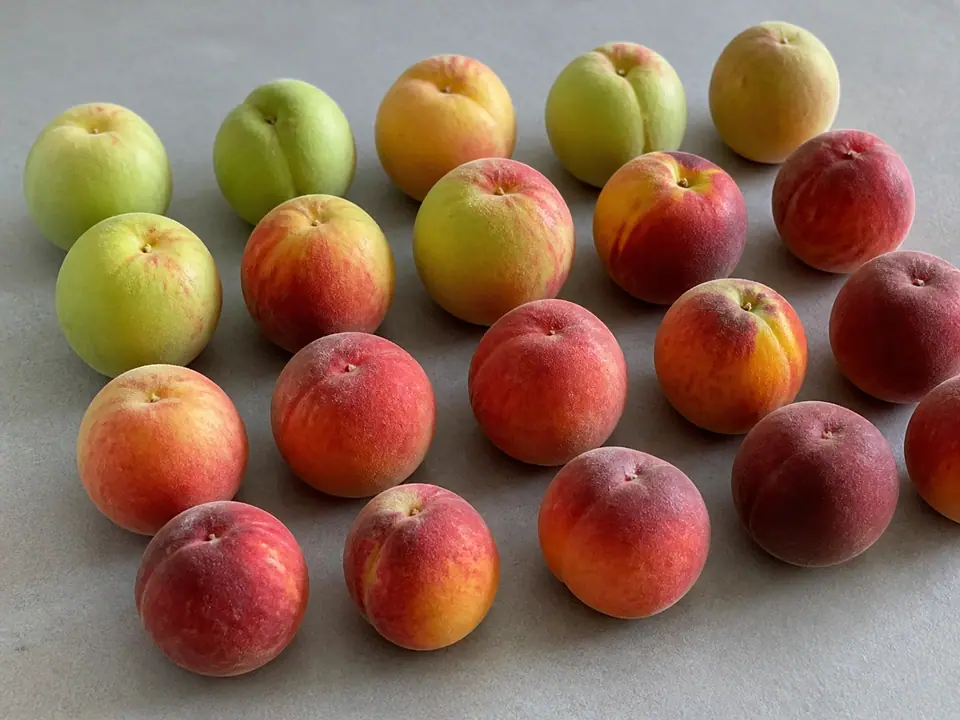
How to choose a peach that will ripen at home
Choose a peach with a fruity stem aroma, firm unbroken skin and a little room to ripen. Avoid bruises and fruit that is either rock-hard and scentless or already leaking.
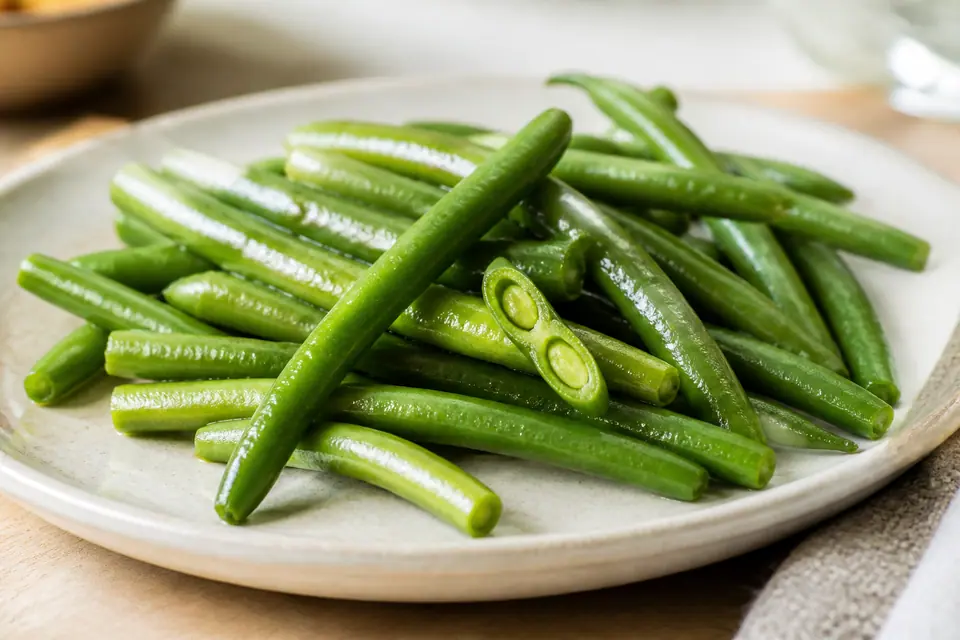
Why green beans go squeaky when they are undercooked
That squeaky bite means the bean is still too firm for the dish. Give it more heat and moisture, then stop as soon as the pod bends and the centre loses its raw resistance.
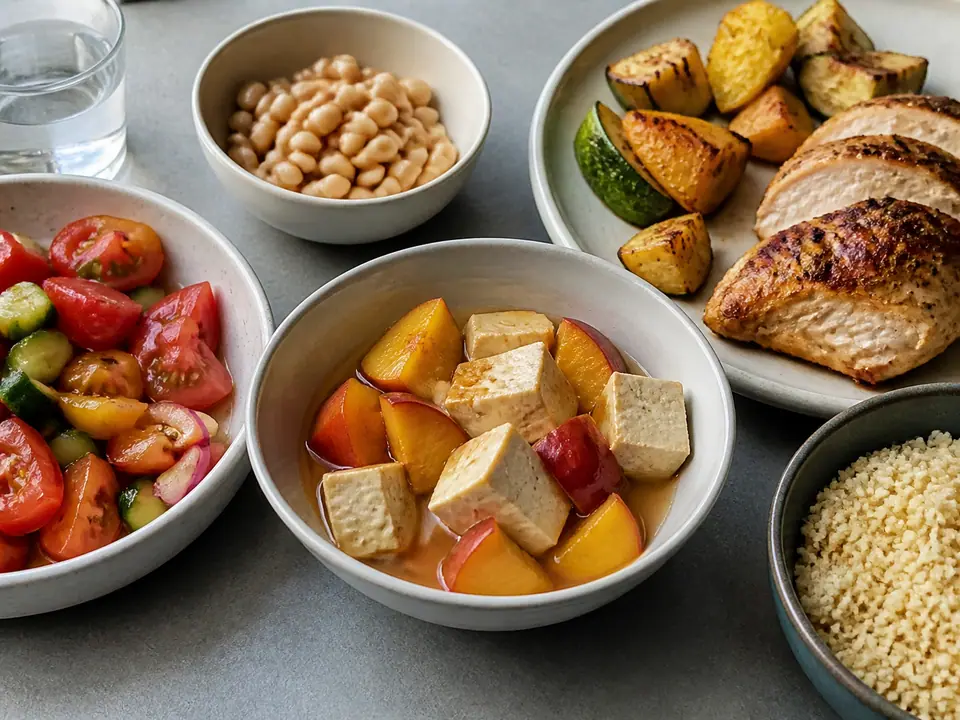
5 summer dinners for ripe peaches
Ripe peaches can carry dinner with tomatoes, tofu, beans, couscous or chicken. Use salt, herbs and acid to keep the sweetness bright rather than dessert-like.