Put ripe peaches beside salty, creamy and crisp partners
Ripe peaches can carry dinner with tomatoes, tofu, beans, couscous or chicken. Use salt, herbs and acid to keep the sweetness bright rather than dessert-like.

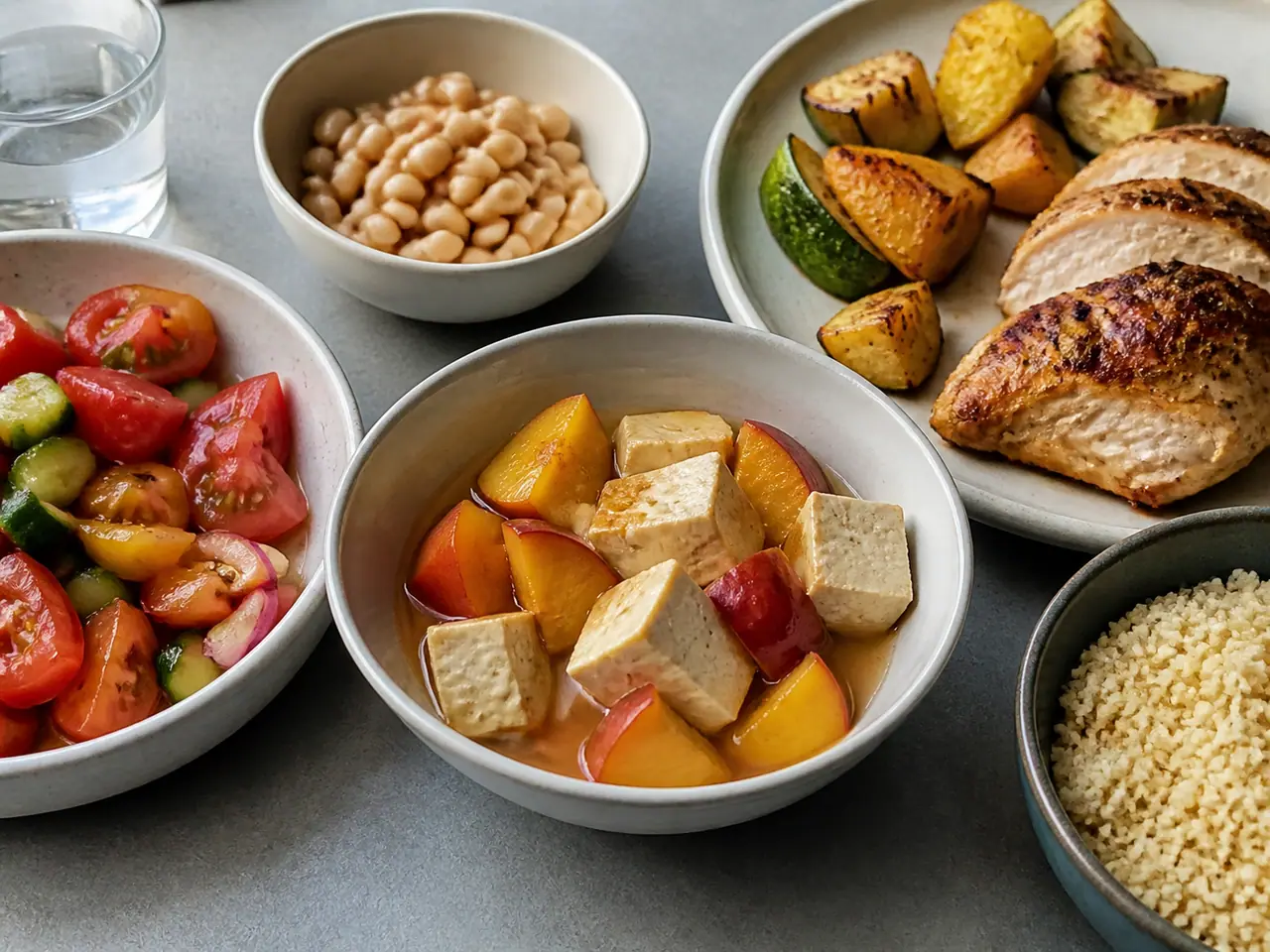
Ripe peaches do not need to be pushed straight into dessert. Their sweetness makes a useful contrast with tomatoes, salty cheese, beans, tofu and grilled chicken. Add a sharp dressing and enough texture, and the peach becomes part of dinner rather than a garnish.
Handle ripe fruit gently and cut it last. These five dinners keep the peach visible, use one warm or filling component and leave the fruit cool enough to stay juicy.
1. Tomato and peach panzanella
Toss ripe peach wedges with tomatoes, toasted bread, basil and a mustardy vinaigrette. Add white beans or soft cheese to make the bowl last.
Use firm ripe peaches so the wedges stay intact. Add the dressing close to serving to keep the bread crisp at the edges.
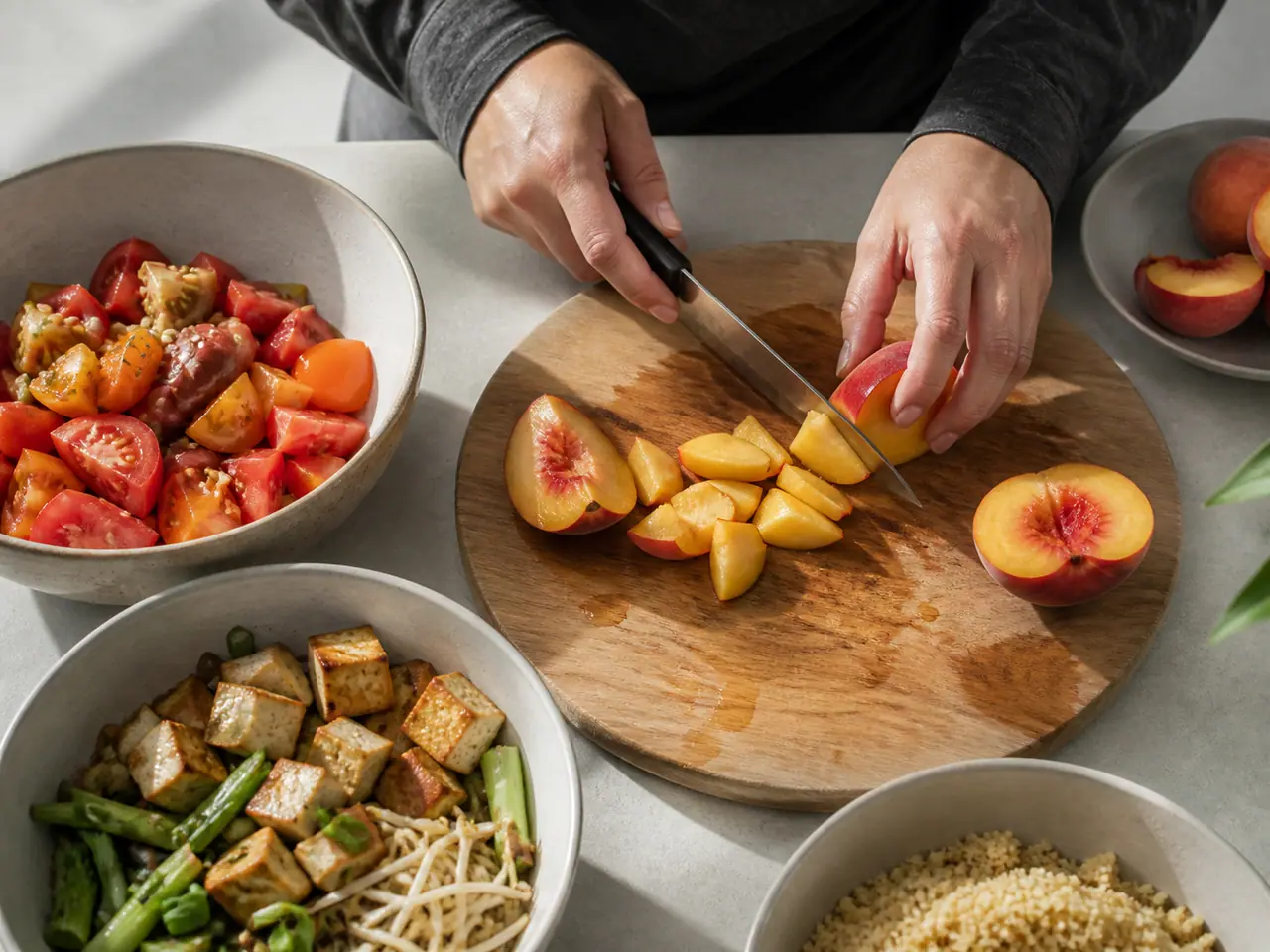
2. Crispy tofu and peach bowls
Serve browned tofu over rice with peach slices, cucumber, herbs and a soy lime dressing. Keep the peach raw and the tofu uncovered.
The tofu brings savoury crunch while peach brings juice. Add dressing to the rice and let each bite pick up the fruit separately.
I keep one piece aside so I can compare it with the next batch.
3. Grilled peaches with beans
Grill peach halves briefly, then serve with warm white beans, greens and yogurt or tahini. Finish with lemon and toasted seeds.
Use yellow peaches when you want a firmer grilled surface. Stop when the cut face marks and softens but the half still lifts cleanly.
The clock helps, but the surface gives the better signal.
4. Peach couscous with chickpeas
Fold peach dice, chickpeas, herbs and lemon through warm couscous. Add yogurt or a spoon of harissa for contrast.
Let the couscous cool slightly before the peach arrives. Too much heat turns ripe fruit into a soft sweet sauce.
That small pause saves more food than a rescue at the end.
5. Peach and chicken tray
Roast chicken with onion and spices, then add peach wedges for the final few minutes. Serve with grains and a sharp pan juice.
Peaches join late so they warm without disappearing. Use a firm ripe fruit and keep the wedges thick.
The next step works better when the excess moisture has somewhere to go.
Keep the ripe fruit visible
Ripe peaches bruise and release juice when mixed too early. Cut them on a clean board, lift rather than drag the slices and fold them through the finished dish.
Salt and acid sharpen sweetness. Add one of them, taste and stop before the peach loses its own aroma under the dressing.
I keep one piece aside so I can compare it with the next batch.
The five ideas are routes, not a demand to buy five separate sets of ingredients. I keep one filling base, one sharp finish and one contrasting texture in the kitchen, then change the shape of the peaches. Beans can become a sauce, grains can become a bowl and bread can become a plate. That is how one shop trip stays flexible without producing five versions of the same dinner.
Use the freshest pieces where the peaches is visible: a topping, salad, roast edge or late finish. Send softer sound pieces into soup, sauce or a covered skillet where time is useful. I sort the leftovers by condition rather than by recipe. The next dinner then starts with a sensible question: what needs heat today, and what can wait?
The finishing ingredient should solve the final gap. Acid wakes up a heavy pan, yogurt cools a browned edge, seeds add dry crunch and an egg makes a vegetable dinner last. I taste before adding all four. A short ingredient list feels more generous when every part has a clear job and the main peaches still tastes like itself.
For a dinner that must wait, keep the peaches whole until the last possible minute, then slice them with a clean knife. Their juice can loosen a dressing, so add it gradually and taste before adding more salt. This small pause keeps the fruit bright instead of turning the plate watery.
A flexible list works because each idea has a different texture and timing. Keep one route quick, one route hearty and one route that uses softer pieces, then choose between them after looking at what is in the bowl. Add the main ingredient late when you want it to stay distinct, or earlier when you want it to melt into the sauce. Leftovers should have a planned second shape: grains become a bowl, roasted pieces become soup and a sharp dressing can turn yesterday's tray into lunch. The goal is variety without another full shop.
For the quality and storage details behind my kitchen observations, I use the UC Davis nectarine and peach fact sheet alongside the timed test described above.
The practical verdict
Ripe peaches can make a summer dinner feel complete when they meet beans, tofu, couscous, tomatoes or chicken. Keep the fruit cool, handle it gently and season the contrast.
The panzanella is the fastest route. The grilled peach and beans are my choice when the fruit is ripe but still firm enough for heat.
Questions
What savoury foods go with peaches?
Can peaches be used in dinner?
Should ripe peaches be cooked?
How do I stop peach dinner becoming watery?
More guides
All guides →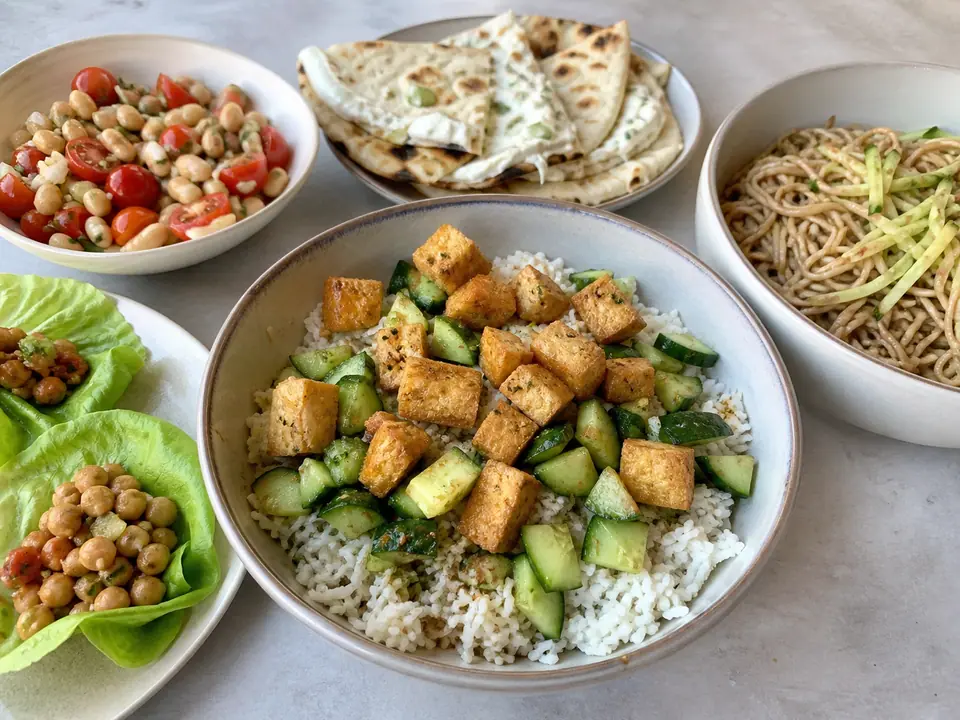
5 fresh dinners for a hot day
Five dinners that need little or no oven heat: crisp cucumber bowls, tomato beans, yogurt flatbread, cold noodles and chickpea lettuce cups.
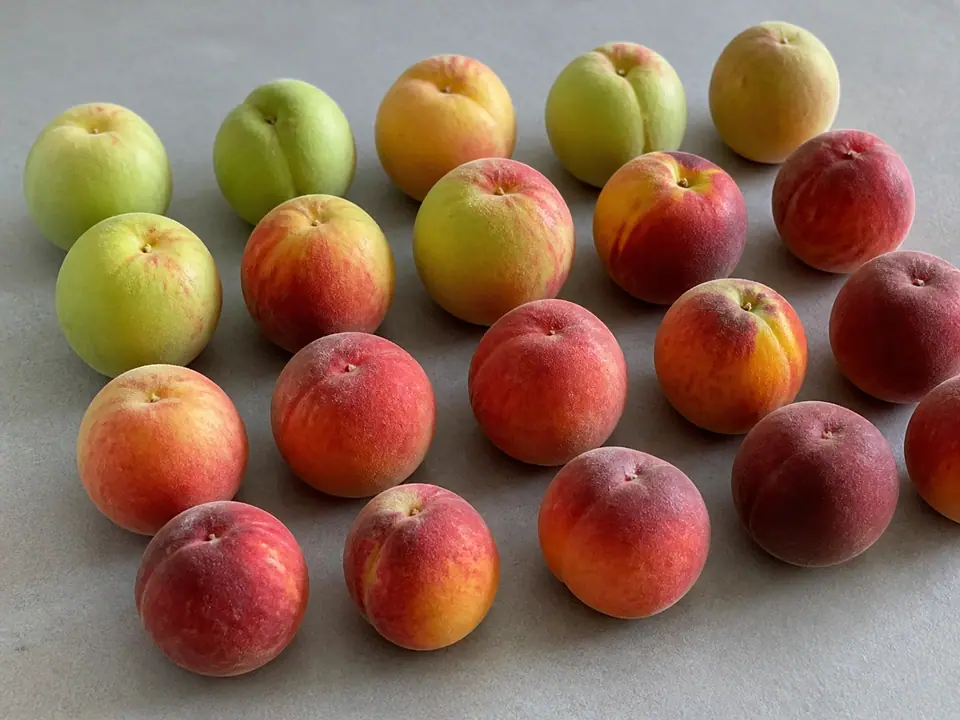
How to choose a peach that will ripen at home
Choose a peach with a fruity stem aroma, firm unbroken skin and a little room to ripen. Avoid bruises and fruit that is either rock-hard and scentless or already leaking.
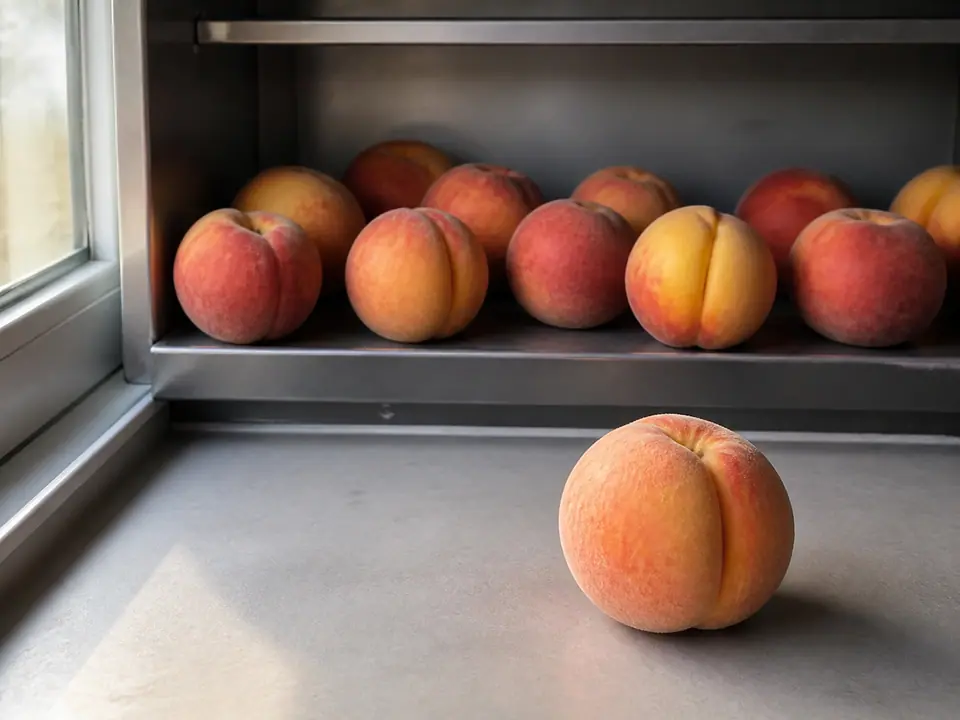
How to keep ripe peaches from bruising
Ripe peaches bruise under pressure. Store them in one layer, keep the stem area protected and refrigerate fruit once it is ready to slow further softening.