A wet, crowded pan turns mushrooms grey before it turns them golden
Mushrooms release a surprising amount of water. Give them a dry surface, a wide pan and time before seasoning if you want colour instead of a grey simmer.

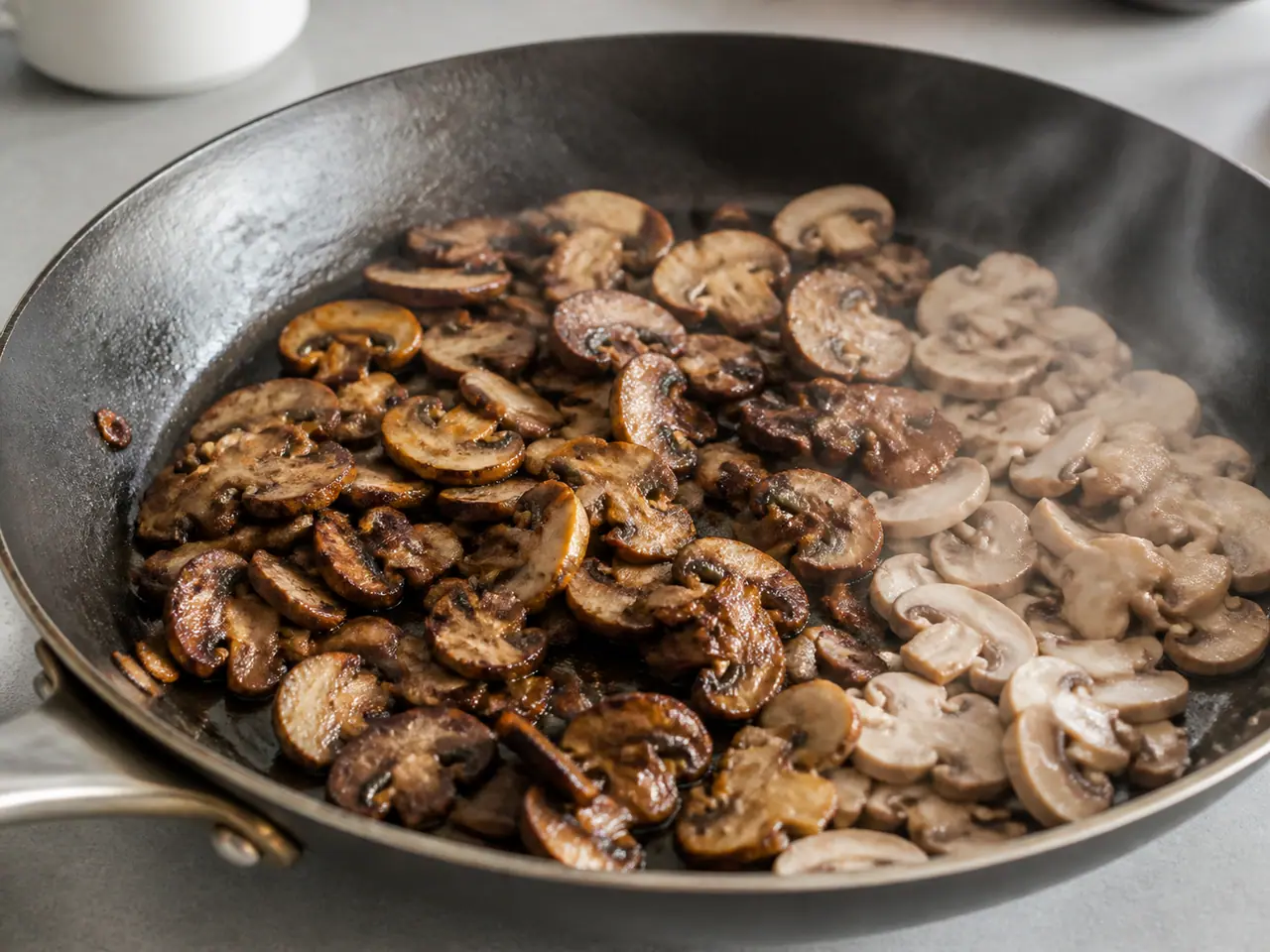
The pan is hot, the oil is shimmering and the mushrooms still turn grey. Then a pool appears under them and the whole batch shrinks into a soft, salty pile. That is steaming: the mushrooms have released more water than the pan can evaporate at once.
I get browning by changing the order rather than adding more oil. Dry the surface, use a wide skillet, add fewer pieces and leave them alone until the first side colours. Salt and sauce come later, after the mushrooms have stopped looking wet.
Mushrooms carry water inside
Fresh mushrooms are mostly water, held in cells that break as the pieces heat. That water has to turn to steam and leave the pan before the surface can brown. A mushroom can be fresh and still make a wet pan.
The first clue is sound. Browning gives a steady sizzle; steaming sounds softer and produces a visible shine between the pieces. I wait for that shine to disappear before I reach for seasoning.
Crowding is the usual cause
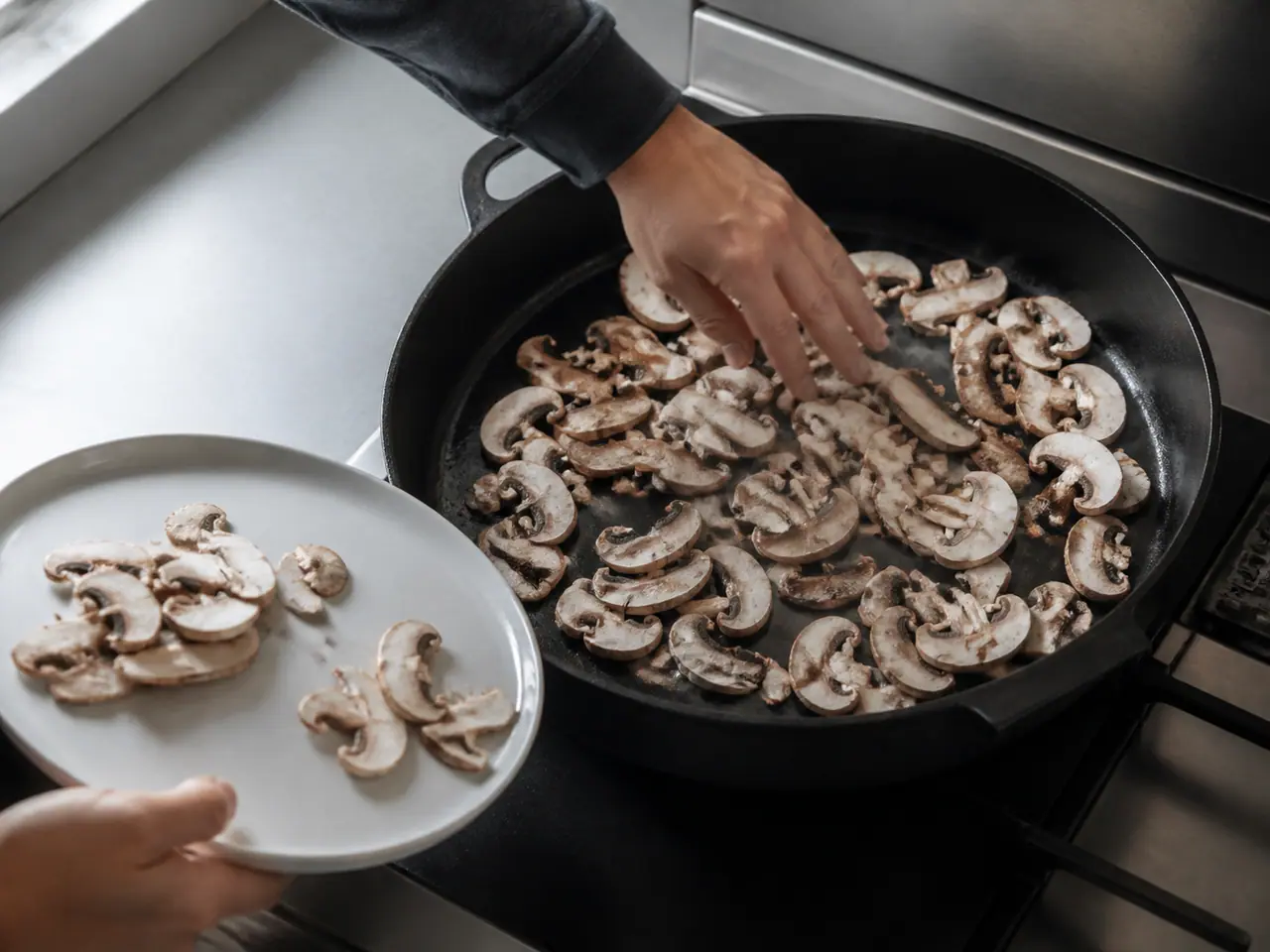
A deep layer of mushrooms cools the skillet and traps steam. The bottom pieces cook in liquid while the top ones stay pale. Even a strong burner cannot give every piece a dry contact point when the pan is full.
Cook in two batches if the mushrooms cover the base. The second batch is not extra work; it is the step that saves the first batch from becoming boiled mushrooms.
I keep one piece aside so I can compare it with the next batch.
Dry the outside, not the whole mushroom
I wipe visible soil with a damp cloth or rinse quickly under cold water when the mushrooms need it, then spread them on a clean towel. The aim is to remove surface water, not to pretend the inside is dry.
Pre-sliced mushrooms need special care because their cut faces expose more wet surface. Tip them onto a towel, pat once and cook soon. Leaving them in a wet heap only moves the problem from the packet to the pan.
The clock helps, but the surface gives the better signal.
Leave the first side alone
Mushrooms stick lightly while their surface is wet, then release as it browns. Constant stirring breaks that contact and spreads the water around the skillet. I give quarters two or three quiet minutes before turning them.
Small pieces need less time, but they still need a pause. If the pan is smoking, reduce the heat slightly rather than stirring faster. A burnt edge and a wet centre usually mean the pieces were uneven.
That small pause saves more food than a rescue at the end.
Salt and sauce change the pan
Salt draws moisture toward the surface and can make a crowded batch wetter at the start. I salt after the first colour unless the recipe specifically needs the mushrooms to soften in a sauce.
Wine, stock, cream and soy sauce are useful once the mushrooms are browned. Add them around the edge of the pan and let them reduce. Pouring liquid over pale mushrooms guarantees a simmer.
The next step works better when the excess moisture has somewhere to go.
A little browning is enough
Mushrooms do not need to be black to be cooked. Look for golden edges, a reduced pan and a centre that feels tender rather than rubbery. Colour should taste savoury, not bitter.
If the batch has steamed, keep cooking until the liquid evaporates, then add a teaspoon of oil and let a few pieces catch. It will not recreate the first ideal sear, but it can still rescue the dinner.
I keep one piece aside so I can compare it with the next batch.
The common rescue is to add more heat, but that usually makes the outside race ahead of the centre. I lower the burner, spread the mushrooms out and give the moisture a route to leave. If the pan is already wet, I wait for evaporation before adding oil, sauce or another handful. A calm correction preserves more texture than a dramatic one.
A different pan can solve the same problem. A wide metal skillet gives a dry surface; a covered pot gives gentle steam; a tray gives space around pieces. I choose the vessel by the failure I am trying to avoid. Mushrooms do not need one magic temperature. They need the right balance between contact, moisture and time.
I also taste before I decide that the ingredient is the problem. A little salt, lemon or yogurt can make a naturally strong green or earthy vegetable feel balanced, but seasoning cannot repair a raw rib or a burnt edge. First fix the physical condition, then adjust flavour. That order keeps the rescue simple and keeps the original ingredient recognisable.
For the quality and storage details that sit behind my kitchen observations, I use the UC Davis mushroom produce fact sheet alongside the timed test described above.
The practical verdict
Mushrooms steam because water has nowhere to go. A wide hot pan, dry surfaces and a quiet first turn create the dry window browning needs.
Do not chase a golden colour with more heat after the pan is already wet. Evaporate first, then brown what remains.
Questions
How do I stop mushrooms from steaming?
Should I salt mushrooms before cooking?
Why are my mushrooms watery?
Do mushrooms need high heat?
More guides
All guides →
Why frying tomato paste changes the whole sauce
Frying tomato paste removes its raw edge, concentrates its savoury flavour and coats the cooking fat before liquid is added. The colour in the pan tells you when to stop.
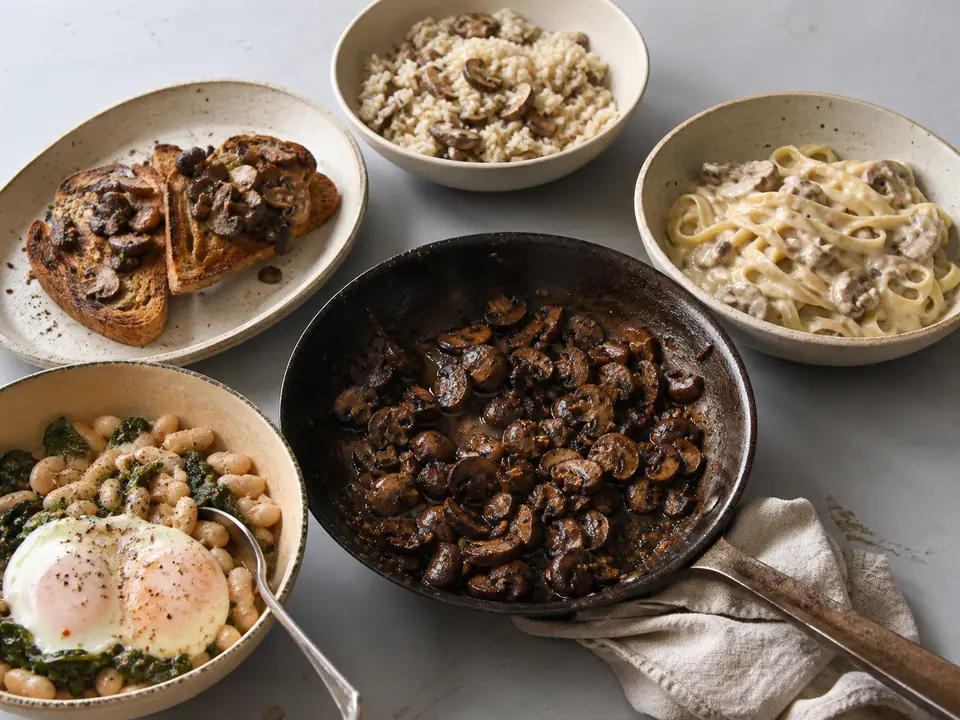
5 dinners for a box of mushrooms
A box of mushrooms can become a fast toast topping, a rice skillet, a pasta sauce, a bean dinner or a pan of eggs when the cut matches the clock.
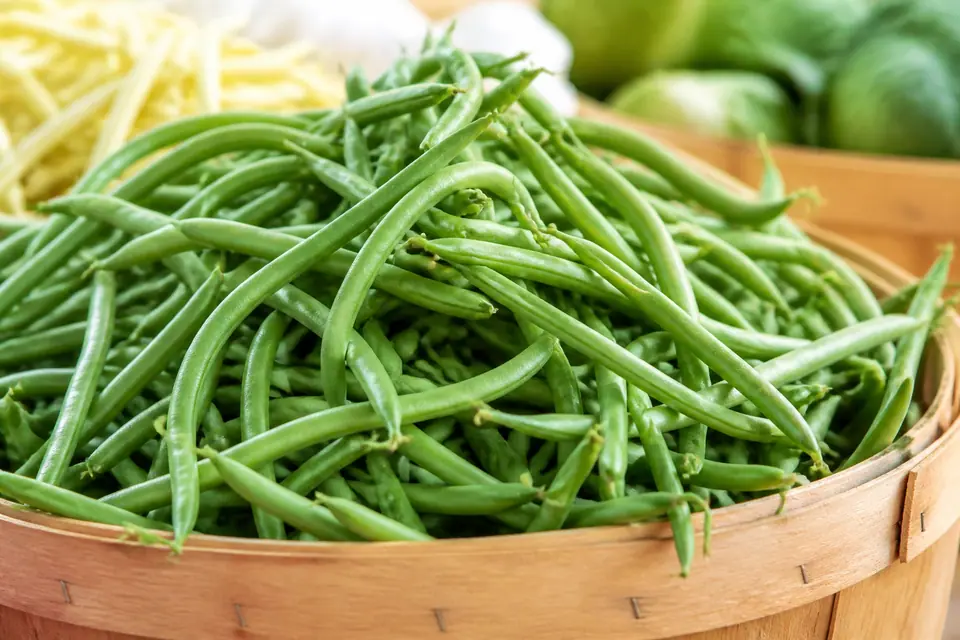
How to choose green beans that still snap
Fresh green beans are smooth, bright and firm, with a clean snap and no swollen seed bumps. A flexible limp pod is usually a thirsty older pod, not a tender one.