A warm ear is quietly becoming a starchy one
Sweetcorn is sweetest close to harvest because its sugars begin changing into starch once the ear is picked. Cold storage slows the process; it does not reverse it.

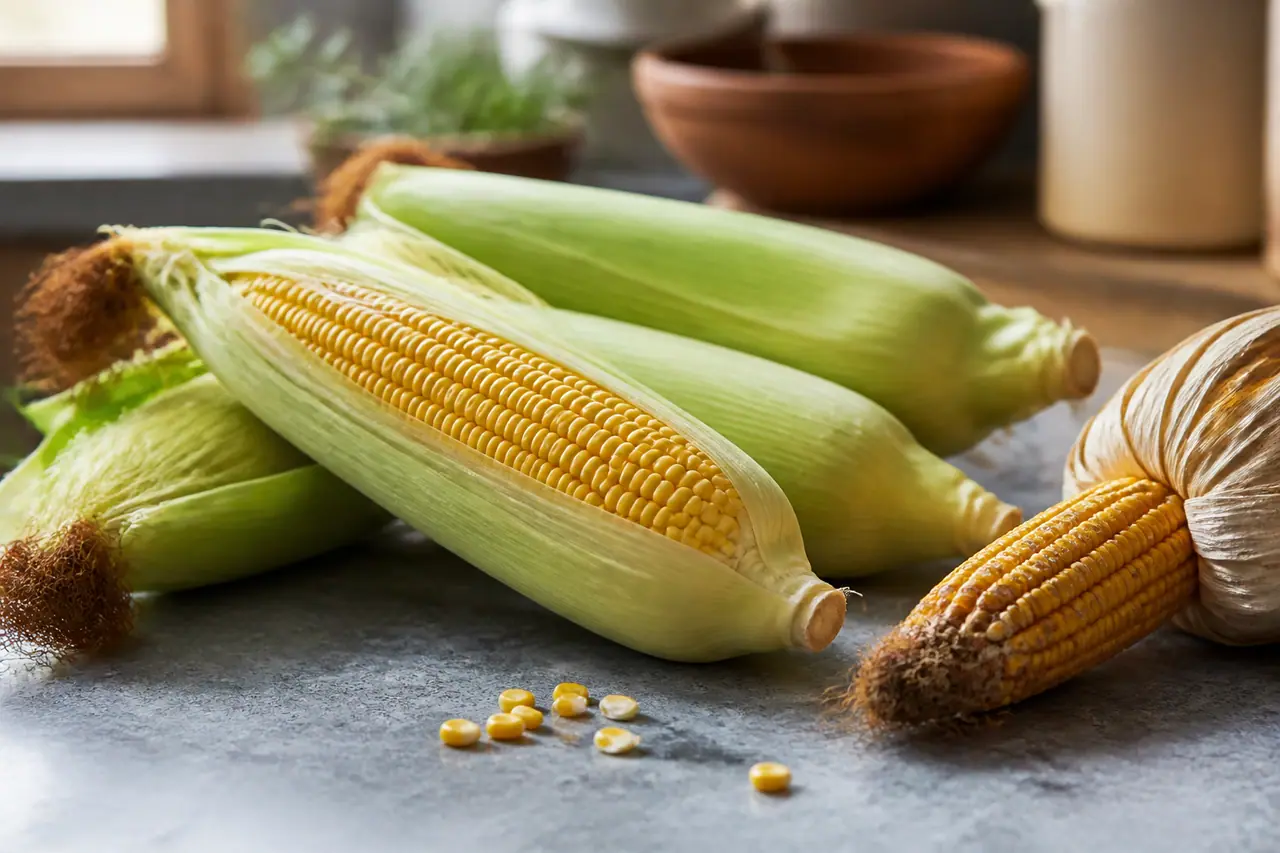
Sweetcorn does not wait politely for dinner. Once it is picked, some of the sugar in the kernels begins changing into starch. The longer the ear stays warm, the faster the eating quality falls. That is why corn from a nearby farm can taste almost like fruit, while an ear bought after a long journey needs butter and char to make its point.
Cold storage slows the change. It does not turn an old ear back into a young one. Use the freshest corn first, keep the husk on until cooking, and reach for frozen kernels when you cannot know how long the ear has been waiting.
The warm counter is where the sweetness starts to leave.
The sugar-to-starch clock starts at harvest
One kernel can tell you more than a promising green husk.
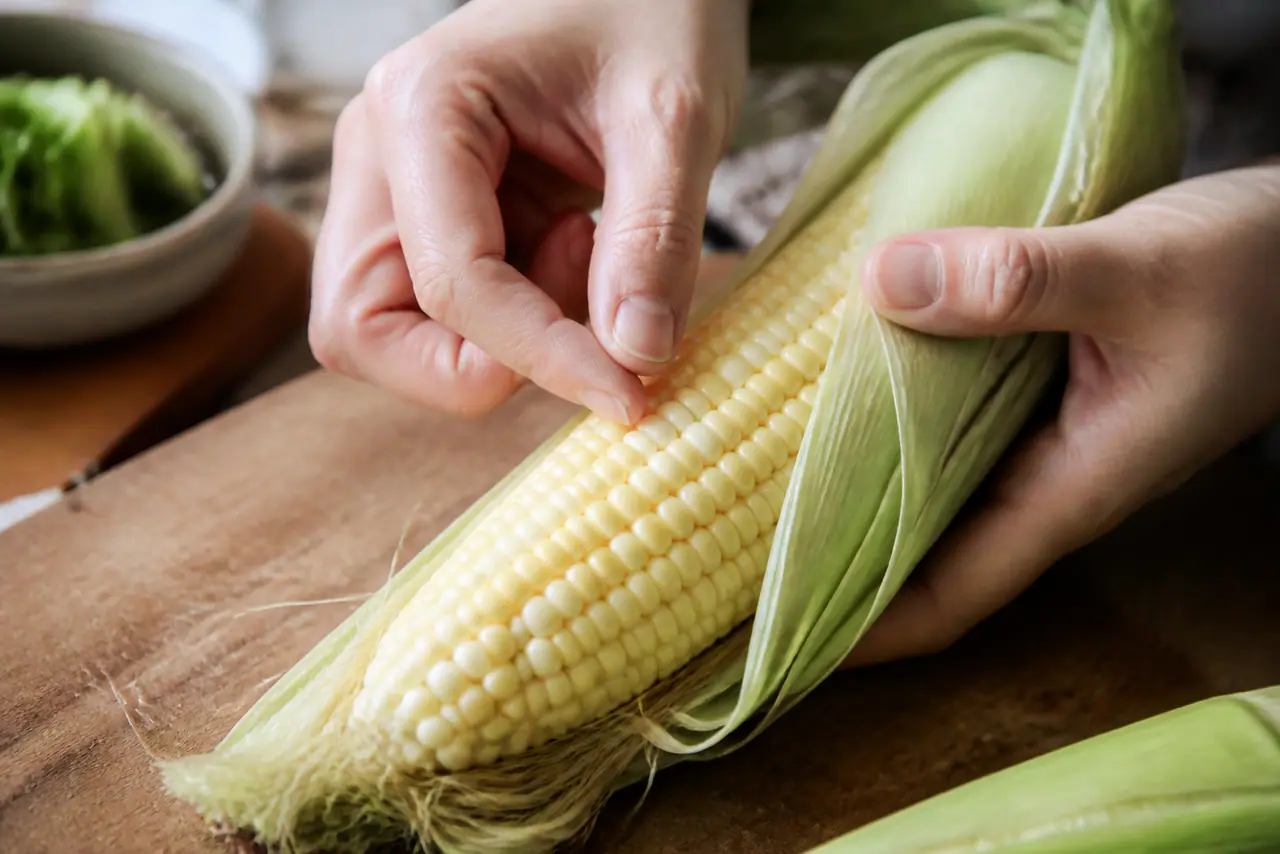
The husk hides useful information
Green husks and brown silk are good signs, but they do not give a harvest date. Feel the ear gently through the husk. It should feel full from base to tip, without a long empty point. Avoid ears with dry, dark stem ends or silk that looks wet and slimy.
If the seller allows it, peel back a small section and look at the kernels. They should be plump, even and close to the tip. An ear with tiny empty kernels at the end may still cook well, but it will not give the same generous bite as one filled all the way up.
A good ear should feel heavy before it ever meets a saucepan.
| Clue | Likely meaning | Kitchen move |
|---|---|---|
| Green husk, full ear | Good recent quality | Cook whole or grill |
| Dry stem end | Longer time since harvest | Cook today; add char |
| Milky kernel | Eating maturity | Use for simple buttered corn |
| Watery kernel | Immature ear | Use in soup or a mixed dish |
| No juice, tough skin | Overmature ear | Cut kernels and use with sauce |
Source: Maren Ashby's sweetcorn shopping test, 2026-08-28
Cold buys time
Put fresh ears in the refrigerator as soon as you get home. Leave them in their husks and use them within a few days. Refrigeration slows sugar loss and keeps the kernels from drying, while the husk gives a little protection from the dry air in the fridge.
Do not leave a basket of ears on the counter because you like how it looks. That is a decoration with a timer. If you have picked more corn than you can eat, blanch the ears or kernels and freeze them while they still taste good.
Cold storage buys a little time, but it does not give an old ear a new harvest date.
Frozen corn is a different kind of fresh
Frozen sweetcorn is not fresh in the literal sense, but it can be close to harvest in flavour. It was usually processed and frozen before a long chain of storage. The freezer holds the quality at the point of processing, so the kernels may taste sweeter than an ear that travelled without enough cold.
For home freezing, the National Center for Home Food Preservation recommends blanching whole-kernel corn for four minutes after cutting it from a blanched ear. Cool it quickly, drain it well and pack it with as little air as you can remove. The method is about slowing quality loss, not adding sweetness.
The timing changes the kind of dinner I make. A newly picked ear can be the whole point of the plate, while an older ear needs a sauce with enough savoury depth to support it. I would rather cut kernels into a tomato base than cover a tired cob with butter and hope. That choice respects what the corn is now instead of pretending storage has stopped the clock.
When sweetness has faded, texture becomes the deciding quality at dinner.
Choose the cooking method before you season. A sweet ear needs little cover, while an older one benefits from sauce, acid or a little extra browning. That small decision keeps the corn from being asked to perform a job its harvest date no longer supports.
The harvest date still matters.
A simple test at home
Cut a few kernels into a cold bowl before cooking the ear. Smell them, bite one and notice whether the juice is milky or watery. The test will not measure sugar, but it gives you enough information to choose the method. Sweet, juicy kernels deserve quick heat. Drier kernels want butter, acid or a sauce that can carry them.
That is also why I do not cook every ear the same way. The freshest corn gets boiled or grilled whole. An older ear gets cut into a tomato dish, rice or chowder, where its flavour joins other ingredients instead of having to carry the plate alone.
Taste is decided before the pan
Butter and salt can support sweetcorn, but they cannot recreate sugar that has become starch. Harvest timing and temperature do most of the work. Choose the ear that looks full and recently handled, keep it cold and use it soon. For the rest of the year, buy frozen and cook it briefly.
Char the kernels for charred corn, tomato and peach salad with tahini when you need a quick side. The dressing gives older corn some balance, while fresh kernels bring their own sweetness.
Questions
Why does corn become starchy?
How quickly should I refrigerate corn?
Can I make old corn sweet again?
Why can frozen corn taste fresher?
More guides
All guides →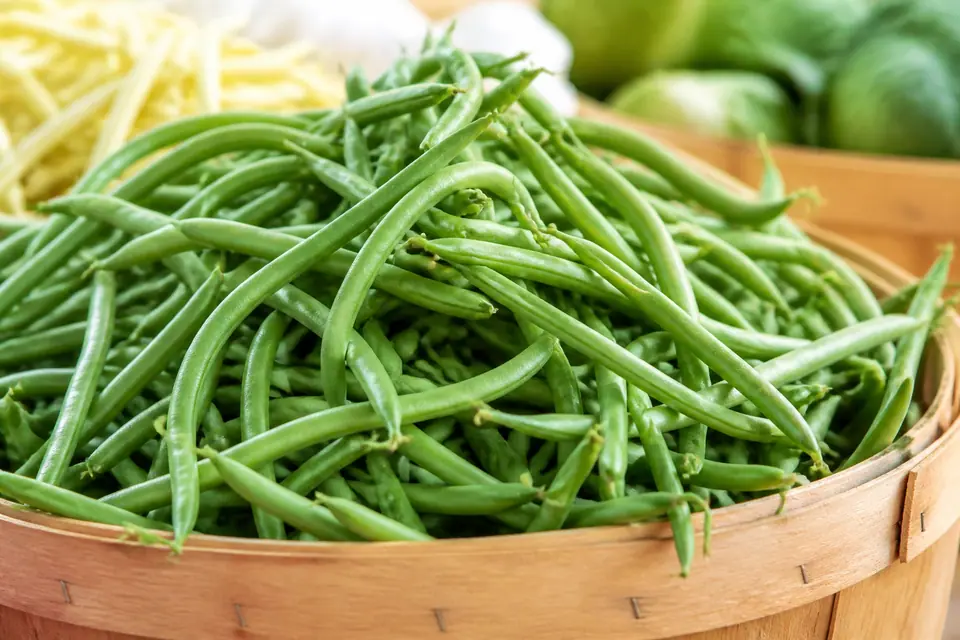
How to choose green beans that still snap
Fresh green beans are smooth, bright and firm, with a clean snap and no swollen seed bumps. A flexible limp pod is usually a thirsty older pod, not a tender one.

5 dinners for peak summer corn
Peak corn does not need an elaborate recipe. Char it for a salad, fold it into pasta, stir it through rice, pile it into tacos or make a quick chowder.
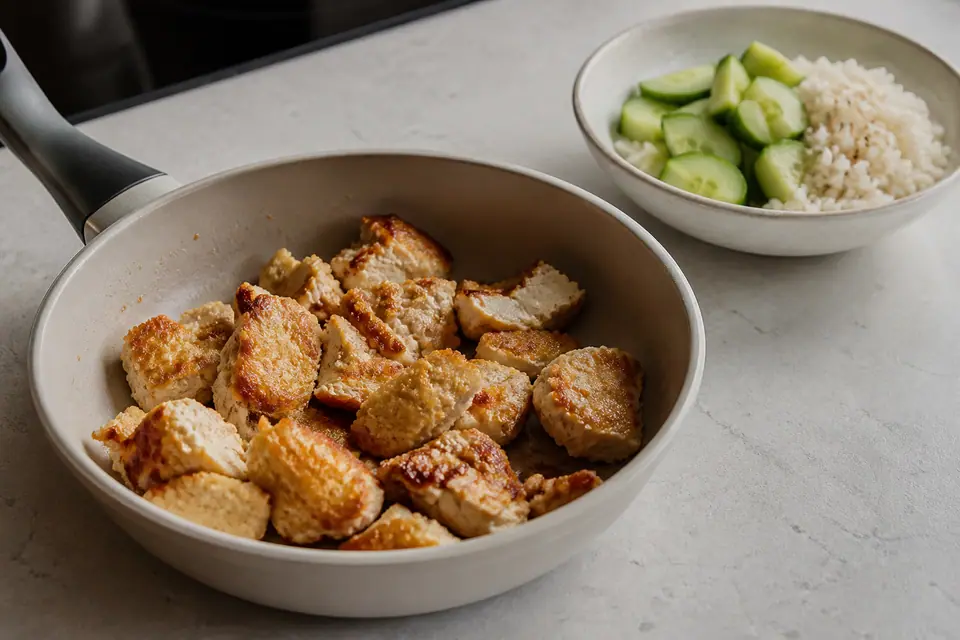
Firm vs extra-firm tofu: which crisps best?
Extra-firm tofu is the reliable choice for crisp edges and turning. Firm tofu can still work when you press it gently, use larger pieces and avoid overhandling.