Per 100 g as eaten, not per 100 g dry
Most protein rankings quietly compare dry lentils to cooked tofu. Measured the way food reaches the plate, the order changes.

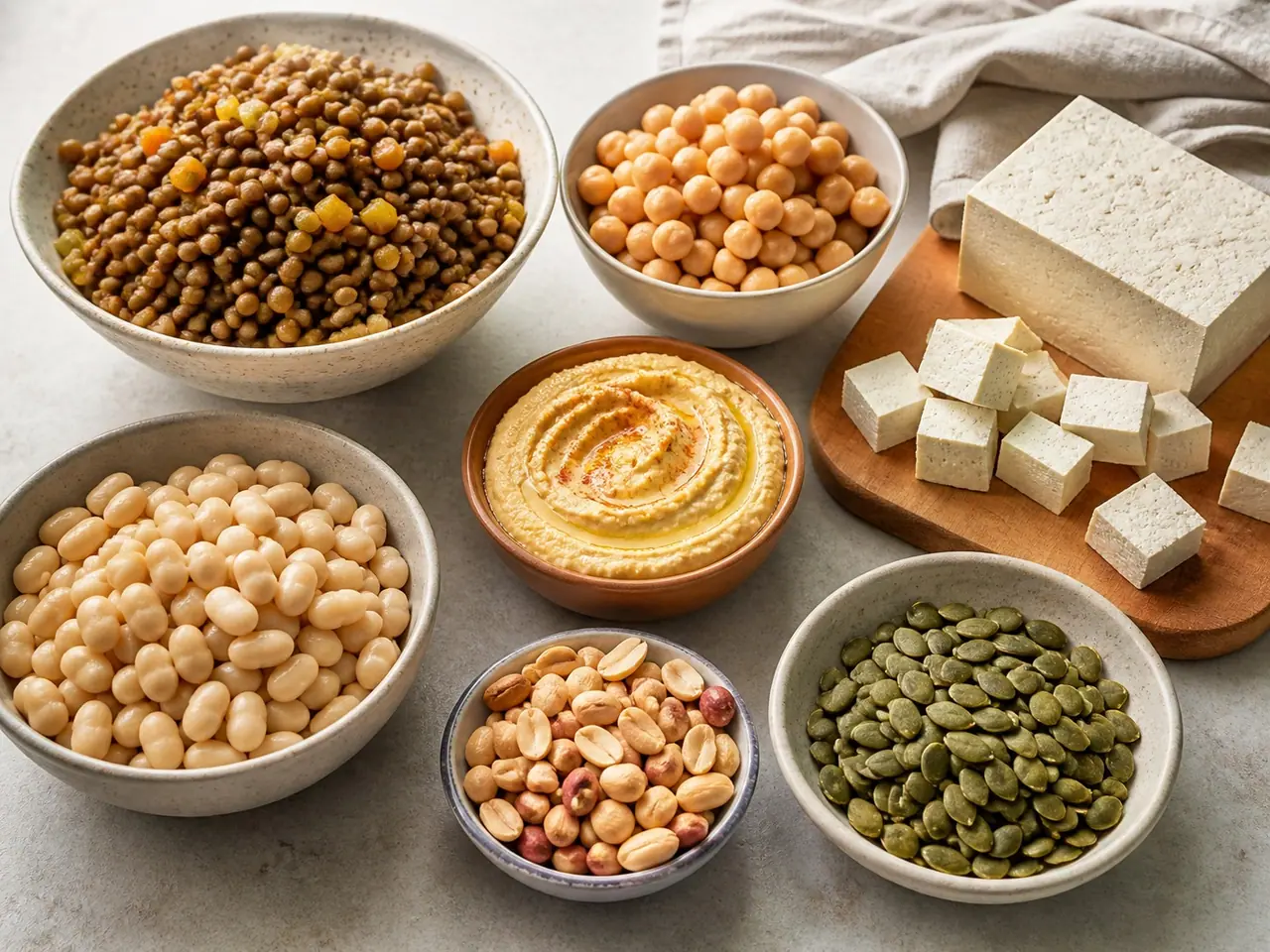
Dry lentils are 24 g of protein per 100 g. Cooked lentils are 9 g.
Both numbers are true, and only one of them is on your plate. Almost every plant-protein ranking on the internet quietly mixes the two, comparing dry pulses against cooked tofu, which is how lentils end up above tofu in tables that make no sense to anyone who has cooked either. What follows is measured the way food actually reaches a plate.
Protein per 100 g, as eaten
- Pumpkin seeds 30.2g
- Peanuts 25.8g
- Almonds 21.2g
- Tempeh 20.3g
- Firm tofu 17.3g
- Edamame, cooked 11.9g
- Lentils, cooked 9g
- Chickpeas, cooked 8.9g
Source: USDA FoodData Central
Why the top of that list is also misleading
Seeds and nuts win on density and lose on reality. Nobody eats 100 g of pumpkin seeds. That is around 560 kcal and most of a day’s fat, and you would feel unwell.
A 30 g handful, which is what a person actually eats, gives about 9 g of protein for 170 kcal. Useful, and roughly the same protein as a plate of lentils for three times the calories.
| Food | Protein per 100 kcal |
|---|---|
| Firm tofu | 10.6 g |
| Edamame, cooked | 9.4 g |
| Lentils, cooked | 7.8 g |
| Tempeh | 5.9 g |
| Chickpeas, cooked | 5.4 g |
| Pumpkin seeds | 5.4 g |
| Peanuts | 4.6 g |
| Almonds | 3.7 g |
Source: Calculated from USDA FoodData Central
The order inverts almost completely. Tofu goes from fifth to first, and the nuts fall to the bottom.
Neither table is the true one. They answer different questions: the first is what to eat when you want protein without much bulk, the second is what to eat when calories are the constraint. Most people asking about plant protein are asking the second question without realising it.
The complete protein argument, settled
Soy foods — tofu, tempeh, edamame — contain all nine essential amino acids in useful amounts. Most other plant sources are lower in one or two, usually lysine or methionine.
The idea that you have to combine them at the same meal came from a 1971 book whose author publicly withdrew the claim ten years later. Your body maintains an amino acid pool across the day. Beans at lunch and bread at dinner do the same job as beans on toast, and no one needs to plan around it.
What this looks like at the shop
- Carrying a meal on its own: tofu, tempeh, edamame. These are the ones you build a plate around.
- Adding protein to something already happening: lentils and chickpeas, stirred into a stew or a salad that was going to exist anyway.
- Seasoning with benefits: nuts and seeds. Dense, expensive per gram of protein, and worth it for texture rather than for the number.
How much do you actually need
The EU reference intake is 50 g a day for an adult, and the EFSA population reference intake works out at roughly 0.83 g per kilogram of body weight.
For a 70 kg person that is about 58 g. A bowl of lentil soup, a portion of tofu and a handful of nuts gets most of the way there without any planning at all, which is the least dramatic possible conclusion to an article with a ranking in it.
Cost, since nobody else publishes it
Dried lentils work out around eighty pence for 50 g of protein. Tofu is closer to two pounds fifty for the same. Almonds are north of six.
That spread is wider than the nutritional differences between any of them, and for most households it is the number that actually decides the shopping basket. It is also the reason pulses feed most of the world and nuts garnish it.
Questions
Do plant proteins count as complete?
Why are cooked and dry weights so different?
Is tofu processed?
What about seitan?
Does soy affect hormones?
Is pea protein as good as soy?
More guides
All guides →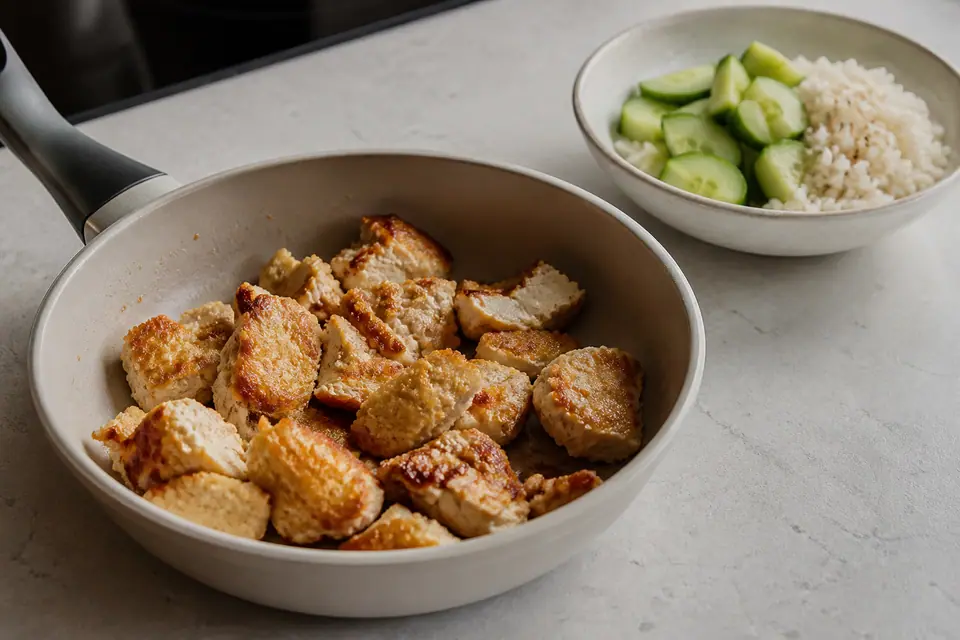
Firm vs extra-firm tofu: which crisps best?
Extra-firm tofu is the reliable choice for crisp edges and turning. Firm tofu can still work when you press it gently, use larger pieces and avoid overhandling.
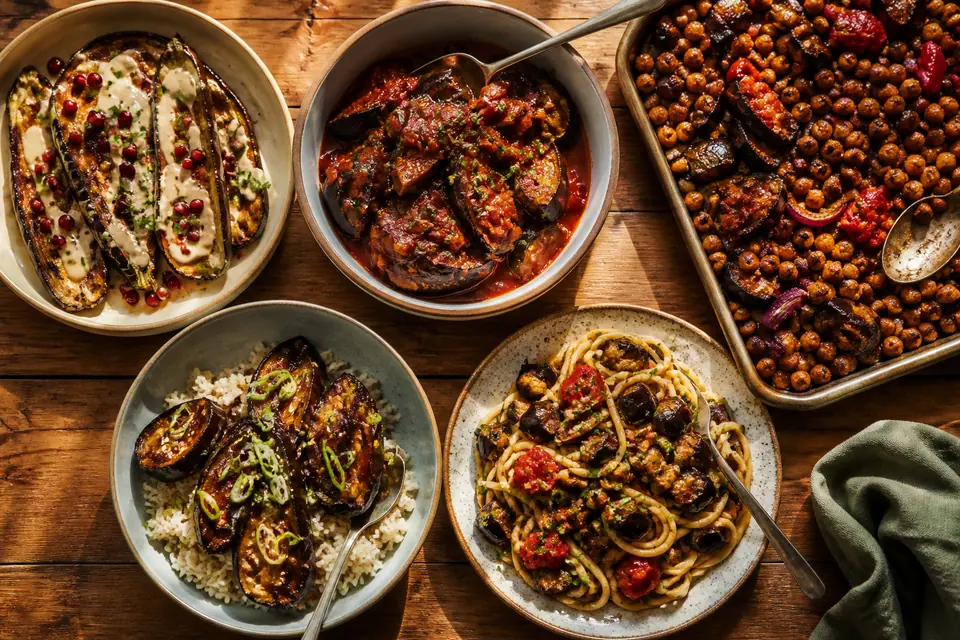
5 dinners that make aubergine the main event
Aubergine can carry dinner when it gets enough heat, a sharp finish and something with substance beside it. These five meals give it the main role.
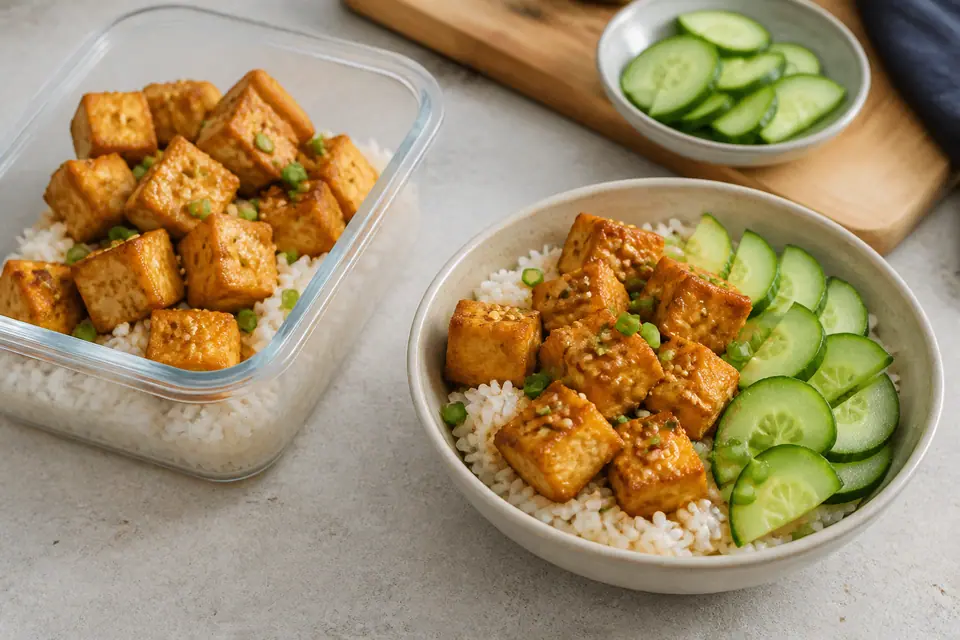
Can you freeze crispy tofu?
Crispy tofu can be frozen, but the crust softens. Freeze a cooled tofu and rice base, reheat it in a dry skillet and add cucumber and dressing after.