Use fresh for brightness, tinned for a reliable cooked sauce
Fresh tomatoes win when you want brightness and a short cook. Tinned tomatoes win when you need a dependable sauce, stew or soup all year.

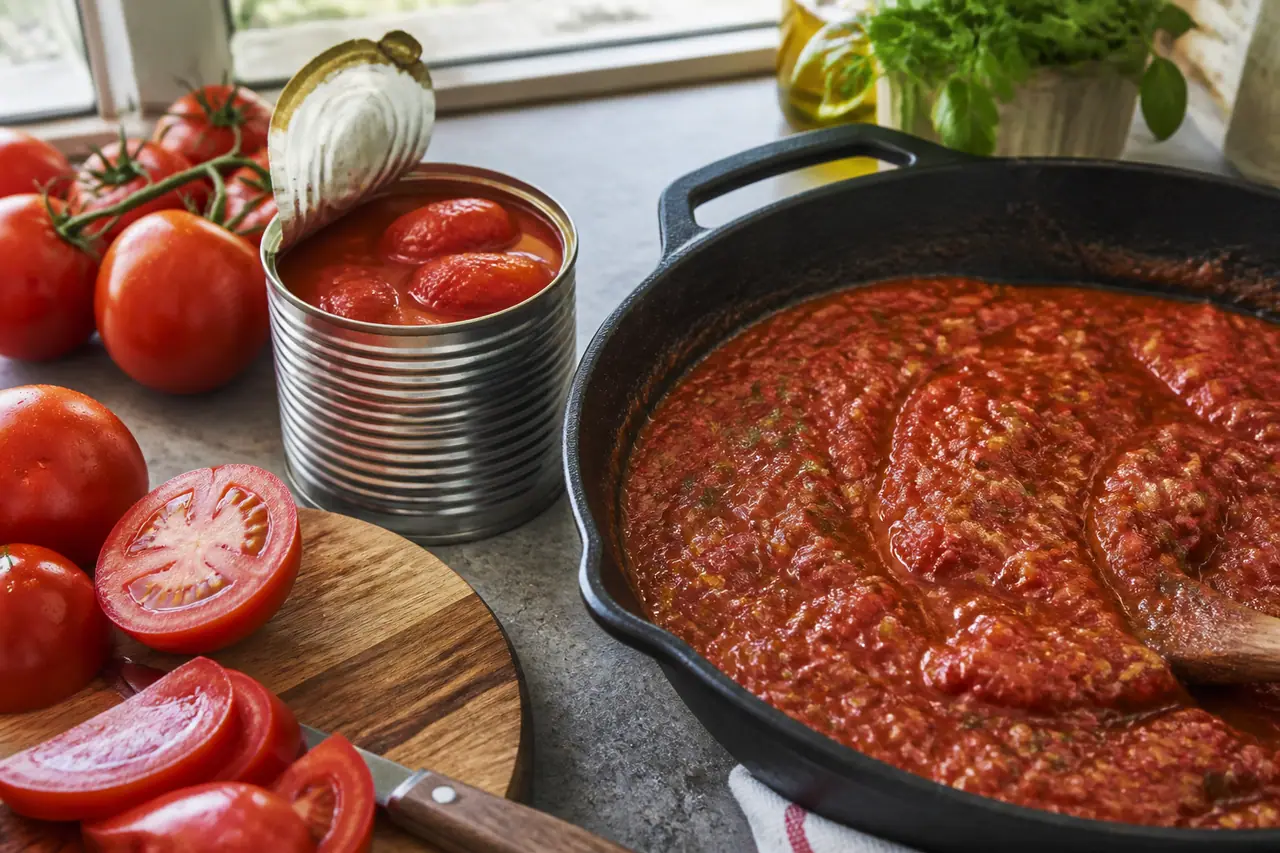
Fresh tomatoes are better when the tomato should taste bright, juicy and close to the cutting board. Tinned tomatoes are better when the tomato needs to become a dependable cooked base. That distinction matters more than the idea that one is always higher quality. A ripe summer tomato chopped over toast and a tin simmered into a winter stew are doing different jobs. The mistake is asking a firm, pale fresh tomato to provide the concentrated body that a processed tomato already has.
I have made watery sauce from expensive fresh tomatoes and lively salad from an ordinary supermarket tin. The result depends on ripeness, season, water content and the time the pan has available. Choose the form that matches the dinner, then adjust the cooking around what is actually in front of you.
Fresh tomatoes bring the top note
A good fresh tomato brings perfume, acidity and a clean juicy texture before the pan has done anything. That makes it excellent for salads, toast, quick pasta and sauces where a little freshness should remain at the end. Cut it at the last moment and keep the juices; they are part of the flavour. A pinch of salt can draw out more liquid, which is useful over bread and less useful in a pan that is already struggling to reduce.
Fresh tomatoes are also variable. A tomato picked too early can be firm, pale and watery inside even when the skin looks handsome. In a long sauce, that water has to leave before the fruit tastes concentrated. If the tomatoes are not ripe, tinned tomatoes can give a more satisfying result with much less waiting.
Tinned tomatoes bring the dependable middle
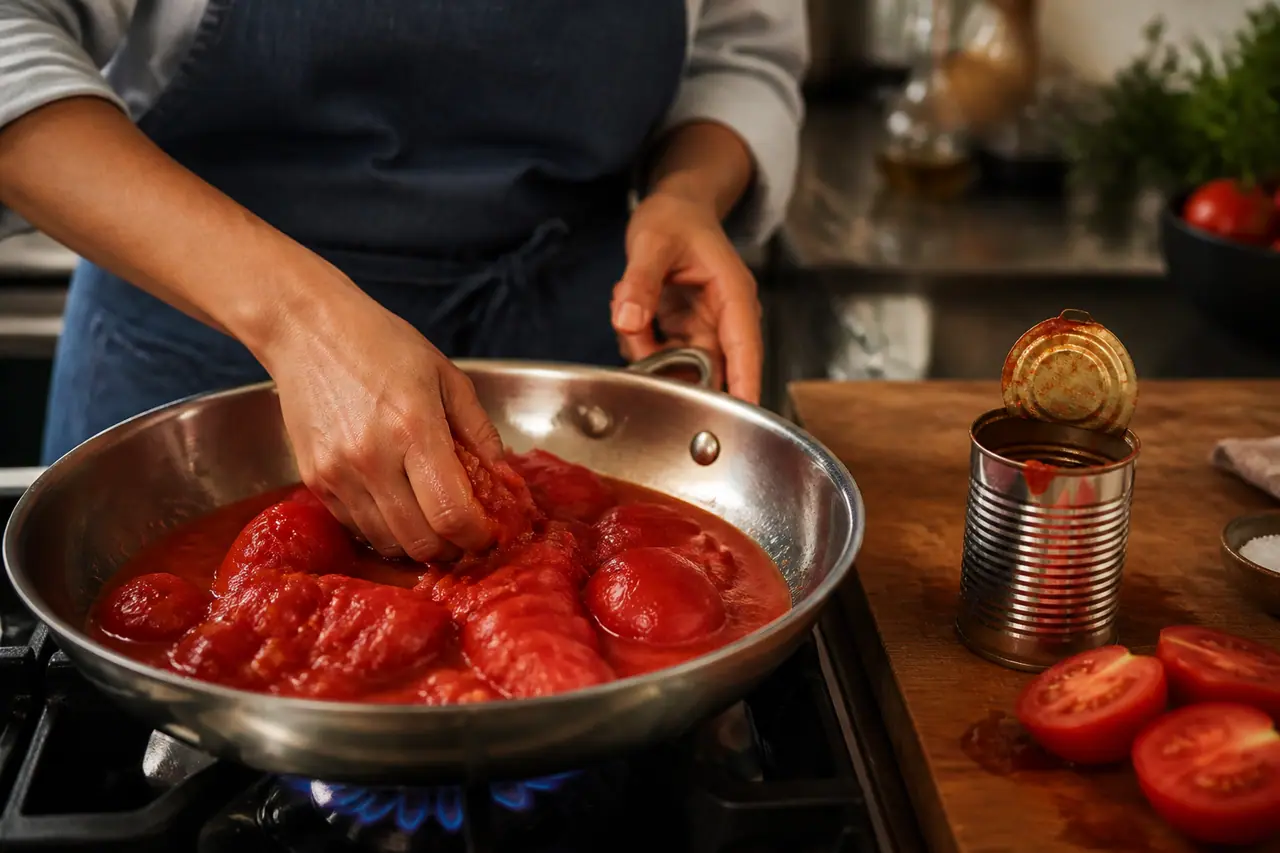
Tinned tomatoes are processed when they are ripe enough to be useful, then held in juice. That gives you a consistent starting point for soup, stew, braise and red sauce. The tin still varies by brand, but the contents usually arrive softer and more concentrated than a hard fresh tomato from a cold shelf. You can crush them by hand, leave pieces for a rustic dish or blend them into a smooth base.
The main trade is freshness. Tinned tomatoes can taste deep and cooked, but they will not give a raw tomato the same lift. I add fresh herbs, lemon, olive oil or a few chopped fresh tomatoes at the end when I want that top note. The tin builds the body; the fresh finish gives it light. That combination is useful in winter, when a good sauce matters more than pretending a hard supermarket tomato is in peak season. It is also a practical way to use both forms in one meal: cook the tin into the base, then fold the fresh pieces through after the heat is off so they keep their shape and aroma.
| Dinner | Better starting point | Reason |
|---|---|---|
| Fresh salad or toast | Fresh tomatoes | Juicy, bright texture stays visible |
| Long stew or braise | Tinned tomatoes | Reliable body and less chopping |
| Quick pasta | Either | Fresh for lift, tinned for sauce |
| Winter soup | Tinned tomatoes | More consistent flavour out of season |
| Summer roast | Fresh tomatoes | Ripe flesh sweetens at the edges |
Source: Maren Ashby's seasonal kitchen comparison, 2026-01-11
The pan decides how much water you can afford
When using fresh tomatoes for sauce, cut them into pieces that can soften quickly and use a wide pan. The extra surface area lets steam leave. Do not cover the pan unless you are trying to soften tough skins or cook another ingredient at the same time. Taste after the first reduction; some fresh tomatoes need a little paste or stock, while others need only salt and olive oil.
With tinned tomatoes, drain only when the recipe needs less liquid. The juice carries flavour and can be reduced with the fruit. If you drain automatically, you may remove the part that makes a braise tender. If you tip everything into a narrow pot, you may create a thin sauce that takes too long to become concentrated. The tomato form cannot rescue a pan with no route for water to escape.
The verdict
Fresh tomatoes are better for brightness, salads, toast and quick meals built around ripe fruit. Tinned tomatoes are better for reliable cooked sauces, soups and stews. When fresh tomatoes are hard, pale or watery, the tin is not a compromise; it is the more sensible ingredient. When fresh tomatoes smell of summer and taste good before cooking, let them stay visible and keep the simmer short.
Questions
Are fresh tomatoes better than tinned tomatoes?
Can I replace fresh tomatoes with tinned?
Why is my fresh tomato sauce watery?
Are tinned tomatoes good in summer?
Ingredients in this guide
More guides
All guides →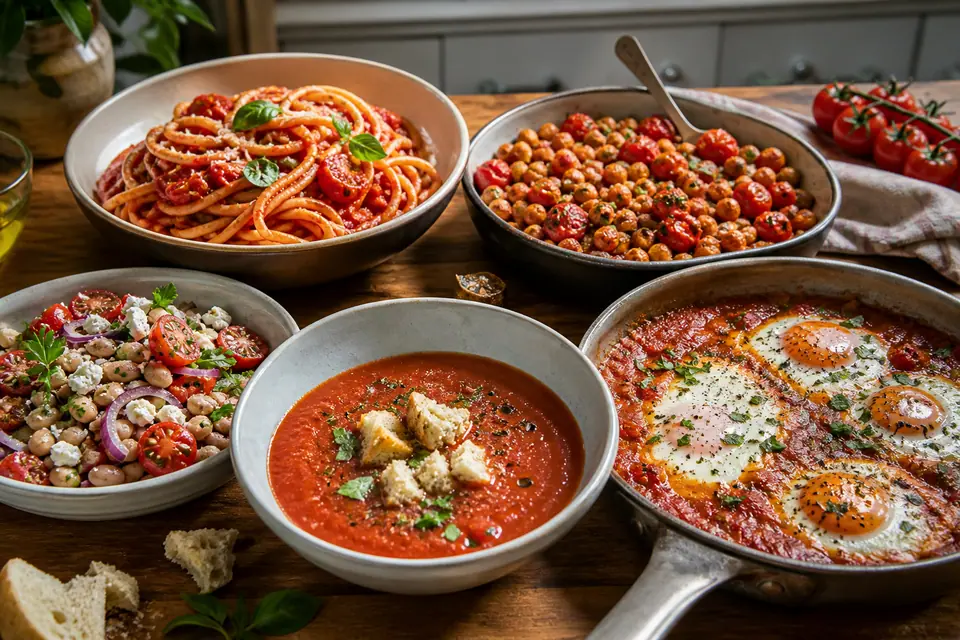
5 dinners for a glut of fresh tomatoes
Use a glut of fresh tomatoes in a wide-pan sauce, roast tray, tomato eggs, soup or a bread topping. Match the method to how ripe they are.
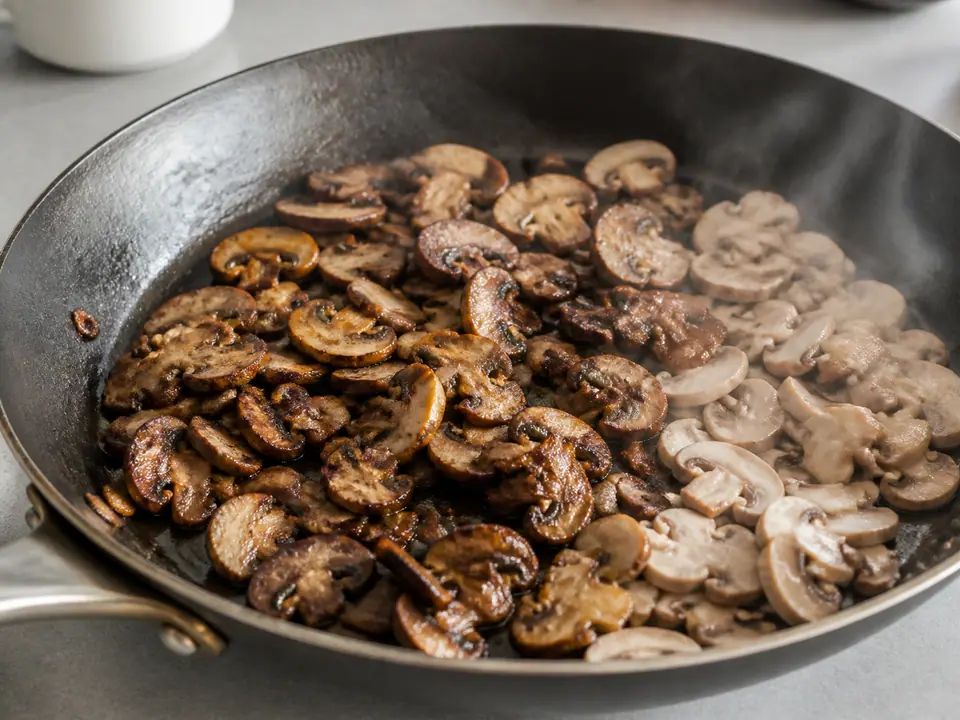
Why mushrooms steam instead of brown
Mushrooms release a surprising amount of water. Give them a dry surface, a wide pan and time before seasoning if you want colour instead of a grey simmer.

How to choose carrots that are crisp, not rubbery
Firm carrots with a fresh stem end and smooth, unbroken skin are more likely to stay crisp. Rubberiness means water has already left the root.