Fresh corn wins at the farm; frozen wins after a long journey
A freshly picked ear is hard to beat. For supermarket corn that has travelled or waited, frozen sweetcorn often has more sweetness and a cleaner bite.

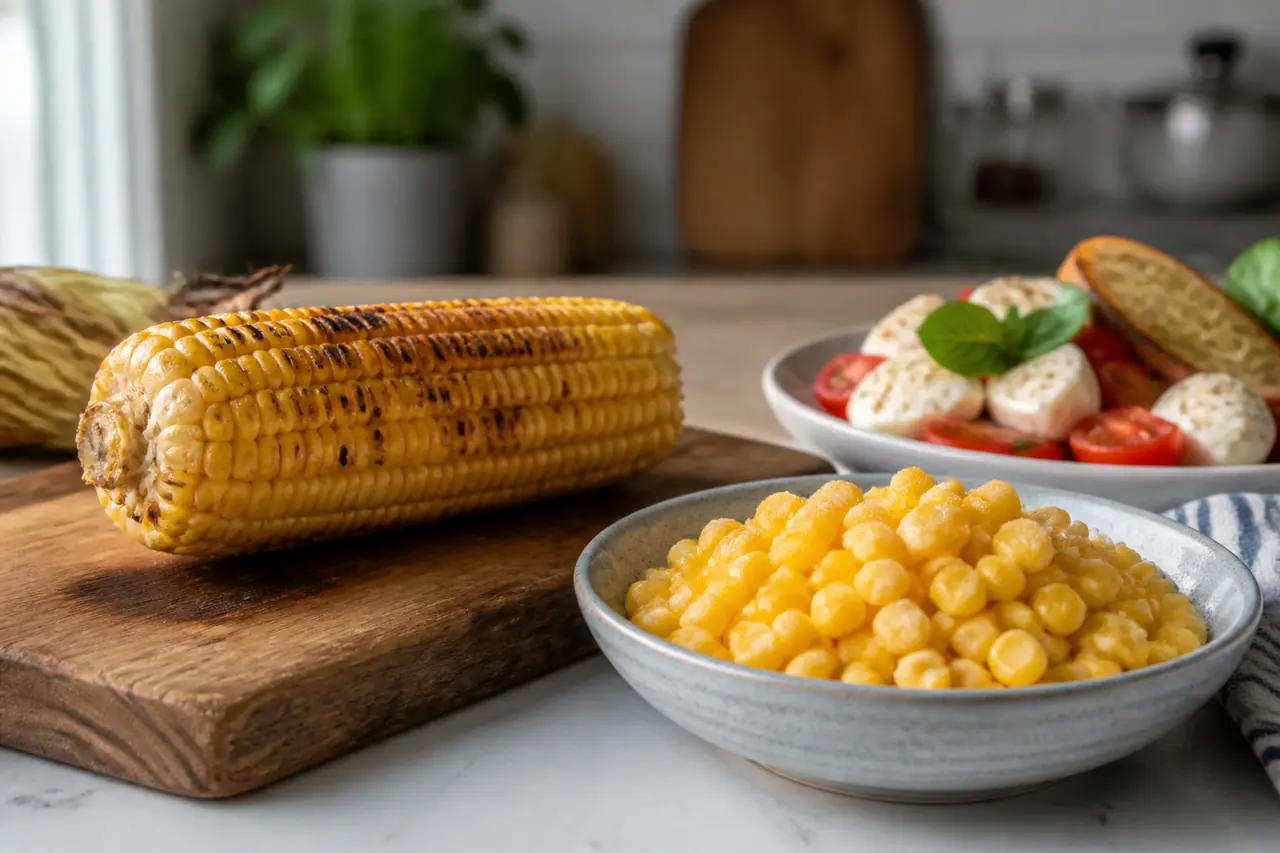
Corn on the cob has the romance and the texture, but the ear in a supermarket is not always fresh in the way people mean. Sweetcorn starts losing sweetness after it is picked as sugar changes into starch. Frozen kernels are usually processed soon after harvest, so they can taste sweeter than an ear that spent a few warm days travelling.
I tested an ear of supermarket corn against frozen sweetcorn in the same buttered pan. The fresh ear had the better chew and a little more roasted flavour. The frozen kernels were sweeter, juicier and easier to use. If the corn is from a nearby farm and you will cook it tonight, choose the cob. If it has travelled or dinner is tomorrow, frozen is the more reliable ingredient.
The ear and the bag are not the same kind of fresh.
The weeknight taste test
The same butter, salt and pan; the ear cut from the cob after cooking.
Frozen sweetcorn
8.4
out of 10 for sweetness
✓ Better after a long journey
Supermarket corn on the cob
7.5
out of 10 for sweetness
The fresh ear had more chew and a nicer roasted edge. The frozen kernels had the sweeter centre and were the better choice for an ordinary midweek dinner.
Source: Maren Ashby's kitchen comparison, 2026-08-28
Fresh corn depends on when it was picked
I taste the kernels before I decide whether the cob deserves the grill.
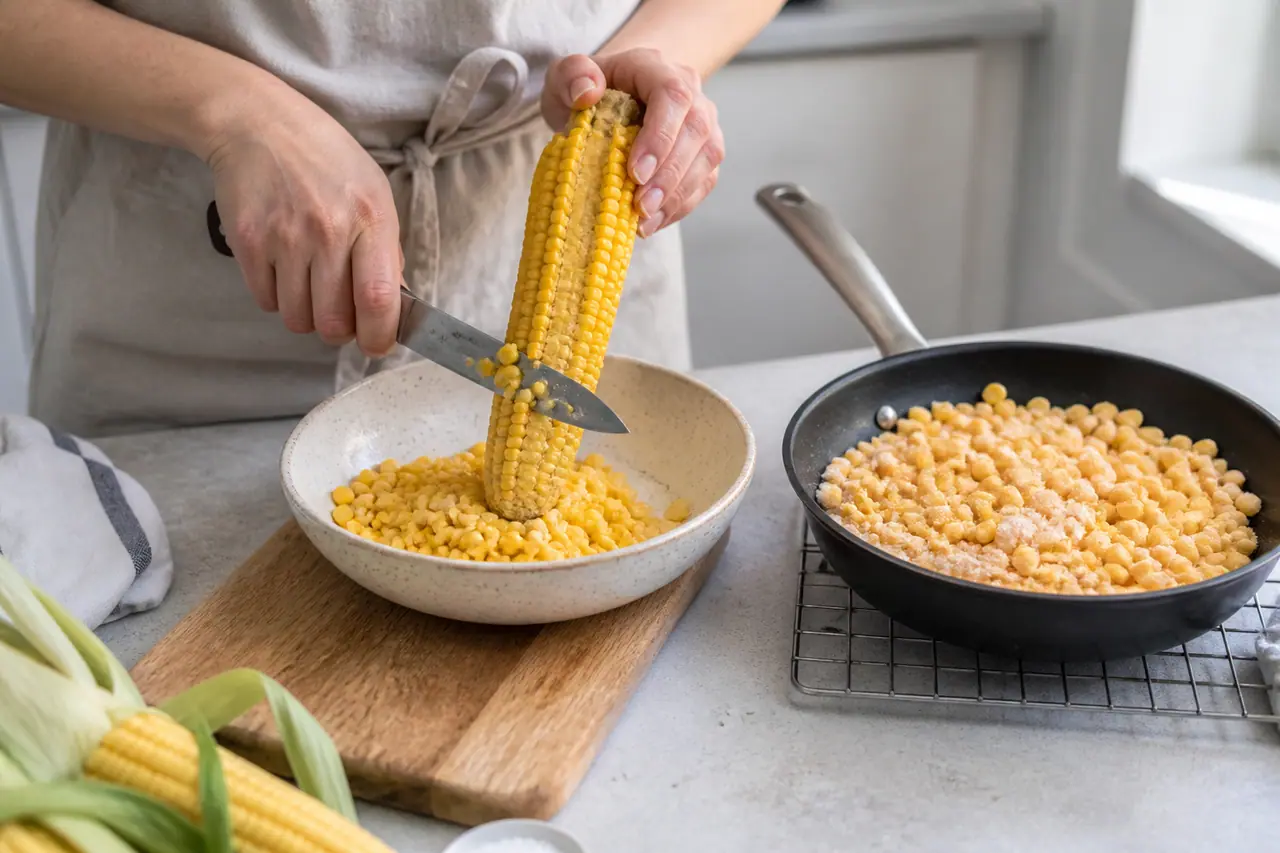
Frozen corn keeps the sweet part
Frozen sweetcorn is harvested, prepared and frozen before it has had time to sit in a warm kitchen. Freezing does not make poor corn good, but it can preserve the sweetness of a good harvest. The kernels lose the pleasure of eating from the cob, yet they gain convenience and a more even result across the year.
Frozen corn is also easier to portion. Take a cup for a salsa, a handful for rice or a full bag for a soup. There is no husk, silk or cob to discard. That changes the comparison from a summer ritual to a useful everyday ingredient.
| Format | Best quality | Best use |
|---|---|---|
| Fresh ear | Picked recently and cooked soon | Grilled, boiled or eaten from the cob |
| Frozen kernels | Loose, bright and kept frozen | Rice, soup, pasta and quick sautés |
| Canned kernels | Soft and ready to use | Salsa, chowder and emergency meals |
| Fresh cut kernels | Used on the day of cutting | Fritters, salads and skillet dishes |
Source: Maren Ashby's sweetcorn comparison, 2026-08-28
The cob has a texture advantage
Fresh corn on the cob gives you a whole-kernel bite that frozen kernels cannot quite copy. The cob keeps the kernels together, and grilling or charring gives the outside a smoky edge. That is the reason to choose it, not a belief that every fresh ear is automatically sweeter.
Boil or steam the ear until the kernels are tender, then eat it with butter and salt. For grilling, cook it until a few kernels take colour rather than scorching the whole surface. Cut the cooked kernels from the cob only after the ear has cooled enough to hold. A sharp knife and a tea towel catch more corn than a shallow plate.
Frozen corn has a weeknight advantage
Frozen kernels brown well if you dry them before they hit the pan. Add them to a hot skillet in a single layer and leave them alone for a few minutes. If you stir constantly, they steam. If they are still icy, the pan cools and the corn turns wet.
Use frozen corn in the charred corn, tomato and peach salad with crispy chickpeas when fresh ears are not worth the trip. Let the kernels take colour first, then add the tomatoes and peach off the heat so the salad stays bright.
The pan cannot repair an ear that was already dry at the shop.
If I am serving corn as the main vegetable, I want the cob to earn its space with texture. If the ear is only one ingredient among rice, beans or a salad, loose frozen kernels make more sense because they spread through the dish and can be portioned without leftovers. The format should match the role, not the label.
The verdict
Fresh corn on the cob wins for a summer meal eaten close to harvest. It has better chew, better char and the pleasure of a whole ear. Frozen sweetcorn wins for reliability, especially when fresh corn has travelled or waited. Keep both choices available and let distance, timing and texture decide.
Questions
Is frozen sweetcorn sweeter than corn on the cob?
Does frozen corn need to be thawed?
How can I tell if an ear of corn is fresh?
Is corn on the cob better boiled or grilled?
More guides
All guides →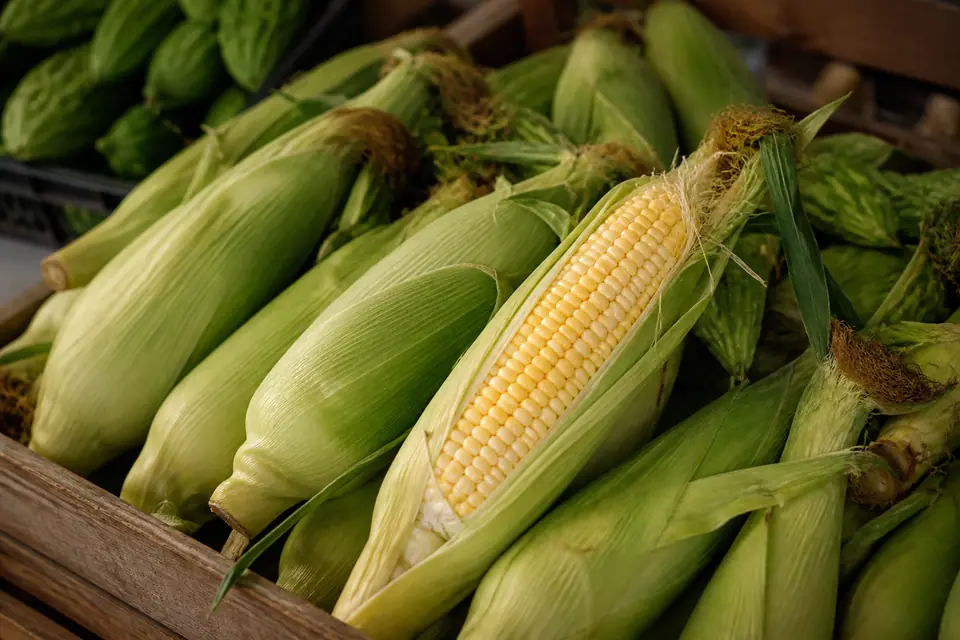
How to choose sweetcorn with juicy kernels
Good sweetcorn feels full, has a green husk and fresh silk, and shows no dry stem or empty tip. Buy the ear that feels juicy, not the one with the loudest colour.
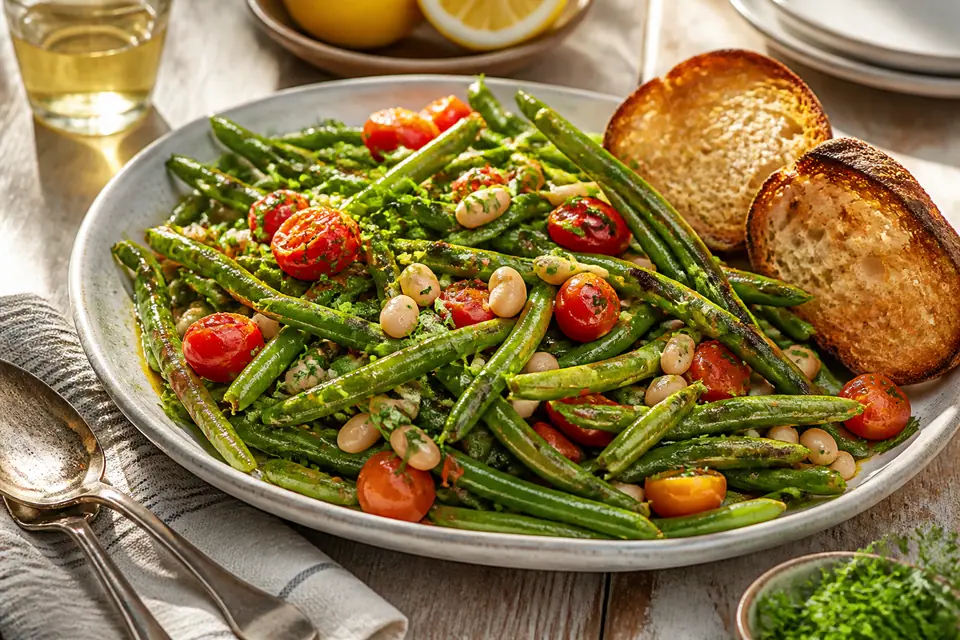
5 summer dinners for green beans
Use green beans as the vegetable that carries dinner: blister them with tomatoes, fold them through noodles, pair them with eggs or build a warm white-bean skillet.

Cauliflower vs broccoli: which roasts better?
Cauliflower gives a more even roast and creamy centre. Broccoli browns faster and has better crisp tips, so the winner depends on the texture you want.