Five dinners where leeks are not background flavour
These five dinners use leeks as the vegetable you notice: slowly softened, browned, folded through pasta, layered into a gratin or paired with beans and lemon.

A leek disappears when it is treated as a supporting onion. It becomes dinner when you cut it into generous pieces, cook it until soft and let its sweetness carry the plate. These are five routes I use when a bunch of leeks needs to be the point rather than the first line of a long ingredient list.
The first decision is whether the leek gets time, heat or both.
Wash the leeks carefully before you start, because the layers can hold soil. Then choose the cooking speed that fits the evening: a slow pan when you have time, pasta when you do not, or a traybake when the oven can do the work. Every idea below has enough protein, starch or richness to feel like dinner, not a side dish waiting for a main.
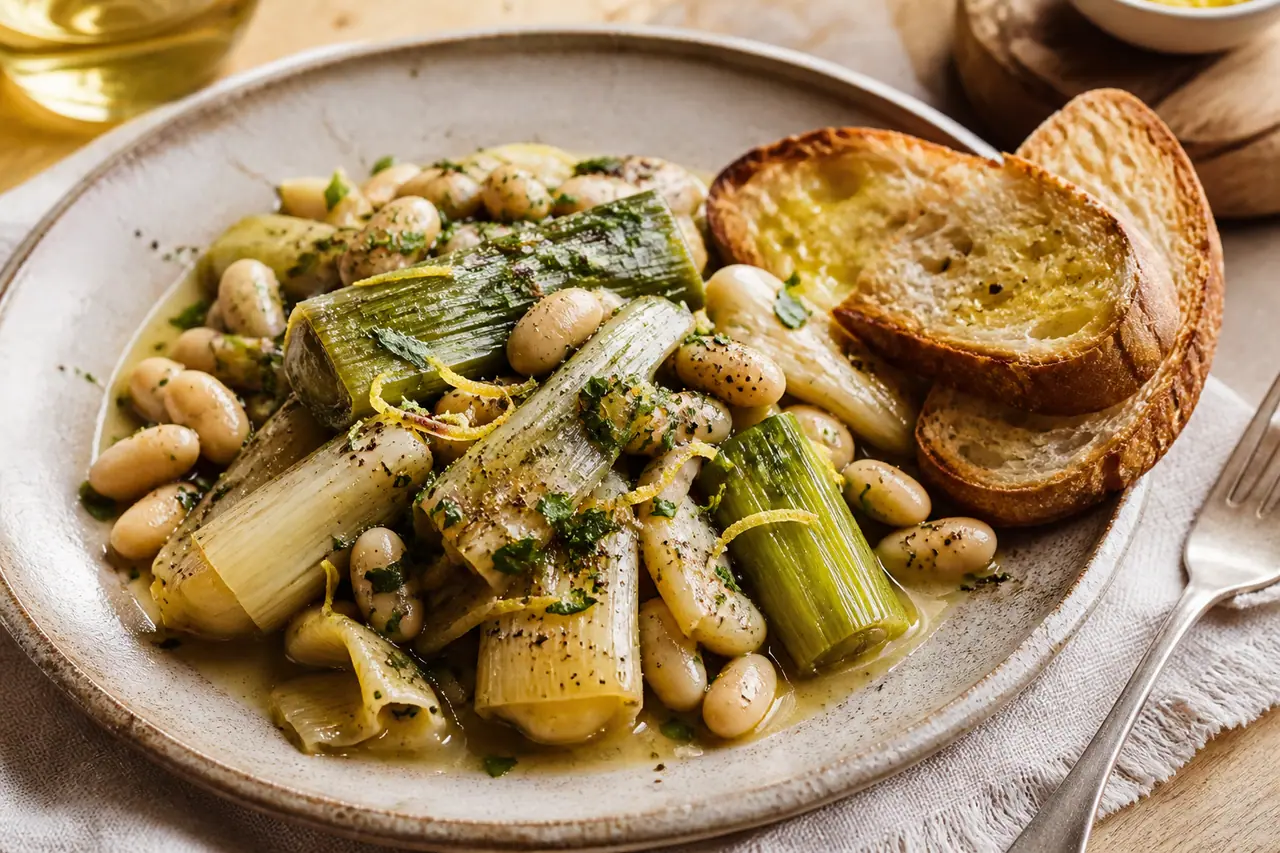
1. Braised leeks with white beans, lemon and toast
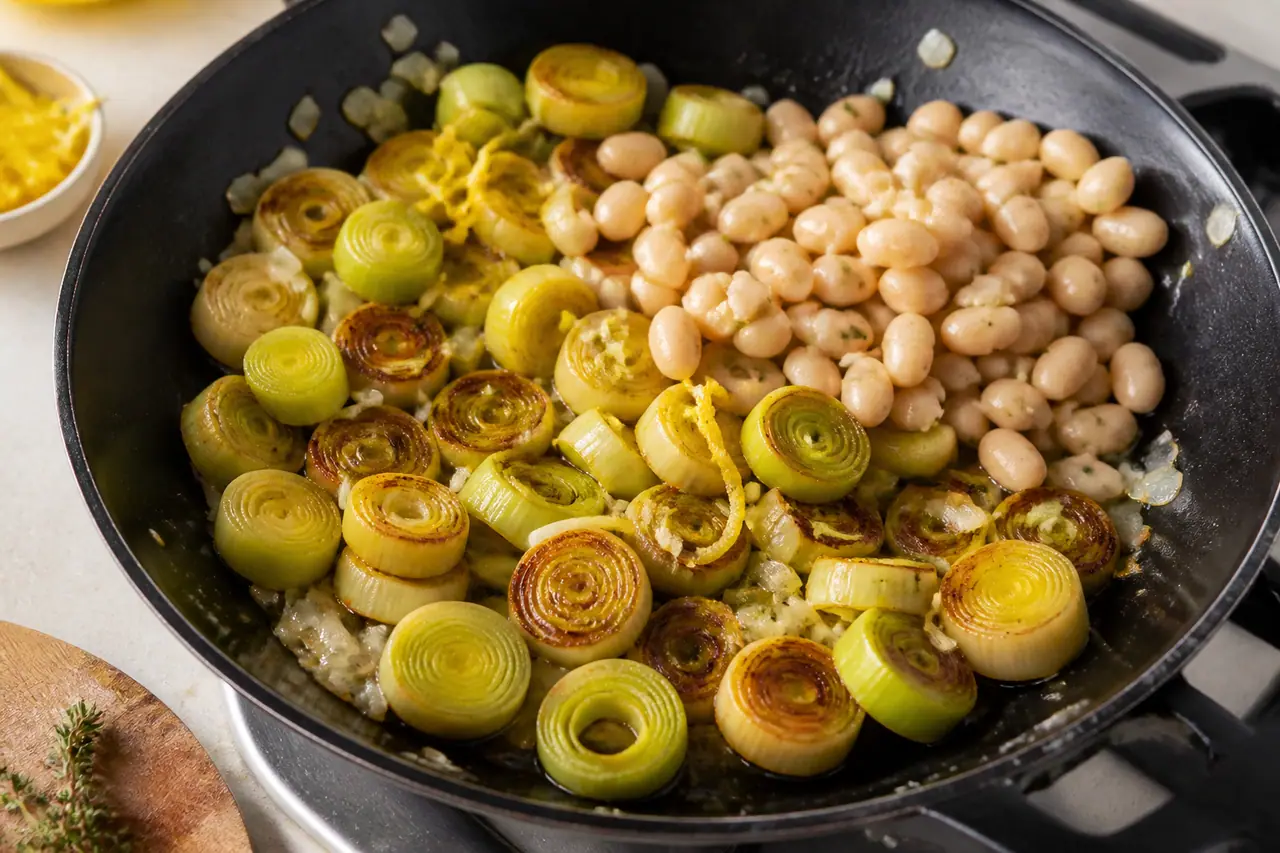
Cut two large leeks into thick rounds and soften them in olive oil with salt until the layers begin to collapse. Add a drained tin of white beans, a splash of stock and black pepper, then cover until the beans are hot and the leeks are silky. Finish with lemon zest, lemon juice and parsley. Toasted bread gives the dish the chew that a bowl of soft vegetables needs.
This is my best use for leeks that are slightly tired but not soft. The slow heat brings out their sweetness, and the beans turn the pan into a full meal. Keep the liquid modest; you want a glossy braise that clings to the leeks, not a thin soup.
2. Leek and mushroom pasta
Slice leeks thinly and cook them in butter or olive oil until tender before adding sliced mushrooms. Let the mushrooms brown instead of stirring constantly, then loosen the pan with pasta water. Toss with short pasta, grated hard cheese and a lot of black pepper. A spoonful of mustard makes the sweet leek taste more deliberate, but it is not essential.
The trick is to cook the leek before the mushrooms release their water. If everything goes in together, the pan steams and both ingredients stay pale. One pan, two stages: sweet leek first, browned mushroom second.
3. Potato and leek soup with a sharp finish
Soften sliced leeks in butter, add potatoes and stock, and simmer until the potatoes break easily. Blend only part of the pot so the soup stays textured. Stir in yogurt or cream if you want it rounder, then add vinegar or lemon at the table. The acid is not decoration: without it, the soup can taste like a warm beige blanket.
Save the dark green leek tops for the stock if you have them. A potato and leek soup also reheats well, but keep a little chopped chive, parsley or toasted seed for the bowl so the second night does not feel identical to the first.
4. Leek gratin with beans underneath
Cook sliced leeks slowly until soft, then layer them over white beans in a shallow baking dish. Pour over a small amount of cream or stock mixed with mustard, cover with breadcrumbs and bake until the top is browned. The beans hold the dish together while the leeks become almost spoon-soft.
Use a shallow dish rather than a deep casserole. More surface means more browned crumbs and less time waiting for the centre to heat. This is a good Friday dinner because it feels generous but asks for very little beside a green salad.
5. Chicken and leeks on one tray
Put thick leek pieces and small potatoes on a tray with oil, salt and pepper. Roast until the edges colour, then add chicken thighs or sausages for the remaining cooking time. Finish with lemon and a spoonful of yogurt or mustard. The leeks catch the juices and become the part of the tray people scrape up with bread.
Give the leeks space. If the tray is crowded, they steam in the chicken juices and never get the browned edges that make this version feel different from soup. Put the cut side down at the start and turn them once.
The method that makes any of them work
Wash between the layers, drain, slice evenly and start with moderate heat. Salt early enough for the leeks to soften, but do not rush them with a hot empty pan. If the bottom catches, add a spoonful of water and scrape; if the pan is wet, wait for the liquid to cook away before adding the next ingredient.
Leeks are useful because they can be both the base and the vegetable. Let them stay visible, give them enough time and use lemon, mustard or vinegar to keep their sweetness bright. Then a whole bunch becomes five different dinners instead of five repetitions of onion.
Questions
What goes well with leeks for dinner?
How do I stop leeks becoming watery?
Can I make leek dinner ideas ahead?
Can I use the dark green leek tops?
More guides
All guides →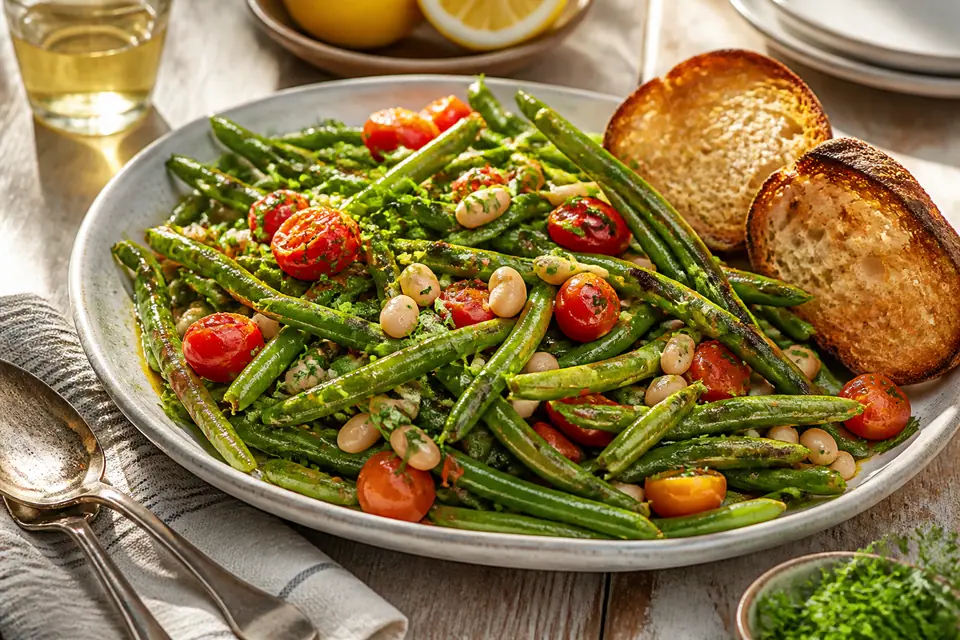
5 summer dinners for green beans
Use green beans as the vegetable that carries dinner: blister them with tomatoes, fold them through noodles, pair them with eggs or build a warm white-bean skillet.
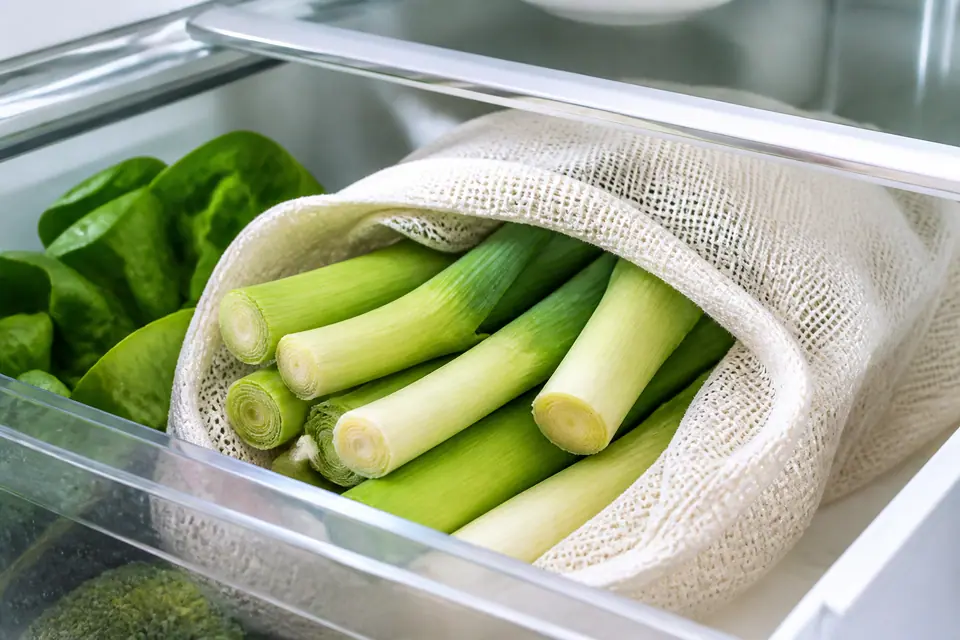
How to keep leeks fresh after trimming
Trimmed leeks last better when they are dry on the surface, loosely wrapped and kept cold without sitting in trapped water.
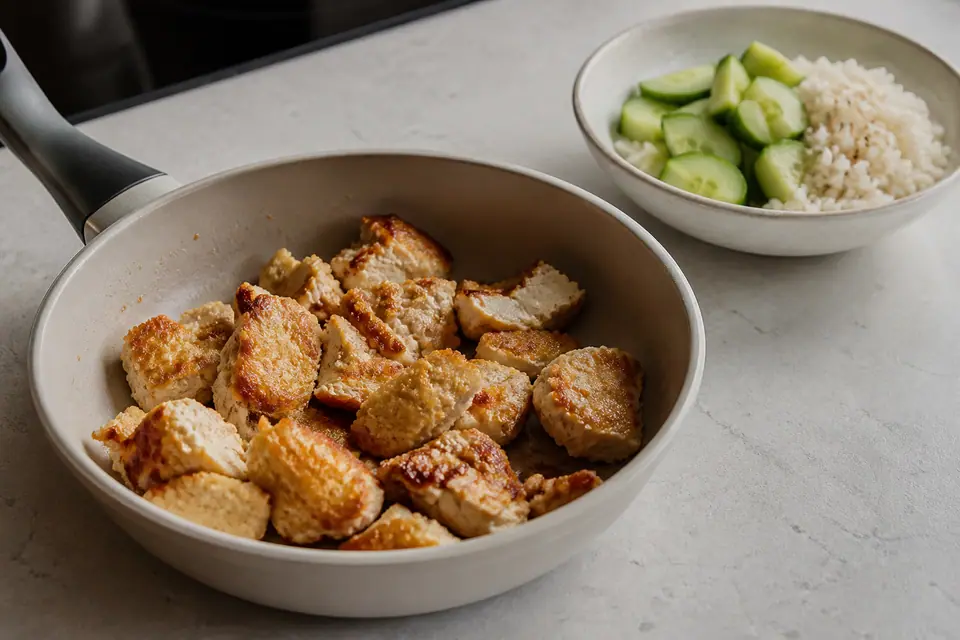
Firm vs extra-firm tofu: which crisps best?
Extra-firm tofu is the reliable choice for crisp edges and turning. Firm tofu can still work when you press it gently, use larger pieces and avoid overhandling.