The better broccoli buy depends on what you eat
Tenderstem broccoli is not automatically better value. The useful comparison is edible weight, trimming and the kind of dinner you want to put on the table.

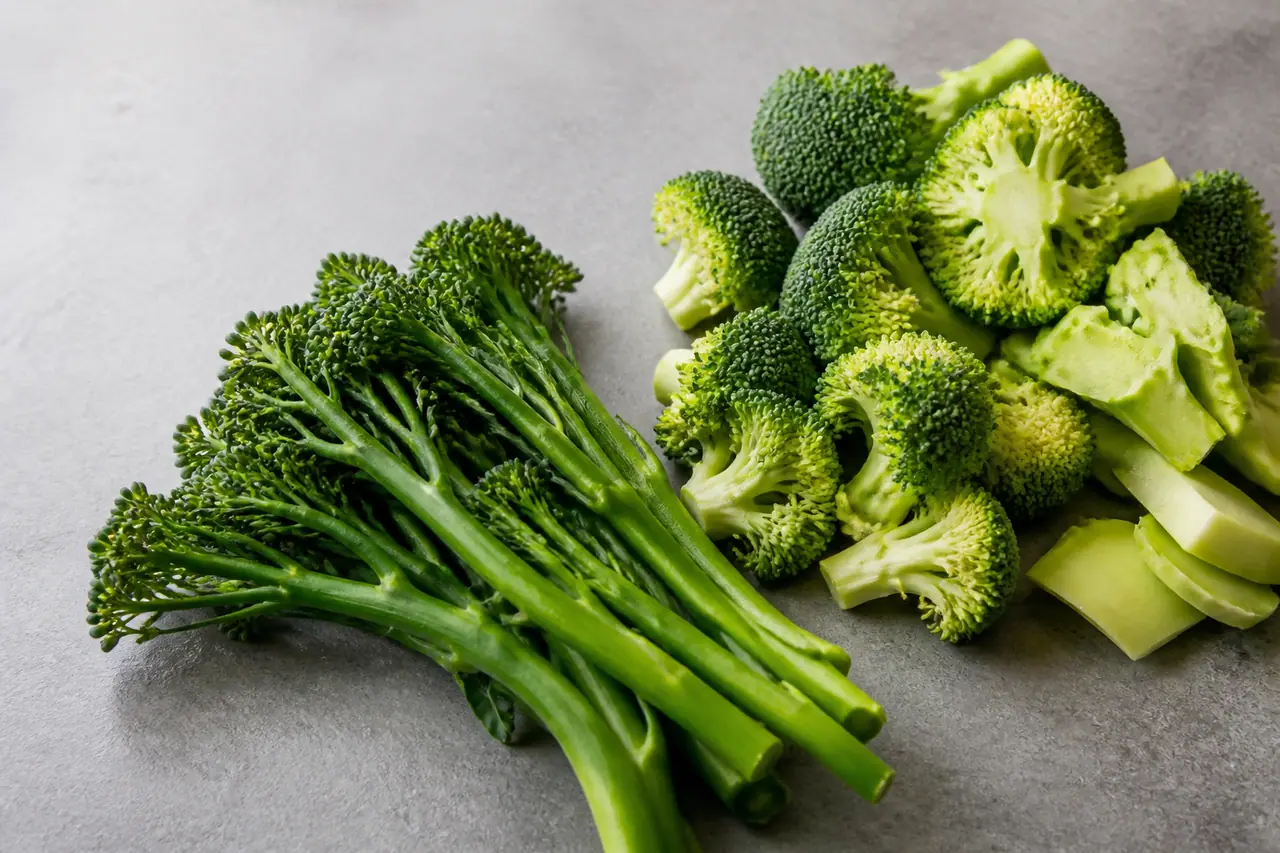
Tenderstem broccoli looks like the expensive option until you trim a regular head. I weighed both on my kitchen scales, then weighed what reached the pan. A 400 g head of regular broccoli left 286 g of florets and peeled stem after I cut away the thick base and loose leaves. A 200 g pack of tenderstem left 188 g ready to cook. The price label tells only half of that story.
My verdict is practical: buy regular broccoli for a family tray or a dish where florets carry the texture, and buy tenderstem when you want every stem edible, a fast side dish, or a neat portion for one or two people. Tenderstem is not a luxury version of the same thing. Its long thin stems change the amount of waste, the cooking time and the shape on the plate.
I make that decision before the pan is hot, while the ingredient can still change course.
What I count as usable broccoli
I count the florets, the tender upper stem and any peeled section that will be pleasant to bite. I do not count a thick woody base simply because it came in the bag. Regular broccoli gives you a large central stalk, but the outer skin can be fibrous. Tenderstem arrives with a thinner stem, so more of the purchased weight can go straight into the pan.
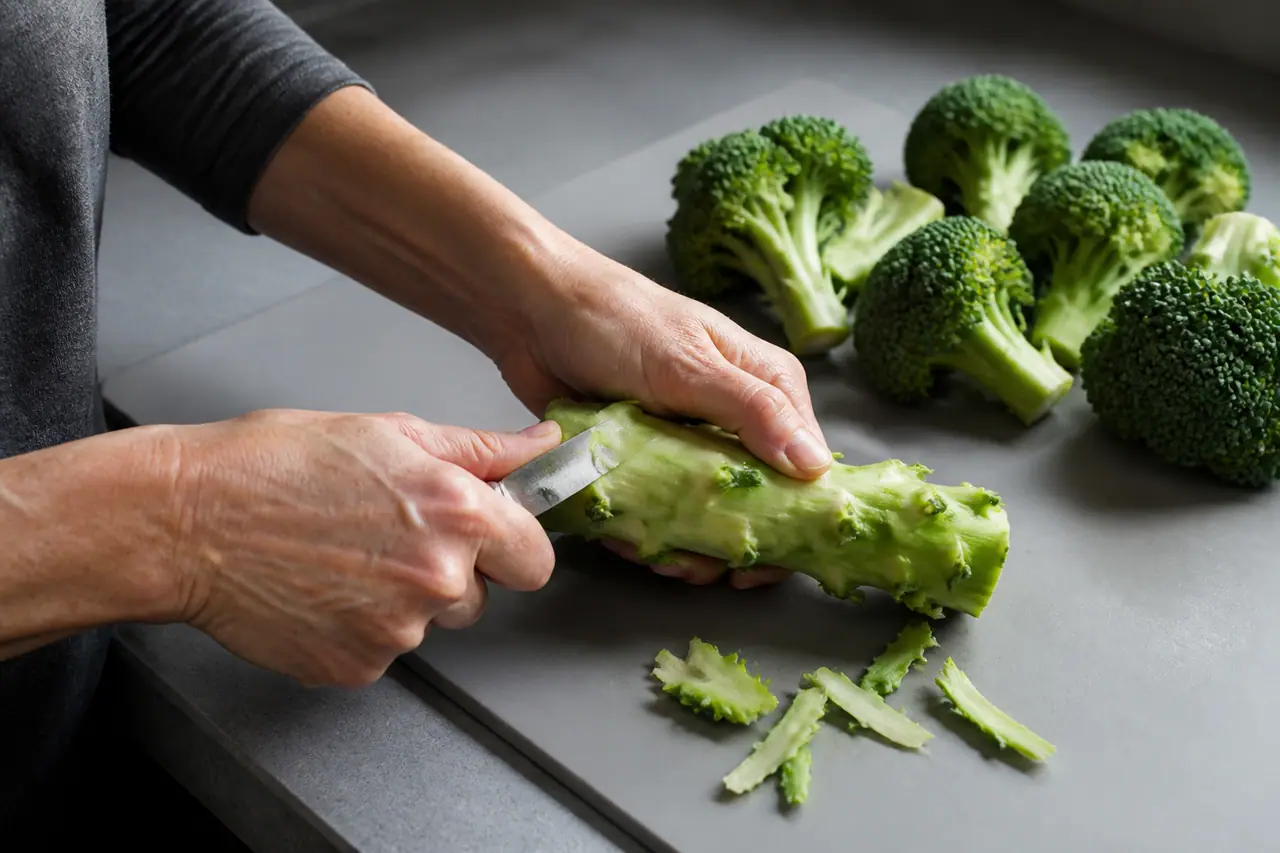
The calculation changes if you use the stalk in soup or slaw. I save regular broccoli stems for a quick [miso-roasted cabbage](/recipes/miso-roasted-cabbage-for-a-packed-lunch)-style tray of vegetables, or peel and slice them into stir-fry. If the stem has a destination, the head wastes less. Value is partly a shopping decision and partly a habit made at the chopping board.
I make that decision before the pan is hot, while the ingredient can still change.
My usable-weight test
I bought one regular head and one pack of tenderstem from the same shop, chilled them overnight, and weighed them before cutting. The regular head cost less per pack but lost more weight at the base and around the florets. Tenderstem cost more per 100 g, yet its ready-to-cook weight was close to the number printed on the front.
The result was not a universal winner. Per 100 g ready to cook, tenderstem was 14 pence more expensive in my shop. Per cooked portion with no trimming, the difference narrowed because I needed less extra food to make the plate look full. Prices vary more than the broccoli itself, so I use the ready-to-cook comparison as a guide rather than a permanent rule.
That small pause tells me more than the packet does on a busy shopping day.
| Measure | Regular broccoli | Tenderstem broccoli |
|---|---|---|
| Pack weight tested | 400 g head | 200 g pack |
| Ready-to-cook weight | 286 g | 188 g |
| Main trimming | Base and thick skin | Only dry ends |
| Best texture | Florets with a firm bite | Tender stem and small florets |
| Best value use | Large tray or mixed dinner | Small side or quick pan |
Source: Maren Ashby kitchen scale test, 2026
Texture is where tenderstem earns its price
Regular broccoli gives a useful contrast between a craggy floret and a firm stalk, but the pieces are different sizes. The florets can soften while the base is still hard. Tenderstem is more even from end to end. I can roast it in one layer, turn it once and pull it out when the stems bend but still resist the knife.
That evenness matters for a quick dinner. I steam tenderstem for four minutes, then finish it in oil with lemon and toasted seeds. Regular broccoli needs either smaller stems or a head start for the stalk pieces. The extra minute is not difficult, but it is part of the real cost when dinner is already late.
I write the result down when the difference matters for the next dinner.
Where regular broccoli wins
For a sheet pan serving four, regular broccoli gives more floret surface for sauces and browned edges. I cut the head into medium florets, peel the stalk, and slice it into coins so every part finishes together. The stalk is mild and crisp when treated this way, not a punishment for using the cheaper head.
Regular broccoli also makes sense for soups, pasta sauces and anything chopped. A misshapen head with a few open flowers can still be good when the cut pieces disappear into the dish. I pay for tenderstem when the vegetable is visible and the stem is part of the experience, not when it is going to be blitzed.
The useful clue is in the texture, not the promise printed on the bag.
How I choose between them at the shop
For regular broccoli, I look for tight green florets, a firm heavy head and a cut stalk that is not deeply split. For tenderstem, I look at the stem ends first. They should not look dry, slimy or browned. The florets should be closed enough to feel fresh, though a few small yellow flowers do not make the whole pack useless.
I also check how soon I will cook it. Tenderstem is a good answer to a same-day dinner because almost no preparation stands between the packet and the pan. A firm regular head gives me more flexibility over several meals. The better buy is the one I will use before its texture declines.
I would rather change the cut than add another ingredient to hide the problem.
The short answer
Tenderstem broccoli usually costs more per edible gram, but it produces less trimming and more even cooking. Regular broccoli is the stronger value for volume, soups and dinners that use the peeled stalk. Buy tenderstem for convenience and visible stems, regular broccoli for quantity and flexibility.
One test piece is enough to set the timing for the rest of the pan.
Questions
Is tenderstem broccoli the same as regular broccoli?
Can I eat the whole tenderstem broccoli?
Is tenderstem broccoli more nutritious?
How do I use regular broccoli stems?
Recipes for this guide
All recipes →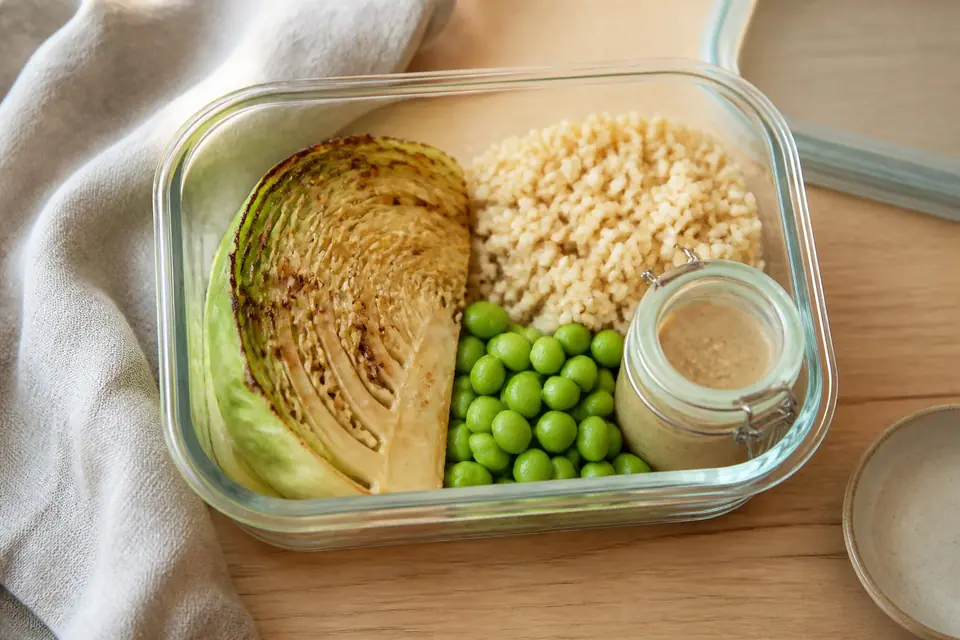
Miso-roasted cabbage for a packed lunch
Roast the cabbage until it can travel without collapsing, then pack it with rice and edamame while the sesame dressing stays separate.
More guides
All guides →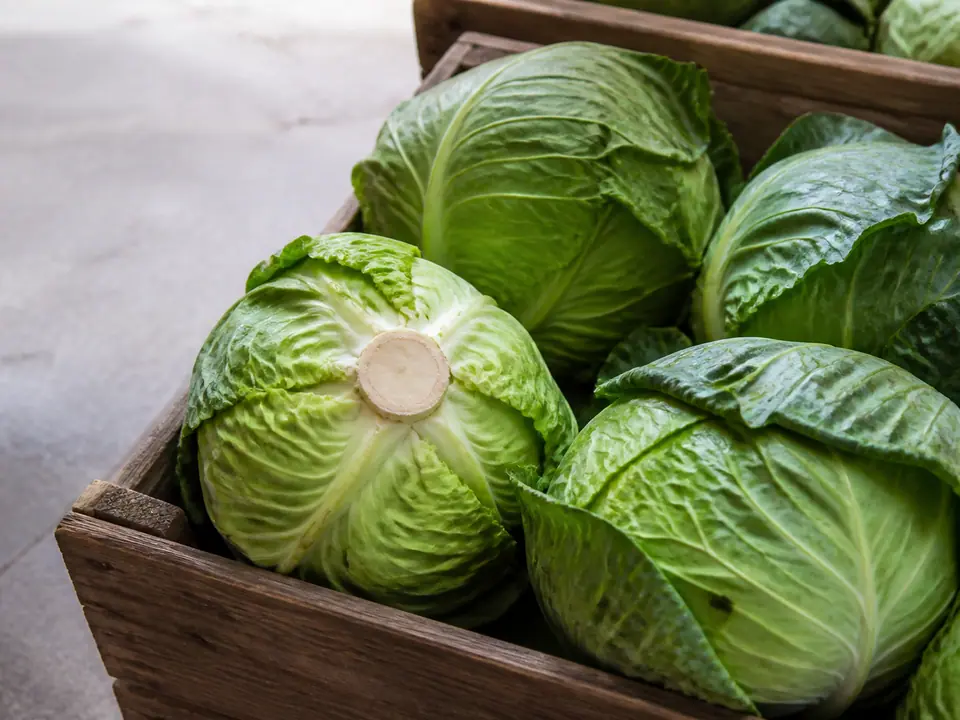
How to choose a cabbage that will stay crisp
A crisp cabbage feels dense, has tightly packed leaves and a dry cut base. The shop test takes less time than rescuing a wilted half later.

5 dinners for a bag of carrots
Roast carrots with beans, blend them into lentil soup, fry them with rice, fold them through pasta or build a spiced traybake around them.
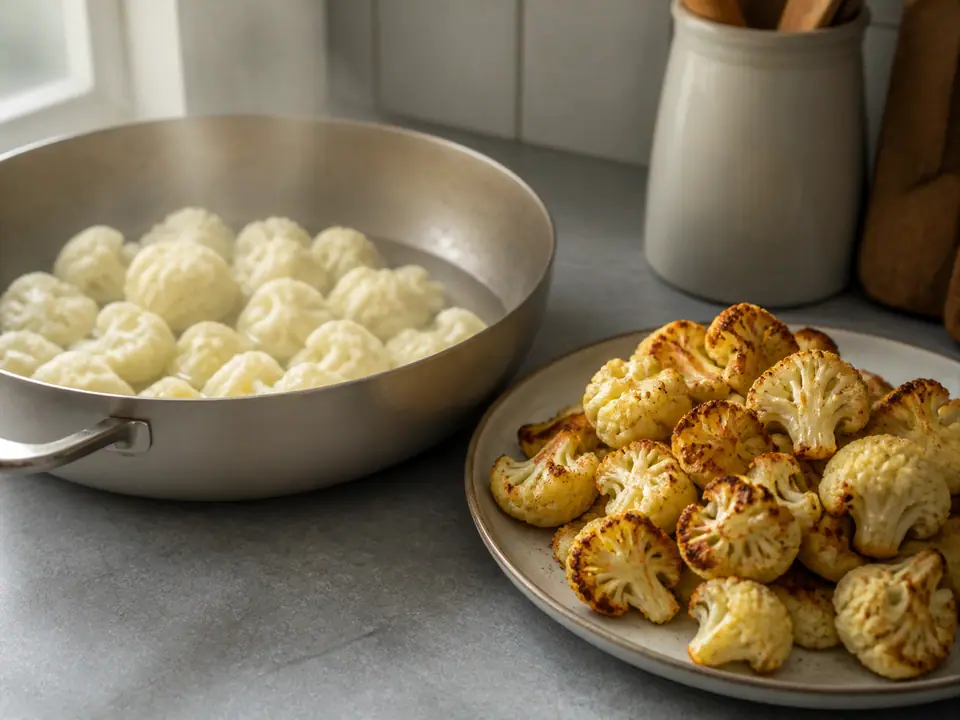
Why cauliflower can smell strong when it is overcooked
Cauliflower contains sulfur compounds that become more noticeable with prolonged wet cooking. Shorter, hotter cooking keeps the smell quieter and the texture firmer.