One spoonful can turn a nearly empty fridge into dinner
Use the last spoonful of tomato paste in beans, eggs, lentils, pasta or roasted vegetables. Each idea gives it a clear job instead of leaving it in the fridge.

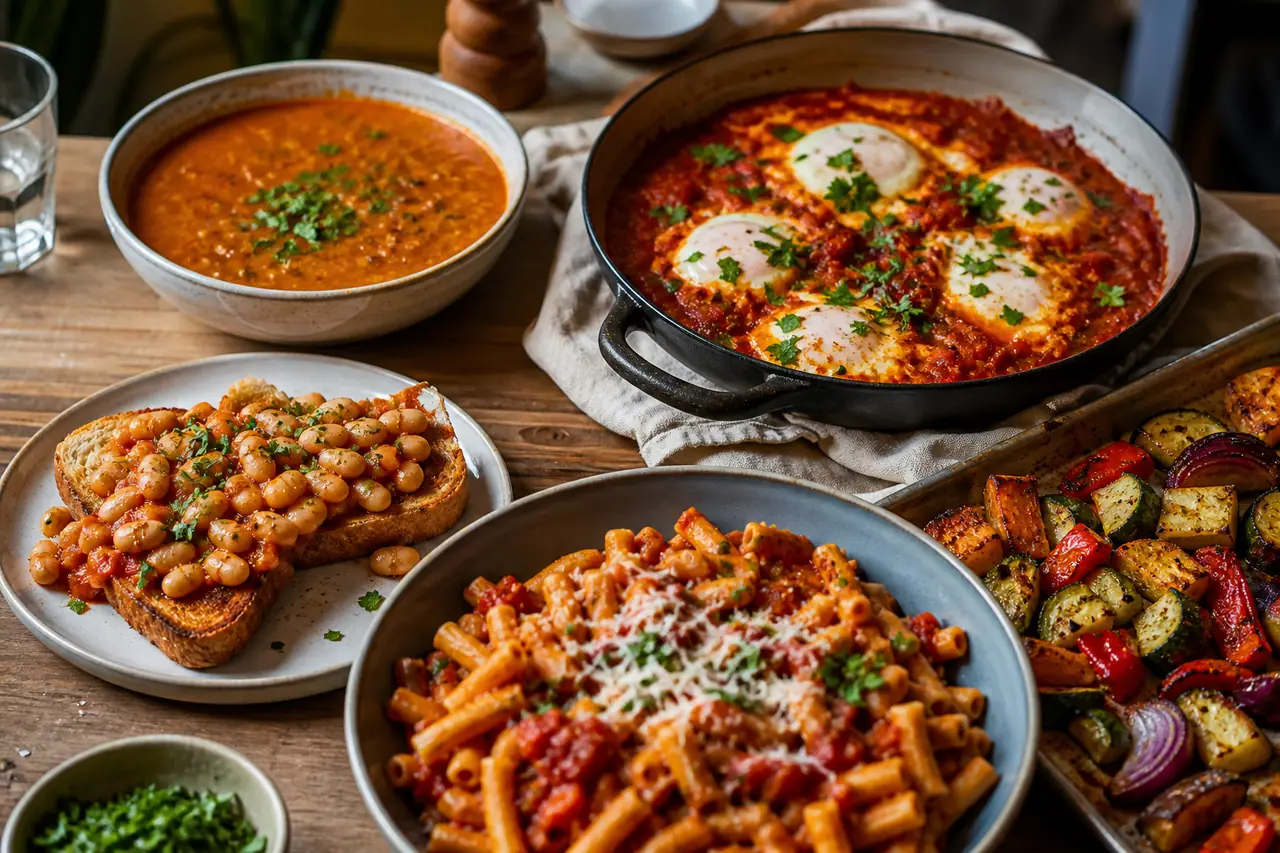
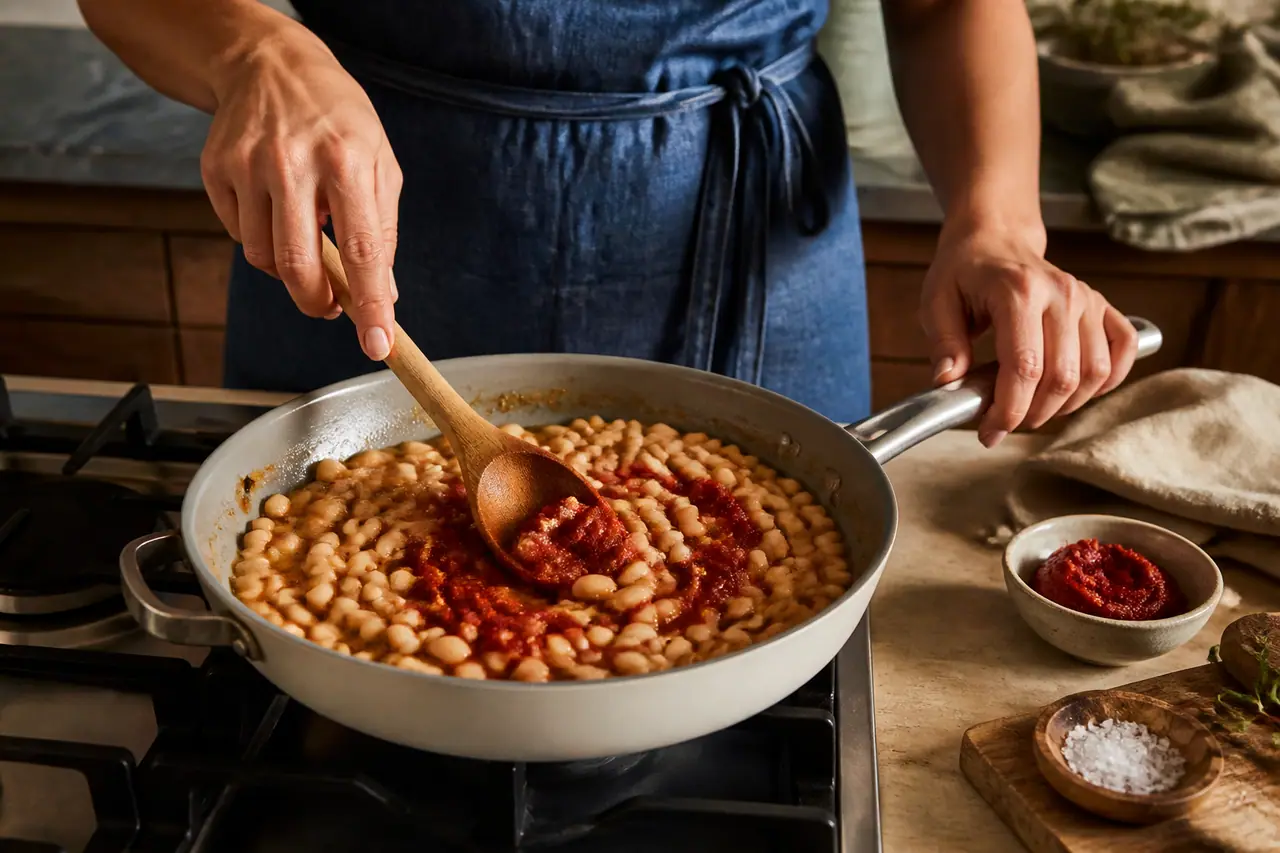
A spoonful of tomato paste is too small to build a whole dinner around, but it is exactly large enough to give a plain dinner a proper base. I use it when the cupboard has beans, lentils, eggs, pasta or a few vegetables and the meal needs something deeper than salt. The important thing is to fry it in the oil for a moment before adding water. That turns the leftover into flavour rather than a red streak floating through the pan.
These are not five recipes that demand a special shop. They are routes for the nights when the fridge is unhelpful and the open tube is asking to be used. Start with the idea that matches what you have, then adjust the liquid and seasoning at the end.
1. Tomato beans on toast
Soften an onion or a garlic clove in oil, add the spoonful of tomato paste and let it darken, then loosen the pan with water or stock. Tip in a drained tin of white beans and simmer until the liquid clings. Add black pepper, chilli or smoked paprika if you have them. The beans should stay whole, with enough sauce to soak into toast without turning the bread into soup.
This is the fastest idea on the list and the one I make when the paste is close to being forgotten. Greens can go in at the end, and a spoonful of yoghurt or grated cheese makes the bowl feel more complete. Taste for salt only after the beans have warmed because their liquid may already bring seasoning.
2. Red lentil soup
Fry the paste with onion, cumin or curry powder, then add red lentils and enough stock to make a loose soup. The paste gives the lentils a savoury centre while they soften, and the colour makes a plain bowl look like it has been cooking for much longer. Keep the simmer gentle and add water if the lentils thicken the pot before they are tender.
Finish with lemon, yoghurt or chopped herbs. If you have a carrot, grate it into the onions before the paste goes in. If you have no vegetables, the soup still works because the lentils provide the body and the paste provides the cooked tomato note. Keep the first bowl slightly looser than you think you need; lentils continue to swell as the soup rests, and a pot that looks right on the stove can become spoon-standing thick at the table.
3. Tomato eggs for dinner
Make a quick sauce with onion, tomato paste and a splash of water, then crack eggs into small hollows. Cover the skillet until the whites set and the yolks remain soft. Add spinach, peas or leftover roasted vegetables around the eggs if you have them. Toast or flatbread turns the pan into a full meal without another pot.
Keep the sauce thick enough to hold the eggs. If it is watery, the eggs steam rather than sit in a rich base. A little cumin, chilli or coriander works well, but salt the sauce lightly before the eggs and correct it after they are cooked.
4. One-pan tomato pasta
Fry garlic or onion, toast the paste, then add pasta and enough water to cook it in the same pan. Stir often so the starch turns the tomato base glossy. This is more forgiving with short pasta, which is easy to keep under the liquid. Add a little more water as needed instead of flooding the pan at the start.
Finish with olive oil, hard cheese, beans or a handful of frozen peas. The paste is doing the work of a concentrated tomato sauce, so let it cook before the pasta water arrives. A raw paste flavour is much more obvious in a one-pan dish because there is nowhere for it to hide. Stir from the bottom as the pasta absorbs the water, and leave the pan a little loose before serving. The starch keeps thickening the sauce on the plate, especially if the pasta sits while you grate cheese or warm bread.
5. Tomato-roasted vegetables
Mix the paste with oil, a splash of water and spices, then toss it through chopped carrots, cauliflower, potatoes or squash. Roast until the edges catch and the vegetables are tender. The paste gives the coating a dark savoury finish, especially on vegetables that otherwise need a long cooking time to taste sweet.
Do not make the coating too thick. A thin film roasts; a heavy lump steams and can taste bitter. If the tray looks dry before the vegetables soften, add a spoonful of water and turn everything. Serve with yoghurt, grains or beans to make the tray more filling.
The useful ending for a half-used tube
The best use for a spoonful of tomato paste is the dinner that makes you remember to use the next spoonful too. Beans are the quickest, lentil soup is the most forgiving, eggs feel the most generous, pasta is the most familiar and roasted vegetables make the pantry ingredient taste new. Pick the route that matches what is already in the kitchen, then let the paste do one clear job.
Questions
What can I cook with one spoonful of tomato paste?
Can I add tomato paste directly to soup?
What spices go with tomato paste?
How do I use a tiny amount of tomato paste?
More guides
All guides →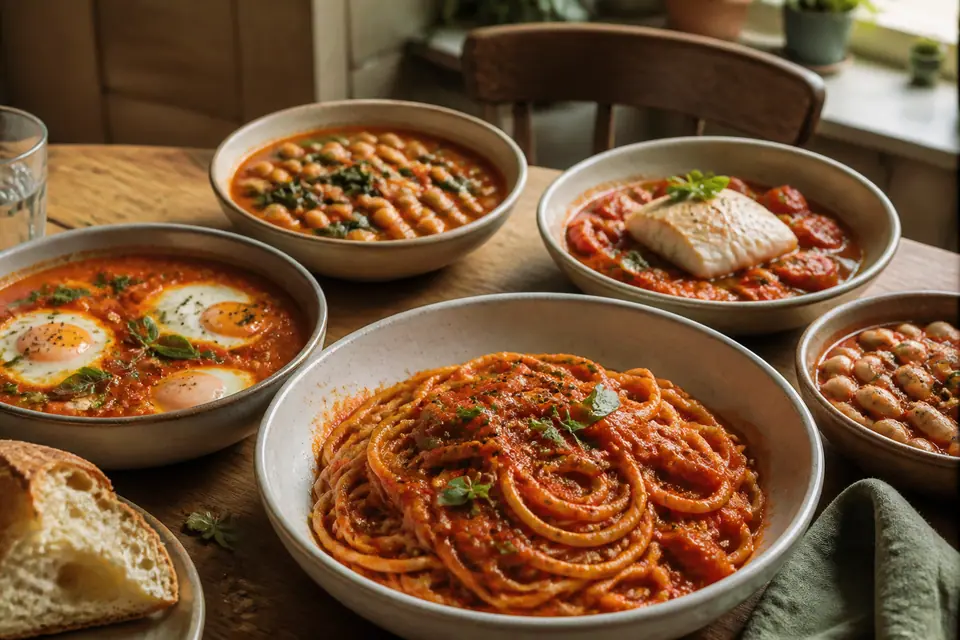
5 easy dinners to make with passata
Passata can become a smooth sauce, a poaching base or a quick soup. These five dinners use one carton and ordinary cupboard ingredients.
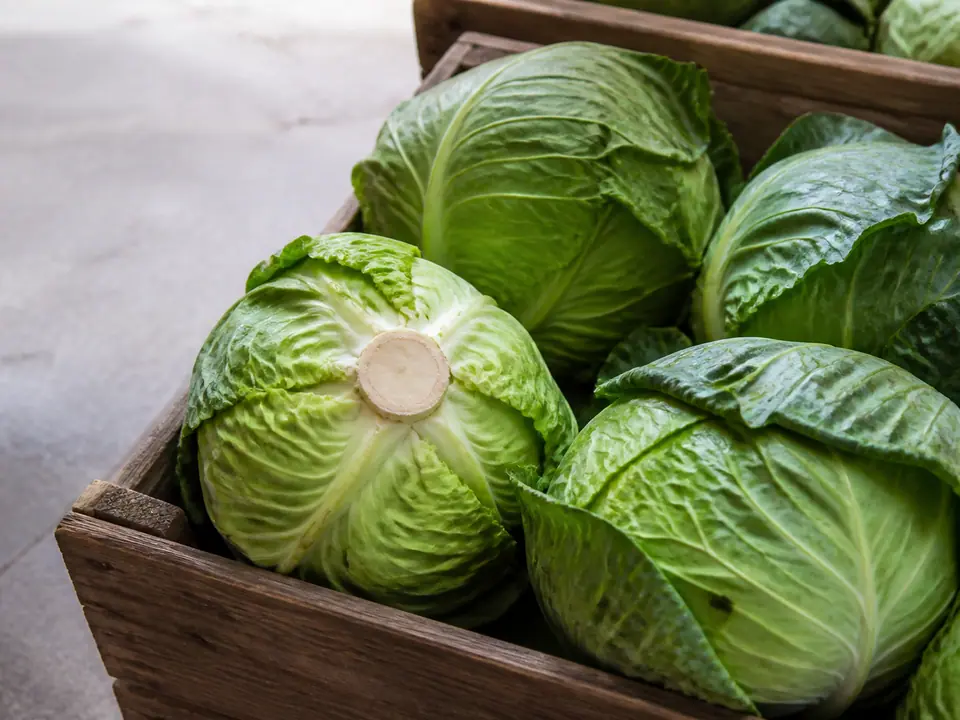
How to choose a cabbage that will stay crisp
A crisp cabbage feels dense, has tightly packed leaves and a dry cut base. The shop test takes less time than rescuing a wilted half later.
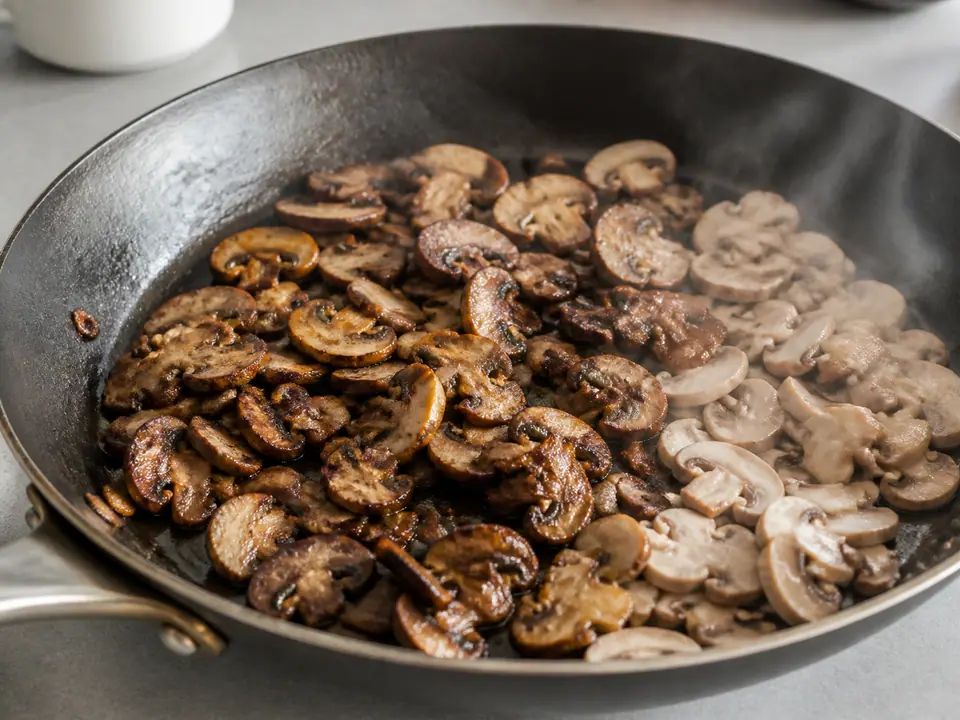
Why mushrooms steam instead of brown
Mushrooms release a surprising amount of water. Give them a dry surface, a wide pan and time before seasoning if you want colour instead of a grey simmer.